Tanzania safari FAQs cover popular itineraries (Northern Circuit: Serengeti, Ngorongoro, Tarangire, Manyara), best times to visit (dry season June-Oct for wildlife, Jan-Feb for calving), what to pack (neutral colors, layers, sturdy shoes), safety (generally safe, malaria risk), and costs (vary widely). Common itineraries blend parks like Serengeti for migration, Ngorongoro for dense wildlife, Tarangire for elephants, and Lake Manyara, often combined with Zanzibar beaches, with options for short trips or longer adventures.
How many days do I need for a Tanzania safari?
A Tanzania safari typically requires 6–10 days to fully experience the country’s top parks, including the Serengeti, Ngorongoro Crater, Tarangire, and Lake Manyara. This timeframe allows for unhurried game drives, diverse wildlife encounters, and smooth travel between destinations. Shorter 3–5 day Sample Tanzania Safari Itineraries are ideal for quick highlights, while longer itineraries offer deeper exploration or seasonal events like the Great Migration.
What is the best time of year for a Tanzania safari?
The best time for a Tanzania safari is June to October, when dry-season conditions create excellent wildlife viewing and the Great Migration river crossings. For a different experience, December to March offers lush landscapes and the wildebeest calving season in the Southern Serengeti. April and May bring heavier rains and fewer crowds, ideal for travelers seeking lower prices and greener scenery. Tanzania provides rewarding safari experiences year-round.
Can I witness the Great Wildebeest Migration?
Yes, you can witness the Great Wildebeest Migration in Tanzania, as it moves through the Serengeti year-round. The herds gather in the Southern Serengeti from December to March for calving, shift toward the Western and Central Serengeti from April to June, and reach the Northern Serengeti from July to October for dramatic Mara River crossings. Your safari itinerary can be tailored to match the migration’s seasonal location.
- Dec–Mar: Southern Serengeti – calving season
- Apr–Jun: Central & Western Serengeti – migration movements
- Jul–Oct: Northern Serengeti – Mara River crossings
- Nov: Eastern Serengeti – returning herds
What types of safari accommodations are available?
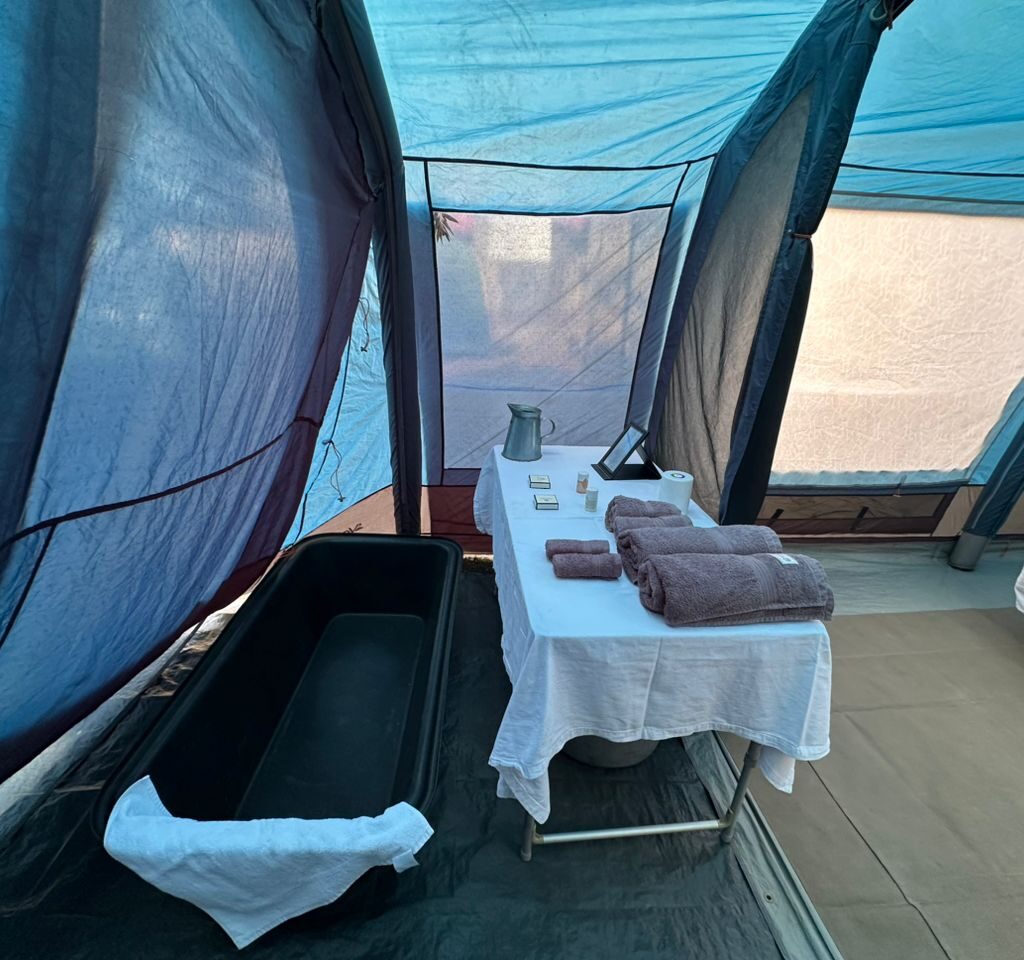
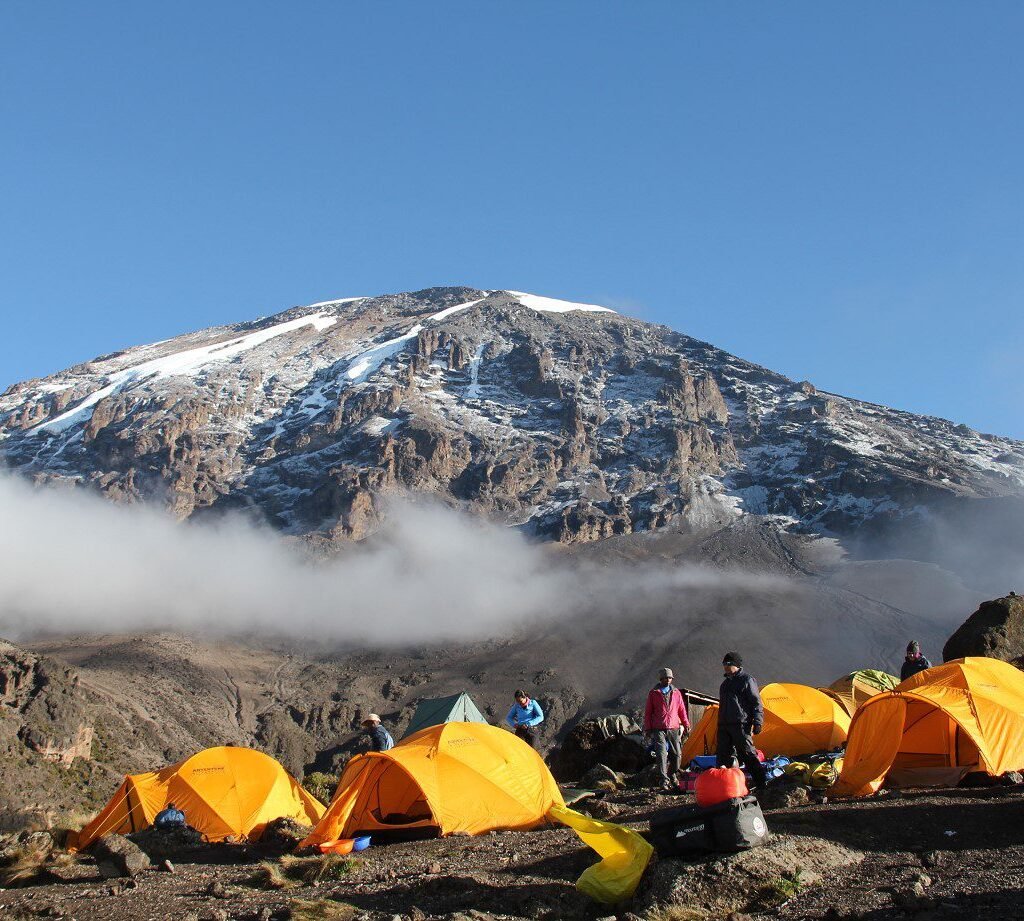
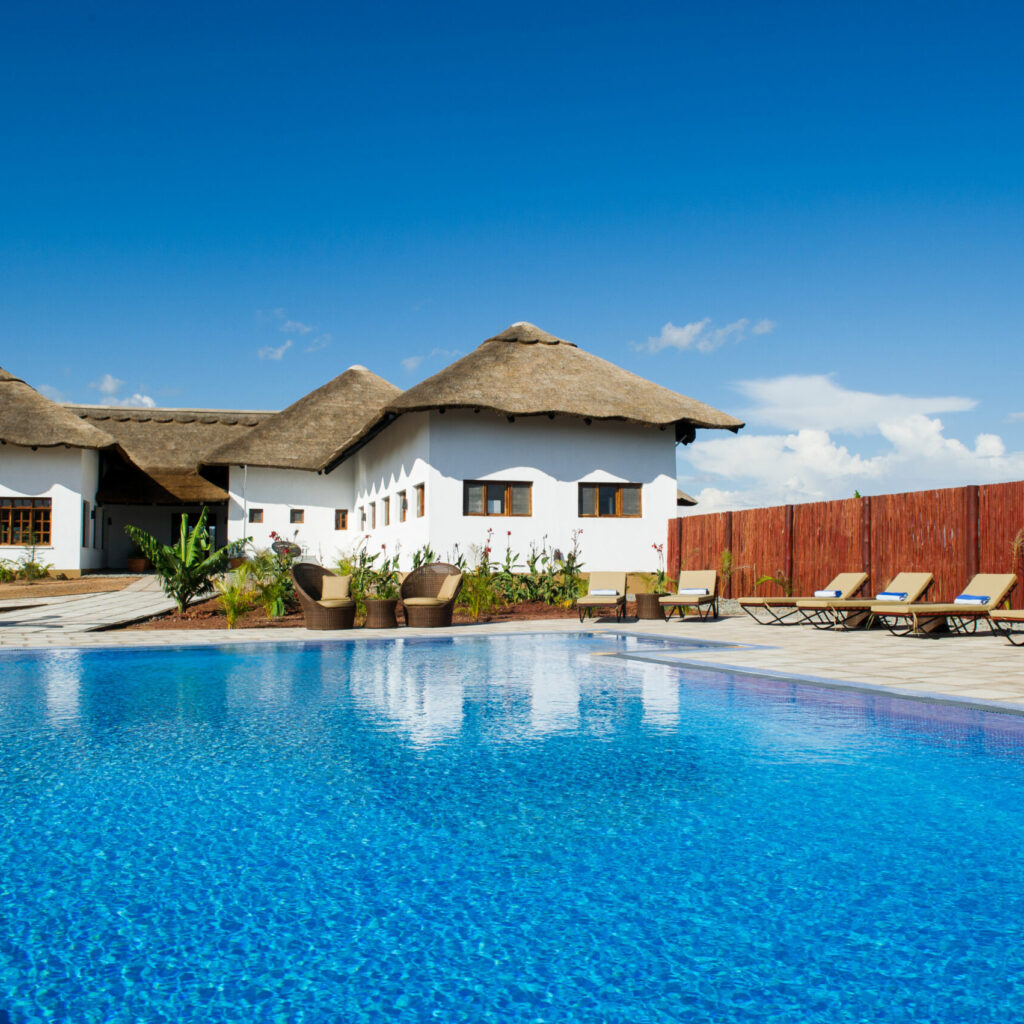
Tanzania offers a wide range of safari accommodations to suit every traveler. Options include luxury lodges, mid-range tented camps, mobile migration camps, and budget camping for a more adventurous experience. Many properties feature stunning views, comfortable amenities, and proximity to wildlife-rich areas. Whether you prefer African safari itineraries, high-end comfort, or a rustic, nature-immersive stay, some accommodations match your style and enhance your safari experience.
Are Tanzania safaris family-friendly?
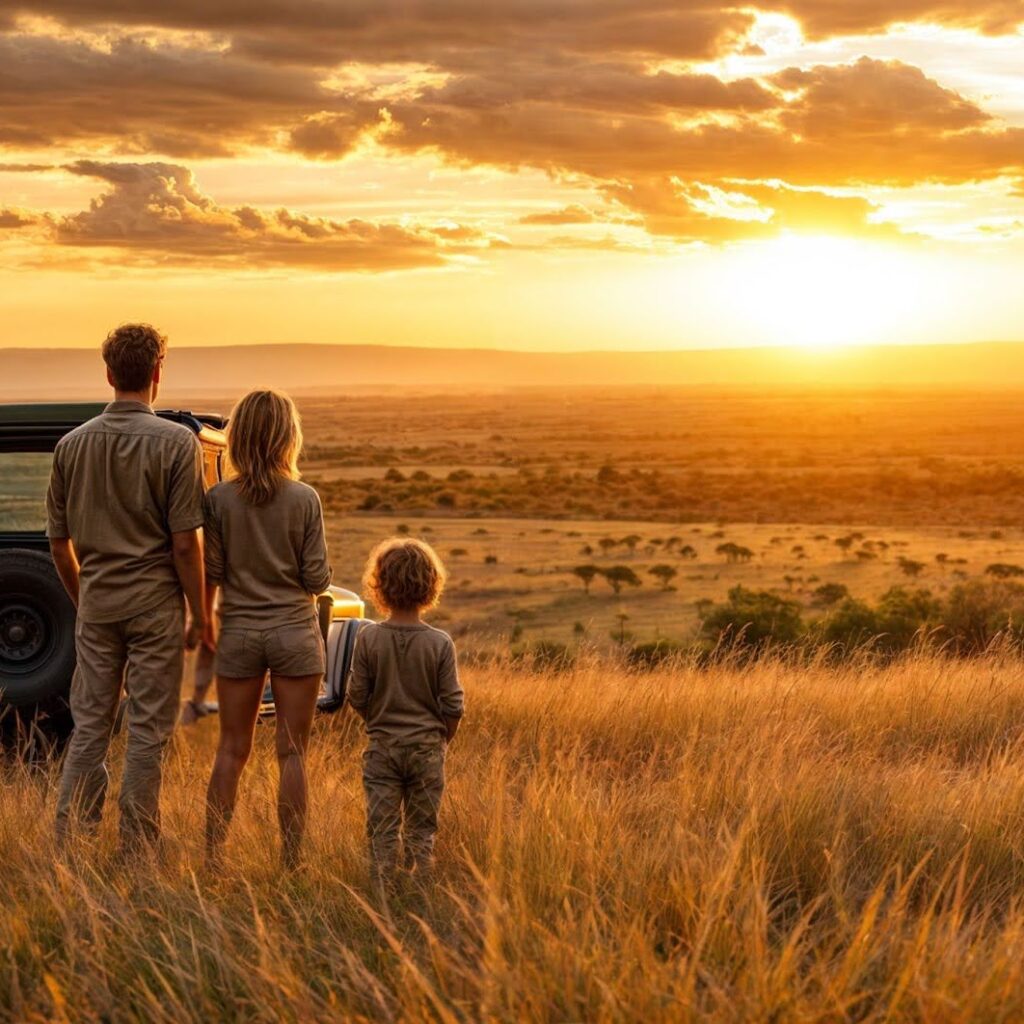
Yes, Tanzania safaris are family-friendly, offering accommodations with family rooms, child-friendly meals, and engaging activities for younger travelers. Many parks, such as Tarangire and Lake Manyara, feature Tanzania Safari Tours with shorter drive times and abundant wildlife, ideal for families. Some lodges even provide kids’ programs and educational bush walks. However, age restrictions may apply for walking safaris or certain camps, so planning with a family-focused operator is recommended.
What vehicles are used during safari game drives?
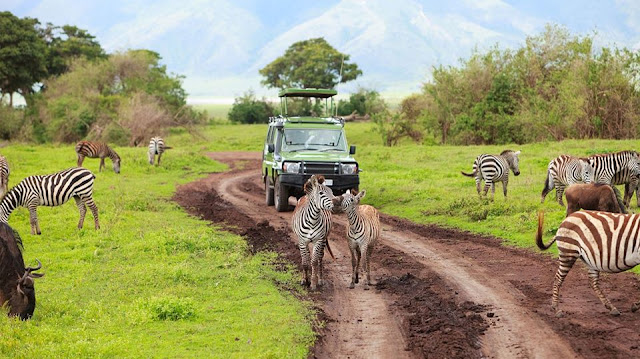
Safari game drives in Tanzania typically use 4×4 Toyota Land Cruisers, specially modified for comfort and optimal all-inclusive Tanzania Safari wildlife viewing. These vehicles feature pop-up roofs, large windows, and spacious seating to allow clear photography and safe animal observation. They are built to handle rough terrain, ensuring a smooth experience across national parks. Some versions include charging ports, refrigerators, and extended chassis for added comfort during long game-drive days.
Are Tanzania safaris safe?
Yes, Tanzania safaris are generally very safe when conducted with licensed operators and experienced guides. National parks are well-regulated, and guides follow strict wildlife and vehicle safety protocols. Travelers are advised to stay inside vehicles during game drives, follow lodge instructions, and avoid approaching animals on foot unless on a guided walk. With proper guidance and common-sense precautions, visitors can enjoy a secure and memorable safari experience.
Can I customize my safari itinerary?
Yes, you can fully customize your Tanzania safari itinerary to match your travel style, interests, and schedule. Whether you want to focus on the Great Migration, photography, cultural experiences, luxury lodges, or family-friendly activities, itineraries can be tailored to your preferences. You can also choose your ideal pace, travel dates, accommodations, and add-ons such as hot air balloon rides or beach extensions in Zanzibar, ensuring a personalized safari experience.
Do I need a visa to visit Tanzania?
Most travelers do need a visa to visit Tanzania. Many nationalities can apply online for an e-visa before arrival, while others may obtain a visa on arrival at major airports and borders. Requirements vary by country, so it’s important to check current regulations before traveling. Make sure your passport is valid for at least six months beyond your entry date and has blank pages for visa stamps. Our tried-and-tested Tanzania itineraries deliver once-in-a-lifetime experience Naturally, most of our Tanzania tours and safaris focus on the country’s.
What should I pack for a Tanzania safari?
For a Tanzania safari, pack lightweight, neutral-colored clothing to blend with the environment, along with layers for varying temperatures. Essentials include a hat, sunglasses, sunscreen, comfortable walking shoes, and insect repellent. Bring binoculars, a camera, personal medications, and a reusable water bottle. Rain gear may be needed during the green season. Packing smart ensures comfort, safety, and an enjoyable wildlife-viewing African Safari Adventures experience throughout your safari.
Can I combine a safari with Zanzibar?
Yes, you can easily combine a Tanzania safari with a Zanzibar beach getaway. After exploring the best of Tanzania Safari wildlife in the Serengeti, Ngorongoro, or Tarangire, travelers often fly to Zanzibar for 3–7 days of relaxation on pristine beaches, snorkeling, or cultural tours in Stone Town. Domestic flights connect safari destinations with Zanzibar, making it a seamless extension. This Tanzania safari itinerary suggestion combination offers the perfect mix of adventure and leisure for a complete Tanzanian experience.
Are walking safaris or night safaris offered?
Yes, Tanzania offers both walking safaris and night safaris in select parks and private reserves. Walking safaris, guided by experienced rangers, allow you to explore wildlife tracks, plants, and smaller creatures up close, typically in Tarangire, Ngorongoro, and private concessions. Night safaris, available in places like Lake Manyara and certain lodges, reveal nocturnal animals such as leopards, bush babies, and owls. Both experiences provide unique perspectives on Tanzania’s rich wildlife beyond traditional daytime game drives.
What is included in a safari itinerary?
A typical Tanzania safari itinerary includes park entry fees, accommodation, daily game drives, professional driver-guides, meals, drinking water, and airport transfers. Some packages also cover internal flights between parks. Optional extras may include hot air balloon rides, cultural visits, walking safaris, or Zanzibar extensions. Most itineraries are designed to offer a seamless experience, combining wildlife viewing, comfortable lodging, and expert guidance for a hassle-free and memorable safari adventure.
What is the difference between the Northern and Southern safari circuits?
The Northern Circuit is Tanzania’s most popular safari route, featuring the Serengeti, Ngorongoro Crater, Tarangire, and Lake Manyara. It’s ideal for first-time visitors, offering iconic wildlife, scenic landscapes, and the Great Migration. The Southern Circuit, including Ruaha and Selous (Nyerere) reserves, is less crowded and appeals to travelers seeking remote wilderness, rugged landscapes, and unique wildlife encounters. Both circuits provide exceptional safari experiences, but the Northern Circuit is more accessible, while the Southern Circuit offers off-the-beaten-path adventure.
How far in advance should I book my safari?
For peak safari seasons (June–October and December–March), it’s best to book 6–12 months in advance to secure preferred accommodations and ensure availability for popular parks like the Serengeti and Ngorongoro. For the off-peak green season (April–May), bookings can be made closer to travel dates, though early planning still helps with better options and pricing. Early booking ensures a smooth, well-organized safari experience without last-minute stress.
What types of accommodation are available on a Tanzania safari Itinerary?
Tanzania safari itineraries offer a range of accommodations to suit different preferences and budgets. Options include luxury lodges with full amenities, mid-range tented camps blending comfort with nature, mobile camps that follow the Great Migration, and budget-friendly campsites for a more adventurous experience. Many lodges and camps are strategically located near wildlife hotspots, ensuring convenient access to game drives while providing a comfortable and immersive safari experience.
What to expect on a Tanzania safari Itinerary?
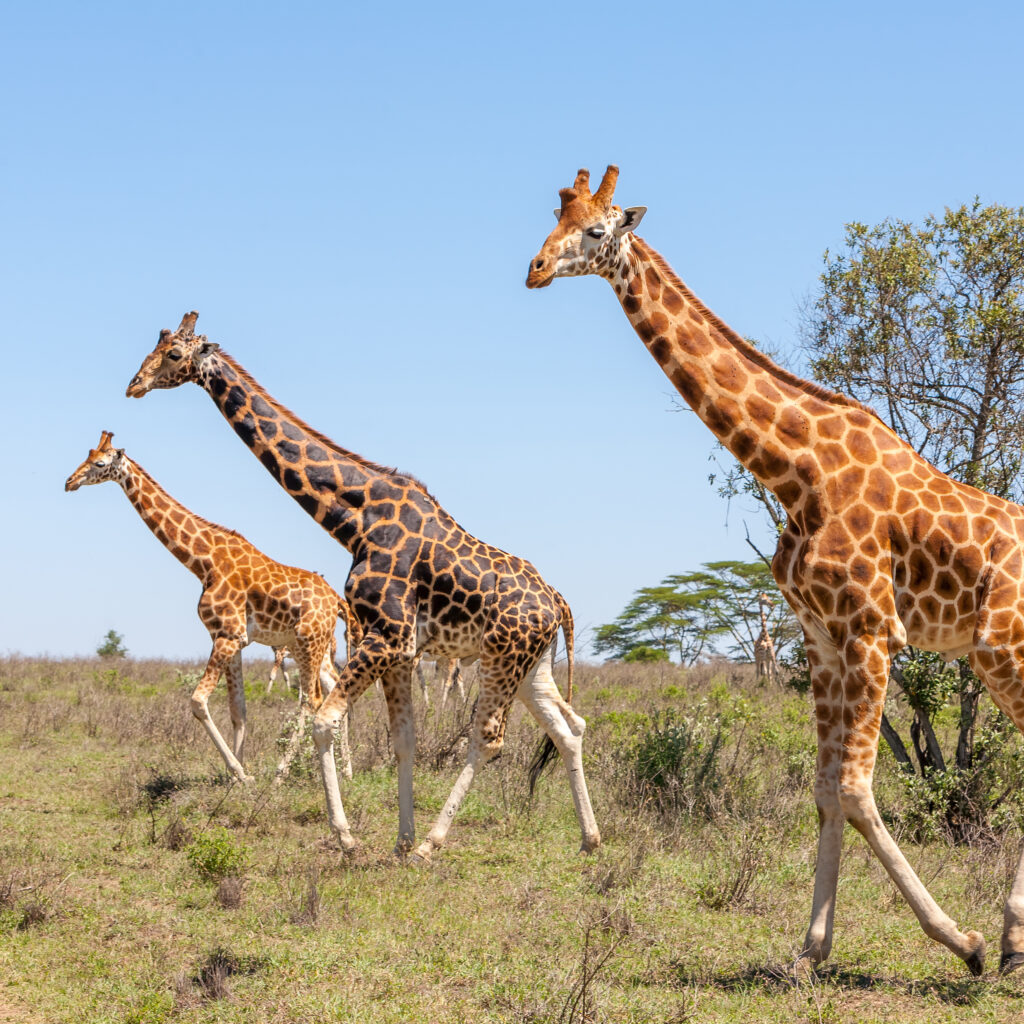
On a Tanzania safari, expect daily game drives in iconic parks like the Serengeti, Ngorongoro, Tarangire, and Lake Manyara, offering close encounters with lions, elephants, giraffes, and wildebeest. Enjoy stunning landscapes, sunrise and sunset views, and optional experiences like hot air balloon rides or cultural visits. Accommodations range from luxury lodges to tented camps. Safaris combine wildlife, adventure, comfort, and learning, creating an unforgettable experience in one of Africa’s most diverse and scenic wildlife destinations.