
Luxury Tanzania Migration Safari
A luxury Tanzania Great Migration safari follows the vast herds of wildebeest and zebra through the Serengeti ecosystem, with private vehicles, expert guides and refined camps placed where the animals are at each time of year. From the calving plains of Ndutu to the Grumeti channels and the Mara River in the far north, the herds are always moving, driven by rainfall and fresh grass. Foot Slopes Tours and Safaris designs each journey as an individual tailor-made itinerary, so you wake close to the action, travel at your own pace and enjoy comfort after every long day.
Plan Your Migration Safari
Trip Length
Comfort Level
Safari Style
Operator Rating
Specialized Tours
Filter by Operator
Other Tour Features
Senior Safaris
Senior-Friendly Safari Packages
Luxury Tanzania Migration Safari
A luxury Tanzania Great Migration safari is a private, tailor-made journey following vast herds of wildebeest and zebra across the Serengeti, staying in refined camps positioned close to the animals in every season.
Luxury Great Migration Safari Packages
Choose a private migration itinerary below, then adjust the season, camps and number of nights to suit you.
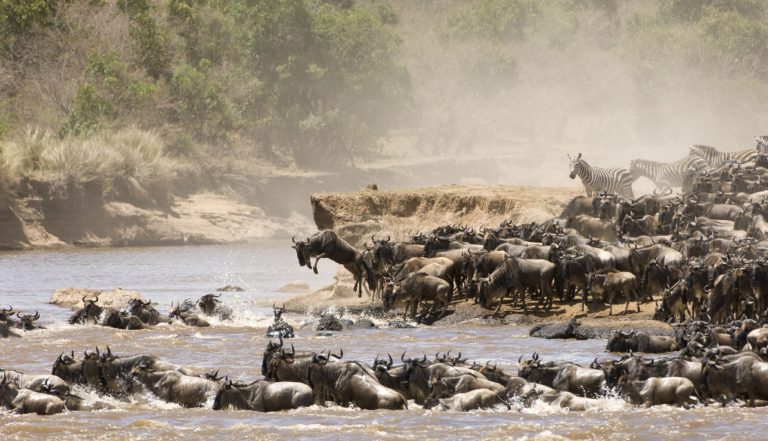
Luxury Tanzania Great Migration Safari
Experience the Luxury Tanzania Great Migration Safari – Witness wildebeest river crossings, Big Five,…
View Package →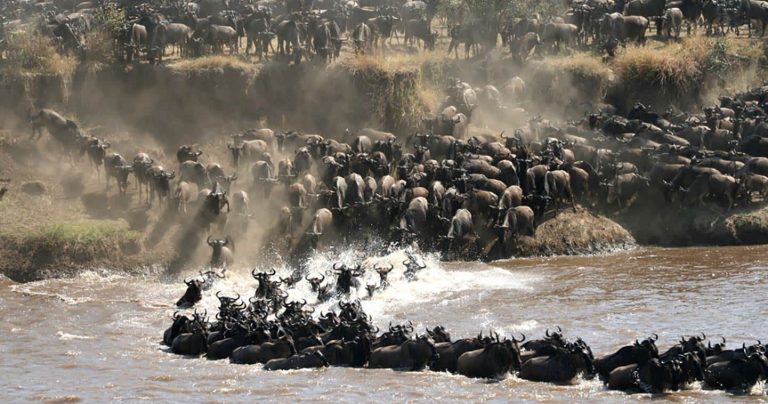
Classic Tanzania migration safari
Experience the Great Migration on a Classic Tanzania Safari – Witness wildebeest crossings, predator…
View Package →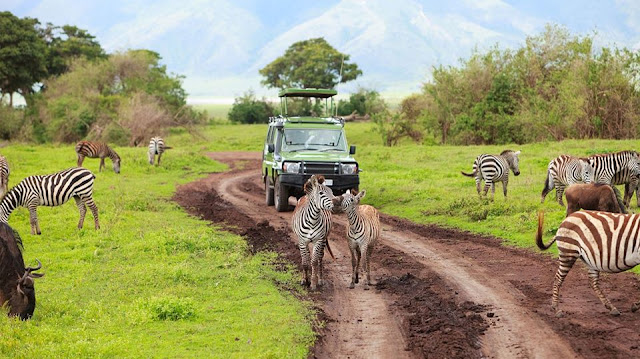
5-Day Ultra-Luxury First Class Serengeti Safari
Experience a 5-Day Ultra-Luxury Serengeti Safari with first-class lodges, private game drives, and Big…
View Package →8-Day Serengeti Wildebeest Migration Safari
Join the 8-Day The Great Serengeti Migration Safari and witness the breathtaking wildebeest migration…
View Package →3- Day Great Migration River Crossings
Discover the ultimate 3-day Serengeti Great Migration river crossings tour—see wildebeest crossings, crocodiles, and…
View Package →7-Day Serengeti Migration Safari
Compare 7-Day Serengeti Migration Safari offers by specialized tour operators. Find the best deals…
View Package →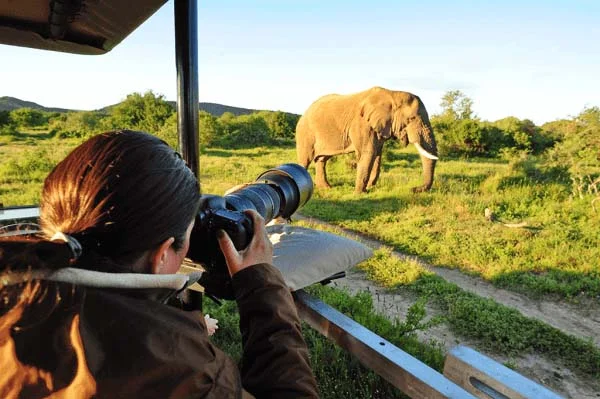
Best 8-Day Western Corridor Wildebeest Migration Safari
Join the Western corridor Wildebeest Migration Safari for an unforgettable 8-day adventure in Serengeti…
View Package →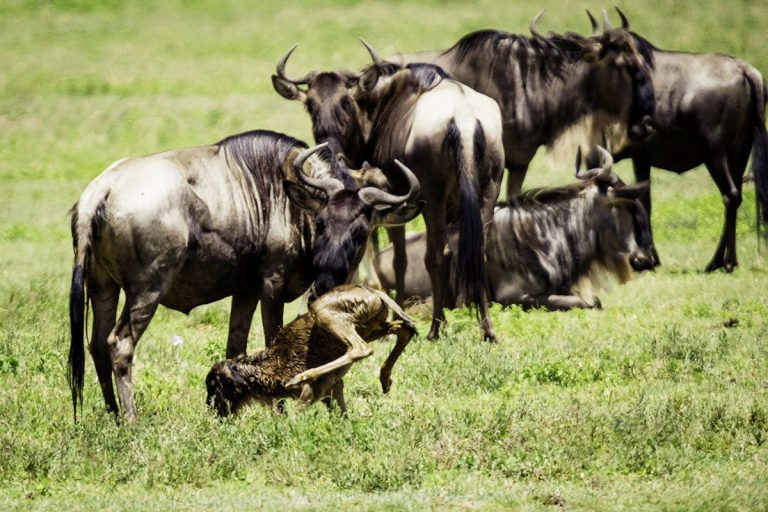
8-Day Mid-Range Ndutu Migration Calving Season
Embark on a thrilling Migration calving season 8-day tour with 7nights/ 8-Day Migration Calving…
View Package →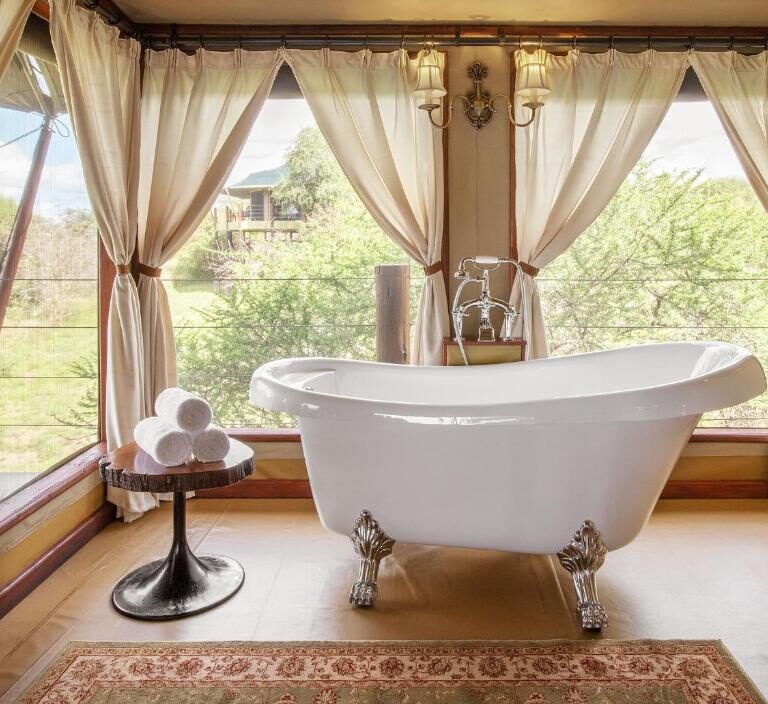
10-Day Ultra-Luxury Tanzania Lodge Safari
A Ultra-Luxury Tanzania Lodge Safari in Northern Tanzania safari circuit combining premier lodges in…
View Package →Luxury Migration Safari FAQs
What is the Great Migration in Tanzania?
The Great Migration is the continuous, circular movement of wildebeest, zebra and gazelle between the Serengeti in Tanzania and the Masai Mara in Kenya, following rain and fresh grazing. It is not a single event but a year-round cycle: calving in the south, northward trekking, river crossings in the far north, then a return south. Because the route depends on rainfall, exact positions shift from year to year. A private guide reads recent movements and helps you choose camps and dates that put you near the herds. Flexible dates usually pay off.
Where to stay in the southern Serengeti during calving season
During calving season, roughly December to March, the best base is the Ndutu region and the southern Serengeti plains, where the herds graze on short green grass. Luxury tented camps here are often seasonal, set among acacia woodland with open views and predators nearby. Lions, cheetahs and hyenas hunt newborn calves, so game drives can be dramatic. Foot Slopes Tours and Safaris matches your dates to the camp closest to the herds, arranging a private vehicle, a driver-guide and relaxed mornings before the golden light begins. Early starts reward you with soft light, active predators and quiet roads.
Where to stay in the northern Serengeti for Mara River crossings
For river crossings, base yourself in the Kogatende and Lamai areas of the northern Serengeti, where the Mara River cuts through open savannah. Crossings are most active from about August to September, though timing varies with rainfall. Choose a camp within easy reach of the main crossing points so your guide can position the vehicle early and wait patiently. Luxury camps here offer large tents, hot showers, fine dining and quiet evenings under the stars, a welcome contrast with long, dusty and exciting days. Ask for a tent with a view, because mornings here are special.
What is the Western Corridor and Grumeti River migration like?
The Western Corridor is the stretch of the Serengeti along the Grumeti River, and the herds usually pass through from late May to July. The river is smaller than the Mara, lined with forest and home to large crocodiles, so crossings feel intimate and tense. Fewer vehicles are usually present, which suits private travellers. Riverside luxury camps in the area offer comfortable tents, birdlife, colobus monkeys and walking opportunities near camp. It is a rewarding choice if you want drama without the busiest northern season. Birdlife along the riverbanks adds colour between the more dramatic moments.
How many days do I need for a luxury migration safari?
Plan on at least five to seven days to follow the migration properly, and eight to ten if you want to add other parks. The herds can be spread over large distances, so a short stay risks missing the best action. A typical private itinerary spends two nights in one Serengeti region, then moves to another, with an optional Ngorongoro Crater visit. Foot Slopes Tours and Safaris adjusts the length to your budget, your travel dates and how much time you want for relaxing at camp. Longer stays leave room for slow mornings.
Can I combine a migration safari with Ngorongoro Crater?
Yes, the Ngorongoro Crater combines naturally with a migration safari, usually as a stop on the way to or from the Serengeti. The crater floor holds resident lions, elephants, hippos and some of the best chances of seeing black rhino in Tanzania. Most itineraries spend one night on the crater rim in a luxury lodge with sweeping caldera views, then descend early for a private game drive. This adds variety, because the crater wildlife is resident year-round while the Serengeti herds follow the seasons and the rains. Together they make a balanced journey of open plains and sheltered crater.
Is a hot-air balloon flight worth adding to a migration safari?
A sunrise hot-air balloon flight over the Serengeti is a memorable addition for many guests, offering a quiet view of the plains, herds and riverbeds from above. Flights depart at dawn from selected areas, followed by a champagne-style breakfast in the bush. It does not replace game drives, since you see animals as small shapes rather than close up, but it gives a sense of scale. We can arrange it as an optional extra, subject to availability, weather and your preferred camp location. Weather can delay flights, so we keep the schedule loose and the guide informed.
What other wildlife can I see during the migration?
Predators follow the herds, so alongside wildebeest and zebra you can see lions, leopards, cheetahs, spotted hyenas, jackals and crocodiles. Eland, topi, hartebeest, giraffe, elephants and buffalo are widespread in the Serengeti, and the kopjes often shelter rock hyraxes and klipspringers. Birdwatchers can add raptors, ostriches, secretary birds and colourful rollers. Your private guide knows where to look for each species and can slow down for photography, so the migration becomes the centrepiece of a much broader wildlife experience across several habitats. Patience and a good guide matter far more than any single sighting.
How do I get to the Serengeti for a migration safari?
Most travellers fly into Kilimanjaro International Airport or Arusha, then either drive or take a light aircraft to a Serengeti airstrip. Flying saves hours of rough road and suits luxury itineraries, while driving through Lake Manyara and Ngorongoro makes the journey part of the safari. Scheduled flights link Arusha with airstrips in the central, western and northern Serengeti, close to the main camps. Foot Slopes Tours and Safaris arranges airport pickups, bush flights and your private vehicle so transfers feel smooth and unhurried. Luggage handling at each airstrip is arranged so you never carry heavy bags yourself.
What should I pack for a luxury migration safari?
Pack light, layered clothing in neutral tones such as khaki, olive and tan, since mornings are cool and midday is warm. Bring a warm jacket, a wide-brimmed hat, sunglasses, sunscreen, insect repellent and comfortable closed shoes. Binoculars and a camera with a good zoom lens are valuable, along with spare batteries and memory cards. Light aircraft usually limit luggage to soft bags, so check weight allowances before you travel. Consult your doctor or a travel clinic about health preparations well before departure. A small day bag keeps essentials close during long hours in the vehicle.
Is a Great Migration safari safe?
Safaris in Tanzania are generally well organised and safe when you travel with a licensed operator, an experienced driver-guide and a well-maintained private vehicle. Follow your guide's instructions, stay inside the vehicle during game drives unless told otherwise and keep a respectful distance from wildlife. Camps provide escorts after dark. For health matters, consult your doctor or a travel clinic, and arrange comprehensive travel insurance. Foot Slopes Tours and Safaris briefs you on conduct and conditions before departure, so you can concentrate on enjoying the experience. Children and older travellers are welcome, and your pace is always respected.
Can I add Zanzibar after a migration safari?
Yes, many guests finish their Serengeti journey with a few beach nights on Zanzibar. Scheduled flights connect Arusha or the Serengeti airstrips to Zanzibar, often with a connection, making the transfer straightforward. The island offers white sand, warm water, spice farms and the historic alleys of Stone Town, a gentle contrast with early game drives. Foot Slopes Tours and Safaris can combine safari and beach in one tailor-made itinerary, choosing a resort style that suits your budget, from comfortable to luxury. Flights to the coast take roughly the same time as a short evening game drive.
How far in advance should I book a migration safari?
Book as early as you can, ideally nine to twelve months ahead for peak periods such as the August and September river crossings and the February calving season. Luxury camps are small, often with only a handful of tents, and the best locations fill quickly. Early booking also gives you more choice in dates and flights. If your plans are closer, contact us anyway, because availability varies. Foot Slopes Tours and Safaris will check which camps are open and propose an alternative if needed. Last-minute requests can sometimes be met, but choice becomes more limited.
Why is the Ndutu area good for the Great Migration?
Ndutu lies on the border of the southern Serengeti and the Ngorongoro Conservation Area, where volcanic soils grow nutritious short grass. From about December to March, the herds gather here, and calving peaks around late January to February. Newborn calves attract hunters, so lions and cheetahs are often visible. The landscape is open, with soda lakes and acacia woodland, which is excellent for photography. Because the area is seasonal, camps may be mobile or open only part of the year, so early planning matters. Photographers love the open horizons and dramatic skies.
What happens during the long rains for migration safaris?
From about March to May the long rains turn the Serengeti green, and the herds move north-west towards the central and western areas. Landscapes are lush, skies dramatic and lodges are quieter. Some roads become slower, and a few camps close, so a flexible plan is wise. Photographers often enjoy the soft light and rain-washed colours, and birdlife is excellent. We can arrange a private itinerary that follows the herds through these months, with comfortable lodges and a guide experienced in wet-season driving. Waterproof jackets and a spare camera cover are useful.
What is included in a luxury private migration safari?
A typical itinerary includes accommodation in a carefully chosen luxury camp or lodge, all meals, park fees, a private safari vehicle with a pop-up roof, a professional driver-guide and drinking water. Many also include airport transfers and bush flights. International flights, visas, travel insurance, tips and some premium activities are usually extra. As a general guide, luxury safaris cost about $990-$2,500 per person per day, depending on camp and season. Foot Slopes Tours and Safaris provides a clear written quote that explains exactly what is covered. Ask us to confirm every item before you pay.
What is a mobile camp that follows the migration?
A mobile camp is a temporary luxury tented camp moved a few times each season so that guests sleep near the herds. Tents are spacious, with proper beds, bucket showers and flush toilets, and meals are cooked fresh by a camp chef. Because the camp sits away from fixed lodges, nights feel wild, with hyena calls and wildebeest grunting close by. Mobile camps usually operate for a limited season, so they must be booked early. Foot Slopes Tours and Safaris can include one on a private tailor-made itinerary.
Plan Your Migration Safari
Tell us your travel month and comfort level, and we will design a private luxury Great Migration safari in Tanzania.
Book Now Online →What Our Travelers Say
Real 5-star reviews from guests who traveled with us
Our Private African luxury Safari experience with Foot Slopes Tours and Safaris exceeded every expectation - beautifully planned, comfortable, and genuinely unforgettable.
We had an incredible private safari experience with Foot Slopes Tours and Safaris - professional guides, excellent lodges, and a truly seamless trip from start to finish.
Foot Slopes Tours and Safaris is truly one of the best local tour companies in Tanzania - professional, reliable, and genuinely invested in giving guests a great experience.
Our family chose Foot Slopes Tours and Safaris for a custom 11-day safari itinerary - the level of personal attention and care throughout was exceptional from start to finish.