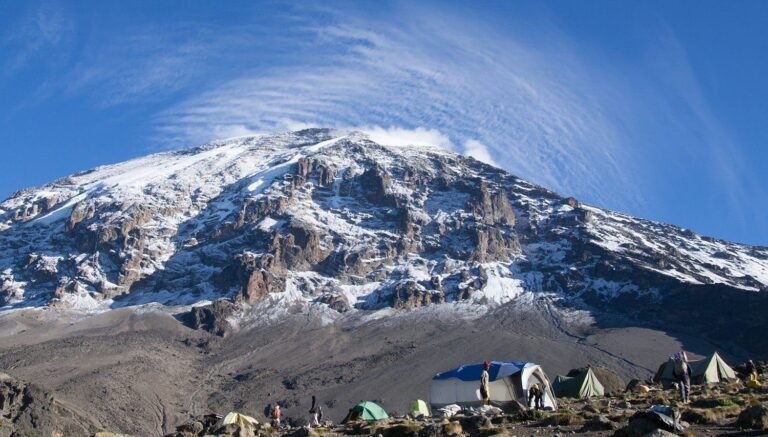
Gertrude Benham First Woman to Summit Mount Kilimanjaro

First Woman To Summit Mount Kilimanjaro: Gertrude Benham Gertrude Benham is widely remembered in mountaineering history as one of the earliest pioneering women to explore high-altitude peaks in Africa, including Mount Kilimanjaro. Her name is often associated with early 20th-century alpine exploration, when climbing Mount Kilimanjaro in Tanzania was considered extremely challenging, remote, and dangerous. This article explores Gertrude Benham’s legendary journey, her mountaineering achievements, and her connection to Kilimanjaro climbing history. As search interest grows around “first woman to climb Kilimanjaro,” “Kilimanjaro history,” and “early explorers of Africa,” her story remains highly relevant, with focused travel and history content. Understanding her contribution helps highlight the evolution of Kilimanjaro trekking, women in adventure travel, and the rise of African mountain tourism. Early Life of Gertrude Benham Gertrude Benham was born in England during the late Victorian era, a time when exploration and discovery were highly valued. From a young age, she developed a strong passion for travel, geography, and mountain landscapes. Unlike many women of her time, she pursued independence and adventure, often traveling alone across continents. Her early life shaped her resilience and determination, which later defined her mountaineering achievements. “Gertrude Benham biography,” “female explorers history,” and “Victorian women adventurers” are often linked to her story. Her upbringing in a disciplined yet opportunity-limited society made her accomplishments even more remarkable. She later became one of the few women of her generation to travel extensively through Africa, Asia, and remote mountain regions. Passion for Exploration and Adventure Gertrude Benham’s passion for exploration began with hiking and long-distance walking in Europe before expanding to global expeditions. She was fascinated by remote cultures, high-altitude environments, and unexplored landscapes. Her love for adventure travel naturally led her toward Africa’s highest peaks, including Mount Kilimanjaro. At a time when women rarely participated in extreme expeditions, she broke social expectations and pursued challenging journeys. “Early female explorers,” “African expeditions history,” and “mountain climbing pioneers” are strongly associated with her legacy. Her adventurous spirit reflected a deep curiosity about the world and a desire to experience nature beyond conventional boundaries, setting her apart as a true pioneer of global trekking and exploration. Journey to Africa and First Encounters Gertrude Benham’s travels eventually brought her to Africa, where she encountered some of the most dramatic landscapes of her life. The vast savannahs, wildlife, and towering mountains left a strong impression on her. During this period, Mount Kilimanjaro in present-day Tanzania stood as one of the most iconic and mysterious peaks in the world. “Kilimanjaro early expeditions,” “Africa mountain explorers,” and “historic Kilimanjaro climbs” help connect her story to tourism interest today. Her journey through Africa was not just recreational but deeply exploratory, as she documented geography, people, and terrain. These experiences prepared her for one of the most important chapters of her mountaineering career. Mount Kilimanjaro in Early Exploration History Mount Kilimanjaro, the highest peak in Africa, has long attracted explorers, scientists, and adventurers. In the early 1900s, climbing Kilimanjaro was extremely difficult due to limited equipment, lack of established routes, and minimal local infrastructure. Gertrude Benham’s connection to Kilimanjaro places her among the earliest documented female explorers of the region. “Mount Kilimanjaro history,” “first climbers Kilimanjaro,” and “early African expeditions” are essential in understanding this era. The mountain’s glaciers, volcanic terrain, and unpredictable weather made it a formidable challenge. Her attempts and exploration efforts contributed to the growing international awareness of Kilimanjaro as a major mountaineering destination. Gertrude Benham and Kilimanjaro Ascent Gertrude Benham is often recognized in historical accounts as one of the first women associated with climbing or attempting Mount Kilimanjaro. While detailed records of her summit may vary, her role as an early female explorer of the mountain is significant. “First woman Kilimanjaro summit,” “Gertrude Benham Kilimanjaro climb,” and “female mountaineering pioneers Africa” are frequently used in travel and history content. Her journey symbolized courage, endurance, and breaking gender barriers in extreme exploration. Whether reaching the summit or exploring its lower slopes, her presence marked a turning point in how women were represented in high-altitude adventure travel history. 6. Challenges of Climbing Kilimanjaro in Her Era During Gertrude Benham’s time, climbing Kilimanjaro was far more difficult than today. There were no modern trekking routes, guided tours, or proper climbing gear. Explorers faced harsh weather, altitude sickness, and unpredictable terrain. SEO keywords like “Kilimanjaro climbing challenges history,” “early expedition difficulties Africa,” and “mountain exploration dangers” highlight these conditions. Unlike modern climbers who benefit from structured tourism infrastructure, early explorers relied on basic navigation and local assistance. These challenges made every ascent attempt a significant achievement. Gertrude Benham’s involvement in such conditions reflects her extraordinary resilience and determination in overcoming natural and logistical obstacles. 7. Role of Women in Early Mountaineering Gertrude Benham’s story is closely linked to the broader history of women in mountaineering. In the early 20th century, female explorers were rare and often discouraged from participating in extreme expeditions. SEO terms such as “women mountaineers history,” “female explorers Africa,” and “pioneering women climbers” connect her legacy to global gender progress in adventure sports. Her achievements helped challenge stereotypes about women’s physical endurance and independence. By engaging in high-risk exploration, she contributed to reshaping societal expectations and inspired future generations of female climbers who would later conquer Kilimanjaro and other major peaks worldwide. 8. Documentation and Travel Records Gertrude Benham was also known for keeping detailed travel records, including notes on geography, cultures, and landscapes. These records provide valuable historical insight into early African exploration. SEO phrases like “historic travel diaries Africa,” “Kilimanjaro expedition records,” and “early explorer documentation” are relevant to her legacy. Her writings helped researchers understand the conditions of early expeditions and the challenges faced by explorers. Documentation from her journeys contributes to historical archives that continue to support tourism narratives about Mount Kilimanjaro and African exploration history. 9. Legacy in Mountaineering History Gertrude Benham’s legacy in mountaineering history remains significant, particularly in discussions about early female explorers of Africa. She is remembered not only for her travels but
The Best Acclimatization for Climbing Kilimanjaro

Kilimanjaro, the majestic “Roof of Africa,” stands as a beacon for adventurers worldwide. While reaching its summit doesn’t demand technical climbing expertise, it presents a formidable challenge that trips up approximately half of all aspiring trekkers: altitude sickness. The key to a successful and safe ascent lies not in physical prowess alone, but overwhelmingly in effective acclimatization. Understanding and diligently applying the principles of acclimatization is the single most critical factor in conquering Kilimanjaro’s immense height. The best acclimatization for climbing Kilimanjaro involves a slow and gradual ascent, staying hydrated, and potentially using medication like Diamox, while avoiding overexertion and substances like alcohol or sleeping pills. Longer routes like Lemosho and Machame offer better acclimatization opportunities by incorporating “climb high, sleep low” strategies. Slow and Steady Ascent: The “Pole Pole” Philosophy In Tanzania, the mantra for climbing Kilimanjaro is “pole pole” (po-lay po-lay), meaning “slowly, slowly.” This isn’t just a quaint local saying; it’s the fundamental principle of successful acclimatization. Your body needs time to adapt to the decreasing oxygen levels as you gain altitude. Rushing the ascent is the fastest way to invite severe altitude sickness. A slow, deliberate pace ensures that your body has the opportunity to produce more red blood cells, increase respiration efficiency, and make other crucial physiological adjustments. Even if you feel strong and energetic, resist the urge to push ahead. Many climbers feel great at lower altitudes only to be struck down by debilitating symptoms higher up because they ascended too quickly. A gradual climb, moving at a pace that allows for easy conversation without gasping for breath, is the cornerstone of effective acclimatization. This also means minimizing rapid elevation gains between sleeping camps. “Climb High, Sleep Low”: Maximizing Adaptation One of the most effective strategies for acclimatization is the “Climb High, Sleep Low” principle. This involves ascending to a higher elevation during the day, spending some time there, and then descending to a lower camp for the night’s sleep. This technique allows your body to experience and begin adapting to higher altitudes while providing the benefit of sleeping at a slightly lower (and thus more oxygen-rich) elevation. When you go to a higher altitude, your body begins its acclimatization process. By descending to a lower camp to sleep, you give your body a slight reprieve, allowing for better rest and recovery, which is crucial for continued adaptation. Routes like Machame and Lemosho are designed with this principle in mind, featuring daily ascents to higher points (like Lava Tower or Barranco Camp from Shira Camp) before descending to sleep. This strategic elevation profile significantly boosts success rates. Hydration: Fueling Your Body’s Adaptation Proper hydration its critical for effective acclimatization and overall well-being on Kilimanjaro. As you ascend, the air becomes drier, and your body loses more fluid through respiration. Additionally, the physiological processes of acclimatization demand more water. Dehydration can exacerbate the symptoms of altitude sickness and leave you feeling fatigued and unwell. Aim to drink 3-5 liters of water per day, sometimes more, depending on your individual needs and the day’s activity level. This includes plain water, as well as electrolyte-rich drinks, teas, and soups provided by your crew. While the frequent need to urinate can be inconvenient. It’s a clear sign you’re hydrating effectively. Avoid sugary drinks and excessive caffeine, as they can contribute to dehydration. Eat Well: Sustaining Energy and Acclimatization Your body is working incredibly hard to adapt to the altitude, and it needs sufficient energy to do so. Eating well is fundamental to maintaining strength, warmth, and aiding acclimatization. Despite potential appetite loss at higher altitudes, it’s vital to consume enough calories. Your climb operator should provide a varied and nutritious diet rich in carbohydrates (for energy), proteins (for muscle repair), and fats. Don’t skip meals, even if you don’t feel particularly hungry. Small, frequent snacks can be easier to manage than large meals. Listen to your guides; they will encourage you to eat. Knowing its importance to avoid altitude Sickness on Kilimanjaro. A well-nourished body is better equipped to handle the stresses of altitude. To prepare for Kilimanjaro’s high altitude, focus on a combination of physical training, acclimatization strategies, and mental preparation. This includes building endurance through aerobic exercise and strength training, practicing hiking with a pack, and potentially using altitude simulation equipment. It’s also crucial to ascend gradually, stay hydrated, and be mindful of altitude sickness symptoms. Medication: A Proactive Measure (with Caution) While not a substitute for proper acclimatization, certain medications can aid in preventing or mitigating altitude sickness symptoms. Diamox (Acetazolamide). This is the most commonly prescribed medication for altitude sickness prevention. It works by accelerating the body’s natural acclimatization process. Primarily by increasing respiration and helping the kidneys excrete bicarbonate, which rebalances blood pH. It should be taken as prescribed by a doctor, typically starting a day or two before ascending above 3,000 meters (around 10,000 feet). Be aware of potential side effects, such as tingling in fingers and toes, frequent urination, and altered taste. Dexamethasone. A powerful steroid, Dexamethasone, it’;s usually reserved for treating severe altitude sickness (HAPE or HACE). Not typically used for prevention on Kilimanjaro unless under very specific medical advice. This must be administered by a qualified medical professional or guide in an emergency. Always consult your doctor or a travel medicine specialist well in advance of your trip to discuss whether these medications are appropriate for you. Never self-medicate or rely solely on medication without adhering to other acclimatization principles. Avoid Depressants: Keep Your Body Optimal To give your body the best chance to acclimate effectively. It’s strongly advised to avoid depressants while on the mountain. This includes: Alcohol dehydrates the body and can suppress respiratory drive, hindering acclimatization and worsening altitude sickness symptoms. Tobacco/Nicotine. Smoking reduces the efficiency of oxygen absorption in the lungs and can impair cardiovascular function, making altitude adaptation more difficult. Sleeping pills. While tempting, if sleep is difficult at altitude, sleeping pills can depress your respiratory system, especially during the crucial hours of sleep, increasing the
What to Expect on Kilimanjaro Summit Day

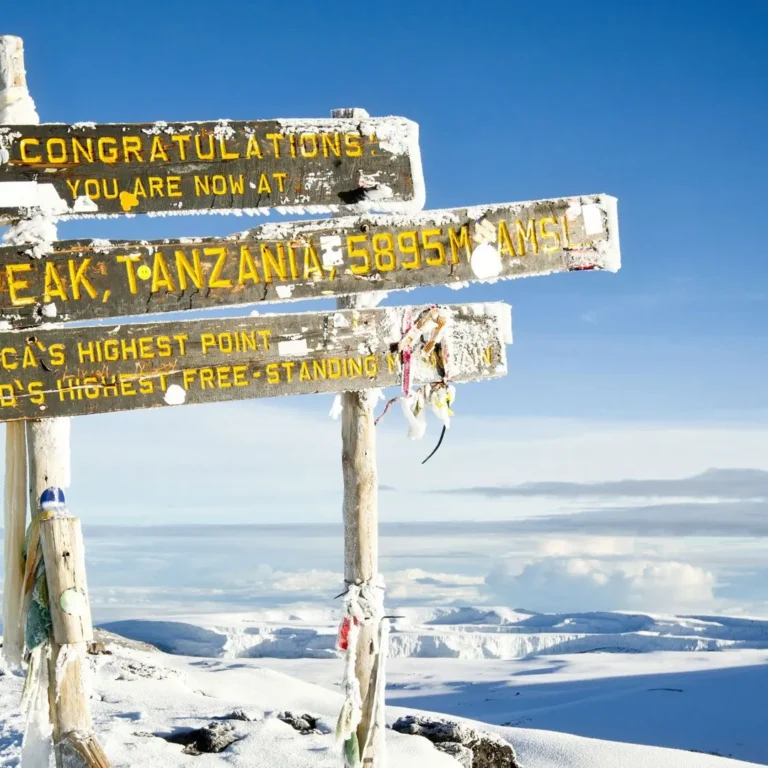
Summit day on Mount Kilimanjaro is the most challenging and rewarding part of the entire climb, often referred to as the “ultimate trekking experience in Africa.” It typically begins around midnight, when climbers start their final ascent to Uhuru Peak, the highest point in Africa at 5,895 meters. Expect freezing temperatures, thin oxygen levels, and slow, steady hiking in the dark under headlamps. This is where mental strength matters more than physical power. The journey involves volcanic scree slopes, exhaustion, and altitude effects such as fatigue or headache. However, the reward is unmatched: watching sunrise above the clouds and standing on the Roof of Africa. This guide explains exactly what to expect on Kilimanjaro summit day, including challenges, timing, weather, safety, and emotional highs. 1. Midnight Wake-Up and Start of Ascent Summit day usually begins between 11:00 PM and midnight, when climbers are woken at their high camp such as Barafu Camp or Kibo Hut. After a light snack and hot tea, you begin the most demanding hike of the entire Kilimanjaro trek. The goal is to reach Uhuru Peak before sunrise. You will walk slowly in a single-file line with headlamps lighting the dark trail. The temperature can drop below -10°C, making thermal clothing essential. Guides emphasize “pole pole” (slowly, slowly in Swahili) to conserve energy and prevent altitude sickness. This section of the climb is mentally tough because you cannot see the summit yet. However, proper pacing, hydration, and determination are key Kilimanjaro success factors on summit night. 2. Cold Temperatures and Extreme Weather Conditions Expect freezing and unpredictable weather on Kilimanjaro summit day. Temperatures at high altitude can range from -5°C to -20°C depending on wind and exposure. Strong winds often sweep across the mountain, increasing the cold factor significantly. Snow, ice, or frost may cover sections of the trail, especially near the summit crater rim. Proper layering is essential, including thermal base layers, insulated jackets, gloves, and face protection. Climbers often struggle with cold hands and feet despite proper gear. The weather can change rapidly, shifting from clear skies to harsh windstorms. These extreme Kilimanjaro summit conditions make the climb physically and mentally demanding, but they are part of the authentic high-altitude trekking experience in Africa’s tallest mountain environment. 3. Steep Scree Slopes and Challenging Terrain The ascent from high camp to Stella Point involves long, steep volcanic scree slopes. This loose gravel surface makes each step slow and energy-consuming. Climbers often take two steps forward and one step back due to shifting ground. The incline is continuous and can feel endless in the dark. This section is one of the most physically exhausting parts of the Kilimanjaro summit climb. Trekking poles become extremely useful for balance and reducing pressure on knees. Guides maintain a slow pace to help conserve oxygen and stamina. Despite the difficulty, the terrain is not technical, meaning no climbing equipment is needed. However, endurance, patience, and mental resilience are crucial for successfully reaching the crater rim. 4. Altitude Effects and Oxygen Levels One of the biggest challenges on Kilimanjaro summit day is the extreme altitude. At over 5,000 meters, oxygen levels drop significantly to nearly 50% of sea level. This can cause altitude sickness symptoms such as headaches, dizziness, nausea, and fatigue. Climbers must move very slowly and breathe deeply to adapt. Hydration is critical to help the body cope with reduced oxygen intake. Guides closely monitor trekkers for any signs of Acute Mountain Sickness (AMS). Supplemental oxygen may be available in emergencies, but most climbers rely on acclimatization. Understanding altitude effects is essential for Kilimanjaro summit success. Even strong hikers feel weak at this stage, making mental determination just as important as physical fitness. 5. Slow Pace and “Pole Pole” Philosophy On summit night, the guiding principle is “pole pole,” a Swahili phrase meaning “slowly, slowly.” This pacing strategy is essential for conserving energy and preventing altitude-related complications. Climbers take small, steady steps with frequent breaks to regulate breathing. Although the summit may feel close on the map, the journey can take 6–8 hours of continuous uphill trekking. Rushing is dangerous and can lead to exhaustion or altitude sickness. Guides enforce this slow rhythm strictly to improve success rates. The slow pace also helps climbers mentally manage fatigue by focusing only on the next step. This disciplined approach is one of the key reasons Kilimanjaro trekking has high summit success when properly guided and paced. 6. Mental Challenges and Emotional Struggle Summit day is not only a physical challenge but also a psychological battle. Many climbers experience doubt, exhaustion, and emotional fatigue during the ascent. The darkness, cold, and endless slope can feel overwhelming. This is often described as the “dark hour” of Kilimanjaro trekking. Motivation becomes essential, and guides often encourage climbers with positive reinforcement and group support. Breaking the climb into small goals, such as reaching the next rest point, helps manage mental strain. Despite the difficulty, many climbers report that overcoming these moments creates a deep sense of achievement. Mental strength is often the deciding factor between turning back and reaching the summit of Africa’s highest peak. 7. Reaching Stella Point on the Crater Rim Reaching Stella Point (5,756m) is a major milestone on Kilimanjaro summit day and often comes after 6–8 hours of slow, exhausting ascent. Located on the crater rim, it marks the first sign that Uhuru Peak is close. Climbers usually arrive just as dawn begins, revealing dramatic views above the clouds. The air is extremely thin, and every step feels heavy due to altitude and fatigue. Most trekkers take a short break here to rest, hydrate, and prepare mentally for the final push. The emotional boost of reaching Stella Point helps many climbers regain strength. However, cold winds and exhaustion remain intense, making focus and determination essential for continuing the journey to Africa’s highest summit. 8. Final Push to Uhuru Peak The final push from Stella Point to Uhuru Peak is short in distance but extremely demanding due to altitude and exhaustion.
How Much Weight Do You Carry on Kilimanjaro

Kilimanjaro trekking weight and porter luggage allowance are key considerations for climbers planning a Tanzania safari and Mount Kilimanjaro expedition in Kilimanjaro National Park. Knowing how much weight you carry on Kilimanjaro is essential for safety, comfort, and summit success. Most trekkers carry a daypack of 5 to 8 kilograms, while porters transport the main duffel bag, limited to 15 to 20 kilograms under park regulations. This system supports sustainable trekking and protects porter welfare on routes such as Machame, Marangu, and Lemosho. Proper packing list planning, lightweight gear selection, and altitude preparation improve performance on the mountain. In the guide, we explain Kilimanjaro baggage weight limits, porter rules, summit gear essentials, and expert packing tips to help maximize your chances of reaching Uhuru Peak, the highest point in Africa, safely. 1. How Much Weight Do You Carry on Kilimanjaro Overview On Mount Kilimanjaro, the total weight a climber carries is divided between personal daypack weight and porter-supported duffel bag weight. Understanding Kilimanjaro packing rules is crucial for trekking success and adherence to Kilimanjaro National Park regulations. Typically, hikers carry a lightweight daypack of 5 to 8 kilograms containing water, snacks, rain gear, and essential summit items. The remaining luggage is carried by porters, whose load is restricted to about 15 to 20 kilograms per climber. This system ensures safety, reduces fatigue, and improves altitude adaptation during multi-day climbs. Whether trekking the Machame Route, Lemosho Route, or Marangu Route, maintaining proper weight balance is vital. Efficient packing strategies and lightweight equipment help climbers conserve energy for summit night, increasing success rates on Uhuru Peak, Africa’s highest point most iconic trekking destinations. 2. Porter Luggage Weight Limits Kilimanjaro Porter luggage weight limits on Kilimanjaro are strictly regulated by Kilimanjaro National Park authorities to ensure ethical trekking and sustainable tourism. Each climber is allowed one duffel bag carried by a porter, with a maximum weight of 15 to 20 kilograms, including personal gear and sleeping equipment. This rule protects porters from overloading and helps maintain safe hiking conditions on steep mountain trails. Excess baggage must be left at the hotel in Moshi or Arusha before starting the climb. A proper understanding of Kilimanjaro baggage allowance improves packing efficiency and reduces unnecessary weight. Tour operators provide gear checklists to help climbers prepare lightweight equipment such as sleeping bags, jackets, and trekking clothing. Following these porter weight guidelines ensures smoother logistics, better summit performance, and compliance with responsible, eco-friendly Kilimanjaro climbing standards. 3. Daypack Weight Kilimanjaro Hikers The Kilimanjaro daypack weight is the small backpack carried by hikers during daily trekking on the mountain, usually ranging from 5 to 8 kilograms. This essential load includes water bottles or hydration systems, snacks, rain jackets, sunscreen, gloves, cameras, and personal medications. Proper daypack management is crucial for maintaining energy and hydration at high altitude, especially on steep sections of routes like the Machame and Lemosho trails. Keeping the daypack light reduces fatigue and improves balance during long hiking hours. Climbers are advised to avoid overpacking unnecessary items, focusing only on essential trekking gear. A well-organized Kilimanjaro packing list ensures comfort, efficiency, and safety during summit preparation. Lightweight backpacks with ergonomic support are highly recommended to reduce strain on shoulders and back, allowing hikers to enjoy a smoother experience overall. 4. Summit Night Gear Weight Kilimanjaro Summit night on Kilimanjaro requires careful gear preparation and strict weight management to ensure climber safety and success. During this final ascent to Uhuru Peak, trekkers add extra warm clothing, headlamps, insulated jackets, gloves, and thermal layers to their daypack, increasing weight slightly but remaining within the 5 to 8 kilograms recommended limit. The extreme cold, high altitude, and strong winds demand proper insulation while maintaining a lightweight setup. Overpacking can slow progress and increase fatigue, so selecting only essential summit gear is crucial. Items like energy snacks, water, and trekking poles also contribute to carrying efficiency. Experienced guides advise climbers to balance warmth and weight carefully to optimize performance during the midnight climb. Proper summit preparation improves endurance, reduces altitude stress, and significantly increases success rates on Africa’s highest mountain. 5. Packing List Weight Optimization Kilimanjaro Packing list optimization is one of the most important factors influencing how much weight you carry on Kilimanjaro. A well-planned Kilimanjaro packing list focuses on lightweight, durable, and multi-purpose gear to reduce unnecessary load while maintaining comfort and safety. Essential items include waterproof jackets, thermal layers, trekking pants, gloves, hats, sleeping bags, and hydration systems. Avoiding heavy or redundant equipment helps keep total luggage within the 15 to 20 kilogram porter limit and daypack within 5 to 8 kilograms. Many climbers choose to rent high-quality gear in Tanzania to reduce travel weight and improve convenience. Proper selection of ultralight equipment significantly enhances mobility during long hiking days across diverse ecosystems from rainforest zones to alpine deserts. Smart packing strategies improve endurance, reduce fatigue, and increase summit success rates on Mount Kilimanjaro. 6. Porter Welfare and Weight Rules Kilimanjaro Porter welfare is a central concern in Kilimanjaro trekking operations, and strict weight rules are enforced to protect the health and safety of mountain porters. Each porter is limited to carrying approximately 15 to 20 kilograms per climber, ensuring fair working conditions and sustainable tourism practices in Kilimanjaro National Park. Overloading is prohibited and closely monitored by park authorities and tour operators. This regulation improves efficiency on steep trails and reduces injury risks during multi-day climbs. Ethical trekking companies prioritize responsible baggage distribution and provide adequate support to porters, including proper equipment and fair wages. Understanding porter weight limits helps climbers appreciate the importance of sustainable tourism on Mount Kilimanjaro. Following these rules ensures smoother logistics, better team performance, and contributes to preserving Africa’s highest peak for future generations. 7. Kilimanjaro Gear Weight Distribution Tips Proper gear weight distribution is essential for a successful Kilimanjaro climb, ensuring balance between daypack load and porter-carried luggage. Climbers should organize their Kilimanjaro packing list so that frequently used items such as water, snacks, and rain gear are stored
tips for climbing and summiting Mount Kilimanjaro

Climbing Mount Kilimanjaro is the ultimate African adventure and a true bucket-list experience for travelers seeking a successful summit of Uhuru Peak. This Kilimanjaro climbing guide is packed with top-ranking topics like “Kilimanjaro trekking tips,” “best time to climb Kilimanjaro,” “Kilimanjaro routes,” “summit success rate,” and “altitude sickness prevention.” Whether you’re planning a luxury Kilimanjaro tour, budget trekking package, or private guided climb from Arusha or Moshi, preparation is key. From choosing the best route to proper acclimatization and gear, every detail impacts your summit success. With expert local guides, ethical tour operators, and the right mindset, conquering Africa’s tallest mountain becomes achievable, safe, and unforgettable for beginners, solo travelers, families, and experienced hikers alike. 1. Choose a Longer Kilimanjaro Route Selecting a longer Kilimanjaro route is one of the most important decisions for increasing your summit success rate. Popular routes like the Lemosho Route, Machame Route, and Northern Circuit are highly recommended because they offer better acclimatization and higher success rates compared to shorter options like Marangu, “best Kilimanjaro route,” “high success rate Kilimanjaro climb,” and “scenic trekking routes Tanzania” are essential for planning. Longer itineraries allow your body to adjust gradually to altitude, reducing the risk of altitude sickness. These routes also provide stunning landscapes, from rainforest to alpine desert. Whether you’re booking a luxury Kilimanjaro trek or a budget adventure, choosing a longer route increases your chances of safely reaching Uhuru Peak while enjoying a more immersive and less rushed climbing experience. 2. Train Specifically for Hiking Training for Kilimanjaro climbing should focus on endurance, strength, and mental resilience. Incorporate long-distance hikes, stair climbing, cardio workouts, and strength training into your routine.“Kilimanjaro training plan,” fitness for mountain climbing,” and “how to prepare for Kilimanjaro” are crucial for search visibility. Practice hiking with a backpack to simulate real trekking conditions. Cardiovascular fitness helps you handle long trekking days, while leg strength improves stability on steep terrain. Training at higher altitudes, if possible, can also help your body adapt. Consistency is key—start training at least 8–12 weeks before your climb. Whether you’re a beginner or experienced trekker, proper preparation significantly boosts your confidence and increases your chances of reaching the summit comfortably and safely. 3. Go “Pole, Pole” (Slowly) “Pole, pole,” a popular Swahili phrase meaning “slowly, slowly,” is the golden rule of climbing Kilimanjaro. Moving slowly helps your body adapt to the altitude and conserves energy for summit day. “Kilimanjaro pace,” “avoid altitude sickness,” and “trekking tips Kilimanjaro” are essential here. Many climbers fail because they walk too fast in the early stages, leading to exhaustion and altitude-related issues. Professional guides from reputable Kilimanjaro tour operators emphasize maintaining a steady, slow pace throughout the trek. This approach improves oxygen efficiency and enhances acclimatization. By walking slowly, drinking plenty of water, and taking regular breaks, you significantly increase your chances of a successful summit while enjoying the breathtaking scenery of Tanzania’s iconic mountain. 4. Prioritize Proper Gear & Layering Having the right Kilimanjaro gear and clothing is critical for comfort and safety. Use a layering system that includes moisture-wicking base layers, insulating mid-layers, and waterproof outer layers.“Kilimanjaro packing list,” best gear for mountain climbing,” and “cold weather hiking equipment” help optimize SEO. Temperatures vary drastically, from warm rainforest conditions to freezing summit night winds. Essential items include a high-quality sleeping bag, trekking boots, gloves, thermal wear, and a down jacket. Investing in proper gear ensures you stay warm, dry, and protected throughout the climb. Whether you’re on a luxury or budget Kilimanjaro trek, having the right equipment can make the difference between a comfortable journey and a challenging ordeal. 5. Acclimatize Correctly Proper acclimatization is the key to preventing altitude sickness on Kilimanjaro. “Kilimanjaro altitude sickness,” “acclimatization tips,” and “high altitude trekking safety” are vital. Follow the “climb high, sleep low” principle, where you ascend to a higher altitude during the day and descend slightly to sleep. This helps your body adjust gradually to reduced oxygen levels. Drinking plenty of water, eating well, and avoiding alcohol are also essential. Reputable tour operators design itineraries that prioritize acclimatization, increasing your summit success rate. Taking your time and listening to your body ensures a safer and more enjoyable climb, allowing you to fully experience the beauty of Africa’s highest mountain. 6. Prepare for Summit Night Summit night on Kilimanjaro is the most challenging part of the climb, requiring mental and physical strength. Keywords like “Kilimanjaro summit night tips,” “Uhuru Peak climb,” and “how to summit Kilimanjaro” are important for search ranking. You’ll start hiking around midnight in freezing temperatures, often below -10°C. Proper layering, headlamps, gloves, and energy snacks are essential. The slow, steady pace becomes even more critical at high altitude. Staying hydrated and mentally focused helps you push through fatigue. Reaching Uhuru Peak at sunrise is an unforgettable reward, making all the effort worthwhile. Preparation and determination are key to conquering this final stretch successfully. 7. Hire a Reputable Operator Choosing a trusted Kilimanjaro tour operator ensures safety, ethical practices, and a higher summit success rate. “Best Kilimanjaro tour operators,” “licensed guides Tanzania,” and “ethical trekking companies” are crucial. Reputable companies provide experienced guides, quality equipment, and proper support teams, including porters and cooks. They also follow safety protocols, monitor your health, and prioritize acclimatization. Look for operators with strong reviews, transparent pricing, and fair treatment of staff. Whether you’re booking a luxury Kilimanjaro safari or a budget trek, a reliable operator enhances your overall experience and ensures a safe journey to the summit. 8. Manage Your Daypack Weight Keeping your daypack light is essential for comfort during long trekking days. Kilimanjaro daypack essentials,” what to carry on Kilimanjaro,” and “lightweight hiking tips” improve SEO performance. Carry only the essentials, including water, snacks, rain gear, sunscreen, and personal items. Porters will handle the bulk of your luggage, allowing you to focus on the climb. A lighter pack reduces fatigue and helps you maintain a steady pace. Proper weight management ensures you conserve energy for summit night, making your
What Can I do While at Camp on Kilimanjaro

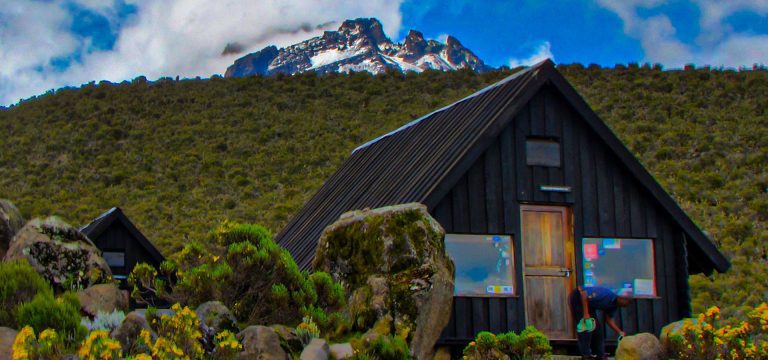
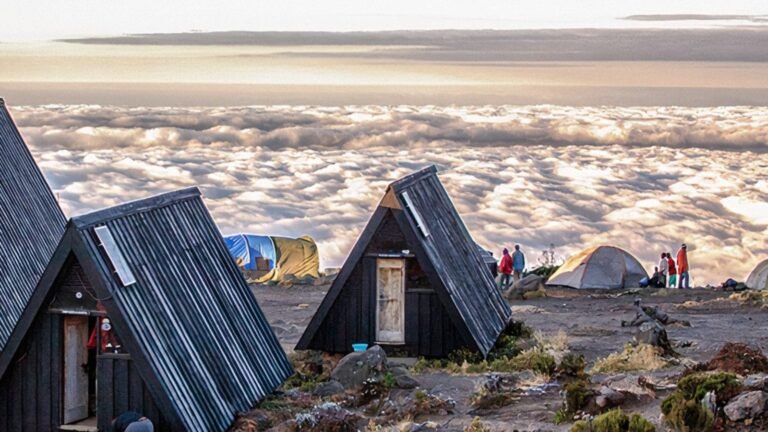
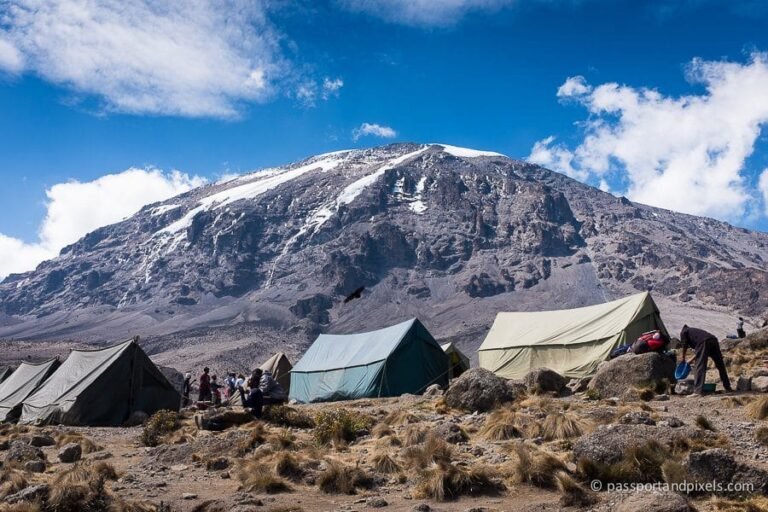
Camping on Africa’s highest mountain is far more than simply resting between hiking stages. A Mount Kilimanjaro camp experience combines breathtaking scenery, mountain culture, adventure travel, and unforgettable moments beneath the stars. Whether you are climbing via the Machame Route, Lemosho Route, Marangu Route, or Rongai Route, every campsite offers unique opportunities to relax, explore, and connect with fellow trekkers. During a Kilimanjaro trekking adventure, climbers can enjoy panoramic views, photography, warm meals, stargazing, wildlife sightings, and inspiring conversations with experienced mountain guides and porters. Kilimanjaro camps also provide time for acclimatization, an essential factor for summit success on Uhuru Peak. From enjoying sunrise over Mawenzi Peak to learning Swahili phrases around camp, every evening creates lifelong memories. A Tanzania mountain climbing safari is not only about reaching the summit but also embracing the magical atmosphere found at every Kilimanjaro campsite. 1. Enjoy Stunning Mountain Views One of the most unforgettable things to do at camp on Kilimanjaro is admiring the spectacular mountain scenery. Each campsite offers breathtaking views of glaciers, volcanic landscapes, valleys, and towering peaks. Camps such as Shira Camp, Barranco Camp, and Karanga Camp provide incredible panoramas perfect for relaxation and inspiration. Sunrise and sunset moments on Mount Kilimanjaro are especially magical, with golden light spreading across the mountain slopes and clouds below. Many trekkers spend time simply sitting outside their tents while enjoying the peaceful alpine environment. The scenery changes dramatically as you climb higher, from rainforest to moorland and arctic desert terrain. These unique landscapes make Kilimanjaro trekking one of the best hiking adventures in Africa. Bringing binoculars or a good camera can help capture the beauty surrounding your camp and preserve memories from your Tanzania climbing expedition. 2. Socialize With Fellow Climbers Kilimanjaro camps create a friendly environment where trekkers from around the world connect and share experiences. After long hiking hours, many climbers gather in dining tents or around resting areas to discuss their trekking journey, summit goals, and travel adventures. Sharing stories with hikers from different countries often becomes one of the most memorable parts of a Mount Kilimanjaro climb. Conversations frequently include wildlife safaris in Tanzania, Zanzibar beach holidays, and travel across East Africa. Group treks especially encourage teamwork, motivation, and friendship during challenging moments on the mountain. Friendly interactions with guides, cooks, and porters also enrich the overall trekking experience. Learning about Tanzanian culture and mountain life helps visitors feel connected to the local community. Kilimanjaro camping is not only a physical adventure but also a social journey filled with laughter, encouragement, and inspiring human connections. 3. Watch Incredible Sunrises and Sunsets Watching sunrise and sunset from a Kilimanjaro camp is one of the most rewarding experiences during the climb. Early mornings often reveal clear skies, glowing glaciers, and dramatic cloud formations stretching across Tanzania’s landscape. In the evenings, vibrant orange, pink, and purple colors paint the sky above the mountain. Camps such as Barafu Camp and Kibo Hut are especially famous for unforgettable sunrise views before summit attempts begin. Many climbers wake early to capture photographs of the changing light over Mawenzi Peak and Uhuru Peak. Sunset moments also provide excellent opportunities for relaxation after demanding hiking stages. The peaceful atmosphere allows trekkers to appreciate the natural beauty of Africa’s tallest mountain. These magical moments help create emotional memories and remind climbers why Kilimanjaro trekking is considered one of the world’s greatest adventure travel experiences and bucket-list mountain climbs. 4. Practice Acclimatization Walks Acclimatization walks are among the most important activities at Kilimanjaro camps because they help climbers adjust safely to high altitude conditions. Guides often organize short hikes after arriving at camp to improve oxygen adaptation and reduce the risk of altitude sickness. These walks follow the famous “climb high, sleep low” strategy used on successful Mount Kilimanjaro expeditions. During acclimatization hikes, trekkers enjoy extra scenic viewpoints while learning about mountain safety and trekking techniques. Walking slowly at higher elevation helps the body adapt naturally before reaching summit night. Camps along routes like Lemosho, Northern Circuit, and Machame commonly include acclimatization days for better summit success rates. These short hikes also provide opportunities to explore volcanic rock formations and alpine desert landscapes. Proper acclimatization significantly increases comfort, safety, and enjoyment throughout your Tanzania mountain climbing adventure on Kilimanjaro. 5. Capture Amazing Photography Mount Kilimanjaro camps offer extraordinary photography opportunities for adventure travelers and nature lovers. Every campsite presents unique landscapes, dramatic skies, glaciers, rocky terrain, and beautiful mountain vegetation. Trekkers often photograph giant groundsels, everlasting flowers, dramatic cliffs, and snow-covered summit views. Sunrise photography at high altitude camps creates spectacular images with changing light and colorful cloud formations. Night photography is equally impressive because Kilimanjaro’s remote location provides dark skies filled with bright stars and the Milky Way. Many climbers enjoy taking portraits with guides and porters to remember their successful trekking journey. Wildlife sightings near lower camps may include monkeys and colorful birds within the rainforest zone. Whether using professional equipment or smartphones, photography becomes an exciting activity during every stage of the climb. These unforgettable images help preserve memories from one of Africa’s most iconic mountain adventures and trekking destinations. 6. Learn About Tanzanian Culture Spending time at Kilimanjaro camps allows trekkers to experience authentic Tanzanian hospitality and culture. Mountain guides and porters often share local stories, traditions, songs, and Swahili language lessons during evenings at camp. Learning simple Swahili phrases like “Jambo,” “Asante,” and “Hakuna Matata” adds fun and cultural connection to the climbing experience. Many trekking crews sing motivational songs before summit night, creating excitement and team spirit among climbers. Visitors also gain insight into the important role porters play in Mount Kilimanjaro expeditions and Tanzania tourism. Conversations about local communities, wildlife conservation, and mountain history enrich the overall journey. Experiencing Tanzanian culture while surrounded by Kilimanjaro’s stunning scenery makes the adventure even more meaningful. Cultural interactions at camp often become cherished memories that climbers remember long after completing their Kilimanjaro trekking safari in East Africa. 7. Relax and Recover for the Next
What should I wear for summit night on Kilimanjaro

What should I wear for summit night on Kilimanjaro is one of the most important questions for any climber preparing for a successful ascent of Mount Kilimanjaro. Summit night is extremely cold, often dropping to -10°C to -20°C with strong winds, making proper Kilimanjaro clothing, a layering system, and cold-weather hiking gear essential for survival and comfort. The right Kilimanjaro summit outfit improves endurance, prevents hypothermia, and increases summit success rates. Climbers must focus on thermal base layers, insulation jackets, waterproof shell protection, and high-quality accessories designed for alpine conditions. Choosing the correct Kilimanjaro packing list for summit night ensures warmth, safety, and stamina during the toughest part of the climb. Proper preparation is the key to conquering Uhuru Peak and enjoying a safe, successful Kilimanjaro trekking experience. 1. Thermal Base Layer for Summit Night A thermal base layer is the foundation of your Kilimanjaro summit night clothing system. This layer sits directly on your skin and is responsible for moisture-wicking, temperature regulation, and keeping your body dry in freezing conditions. The best base layers for Kilimanjaro trekking are made from merino wool or high-quality synthetic materials that retain heat even when damp. Avoid cotton because it absorbs sweat and increases the risk of hypothermia during cold alpine ascents. A good thermal shirt and thermal leggings help maintain core body warmth while climbing through extreme altitude zones. Proper layering begins with this essential step, making it one of the most critical parts of your Kilimanjaro clothing guide. Without a strong base layer, summit night becomes far more difficult and dangerous in harsh mountain weather conditions. 2. Mid Layer Insulation Clothing The mid-layer is essential for retaining body heat during the freezing Kilimanjaro summit night. This layer typically includes fleece jackets, lightweight insulated sweaters, or soft-shell pullovers designed to trap warmth while allowing moisture to escape. A good mid-layer improves thermal efficiency and supports your base layer by locking in heat as temperatures drop sharply above 4,000 meters. Fleece materials are highly recommended because they are breathable, quick-drying, and easy to adjust during climbing breaks. A proper Kilimanjaro layering strategy always includes at least one or two mid layers, depending on weather conditions. This insulation layer is critical for preventing cold stress, maintaining energy levels, and ensuring comfort during the long, exhausting ascent to Uhuru Peak. It is a must-have in every Kilimanjaro packing list for summit success. 3. Insulated Down Jacket for Extreme Cold A high-quality insulated down jacket is one of the most important pieces of Kilimanjaro summit night gear. As temperatures drop below freezing, especially near Stella Point and Uhuru Peak, a thick down jacket provides essential warmth and protection against wind chill. Look for jackets filled with goose down or synthetic insulation designed for high-altitude trekking conditions. This outer insulation layer traps body heat and prevents cold air from penetrating your inner clothing layers. A good Kilimanjaro down jacket should also be lightweight, compressible, and easy to layer over fleece and base clothing. Many climbers underestimate the extreme cold on summit night, making this jacket a lifesaving item. It is a core part of any professional Kilimanjaro clothing checklist and greatly improves comfort and summit success rates. 4. Waterproof and Windproof Shell Jacket A waterproof and windproof shell jacket is essential for protecting climbers from harsh weather conditions on the Kilimanjaro summit night. Strong winds, snow, and sudden temperature drops are common at high altitude, making outer protection a vital part of your Kilimanjaro clothing system. A high-quality Gore-Tex or similar breathable shell jacket prevents moisture from entering while allowing sweat to escape, keeping your inner layers dry. This layer is worn over your insulation jacket and acts as the final barrier against extreme mountain weather. Windproof protection is especially important during the final ascent through volcanic terrain. Without a reliable shell jacket, climbers risk hypothermia, discomfort, and reduced stamina. This is a non-negotiable item in every Kilimanjaro summit packing list and a key factor for safe and successful trekking. 5. Trekking Pants and Layered Bottom Wear Proper trekking pants are essential for the Kilimanjaro summit night, where freezing temperatures and strong winds demand layered protection for your legs. The ideal Kilimanjaro clothing setup includes thermal leggings as a base layer combined with insulated hiking pants or soft-shell trousers. These layers work together to retain heat, improve mobility, and protect against wind chill. Waterproof outer pants may also be added in case of snow or icy conditions near the summit. Avoid heavy or restrictive clothing, as mobility is important during steep volcanic ascents. Breathable, flexible materials ensure comfort during long hours of hiking at extreme altitudes. A well-planned bottom layering system is a key component of your Kilimanjaro summit gear and significantly improves endurance, warmth, and overall trekking performance during the final push to Uhuru Peak. 6. Insulated Gloves and Mittens Protection Hands are highly vulnerable to freezing temperatures on the Kilimanjaro summit night, making insulated gloves and mittens a critical part of your climbing gear. The best Kilimanjaro gloves system includes a liner glove for flexibility and a thick, insulated outer mitten for maximum warmth. This double-layer system helps maintain dexterity while protecting against frostbite in sub-zero conditions. Windproof and waterproof materials are highly recommended to block harsh alpine winds. Climbers often underestimate how quickly their hands can become numb at high altitude, which can affect safety and ability to use trekking poles or adjust gear. Quality gloves are therefore essential for comfort and performance. As part of your Kilimanjaro summit clothing checklist, proper hand protection ensures safe, efficient movement and significantly improves your chances of reaching Uhuru Peak successfully. 7. Headwear: Balaclava, Beanie, and Hood Head protection is extremely important during the Kilimanjaro summit night due to intense cold and strong winds at high altitude. A layered headwear system, including a thermal beanie, balaclava, and hooded jacket, is highly recommended. The balaclava protects your face from freezing wind chill, while a warm beanie helps retain body heat through the head, which is a major
How to Pack Your Duffel Bag and Backpack for Kilimanjaro Treks

Packing correctly for a Mount Kilimanjaro trek is one of the most important steps for a successful summit experience. Knowing how to pack your duffel bag and backpack for Kilimanjaro treks ensures comfort, safety, and efficiency in changing mountain climates. With Kilimanjaro trekking packing list essentials, hikers must balance lightweight travel, warm clothing layers, and waterproof gear. Your duffel bag carried by porters, holds most of your equipment, while your daypack carries essentials like water, snacks, and rain protection. Proper Kilimanjaro gear organization helps prevent fatigue and altitude-related stress. This guide explains expert Kilimanjaro packing tips, ensuring you are fully prepared for the rainforest, moorland, alpine desert, and summit zones. Smart packing improves your Kilimanjaro climbing success rate and overall trekking experience on Africa’s highest peak. 1. Choose the Right Duffel Bag Selecting the best duffel bag for the Kilimanjaro trekking is crucial for durability and weather resistance. A waterproof or water-resistant duffel bag between 70–90 liters is ideal for porters to carry your main gear. Look for strong zippers, reinforced stitching, and lightweight materials to meet Kilimanjaro luggage requirements. Avoid rigid suitcases, as they are unsuitable for mountain transport. Popular choices include expedition-grade duffel bags designed for high-altitude trekking in Tanzania. Packing efficiently in your Kilimanjaro duffel bag helps distribute weight evenly and protects essential clothing and sleeping gear. Use dry bags or packing cubes to organize items and keep them dry during unpredictable mountain weather. Choosing the right duffel improves convenience, mobility, and overall trekking comfort on Mount Kilimanjaro’s challenging routes like Machame, Lemosho, and Marangu. 2. Select the Perfect Daypack Your Kilimanjaro daypack is your most important personal item during daily hikes. A 25–35 liter backpack is ideal for carrying essentials such as water bottles, snacks, sunscreen, camera, rain jacket, and first aid kit. The best Kilimanjaro daypack should be lightweight, comfortable, and have padded shoulder straps with a waist belt for support. Hydration compatibility is highly recommended, allowing easy water access while trekking. Since weather changes rapidly on Mount Kilimanjaro, your backpack must include a rain cover. Proper daypack organization ensures quick access to important items during climbs through rainforest and alpine zones. Avoid overloading, as your porters carry the main duffel bag. A well-packed Kilimanjaro backpack enhances safety, energy conservation, and trekking efficiency throughout your ascent to Uhuru Peak. 3. Layered Clothing System A proper Kilimanjaro clothing system is essential for adapting to extreme altitude changes. The best approach is layering: base layer, insulation layer, and outer shell. Moisture-wicking base layers keep sweat away, while fleece or down jackets provide warmth in cold zones. Waterproof and windproof jackets protect against rain and strong mountain winds. Packing smart clothing for Kilimanjaro trekking ensures comfort across rainforest humidity, freezing summit nights, and dry alpine deserts. Avoid cotton clothing, as it retains moisture and increases cold risk. Instead, choose synthetic or merino wool materials for optimal performance. Proper layering allows hikers to adjust quickly to temperature shifts during ascent. This Kilimanjaro packing strategy improves endurance, reduces hypothermia risk, and enhances overall climbing experience on Africa’s highest mountain. 4. Essential Footwear and Socks Choosing the right Kilimanjaro hiking boots is critical for comfort and safety. Waterproof, ankle-support trekking boots with strong grip are essential for rocky and muddy terrain. Break them in before your trek to avoid blisters and discomfort. Pair them with high-quality moisture-wicking socks, preferably wool or synthetic blends. Pack multiple pairs for daily changes during the climb. Proper footwear reduces fatigue and supports stability on steep trails like Barranco Wall and Uhuru Peak ascent routes. Include gaiters to keep dust, mud, and debris out of your boots. Comfortable Kilimanjaro footwear improves balance and prevents injuries, especially during long trekking hours. Avoid brand-new shoes or lightweight sneakers, as they do not provide sufficient protection. Good trekking boots are a key part of every successful Kilimanjaro packing list. 5. Sleeping Gear Preparation A warm sleeping bag is essential for Kilimanjaro trekking due to freezing nighttime temperatures. Choose a sleeping bag rated between -10°C to -20°C for summit comfort. A lightweight sleeping mat or liner adds insulation and hygiene inside mountain huts or tents. Proper Kilimanjaro sleeping gear ensures rest and recovery after long hiking days. Compress your sleeping bag efficiently inside your duffel bag to save space. Dry bags are useful to protect bedding from moisture during transport. Quality sleep is vital for altitude acclimatization and energy restoration. Whether trekking via Machame, Lemosho, or Rongai routes, reliable sleeping equipment improves summit success rates. Avoid heavy or non-insulated sleeping gear, as temperatures can drop significantly above 3,500 meters on Mount Kilimanjaro. 6. Hydration and Water System Proper hydration is one of the most important Kilimanjaro trekking tips. Carry at least 2–3 liters of water in your daypack using hydration bladders or reusable bottles. Water intake helps prevent altitude sickness and maintains energy levels during long climbs. Insulated bottles are recommended to prevent freezing at high altitudes. Water purification tablets or filters may be necessary, depending on your trekking operator. Staying hydrated improves oxygen flow and reduces fatigue on steep sections like the Lava Tower and summit push. Avoid sugary drinks, as they do not provide effective hydration. Consistent water intake is essential for acclimatization and endurance. A well-prepared hydration system is a key part of your Kilimanjaro backpack essentials and directly impacts your overall trekking performance. 7. Nutrition and Energy Snacks High-energy snacks are vital for sustaining energy during Kilimanjaro climbs. Pack lightweight, nutrient-dense foods such as energy bars, nuts, dried fruits, chocolate, and electrolyte tablets. These snacks help maintain stamina during long trekking hours across different climate zones. Your Kilimanjaro food supplies should complement meals provided by your trekking team. Easy-access snacks in your daypack ensure quick energy boosts during breaks. Avoid heavy or perishable foods that add unnecessary weight. Proper nutrition supports endurance, reduces fatigue, and enhances altitude adaptation. Balanced energy intake is especially important during summit night when temperatures drop significantly. Smart snack planning is a key element of Kilimanjaro packing strategy, ensuring a continuous
What to Carry in Your Daypack on Kilimanjaro

What to carry in your daypack on Kilimanjaro is one of the most important parts of successful trekking preparation for a Tanzania climbing adventure. A well-planned Kilimanjaro daypack packing list ensures comfort, safety, and endurance while hiking through diverse climate zones, from tropical rainforest to arctic summit conditions. Every Kilimanjaro trekking essential you bring should be lightweight, practical, and focused on hydration, nutrition, warmth, and protection from altitude changes. Whether you are climbing via Marangu, Machame, Lemosho, or Rongai route, having the right hiking daypack essentials can make or break your summit success. This guide highlights the ultimate Kilimanjaro packing checklist for your day hike, helping you stay prepared, energized, and safe during your unforgettable Mount Kilimanjaro adventure in Tanzania. 1. Water & Hydration System (2–3 Liters Minimum) Water is the most critical item in your Kilimanjaro daypack packing list. You should carry at least 2 to 3 liters of hydration using a hydration bladder or reusable water bottles. Proper hydration helps prevent altitude sickness on Kilimanjaro and maintains energy levels during long trekking hours. As you ascend through changing climates, your body loses more fluids than usual, making regular sipping essential. Many Kilimanjaro trekking guides recommend insulated bottles to prevent freezing at higher elevations. Always treat or refill water at designated camps. Hydration is a key survival factor in any Tanzania safari and Kilimanjaro climbing experience. Without sufficient water intake, fatigue, headaches, and dizziness can slow your summit progress. Make hydration your top priority in your hiking daypack essentials for a safe and successful climb. 2. High-Energy Snacks & Trail Food Carrying high-energy snacks is essential in your Kilimanjaro daypack essentials list. Foods like energy bars, nuts, dried fruits, chocolate, and protein snacks help maintain stamina during steep ascents. Since summit days can be long and exhausting, quick-access nutrition is critical for energy recovery. These lightweight trekking snacks provide fast carbohydrates and healthy fats, supporting endurance at high altitude. Many climbers underestimate the importance of snacking between meals, but consistent energy intake reduces fatigue and improves focus. Always choose non-melting, non-perishable foods suitable for cold and warm conditions. On your Kilimanjaro trekking adventure in Tanzania, having reliable trail food ensures you stay strong throughout the hike. A well-prepared Kilimanjaro packing list always includes portable, calorie-rich snacks for sustained performance and summit success. 3. Layered Clothing for Changing Weather Layered clothing is a must-have in your Kilimanjaro daypack packing checklist due to extreme weather variations. As you climb Mount Kilimanjaro, temperatures shift from hot rainforest conditions to freezing summit nights. Lightweight base layers, fleece jackets, and an insulating mid-layer help regulate body temperature effectively. Proper layering prevents hypothermia and overheating during the trek. Breathable fabrics are highly recommended for comfort and moisture control. Many climbers in Tanzania safaris and Kilimanjaro expeditions rely on the layering system for flexibility and safety. Always keep an extra warm layer in your hiking daypack essentials for sudden weather changes. Dressing in layers ensures you stay comfortable, dry, and protected throughout your Kilimanjaro trekking experience from base to summit. 4. Waterproof Rain Jacket & Poncho A waterproof rain jacket is a non-negotiable item in your Kilimanjaro daypack essentials. Weather on Mount Kilimanjaro can change rapidly, especially in rainforest and moorland zones. Heavy rainfall is common, making waterproof protection vital for comfort and safety. A lightweight, breathable, and windproof jacket keeps you dry while allowing sweat to escape. Many climbers also carry a rain poncho for extra coverage of backpacks. Staying dry is crucial for preventing cold-related illnesses during high-altitude trekking in Tanzania. Your Kilimanjaro packing list should always prioritize weather protection gear. Without proper rain protection, your hiking experience can become uncomfortable and risky. A quality rain jacket ensures you remain warm, dry, and focused on your summit journey. 5. Sun Protection Gear (Sunscreen, Sunglasses, Hat) Sun protection is essential in your Kilimanjaro daypack checklist because UV exposure increases with altitude. A high-SPF sunscreen protects your skin from strong equatorial sunlight. UV-protection sunglasses shield your eyes from glare and snow reflection at higher elevations. A wide-brim hat or cap prevents sunburn and overheating during daytime hikes. Many trekkers underestimate sun intensity on Kilimanjaro despite cold temperatures at altitude. Proper sun protection is a key part of any Tanzania trekking adventure. Including these items in your hiking daypack essentials helps prevent sunburn, eye strain, and dehydration. Always reapply sunscreen regularly during your climb. Effective sun protection ensures a safer, healthier, and more comfortable Kilimanjaro climbing experience. 6. Headlamp or Flashlight with Extra Batteries A headlamp is a crucial item in your Kilimanjaro daypack packing list, especially for early morning summit attempts. Many climbers begin the final ascent before sunrise, making visibility essential. A lightweight headlamp keeps your hands free while navigating rocky terrain in darkness. Always carry extra batteries to avoid power failure during critical moments. Good lighting improves safety, balance, and confidence on steep sections of the mountain. In Tanzania’s Kilimanjaro trekking routes, summit nights are cold and dark, making reliable lighting indispensable. A headlamp is far more practical than a flashlight for hiking. Including it in your Kilimanjaro hiking essentials ensures you are prepared for all conditions during your summit push. 7. First Aid Kit & Personal Medication A compact first aid kit is an essential part of your Kilimanjaro daypack essentials. It should include bandages, antiseptic wipes, blister plasters, pain relievers, and altitude sickness medication if prescribed. Minor injuries like blisters and cuts are common during long trekking days. Having quick access to medical supplies helps prevent complications. Many Kilimanjaro trekking guides emphasize preparation for altitude-related symptoms such as headaches or fatigue. Personal medication should always be carried in your hiking daypack. In Tanzania climbing adventures, safety preparation is key to a successful summit. A well-stocked first aid kit ensures peace of mind and readiness for emergencies during your Kilimanjaro expedition. 8. Trekking Poles (Foldable & Lightweight) Trekking poles are highly recommended in your Kilimanjaro daypack packing list for stability and support. They reduce pressure on knees during steep ascents and descents
Kilimanjaro Altitude

Climbing Mount Kilimanjaro is one of the most iconic trekking adventures in the world, but Kilimanjaro altitude sickness is the biggest challenge for climbers. Also known as acute mountain sickness (AMS), it occurs when the body struggles to adapt to reduced oxygen levels at high elevations. As trekkers ascend above 2,500 meters, symptoms such as headache, nausea, dizziness, and fatigue may appear. Understanding Kilimanjaro altitude sickness is essential for safe and successful summit attempts. Proper acclimatization, slow ascent, hydration, and experienced guides significantly reduce risks. Many climbers underestimate the effects of high altitude, leading to early descent or failed summits. This guide explores causes, symptoms, prevention, and treatment of altitude sickness on Kilimanjaro to help climbers prepare on Africa’s highest peak while staying safe throughout the journey to Uhuru Peak. 1. Causes of Kilimanjaro Altitude Sickness One of the main causes of Kilimanjaro altitude sickness is reduced oxygen pressure at higher elevations, which affects the body’s ability to function normally. Also known as acute mountain sickness (AMS), it occurs when climbers ascend too quickly without proper acclimatization. The body does not have enough time to adjust, leading to symptoms. Other contributing factors include dehydration, fatigue, poor physical preparation, and genetic susceptibility to high altitude environments. Understanding these causes is essential for preventing Kilimanjaro altitude sickness and improving summit success rates. Proper trekking schedules, gradual ascent routes, hydration strategies help reduce risk significantly. Most climbers experience symptoms such as headache, nausea, dizziness early. Prevention begins with awareness, proper planning, and choosing experienced guides who understand mountain safety. Slow ascent remains the most effective prevention strategy on Kilimanjaro trekking safety. 2. Symptoms of Kilimanjaro Altitude Sickness Symptoms of Kilimanjaro altitude sickness vary from mild to severe depending on ascent speed and tolerance. Early signs include headache, fatigue, loss of appetite, and difficulty sleeping. If ignored, symptoms may progress to nausea, vomiting, dizziness, and shortness of breath, indicating worsening condition. Severe cases can lead to confusion and inability to walk, signaling dangerous high altitude cerebral edema. Recognizing symptoms early is critical for safe descent and preventing complications on Kilimanjaro. Most climbers experience mild symptoms that improve with rest and hydration. Guides are trained to monitor health and recommend action when sickness worsens. Climbers should communicate symptoms early for proper care and safety. Slow response helps ensure acclimatization and safe trekking on Kilimanjaro routes. 3. Prevention of Altitude Sickness on Kilimanjaro Preventing Kilimanjaro altitude sickness requires a strategic approach focused on slow ascent, hydration, and proper acclimatization. Climbers should choose longer routes such as Lemosho or Machame to allow the body to adapt gradually to decreasing oxygen levels. “Pole pole” (slowly, slowly) is a key principle on Kilimanjaro. Drinking at least 3–4 liters of water daily helps maintain oxygen circulation and reduce dehydration risks. A balanced diet rich in carbohydrates supports energy levels at high altitude. Avoiding alcohol and smoking is essential, as they worsen oxygen deprivation. Experienced guides play a vital role in monitoring symptoms and adjusting pace. Proper physical preparation before the climb also improves endurance. Following these prevention strategies significantly reduces the risk of AMS and increases the chances of a safe and successful Kilimanjaro summit experience for climbers of all fitness levels. 4. Treatment of Kilimanjaro Altitude Sickness The treatment of Kilimanjaro altitude sickness depends on symptom severity and quick response. The most effective treatment is immediate descent to a lower altitude, which allows oxygen levels to normalize. For mild cases, rest, hydration, and stopping further ascent may improve symptoms such as headache and dizziness. Pain relief medication can help manage discomfort, while anti-nausea drugs may reduce vomiting. In more severe cases, supplemental oxygen is used to stabilize the climber. Guides are trained to recognize dangerous signs like confusion or loss of coordination and arrange emergency evacuation if necessary. Ignoring symptoms can lead to life-threatening conditions such as high altitude cerebral or pulmonary edema. Early detection and action are crucial. Proper treatment ensures recovery and prevents complications, making safety the top priority over summit success on Kilimanjaro expeditions in all trekking conditions. 5. Risk Factors of Altitude Sickness Several risk factors increase the likelihood of developing Kilimanjaro altitude sickness. Rapid ascent without proper acclimatization is the most significant factor. Climbers who choose shorter routes are at higher risk due to limited adjustment time. Physical exhaustion, dehydration, and poor nutrition also contribute to vulnerability. Individuals with previous altitude sickness episodes are more likely to experience it again. Age and underlying medical conditions may also influence susceptibility. Lack of high-altitude experience increases risk, especially for first-time climbers. Genetic differences affect how each body adapts to low oxygen levels. Even physically fit individuals are not immune. Understanding these risk factors helps climbers prepare better and make informed decisions. Choosing longer routes, maintaining hydration, and following guide instructions significantly reduce risk and improve safety during the Kilimanjaro trekking journey toward the summit. 6. Acclimatization Importance Acclimatization is one of the most important factors for preventing Kilimanjaro altitude sickness. It allows the body to gradually adapt to reduced oxygen levels as altitude increases. Without proper acclimatization, climbers are more likely to develop AMS symptoms such as headache, nausea, and fatigue. Routes that include acclimatization days, such as Machame and Lemosho, significantly improve summit success rates. The “climb high, sleep low” technique is commonly used to help the body adjust efficiently. Rest days are essential for recovery and oxygen adaptation. Slow trekking pace also supports natural adjustment. Proper acclimatization improves breathing efficiency and energy levels at high altitude. Ignoring this process increases risk and reduces performance. Understanding and respecting acclimatization principles ensures safer and more enjoyable climbing experiences on Mount Kilimanjaro, increasing the chances of reaching Uhuru Peak successfully and safely. 7. Prevention Tips Summary Preventing Kilimanjaro altitude sickness requires a combination of smart strategies. The most important tip is to ascend slowly and allow adequate acclimatization time. Choosing longer trekking routes greatly improves safety. Staying well hydrated by drinking plenty of water daily helps the body cope with reduced oxygen. Eating balanced meals rich