
How to Pack Your Duffel Bag and Backpack for Kilimanjaro Treks
How to Pack Your Duffel Bag and Backpack for Kilimanjaro Treks
Packing correctly for a Mount Kilimanjaro trek is one of the most important steps for a successful summit experience. Knowing how to pack your duffel bag and backpack for Kilimanjaro treks ensures comfort, safety, and efficiency in changing mountain climates. With Kilimanjaro trekking packing list essentials, hikers must balance lightweight travel, warm clothing layers, and waterproof gear. Your duffel bag carried by porters, holds most of your equipment, while your daypack carries essentials like water, snacks, and rain protection. Proper Kilimanjaro gear organization helps prevent fatigue and altitude-related stress. This guide explains expert Kilimanjaro packing tips, ensuring you are fully prepared for the rainforest, moorland, alpine desert, and summit zones. Smart packing improves your Kilimanjaro climbing success rate and overall trekking experience on Africa’s highest peak.
Choose the Right Duffel Bag
Selecting the best duffel bag for the Kilimanjaro trekking is crucial for durability and weather resistance. A waterproof or water-resistant duffel bag between 70–90 liters is ideal for porters to carry your main gear. Look for strong zippers, reinforced stitching, and lightweight materials to meet Kilimanjaro luggage requirements. Avoid rigid suitcases, as they are unsuitable for mountain transport. Popular choices include expedition-grade duffel bags designed for high-altitude trekking in Tanzania. Packing efficiently in your Kilimanjaro duffel bag helps distribute weight evenly and protects essential clothing and sleeping gear. Use dry bags or packing cubes to organize items and keep them dry during unpredictable mountain weather. Choosing the right duffel improves convenience, mobility, and overall trekking comfort on Mount Kilimanjaro’s challenging routes like Machame, Lemosho, and Marangu.
Select the Perfect Daypack
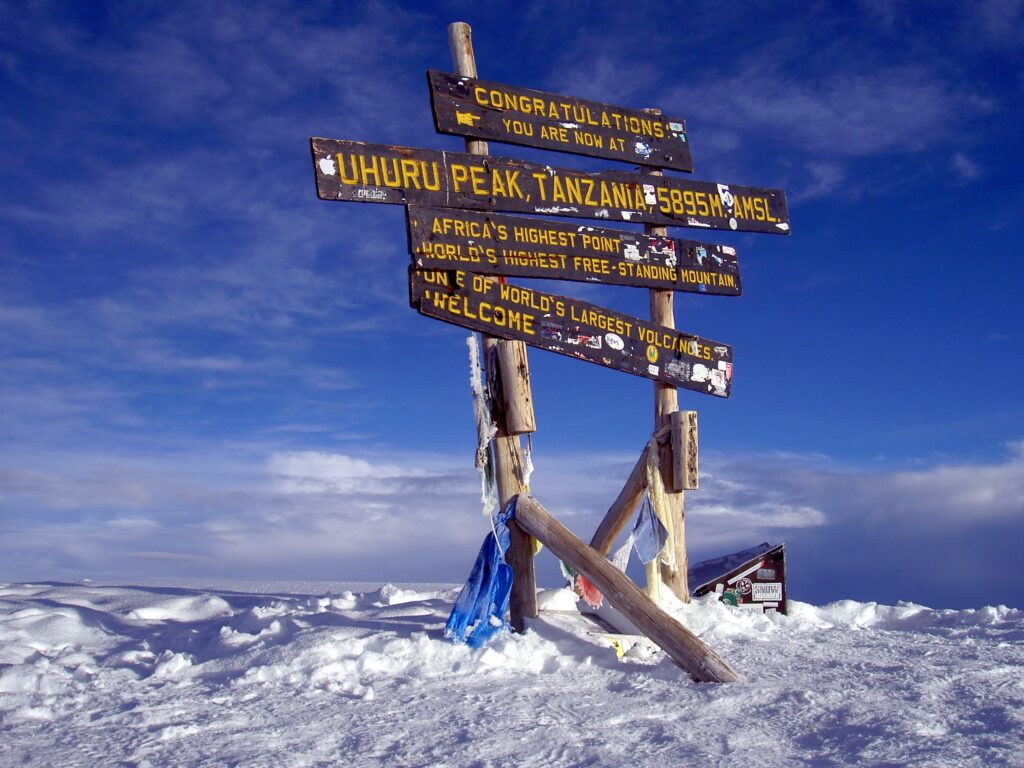
Your Kilimanjaro daypack is your most important personal item during daily hikes. A 25–35 liter backpack is ideal for carrying essentials such as water bottles, snacks, sunscreen, camera, rain jacket, and first aid kit. The best Kilimanjaro daypack should be lightweight, comfortable, and have padded shoulder straps with a waist belt for support. Hydration compatibility is highly recommended, allowing easy water access while trekking. Since weather changes rapidly on Mount Kilimanjaro, your backpack must include a rain cover. Proper daypack organization ensures quick access to important items during climbs through rainforest and alpine zones. Avoid overloading, as your porters carry the main duffel bag. A well-packed Kilimanjaro backpack enhances safety, energy conservation, and trekking efficiency throughout your ascent to Uhuru Peak.
Layered Clothing System
A proper Kilimanjaro clothing system is essential for adapting to extreme altitude changes. The best approach is layering: base layer, insulation layer, and outer shell. Moisture-wicking base layers keep sweat away, while fleece or down jackets provide warmth in cold zones. Waterproof and windproof jackets protect against rain and strong mountain winds. Packing smart clothing for Kilimanjaro trekking ensures comfort across rainforest humidity, freezing summit nights, and dry alpine deserts. Avoid cotton clothing, as it retains moisture and increases cold risk. Instead, choose synthetic or merino wool materials for optimal performance. Proper layering allows hikers to adjust quickly to temperature shifts during ascent. This Kilimanjaro packing strategy improves endurance, reduces hypothermia risk, and enhances overall climbing experience on Africa’s highest mountain.
Essential Footwear and Socks
Choosing the right Kilimanjaro hiking boots is critical for comfort and safety. Waterproof, ankle-support trekking boots with strong grip are essential for rocky and muddy terrain. Break them in before your trek to avoid blisters and discomfort. Pair them with high-quality moisture-wicking socks, preferably wool or synthetic blends. Pack multiple pairs for daily changes during the climb. Proper footwear reduces fatigue and supports stability on steep trails like Barranco Wall and Uhuru Peak ascent routes. Include gaiters to keep dust, mud, and debris out of your boots. Comfortable Kilimanjaro footwear improves balance and prevents injuries, especially during long trekking hours. Avoid brand-new shoes or lightweight sneakers, as they do not provide sufficient protection. Good trekking boots are a key part of every successful Kilimanjaro packing list.
Sleeping Gear Preparation
A warm sleeping bag is essential for Kilimanjaro trekking due to freezing nighttime temperatures. Choose a sleeping bag rated between -10°C to -20°C for summit comfort. A lightweight sleeping mat or liner adds insulation and hygiene inside mountain huts or tents. Proper Kilimanjaro sleeping gear ensures rest and recovery after long hiking days. Compress your sleeping bag efficiently inside your duffel bag to save space. Dry bags are useful to protect bedding from moisture during transport. Quality sleep is vital for altitude acclimatization and energy restoration. Whether trekking via Machame, Lemosho, or Rongai routes, reliable sleeping equipment improves summit success rates. Avoid heavy or non-insulated sleeping gear, as temperatures can drop significantly above 3,500 meters on Mount Kilimanjaro.
Hydration and Water System
Proper hydration is one of the most important Kilimanjaro trekking tips. Carry at least 2–3 liters of water in your daypack using hydration bladders or reusable bottles. Water intake helps prevent altitude sickness and maintains energy levels during long climbs. Insulated bottles are recommended to prevent freezing at high altitudes. Water purification tablets or filters may be necessary, depending on your trekking operator. Staying hydrated improves oxygen flow and reduces fatigue on steep sections like the Lava Tower and summit push. Avoid sugary drinks, as they do not provide effective hydration. Consistent water intake is essential for acclimatization and endurance. A well-prepared hydration system is a key part of your Kilimanjaro backpack essentials and directly impacts your overall trekking performance.
Nutrition and Energy Snacks
High-energy snacks are vital for sustaining energy during Kilimanjaro climbs. Pack lightweight, nutrient-dense foods such as energy bars, nuts, dried fruits, chocolate, and electrolyte tablets. These snacks help maintain stamina during long trekking hours across different climate zones. Your Kilimanjaro food supplies should complement meals provided by your trekking team. Easy-access snacks in your daypack ensure quick energy boosts during breaks. Avoid heavy or perishable foods that add unnecessary weight. Proper nutrition supports endurance, reduces fatigue, and enhances altitude adaptation. Balanced energy intake is especially important during summit night when temperatures drop significantly. Smart snack planning is a key element of Kilimanjaro packing strategy, ensuring a continuous energy supply from rainforest trails to the icy summit of Uhuru Peak.
Personal Hygiene Items
Packing essential hygiene items improves comfort and health during the Kilimanjaro trek. Include biodegradable wet wipes, hand sanitizer, toothbrush, toothpaste, toilet paper, and small towels. Since washing facilities are limited on the mountain, these items are crucial for daily cleanliness. Sunscreen and lip balm with SPF protection are necessary due to strong UV exposure at high altitude. Lip balm prevents dryness caused by cold winds. Small zip bags help organize hygiene products inside your duffel or backpack. Proper hygiene reduces infection risk and improves overall trekking morale. Lightweight and compact toiletries are ideal for Kilimanjaro packing efficiency. Maintaining personal cleanliness enhances comfort during multi-day climbs and supports a positive trekking experience across all Kilimanjaro routes.
Approach, feed or disturb wildlife, or leave the vehicle unless your guide says it is safe.
Follow your guide, carry travel insurance and check current health and travel advice.
First Aid Kit Essentials
A well-prepared Kilimanjaro first aid kit is essential for safety during high-altitude trekking. Include altitude sickness medication, pain relievers, blister treatment, antiseptic wipes, bandages, and personal prescription medicines. Portable first aid kits should fit easily in your daypack for quick access. Altitude-related symptoms can occur above 3,000 meters, making preventive medication important. Blister protection items like moleskin or tape help maintain foot comfort during long hikes. Your Kilimanjaro trekking safety kit should also include diarrhea treatment and hydration salts. Proper medical preparation reduces risks and ensures a faster response to minor health issues. While guides carry emergency equipment, personal readiness enhances safety and confidence throughout the climb to Uhuru Peak.
Electronics and Power Supply
Carrying essential electronics enhances safety and convenience on Kilimanjaro. Include a headlamp with extra batteries, a power bank, and a camera or smartphone for documentation. Solar chargers can be useful for extended treks. A reliable headlamp is crucial for summit night trekking in darkness. Protect electronics in waterproof bags due to unpredictable mountain weather. Avoid unnecessary gadgets to reduce backpack weight. Proper Kilimanjaro electronics packing ensures communication, navigation, and memory capture during your adventure. Charging opportunities are limited on the mountain, so energy management is essential. Lightweight and durable devices are recommended for high-altitude conditions. Efficient electronic planning improves both safety and experience during your climb through Tanzania’s iconic Mount Kilimanjaro landscapes.
Trekking Accessories
Important Kilimanjaro trekking accessories include sunglasses, trekking poles, gloves, hats, and gaiters. Sunglasses with UV protection are essential against intense sunlight and snow glare at higher altitudes. Trekking poles reduce pressure on knees during steep ascents and descents. Warm gloves and thermal hats protect against freezing summit temperatures. Gaiters prevent mud and debris from entering boots on wet trails. These accessories enhance comfort, stability, and safety throughout the climb. Proper Kilimanjaro gear accessories make hiking easier across varied terrains, from rainforest paths to rocky alpine zones. Lightweight, durable equipment is recommended for efficiency. Including these items in your Kilimanjaro packing list improves endurance and reduces physical strain during long trekking days.
Weather Protection Gear
Weather protection is essential for Kilimanjaro trekking due to rapidly changing mountain conditions. Pack waterproof jackets, rain pants, and windproof outer layers. Sudden rain, cold winds, and snow are common at higher elevations. Proper Kilimanjaro rain gear keeps you dry and prevents hypothermia. Layering with breathable materials ensures comfort in both wet and dry environments. Waterproof backpack covers protect your belongings from moisture. Gloves, thermal hats, and neck gaiters add extra protection against cold temperatures. Preparing for extreme weather conditions improves safety and summit success rates. Reliable weather protection gear is a core part of Kilimanjaro packing essentials, ensuring comfort and survival across all ecological zones on Mount Kilimanjaro.
Packing Organization Strategy
Efficient Kilimanjaro packing organization improves accessibility and reduces stress during trekking. Use packing cubes, dry bags, and compression sacks to separate clothing, gear, and personal items. Organize your duffel bag for porters while keeping essentials in your daypack. Labeling compartments helps quick identification of items. Weight distribution should be balanced to avoid unnecessary strain. Keep frequently used items at the top of your backpack for easy access. Proper organization saves time with me and improves efficiency during daily campsite setups. A well-structured Kilimanjaro packing system ensures nothing is forgotten and everything remains dry and protected. Smart packing techniques enhance overall trekking comfort and support a smooth climbing experience from base to summit.
Weight Management Tips
Managing weight is crucial for Kilimanjaro trekking success. Your duffel bag should not exceed 15–20 kg, as porters carry it daily. Overpacking increases fatigue and logistical challenges. Focus on lightweight, multi-purpose clothing and gear. Avoid unnecessary luxury items that add weight without value. Your daypack should remain light, ideally under 8–10 kg, to maintain hiking efficiency. Proper Kilimanjaro packing weight distribution improves stamina and reduces injury risk. Always prioritize essential gear over extras. Lightweight travel strategies enhance altitude performance and overall trekking experience. Efficient weight control is a key factor in successful Kilimanjaro climbs across all routes, including Machame, Lemosho, and Rongai.
Final Thought
Packing your duffel bag and backpack correctly for Kilimanjaro treks is essential for a safe, comfortable, and successful summit journey. Smart Kilimanjaro packing strategies ensure you are prepared for extreme weather changes, high altitude challenges, and long trekking days. From selecting the right duffel bag and daypack to organizing clothing, gear, and hydration systems, every detail matters. Lightweight, well-organized equipment improves endurance and reduces fatigue during the climb to Uhuru Peak. Proper preparation also enhances acclimatization and overall trekking performance. Whether you are a beginner or experienced climber, following these Kilimanjaro packing tips increases your chances of summit success. With the right gear and mindset, your Mount Kilimanjaro adventure becomes a safe, unforgettable, and life-changing experience in Tanzania.
How to Pack Your Duffel Bag and Backpack for Kilimanjaro Treks: FAQs
What should you know about choose the right duffel bag ?
Selecting the best duffel bag for the Kilimanjaro trekking is crucial for durability and weather resistance. A waterproof or water-resistant duffel bag between 70–90 liters is ideal for porters to carry your main gear. Look for strong zippers, reinforced stitching, and lightweight materials to meet Kilimanjaro luggage requirements.
What can you expect from select the Perfect daypack ?
Your Kilimanjaro daypack is your most important personal item during daily hikes. A 25–35 liter backpack is ideal for carrying essentials such as water bottles, snacks, sunscreen, camera, rain jacket, and first aid kit. The best Kilimanjaro daypack should be lightweight, comfortable, and have padded shoulder straps with a waist belt for support.
What should you know about layered clothing system on Kilimanjaro?
A proper Kilimanjaro clothing system is essential for adapting to extreme altitude changes. The best approach is layering: base layer, insulation layer, and outer shell. Moisture-wicking base layers keep sweat away, while fleece or down jackets provide warmth in cold zones. Waterproof and windproof jackets protect against rain and strong mountain winds.
What can you expect from essential footwear and socks on Kilimanjaro?
Choosing the right Kilimanjaro hiking boots is critical for comfort and safety. Waterproof, ankle-support trekking boots with strong grip are essential for rocky and muddy terrain. Break them in before your trek to avoid blisters and discomfort. Pair them with high-quality moisture-wicking socks, preferably wool or synthetic blends.
What should you know about sleeping gear preparation on Kilimanjaro?
A warm sleeping bag is essential for Kilimanjaro trekking due to freezing nighttime temperatures. Choose a sleeping bag rated between -10°C to -20°C for summit comfort. A lightweight sleeping mat or liner adds insulation and hygiene inside mountain huts or tents. Proper Kilimanjaro sleeping gear ensures rest and recovery after long hiking days.
What can you expect from hydration and water system on Kilimanjaro?
Proper hydration is one of the most important Kilimanjaro trekking tips. Carry at least 2–3 liters of water in your daypack using hydration bladders or reusable bottles. Water intake helps prevent altitude sickness and maintains energy levels during long climbs. Insulated bottles are recommended to prevent freezing at high altitudes.
What should you know about nutrition and energy snacks on Kilimanjaro?
High-energy snacks are vital for sustaining energy during Kilimanjaro climbs. Pack lightweight, nutrient-dense foods such as energy bars, nuts, dried fruits, chocolate, and electrolyte tablets. These snacks help maintain stamina during long trekking hours across different climate zones. Your Kilimanjaro food supplies should complement meals provided by your trekking team.
What can you expect from personal hygiene items on Kilimanjaro?
Packing essential hygiene items improves comfort and health during the Kilimanjaro trek. Include biodegradable wet wipes, hand sanitizer, toothbrush, toothpaste, toilet paper, and small towels. Since washing facilities are limited on the mountain, these items are crucial for daily cleanliness. Sunscreen and lip balm with SPF protection are necessary due to strong UV exposure at high altitude.
Climb Kilimanjaro With Confidence
Tell us your dates and fitness, and our experienced mountain team will plan a safe, well-acclimatized private climb.