African Safari Tours

Things to Consider When Planning an African Safari

The tents at Mara Kati Kati are meticulously designed to blend the essence of classic safari adventures with modern comforts. Each tent is furnished with plush bedding, locally inspired décor, and ensuite bathrooms equipped with hot showers and eco-friendly toiletries. The subtle lighting, soft linens, and rustic yet sophisticated furnishings create an ambiance that seamlessly merges the raw beauty of the wilderness with the elegance of a homey accommodation. 14 Days Ultimate Tanzania Safari, Travel Tips for Planning a Last-Minute Safari, Tanzania Safari Itinerary, Safari Circuits in Tanzania, Where to Go on an African Safari in October, Where To Go on an African Safari in November, Where To Go on an African Safari in May, Where to Go on an African Safari in January, February to March, Tanzania Royal Safari, Capture Breathtaking Moments: Photographic Safaris in Tanzania, Serengeti and Kruger: Which Is Better for an African Safari? Essential Steps to Planning the Ultimate Couple's Adventure Trip, African Safari FAQs, Serengeti in October, Serengeti in January: A Dry Season Adventure, 10 Things to Know Before Going on a Safari in Tanzania, 10 Tanzania food that will make your mouth water, Discover the Magic of Tanzania, Top Family-Friendly Activities in Tanzania, Plan the Perfect Surprise Getaway for Your Partner, Paying the balance amount for your Safari in Tanzania, Which is better Serengeti national park or Ngorongoro crater, Everything you need to know before booking your first African safari, Spectacular Tanzania Safari, Classic African Safaris, Tanzania Destination Management Company, Local Tour Operators for Safari in Tanzania, Best Serengeti Safari Tour, When to go on a family safari in Tanzania

Planning an African safari is a once-in-a-lifetime experience that combines adventure, luxury travel, wildlife encounters, and cultural immersion. From the iconic Big Five safari to witnessing the Great Migration in Tanzania, a well-planned safari offers unforgettable moments. Whether you are seeking a luxury African safari package, a budget safari, or a family-friendly safari holiday, careful planning ensures the best experience. Key considerations include destination, timing, accommodation, costs, and travel logistics. Popular safari countries like Tanzania offer world-class parks, expert guides, and diverse ecosystems. With increasing demand for custom African safari tours, travelers must plan early and choose trusted operators. This guide covers everything from where to go, when to travel, what to pack, and how to budget—helping you design the perfect African wildlife safari itinerary. Where to Go on an African Safari  Choosing where to go on an African safari is crucial, and Tanzania safari destinations consistently rank among the best in Africa. The legendary Serengeti is famous for the Great Migration safari, while the Ngorongoro Crater offers unmatched wildlife density and scenic beauty. Tarangire National Park is known for elephant herds, and Lake Manyara for tree-climbing lions. For a more exclusive experience, consider Ruaha or Selous (Nyerere National Park), ideal for off-the-beaten-path safaris. Tanzania is perfect for luxury safaris, honeymoon safaris, family safaris, and photographic safaris. With diverse landscapes, year-round wildlife viewing, and professional guides, Tanzania remains a top choice for all-inclusive African safari packages, offering both fly-in safaris and classic overland adventures from Arusha or Zanzibar. When Is the Best Time to Go on an African Safari The best time for an African safari depends on wildlife viewing, weather, and travel preferences. In Tanzania, the dry season from June to October is considered peak safari season, offering excellent visibility and easier wildlife spotting near water sources. This period is ideal for Big Five safaris and the dramatic river crossings of the Great Migration. The green season from November to May offers fewer crowds, lower safari prices, and lush landscapes perfect for photography and birdwatching safaris. Calving season in the Serengeti (January to March) is especially rewarding. Travelers seeking affordable African safari deals often prefer shoulder seasons. Understanding seasonal patterns ensures the best African safari experience, whether you prioritize wildlife density, budget travel, or scenic beauty. Where to Stay on an African Safari Accommodation is a key part of any African safari experience, ranging from luxury safari lodges to budget campsites. In Tanzania, options include high-end tented camps in the Serengeti, eco-lodges near Ngorongoro, and mid-range safari lodges in Tarangire. Luxury travelers enjoy all-inclusive safari lodges with private guides, gourmet dining, and infinity pools overlooking wildlife. Mid-range options provide comfort and value, while budget safaris include mobile camping adventures. Choosing the right accommodation depends on your budget, travel style, and desired level of comfort. Honeymooners often prefer intimate luxury camps, while families benefit from lodges with larger rooms and activities. Booking the right stay enhances your African safari holiday, ensuring both comfort and proximity to wildlife. How Long Should a First African Safari Be The ideal duration for a first African safari typically ranges from 5 to 10 days. A shorter 3–4 day safari can provide a glimpse of wildlife, but longer itineraries allow for deeper exploration of multiple parks. In Tanzania, a 7-day safari covering Tarangire, Serengeti, and Ngorongoro Crater is highly recommended. This duration balances travel time, game drives, and relaxation. Travelers seeking a luxury safari experience often extend their trips with beach holidays in Zanzibar. A well-paced itinerary ensures you fully enjoy wildlife sightings without feeling rushed. For photographers and wildlife enthusiasts, longer safaris increase the chances of seeing rare species and witnessing unique moments like predator hunts or migration crossings. Planning the right length is essential for a fulfilling African safari adventure. How Much Does It Cost to Go on an African Safari The cost of an African safari varies widely depending on destination, accommodation, and travel style. Budget safaris may start from $200–$350 per person per day, while mid-range safaris range between $400–$700. Luxury African safaris can exceed $1,000 per person per day, offering premium services and exclusive experiences. Factors influencing price include park fees, accommodation, transportation, and guide services. Tanzania safari costs also depend on whether you choose a private safari tour. All-inclusive safari packages often provide better value, covering meals, game drives, and park entry fees. Booking in advance and traveling during the low season can help secure affordable safari deals. Understanding costs ensures you plan a safari that matches your budget and expectations. What Does a Typical African Safari Day Look Like A typical African safari day begins early with a sunrise game drive, the best time to spot predators and active wildlife. After breakfast, guests may relax at the lodge or enjoy a mid-morning safari activity. Afternoon game drives continue until sunset, offering opportunities to see elephants, lions, giraffes, and more. Many lodges provide guided walking safaris or cultural visits to local communities. Evenings are spent enjoying dinner under the stars, often around a campfire. Luxury safari camps may include sundowners, spa treatments, and fine dining. Each day is unique, filled with unexpected wildlife encounters. This immersive routine defines the magic of an African wildlife safari, blending adventure, relaxation, and unforgettable scenery. How Far in Advance Is Needed to Plan an African Safari Planning an African safari well in advance is essential, especially for peak travel seasons. It is recommended to book 6 to 12 months ahead for popular destinations like Tanzania’s Serengeti during the Great Migration. Early booking ensures the availability of top lodges, preferred guides, and better pricing. Last-minute bookings may limit options, especially for luxury safari lodges and fly-in safaris. Travelers seeking the best African safari packages should also consider visa processing, vaccinations, and travel insurance. Booking early allows time to customize itineraries and secure special experiences such as hot air balloon safaris. Proper planning ensures a smooth and stress-free journey, maximizing your overall African safari experience. Is It Necessary to Book with a Local African

Perfect Age For Tanzania Family Safari

Tanzania Family Safari Packages, Best Tanzania Family Safari, 10 Day Tanzania Luxury Family Safari, Best African Family Safari Vacations & Tours 2025-2026, Tips for Planning an Africa Family Vacation, Tanzania in November, 10 Reasons To Visit East Africa For A Family Vacation, Tanzania family Safari Holidays, Luxury Tanzania Family Safaris, Family Safari Activities Your Kids Will Love, Luxury Family Holidays, considerations for families going on safari, A Guide to Tanzania Safari with Kids, Luxury Family Vacations, Best Tanzania Safari Vacations, Tours, Trips & Luxury Travel, What Is The Perfect Age For Tanzania Family Safari, How To Plan A Stress-Free Luxury Family Vacation, Best Places to Visit in Africa With Your Family, Is it safe to take kids on a safari in Tanzania?, The Best Time for a Family Safari in East Africa & for Spotting The Big 5, Unforgettable Tanzania Family Safari Packages, best times for an East African Safari, What Really Matters on a Tanzania Family Safari, Tanzania Family Safari Guide, Family Tours & Trips in Tanzania

A family safari in Serengeti National Park, Ngorongoro Crater, or Tarangire National Park is one of the most memorable experiences a family can share. Tanzania offers extraordinary wildlife, breathtaking landscapes, and safe, well-organized safari experiences designed for travelers of all ages. However, many parents planning a safari holiday ask: What is the ideal age for a family safari in Tanzania? There is no single perfect age. Every stage of childhood offers a different safari experience. Some ages make logistics easier, while others allow children to appreciate wildlife and adventure fully. With proper planning, choosing the right parks, and traveling with experienced safari guides, families with children of almost any age can enjoy the magic of the African wilderness. Below is a helpful guide to understanding what a safari in Tanzania looks like for different age groups—from toddlers to teenagers—and how each stage shapes the safari adventure. Toddlers & Infants (0–3 Years): Trickier Logistics, but Possible Traveling on a Tanzania family safari with toddlers or infants can be challenging, but it is certainly possible with proper planning and the right safari operator. Parents considering a safari in destinations like Serengeti National Park or Tarangire National Park should prioritize family-friendly lodges that offer spacious rooms, flexible schedules, and attentive staff. At this age, children may not remember the wildlife experience, but parents often cherish the shared adventure and unique family memories. Game drives may need to be shorter, and some lodges provide babysitting services while adults explore. Many luxury Tanzania safari camps also offer private vehicles, allowing parents to tailor their itinerary to naps and feeding times. While logistics require extra attention, introducing young children to Africa’s landscapes early can still make a magical and rewarding travel experience. Young Kids (4–7 Years): Wildlife Introduction Children aged four to seven are often fascinated by animals, making this stage an exciting introduction to a wildlife safari in Tanzania for families. Seeing elephants, giraffes, lions, and zebras roaming freely across the savannah sparks curiosity and wonder. Parks such as Lake Manyara National Park and Ngorongoro Crater are excellent for younger kids because wildlife sightings are frequent and game drives can be shorter. Many safari lodges now offer kid-friendly activities such as nature walks, cultural visits with the Maasai community, storytelling around the campfire, and wildlife-tracking games. At this age, children begin to recognize animals and learn about conservation, making the safari educational and entertaining. With patient guides and interactive experiences, a Tanzania safari becomes a powerful way for kids to connect with nature. The “Sweet Spot” (8–12 Years): The Golden Age Many safari experts consider ages eight to twelve the perfect age for a Tanzania family safari. Children at this stage are curious and energetic, and they can understand wildlife behavior and conservation stories. They can enjoy longer game drives across iconic parks like Serengeti National Park while learning about the famous Great Migration. Kids often love spotting the Big Five—lion, leopard, elephant, buffalo, and rhino—and keeping safari journals or photography collections. Many family safari lodges provide educational programs, junior ranger activities, and guided bush walks tailored for children. Because they can follow safety instructions and appreciate the environment, this age group experiences safari adventures more deeply. The combination of excitement, education, and outdoor exploration makes these years the golden age for unforgettable family safari memories in Tanzania. Teens (13+ Years): The Ultimate Safari Adventure Teenagers often enjoy the most immersive safari experience because they can fully participate in longer adventures and understand the ecological importance of Africa’s wilderness. A Tanzania safari with teens may include extended game drives, photography expeditions, and even hiking adventures near Mount Kilimanjaro or in Arusha National Park. Teens are also old enough to appreciate cultural encounters, conservation programs, and behind-the-scenes experiences with park rangers and guides. Many families combine safari with beach relaxation in Zanzibar, offering teens a balance between adventure and relaxation. At this age, young travelers can capture incredible wildlife photos, learn about ecosystems, and develop a deeper appreciation for nature. For families seeking meaningful travel experiences, Tanzania provides an unforgettable adventure for teenagers. Are Safaris Safe for Kids? A Tanzania safari with kids is generally very safe when organized with reputable tour operators and experienced guides. National parks such as Serengeti National Park and Tarangire National Park maintain strict safety regulations for visitors. Professional guides are trained to keep safe distances from wildlife and understand animal behavior. Family-friendly safari lodges also prioritize safety by providing secure accommodations, fenced camps in certain areas, and clear instructions for children. Parents should ensure kids stay inside safari vehicles during game drives and follow the guide’s instructions carefully. With proper planning, vaccinations, travel insurance, and a responsible itinerary, a safari in Tanzania is a safe and enriching adventure for children. In fact, many families find their safari is one of the most memorable and educational travel experiences they have ever shared. What Age is Allowed on an East African Safari? The minimum age for an East African safari often depends on the lodge, park regulations, and the type of safari experience. In Tanzania, many lodges welcome children of all ages, though some luxury camps recommend a minimum age of five or six for longer game drives. Activities like walking safaris may require children to be at least 12 years old. Popular parks, including Ngorongoro Crater and Lake Manyara National Park, are accessible for families with young children because wildlife viewing is relatively easy and close to the road network. Private safari vehicles are also common for family travel, allowing flexible schedules tailored to children. Ultimately, safari experiences can be tailored to suit various age groups, making Tanzania one of Africa’s most family-friendly safari destinations. What’s the Best Age for a Safari? While families can travel with children of many ages, most safari experts agree that the best age range for a Tanzania safari with kids is 8 to 12. At this stage, children are mature enough to sit through game drives, understand wildlife stories, and appreciate the beauty of

Top Activities While on Safari

How to Book a Sustainable African Safari: Ultimate Guide, 8-Day Tanzania Family Safari Vacations, What to Expect from a Mid-Range Safari in Tanzania, Should You Travel Solo on an African Safari?, Once-in-a-Lifetime African Safari Vacations, Authentic African Safaris, Luxury Fly-in & Fly Out Safaris, Tanzania Entry Requirements: Everything You Need to Know, Why Are African Safaris So Expensive? Unveiling the Hidden Costs, 1 Week Tanzania Safari Itinerary (Ultimate guide & Costs), Top 10 Activities While on Safari, Serengeti Walking Safari, Family Safari in Tanzania | Best Luxury African Safaris, Game Drive, 4x4 Safari Tours, Serengeti Safari From Arusha - Compare 398 Tours, Tanzania Safari From Arusha - Compare 933 Tour Packages, Safari Words to Know When Travelling in Africa, What Makes an African Safari for Seniors Unique, Serengeti Wildlife Photo Safaris, Unique Ways to Experience a Tanzania Safari, Enjoy The Finest Private Mid-Range Experience, 6-Day Mid-Range Highlights of Tanzania Safari, What Are The Things Included In Your Tanzania Safari Cost?, Great Migration Photo Safari, Top 15 Things to do in Tanzania, Serengeti and Zanzibar - Compare Combo Packages, The Perfect Tanzania Luxury Safari, Basic Swahili Phrases for Your Tanzania Safari, Family Friendly Safaris in Tanzania | Kid Friendly Stay & Activities, 10 Things You Need to Know About a Serengeti Safari, Best African Safari Tour Operators, Tanzania Safari from USA, Genuine Luxury Travel Company, 5-Day Ultra-Luxury First Class Serengeti Safari, 9-Day Tanzania Safari Deals | Tarangire, Lake Natron, Serengeti & Ngorongoro Crater, Ultra-luxury Tanzania Lodge & Tented Safari, Top African Safari Destinations for Families, How To Plan Your First Safari Vacation

Tanzania is a dream destination for wildlife enthusiasts, adventure seekers, and nature photographers. From the iconic plains of the Serengeti National Park to the dramatic Ngorongoro Crater, Tanzania offers a once-in-a-lifetime safari experience. Beyond simply spotting the Big Five, there is a wealth of safari activities that make your journey truly unforgettable. Here is your ultimate guide to the top safari activities, complete with tips, itineraries, and insider recommendations. Tanzania safari game drives, Big Five safari Tanzania, morning game drive, afternoon safari drive, Serengeti wildlife safari, Ngorongoro safari. Top safari activities combine thrilling wildlife viewing with immersive cultural and nature experiences. Key activities include morning and afternoon game drives, walking safaris, hot air ballooning, and night drives, alongside cultural community visits and staying in scenic tented camps. Unique options include boating, canoeing, and fishing. 1. Game Drives (Morning & Afternoon) Morning and afternoon game drives are the heart of any Tanzania safari, offering thrilling encounters with the Big Five and exotic wildlife. On a morning drive, experience the sunrise over the savannah, spotting lions, elephants, giraffes, and zebras as they become active. Afternoon drives often capture predators hunting or wildlife at waterholes. With expert safari guides, these game drives provide insider knowledge on animal behavior, habitats, and migration patterns. Ideal for families, honeymooners, and solo travelers, game drives in parks like Serengeti National Park, Tarangire National Park, and Ngorongoro Crater combine adventure with stunning photography opportunities. Private, small-group, and luxury safaris ensure personalized wildlife experiences. 2. Walking Safaris Walking safaris immerse travelers in Africa’s wilderness, connecting guests directly with nature on foot. Guided by professional rangers, you’ll explore animal tracks, unique flora, and smaller wildlife often missed on game drives. Walking safaris in Arusha National Park, Tarangire, or Lake Manyara reveal intimate encounters with elephants, giraffes, and birdlife while learning about ecosystems and conservation. Ideal for adventure-seekers, walking safaris also include educational insights into local survival techniques and bushcraft. This activity enhances photographic opportunities and allows travelers to experience Africa’s sights, sounds, and scents closely, creating unforgettable memories. Safety, guide expertise, and private small-group sizes make walking safaris a top Tanzania adventure. 3. Hot Air Balloon Safaris Hot air balloon safaris offer a breathtaking aerial view of Tanzania’s iconic landscapes. Float above the Serengeti National Park during sunrise and watch herds of wildebeest, zebras, and elephants move across the savannah. Balloon safaris provide unique photography angles, panoramic views, and unmatched wildlife spotting opportunities. After landing, enjoy a traditional champagne breakfast in the bush. Ideal for honeymooners, luxury travelers, and photographers, hot air balloon safaris combine adventure, romance, and tranquility. Guided by experienced pilots, this safari activity is safe and comfortable, with unforgettable vistas over the Great Migration routes and African wilderness. Early booking ensures premium views and exclusivity. 4. Night Drives Night drives in Tanzania reveal the continent’s nocturnal wildlife rarely seen during daytime safaris. Guided by expert rangers using spotlights, travelers can encounter leopards, hyenas, bush babies, and owls in Tarangire and Arusha National Park. This thrilling activity offers educational insights into nocturnal behaviors and predator-prey dynamics. Night drives are perfect for adventurous travelers seeking unique experiences and photographers looking for rare wildlife shots. Comfortable safari vehicles with safety features ensure a secure journey. Optional sundowner experiences before the drive create magical evenings. Night drives are increasingly popular for luxury and private safaris, combining adventure, wildlife spotting, and memorable stories under the African night sky. 5. Cultural Community Visits Cultural community visits enrich your safari by connecting travelers with Tanzania’s indigenous Maasai, Hadzabe, and other local tribes. Participate in traditional dances, learn beadwork and craftsmanship, and understand the daily life, rituals, and history of these communities. Visits in regions near Ngorongoro Crater, Lake Eyasi, and Tarangire support sustainable tourism and offer educational experiences for families, solo travelers, and honeymooners. Engaging with local guides provides insight into conservation, traditional hunting techniques, and coexistence with wildlife. Cultural visits combine adventure with meaningful experiences, giving visitors a chance to photograph vibrant local customs while contributing to community empowerment and preserving heritage. 6. Photographic Safari A photographic safari is perfect for wildlife and landscape photographers, offering prime opportunities in Serengeti, Ngorongoro Crater, and Lake Manyara. Expert guides lead travelers to the best vantage points for capturing lions, cheetahs, elephants, and dramatic landscapes. Sunrise and sunset drives provide golden-hour lighting, while walking safaris and balloon rides add unique perspectives. Photographic safaris are ideal for amateur and professional photographers, families, and luxury travelers seeking high-quality wildlife images. Customized itineraries focus on wildlife behavior, migration patterns, and photography tips. This safari style combines adventure, education, and creativity, producing unforgettable memories and professional-quality photographs of Africa’s iconic wildlife and landscapes. 7. Boating & Canoeing Boating and canoeing safaris reveal Tanzania’s aquatic wildlife in Lake Manyara, Lake Naivasha, and the Selous Game Reserve. Paddle through serene waters while spotting hippos, crocodiles, and a variety of bird species. Guided excursions provide insight into freshwater ecosystems, traditional fishing methods, and bird conservation. Canoeing safaris are suitable for families, romantic couples, and adventure-seekers looking for a peaceful wildlife experience. Luxury boat safaris offer comfort, safety, and photography opportunities for wildlife enthusiasts. This activity combines relaxation, eco-tourism, and adventure, making it a top addition to multi-day safari itineraries for guests seeking diversity beyond traditional game drives. 8. Tented Camp Stay (Glamping) Tented camp stays, or glamping safaris, blend luxury with authentic bush experiences. Camps in Serengeti, Ngorongoro, and Tarangire offer spacious tents with en-suite facilities, stunning views, and full-service dining. Guests wake to wildlife sounds, enjoy morning game drives, and relax under the African sky at night. Glamping suits families, honeymooners, and solo travelers seeking comfort without missing adventure. Amenities often include private decks, safari guides, and cultural performances. Sustainable practices and eco-lodges ensure minimal environmental impact. This immersive safari experience combines adventure, relaxation, and photography, creating memorable stays in the heart of Africa’s wilderness. 9. Bird Watching Tanzania is a top destination for bird enthusiasts, hosting over 1,100 species. Bird watching safaris in Lake Manyara, Tarangire, and Arusha National Park

How to Get to Tanzania

The tents at Mara Kati Kati are meticulously designed to blend the essence of classic safari adventures with modern comforts. Each tent is furnished with plush bedding, locally inspired décor, and ensuite bathrooms equipped with hot showers and eco-friendly toiletries. The subtle lighting, soft linens, and rustic yet sophisticated furnishings create an ambiance that seamlessly merges the raw beauty of the wilderness with the elegance of a homey accommodation. 14 Days Ultimate Tanzania Safari, Travel Tips for Planning a Last-Minute Safari, Tanzania Safari Itinerary, Safari Circuits in Tanzania, Where to Go on an African Safari in October, Where To Go on an African Safari in November, Where To Go on an African Safari in May, Where to Go on an African Safari in January, February to March, Tanzania Royal Safari, Capture Breathtaking Moments: Photographic Safaris in Tanzania, Serengeti and Kruger: Which Is Better for an African Safari? Essential Steps to Planning the Ultimate Couple's Adventure Trip, African Safari FAQs, Serengeti in October, Serengeti in January: A Dry Season Adventure, 10 Things to Know Before Going on a Safari in Tanzania, 10 Tanzania food that will make your mouth water, Discover the Magic of Tanzania, Top Family-Friendly Activities in Tanzania, Plan the Perfect Surprise Getaway for Your Partner, Paying the balance amount for your Safari in Tanzania, Which is better Serengeti national park or Ngorongoro crater, Everything you need to know before booking your first African safari, Spectacular Tanzania Safari, Classic African Safaris, Tanzania Destination Management Company, Local Tour Operators for Safari in Tanzania, Best Serengeti Safari Tour, When to go on a family safari in Tanzania

Traveling to Tanzania is easier than ever, with multiple international airports, global airline connections, and simplified visa processes. Whether you are planning a luxury Tanzania safari, a Kilimanjaro climbing adventure, or a Zanzibar beach holiday, understanding how to get to Tanzania is essential for smooth travel planning. Most travelers arrive via international flights, with options from Europe, North America, Asia, and beyond. Tanzania offers eVisa and visa-on-arrival services, making entry convenient for tourists and business travelers. With excellent connections to safari destinations like Serengeti and Ngorongoro, Tanzania remains one of Africa’s top travel destinations. This guide covers everything from airports, airlines, routes, and visa requirements to ensure your journey is seamless, safe, and unforgettable. Kilimanjaro International Airport (JRO) Kilimanjaro International Airport (JRO) is the main gateway for travelers heading to Tanzania’s famous Northern Safari Circuit, including Serengeti, Ngorongoro Crater, and Mount Kilimanjaro. Located between Arusha and Moshi, JRO is ideal for safari enthusiasts and climbers. The airport receives international and regional flights and is well-equipped for tourism arrivals. Many travelers prefer JRO due to its proximity to top safari parks, reducing travel time after arrival. Visa-on-arrival services and eVisa entry are available, making the process smooth and efficient. From JRO, visitors can easily connect to domestic flights or private safari transfers. For those seeking a premium safari experience, this airport is the best starting point for exploring Tanzania’s iconic wildlife destinations and adventure tourism opportunities. Julius Nyerere International Airport (DAR) Julius Nyerere International Airport (DAR), located in Dar es Salaam, is Tanzania’s busiest and largest airport. It serves as the primary international entry point for travelers arriving from Europe, Asia, and Africa. DAR is the ideal gateway for visitors exploring the Southern Safari Circuit, including Nyerere National Park and Ruaha National Park, or heading to Zanzibar via domestic flights or ferries. The airport offers modern facilities, visa-on-arrival services, and smooth immigration processing. Many major airlines operate routes into DAR, making it one of the most accessible entry points into Tanzania. Travelers arriving here benefit from strong transport links, including domestic flights, road transfers, and ferry connections to coastal and island destinations, making it a central hub for tourism and business travel. Abeid Amani Karume International Airport (ZNZ) Abeid Amani Karume International Airport (ZNZ) is the main entry point to Zanzibar, Tanzania’s tropical paradise known for its white-sand beaches and cultural heritage. Located near Stone Town, this airport is ideal for travelers seeking a beach holiday, honeymoon safari, or post-safari relaxation. ZNZ handles international flights from Europe, the Middle East, and Africa, as well as domestic connections from mainland Tanzania. Visa-on-arrival and eVisa entry are available, ensuring a seamless arrival process. Many travelers combine a safari in northern Tanzania with a Zanzibar getaway, making ZNZ an important tourism hub. With growing airline connectivity and modern facilities, Zanzibar’s airport continues to attract luxury and leisure travelers from around the world. Major Airlines Several international airlines operate flights to Tanzania, offering convenient connections worldwide. Popular carriers include Qatar Airways, Turkish Airlines, KLM Royal Dutch Airlines, Ethiopian Airlines, Emirates, and Kenya Airways. These airlines connect Tanzania to major global hubs such as Doha, Amsterdam, Istanbul, and Addis Ababa. Many routes offer direct or one-stop flights to Kilimanjaro, Dar es Salaam, or Zanzibar. Travelers can choose from economy, business, and luxury classes depending on budget and travel style. Regional airlines also provide connections within Africa, making Tanzania accessible from neighboring countries. With increasing global demand for safaris and beach holidays, airline connectivity continues to expand, ensuring travelers have flexible, reliable, and comfortable options when planning their trip to Tanzania. Getting to Tanzania From North America (USA & Canada) Travelers from the United States and Canada can reach Tanzania via one or two-stop flights through major international hubs. Common routes include connections through Europe (Amsterdam, London), the Middle East (Doha, Dubai), or Africa (Addis Ababa). Airlines such as KLM, Qatar Airways, and Ethiopian Airlines provide efficient connections to Kilimanjaro or Dar es Salaam. Flight durations typically range from 16 to 24 hours, depending on layovers. Most North American travelers prefer flying into Kilimanjaro for safari access or Zanzibar for beach vacations. With visa-on-arrival and eVisa options available, entry into Tanzania is straightforward. Planning flights and choosing convenient connections can significantly improve travel comfort and reduce overall journey time. Multi-city Flights Multi-city flights are a popular option for travelers exploring multiple destinations in Africa. Many visitors combine Tanzania with Kenya, Rwanda, or South Africa in a single itinerary. For example, travelers may fly into Kilimanjaro and depart from Zanzibar or Dar es Salaam. This flexible travel option saves time and avoids unnecessary backtracking. Airlines and booking platforms offer customizable multi-city routes, making it easier to design a personalized African safari itinerary. Multi-city travel is especially useful for honeymooners, photographers, and luxury travelers seeking diverse experiences. It allows seamless transitions between safari parks, cultural destinations, and beach resorts. Booking early ensures better pricing and availability, especially during peak safari seasons. Getting to Tanzania from the UK Travelers from the United Kingdom have multiple flight options to Tanzania, with both direct and connecting routes available. Popular airlines include British Airways (via connections), Qatar Airways, Emirates, and KLM. Flights typically depart from London Heathrow and connect through hubs like Doha, Dubai, or Amsterdam before arriving in Tanzania. Travel time averages 10–14 hours, depending on the route. UK travelers often choose Kilimanjaro for safaris or Zanzibar for beach holidays. Tanzania’s visa process is simple, with eVisa and visa-on-arrival options available. With strong airline connectivity and frequent departures, Tanzania remains a top destination for UK tourists seeking wildlife safaris, cultural experiences, and luxury travel adventures. Getting to Tanzania From Southern & Central America Travelers from South and Central America usually reach Tanzania via connecting flights through Europe or the Middle East. Common routes include connections through cities like Amsterdam, Madrid, or Doha. Airlines such as KLM, Qatar Airways, and Turkish Airlines provide reliable connections. Travel times vary between 18 and 30 hours, depending on layovers. Despite the distance, Tanzania remains a

Kilimanjaro Packing list

Tanzania Safari Packing List, Tanzania Safari Packing List For Solo Travelers, What should I wear for Summit Night on Kilimanjaro? how to pack your duffel bag and backpack for Kilimanjaro, 10 Items For Climbing Kilimanjaro That Aren't on the Gear List, What Equipment Will I Need to Climb Kilimanjaro?, 10 Things You Must Pack for Your Safari, Kilimanjaro Clothing, What Do You Wear On A Serengeti Safari? What not to wear on Safari in Tanzania, Multi-Purpose Safari Items That Save Money and Space

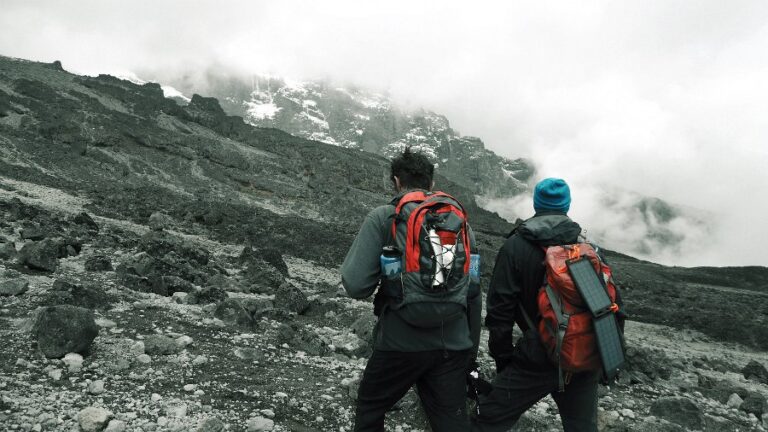
Discover authentic and most incredible climbing Mount Kilimanjaro is one of Africa’s greatest adventure travel experiences, attracting trekkers seeking the ultimate Tanzania safari and mountain climbing holiday. A successful summit depends heavily on having the right Kilimanjaro packing list, especially for changing weather conditions ranging from tropical rainforest to Arctic-like summit temperatures. Whether you choose the Machame Route, Lemosho Route, Marangu Route, or Rongai Route, proper trekking gear improves comfort, safety, and summit success rates. Essential items include waterproof clothing, thermal layers, hiking boots, sleeping bags, trekking poles, hydration systems, and altitude sickness essentials. A carefully planned Kilimanjaro gear list helps climbers stay warm, dry, and energized during the expedition. Packing wisely also reduces unnecessary weight while ensuring you are fully prepared for one of the world’s most iconic hiking and trekking adventures in Tanzania. 1. Waterproof Duffel Bag and Daypack A durable waterproof duffel bag is one of the most important items on every Kilimanjaro packing list. Most climbers use a soft-sided duffel bag carried by porters during the trek across Mount Kilimanjaro. Choose a bag with at least 80–100 liters of storage space to fit clothing, sleeping gear, and trekking equipment. In addition, a comfortable daypack is essential for carrying daily hiking necessities such as water bottles, snacks, rain jackets, sunscreen, cameras, and personal documents. Look for a lightweight daypack with padded shoulder straps and a rain cover for mountain weather protection. Waterproof dry bags help organize belongings and protect electronics from rain and moisture. High-quality backpacks improve trekking comfort and reduce fatigue during long hiking days on Kilimanjaro’s scenic trails and rugged mountain terrain. 2. High-Quality Hiking Boots Proper hiking boots are critical for a successful Kilimanjaro climb because trekkers encounter rocky paths, muddy rainforest trails, loose gravel, and icy summit conditions. Invest in waterproof, breathable hiking boots with strong ankle support and durable grip soles. Many experienced Kilimanjaro guides recommend wearing boots that are already broken in before the trek begins to prevent painful blisters and discomfort. Thick hiking socks made from wool or moisture-wicking materials provide additional warmth and protection during long hiking days. Gaiters are also useful for keeping dust, mud, and stones out of boots during summit night. Reliable trekking footwear improves stability, balance, and safety while climbing Africa’s highest mountain. Comfortable hiking boots are often considered the most essential item on any Mount Kilimanjaro packing checklist for both beginner hikers and experienced mountain climbers visiting Tanzania. 3. Base Layers for Cold Temperatures Base layers are essential for maintaining body warmth while climbing Mount Kilimanjaro because temperatures decrease significantly with altitude. Moisture-wicking thermal tops and bottoms help regulate body temperature while keeping sweat away from the skin. Merino wool and synthetic fabrics are highly recommended because they dry quickly and provide excellent insulation during cold mornings and summit night. Avoid cotton clothing because it absorbs moisture and increases the risk of feeling cold and uncomfortable. Lightweight base layers work perfectly beneath hiking shirts, fleece jackets, and insulated outerwear. Proper layering helps climbers adapt to changing mountain weather conditions from warm rainforest sections to freezing alpine deserts. Packing multiple thermal layers ensures comfort throughout the trek and greatly improves overall hiking performance, especially during overnight camping adventures and high-altitude trekking on Kilimanjaro’s famous climbing routes. 4. Insulated Jackets and Warm Clothing Warm clothing is vital for surviving freezing temperatures near Uhuru Peak on Mount Kilimanjaro. A high-quality insulated down jacket or synthetic puffer jacket provides critical warmth during summit night when temperatures can drop below freezing. Fleece jackets, insulated pants, thermal gloves, neck gaiters, and warm hats are equally important for protecting the body against cold mountain winds. Layering several warm clothing items creates better insulation than wearing one heavy garment alone. Waterproof outer shells add additional protection against rain, snow, and wind at higher elevations. Climbers should pack lightweight but warm clothing to balance comfort and portability. Proper insulation helps prevent hypothermia and altitude-related discomfort during the challenging summit ascent. Reliable cold-weather trekking gear is essential for maximizing safety, endurance, and summit success on Africa’s tallest mountain adventure. 5. Waterproof Rain Gear Kilimanjaro’s rainforest zone often experiences sudden rainfall, making waterproof rain gear a top priority for trekkers. A lightweight waterproof jacket and waterproof hiking pants help keep climbers dry and comfortable during wet mountain conditions. High-quality rain gear should be breathable to prevent overheating and sweat buildup during long hiking days. Ponchos can provide additional protection for backpacks and trekking clothing during heavy rainstorms. Waterproof gloves and backpack rain covers are also highly recommended for extra weather protection. Staying dry is extremely important because wet clothing increases discomfort and body heat loss at high altitudes. Proper rain gear ensures climbers remain warm and focused throughout the journey to Uhuru Peak. Reliable waterproof equipment is considered essential for all Kilimanjaro climbing routes, especially during Tanzania’s rainy seasons when mountain weather conditions can change rapidly. 6. Sleeping Bag and Sleeping Accessories A four-season sleeping bag is one of the most important items for camping on Mount Kilimanjaro. Temperatures at higher camps can become extremely cold, especially during summit night. A sleeping bag rated for temperatures below freezing provides necessary warmth and comfort for proper rest and recovery. Sleeping bag liners add additional insulation while helping maintain cleanliness during multi-day trekking adventures. Inflatable travel pillows and sleeping pads improve sleeping comfort after long hiking days on rugged terrain. Good sleep is essential for maintaining energy, preventing fatigue, and adapting to high altitudes during the climb. Many climbers rent sleeping bags from Kilimanjaro tour operators, but bringing a personal sleeping bag often provides better comfort and hygiene. Quality sleeping equipment contributes greatly to a safe, enjoyable, and successful mountain trekking experience in Tanzania. 7. Trekking Poles for Stability Trekking poles are highly recommended for climbing Mount Kilimanjaro because they improve balance, stability, and endurance during steep ascents and descents. Hiking poles reduce pressure on knees and joints, especially during long downhill sections after summit day. Adjustable lightweight trekking poles made from aluminum or carbon fiber

Safest Places to Visit in Africa

Our top five hotels & lodges for Family Safaris in Tanzania, Best Elephant Safari Tours in Africa, Best Places to See Elephants in Africa, Best Things to Do in Tarangire National Park, Endangered Animals You Might See on Safari

Tanzania is widely recognized as one of the safest and most rewarding destinations in Africa, offering travelers an extraordinary blend of wildlife safaris, pristine beaches, and rich cultural experiences. From the iconic plains of Serengeti National Park to the tranquil shores of Zanzibar, safety, hospitality, and well-established tourism infrastructure make the country ideal for first-time and seasoned visitors alike. Tanzania consistently ranks among the top African safari destinations thanks to its political stability, friendly locals, and reputable tour operators. Whether you are planning a luxury safari, a family holiday, or a solo adventure, choosing safe destinations enhances your travel experience. This guide explores the safest places to visit in Tanzania while highlighting top attractions, travel tips, and why this East African gem continues to attract global travelers seeking unforgettable and secure adventures. 1. Serengeti National Park – Africa’s Safest Safari Haven Serengeti National Park is one of the safest and most famous safari destinations in Africa, renowned for its breathtaking landscapes and the Great Migration. With strict park regulations, professional guides, and well-managed lodges, visitors enjoy a secure environment while witnessing lions, elephants, and wildebeest up close. The park’s remote setting reduces urban crime risks, making it ideal for families, honeymooners, and solo travelers. Most safaris are conducted by licensed operators who prioritize safety, ensuring reliable transport and expert navigation. The Serengeti’s infrastructure, including airstrips and ranger patrols, further enhances visitor security. As one of the top UNESCO World Heritage Sites, it combines safety with unforgettable wildlife experiences. Travelers can relax knowing they are in one of the most professionally managed and secure safari ecosystems in the world. 2. Ngorongoro Crater – Safe Wildlife Encounters The Ngorongoro Crater is a natural wonder and one of the safest places for wildlife viewing in Africa. This enclosed ecosystem allows for controlled tourism, ensuring both visitor safety and conservation. With experienced guides and designated safari routes, travelers can enjoy close encounters with the Big Five in a secure setting. The Ngorongoro Conservation Area Authority maintains strict regulations, making it highly organized and tourist-friendly. Lodges and camps in the region follow international safety standards, offering comfort alongside security. The area is also culturally rich, home to the Maasai people who warmly welcome visitors. Its accessibility from Arusha and well-developed tourism services make it a top choice for safe travel. For those seeking a balance of adventure and peace of mind, Ngorongoro delivers an exceptional experience. 3. Zanzibar – Safe Beach Paradise Zanzibar is one of the safest beach destinations in Africa, famous for its white sandy beaches and turquoise waters. Areas like Stone Town are well-patrolled and popular among tourists, offering a secure environment to explore culture, history, and cuisine. Resorts across the island maintain high safety standards, making Zanzibar ideal for honeymooners and families. The island’s tourism-driven economy ensures that locals are welcoming and supportive of visitors. Travelers can enjoy activities like snorkeling, diving, and spice tours with trusted operators. With its stable environment and strong hospitality sector, Zanzibar offers a relaxing and safe coastal escape. Whether you’re exploring historic alleys or lounging on the beach, safety and comfort remain top priorities in this tropical paradise. 4. Arusha – Gateway to Safe Adventures Arusha is considered one of the safest cities in Tanzania and serves as the gateway to northern safari circuits. Known for its vibrant atmosphere and organized tourism sector, Arusha offers secure accommodations, reliable transportation, and professional tour operators. Visitors often start their journeys here before heading to destinations like Serengeti or Ngorongoro. The city is well-developed, with hospitals, banks, and police presence ensuring traveler safety. Guided city tours, cultural visits, and coffee plantations provide safe and enriching experiences. Arusha’s reputation as a safari hub means tourism standards are consistently high. Whether you’re preparing for a safari or exploring local attractions, Arusha provides a safe, comfortable, and welcoming environment for all types of travelers visiting Tanzania. 5. Mount Kilimanjaro – Safe Climbing Experience Mount Kilimanjaro is Africa’s highest peak and one of the safest trekking destinations when climbed with licensed operators. Thousands of climbers successfully summit each year thanks to strict safety protocols, experienced guides, and well-established routes. Popular trails like Machame and Marangu are supported by rescue services and ranger stations. Climbers are monitored for altitude sickness, ensuring their well-being throughout the journey. Tour companies provide trained guides, porters, and proper equipment, making the climb safe even for beginners. The surrounding region, including Moshi, offers secure accommodations and services tailored to climbers. With proper preparation and guidance, Kilimanjaro is not only an iconic adventure but also a safe and well-managed trekking experience in Africa. 6. Tarangire National Park – Peaceful and Secure Safari Destination Tarangire National Park is known for its large elephant herds and peaceful atmosphere, making it one of the safest parks in Tanzania. Compared to busier parks, Tarangire offers a quieter safari experience with fewer crowds, enhancing both safety and enjoyment. The park is well-managed, with ranger patrols and designated routes ensuring secure wildlife viewing. Lodges and camps prioritize guest safety, offering guided activities and secure environments. Its proximity to Arusha makes it easily accessible, while its remote setting minimizes risks associated with urban areas. Visitors can enjoy game drives, bird watching, and scenic landscapes with confidence. Tarangire is ideal for travelers seeking a safe, relaxed safari experience away from heavy tourist traffic. 7. Lake Manyara National Park – Safe and Scenic Exploration Lake Manyara National Park is a compact yet diverse park offering a safe and accessible safari experience. Known for its tree-climbing lions and flamingo-filled lake, the park is well-regulated and easy to navigate. Its smaller size allows for controlled tourism, enhancing safety for visitors. The park is located along a major route, making it convenient and secure to access. Lodges nearby maintain high safety standards, and guided tours ensure visitors are always accompanied by professionals. The park’s lush forests, wildlife diversity, and scenic beauty make it a favorite for families and first-time safari-goers. Lake Manyara combines safety, accessibility, and natural beauty, making it

Top Tourist Attractions in Tanzania

Safari Tours in Northern Tanzania, 5 Days Safari In Tanzania Off The Beaten Track, 4-Day Tanzania Mid Range Safaris, Wildebeest Migration Safari Packages, 10 Reasons Why You Should Visit Tarangire National Park, Tarangire National Park, Why should Tanzania be on your bucket list? A step-by-step guide for planning adventure travel, 10 interesting facts about elephants, The 15 Smartest Animals in the World, How to Get to Tarangire National Park, The 20 Cutest Animals in the World (With Photos), The most endangered animals in Africa, Wildebeest Migration Packages, Top 10 Best Tourist Attractions in Tanzania, What are the Big 5 Animals on a Tanzania Safari?

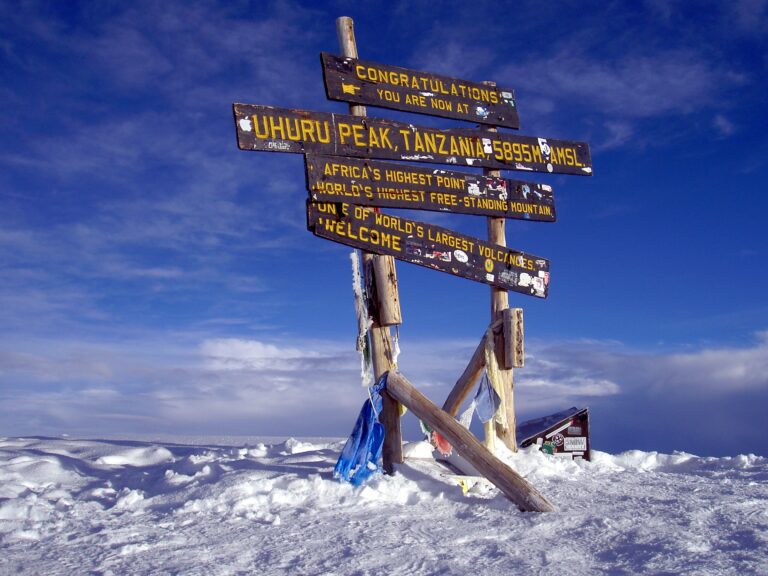
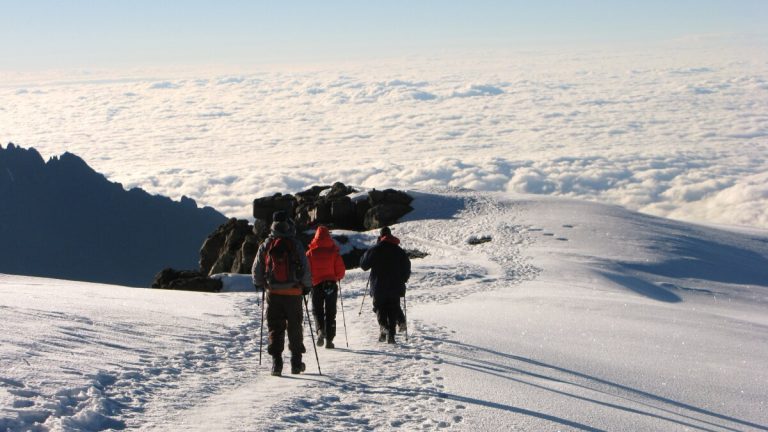
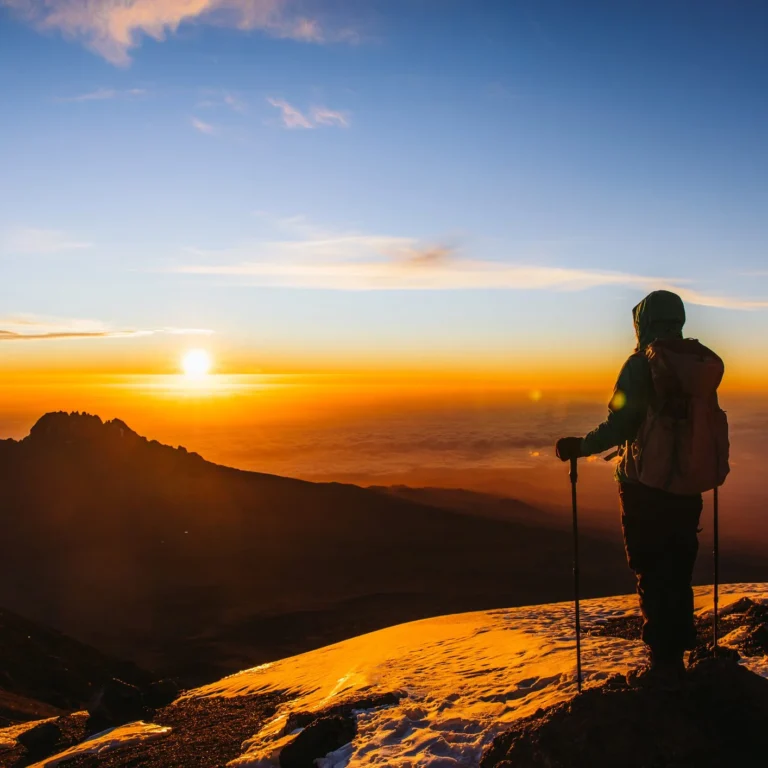
Tanzania, a jewel of East Africa, offers a symphony of experiences that captivate every kind of traveler. From the iconic savannahs teeming with wildlife to the sun-kissed beaches of the Indian Ocean and the snow-capped summit of Africa’s highest peak, the country is a veritable playground for adventure, culture, and relaxation. It’s a land where ancient landscapes meet vibrant cultures, creating an unforgettable tapestry of attractions. Tanzania offers a diverse range of tourist attractions and activities. From iconic wildlife safaris to challenging mountain climbs and pristine beach experiences, with highlights. Including the Serengeti National Park for the Great Migration, the Ngorongoro Crater for dense wildlife viewing. Mount Kilimanjaro for peak ascents, and the Zanzibar archipelago for its beautiful beaches and cultural heritage. 1. Serengeti National Park – Rated As Africa’s Best Safari Park Undoubtedly, the most famous wildlife sanctuary in the world, Serengeti National Park, holds the undisputed title as Africa’s Best Safari Park. It’s endless plains (Serengeti means “endless plains” in Maasai). Home to an astonishing concentration of wildlife. Making it the quintessential safari destination. The park’s main Africa’s most amazing places to visit draw is the Great Migration. An epic annual spectacle where over two million wildebeest, zebras, and gazelles thunder across the savannah in search of greener pastures. Often braving crocodile-infested rivers. This natural phenomenon best places to visit in Africa, occurring year-round in various stages across the Serengeti-Mara ecosystem. Offers unparalleled predator-prey interactions. Beyond the migration, the Serengeti guarantees exceptional game viewing of the “Big Five” (lion, leopard, elephant, rhino, buffalo), alongside cheetahs, giraffes, hippos, and a bewildering array of birdlife. Game drives here are truly immersive, often feeling like you’ve stepped into a wildlife documentary. 2. Ngorongoro Crater – Dramatic Scenery and Tons of Wildlife Adjacent to the Serengeti lies the Ngorongoro Crater, a breathtaking UNESCO World Heritage Site renowned for its dramatic scenery and tons of wildlife. This massive, unbroken volcanic caldera, often called “Africa’s Garden of Eden,” shelters an extraordinary density of animals. Descending into the crater floor offers a unique safari experience, where you can often spot all of the Big Five in a single day, including the critically endangered black rhino. The diverse habitats within the crater, from open grasslands to acacia woodlands and soda lakes, support a vast array of species in a relatively confined area. The backdrop of the crater walls, often shrouded in mist, adds to the almost mystical ambiance of this natural wonder. 3. Climbing Kilimanjaro – Africa’s Highest Peak Dominating the northern Tanzanian skyline, Climbing Kilimanjaro is an adventure of a lifetime. Standing at 5,895 meters (19,341 feet), it is Africa’s Highest Peak and the world’s tallest free-standing mountain. While it doesn’t require technical climbing skills. It’s a demanding trek that tests endurance and mental fortitude. The journey takes climbers through five distinct ecological zones – from lush rainforests and alpine deserts to the icy glacial cap at the summit, and cool and unusual things to do in Tanzania. Reaching Uhuru Peak at dawn, witnessing the sunrise over the African continent. An unparalleled sense of achievement and a truly iconic “bucket list” experience. 4. Nyerere (Selous) National Park – Africa’s Largest Wildlife Reserve In southern Tanzania lies Nyerere (Selous) National Park, formerly the Selous Game Reserve and still widely referred to by its former name. This colossal protected area is Africa’s Largest Wildlife Reserve. It offers a wilder, more remote safari experience than its northern counterparts. Its vastness means fewer crowds and a greater sense of untouched wilderness. Nyerere is renowned for its large populations of elephants, buffalo, and wild dogs (painted wolves), as well as significant lion and leopard populations. A unique feature of Nyerere is the opportunity for boat safaris along the Rufiji River. Offering a different perspective on the wildlife, particularly crocodiles, hippos, and a plethora of birdlife. Walking safaris are also a highlight, providing an immersive experience on foot. 5. Zanzibar – An Indian Ocean Island Rich in Culture and History After the dust and excitement of the safari, the idyllic archipelago of Zanzibar offers a perfect tropical escape. This Indian Ocean island is rich in culture and history, a melting pot of African, Arab, Indian, and European influences top best tourist attractions in Tanzania. Stone Town, a UNESCO World Heritage Site, is its beating heart, a labyrinth of narrow alleys, bustling bazaars, intricately carved wooden doors, and historic buildings that whisper tales of sultans and spice traders. Beyond its historical charm, Zanzibar boasts some of the world’s most breathtaking white-sand beaches. Fringed by swaying palm trees and clear turquoise waters, ideal for swimming, snorkeling, diving, and simply unwinding. 6. Tarangire National Park Tarangire National Park is a gem in Tanzania’s northern safari circuit. Often visited as part of a longer itinerary. It is particularly famous for its enormous elephant herds and the majestic baobab trees that dot its landscape. During the dry season (June to October), the Tarangire River becomes the park’s lifeline, attracting vast concentrations of wildlife. Including wildebeest, zebras, giraffes, and various predators. Its unique topography and diverse birdlife (over 550 species recorded) make it a distinct and rewarding safari destination. 7. Lake Manyara National Park Another highlight of the northern circuit. Lake Manyara National Park is a compact yet incredibly diverse park. It’s famous for the best places to visit in Tanzania – Destinations for its tree-climbing lions, a rare behavior for these big cats, often seen lounging in the branches of acacia trees. The park encompasses a narrow strip of land between the Great Rift Valley escarpment and Lake Manyara itself. The shallow, alkaline lake attracts huge flocks of flamingos and other waterfowl. Creating a stunning pink spectacle must-see attraction in Tanzania. The park’s varied habitats, from groundwater forest to open savannah and hot springs, support a wide range of wildlife. Including large troops of baboons, elephants, and hippos. 8. Katavi National Park – Relatively Untouched Wildlife Paradise For the truly adventurous and those seeking an off-the-beaten-path experience. Katavi National Park in western Tanzania is a

Make Your Tanzania Safari Trip More Enthralling

Ndutu Safari Lodge, Tanzania in December: Travel Tips, Safari, Weather & More, Why Tanzania is the best safari country, Tanzania Safari Routes and Distances, Tanzania Glamping Safari Experience, How to Book a Safari in Tanzania from USA

A Tanzania safari is more than a holiday—it’s a once-in-a-lifetime African adventure filled with wildlife encounters, luxury safari lodges, and breathtaking landscapes. From the endless plains of Serengeti National Park to the dramatic beauty of Ngorongoro Crater, every moment offers something unforgettable. To make your Tanzania safari trip more enthralling, you need to go beyond the typical game drive and embrace immersive experiences, cultural encounters, and off-the-beaten-path destinations. Whether you’re planning a luxury safari, budget safari, family safari, or honeymoon safari, enhancing your journey with unique activities, expert guides, and sustainable travel practices will transform your trip into a truly extraordinary African safari experience filled with lasting memories. 1. Go Beyond the Big Five While spotting the Big Five—lion, leopard, elephant, buffalo, and rhino—is a top highlight of any Tanzania safari, limiting your experience to these iconic animals means missing out on the country’s incredible biodiversity. Tanzania wildlife safaris offer opportunities to see cheetahs sprinting across the plains, giraffes gracefully browsing acacia trees, and thousands of wildebeest grazing in vast herds. Birdwatching is equally rewarding, with over 1,000 species recorded. Exploring beyond the Big Five adds depth and excitement to your safari adventure. It allows you to appreciate the delicate ecosystems and diverse wildlife that make Tanzania one of the best safari destinations in Africa, creating a richer and more fulfilling safari experience. 2. Explore Hidden Gems To make your Tanzania safari more unique, venture beyond the famous parks and discover hidden gems like Ruaha National Park and Katavi National Park. These lesser-known safari destinations offer raw wilderness, fewer crowds, and exceptional wildlife viewing. In these remote areas, you can enjoy exclusive game drives, authentic safari experiences, and intimate encounters with nature. Hidden gems provide a sense of adventure and discovery that popular destinations sometimes lack. For travelers seeking off-the-beaten-path safaris, these parks deliver unmatched tranquility and authenticity, making your Tanzania safari tour more thrilling and unforgettable while still offering incredible opportunities to see predators, elephants, and rare species. 3. Immerse Yourself in Culture A Tanzania safari is not only about wildlife; it’s also a cultural journey. Visiting local communities like the Maasai people or Hadzabe hunter-gatherers adds a meaningful dimension to your trip. You can learn traditional customs, participate in daily activities, and gain insight into ancient ways of life. Cultural tourism enhances your safari by connecting you with the people who call these landscapes home. It also supports sustainable tourism and local economies. Whether it’s dancing with Maasai warriors or learning bushcraft skills, these experiences enrich your understanding of Tanzania and create deeper, more memorable connections beyond the wildlife safari experience. 4. Embrace the Sensory Symphony A Tanzania safari is a full sensory experience—far beyond what you see. Listen to lions roaring at night, feel the warm African sun on your skin, and breathe in the earthy scent of the savannah after rain. The sounds of birds, rustling grass, and distant animal calls create a natural symphony that defines the African wilderness. Embracing these sensory details makes your safari more immersive and memorable. Slow down, stay present, and truly absorb your surroundings. This mindful approach transforms your Tanzania safari into a deeply enriching experience, allowing you to connect with nature on a more profound level while appreciating the beauty and rhythm of the wild. 5. Seek the Sunrise and Sunset Spectacles Sunrises and sunsets in Tanzania are nothing short of magical. Early morning game drives offer golden light, active wildlife, and peaceful landscapes, while evening safaris reveal dramatic skies painted in orange, pink, and purple hues. Watching the sun rise over the Serengeti or set behind acacia trees is a highlight of any African safari. These moments provide perfect opportunities for photography and quiet reflection. Planning your safari around these times enhances your experience, offering unforgettable scenery and optimal wildlife viewing. Sunrise and sunset safaris are essential for anyone seeking the ultimate Tanzania safari adventure filled with breathtaking natural beauty. 6. Go Off the Beaten Path When Possible Choosing less-traveled routes and remote safari destinations can greatly enhance your Tanzania safari experience. Instead of crowded areas, explore quieter regions where you can enjoy private game drives and uninterrupted wildlife encounters. Off-the-beaten-path safaris provide exclusivity, authenticity, and a deeper connection to nature. Parks like Nyerere National Park offer vast landscapes and fewer tourists, making them ideal for adventurous travelers. This approach allows you to experience the true wilderness of Tanzania, far from busy safari circuits. It’s perfect for those seeking unique safari experiences, tranquility, and a more personal connection with Africa’s stunning natural environment. 7. Capture the Essence, Not Just the Image Photography is a key part of any Tanzania safari, but it’s important to go beyond simply taking pictures. Focus on storytelling—capture emotions, behaviors, and the atmosphere of the wild. Instead of rushing for the perfect shot, observe animal interactions and natural moments. This approach results in more meaningful and memorable images. Whether you’re using a professional camera or a smartphone, patience and creativity are essential. Great safari photography enhances your travel experience and allows you to relive your adventure long after it ends. Remember, the best photos are those that reflect the true spirit of your Tanzania safari journey. 8. Disconnect to Reconnect In today’s digital world, a Tanzania safari offers the perfect opportunity to disconnect from technology and reconnect with nature. Many safari lodges provide limited Wi-Fi, encouraging guests to unplug and be present. Without constant distractions, you can fully immerse yourself in the sights and sounds of the wilderness. This digital detox enhances your experience, allowing you to appreciate the beauty of Tanzania more deeply. Reconnecting with nature, yourself, and your travel companions creates a more meaningful and rejuvenating safari. It’s one of the most rewarding ways to make your Tanzania safari truly unforgettable and transformative. 9. Witness the Great Migration The Great Migration is one of the most spectacular wildlife events on Earth. Millions of wildebeest, zebras, and gazelles move across the Serengeti in search of fresh grazing, followed by predators. Witnessing river

Best Luxury African Safari Resorts And Lodges

And Beyond Klein Camp, Camping Safari Vs Lodge Safari: Which To Choose, Best Luxury African Safari Resorts And Lodges

A journey through luxury African safari resorts and lodges reveals the pinnacle of high-end safari experiences, where world-class comfort meets untamed wilderness. From five-star safari lodges in Tanzania to exclusive private reserves, these destinations redefine luxury travel in Africa. Expect all-inclusive safari packages, VIP game drives, boutique eco-lodges, and luxury tented camps offering breathtaking views, personalized service, and unforgettable wildlife encounters. Whether you seek a romantic honeymoon safari, family safari vacation, or ultra-luxury African adventure, Tanzania’s iconic destinations like Serengeti National Park and Ngorongoro Crater deliver unmatched experiences. This guide highlights the best luxury safari lodges in Africa, featuring premium amenities, infinity pools, spa retreats, gourmet dining, and expert-guided safaris for the ultimate bucket-list escape. 1. Serengeti Migration Camp – Witness the Great Migration Set in the heart of Serengeti National Park, Serengeti Migration Camp is one of the best luxury safari camps in Africa, offering front-row seats to the Great Migration safari. This high-end tented camp blends glamping comfort with raw wilderness, featuring spacious suites, private decks, and panoramic river views. Ideal for luxury wildlife safaris, it delivers exclusive game drives, guided by expert rangers tracking wildebeest and predators. Guests enjoy all-inclusive luxury safari packages, gourmet cuisine, and personalized service. Perfect for honeymoon safaris or photographic tours, the camp ensures immersive encounters with Africa’s iconic wildlife. Its eco-friendly design and prime location make it a top choice for travelers seeking premium safari experiences in Tanzania. 2. Ngorongoro Crater Lodge – The Architectural Marvel Perched on the rim of Ngorongoro Crater, Ngorongoro Crater Lodge is often called the “Versailles of Africa,” redefining luxury safari lodges with opulent design and breathtaking views. This five-star safari lodge combines baroque architecture with Maasai-inspired elements, offering lavish suites, butler service, and dramatic crater panoramas. Ideal for luxury Tanzania safaris, guests enjoy exclusive game drives into the crater, home to the Big Five. The lodge is perfect for romantic safaris, VIP travel, and high-end African adventures, delivering world-class dining, spa experiences, and unmatched comfort. Its unique blend of elegance and wilderness makes it one of the most iconic luxury lodges in Africa. 3. Singita Grumeti – A Pristine Private Wilderness Located within the private Grumeti Reserve bordering Serengeti National Park, Singita Grumeti represents the ultimate in ultra-luxury safari experiences. This exclusive destination offers private game reserves, ensuring uncrowded wildlife viewing and personalized safaris. Known for its premium safari lodges, fine dining, and curated experiences, Singita is ideal for high-net-worth travelers, honeymooners, and VIP safari tours. Guests enjoy private guides, spa treatments, wine cellars, and conservation-focused tourism. The property’s commitment to sustainability and community upliftment enhances its appeal as a top eco-luxury safari lodge in Africa. For those seeking privacy, exclusivity, and unmatched service, Singita Grumeti is a world-class choice. 4. Ngorongoro Melia Safari Lodge Situated near Ngorongoro Conservation Area, Ngorongoro Melia Safari Lodge offers a refined blend of modern luxury and African authenticity. This five-star safari resort features elegant rooms, infinity pools, and spectacular crater views. Perfect for family safaris, luxury group tours, and romantic getaways, the lodge provides all-inclusive packages, guided safaris, and cultural experiences. Guests enjoy gourmet dining, wellness facilities, and easy access to the crater floor for Big Five safaris. Its strategic location and premium services make it a top option for travelers seeking luxury safari accommodation in Tanzania with comfort, accessibility, and immersive wildlife experiences. 5. Elewana Tarangire Treetops – Unparalleled Treetop Luxury Nestled in Tarangire National Park, Elewana Tarangire Treetops delivers a unique luxury safari lodge experience elevated above the ground. This boutique safari camp features treehouse-style suites overlooking baobab landscapes and elephant migration routes. Ideal for romantic safaris and luxury honeymoon packages, it offers private verandas, outdoor showers, and exceptional privacy. Guests enjoy guided game drives, cultural visits, and fine dining under the stars. Combining eco-conscious design with comfort, it stands out among the best luxury lodges in Tanzania. Its serene setting and immersive nature experience make it perfect for travelers seeking exclusive and unforgettable African safaris. 6. Four Seasons Safari Lodge Serengeti – Unrivaled Elegance Located in Serengeti National Park, Four Seasons Safari Lodge Serengeti is synonymous with five-star luxury safari resorts. This world-renowned lodge features infinity pools overlooking waterholes, spa facilities, and elegantly designed suites. Perfect for luxury family safaris and premium African vacations, it offers guided game drives, hot air balloon safaris, and cultural experiences. Guests enjoy exceptional service, gourmet cuisine, and modern comforts in the wild. As one of the best luxury safari hotels in Africa, it combines global standards with authentic safari adventures, making it ideal for travelers seeking high-end, all-inclusive safari experiences. 7. Asilia Sayari Camp Set in northern Serengeti National Park, Asilia Sayari Camp is a leading luxury tented safari camp known for its proximity to the Great Migration river crossings. This eco-luxury lodge offers spacious suites, solar-powered operations, and stunning savannah views. Ideal for photographic safaris, honeymoon trips, and exclusive wildlife experiences, it provides expert-guided game drives and walking safaris. Guests enjoy gourmet meals, personalized service, and serene surroundings. Sayari Camp is widely recognized among the best safari camps in Africa, combining sustainability with luxury for travelers seeking authentic yet comfortable safari adventures. 8. &Beyond Serengeti Under Canvas For a truly immersive mobile luxury safari, &Beyond Serengeti Under Canvas offers a unique experience within Serengeti National Park. This exclusive tented camp moves seasonally to follow the Great Migration, ensuring prime wildlife viewing. Designed for adventure luxury travelers, it features elegant tents, en-suite bathrooms, and personalized service. Guests enjoy private safaris, bush dining, and intimate wildlife encounters. Perfect for luxury honeymoon safaris and bucket-list adventures, this camp combines authenticity with comfort, making it one of the top mobile safari experiences in Africa. 9. Legendary Lodge – A Serene Retreat Located near Arusha, Legendary Lodge is a tranquil luxury boutique lodge set within lush gardens and coffee plantations. Ideal as a pre- or post-safari retreat, it offers elegant cottages, spa treatments, and personalized service. This high-end safari accommodation provides a peaceful escape with easy access to northern Tanzania safari circuits. Guests enjoy

Best Mount Kilimanjaro Tour Companies

5 Days Kilimanjaro Climb Marangu Route, Climbing Mt Kilimanjaro during the rainy season, Top 10 Best Kilimanjaro Tour Companies 2021/2022/ 2023 Reviews, What Gloves Do I Need to Climb Kilimanjaro, Top Questions Everyone Asks Before Climbing Kilimanjaro, Kilimanjaro National Park Fees, Rules, and Regulations, Gertrude Benham First Woman to Summit Mount Kilimanjaro, Lemosho vs Machame: Which Kilimanjaro Route is Best for You? Things They Don’t Tell You About Climbing Kilimanjaro, Machame or Marangu? What happens to your body when you climb Kilimanjaro?

Climbing Mount Kilimanjaro is a once-in-a-lifetime African adventure, and choosing the best Kilimanjaro tour company is the key to success, safety, and unforgettable memories. Among the top-rated Kilimanjaro operators, Foot Slopes Tours and Safaris stands out as a trusted local expert offering luxury, budget, mid-range, private, and customized trekking packages. Based in Arusha, this highly reviewed company specializes in Kilimanjaro climbing tours, Tanzania safaris, and tailor-made itineraries with experienced guides and ethical practices. With excellent reviews, flexible pricing, and personalized service, Foot Slopes Tours and Safaris delivers high summit success rates, safety-first expeditions, and authentic cultural experiences, making it one of the best Kilimanjaro tour operators in Tanzania for every type of traveler. 1. Kilimanjaro Luxury Tour Companies & Operators For travelers seeking luxury Kilimanjaro climbs, Foot Slopes Tours and Safaris offers premium, high-end trekking experiences designed for comfort, exclusivity, and success. These luxury Kilimanjaro tours include spacious tents, gourmet meals, private guides, portable toilets, and personalized itineraries across routes like Machame and Lemosho. With a strong reputation for delivering VIP safari and trekking experiences, the company blends mountain adventure with top-tier service. Luxury climbers benefit from expert mountain guides, high staff-to-client ratios, and excellent safety protocols, ensuring a smooth journey to Uhuru Peak. Ideal for honeymooners, executives, and luxury travelers, Foot Slopes Tours and Safaris creates bespoke Kilimanjaro expeditions combined with wildlife safaris in Serengeti and Ngorongoro, making it a leading choice among luxury African safari and Kilimanjaro operators. 2. Kilimanjaro Budget Tour Companies & Operators Budget-conscious adventurers can still experience the magic of Mount Kilimanjaro with affordable yet reliable services from Foot Slopes Tours and Safaris. Known for offering competitive Kilimanjaro climbing prices, the company provides budget packages without compromising safety or professionalism. These tours include essential camping gear, trained guides, and well-organized logistics, ensuring climbers enjoy a cost-effective Kilimanjaro trek. With daily departure options and flexible group climbs, travelers benefit from shared costs while maintaining quality experiences. Prices typically range within accessible levels, making Kilimanjaro achievable for students, backpackers, and solo explorers. As a trusted local operator, Foot Slopes and Safaris ensures that even budget trips deliver high value, authentic experiences, and strong summit success rates, positioning it among the best budget Kilimanjaro tour companies. 3. Kilimanjaro Mid-Range Tour Companies & Operators For travelers seeking a balance between affordability and comfort, Foot Slopes Tours and Safaris offers exceptional mid-range Kilimanjaro climbing packages. These tours combine quality equipment, experienced guides, comfortable camping, and great meals to deliver a well-rounded trekking experience. Mid-range climbers enjoy improved sleeping arrangements, better food variety, and enhanced support services compared to budget tours. This category is ideal for travelers who want value-for-money Kilimanjaro expeditions without the premium luxury price tag. Foot Slopes Tours and Safaris is known for its personalized service, flexible itineraries, and professional crew, ensuring climbers feel supported every step of the journey. With options to combine trekking with safaris, this operator remains a top choice among mid-range Kilimanjaro tour companies in Tanzania. 4. Kilimanjaro Photography Tour Companies & Operators Photography enthusiasts looking to capture the dramatic landscapes of Mount Kilimanjaro can rely on Foot Slopes Tours and Safaris for specialized Kilimanjaro photography tours. These expeditions are designed with flexible pacing, scenic campsites, and expert guides who understand the best viewpoints for sunrise, glaciers, and wildlife encounters. The company also offers add-on safari photography experiences in Serengeti and Ngorongoro, creating a complete African wildlife and mountain photography package. With a strong focus on timing and positioning, climbers can capture iconic moments such as summit sunrise at Uhuru Peak. Foot Slopes Tours and Safaris’ expertise in crafting photography-focused itineraries makes it one of the best Kilimanjaro tour operators for photographers seeking both adventure and visual storytelling. 5. Kilimanjaro Family Tour Companies & Operators Climbing Kilimanjaro as a family becomes achievable with experienced operators like Foot Slopes Tours and Safaris, known for designing family-friendly Kilimanjaro tours. These packages focus on safety, gradual acclimatization, and flexible itineraries suited for different age groups. Professional guides provide encouragement and support, ensuring every family member enjoys the journey. With options to combine trekking with family safaris in Serengeti, Tarangire, and Ngorongoro, the experience becomes both adventurous and educational. The company’s strong reputation for personalized service and attention to detail ensures families feel secure throughout the expedition. As a result, Foot Slopes Tours and Safaris is widely recognized among the best Kilimanjaro family tour operators, offering unforgettable bonding experiences on Africa’s highest peak. 6. Kilimanjaro Honeymoon Tour Companies & Operators For couples seeking romance and adventure, Foot Slopes Tours and Safaris provides exclusive Kilimanjaro honeymoon packages that combine trekking with luxury safari and beach experiences. Couples can enjoy private climbs, personalized service, and romantic add-ons such as special meals and scenic camps. After summiting Mount Kilimanjaro, honeymooners can unwind in Zanzibar or explore wildlife-rich parks. These packages are tailored to create unforgettable memories, blending adventure, romance, and relaxation. With expertise in organizing honeymoon safaris and treks, Foot Slopes Tours and Safaris stands out among the best Kilimanjaro honeymoon tour companies, offering seamless and magical experiences for newlyweds. 7. Kilimanjaro Solo Tour Companies & Operators Solo travelers looking for safe and rewarding experiences can trust Foot Slopes Tours and Safaris for expertly organized solo Kilimanjaro climbing tours. The company offers both private climbs and group departures, allowing solo adventurers to join like-minded travelers while reducing costs. With professional guides, supportive crews, and strong logistics, solo climbers enjoy a secure and well-managed trekking experience. Foot Slopes Tours and Safaris emphasizes personalized care, ensuring each climber receives attention and encouragement throughout the journey. This makes it one of the top Kilimanjaro operators for solo travelers, delivering confidence, safety, and unforgettable summit achievements. 8. Kilimanjaro Senior Tour Companies & Operators Senior travelers can confidently take on Mount Kilimanjaro with specialized support from Foot Slopes Tours and Safaris. The company designs senior-friendly Kilimanjaro tours with slower-paced itineraries, extended acclimatization days, and enhanced safety measures. Experienced guides monitor health conditions and provide continuous support, ensuring a comfortable climb. With options for luxury or