5 Essential Tips for Planning a High-End Vacation Experience

Top 5 Essential Tips for Planning a High-End Vacation Experience Do you have visions of an extravagant vacation that surpasses all your expectations? Planning an upscale getaway involves more than just spending on opulent accommodations or first-class airfare. It’s about creating an experience tailored to your preferences and ensuring that every moment is filled with excitement, comfort, and priceless memories. We’ll walk you through five crucial suggestions in this article to help you organize the ideal luxury getaway. 1. Prioritize Personalized Luxury Personalization is essential for anyone planning a trip to Japan to fully explore the diverse cultural landscape of this fascinating nation. From the calm temples of Kyoto to the energetic streets of Tokyo, Luxury Japan Tours provides visitors with a customized tour that encompasses both historical customs and contemporary marvels. The goal is always to create a customized experience that matches your interests, whether you choose Japan Private Tours, which gives you exclusive access to hidden gems, or Guided Tours that delve into the historical nuances of the samurai era. Working with the Top Japan Tour Operators guarantees a flawless, opulent journey that is specially designed for you. Curate Your Experience According to surveys, 70% of travelers prefer individualized experiences over generic ones. This figure emphasizes how crucial it is to customize your schedule to fit your passions and areas of interest. Your trip should be a reflection of your personality, whether you’re an adventure seeker, foodie, or art enthusiast. Consider these options for personalizing your trip: Ocean lovers might enjoy private yacht cruises. guided tours of art for enthusiasts of culture Wine gatherings only oenophiles can attend Experience the thrill of helicopter tours! You’ll make lifelong memories if you concentrate on things that you find meaningful. Engage a Luxury Travel Agent Unbelievably, 88% of affluent travelers feel that using a skilled travel agent improves their trip experience. Why? Because these experts have access to unique opportunities, lodging, and facilities that aren’t offered through standard channels. At upscale hotels, a luxury travel consultant can: Obtain upgrades and exclusive benefits Set up exclusive tours and special access to events. Easily manage intricate itineraries Offer round-the-clock assistance while traveling. 2. Select Premium Accommodations Your luxury trip may succeed or fail depending on the lodging you choose. It’s about discovering a home away from home that makes your entire trip more enjoyable, not just a place to sleep. Planning a trip to Japan, which has a mixture of rich culture, beautiful scenery, and modern wonders, is an exciting undertaking. Among the big decisions entailed in planning, the place of stay is always featured in the list of prime choices essential tips for planning a high-end vacation experience. Accommodation options in Japan range from traditional ryokans, which immerse you in local culture, to upscale hotels offering excellent service and stunning views. Choose Iconic Properties. Research shows that 60% of affluent travelers value unique lodging options such as boutique hotels or upscale resorts. These establishments have been selected due to their unique qualities and outstanding level of service. When choosing your lodging, keep an eye out for: Renowned goods that have won numerous awards Hotels with distinctive features like personal butler services Resorts offering unique access to famous landmarks or natural wonders Hotels renowned for their fine culinary offerings Recall that the ideal hotel can serve as a destination unto itself, providing unique experiences that you won’t find anywhere. Focus on Location. Location is important; in fact, 75% of affluent visitors say it influences their choice of lodging. The perfect place provides: Simple access to upscale dining establishments and retailClose to important cultural landmarks and attractionsMagnificent vistas or breathtaking sceneryA feeling of seclusion or privacy 3. Plan for Seamless Travel Traveling to your destination ought to be just as opulent as your holiday essential tips for planning a high-end vacation experience. You know, your luxurious experience starts the minute you step outside your house. First-Class or Private Jet Travel. For their travels, an astounding 82% of wealthy passengers choose first-class or private plane alternatives. This choice is about beginning your trip as soon as you board the plane, not just about comfort. Advantages of flying in luxury include: Fine dining served by award-winning chefs Roomy seats that unfold into completely flat beds exclusive lounges at airports with first-rate amenities Individualized care and support Booking a private jet can provide the utmost in opulence, essential tips for planning a high-end vacation experience. With this option, you may completely personalize your in-flight experience and enjoy unmatched solitude. Private Transfers. Ninety percent of affluent travelers choose private transfers after they arrive. This guarantees a seamless and pleasant transfer from the airport to your lodging. Look for transfer services that offer. Luxurious cars like Rolls-Royce or Mercedes-Benz, Skilled, multilingual driversAirport meet & greet services. Wi-Fi, drinks, and newspapers are examples of amenities. Remember, a private transfer saves you time and effort, allowing you to start enjoying your vacation sooner. It’s not only about comfort. 4. Immerse in Local Culture with Exclusive Access Fine cuisine and opulent hotel rooms are just the beginning of a true luxury vacation. It’s about getting a unique experience of the place that most tourists would never get.Private Tours and ExperiencesInterestingly, 78% of affluent travelers would pay more for exclusive access to exclusive tours and behind-the-scenes activities. These exceptional chances let you: Avoid the lineups at popular attractions See places that are usually off-limits to the public Engage with local artists and specialists. Take in cultural events from a VIP vantage point. Consider arranging: tours of museums or historical sites after hours private performances in famous locations encounters with local dignitaries or celebrities Private fashion events or openings of art galleries Gastronomic Adventures. A trip’s high point for many people is the food. Indeed, 65% of wealthy tourists consider having a distinctive gastronomic experience to be essential to their luxury getaways. Elevate your culinary journey with: Services of a private chef in your apartment or villaTaking cooking lessons from well-known local chefsVIP wine tastings in esteemed vineyardstours of
Top 10 Reasons to Choose a Luxury Tanzania Safari

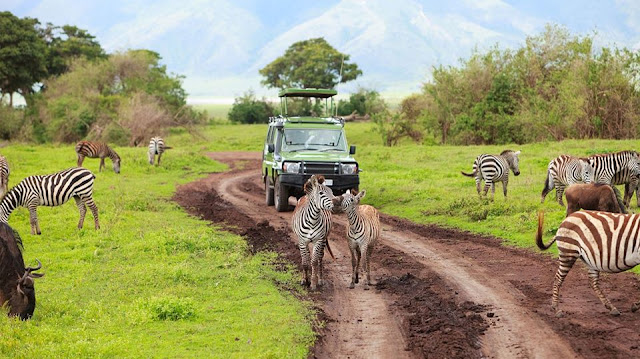
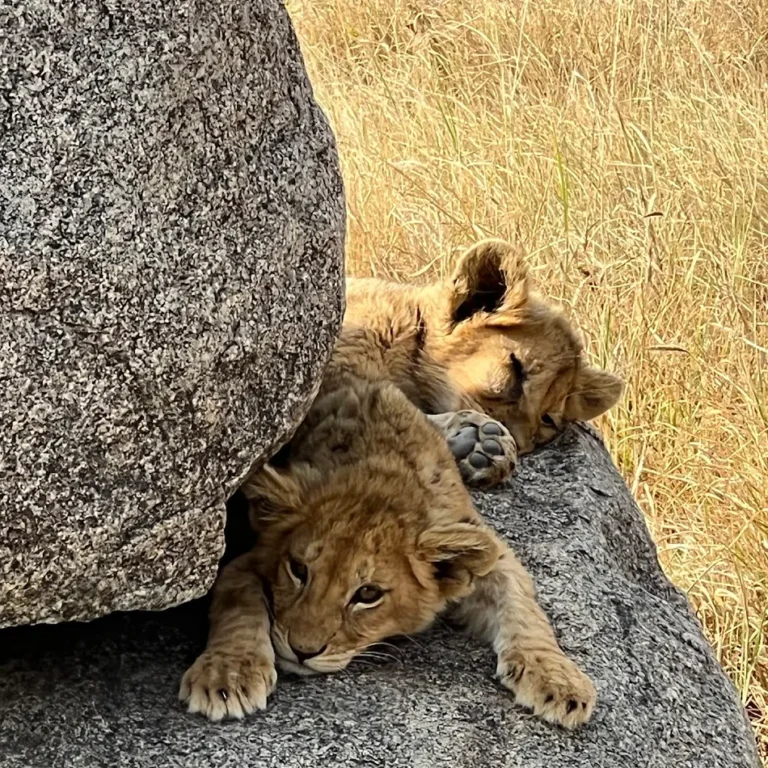
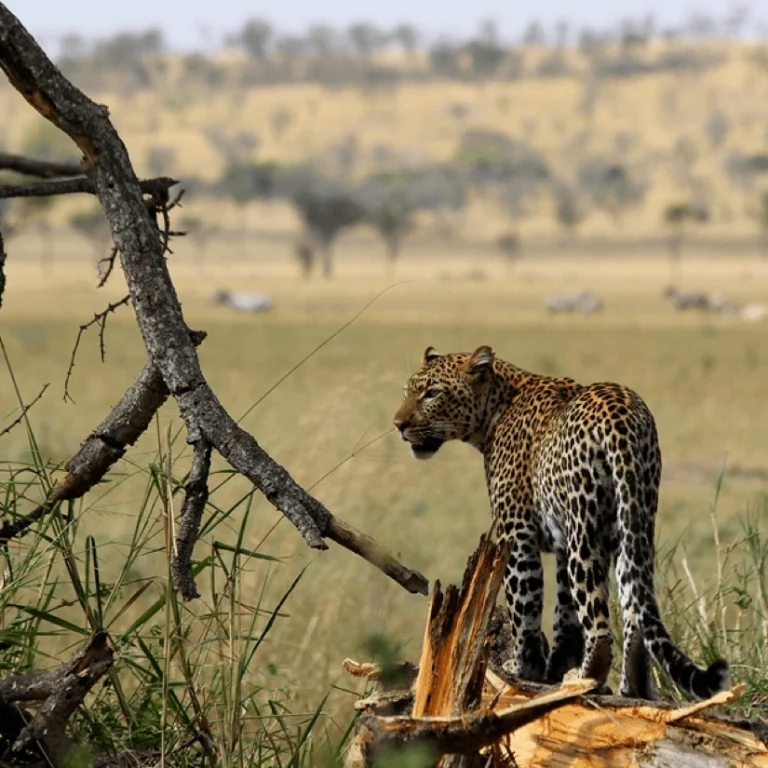
10 Reasons to Choose a Luxury Tanzania Safari. Tanzania is renowned as one of the best safari destinations in the world, offering unparalleled wildlife experiences, breathtaking landscapes, and rich cultural heritage. For those seeking a truly exceptional adventure, a luxury Tanzania safari stands out as the ultimate way to explore this magnificent country. As local owned A global luxury safari company. We tailor make exclusive safari itineraries for clients from every corner of the world luxury safari Company planning a dream luxury African Safaris as we Voted #1 World’s Best Safari company specializes in luxury Custom African Safaris and Classic Safaris as well as luxury Tanzania Tours. Here are ten reasons why you should consider choosing a luxury safari in Tanzania. Reasons 1: Unmatched Wildlife Encounters Tanzania is home to some of Africa’s most iconic wildlife, and a luxury safari provides exclusive access to the best of it. From the vast plains of the Luxury African Safari Destinations Serengeti National Park to the caldera of the Ngorongoro Crater. Tarangire, Lake Manyara, Arusha park, our luxury African safari tours offers front-row seats to the annual Great Migration, where millions of wildebeest and zebras traverse the plains. You’ll also have the opportunity to see the Big Five—lions, leopards, elephants, buffalo, and rhinos—along with countless other species, all in their natural habitat. Reasons 2: Private Game Drives One of the major perks of a luxury Tanzania safari is the exclusivity it offers. Private game drives allow you to explore at your own pace, away from the crowds. With a dedicated guide and customized Luxury Africa Safaris made for you Ultra Luxury Experiences itinerary, you can focus on specific interests—whether it’s tracking elusive predators, birdwatching, or capturing perfect wildlife photographs. These private experiences luxury Safari in Africa also mean you’ll have more time to observe animals and enjoy the scenery without feeling rushed. Reasons 3: High-End Accommodation in Stunning Locations Luxury safaris in Tanzania are known for their exceptional accommodations, blending comfort, style, and wilderness immersion most luxurious safari lodges in Africa. Whether you stay in elegant lodges or lavish tented camps, the level of service and amenities is top-notch african safari resorts all-inclusive. Imagine waking up to the sound of lions in the distance or enjoying a sunset over the savannah from the comfort of your private deck African luxury tailor-Made Safaris Tours for ultimate adventures. Many lodges are strategically located in prime wildlife areas. Allowing you to witness animals from your accommodation, adding an extra layer of magic to your stay. Meliá Serengeti Lodge member of Meliá Collection. Serengeti Bushtops Camp. Four season Serengeti Safari lodge . Ngorongoro Lodge member of Meliá Collection. Ngorongoro Crater Lodge. Gran Melia Arusha. Melia Zanzibar. Reasons 4: Personalized Service and Expert Guides Luxury safaris prioritize personalization. From the moment you arrive, you’ll be treated to individualized service tailored to your preferences during luxury African wildlife Safari Tours for an unforgettable adventure. Knowledgeable guides play a key role in making your safari unforgettable. Their expertise in tracking wildlife, understanding animal behavior, and sharing insights about Tanzania’s ecosystems enhances your experience tenfold. You’ll gain a deeper appreciation for the wildlife and landscapes as they explain the intricacies of the environments you explore. Reasons 5: Exclusive Access to Remote Areas While popular parks like Serengeti and Ngorongoro are well-known for good reason. Luxury African Safari Tour Packages offers the added advantage of accessing lesser-visited, remote areas. Places like Selous Game Reserve, Ruaha National Park, or the Mahale Mountains provide seclusion and tranquility. These off-the-beaten-path destinations offer intimate wildlife encounters. Away from the busy tourist circuits, allowing you to experience Tanzania in a more pristine and untouched setting. Reasons 6: Cultural Immersion with Local Communities Tanzania is rich in cultural heritage, and a luxury safari allows you to engage meaningfully with local communities. Many high-end safari operators work closely with indigenous groups like the Maasai, ensuring authentic cultural experiences. You can visit Maasai villages, learn about their traditions. And witness their age-old practices with best Tanzania luxury safari tour operator. These interactions add depth to your safari. Providing insight into how local communities coexist with the wildlife and landscapes of Tanzania. Reasons 7: Gourmet Dining Experiences Luxury safaris in Tanzania are known for offering gourmet dining experiences. That blend local flavors with international cuisine find the best Tanzania wildlife safaris. Meals are prepared by skilled chefs using fresh, locally sourced ingredients. Often served in stunning settings—be it a bush breakfast after an early morning game drive or a candlelit dinner under the stars during Luxury African Safari Tours & Holidays. The attention to detail ensures that each meal becomes a memorable part of your safari. Reflecting the overall commitment to quality and excellence. Reasons 8: Sustainability and Conservation Many luxury safari operators in Tanzania are committed to eco-friendly practices and support conservation initiatives. By choosing a luxury safari, you’re often contributing to efforts that protect wildlife and preserve habitats. Many lodges and camps are designed to minimize environmental impact, utilizing solar energy, water recycling, and sustainable building materials. Additionally, luxury safari companies often partner with local conservation organizations, helping to fund anti-poaching efforts and wildlife research. Reasons 9: Tailored Activities Beyond Game Drives A luxury Tanzania safari goes beyond just game drives. Offering a wide range of additional activities to enrich your experience with recommended local Tanzania safari company. You can enjoy guided walking safaris. Where you’ll explore the bush on foot and observe the smaller details of the ecosystem. From insects to plants. Hot air balloon rides over the Serengeti provide a bird’s-eye view of the wildlife below. Offering a perspective unlike any other. Other activities may include boat safaris, horseback riding, or even relaxing spa treatments in the heart of the wilderness. Reasons 10: Ultimate Relaxation and Luxury in Nature One of the defining features of a luxury safari is the balance between adventure and relaxation in your tailor-made Luxury African Safari holidays & tours. That have been carefully curated by our professional safari experts. After thrilling
Top Questions About Tanzania Honeymoon Safaris

Questions About Tanzania Honeymoon Safaris Planning a honeymoon is an exciting time, filled with dreams of romantic adventures and memorable experiences. For couples seeking a perfect blend of wilderness, luxury, and tranquility, Tanzania offers an unforgettable honeymoon safari experience. But what should you know before embarking on this unique journey? Here are the most frequently asked questions about Tanzania honeymoon safaris to help guide your planning. Why Choose Tanzania for a Honeymoon Safari? Tanzania is home to some of the world’s most iconic safari destinations, including Serengeti National Park and Ngorongoro Crater. The country offers a diverse range of landscapes—rolling savannahs, majestic mountains, serene lakes, and pristine coastlines. The unique combination of wildlife encounters and luxurious accommodations ensures a romantic and adventurous honeymoon. Tanzania also offers the chance to experience secluded camps in the heart of nature, candlelit dinners under star-filled skies, and even beach escapes to nearby Zanzibar for a multi-dimensional honeymoon. The diversity and exclusivity make Tanzania a top choice for couples looking to experience both adventure and relaxation. When is the Best Time to Go on a Tanzania Honeymoon Safari? The best time for a honeymoon safari in Tanzania depends on the kind of experience you desire. Generally, the dry season (June to October) is considered the ideal time for wildlife viewing, as animals congregate around water sources and the Great Migration is in full swing in the Serengeti. If you’re looking for a quieter, more intimate experience with fewer tourists, consider visiting during the green season (November to May). During this period, the landscape is lush, and you can witness the calving season in the Serengeti when young animals are born. However, the rainy season might make certain roads more challenging to navigate. For beach lovers, Zanzibar’s best weather aligns with the dry season, making it a perfect add-on to your honeymoon safari. What Are the Best Parks for a Honeymoon Safari in Tanzania? Tanzania is home to several national parks and conservation areas, each offering unique experiences. The following parks are often considered top choices for honeymoon safaris: Serengeti National Park: Famous for its incredible wildlife and the annual Great Migration, this is a must-see for nature-loving couples. Luxury tented camps offer a combination of rustic charm and modern comfort. Ngorongoro Crater: Known as the “Garden of Eden” of East Africa, the Ngorongoro Crater provides breathtaking scenery and a high concentration of wildlife. It’s a magical spot for a romantic safari. Tarangire National Park: Less crowded but rich in wildlife, Tarangire is perfect for couples seeking a more intimate experience. The park is known for its massive elephant herds and iconic baobab trees. Lake Manyara National Park: This small but diverse park is ideal for a shorter safari experience, where you can see flamingos, tree-climbing lions, and enjoy scenic landscapes. What Kind of Accommodations Can You Expect during Tanzania honeymoon? Tanzania offers a wide range of safari accommodation options for honeymooners, ranging from luxury lodges to intimate tented camps. These lodges designed with romance in mind, offering private suites with breathtaking views, plunge pools, and personalized service. Many camps are set in remote locations, providing a sense of privacy and seclusion. Some properties even offer unique experiences like bush breakfasts, sunset drives, and couples’ massages. Whether you’re looking for rustic elegance or ultra-luxurious comfort, Tanzania’s safari camps and lodges are sure to impress. How Long Should You Stay on a Honeymoon Safari? A typical Tanzania honeymoon safari lasts between 5 to 10 days, depending on your preferences and itinerary. You can spend three to five days exploring Tanzania’s stunning national parks and then extend your stay with a beach retreat to Zanzibar or the Tanzanian coast. If time permits, a longer itinerary allows you to explore multiple destinations, such as Serengeti, Ngorongoro Crater, and Tarangire, while enjoying relaxation in secluded lodges. Alternatively, you can combine a few days of safari with cultural experiences, such as visiting a Maasai village or exploring ancient ruins. How Can You Make Your Tanzania Honeymoon Safari Special? To elevate your honeymoon experience, many safari lodges and tour operators offer personalized packages that cater specifically to couples. Some ways to make your safari special include: Private Game Drives: Instead of sharing a vehicle with other tourists, opt for a private guide and vehicle, allowing for a more intimate experience. Romantic Dinners: Imagine having a candlelit dinner in the middle of the African bush, with nothing but the sound of nature around you. Hot Air Balloon Rides: Over the Serengeti, hot air balloon rides are a once-in-a-lifetime experience. Drifting over the savannah as the sun rises creates an unforgettable moment for you and your partner. Bush Walks and Sundowners: A guided bush walk is a great way to explore the wilderness on foot, followed by a sundowner—a relaxing cocktail as the sun sets on the horizon. What Should You Pack for a Tanzania Honeymoon Safari? Packing for a safari can be tricky, especially when you’re combining luxury lodges with adventurous activities. Here’s a quick guide on essentials: Light, Neutral Clothing: Choose comfortable, breathable fabrics in neutral colors like beige, brown, and green. These help you blend in with the surroundings and stay cool during the day. Layers: Mornings and evenings can be chilly, so pack layers such as light jackets or fleece pullovers. Binoculars and Camera: Capture your memories by bringing a good-quality camera and binoculars to spot wildlife from afar. Comfortable Footwear: Bring sturdy shoes for walking safaris or camp strolls, along with sandals for relaxing at your lodge. Swimwear: Some lodges feature pools, so don’t forget your swimwear for a refreshing dip. Can You Combine a Tanzania honeymoon Safari with a Beach Holiday? Absolutely! One of the unique aspects of a Tanzania honeymoon safari is the opportunity to combine your wildlife adventure with a beach holiday. After days questions about Tanzania honeymoon safaris of thrilling safari experiences, many couples choose to unwind on the white-sand beaches of Zanzibar. The island offers crystal-clear waters, luxurious beachfront resorts, and activities like
The Best Time to Plan Your Tanzania Honeymoon Safari

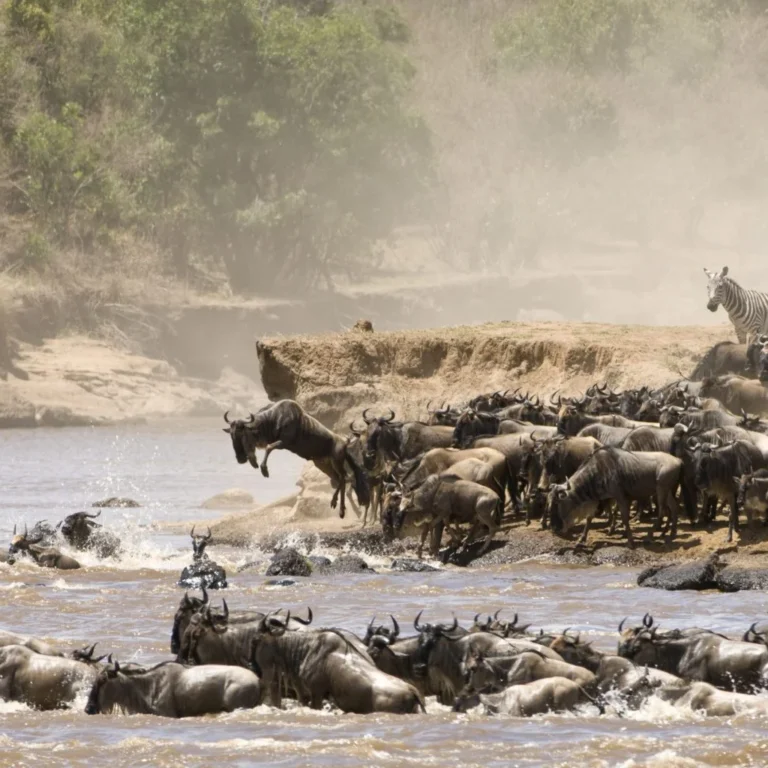
Best Time to Plan Your Tanzania Honeymoon Safari. Planning a Tanzania honeymoon safari is an exciting journey, offering a perfect blend of romance, adventure, and natural beauty. Tanzania is a year-round destination, but the experience varies depending on the time of year you choose to visit. What is the best season for a honeymoon safari in Tanzania for wildlife viewing? When to go on a honeymoon safari in Tanzania? The dry season between June and October is ideal for wildlife concentrations in the Serengeti and excellent viewing conditions. From witnessing the Great Migration in the Serengeti to relaxing on the pristine beaches of Zanzibar, each month offers something unique. Here’s a detailed guide to help you decide the best time for your Tanzania honeymoon safari. Tanzania Honeymoon Safari in January January marks the beginning of the short dry season in Tanzania, making it an ideal time for a honeymoon safari. The weather is warm and sunny, with little rainfall. The Serengeti is teeming with wildlife as the Great Migration continues, and calving season begins, offering the chance to see newborn wildebeest and other animals. It’s also a great time to visit Ngorongoro Crater and Tarangire National Park, where game viewing is exceptional. When is the best time for a safari in Tanzania? The best time to visit Tanzania for a safari is June-August. It’s comfortably cool, plus two million animals make the precarious Mara River crossing in June and July. Outside these months, you can track the migration elsewhere in the Serengeti. Why January? January is perfect for couples looking to experience abundant wildlife in pleasant weather. The lush landscapes and fewer crowds make it an ideal month for a romantic and intimate safari. Tanzania Honeymoon Safari in February February continues the short dry season, offering excellent weather and prime wildlife viewing. The calving season is in full swing in the Serengeti, attracting predators and providing thrilling game drives. The lush greenery and dramatic landscapes create a beautiful backdrop for honeymoon photos. Zanzibar’s beaches are also at their best, with warm waters and sunny skies, making it an excellent time for a safari and beach combination. Why February? February is ideal for honeymooners wanting to witness the drama of the calving season while enjoying the perfect balance of safari adventure and beach relaxation. Tanzania Honeymoon Safari in March March marks the beginning of the long rains, but it’s still a viable option for a honeymoon safari. The rain usually falls in short bursts, leaving plenty of time for game drives. The landscape is vibrant and green, and the parks are less crowded. However, some areas may be challenging to access, and wildlife might be more dispersed. Zanzibar’s beaches are still beautiful, but the increased humidity may not be ideal for everyone. Why March? March is suitable for couples seeking a more private safari experience, with lush landscapes and fewer tourists. Tanzania Honeymoon Safari in April April is the peak of the long rainy season, and it’s considered the off-season for safaris. The heavy rains can make some roads impassable, and wildlife viewing can be more challenging as animals are spread out. However, if you’re looking for solitude and significant discounts, April can be an attractive option. Zanzibar’s beaches may experience occasional rain showers, but the island remains a serene escape. Why April? April is perfect for budget-conscious honeymooners who don’t mind a bit of rain in exchange for peace, quiet, and reduced rates. Tanzania Honeymoon Safari in May May sees the tail end of the long rains, and the landscape is lush and green. The parks are still relatively quiet, making it an excellent time for a secluded honeymoon safari. The Serengeti and Ngorongoro Crater offer good wildlife viewing, although some areas may still be difficult to reach due to muddy roads. Zanzibar is a good option for a relaxing beach retreat, with the island starting to dry out and temperatures becoming more pleasant. Why May? May is ideal for couples seeking a blend of tranquility, lush scenery, and good wildlife viewing, all at a more affordable price. Tanzania Honeymoon Safari in June June marks the start of the dry season and is one of the best times to visit Tanzania for a honeymoon safari. The weather is cool and dry, and the wildlife is easier to spot as animals congregate around water sources. The Great Migration is in full swing in the Serengeti, providing spectacular viewing opportunities. Ngorongoro Crater and Tarangire National Park also offer excellent game viewing. Zanzibar’s beaches are perfect for relaxation after a thrilling safari. Why June? June is perfect for honeymooners who want to experience the best of Tanzania’s wildlife, combined with beautiful weather and stunning landscapes. Tanzania Honeymoon Safari in July July is one of the most popular months for a Tanzania honeymoon safari. The dry season ensures great weather and prime wildlife viewing, with the Great Migration crossing the Grumeti River in the Serengeti. This is also an excellent time to visit Ngorongoro Crater and other national parks. Zanzibar’s beaches are idyllic, offering the perfect spot to unwind after your safari adventure. Why July? July is ideal for couples who want to witness the dramatic river crossings during the Great Migration and enjoy sunny, dry weather across Tanzania. Tanzania Honeymoon Safari in August August continues the dry season, offering some of the best wildlife viewing in Tanzania. The Great Migration reaches the Mara River, where dramatic river crossings occur, attracting predators and providing thrilling safari experiences. Ngorongoro Crater and Tarangire National Park are also teeming with wildlife. Zanzibar’s beaches are stunning, making it a perfect time for a safari and beach honeymoon. Why August? August is ideal for honeymooners seeking unforgettable wildlife encounters, especially during the iconic Mara River crossings. Tanzania Honeymoon Safari in September September is another excellent month for a Tanzania honeymoon safari. The dry season is still in full swing, offering clear skies, warm days, and cool nights. The Great Migration is in the northern Serengeti, providing incredible wildlife
Why Travelers Love to Spend Time on a Tanzania Honeymoon Safari

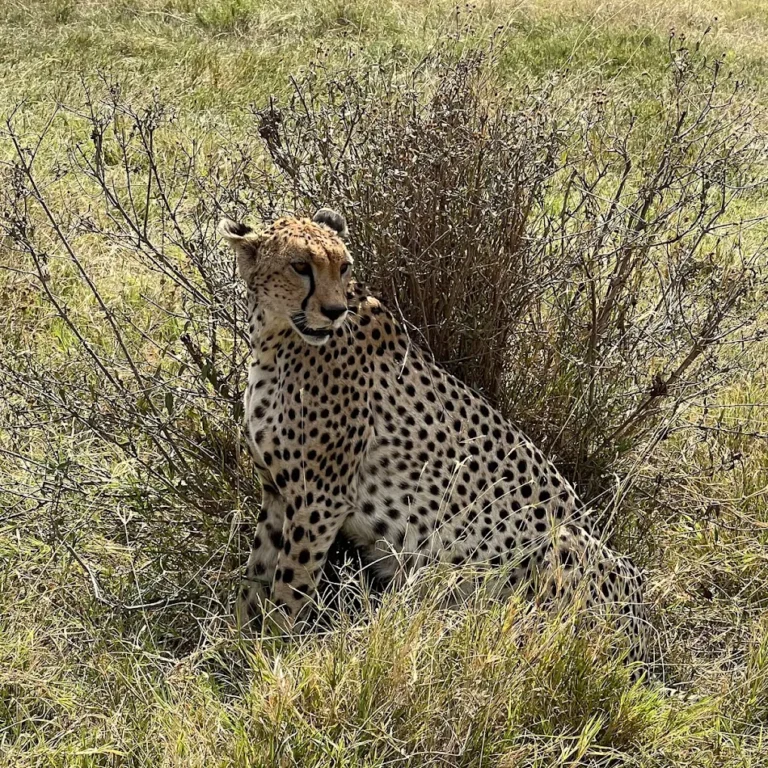
Travelers love spending time on a Tanzania honeymoon safari because it offers a unique blend of adventure, romance, and luxury in some of the world’s most breathtaking landscapes, boasting incredible wildlife viewing opportunities, exquisite accommodations, and unforgettable romantic experiences. A honeymoon in Tanzania offers a magical blend of breathtaking landscapes, thrilling wildlife experiences, and romantic moments that make it one of the most sought-after destinations for newlyweds. From the vast plains of the Serengeti to the white-sand beaches of Zanzibar. Tanzania creates the perfect backdrop for an unforgettable honeymoon safari. Whether you’re seeking adventure, relaxation, or a mix of both, Tanzania delivers an experience unlike any other. Here’s why travelers love to spend their honeymoon in Tanzania. 1. Romantic Safari Experiences in the Serengeti The Serengeti is synonymous with the word “safari.” Its wide open plains, dotted with acacia trees and filled with the sounds of wildlife, create a romantic setting for honeymooners. There’s nothing quite like witnessing the Great Migration together. Where thousands of wildebeest and zebras journey across the landscape, often followed by predators such as lions and cheetahs. Honeymooners can enjoy exclusive game drives, exploring the Serengeti’s wildlife-rich areas while staying in luxurious tented camps or lodges that offer seclusion, comfort, and stunning views. Private dinners under the stars, sundowners overlooking the savannah. And cozy evenings around a campfire make for intimate moments shared in the wild. 2. The Tranquility of Ngorongoro Crater For couples seeking a serene and awe-inspiring setting, Ngorongoro Crater is the perfect destination. As the world’s largest inactive volcanic caldera, Ngorongoro is home to an incredible concentration of wildlife within its steep walls. Honeymooners can experience the beauty of this “Garden of Eden,” where rhinos, elephants, lions, and flamingos roam freely. The crater offers honeymooners a chance to connect with nature while enjoying luxurious accommodations perched on the crater rim. Waking up to panoramic views of the crater, followed by a morning game drive and a picnic lunch, is a dream come true for adventurous couples. 3. Luxurious Accommodations and Personalized Service One of the key reasons honeymooners choose Tanzania for their special trip is the high level of luxury and personalized service. Tanzania’s safari lodges and camps are designed with romance and exclusivity in mind. Honeymooners can indulge in private suites, many with plunge pools, outdoor showers, and stunning views of the wilderness. The attention to detail is impeccable, with staff going above and beyond to create memorable moments. Such as surprise bush dinners, candlelit evenings in the wilderness. Or a champagne breakfast after a hot air balloon ride over the Serengeti. The combination of luxury and nature ensures that couples feel pampered while still being connected to the untamed beauty of Africa. 4. The Allure of Zanzibar’s Tropical Beaches Tanzania is not just about safaris—it also boasts some of the most beautiful tropical beaches in the world. After a few days of exploring the bush, many couples head to Zanzibar, a breathtaking island off the coast of Tanzania, for relaxation and romance. Zanzibar’s white-sand beaches, turquoise waters, and swaying palm trees offer the perfect setting for couples to unwind. Zanzibar is also steeped in culture and history, with its ancient Stone Town, spice plantations, and vibrant local markets. Couples can explore the rich heritage of the island, take a sunset dhow cruise along the coast, or simply relax in a beachfront villa. A Zanzibar honeymoon offers the perfect balance of adventure and tranquility. 5. Exclusive Private Safaris and Adventures For many honeymooners, privacy and exclusivity are key when planning their special getaway. Tanzania offers private safari experiences that allow couples to tailor their trip to suit their preferences. Whether it’s a private vehicle and guide, or a completely personalized itinerary. Honeymooners can enjoy exclusive access to wildlife-rich areas without the crowds. Adventurous couples can also opt for activities such as hot air balloon safaris over the Serengeti, walking safaris in Selous, or hiking on Mount Kilimanjaro. These experiences add an element of adventure and discovery to the honeymoon, making it a truly unique and exciting journey. 6. The Magical Sunsets and Scenic Landscapes There’s something undeniably romantic about watching the sun set over the African savannah. Tanzania offers some of the most spectacular sunsets in the world, with the sky turning shades of orange. Pink, and purple as the sun dips below the horizon. Whether you’re on a game drive in the Serengeti, watching elephants graze in Tarangire. Or lounging on a Zanzibar beach, the sunsets in Tanzania provide the perfect ending to each day. The country’s diverse landscapes, from the rolling plains of the Serengeti to the lush rainforests of Mahale, offer endless scenic beauty. Each region provides a new and stunning backdrop for honeymooners to enjoy. 7. Combining Safari with Beach Escape A honeymoon safari in Tanzania can easily be combined with a beach escape to create a well-rounded and diverse trip. Many honeymooners choose to spend the first part of their journey on a thrilling safari. Exploring the wildlife of the Serengeti, Ngorongoro, and Tarangire, before heading to the tropical paradise of Zanzibar for relaxation. This combination allows couples to experience both the excitement of a safari and the tranquility of a beach getaway. For those looking to explore even more, there are other stunning beach destinations in Tanzania. Such as Pemba Island or Mafia Island, known for their secluded and romantic settings, perfect for honeymooners. 8. Unforgettable Wildlife Encounters For nature-loving couples, the wildlife in Tanzania is a major draw. From spotting the Big Five (lion, leopard, elephant, buffalo, and rhino) to witnessing the annual wildebeest migration. Tanzania’s wildlife experiences are unforgettable. Whether on a classic game drive, a walking safari, or a boat safari along the Rufiji River, couples can share the excitement of spotting Africa’s incredible animals together. The intimate experience of watching lions hunt, elephants roam. Or giraffes gracefully move through the landscape is something that bonds couples and creates memories that last a lifetime. The Best Time to Plan Your Tanzania Honeymoon Safari The best time to plan your Tanzania
Local Tour Operators for Safari in Tanzania

Best Local Tour Operators for Safari in Tanzania When planning a safari in Tanzania, choosing the right local tour operator is one of the most crucial decisions you’ll make. Tanzania, home to world-renowned national parks such as the Serengeti, Ngorongoro Crater, and Tarangire, offers unparalleled wildlife experiences. However, the quality of your safari greatly depends on the expertise, knowledge, and service provided by the tour operator you select. This article will guide you through what to look for in a local tour operator, the benefits of choosing a local company, and how to ensure your safari is both memorable and seamless. Why Choose a Local Tanzania Safari Tour Operator? Opting for a local tour operator for Safari in Tanzania comes with several advantages that can enhance your safari experience: In-Depth Local Knowledge Local Tour Operators for Safari in Tanzania possess an intimate understanding of Tanzania’s geography, wildlife, and culture. Their guides are often locals who have grown up in or near the national parks, giving them a deep familiarity with the land, its animals, and the best times and places for wildlife viewing. This local expertise means they can offer insider tips and take you to hidden gems that may not be on the typical tourist trail. Tailored and Flexible Itineraries Local Tour Operators for Safari in Tanzania well-equipped to customize safari itineraries based on your interests, budget, and time constraints. Whether interested in witnessing the Great Migration, exploring lesser-known parks lRuaha or Selous. Combining your safari with cultural visits to Maasai villages, a local operator can tailor your experience to your preferences. Their flexibility also allows for last-minute adjustments, ensuring that your safari meets your expectations even if plans change. Economic Support for Local Communities By choosing a local Tanzania Safari tour operator, you’re directly contributing to the local economy. These operators often employ local staff, purchase supplies from local businesses, and support community-based tourism initiatives. This means that your safari dollars are more likely to benefit the communities you visit, helping to preserve the environment and improve the livelihoods of the people living in these areas. Environmental and Cultural Sensitivity Local Tanzania Safari tour operators are more likely to practice sustainable tourism. They understand the importance of preserving Tanzania’s natural resources and respecting the cultural heritage of the communities within the parks. Many local tour operators are committed to responsible tourism practices, such as minimizing environmental impact, supporting conservation efforts, and engaging in fair trade with local artisans and service providers. Choosing the right local tour operator for a safari in Tanzania is key to ensuring a memorable and hassle-free experience. Here’s what you should look for: Seamless Logistics A top-notch local tour operator in Tanzania excels in handling all logistics, from airport transfers to park permits. They manage the intricate details, ensuring your journey is smooth and stress-free. With their in-depth local knowledge, they plan routes that maximize wildlife sightings and minimize travel time, allowing you to fully immerse yourself in the safari experience. Best Accommodations Quality accommodations are crucial for a comfortable safari. The best local operators have established relationships with top lodges and camps, guaranteeing you stay in well-located, luxurious settings. Whether it’s a tented camp overlooking the Serengeti plains or a cozy lodge near the Ngorongoro Crater, as we are best local tour operators and travel agencies in Tanzania with reviews, we ensure your accommodations enhance your overall experience with stunning views, exceptional service, and all the comforts you need after a day of adventure. Responsiveness and Flexibility Local Tour Operators for Safari in Tanzania east Africa, understand that every traveler’s needs are unique. They offer personalized service, responding promptly to inquiries and making real-time adjustments to your itinerary as needed. Whether you decide to extend your game drive, visit a Maasai village. Adjust travel plans due to weather; a responsive operator will accommodate your requests with ease. Ensuring your safari is tailored to your preferences. By choosing a local tour operator for safari in Tanzania with these qualities, you’ll enjoy a well-organized, comfortable, and personalized safari that allows you to focus on the wonders of Tanzania’s wildlife and landscapes. How to Choose the Right Local Tour Operator With numerous tour operators in Tanzania, selecting the right one can be daunting. Here are some key factors to consider: Reputation and Reviews Start by researching the reputation of potential Tanzania local Tour Operators & Travel Agents, using online platforms like TripAdvisor, SafariBookings, and Google Reviews can provide valuable insights into the experiences of past clients. Look for operators with consistently high ratings and positive feedback regarding their guides, vehicles, accommodations, and overall service. Certification and Membership Ensure that the tour operator registered with the relevant Tanzanian tourism authorities. Such as the Tanzania Association of Tour Operators (TATO) or the Tanzania Tourist Board (TTB). Membership in these organizations indicates that the operator adheres to industry standards and regulations. Additionally, consider operators who are members of international travel associations. Like the African Travel and Tourism Association (ATTA) or the Adventure Travel Trade Association (ATTA). Expertise and Specialization Consider the operator’s expertise in specific types of safaris or destinations. Some operators specialize in luxury safaris, while others focus on budget or family-friendly experiences. Additionally, certain operators may have a strong track record in organizing specialized tours. Such as photographic safaris, birdwatching expeditions, or cultural immersion experiences. Choose an operator whose expertise aligns with your interests. Quality of Guides The quality of your safari guide can make or break your experience. Look for operators who employ knowledgeable, professional, and personable guides. A great guide will not only help you spot wildlife but also provide insights into animal behavior, ecology, and local culture. Don’t hesitate to ask the operator about the qualifications and experience of their guides before booking. Transparency in Pricing A reputable tour operator should provide clear and transparent pricing. Make sure to ask what included in the cost of your safari. Such as park fees, accommodation, meals, transportation, and guide services. Be asure you, we are local
How to Get to Ngorongoro Crater – by Car & Flights

Ultimate guide how to Get to Ngorongoro Crater The Ngorongoro Crater, often referred to as the “Eighth Wonder of the World,” is one of Tanzania’s most iconic and breathtaking destinations. As part of the larger Ngorongoro Conservation Area, this UNESCO World Heritage Site is home to a diverse range of wildlife, including the Big Five, and offers some of the most spectacular landscapes in Africa. Whether you’re planning a dedicated visit to the crater or incorporating it into a broader Tanzanian safari, getting to Ngorongoro Crater is relatively straightforward, with options to travel by car or flights. This guide will walk you through the best ways to reach this natural wonder. Getting to Ngorongoro Crater by Car Traveling to Ngorongoro Crater by car is a popular choice, particularly for those who are already exploring the northern safari circuit. The journey by road offers the opportunity to experience the diverse landscapes of northern Tanzania, from bustling towns to remote rural areas. From Arusha to Ngorongoro Crater Arusha is the primary gateway to the Ngorongoro Crater. The distance from Arusha to the crater rim is approximately 180 kilometers, and the drive takes around 3.5 to 4 hours. The road is well-paved for the most part, offering a comfortable journey through some of Tanzania’s most scenic regions. The route from Arusha follows the main road towards Karatu. Passing through the small town of Mto wa Mbu and the Great Rift Valley escarpment. As you approach Karatu, you’ll begin to ascend into the Ngorongoro Highlands, where the air becomes cooler and the landscapes more verdant. The final stretch of the journey takes you through the Ngorongoro Conservation Area. Where you’ll likely encounter Maasai herders with their cattle, before reaching the entrance gate to the crater. Once inside the conservation area, the road to the crater rim is a well-maintained gravel track. The views from the rim are breathtaking, with the vast caldera stretching out below you, dotted with herds of animals and the occasional shimmering lake. From Kilimanjaro International Airport to Ngorongoro Crater If you’re flying into Tanzania, Kilimanjaro International Airport (JRO) is the closest major airport to Ngorongoro Crater. The airport is located about 210 kilometers from the crater, and the drive takes approximately 4.5 to 5 hours. From Kilimanjaro International Airport, you’ll first travel to Arusha, which is about 60 kilometers away. The drive from the airport to Arusha takes about an hour, passing through rural landscapes with occasional views of Mount Kilimanjaro. From Arusha, you’ll continue on the main road towards Ngorongoro, as detailed in the previous section. Private transfers from Kilimanjaro International Airport to Ngorongoro Crater can be arranged in advance through tour operators or car rental agencies. Many visitors opt for a guided tour, which typically includes transportation, accommodation, and a safari in the crater. From Serengeti National Park to Ngorongoro Crater For those exploring the Serengeti, Ngorongoro Crater is a natural next stop. The distance between the Serengeti and the crater varies depending on your starting point within the park. But the drive typically takes 4 to 6 hours. The road from the Serengeti to Ngorongoro is mostly unpaved. Winding through the vast plains of the Serengeti and the Ngorongoro Conservation Area. This route is particularly scenic, offering opportunities to see wildlife and stunning landscapes along the way. A 4×4 vehicle is essential for this journey, especially during the rainy season when the roads can become muddy and challenging. Getting to Ngorongoro Crater by Flights Flying is a convenient option for reaching Ngorongoro Crater. Particularly for those who want to minimize travel time or are arriving from other parts of Tanzania or abroad. Flying into Kilimanjaro International Airport Kilimanjaro International Airport (JRO) is the primary gateway for international travelers heading to Ngorongoro Crater. The airport offers regular flights from major cities such as Amsterdam, Doha, and Nairobi. From Kilimanjaro International Airport, you can either drive to the crater as described earlier or take a domestic flight to a nearby airstrip. Flying into Arusha Airport Arusha Airport (ARK) is a smaller domestic airport located on the outskirts of Arusha city. While it doesn’t handle international flights, it’s a convenient option for those already in Tanzania. Several domestic airlines operate flights to Arusha Airport from destinations such as Zanzibar, Dar es Salaam, and the Serengeti. Once you arrive at Arusha Airport, you can arrange for a private transfer or rent a car to drive to Ngorongoro Crater. The journey from Arusha Airport to the crater takes about 3.5 to 4 hours by road. Flying into Lake Manyara Airport For those looking to get even closer to Ngorongoro Crater. Lake Manyara Airport (LKY) is the nearest airstrip, located about 60 kilometers from the crater rim. Domestic flights to Lake Manyara Airport are available from Arusha, Zanzibar, and other major Tanzanian destinations. Upon landing at Lake Manyara Airport, you can arrange for a transfer to Ngorongoro Crater. The drive from the airport to the crater takes about 1.5 to 2 hours. Following the road through Karatu and into the Ngorongoro Conservation Area. This route offers a mix of paved and gravel roads, with stunning views of the Rift Valley and surrounding highlands. Charter Flights For those seeking the utmost convenience and luxury, charter flights can be arranged directly to the Ngorongoro Conservation Area. These flights typically land at private airstrips within the conservation area, significantly reducing travel time. Charter flights can be organized through various tour operators and offer the flexibility of choosing your departure time and route. This option is particularly popular for visitors on high-end safaris or those with tight schedules. Want To Visit Ngorongoro Crater? 22 Ngorongoro Crater Safaris Ngorongoro Crater Safaris & Tours Tour Operators for Ngorongoro Crater Tour Operators for Ngorongoro Crater Ngorongoro Crater Family Safari, Budget Safaris, Honeymoon, Mid range, luxury wildlife Safari tour packages Final thought Getting to Ngorongoro Crater is a journey that’s as memorable as the destination itself. Whether you choose to travel by car, taking in the stunning landscapes of northern
12 Reasons Why Good Tour Guides Are So Important

In the realm of travel, whether it’s navigating the bustling streets of a foreign city, embarking on a challenging mountain trek like Kilimanjaro. Exploring the wildlife-rich plains of the Serengeti, the quality of your experience often hinges on one crucial element: your tour guide. Far from being mere escorts, exceptional tour guides, orchestrators of discovery, guardians of safety, and cultural bridges transform a simple trip into an unforgettable journey. Good tour guides are essential for enriching travel experiences. They act as navigators, storytellers, and cultural ambassadors, ensuring safety, providing valuable insights, and making the journey memorable. Their knowledge, organizational skills, and ability to connect with travelers significantly enhance the overall trip. Here, twelve compelling reasons why good tour guides are utterly indispensable. 1. Tour Guides Navigate for You Imagine arriving in a foreign land with unfamiliar roads, confusing public transport, and potentially unreliable mapping apps. A great tour guide eliminates this stress entirely. They human GPS, expertly navigating for you through complex urban labyrinths, remote wilderness trails, or winding rural roads. This allows you to relax, soak in the scenery, and conserve your mental energy for the actual experience. Rather than wrestling with directions or worrying about getting lost. On a climb like Kilimanjaro, their navigation skills are critical for safety and staying on the correct path, especially in adverse weather conditions. A good tour guide is a walking encyclopedia of the destination. They provide rich, in-depth knowledge about the history, culture, and significance of the places you visit. 2. Tour Guides Do Your Admin for You Travel often comes with a surprising amount of administrative hassle. Permits, tickets, entry fees, accommodation check-ins, and sometimes even dealing with local regulations. A good tour guide takes this burden off your shoulders. They do your admin for you, handling all the logistical intricacies, paperwork, and payment processes behind the scenes. This invaluable service frees you from queues, potential language barriers at ticket counters, and the stress of managing trip logistics. Allowing you to fully immerse yourself in the adventure. For a Kilimanjaro climb, this means everything from park permits to daily camp setups, making the trek seamless. 3. Tour Guides Keep You Safe Safety is paramount, especially when venturing into unfamiliar or challenging environments. This is where a tour guide’s role becomes truly critical. Tour guides keep you safe by having an intimate knowledge of the local area, potential hazards, and emergency protocols. They can anticipate and mitigate risks, whether it’s avoiding dangerous neighborhoods, advising on safe practices around wildlife, or recognizing early signs of altitude sickness on a mountain climb. Their training in first aid and their ability to act decisively in a crisis provide immense peace of mind. On Kilimanjaro, a good guide continuously monitors your health, ensuring your well-being at extreme altitudes. 4. Tour Guides Are Interpreters Language barriers can significantly diminish a travel experience. A skilled tour guide acts as a vital interpreter, bridging the communication gap between you and the local people. This goes beyond mere literal translation; they interpret cultural nuances, social etiquette, and even non-verbal cues, helping you to understand and respect local customs. This facilitates meaningful interactions, allows for smoother transactions, and enriches your understanding of the destination. On a trek like Kilimanjaro, it allows seamless communication with the entire support crew. 5. Good Tour Guides Explain Things to You Travel is about learning and discovery. A truly good tour guide doesn’t just show you sights; they explain things to you in a way that brings them to life. They possess a wealth of knowledge about the history, culture, geology, flora, and fauna of the region. They provide context, share fascinating anecdotes, and answer your questions, transforming mere observation into genuine understanding and appreciation. On Kilimanjaro, they can explain the unique geology, the specific adaptations of endemic plants like Dendrosenecio kilimanjari, and the history of the mountain itself. 6. Good Tour Guides Get You Good Deals Local expertise often translates into practical benefits. A good tour guide can get you good deals, whether it’s recommending the best local restaurants at fair prices, helping you navigate bargaining in markets, or finding authentic local crafts that aren’t overpriced tourist traps. Their local connections and understanding of fair value ensure you get the most out of your money and avoid common tourist scams. 7. Good Tour Guides Are Photographers (and Know the Best Spots) In an age where everyone wants to capture their memories, a good tour guide often doubles as an unofficial photographer. They not only have an eye for the perfect shot but also know all the best photographic spots and angles that tourists might miss. They are patient, willing to help you get that iconic photo, and can even offer tips on how to capture the landscape or wildlife effectively. This is particularly valuable in breathtaking locations like Kilimanjaro’s summit or the vast plains of the Serengeti. 8. Good Tour Guides Encourage You On challenging adventures, particularly treks like Kilimanjaro, mental fortitude is as crucial as physical strength. Good tour guides encourage you when you’re tired, doubts creep in, or the going gets tough. Their words of motivation, shared stories of past climbers, and unwavering belief in your abilities can be the push you need to keep going. They understand the psychological battles that can arise at altitude and are skilled at providing the necessary emotional support to help you achieve your goals. 9. Good Tour Guides Ensure You Miss Nothing With their deep knowledge and experience, good tour guides ensure you miss nothing important. They know the optimal times to visit attractions to avoid crowds, the hidden gems off the beaten path, and the subtle details that might otherwise go unnoticed. Whether it’s spotting elusive wildlife on a safari, witnessing a particular cultural ritual, or ensuring you’re at the summit of Kilimanjaro for sunrise, their expertise guarantees a comprehensive and enriching experience. 10. Good Tour Guides Pivot When Necessary Travel plans, despite meticulous preparation, can sometimes go awry. Weather changes, unexpected closures,
How to get to Lake Eyasi

Ulimate Guide How to get to Lake Eyasi Lake Eyasi, nestled in the Great Rift Valley, is one of Tanzania’s most unique and culturally rich destinations. Surrounded by the towering escarpments of the Rift Valley and offering a glimpse into the lives of the Hadzabe and Datoga tribes. Lake Eyasi is a must-visit for those seeking an off-the-beaten-path experience. While it’s less frequented than other Tanzanian attractions, reaching Lake Eyasi is relatively straightforward. This guide will walk you through the best ways to get to Lake Eyasi whether by road, air, or a combination of both. Getting to Lake Eyasi by Road Traveling by road is the most common way to reach Lake Eyasi. The journey offers the opportunity to see Tanzania’s diverse landscapes up close, from rolling savannas to rugged mountains. From Arusha to Lake Eyasi Arusha, often considered the gateway to northern Tanzania, is the most convenient starting point for your journey to Lake Eyasi. The distance between Arusha and Lake Eyasi is approximately 170 kilometers, and the drive takes about 3.5 to 4 hours. The route from Arusha to Lake Eyasi typically follows the main road towards Karatu. A bustling town located near the Ngorongoro Conservation Area. The road is well-paved up to Karatu, making for a smooth drive through scenic landscapes dotted with small villages and farmlands. After Karatu, the road becomes a dirt track leading down into the Rift Valley towards Lake Eyasi. This stretch of the journey is more rugged, with occasional bumps and dust, so a 4×4 vehicle is highly recommended, especially during the rainy season. From Karatu to Lake Eyasi If you’re already staying in or near Karatu, the drive to Lake Eyasi is much shorter, taking about 1.5 to 2 hours. Karatu is a popular stopover for visitors to the Ngorongoro Crater and Serengeti, making it an ideal base for a day trip to Lake Eyasi. The drive from Karatu to Lake Eyasi takes you through remote rural areas. Offering stunning views of the Rift Valley as you descend towards the lake. Along the way, you might pass by small villages and encounter local tribespeople going about their daily lives. The road can be rough, so again, a 4×4 vehicle is advisable. From Ngorongoro Conservation Area to Lake Eyasi For those exploring the Ngorongoro Conservation Area, Lake Eyasi is a logical next stop. The distance from Ngorongoro to Lake Eyasi is about 70 kilometers, with the drive taking approximately 2 to 3 hours. The road winds through the scenic highlands of Ngorongoro before descending into the Rift Valley. This route offers breathtaking views and the chance to see wildlife such as giraffes, zebras, and even elephants along the way. Arriving into Kilimanjaro international (JRO) To get from Kilimanjaro International Airport (JRO) to Lake Eyasi. You can drive approximately 5 to 6 hours by road, passing through Arusha, Karatu, and the Ngorongoro area. Alternatively, you can take a domestic flight to Lake Manyara Airport, followed by a 2-hour drive to Lake Eyasi. A 4×4 vehicle is recommended for the journey, especially for the final stretch. Getting to Lake Eyasi by Air While there are no direct flights to Lake Eyasi, you can fly to nearby airstrips and continue your journey by road. This option is ideal for those short on time or seeking to avoid long drives. Flying into Lake Manyara Airport The nearest airstrip to Lake Eyasi is Lake Manyara Airport (LKY), located about 50 kilometers away. Several domestic airlines, including Coastal Aviation and Auric Air,. Operate flights to Lake Manyara from major hubs such as Arusha, Serengeti, and Zanzibar. Once you land at Lake Manyara Airport, you can arrange a private transfer to Lake Eyasi. The drive from the airport to Lake Eyasi takes around 1.5 to 2 hours. Passing through the town of Mto wa Mbu and then following the road towards Karatu before turning off towards the lake. This route offers a mix of paved and dirt roads, with a 4×4 vehicle recommended for the final stretch. Flying into Arusha Airport Another option is to fly into Arusha Airport (ARK) and then continue to Lake Eyasi by road. Arusha Airport is a small domestic airport with frequent flights from various parts of Tanzania. From Arusha, you can either hire a car or arrange a guided tour to Eyasi, as detailed in the road travel section above. Charter Flights For those seeking the utmost convenience, charter flights can be arranged directly to private airstrips near Eyasi. While this is the most expensive option. It significantly reduces travel time and offers a unique perspective of the region’s landscapes from the air. Charter flights can be organized through various tour operators and offer flexibility in terms of departure times and routes. Organized Tours and Safari Packages One of the most popular ways to visit LEyasi is by joining an organized tour or safari package. Many tour operators based in Arusha or Karatu. Offer tailored itineraries that include Eyasi as part of a broader northern Tanzania safari circuit. These tours typically provide transportation, accommodation, and guided activities, such as visits to the Hadzabe and Datoga tribes. This option is ideal for travelers who prefer a hassle-free experience. And want to immerse themselves in the cultural and natural beauty of Eyasi without worrying about logistics. Tips for Traveling to Lake Eyasi Best Time to Visit: The best time to visit Eyasi is during the dry season. From June to October, when the roads are more passable, and the weather is pleasant. During the rainy season (March to May), the roads can become muddy and challenging to navigate. Vehicle Requirements: A 4×4 vehicle highly recommended for the drive to Eyasi. Especially if you plan to explore the surrounding areas or visit during the rainy season. Local Guides: Hiring a local guide highly recommended, particularly interested in learning about the Hadzabe and Datoga tribes. Local guides can provide invaluable insights into the culture and history of the area, enhancing your experience. Accommodations: There are
Getting to Tarangire National Park – by Car & Flights

How to Get to Tarangire National Park – By Car, Flights, and More Tarangire National Park, nestled in northern Tanzania, is one of the hidden gems of the African wilderness. Famous for its dense elephant population, ancient baobab trees, and stunning landscapes, Tarangire offers a unique and serene safari experience. Whether you’re embarking on your first African adventure or are a seasoned traveler, knowing how to get to Tarangire National Park is essential.Flying at Kilimanjaro International Airport is the best option to get to Tarangire. This is located, 46 kilometers (29 Miles) from Arusha. Another possibility is to fly into Julius Nyerere International Airport which is near Dar es Salaam and then arrange for a domestic flight at Arusha Airport. Below, we’ve outlined the best routes and methods to ensure your journey is as smooth as possible. Getting to Tarangire National Park by Car Driving from Arusha: Arusha, the gateway to the northern safari circuit, is the most common starting point for those traveling to Tarangire National Park. The park is approximately 120 kilometers southwest of Arusha, and the drive takes around two hours. Route: From Arusha, take the Dodoma Road (A104). Which is well-paved and marked, making it easy to navigate. You’ll pass through the town of Makuyuni before turning south towards the park entrance. Along the way, you’ll be treated to views of the Maasai steppe and glimpses of local wildlife Vehicle Recommendation: A 4×4 vehicle is recommended. Especially during the rainy season when some sections of the road can become muddy and challenging. If you’re not comfortable driving in such conditions, consider hiring a driver or joining a guided safari. Driving from Kilimanjaro International Airport Kilimanjaro International Airport (JRO) is another entry point for visitors heading to Tarangire. Located about 190 kilometers from the park, the drive takes roughly three hours. Route: From the airport, head west towards Arusha on the A23 highway. Once you reach Arusha, follow the directions mentioned above. Alternatively, you can bypass Arusha by taking the Moshi-Arusha bypass road, which connects directly to the Dodoma Road. Scenic Stops: Along the way, consider stopping at the bustling town of Moshi or the small villages dotting the road, where you can experience authentic Tanzanian culture. Flying to Tarangire National Park Domestic Flights to Tarangire: For those short on time or preferring a more comfortable travel option, flying directly to Tarangire National Park is a viable option. Several airstrips serve the park, with Kuro Airstrip being the most popular. Airlines: Local airlines such as Coastal Aviation, Auric Air, and Air Excel operate daily flights from major cities like Arusha, Dar es Salaam, and Zanzibar to Kuro Airstrip. These flights provide a quick and scenic route, often flying over the Great Rift Valley and Lake Manyara. Domestic and charter flights between parks are usually booked by tour operators as part of the tour package. Domestic flights can be booked with several local carriers: Coastal Aviation (Flies to Tarangire, Arusha Airport and Kilimanjaro Airport)Air Excel (Flies to Arusha Airport and Kilimanjaro Airport)Regional Air (Flies to Arusha Airport and Kilimanjaro Airport)Safari Air Link (Flies to Arusha Airport and Kilimanjaro Airport)Auric Air (Flies to Arusha Airport and Kilimanjaro Airport)Air Tanzania (Flies to Arusha Airport and Kilimanjaro Airport)Precision Air (Flies to Arusha Airport and Kilimanjaro Airport)ZanAir (Flies to Arusha Airport)As Salaam Air (Flies to Arusha Airport) Flight Duration: Flights from Arusha to Kuro Airstrip take about 30-45 minutes. From Dar es Salaam or Zanzibar, the flight is longer, typically around 2 hours. Transfers: Upon landing, most lodges and camps provide transfers from the airstrip to your accommodation. The drives are short, allowing you to start your safari adventure almost immediately. Charter Flights For a more exclusive experience, charter flights can be arranged. This option is ideal for private groups or those wishing to avoid the crowds of scheduled flights. Charter flights offer flexibility in terms of departure times and can often land at airstrips closer to your chosen accommodation. Booking a Charter: Many tour operators can arrange charter flights as part of a custom safari package. This can be a more cost-effective option if traveling with a group. Public Transport to Tarangire National Park Buses and Shuttles: While less common, it is possible to reach Tarangire National Park using public transport. Buses and shuttles operate from Arusha to the nearby town of Makuyuni. From there, you would need to hire a taxi or arrange a pick-up with your lodge. Buses: Several bus companies run daily services from Arusha to Makuyuni. The journey takes about 2-3 hours, depending on the number of stops. The buses typically crowded, ride can be bumpy, but it’s authentic way to experience local life. Shuttles: Private shuttle services offer a more comfortable alternative to public buses. These shuttles air-conditioned and provide a direct route to the park entrance. While more expensive than buses, they offer a quicker and more pleasant journey. Taxis and Ride-Sharing Once you reach Makuyuni, taxis are available to take you to the park entrance. Negotiate the fare beforehand, as prices can vary. For those staying at a lodge outside the park, it’s often best to arrange a pick-up in advance. Ride-Sharing: While services like Uber are not available in rural Tanzania, some local ride-sharing apps are emerging. However, availability is limited, and it’s best to have a backup plan.What to Expect on Arrival Entrance Gates Tarangire National Park has several entrance gates, with the main gate located near the northern boundary. This gate is the most accessible and popular entry point for visitors. Upon arrival, you’ll need to pay the park entry fees. Which done in cash (Tanzanian shillings) or by credit card. Gate Hours: The park is open from 6:30 AM to 6:30 PM daily. It’s advisable to arrive early to make the most of your day, especially if you’re planning a self-drive safari.Accommodation TransfersIf you’ve booked a stay at one of the lodges or camps within the park, most offer pick-up services from the entrance gates. The lodges scattered throughout