How to Plan & Book a Wildebeest Migration Safari
How to Plan & Book a Wildebeest Migration Safari
Planning and booking a Wildebeest Migration safari is one of the most rewarding travel experiences in Africa, drawing visitors to witness the legendary Great Migration across Serengeti National Park and Maasai Mara National Reserve. This iconic wildlife spectacle features over two million wildebeest, zebras, and gazelles moving in search of fresh grazing, making it a bucket-list African safari adventure. With proper planning, travelers can enjoy luxury safari lodges, budget-friendly camps, or tailor-made private tours. Understanding migration patterns, timing, accommodation, and tour operators is essential for maximizing your experience. This guide covers everything from when to go, where to stay, safari costs, and how to book the best Wildebeest Migration safari package for an unforgettable East African wildlife safari filled with dramatic river crossings and exceptional game-viewing opportunities.
Understanding the Great Wildebeest Migration
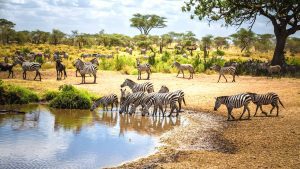
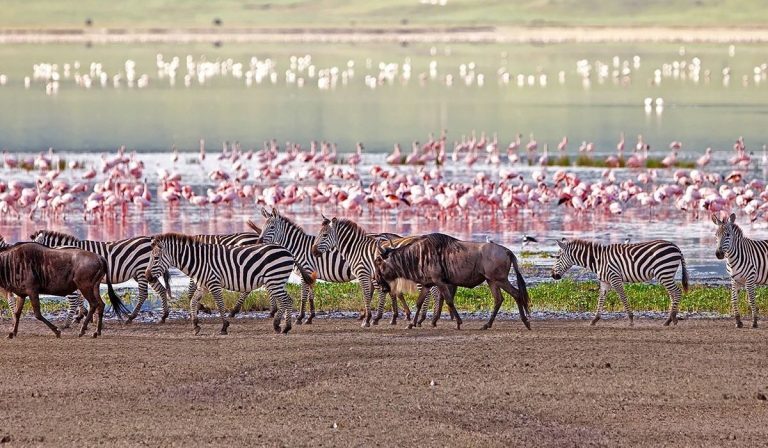
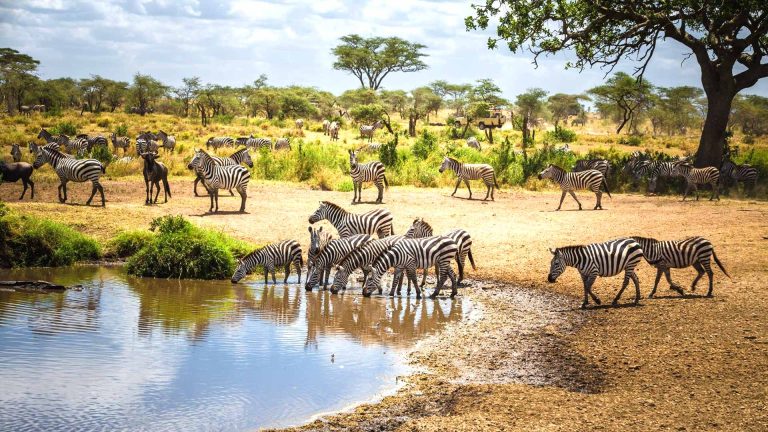
The Great Wildebeest Migration is the largest land-based animal movement on Earth, occurring annually between Serengeti National Park and Maasai Mara National Reserve. Over 1.5 million wildebeest, accompanied by zebras and gazelles, follow rainfall patterns in search of fresh grass and water. This continuous cycle includes calving season in the southern Serengeti, dramatic river crossings at the Grumeti and Mara Rivers, and predator-prey interactions involving lions, crocodiles, and hyenas. For safari planning, understanding these phases is crucial because the migration is not in one place year-round. Travelers must align their travel dates with the migration’s location to maximize sightings. This natural phenomenon is unpredictable, making expert local safari guides and experienced tour operators essential for a successful and rewarding wildlife safari experience.
A general guide: the herds follow the rains.
Best Time to Witness the Migration
Timing is everything when planning a Wildebeest Migration safari in Tanzania and Kenya. From January to March, the southern Serengeti offers calving season, attracting predators and incredible wildlife action. Between June and July, the migration moves north, crossing the Grumeti River. The most dramatic period is from July to October in the northern Serengeti and Maasai Mara, where river crossings at the Mara River occur. November and December see the herds returning south as the cycle repeats. Each season offers unique safari experiences, from newborn wildlife encounters to intense predator action. Choosing the best time depends on your interests, budget, and availability. Booking early for peak months ensures access to the best safari lodges and camps near migration hotspots.
Choosing the Right Safari Destination
Selecting the right destination is key to a successful migration safari. Serengeti National Park is vast and offers year-round wildlife viewing, while Maasai Mara National Reserve is known for dense wildlife populations and dramatic river crossings. Within the Serengeti, areas like Ndutu, Central Serengeti, and Northern Serengeti each provide different migration experiences throughout the year. The Maasai Mara, on the other hand, is compact and offers easier access to river crossings during peak season. Travelers must consider travel logistics, park fees, and accommodation styles when choosing between Tanzania and Kenya. Combining both destinations in a single itinerary is also popular for a comprehensive Great Migration safari experience, offering diverse landscapes and unmatched wildlife encounters across East Africa.
- ArushaGateway
- TarangireElephants
- NgorongoroCrater
- SerengetiBig Five
- ZanzibarBeach
Types of Wildebeest Migration Safaris
There are various safari styles to suit different travel preferences and budgets. Luxury safaris include high-end lodges, private guides, and fly-in transfers, offering comfort and exclusivity. Mid-range safaris balance affordability and comfort with quality tented camps and guided game drives. Budget safaris offer basic accommodations yet deliver incredible wildlife experiences. Private safaris allow customized itineraries, while group safaris are more affordable and social. Mobile camps are especially popular during the migration, as they move with the herds to ensure proximity to wildlife action. Whether you choose a luxury African safari or a budget-friendly option, selecting the right safari type ensures you get the best value and experience during your Wildebeest Migration adventure in East Africa.
How to Choose the Best Safari Tour Operator
Choosing a reputable safari tour operator is essential for a seamless migration safari experience. Look for licensed and experienced companies specializing in Tanzania and Kenya safaris, particularly those familiar with Serengeti National Park and Maasai Mara National Reserve. Check reviews, testimonials, and safety records before booking. Top-rated operators offer knowledgeable guides, well-maintained safari vehicles, and flexible itineraries tailored to migration movements. Consider operators that provide all-inclusive packages covering accommodation, park fees, meals, and game drives. Transparent pricing and strong communication are also key indicators of reliability. Working with a trusted safari company helps put you in the right place at the right time, maximizing your chances of witnessing dramatic river crossings and unforgettable wildlife encounters.
Setting Your Budget and Costs
The cost of a Wildebeest Migration safari varies widely depending on travel style, duration, and season. Budget safaris can start from $200–$350 per person per day, while luxury safaris can exceed $1,000 per person per day. Key cost factors include accommodation type, park fees, transportation, guide services, and internal flights. Peak migration months, especially during river crossing season, are more expensive due to high demand. Booking in advance can help secure better rates and availability. Travelers should also budget for tips, travel insurance, and optional activities like hot air balloon safaris. Understanding the full cost breakdown helps you plan effectively and avoid unexpected expenses while ensuring a memorable and well-organized African safari experience.
- Accommodation
- Meals
- Park fees
- Vehicle & guide
- Transfers
- International flights
- Visas
- Travel insurance
- Tips
- Premium drinks
Booking Accommodation in Advance
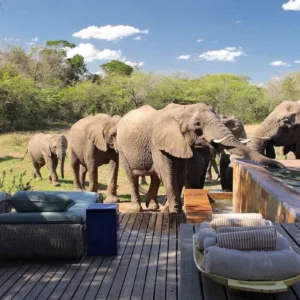
Accommodation plays a crucial role in your migration safari experience. From luxury lodges to mobile tented camps, staying close to migration routes increases your chances of witnessing wildlife action. Popular options in Serengeti National Park and Maasai Mara National Reserve book out months in advance, especially during peak season. Mobile camps are highly recommended as they follow the migration, offering front-row access to river crossings and grazing herds. Permanent lodges provide more comfort and amenities but may require longer game drives to reach the action. Early booking ensures better availability, competitive pricing, and access to prime locations, making your Wildebeest Migration safari more enjoyable and rewarding.
Budget camping & lodges
Affordable, adventurous and close to nature.
Mid-range lodges & tented camps
Comfort, good food and convenient locations.
Luxury tented camps & lodges
Spacious suites, personal service and prime wildlife areas.
Exclusive-use camps & villas
Complete privacy, private guides and bespoke experiences.
Planning Your Safari Itinerary
A well-structured safari itinerary ensures you maximize your migration experience. Most Wildebeest Migration safaris range from 5 to 10 days, covering key areas like Ndutu, Central Serengeti, and Northern Serengeti or the Maasai Mara. Including multiple locations increases your chances of encountering the migration at different stages. Consider adding other iconic destinations such as Ngorongoro Crater or Tarangire National Park, for a more diverse safari experience. Travel logistics, including domestic flights or long-distance drives, should be carefully planned to save time and enhance comfort. A flexible itinerary guided by experienced safari professionals allows adjustments based on real-time wildlife movements, ensuring an unforgettable and dynamic African safari adventure.
What to Pack for a Migration Safari
Packing correctly enhances your comfort and safari experience. Essential items include lightweight clothing in neutral colors, a wide-brim hat, sunscreen, binoculars, and a high-quality camera for wildlife photography. Comfortable walking shoes and a light jacket for early morning game drives are also recommended. Don’t forget travel documents, insect repellent, and personal medications. For safaris in Serengeti National Park and Maasai Mara National Reserve, packing soft-sided luggage is often required for small aircraft transfers. Being well-prepared ensures you can fully enjoy game drives, capture stunning wildlife moments, and stay comfortable throughout your Wildebeest Migration safari journey.
Booking Flights and Travel Logistics
International and domestic travel arrangements are key components of your safari plan. Most travelers fly into major gateways like Kilimanjaro International Airport or Nairobi’s Jomo Kenyatta International Airport. From there, domestic flights or road transfers connect you to Serengeti National Park or Maasai Mara National Reserve. Fly-in safaris are popular for saving time and offering aerial views of the savannah, while road safaris provide a more immersive journey. Booking flights early helps secure better prices and convenient schedules. Coordinating arrival and departure times with your safari itinerary ensures a smooth travel experience, allowing you to focus on enjoying your Great Migration adventure.
Safari Safety and Travel Tips
Safety is a top priority when planning a Wildebeest Migration safari. Always follow your guide’s instructions during game drives and maintain a safe distance from wildlife. Choose reputable safari operators with experienced guides and well-maintained vehicles. Travel insurance is highly recommended to cover medical emergencies, cancellations, and unexpected events. Health precautions, including vaccinations and malaria prevention, should be arranged before traveling to Tanzania or Kenya. Staying informed about local guidelines and park regulations ensures a safe and enjoyable safari experience. With proper planning and awareness, your Wildebeest Migration safari can be both thrilling and secure.
Final Thoughts
Planning and booking a Wildebeest Migration safari requires careful preparation, but the rewards are extraordinary. From witnessing dramatic river crossings in Serengeti National Park to exploring the wildlife-rich plains of Maasai Mara National Reserve, this journey offers unforgettable moments. By choosing the right time, destination, safari type, and tour operator, travelers can create a seamless and enriching African safari experience. Early booking, proper budgeting, and thoughtful itinerary planning are essential for success. Whether you seek luxury, adventure, or photography opportunities, the Great Wildebeest Migration promises a once-in-a-lifetime wildlife spectacle that captures the true essence of Africa’s natural beauty and untamed wilderness.
How to Plan & Book a Wildebeest Migration Safari: FAQs
What is the Great Wildebeest Migration?
The Great Wildebeest Migration is the world’s largest terrestrial animal movement, where over two million wildebeest, zebras, and gazelles travel in a circular route between Serengeti National Park and Maasai Mara National Reserve. This natural spectacle is driven by rainfall and the search for fresh grazing. Along the journey, herds face dramatic river crossings, predators like lions and crocodiles, and ever-changing landscapes.
When is the Best Time to Book a Migration Safari?
The best time to see the wildebeest migration depends on what you want to see during the migration. January to March is ideal for calving season in the southern Serengeti National Park, while June to July offers Grumeti River crossings. The peak season, July to October, is famous for Mara River crossings in northern Serengeti and the Maasai Mara National Reserve.
How Far in Advance Should I Book Wildebeest Migration safari?
For a Wildebeest Migration safari, booking at least 6 to 12 months in advance is highly recommended. This is especially important if you plan to visit during peak river crossing season in Serengeti National Park or Maasai Mara National Reserve. Popular lodges, mobile camps, and fly-in safari options often sell out quickly due to high global demand.
How Much Does a Wildebeest Migration Safari Cost?
Wildebeest Migration Safari costs vary widely depending on your travel style, accommodation, and duration. Budget migration safaris typically range from $200 to $350 per person per day, while mid-range options cost around $350 to $700. Luxury migration safaris in prime locations of Serengeti National Park or Maasai Mara National Reserve can exceed $1,000 per person per day. Prices often include accommodation, meals, park fees, and guided game drives.
Should I Choose Tanzania or Kenya for the Migration?
Both destinations offer incredible migration experiences, but they differ slightly. Serengeti National Park provides a more expansive and less crowded safari with year-round wildlife viewing, while Maasai Mara National Reserve is known for easier access and dramatic Mara River crossings. Tanzania is ideal for those seeking a longer, more immersive safari, while Kenya suits travelers with limited time. Many visitors choose to combine both destinations for a comprehensive experience.
What Type of Accommodation is Best for Migration Safaris?
The best accommodation depends on your budget and desired experience. Mobile tented camps are highly recommended because they move with the migration, keeping you close to the action in Serengeti National Park and Maasai Mara National Reserve. Luxury lodges offer premium comfort, fine dining, and stunning views but may be farther from migration hotspots. Mid-range camps provide a balance between comfort and affordability.
What Should I Pack for a Migration Safari?
Packing smart is essential for a comfortable safari experience. Bring lightweight, neutral-colored clothing, a hat, sunglasses, sunscreen, and insect repellent. A good camera, binoculars, and extra batteries are crucial for capturing wildlife moments in Serengeti National Park and Maasai Mara National Reserve. Include a light jacket for early morning game drives and comfortable walking shoes. Soft-sided luggage is recommended for domestic flights.
Is It Safe to Go on a Migration Safari?
Yes, a Wildebeest Migration safari is generally safe when booked with reputable tour operators. Parks like Serengeti National Park and Maasai Mara National Reserve are well-managed, and guides are trained to ensure visitor safety. Travelers should follow all instructions during game drives and avoid approaching wildlife. Health precautions such as vaccinations, malaria prevention, and travel insurance are recommended. Staying in established lodges or camps also enhances safety.
Can I Combine the Migration Safari with Other Destinations?
Yes, combining a migration safari with other destinations enhances your travel experience. Many itineraries include visits to Ngorongoro Crater, Tarangire National Park, or beach extensions in Zanzibar. This allows travelers to experience diverse landscapes, cultures, and wildlife beyond the migration. Combining destinations also adds variety to your safari, from big game viewing to cultural interactions and relaxing coastal escapes.
Do I Need a Visa and Travel Insurance for a Migration Safari?
Yes, most travelers need a visa for Tanzania (online or on arrival) and an Electronic Travel Authorization (eTA) for Kenya, both applied for online, depending on nationality. Travel insurance is highly recommended and should cover medical emergencies, trip cancellations, and evacuation. Safari destinations are remote, so having comprehensive coverage provides peace of mind. It’s also advisable to check passport validity and entry requirements well in advance.
What Makes River Crossings So Special?
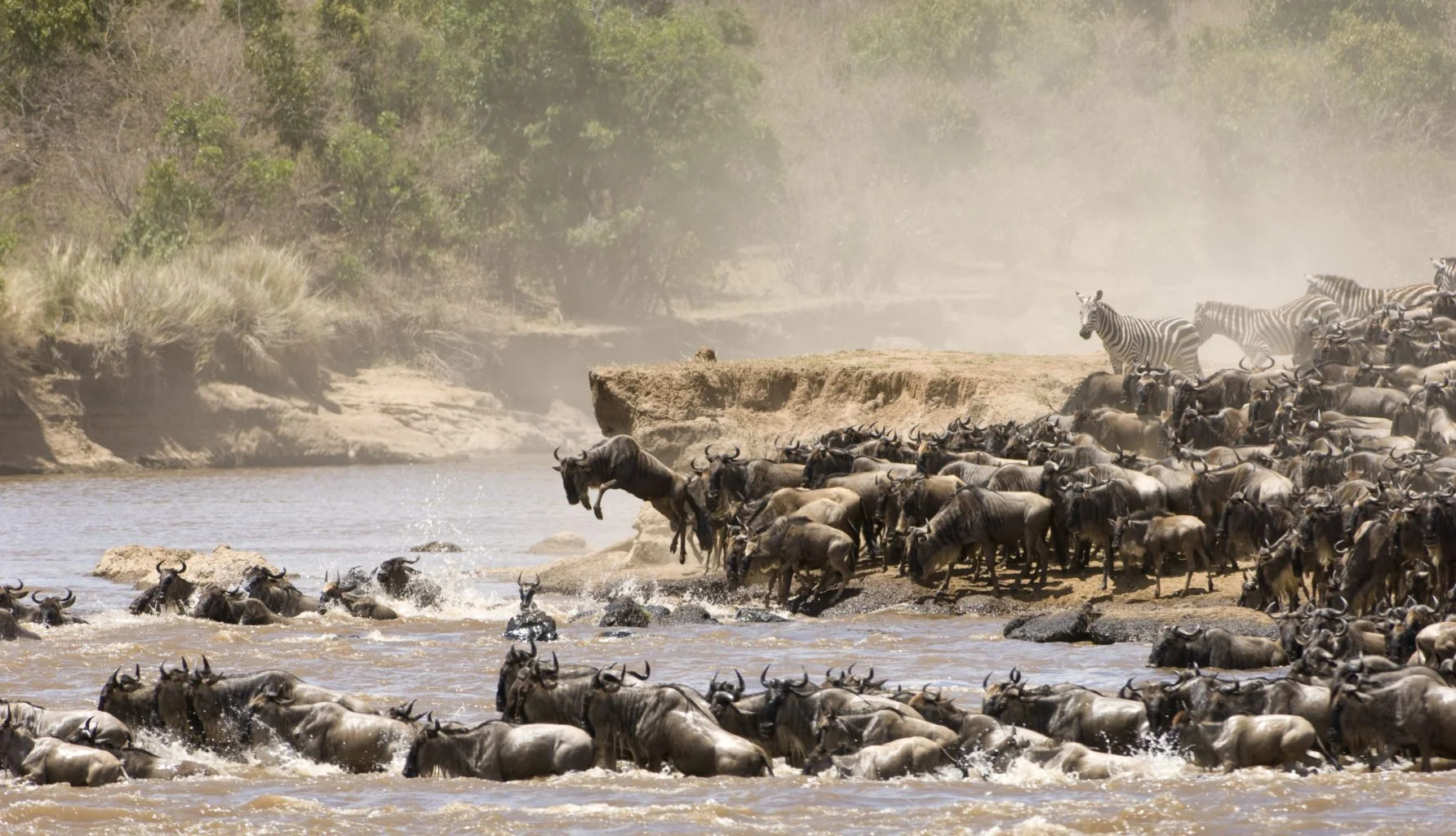
River crossings are among the most dramatic highlights of the Great Migration, occurring when herds attempt to cross rivers like the Mara River between Serengeti National Park and Maasai Mara National Reserve. These crossings involve thousands of animals plunging into crocodile-infested waters, creating intense and unpredictable scenes. The chaos, bravery, and survival instincts of the animals make this a once-in-a-lifetime spectacle for safari-goers.
Why Should I Book a Migration Safari with a Local Safari Operator?
Booking a migration safari with a local safari operator offers several advantages, including expert knowledge of migration patterns in Serengeti National Park and Maasai Mara National Reserve. Local operators have strong connections with lodges, guides, and park authorities, ensuring seamless logistics and better access to prime wildlife areas. They can provide customized itineraries, competitive pricing, and real-time updates on migration movements. Supporting local businesses also contributes to conservation and community development.
How Long Should a Wildebeest Migration Safari Be?
The ideal length for a Wildebeest Migration safari is between 5 and 10 days, depending on your budget and travel goals. A shorter 5-day safari can focus on key areas like central Serengeti National Park or Maasai Mara National Reserve, while longer itineraries allow you to follow the migration across multiple regions. Spending more time increases your chances of witnessing major highlights such as river crossings or calving season.
Are Wildebeest Migration Safaris Suitable for Families?
Yes, Wildebeest Migration safaris can be an incredible experience for families, including children. Many lodges and camps in Serengeti National Park and Maasai Mara National Reserve offer family-friendly accommodations, guided activities, and educational programs about wildlife and conservation. Private safaris are often recommended for families, as they provide flexibility in schedules and personalized experiences. However, parents should consider long game drives and safety guidelines when traveling with young children.
What is a Fly-in Safari and Is It Worth It?
A fly-in safari involves taking small aircraft flights from major cities to remote airstrips near Serengeti National Park or Maasai Mara National Reserve. This option significantly reduces travel time compared to long road transfers and offers stunning aerial views of the savannah. Fly-in safaris are especially beneficial for luxury travelers or those with limited time, allowing more hours for game viewing.
Can I See the Migration All Year Round?
Yes, the Wildebeest Migration is a continuous, year-round cycle, but it moves across different regions. From January to March, herds gather in southern Serengeti National Park for calving season. Between April and June, they migrate through central and western Serengeti. From July to October, they reach northern Serengeti and Maasai Mara National Reserve for river crossings. November and December see them returning south.
What Wildlife Can I Expect Besides Wildebeest?
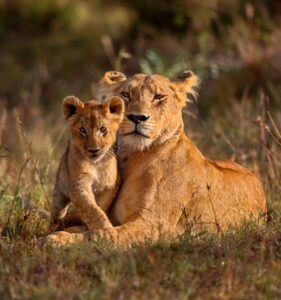
In addition to wildebeest, you will encounter a wide range of wildlife during your safari in Serengeti National Park and Maasai Mara National Reserve. These include zebras, gazelles, elephants, giraffes, buffalo, and hippos. Predators such as lions, leopards, cheetahs, and hyenas are also commonly seen following the migration. Birdlife is abundant, with hundreds of species inhabiting the region.
What Are the Benefits of a Private Safari?
A private safari offers exclusivity, flexibility, and personalized service. You have your own guide and vehicle, allowing you to tailor game drives according to your interests in Serengeti National Park or Maasai Mara National Reserve. This is especially beneficial for photographers, families, or honeymoon travelers who want a customized experience. Private safaris also allow you to spend more time at sightings and adjust schedules without being tied to a group.
Are Migration Safaris Good for Photography?
Yes, Wildebeest Migration safaris are a dream for wildlife photographers. The dramatic landscapes of Serengeti National Park and Maasai Mara National Reserve, combined with massive herds and predator action, provide endless photo opportunities. Key moments include river crossings, calving season, and golden-hour game drives. Many safari operators offer specialized photographic safaris with expert guides who understand lighting, positioning, and animal behavior.
What Happens if I Miss a River Crossing?
River crossings are unpredictable, and there’s no guarantee you will witness one during your safari. However, even without a crossing, Serengeti National Park and Maasai Mara National Reserve offer exceptional wildlife viewing year-round. You will still see large herds, predator interactions, and breathtaking landscapes. Experienced guides track herd movements and increase your chances of being in the right place at the right time.
Plan Your Private Tanzania Safari
Tell us your travel dates, interests and budget, and our local team will design a private tailor-made safari around you.