Will Climbing Mount Meru Help Me Acclimatize for Kilimanjaro
Will Climbing Mount Meru Help Me Acclimatize for Kilimanjaro
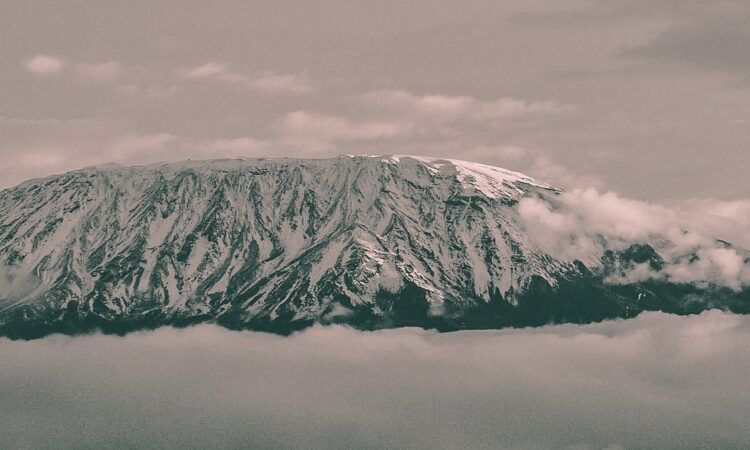
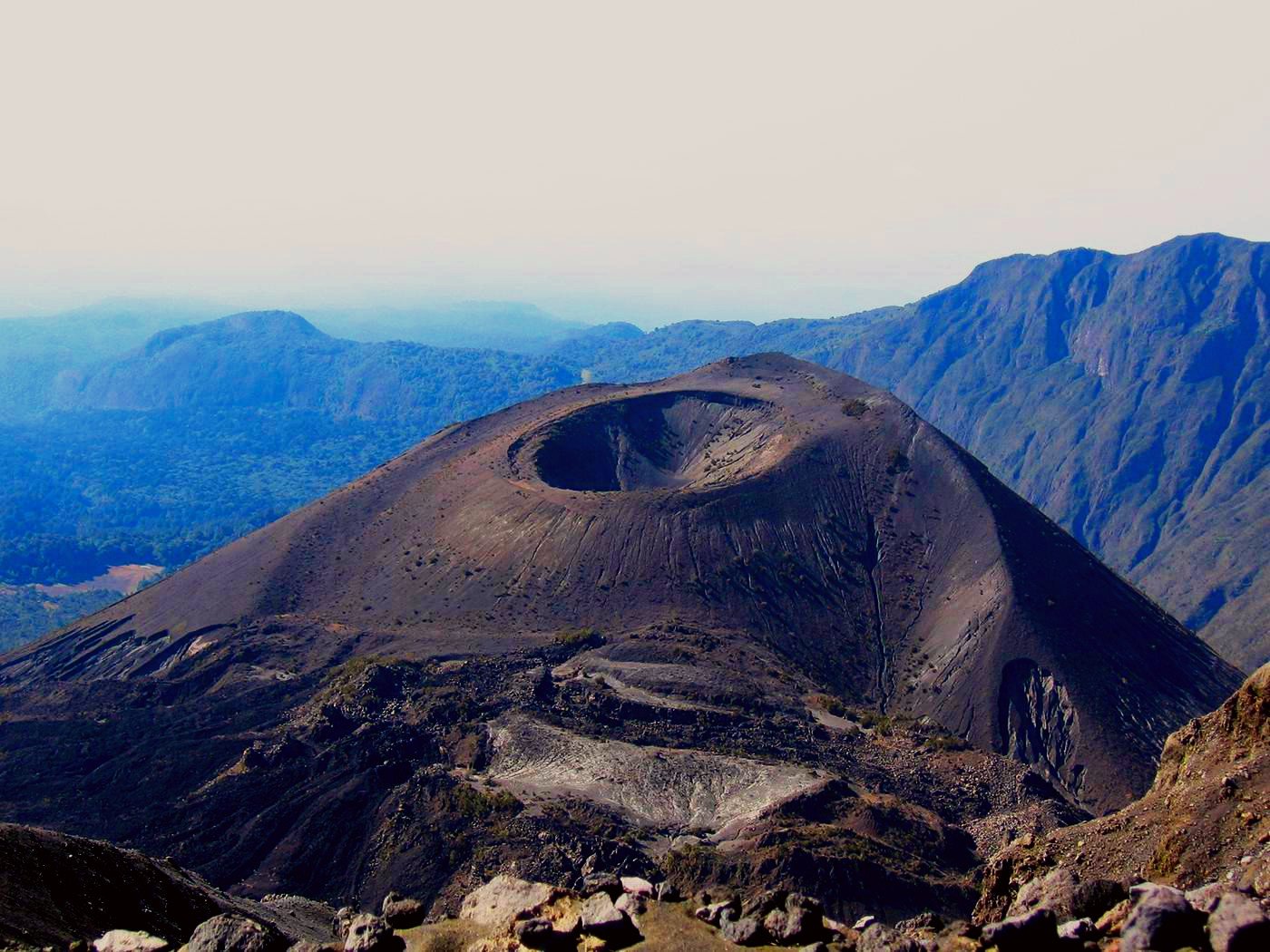
Climbing Mount Meru as an acclimatization trek for Mount Kilimanjaro is one of the most effective altitude preparation strategies in Tanzania. Many climbers planning a Kilimanjaro summit underestimate the importance of acclimatization and altitude adaptation, which are key factors in preventing altitude sickness and improving summit success rates. Mount Meru, located in Arusha within Arusha National Park, rises to 4,566 meters and provides a natural “training climb” before attempting Africa’s highest peak, Mount Kilimanjaro. This introduction explores how Mount Meru trekking enhances oxygen efficiency, builds endurance, and prepares the body for high-altitude trekking conditions. It also highlights why experienced trekking companies recommend a Meru climb as part of a Kilimanjaro acclimatization itinerary for safer, more successful summit attempts in Tanzania’s Northern Circuit trekking routes.
Understanding Altitude Acclimatization for Kilimanjaro
Altitude acclimatization is the physiological process by which your body adapts to lower oxygen levels at high elevations. When climbing Mount Kilimanjaro, trekkers face rapid altitude gain, which can lead to Acute Mountain Sickness (AMS) if the body is not prepared. Climbing Mount Meru helps the body gradually adjust to high-altitude conditions above 3,000 meters. This improves red blood cell production and oxygen delivery efficiency. Many Kilimanjaro trekking guides recommend acclimatization hikes like Mount Meru because they simulate real summit conditions. Proper acclimatization reduces fatigue, headaches, and dizziness, making your Kilimanjaro expedition safer and more enjoyable. Understanding this process is essential for anyone planning a successful Mount Kilimanjaro climb.
Why Mount Meru Is a Perfect Pre-Kilimanjaro Trek
Mount Meru is often described as the “hidden gem” of Tanzania trekking routes and an ideal warm-up for Kilimanjaro. Standing at 4,566 meters, it provides a challenging but manageable ascent that closely mirrors Kilimanjaro’s altitude profile. Unlike shorter hikes, Mount Meru exposes climbers to multi-day high-altitude conditions, making it an excellent preparation trek. Located inside Arusha National Park, it also offers diverse wildlife and scenic landscapes. This combination of altitude training and trekking experience helps climbers build stamina, confidence, and mental readiness before attempting Kilimanjaro. Many tour operators include Mount Meru in premium Tanzania safari and trekking packages for optimal acclimatization.
How Mount Meru Prepares Your Body for High Altitude
Climbing Mount Meru forces your body to gradually adapt to decreasing oxygen levels, which is essential for Kilimanjaro success. At higher elevations, your breathing rate increases, your heart works harder, and your body begins producing more red blood cells. This natural adaptation process is exactly what you need before tackling Kilimanjaro’s 5,895-meter summit. Trekking through Arusha National Park to reach Mount Meru’s summit allows for progressive altitude exposure, reducing the risk of altitude sickness. By the time you descend, your body is significantly better prepared for the demanding Kilimanjaro trekking routes such as Machame, Lemosho, or Marangu.
Acclimatization Benefits for Kilimanjaro Climbers
One of the biggest benefits of climbing Mount Meru before Kilimanjaro is improved acclimatization efficiency. Many climbers struggle with altitude-related symptoms on Kilimanjaro, but those who complete Mount Meru often experience smoother ascents. The body learns to regulate oxygen intake more effectively, which enhances endurance during long trekking days. This preparation reduces the likelihood of AMS, headaches, nausea, and fatigue. Additionally, climbers gain psychological confidence, knowing they have already experienced high-altitude trekking conditions in Tanzania. This dual benefit—physical and mental—makes Mount Meru one of the best acclimatization climbs in East Africa.
Mount Meru vs Kilimanjaro: Key Differences
While both peaks are located in Tanzania, Mount Meru and Mount Kilimanjaro offer very different trekking experiences. Kilimanjaro is a non-technical “walk-up” summit but reaches extreme altitude, while Mount Meru is slightly lower but more physically demanding due to steeper trails and wildlife presence. Mount Kilimanjaro requires a longer trekking duration and greater endurance, whereas Mount Meru is shorter but intense. Climbers often use Meru as a preparation climb to test fitness levels, gear, and altitude tolerance before attempting Kilimanjaro. This comparison highlights why combining both climbs is a smart strategy for serious trekking enthusiasts.
Is Mount Meru Necessary Before Kilimanjaro
Mount Meru is not mandatory for Kilimanjaro success, but it significantly increases summit success rates. Many first-time climbers skip it, but experienced trekkers and guides often recommend it for those who want better acclimatization. Since Kilimanjaro’s altitude gain is rapid, pre-acclimatization becomes crucial. Climbing Mount Meru gives your body a head start, reducing the risk of altitude sickness. It is especially beneficial for climbers using shorter Kilimanjaro routes like Marangu or Rongai. For those aiming for a safer, more enjoyable trekking experience, Mount Meru is a highly recommended optional acclimatization climb.
Ideal Itinerary: Mount Meru Before Kilimanjaro
A common Tanzania trekking itinerary includes a 3–4 day Mount Meru climb followed by 6–8 days on Kilimanjaro. This combination allows proper rest and recovery between expeditions. After summiting Mount Meru, climbers typically spend a few days in Arusha to recover before starting Kilimanjaro. This approach ensures gradual altitude exposure and optimal acclimatization. Tour operators design these itineraries to maximize summit success rates while minimizing altitude sickness risks. It is one of the most effective trekking strategies for climbers seeking both adventure and safety in Tanzania’s Northern Circuit.
Physical Fitness Gains from Mount Meru Climb
Climbing Mount Meru improves cardiovascular endurance, leg strength, and overall trekking fitness. The steep ascents and long trekking hours simulate conditions found on Kilimanjaro. This helps climbers understand their physical limits and adjust pacing strategies. Many trekkers discover their optimal hiking rhythm during the Meru ascent, which becomes invaluable on Kilimanjaro. Additionally, carrying a daypack at high altitude strengthens stamina and improves energy management. By the time climbers reach Kilimanjaro, their bodies are already conditioned for long, demanding trekking days.
Mental Preparation for Kilimanjaro Success
Mental endurance is just as important as physical fitness when climbing Kilimanjaro. Mount Meru helps build confidence by exposing climbers to real high-altitude conditions. The experience of hiking through forests, steep ridges, and volcanic terrain prepares the mind for Kilimanjaro’s challenges. Many trekkers report feeling more mentally resilient after completing Meru. This psychological advantage reduces anxiety and improves decision-making during Kilimanjaro’s summit push. Mental readiness is often the difference between success and turning back due to fatigue or altitude discomfort.
Altitude Sickness Prevention Strategy
Altitude sickness is one of the biggest risks on Kilimanjaro. Symptoms include headaches, nausea, and dizziness caused by reduced oxygen levels. Climbing Mount Meru helps reduce these risks by allowing gradual acclimatization. Your body learns how to cope with thinner air before attempting higher elevations. This “climb high, sleep high” exposure strategy is widely recommended by professional trekking guides. As a result, climbers who complete Meru often experience fewer AMS symptoms on Kilimanjaro. This makes it one of the most effective natural prevention methods.
Best Time to Combine Mount Meru and Kilimanjaro
The best time to combine both climbs is during Tanzania’s dry seasons: January–March and June–October. These months offer clear skies, stable trekking conditions, and safer trails. Weather plays a crucial role in acclimatization efficiency, as extreme cold or heavy rain can increase fatigue. Planning your Mount Meru climb just before Kilimanjaro ensures optimal physical adaptation. Many tour operators in Arusha offer combined trekking packages during peak safari and climbing seasons, making logistics easier for international travelers.
Wildlife Experience During Mount Meru Trek
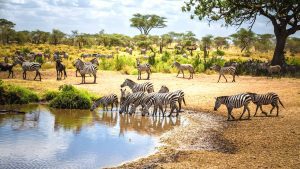
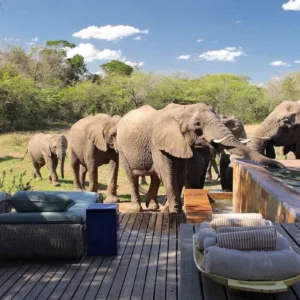
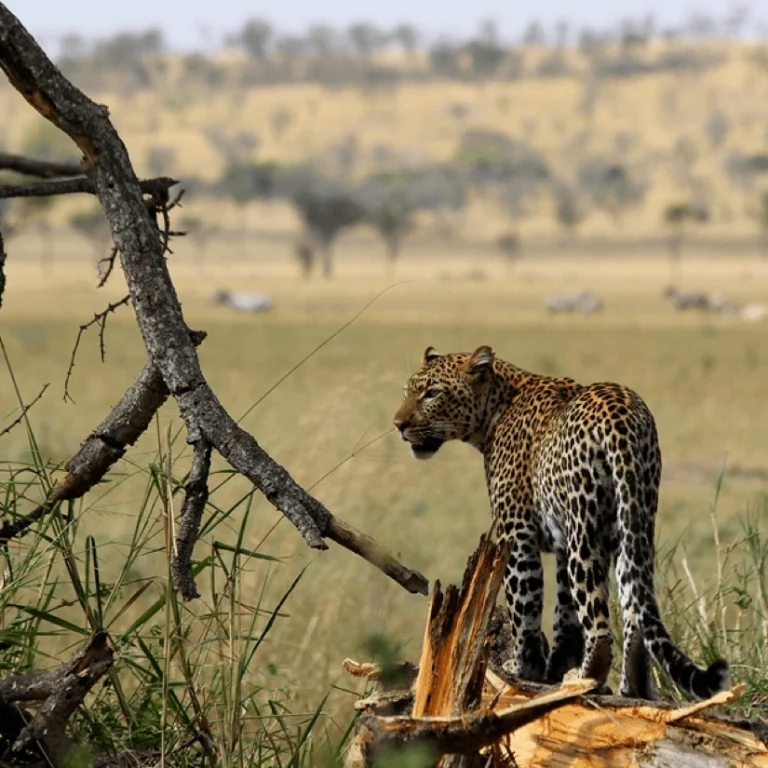
One unique advantage of climbing Mount Meru is the opportunity to experience wildlife trekking inside Arusha National Park. Unlike Kilimanjaro, where wildlife is limited at higher altitudes, Meru offers sightings of giraffes, buffalo, zebras, and colobus monkeys at lower elevations. This adds a safari-like experience to your acclimatization climb. The combination of wildlife viewing and altitude training makes Mount Meru one of Tanzania’s most scenic trekking experiences.
Cost Benefits of Using Mount Meru for Acclimatization
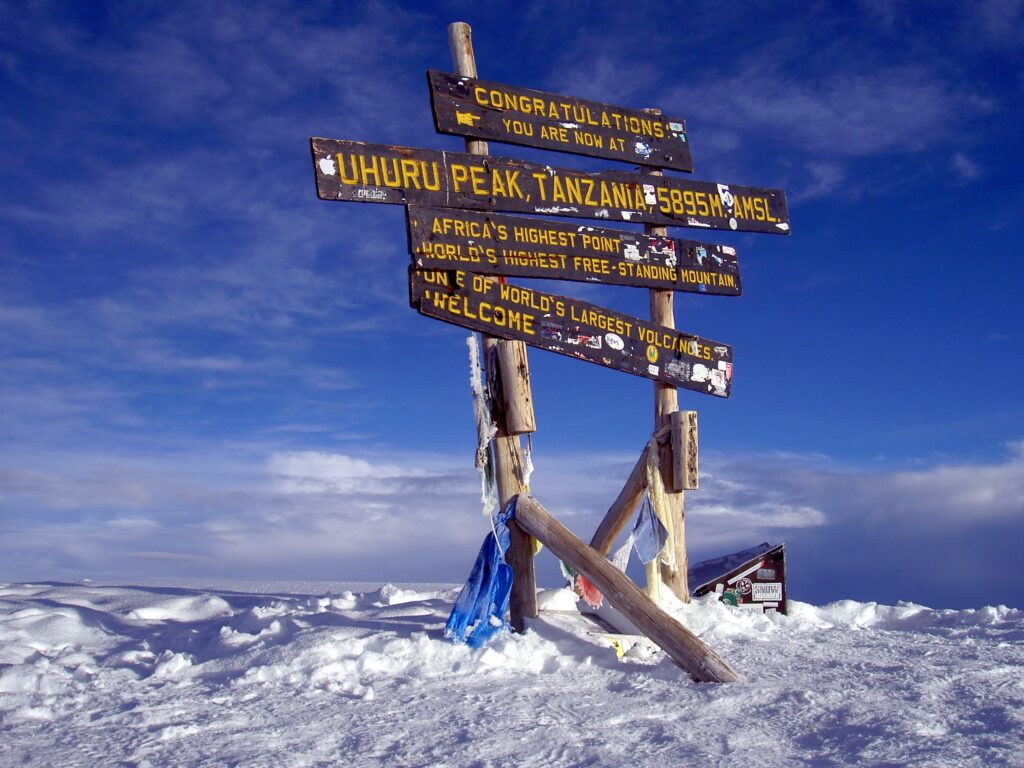
While adding Mount Meru increases initial travel costs, it often improves Kilimanjaro success rates, making it a cost-effective investment. Failed Kilimanjaro attempts due to altitude sickness can be expensive and disappointing. By improving acclimatization beforehand, climbers increase their chances of reaching Uhuru Peak successfully. Many Tanzania trekking companies offer discounted combo packages for Meru and Kilimanjaro, making it more accessible for budget and mid-range travelers.
- Accommodation
- Meals
- Park fees
- Vehicle & guide
- Transfers
- International flights
- Visas
- Travel insurance
- Tips
- Premium drinks
Expert Guide Recommendations
Professional Kilimanjaro guides strongly recommend Mount Meru for climbers who want a safer ascent. Experienced trekking companies in Arusha use Meru as a training climb to evaluate fitness levels and acclimatization response. Guides also use this opportunity to assess pacing, hydration habits, and gear suitability. This ensures a smoother Kilimanjaro expedition with fewer risks and better group performance.
Who Should Consider Mount Meru First
Mount Meru is ideal for beginners, intermediate trekkers, and anyone concerned about altitude sickness. It is especially recommended for climbers over 40, first-time high-altitude trekkers, or those choosing shorter Kilimanjaro routes. It is also beneficial for adventure travelers who want a more complete Tanzania trekking experience, combining safari, wildlife, and mountain climbing.
Final Thought
Climbing Mount Meru is one of the smartest strategies for improving Kilimanjaro acclimatization, safety, and summit success rates. It prepares your body physically, strengthens mental resilience, and reduces the risk of altitude sickness significantly. As part of a well-planned Tanzania trekking itinerary, Mount Kilimanjaro becomes more achievable when preceded by a Mount Meru ascent. Whether you are a first-time climber or an experienced trekker, combining both mountains offers one of the most rewarding adventure experiences in Africa. For anyone serious about reaching Uhuru Peak, Mount Meru is not just an option—it is a strategic advantage for a successful and unforgettable climb.
Will Climbing Mount Meru Help Me Acclimatize for Kilimanjaro: FAQs
Does climbing Mount Meru really help with Kilimanjaro acclimatization?
Yes—climbing Mount Meru is widely considered one of the best natural acclimatization strategies for Kilimanjaro trekking in Tanzania. Standing at 4,566 meters, Mount Meru gives your body a real “high altitude training effect” before attempting Uhuru Peak (5,895m). The gradual ascent allows your body to adjust to lower oxygen levels, improving red blood cell production and overall altitude adaptation.
How many days should I spend on Mount Meru for acclimatization?
The ideal Mount Meru trek duration for Kilimanjaro acclimatization is typically 3 to 4 days, depending on your fitness level and itinerary. A standard 4-day Mount Meru climb is the most recommended because it includes a gradual ascent with a proper “climb high, sleep low” structure, which is essential for altitude adjustment.
Is Mount Meru necessary before climbing Kilimanjaro?
Mount Meru is not strictly necessary for climbing Kilimanjaro, but it is highly recommended for first-time high altitude trekkers. Kilimanjaro itself offers several acclimatization-friendly routes such as Lemosho, Machame, and Northern Circuit, which can be completed without prior peaks. However, Mount Meru acts as a powerful “pre-acclimatization climb,” especially for those concerned about altitude sickness or low trekking experience.
How high is Mount Meru compared to Kilimanjaro?
Mount Meru stands at 4,566 meters (14,980 ft), making it Tanzania’s second-highest mountain, while Mount Kilimanjaro rises dramatically higher at 5,895 meters (19,341 ft). This means Meru is about 1,300 meters lower than Kilimanjaro, but still high enough to trigger altitude adaptation in the human body. The significant elevation of Mount Meru places trekkers well above the threshold where acclimatization becomes effective for Kilimanjaro preparation. Climbers experience similar vegetation zones, alpine deserts, and thinning oxygen levels.
Will Mount Meru reduce altitude sickness on Kilimanjaro?
Yes, climbing Mount Meru can significantly reduce the risk of altitude sickness on Kilimanjaro, although it does not guarantee immunity. The human body adapts to high altitude by increasing oxygen-carrying capacity in the blood, and Mount Meru provides a controlled environment for this adaptation. Trekkers who ascend Meru before Kilimanjaro often report fewer symptoms such as headaches, nausea, and fatigue during their Kilimanjaro climb.
How long should I rest after Mount Meru before Kilimanjaro?
After completing Mount Meru, it is generally recommended to rest for 2 to 5 days before starting Kilimanjaro. This recovery period allows your muscles to heal while your body retains acclimatization benefits. Many trekking experts in Tanzania suggest that acclimatization effects from Mount Meru can last up to one week, making it ideal to transition directly into Kilimanjaro within that window.
Can beginners climb Mount Meru before Kilimanjaro?
Yes, Mount Meru is suitable for beginners with good physical fitness and basic hiking experience. Unlike Kilimanjaro, Meru is a shorter trek (3–4 days) but still challenging due to steep trails, wildlife presence, and altitude gain. Beginners often use Mount Meru as a “training climb” before attempting Kilimanjaro trekking in Tanzania.
Is Mount Meru harder than Kilimanjaro?
Mount Meru is considered physically steeper and more direct than Kilimanjaro, but overall shorter and less demanding in duration. The ascent is rapid, with significant elevation gain in just a few days, making it feel more intense on the legs and cardiovascular system. Kilimanjaro, on the other hand, is longer and requires endurance over 5–9 days depending on the route.
What is the success benefit of climbing Mount Meru first?
Climbing Mount Meru before Kilimanjaro significantly increases summit success probability by improving altitude adaptation, stamina, and mental preparedness. Many Kilimanjaro success rate studies and trekking operators in Tanzania report higher summit completion among climbers who pre-acclimatize on Meru. The body learns to function in low oxygen environments, reducing fatigue and improving breathing efficiency at higher camps like Barranco and Barafu.
Can I do Kilimanjaro without Mount Meru?
Yes, you can successfully climb Kilimanjaro without first climbing Mount Meru. In fact, most trekkers do Kilimanjaro directly using well-designed acclimatization routes such as Lemosho, Machame, or Northern Circuit. These routes already incorporate gradual altitude gain and rest days to help the body adjust. However, skipping Mount Meru may increase reliance on internal acclimatization during the Kilimanjaro climb itself.
Climb Kilimanjaro With Confidence
Tell us your dates and fitness, and our experienced mountain team will plan a safe, well-acclimatized private climb.