Why Should I Bring Sunscreen When Climbing Mount Kilimanjaro?
Why Should I Bring Sunscreen When Climbing Mount Kilimanjaro?
Climbing Mount Kilimanjaro in Tanzania is one of the most iconic trekking adventures in the world, attracting thousands of climbers each year seeking the ultimate high-altitude experience. However, many first-time climbers underestimate the importance of sun protection. Despite the cold temperatures near the summit, ultraviolet (UV) radiation on Kilimanjaro is extremely intense due to its equatorial location and high altitude. Sunscreen becomes an essential part of the Kilimanjaro packing list, alongside warm clothing, hiking boots, and layered gear. Understanding why sunscreen is crucial helps prevent sunburn, skin damage, and long-term health risks. In this guide, we explore in detail why sunscreen is not optional but a vital necessity for a safe and successful Kilimanjaro climb, especially under the strong African sun and reflective alpine environments.
High Altitude Increases UV Exposure
As you climb higher on Mount Kilimanjaro, the atmosphere becomes thinner, meaning there is less protection from harmful ultraviolet (UV) rays. For every 1,000 meters gained in altitude, UV intensity increases significantly, making climbers more vulnerable to sunburn even in cool temperatures. At summit zones like Uhuru Peak, UV exposure can be almost double that at sea level. This is why sunscreen is critical for Kilimanjaro trekking safety. Many hikers mistakenly assume cold weather reduces sun risk, but the opposite is true. High-altitude trekking requires strong SPF protection to shield the skin from radiation damage. Without sunscreen, climbers risk painful burns, dehydration, and fatigue, all of which can negatively impact summit success and overall trekking performance on Africa’s highest mountain.
Equatorial Sun Is Strong All Year Round
Mount Kilimanjaro sits close to the equator, where sunlight remains intense throughout the year regardless of season. Unlike temperate regions, Tanzania’s equatorial position means the sun’s rays strike directly, increasing UV exposure levels. Whether you are climbing during the dry season or rainy season, sunscreen remains essential. Many climbers search for “the best time to climb Kilimanjaro,” but forget that sun intensity does not significantly change. Even cloudy conditions can allow UV rays to penetrate and damage skin. This makes sunscreen one of the most important items in any Kilimanjaro packing list. Using broad-spectrum SPF protection helps reduce risks of sunburn, premature aging, and long-term skin damage during multi-day trekking adventures across diverse ecological zones of the mountain.
Snow and Ice Reflect UV Rays at the Summit
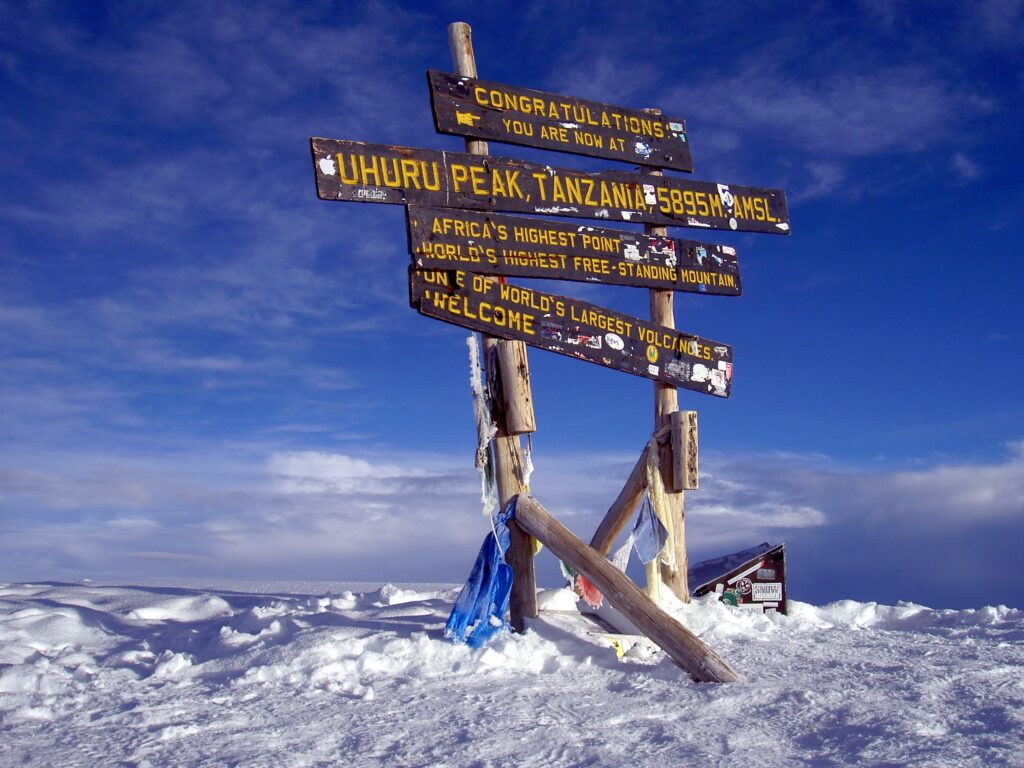
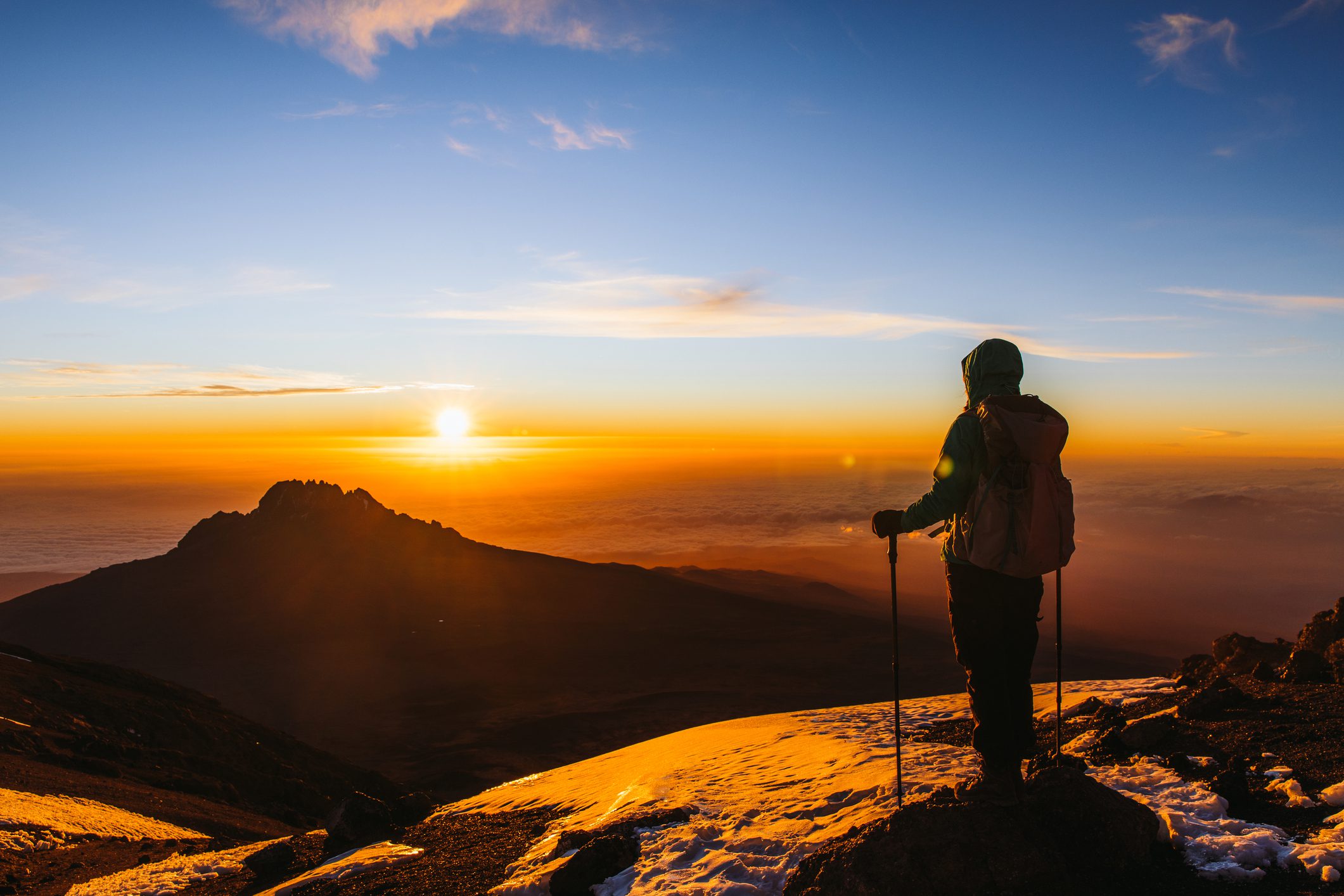
At Kilimanjaro’s summit zone, especially near Uhuru Peak, snow and ice surfaces reflect sunlight, intensifying UV exposure. This reflection effect can almost double the amount of UV radiation reaching your skin, making sunscreen even more important at higher elevations. Climbers often focus on cold-weather gear but underestimate the sunburn risk caused by reflective surfaces. This is a key reason why sunscreen for the Kilimanjaro climb is strongly recommended by professional guides. Without protection, exposed skin on the face, neck, and hands can burn quickly, even in freezing conditions. Applying high-SPF sunscreen regularly ensures better protection against both direct and reflected UV rays, improving comfort, safety, and endurance during the final summit push on this challenging African peak.
Preventing Severe Sunburn During Long Trekking Days
A typical Kilimanjaro climb lasts between 5 and 9 days, involving long hours of trekking under the sun. During this time, climbers are continuously exposed to UV radiation at varying altitudes. Without sunscreen, even short exposure can result in severe sunburn, blistering, and skin irritation. This can make the climb extremely uncomfortable and reduce physical performance. Sunburn also increases dehydration risk, which is already a major concern at high altitude. Using sunscreen daily helps maintain skin health and prevents painful burns that could force climbers to slow down or abandon the trek. For anyone planning a successful Kilimanjaro expedition, consistent sunscreen application is just as important as hydration, pacing, and proper acclimatization strategies.
Reducing Risk of Long-Term Skin Damage
One of the most overlooked risks of climbing Mount Kilimanjaro without sunscreen is long-term skin damage. Prolonged exposure to UV rays increases the risk of premature aging, dark spots, and even skin cancer. Because climbers spend multiple days at high altitude, cumulative UV exposure can be significant. Many travelers focus only on short-term discomfort like sunburn, but the long-term effects are equally important. Sunscreen acts as a protective barrier that reduces harmful radiation absorption by the skin. Dermatologists strongly recommend using SPF 30 or higher during high-altitude trekking in East Africa. Protecting your skin on Kilimanjaro is not just about comfort—it is about safeguarding your long-term health while enjoying one of the world’s greatest trekking adventures.
Weather Changes Do Not Reduce UV Risk
Kilimanjaro’s weather conditions change rapidly, ranging from hot rainforest zones to cold alpine deserts. However, even when temperatures drop or clouds appear, UV radiation remains strong. Many climbers mistakenly assume that cloudy weather means they are safe from sun exposure, but up to 80% of UV rays can still penetrate cloud cover. This makes sunscreen necessary regardless of visible sunshine. Whether trekking through the rainforest, moorland, or arctic summit zone, protection is required at every stage. Experienced guides always emphasize sunscreen as a non-negotiable item for Kilimanjaro safety. Weather unpredictability means climbers must stay prepared every day, ensuring consistent sun protection throughout the entire journey from base to summit.
Protecting Sensitive Facial Skin
The face is one of the most exposed and sensitive areas during a Kilimanjaro climb. Continuous exposure to wind, cold air, and UV radiation can cause dryness, cracking, and sunburn. Applying sunscreen helps protect facial skin from these harsh environmental conditions. Areas like the nose, cheeks, and lips are especially vulnerable because they receive direct sunlight throughout the trek. Many climbers also forget that reflection from snow at higher altitudes increases facial UV exposure. Using sunscreen alongside lip balm with SPF is essential for complete protection. Maintaining healthy facial skin ensures comfort and confidence throughout the climb, allowing trekkers to focus on reaching Uhuru Peak rather than dealing with painful sun damage or irritation.
Preventing Eye Area Damage and Skin Irritation
While sunglasses protect the eyes from UV rays, the surrounding skin remains highly exposed during the Kilimanjaro trek. The delicate skin around the eyes is prone to sunburn, wrinkles, and irritation caused by intense sunlight and wind. Sunscreen helps create a protective layer that reduces this damage. Climbers often experience redness or dryness in this area if no protection is applied. Combining sunscreen with UV-protective sunglasses provides complete facial defense. High-altitude environments amplify UV exposure, making eye-area protection even more important. Proper skincare during the climb not only improves comfort but also prevents long-term cosmetic damage. This is especially important for trekkers spending multiple days in open, high-altitude landscapes with minimal natural shade.
Enhancing Overall Trekking Comfort
Sunscreen does more than protect the skin—it significantly improves overall trekking comfort on Mount Kilimanjaro. Sunburned skin can cause pain, itching, and irritation, making it difficult to continue hiking. When climbers feel uncomfortable, their pace slows, and energy levels drop. This can affect acclimatization and summit success rates. By applying sunscreen regularly, trekkers maintain better physical comfort throughout the journey. Comfortable skin also helps maintain morale during long trekking days. Kilimanjaro is already physically demanding due to altitude changes and terrain variations, so avoiding unnecessary discomfort is crucial. Sunscreen is a simple yet powerful tool that contributes to a smoother, more enjoyable, and more successful climbing experience from the rainforest to the summit.
Supporting Better Hydration and Skin Health
Sun exposure increases the risk of dehydration because the body works harder to regulate temperature and repair skin damage. When skin becomes sunburned, it loses moisture faster, worsening dehydration at high altitude. This is particularly dangerous on Kilimanjaro, where hydration is already critical for acclimatization. Sunscreen helps prevent this chain reaction by protecting the skin barrier. Healthy skin retains moisture more effectively, supporting overall hydration levels. Climbers who use sunscreen consistently often experience fewer issues with dryness and fatigue. Combined with regular water intake, sunscreen plays an indirect but important role in maintaining physical performance. Proper skin care is therefore an essential part of high-altitude trekking preparation and overall mountain safety strategy.
Approach, feed or disturb wildlife, or leave the vehicle unless your guide says it is safe.
Follow your guide, carry travel insurance and check current health and travel advice.
Essential Part of Kilimanjaro Packing List
Any professional Kilimanjaro packing list includes sunscreen as a must-have item alongside warm clothing, hiking boots, and sleeping gear. Many first-time climbers underestimate its importance and focus only on cold-weather protection. However, Kilimanjaro’s multi-zone environment requires preparation for both heat and cold conditions. Sunscreen ensures protection in all ecological zones, from rainforest to alpine desert. Tour operators and guides consistently recommend bringing high-SPF, water-resistant sunscreen for daily use. Without it, climbers risk discomfort and health issues that can affect the entire expedition. Packing the right sunscreen is just as important as choosing the right trekking gear. It ensures climbers are fully prepared for all environmental conditions encountered during the ascent.
Professional Guides Always Recommend It
Experienced Kilimanjaro guides strongly advise all climbers to use sunscreen daily. These professionals understand the mountain’s changing conditions and the hidden dangers of UV exposure at altitude. Many guided trekking companies include sunscreen reminders in their pre-climb briefings. Guides have seen firsthand how sunburn can affect climbers’ performance and summit success rates. Their recommendations are based on years of mountain experience and safety management. Following expert advice ensures a safer and more enjoyable climb. Sunscreen is not just a personal choice but a professional safety recommendation. Trusting experienced guides and their advice significantly increases the chances of a successful Kilimanjaro summit while minimizing preventable health risks during the expedition.
Important for All Climbing Routes
Whether you choose the Machame, Marangu, Lemosho, Rongai, or Northern Circuit route, sunscreen is essential on every Kilimanjaro path. Each route exposes climbers to different environments, but all include sections with strong UV exposure. Some routes pass through open moorlands and alpine deserts where sun intensity is particularly high. Regardless of route duration or difficulty, sunscreen remains a constant requirement. Many climbers focus on choosing the best Kilimanjaro route, but forget to prepare for sun protection across all terrain types. No matter the path taken, UV exposure is unavoidable. Therefore, sunscreen should always be included in every climber’s gear, ensuring consistent protection from base camp to summit across all trekking routes.
Helps Prevent Trekking Interruptions
Sunburn or skin irritation can force climbers to slow down, rest frequently, or, in severe cases, stop climbing temporarily. This disrupts the trekking schedule and can reduce the chances of reaching the summit. On multi-day expeditions, maintaining steady progress is essential for acclimatization and success. Sunscreen helps prevent these interruptions by keeping skin healthy and protected throughout the climb. Avoiding sun-related injuries ensures climbers stay on schedule and maintain group pacing. This is especially important on guided tours where timing is carefully planned. Simple sunscreen application can therefore play a major role in ensuring a smooth, uninterrupted Kilimanjaro trekking experience from start to finish.
Small Item, Big Impact on Safety
Sunscreen may seem like a small item compared to heavy trekking gear, but its impact on safety is significant. It protects against UV damage, supports hydration, improves comfort, and enhances overall climbing performance. Many climbers only realize its importance after experiencing sunburn on the mountain. Including sunscreen in your Kilimanjaro preparation checklist is a simple step that prevents avoidable problems. In high-altitude environments like Kilimanjaro, small decisions often determine success or failure. Sunscreen is one of those small but powerful essentials that can greatly improve your trekking experience. It is lightweight, easy to carry, and highly effective, making it one of the most valuable items in your entire climbing kit.
Final Thought
Bringing sunscreen when climbing Mount Kilimanjaro is not optional—it is essential for safety, comfort, and summit success. The combination of high altitude, equatorial sunlight, and reflective surfaces makes UV exposure extremely strong throughout the trek. Without proper protection, climbers risk sunburn, dehydration, fatigue, and long-term skin damage. Sunscreen supports overall trekking health and ensures a smoother journey across all Kilimanjaro routes. Whether you are a beginner or an experienced trekker, this small item plays a major role in your expedition's success. Proper preparation, including sunscreen, helps you fully enjoy the adventure and safely reach Uhuru Peak, the highest point in Africa.
Why Should I Bring Sunscreen When Climbing Mount Kilimanjaro?: FAQs
Do I really need sunscreen on Kilimanjaro even if it is cold?
Yes, sunscreen is absolutely essential on Mount Kilimanjaro even when temperatures are cold or freezing. Many climbers wrongly assume that cold weather means low sun risk, but at high altitude the UV radiation is significantly stronger. Kilimanjaro rises above 5,895 meters, and for every 1,000 meters you climb, UV exposure increases dramatically. This means your skin can burn much faster than at sea level.
What SPF sunscreen is best for climbing Kilimanjaro?
For climbing Mount Kilimanjaro, the best sunscreen is a broad-spectrum SPF 30 to SPF 50+ sunscreen designed for high-altitude trekking and extreme UV protection. SPF 50 is strongly recommended because UV radiation is much stronger near the equator and increases with altitude. A water-resistant, sweat-resistant formula is essential since climbers often sweat during long hiking hours and changing weather conditions.
How often should I apply sunscreen on Kilimanjaro?
On Mount Kilimanjaro, sunscreen should be applied frequently and consistently throughout the day, typically every 2 to 3 hours. Due to strong UV exposure at high altitude and heavy sweating during trekking, sunscreen can wear off quickly, reducing its effectiveness. It is also important to reapply immediately after wiping sweat, using a towel, or resting for long periods outdoors. Climbers often underestimate how fast sun protection breaks down in extreme mountain environments.
Can I get sunburned on cloudy days on Kilimanjaro?
Yes, you can easily get sunburned on cloudy days while climbing Mount Kilimanjaro. Clouds do not block all ultraviolet rays; in fact, up to 80% of UV radiation can still penetrate cloud cover. At high altitude, UV exposure remains intense even when the sky looks overcast or foggy. Many climbers mistakenly skip sunscreen on cloudy days and end up with severe sunburn without realizing it.
Where on my body should I apply sunscreen during the climb?
During a Kilimanjaro climb, sunscreen should be applied to all exposed skin areas to ensure full UV protection. The most important areas include your face, nose, ears, neck, and lips (using SPF lip balm). Your hands and forearms are also highly exposed while trekking for long hours, especially when using trekking poles. If you are wearing shorts or lighter clothing, your legs should also be protected.
Is sunscreen necessary at night on Kilimanjaro?
No, sunscreen is not necessary at night on Mount Kilimanjaro because there is no UV radiation from the sun after sunset. However, it is still important to apply sunscreen early in the morning before sunrise if you start your summit push during pre-dawn hours, which is very common on Kilimanjaro expeditions. Many climbers begin summit attempts around midnight or early morning to reach Uhuru Peak at sunrise.
What happens if I don’t use sunscreen on Kilimanjaro?
If you do not use sunscreen on Mount Kilimanjaro, you are highly likely to experience severe sunburn, skin irritation, and long-term skin damage. At high altitude, UV radiation is extremely strong and can burn unprotected skin in a short time, even during cloudy or cold weather. Common effects include painful redness, blistering, peeling skin, and dehydration-related discomfort.
Can I use regular sunscreen from home for Kilimanjaro?
Yes, you can use regular sunscreen from home for Kilimanjaro as long as it meets high-altitude protection standards. The most important requirement is that it should be broad-spectrum, protecting against both UVA and UVB rays, with SPF 30 or higher—preferably SPF 50. However, not all regular sunscreens are ideal for mountain conditions. Many low-quality or cosmetic sunscreens are not sweat-resistant and may wear off quickly during long hikes.
Does sunscreen help with altitude sickness on Mount Kilimanjaro?
Sunscreen does not directly prevent altitude sickness, but it plays an important supportive role in overall mountain health during Kilimanjaro climbing. Altitude sickness is caused by reduced oxygen levels, not sun exposure. However, protecting your skin from intense UV radiation helps reduce physical stress on the body. Severe sunburn can weaken your energy, increase dehydration, and make altitude symptoms feel worse.
Should I combine sunscreen with other sun protection on Mount Kilimanjaro?
Yes, sunscreen should always be combined with other sun protection methods for maximum safety on Mount Kilimanjaro. Relying on sunscreen alone is not enough at high altitude due to intense UV radiation and long trekking hours. You should also wear a wide-brim hat or cap, UV-protection sunglasses, and long-sleeved clothing made from lightweight but protective fabric. Buffs or neck gaiters can help protect sensitive areas like the neck and face.
Climb Kilimanjaro With Confidence
Tell us your dates and fitness, and our experienced mountain team will plan a safe, well-acclimatized private climb.