Why Lemosho Route is the Best Way to Climb Kilimanjaro
Why Lemosho Route is the Best Way to Climb Kilimanjaro
Climbing Mount Kilimanjaro is not just about reaching the summit — it’s about how you experience the journey. Among all the established trails that wind their way toward the Roof of Africa, many seasoned guides and trekkers agree that the Lemosho Route offers the most complete, scenic, and successful path to Uhuru Peak. If you are planning your Kilimanjaro adventure, here’s why this route consistently stands out as the best way to climb Africa’s highest mountain.
The Lemosho Route is widely regarded as the best way to climb Mount Kilimanjaro, offering the perfect balance of scenic beauty, high summit success rates, and excellent acclimatization. Beginning on the lush western slopes, it crosses rainforest, moorland, and alpine desert before joining the Machame Route. Its longer itinerary allows gradual altitude adjustment, increasing your chances of reaching Uhuru Peak safely. Fewer crowds in the early stages create a more peaceful trekking experience. With breathtaking views and diverse landscapes, the Lemosho Route delivers a rewarding, well-paced, and unforgettable Kilimanjaro adventure.
The Lemosho Route Success Rate Is Higher
The Lemosho Route is widely regarded as the most successful way to reach the summit of Mount Kilimanjaro. One of the key reasons is its longer itinerary, typically seven to eight days, which allows climbers to acclimatize gradually. Proper acclimatization is essential on Africa’s highest peak, as it significantly reduces the risk of altitude sickness and increases the likelihood of reaching Uhuru Peak.
Unlike shorter routes that ascend rapidly, Lemosho follows the “climb high, sleep low” principle. Trekkers gain elevation slowly and spend more time adjusting to thinner air. This careful pacing makes a remarkable difference, especially above 4,000 meters. Guides often report that clients on Lemosho appear stronger and more confident during summit night compared to those on faster routes. For many climbers, standing at the Roof of Africa is a once-in-a-lifetime dream. Choosing a route with a higher summit success rate provides reassurance, better safety margins, and a far more enjoyable overall experience on Kilimanjaro.
The Most Scenic Route on Kilimanjaro
Many seasoned guides describe Lemosho as the most beautiful path up Kilimanjaro. From the very first day, trekkers are immersed in lush rainforest teeming with ancient trees draped in moss. As you ascend, the landscape transforms dramatically, revealing sweeping moorlands, alpine deserts, and distant volcanic peaks.
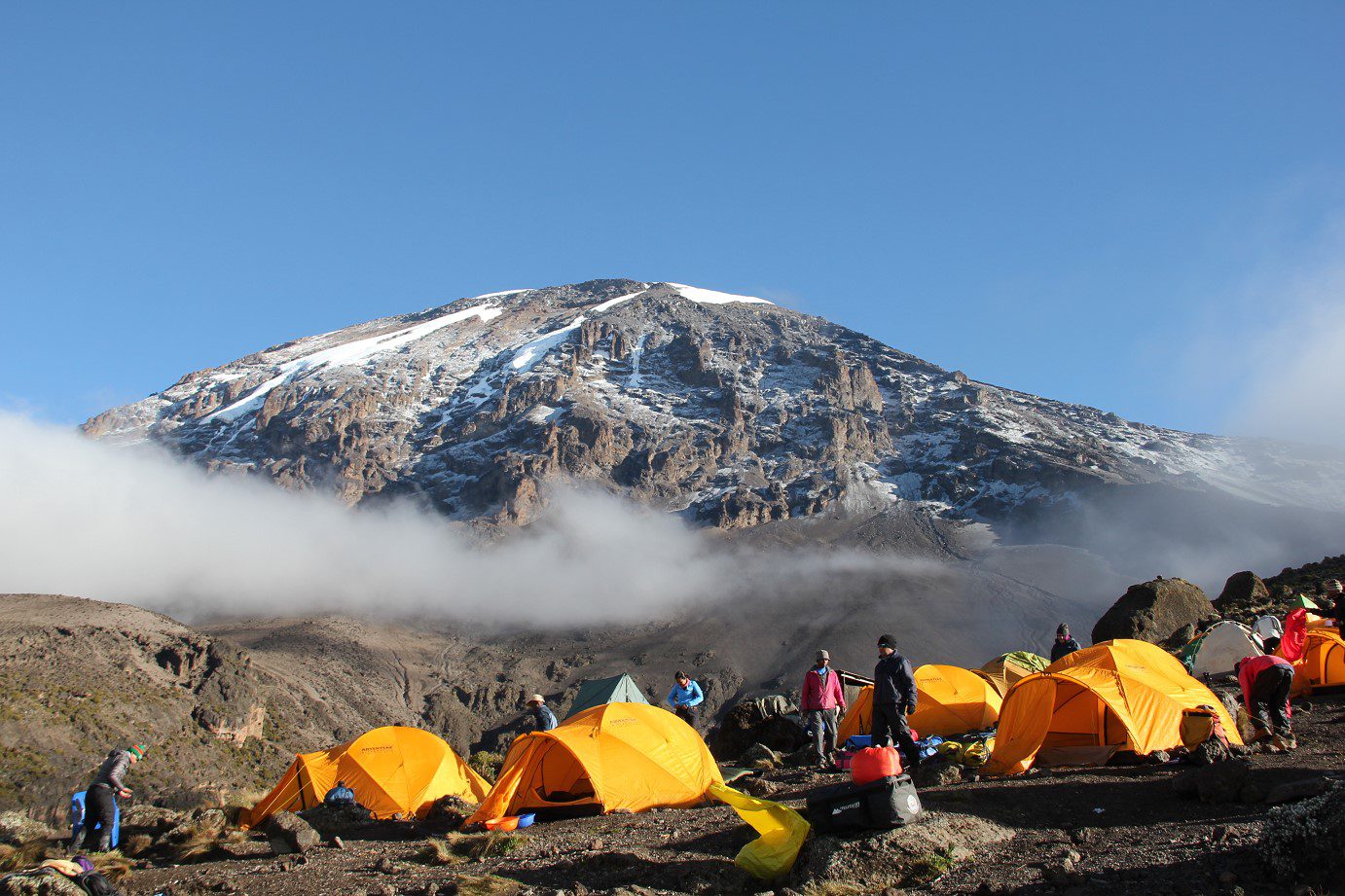
One of the route’s greatest highlights is the panoramic perspective it offers. Wide-open views stretch across the Shira Plateau and beyond, while the towering Kibo summit gradually comes into full view. At sunrise and sunset, the mountain glows in golden light, creating unforgettable photographic moments.
Unlike routes that follow narrow valleys for long stretches, Lemosho offers expansive vistas almost daily. The changing ecosystems feel like a journey across continents within a single trek. This scenic diversity not only enhances the adventure but also keeps morale high. Climbers are constantly rewarded with breathtaking scenery, making every step toward the summit visually inspiring and emotionally uplifting.
Enjoy A Less Crowded, Quieter Trail
One of the greatest advantages of Lemosho is its peaceful atmosphere, especially during the first few days. While some routes funnel large numbers of trekkers along the same narrow paths, Lemosho begins on the remote western side of the mountain, where foot traffic is lighter. This quieter start allows climbers to connect more deeply with nature. The forest feels undisturbed, birdsong echoes through the trees, and there is a genuine sense of wilderness. For many, this solitude creates a more personal and reflective journey.
Although the trail eventually merges with other routes near the Lava Tower area, the earlier days provide a calm and spacious trekking experience. Campsites are often less congested, offering more room to relax and enjoy the mountain environment. For climbers seeking not just a summit, but a meaningful adventure, Lemosho delivers a sense of tranquility that enhances both the physical and emotional aspects of climbing Kilimanjaro.
A Great Option for First-Time Trekkers
For those attempting Kilimanjaro for the first time, Lemosho is an excellent choice. Its gradual ascent profile gives beginners the best possible chance to adapt to altitude while building confidence each day. The route is well-structured and supported by experienced guides and porters, ensuring safety and comfort throughout the journey. Daily hiking distances are manageable, and camps are strategically placed to support proper acclimatization.
First-time trekkers often feel nervous about high altitude and summit night. Lemosho’s steady progression helps reduce anxiety, as the body and mind have time to adjust. By the time climbers approach Uhuru Peak, they are physically prepared and mentally strong. Rather than rushing the experience, Lemosho encourages trekkers to savor every moment — from rainforest trails to alpine landscapes. For beginners seeking both safety and inspiration, this route provides the ideal balance of challenge and support.
Cross the Unique Shira Plateau
One of Lemosho’s defining features is its traverse across the remarkable Shira Plateau. This vast, high-altitude expanse was formed by volcanic activity and offers some of the most dramatic scenery on the mountain. Walking across the plateau feels surreal. The land stretches endlessly beneath wide African skies, with Kibo’s summit rising in the distance. The terrain is open and windswept, dotted with heather, everlasting flowers and other hardy alpine plants adapted to the harsh environment.
Unlike steeper, more direct ascents, the plateau crossing allows climbers to gain altitude gently while enjoying spectacular panoramic views. It is also an excellent acclimatization phase, as trekkers spend time at higher elevations without pushing too aggressively upward. The Shira Plateau is not just a scenic highlight; it is a strategic and memorable part of why Lemosho stands out among Kilimanjaro’s routes.
Diverse Campsites and Terrain Add Variety
Lemosho offers a wide variety of campsites and landscapes, keeping each day distinct and engaging. Trekkers move from rainforest camps surrounded by tall trees to open moorland sites with expansive views. Higher up, camps sit in stark alpine desert settings beneath star-filled skies. This diversity adds depth to the climbing experience. Each campsite feels like a new chapter, with different temperatures, terrain, and scenery. The progression of ecosystems creates a powerful sense of achievement as you rise through changing climates. Variety also plays an important psychological role. Rather than feeling repetitive, the trek feels dynamic and adventurous. Climbers remain curious about what lies ahead. From forest floors to rocky ridges and glacier views near the summit, Lemosho provides an ever-changing environment that enhances both the physical challenge and the sense of exploration on Africa’s tallest mountain.
Wildlife Encounters Along the Way
Why the Lemosho Route is the Best Way to Climb Kilimanjaro? Because Lemosho begins in a remote rainforest zone, trekkers sometimes encounter wildlife rarely seen on other routes. Colobus monkeys swing through the trees, and colorful birds move between branches in the canopy above. The lower slopes of Kilimanjaro are part of a protected ecosystem where wildlife still thrives. Early in the trek, climbers may hear distant rustling or spot small forest animals along the path. These moments add a safari-like element to the adventure. As the route ascends, wildlife becomes less common due to altitude, but the early days offer a unique blend of trekking and nature observation. This combination enhances the sense of wilderness and sets Lemosho apart. For many climbers, witnessing wildlife in the shadow of Mount Kilimanjaro adds an unexpected and memorable dimension to their journey toward the summit.
Ideal for Most Fitness Levels
Why the Lemosho Route is the Best Way to Climb Kilimanjaro? Lemosho is suitable for a wide range of fitness levels, provided climbers prepare properly. The route does not require technical climbing skills, only steady endurance and determination. Its gradual ascent allows the body to adapt naturally, reducing physical strain compared to steeper routes. Daily trekking hours are reasonable, and the pacing supports both strong hikers and those with moderate fitness. With adequate training, such as regular hiking or cardio workouts, most healthy individuals can complete the climb. Because the route balances challenge with acclimatization, it accommodates a diverse range of age groups and experience levels. Climbers are encouraged to walk slowly — “pole pole,” as guides say — conserving energy for summit night. For those seeking the best combination of safety, scenery, and summit success on Mount Kilimanjaro, Lemosho consistently stands out as the ideal choice.
Why is the Lemosho Route considered the best route on Kilimanjaro?
The Lemosho Route on Mount Kilimanjaro is widely considered the best route for its high summit success rate, stunning scenery, and excellent acclimatization profile. Approaching from the western side, it offers fewer crowds, diverse landscapes, and a gradual climb that increases your chances of reaching Uhuru Peak safely. Trekkers cross lush rainforest, the dramatic Shira Plateau, and alpine desert before joining the Machame Route. With 7–8 days recommended, Lemosho provides the perfect balance of beauty, challenge, and altitude adjustment—making it the top choice for climbers seeking a safe, scenic, and rewarding Kilimanjaro experience.
What makes the Lemosho Route more successful than other routes?
The Lemosho Route on Mount Kilimanjaro is widely considered the most successful path to the summit due to its excellent acclimatization profile and gradual ascent. Unlike shorter routes, Lemosho begins on the quiet western side, allowing climbers more time to adjust to altitude. Its longer itinerary significantly increases summit success rates while reducing the risk of altitude sickness. The route also offers diverse scenery—from lush rainforest to the dramatic Shira Plateau—making the journey both scenic and strategic. With higher success rates and fewer crowds at the start, Lemosho stands out as a top choice for serious trekkers.
Is the Lemosho Route scenic?
Yes, the Lemosho Route is widely considered the most scenic trail on Mount Kilimanjaro. Beginning on the lush western slopes, it crosses rainforest, heath, moorland, alpine desert, and dramatic volcanic landscapes. Climbers enjoy sweeping views of the Shira Plateau, distant glaciers, and breathtaking sunrises above the clouds. The route’s gradual ascent also enhances acclimatization, making it both beautiful and highly successful. If you’re seeking stunning scenery, diverse ecosystems and quieter trails, the Lemosho Route offers one of the most picturesque Kilimanjaro climbing experiences.
Is the Lemosho Route good for beginners?
Yes, the Lemosho Route is one of the best choices for beginners climbing Mount Kilimanjaro. Known for its gradual ascent, excellent acclimatization profile, and high summit success rate, Lemosho gives first-time trekkers a safer and more comfortable experience. The route starts on the western side of the mountain, offering fewer crowds, diverse landscapes, and breathtaking scenery. With 7–8 days recommended for proper altitude adjustment, beginners have a better chance of reaching Uhuru Peak confidently. If you want a scenic, less rushed, and beginner-friendly Kilimanjaro climb, the Lemosho Route is a top choice.
How long does the Lemosho Route take?
The Lemosho Route on Mount Kilimanjaro typically takes 7 to 8 days to complete, making it one of the best options for acclimatization and summit success. Most climbers choose the 8-day itinerary for a slower ascent and higher chances of reaching Uhuru Peak comfortably. The extra days allow your body to adjust to altitude gradually, reducing the risk of altitude sickness. Starting on the western side of the mountain, the Lemosho Route offers scenic rainforest and dramatic Shira Plateau views, and a quieter trail experience before joining other routes near the summit.
Is the Lemosho Route crowded?
The Lemosho Route on Mount Kilimanjaro is celebrated for its scenic beauty and higher success rates due to excellent acclimatization. Unlike the popular Marangu or Machame Routes, Lemosho starts from the western side of the mountain, offering a quieter, more remote experience. While it attracts trekkers seeking a longer and less crowded climb, it is not empty—peak months (June–October, December–February) see more groups. Overall, it remains one of the least crowded Kilimanjaro routes, providing a serene trekking experience through lush forests, moorlands and spectacular vistas, which makes it ideal for hikers wanting both adventure and tranquility.
Is the Lemosho Route more expensive?
The Lemosho Route on Mount Kilimanjaro is often considered one of the most scenic and rewarding paths, but it can be more expensive than other routes like Machame or Marangu. Its higher cost comes from longer trekking days, extended park fees, and the need for extra guides and porters to support a safer and more gradual ascent. This route offers superior acclimatization, fewer crowds, and breathtaking landscapes, making it ideal for hikers seeking a premium climbing experience. While the price may be higher, many climbers find the investment worthwhile for increased summit success and a more memorable Kilimanjaro adventure.
What is the success rate of the Lemosho Route?
The Lemosho Route on Mount Kilimanjaro is renowned for its high success rate, often considered the best choice for climbers aiming to reach the summit. With its gradual ascent and longer trekking days, it allows excellent acclimatization, reducing the risk of altitude sickness. Most guides report a success rate of 85–95%, higher than many other routes. Starting from the lush western forests, climbers enjoy scenic landscapes while steadily gaining elevation. The combination of beautiful scenery, moderate difficulty, and strategic camping points makes Lemosho ideal for first-time climbers and experienced adventurers alike who want a safe, rewarding Kilimanjaro experience.
What wildlife can you see on the Lemosho Route?
The Lemosho Route on Mount Kilimanjaro offers more than breathtaking landscapes—it’s a chance to spot fascinating wildlife along the way. As you trek through the lush rainforest, keep an eye out for colobus monkeys swinging through the trees and playful blue monkeys nearby. Bird enthusiasts can enjoy sightings of sunbirds, turacos, and hornbills. On the moorlands, you may encounter bushbucks and small antelope grazing quietly. Even giant millipedes and chameleons add to the trail’s vibrant wildlife. Each stage of the Lemosho Route immerses climbers in nature, making your Kilimanjaro adventure a memorable combination of high-altitude trekking and wildlife encounters.
Who should choose the Lemosho Route?
The Lemosho Route on Mount Kilimanjaro is ideal for adventurous climbers seeking a longer, scenic ascent with higher summit success rates. Perfect for first-time climbers who want ample time to acclimatize, as well as experienced trekkers aiming for a less crowded, wilderness experience. Its lush rainforest, diverse landscapes, and gradual climb appeal to nature lovers and photographers. It is ideal for families, honeymooners, solo travelers, and adventure seekers who want the best balance of scenery, safety, and summit success on Kilimanjaro. With multiple campsites and a 7–9-day itinerary, it’s suited for those prioritizing comfort, safety, and panoramic views. Choose Lemosho if you want a peaceful, immersive Kilimanjaro journey that balances challenge, adventure, and unforgettable natural beauty.
Lemosho Route vs Other Kilimanjaro Routes
The Lemosho Route on Mount Kilimanjaro offers unmatched scenic beauty, higher success rates, and a quieter, less crowded experience compared to Machame, Marangu, Rongai, or Umbwe routes. Stretching 7–8 days, it provides gradual acclimatization, breathtaking rainforest views, Shira Plateau panoramas, and diverse wildlife encounters. Ideal for photographers and adventure seekers, it balances challenge with comfort, making it perfect for first-timers and seasoned climbers alike seeking a higher summit success. Experience Kilimanjaro’s wilderness like never before.
Lemosho vs Northern Circuit
Choosing between the Lemosho Route and the Northern Circuit Route for Kilimanjaro climbs? Lemosho offers a scenic, less crowded ascent with higher summit success due to gradual acclimatization, while Northern Circuit is the longest route, circling the mountain for unmatched panoramic views and solitude. Both routes pass through lush forests, moorlands, and alpine deserts, offering diverse wildlife sightings and breathtaking landscapes. Ideal for adventure seekers, photographers, and trekkers wanting a memorable, high-altitude Kilimanjaro experience.
Lemosho vs Rongai
The Lemosho vs Rongai routes offer unique Kilimanjaro climbing experiences. Lemosho is scenic, longer, and ideal for acclimatization with lush forests and stunning vistas. Rongai is drier, less crowded, and approaches from the north, offering a quieter, more gradual ascent. Lemosho suits adventure seekers and first-time climbers aiming for higher summit success, while Rongai appeals to those preferring a peaceful trek with fewer tourists. Both routes provide unforgettable Kilimanjaro experiences and spectacular photo opportunities.
Lemosho vs Machame
Lemosho vs Machame Route on Kilimanjaro offers unique climbing experiences. Lemosho is ideal for longer acclimatization, scenic forest trails, and higher summit success, perfect for first-timers. Machame, known as the “Whiskey Route,” is steeper, shorter, and more challenging, favored by adventurous climbers seeking fast-paced ascents. Both routes traverse stunning landscapes, from lush rainforest to alpine desert, culminating at Uhuru Peak. Choosing depends on fitness, time, and acclimatization needs, ensuring an unforgettable Kilimanjaro summit adventure.
Final Thoughts
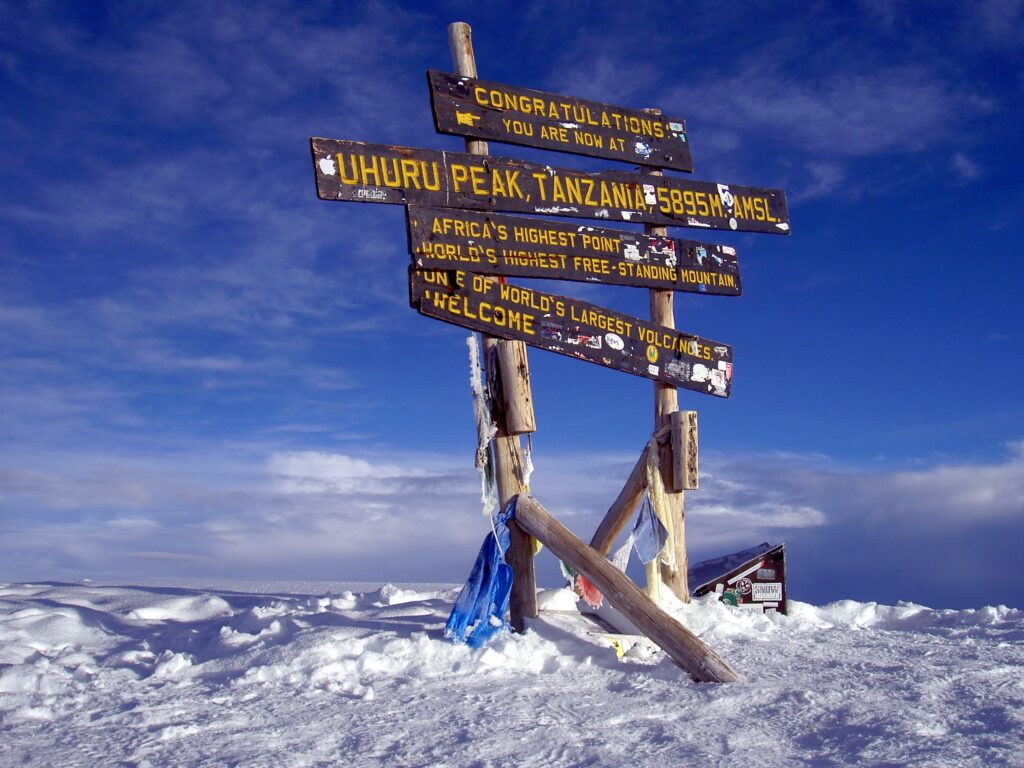
Choosing how to climb Mount Kilimanjaro is a deeply personal decision. But if your goal is a balanced, scenic, high-success journey with excellent acclimatization and fewer early crowds, Lemosho stands above the rest. It is not simply a trail to the summit — it is a complete mountain story. From rainforest wildlife to the windswept Shira Plateau, from the dramatic Barranco Wall to the icy summit sunrise at Uhuru Peak, the Lemosho Route delivers the full Kilimanjaro experience. And for many trekkers, that is exactly what makes it the best way to climb Africa’s highest mountain.
Why Lemosho Route is the Best Way to Climb Kilimanjaro: FAQs
Which Is The Hardest Kilimanjaro Route?
The hardest way up Kilimanjaro is widely considered to be the Western Breach, a steep variation reached via the Lemosho, Machame or Shira routes. It involves steep scrambling, high-altitude exposure and rockfall risk, so it demands excellent fitness, scrambling confidence and careful acclimatization, and relatively few operators use it today. It offers dramatic scenery, including rugged cliffs and glacier views, but carries a higher risk of altitude sickness.
Which Kilimanjaro Route Is The Easiest?
The easiest Kilimanjaro route is widely considered the Marangu Route, also called the “Coca-Cola Route.” It features gradual inclines, well-marked paths, and comfortable hut accommodations, making it ideal for first-time climbers. Its 5–6 day itinerary is relatively short, so adding an extra acclimatization day is recommended for better summit success.
What Is The Most Beautiful Route To Climb Kilimanjaro?
The most beautiful route to climb Mount Kilimanjaro is the Lemosho Route, famed for its stunning scenery and high success rate. Winding through lush rainforest, rolling moorlands, and dramatic Shira Plateau, it offers panoramic views of glaciers, valleys, and wildlife. Longer than most routes, it allows better acclimatization and breathtaking sunrise vistas from the summit.
Which Kilimanjaro Route Has The Highest Success Rate?
The Lemosho Route on Mount Kilimanjaro boasts one of the highest success rates for climbers, alongside the Northern Circuit, thanks to its gradual ascent, scenic landscapes, and extended acclimatization days. Starting on the western slopes, it offers 7–8 days to summit, reducing altitude sickness risks.
What Is The Difference Between The Marangu Route And The Machame Route?
The Marangu Route and Machame Route on Mount Kilimanjaro offer distinct experiences. Marangu, known as the “Coca-Cola Route,” is the only path with hut accommodations and a gentler, direct ascent, ideal for beginners. Machame, the “Whiskey Route,” is longer, more challenging, and scenic, featuring diverse landscapes and higher success rates due to gradual acclimatization.
How can I avoid altitude sickness on Kilimanjaro?
Choose a longer itinerary, walk slowly or pole pole, drink plenty of water, eat well and follow the climb-high, sleep-low principle. Tell your guide immediately about headaches, nausea or dizziness. Consult a doctor before your trip about altitude medication, and remember that descending is the most effective treatment if symptoms worsen.
What should I pack for Kilimanjaro?
Pack layered clothing, a warm down jacket, waterproof jacket and trousers, broken-in hiking boots, warm gloves, a hat, a sleeping bag rated for sub-zero nights, a headlamp and trekking poles. Add sunscreen, sunglasses, water bottles, snacks and personal medication. Porters carry your main bag, so keep your daypack light.
Is there a minimum age to climb Kilimanjaro?
Kilimanjaro National Park generally requires climbers to be at least ten years old to attempt the summit, and there is no strict upper age limit. Every climber should be in good health and fitness. Older trekkers and anyone with medical conditions should consult a healthcare professional before booking and choose a longer, gradual route.
Climb Kilimanjaro With Confidence
Tell us your dates and fitness, and our experienced mountain team will plan a safe, well-acclimatized private climb.