Where to Go in Africa on a Photographic Safari
Where to Go in Africa on a Photographic Safari at a Glance
Africa: the very name vibrates with the promise of raw beauty, dramatic landscapes, and an untamed wild that stirs the soul. For photographers, it’s not just a destination; it’s the ultimate canvas, a crucible of light, life, and unforgettable moments waiting to be captured through the lens. But with a continent so vast and diverse, the question inevitably arises: "Where do I go to truly capture the magic of an African safari?" While the continent boasts countless incredible photographic hotspots, this guide will focus on a country that consistently delivers unparalleled visual returns: Tanzania. From its iconic northern plains to its remote southern wildernesses and unique cultural landscapes, Tanzania offers a spectrum of environments tailored for every photographic ambition, ensuring your journey yields a portfolio brimming with impactful images.
Serengeti
Migration, river crossings and big cats.
Ngorongoro Crater
Black rhinos and dense wildlife.
Ruaha
Lions, leopards and wild dogs.
Tarangire
Elephants framed by baobabs.
Arusha National Park
Mount Meru backdrops and colobus monkeys.
Mount Kilimanjaro
Summit sunrise and changing zones.
Lake Natron
Flamingos and a volcano backdrop.
Lake Manyara
Flamingos, pelicans and storks.
Lake Eyasi
Hadzabe and Datoga portraits.
The Photographic Safari Mindset: Beyond the Snapshot
A photographic safari is a specialized pursuit. It demands more than just pointing and shooting. To truly capture the essence of Africa, cultivate these principles:
Photographic Safari Tips
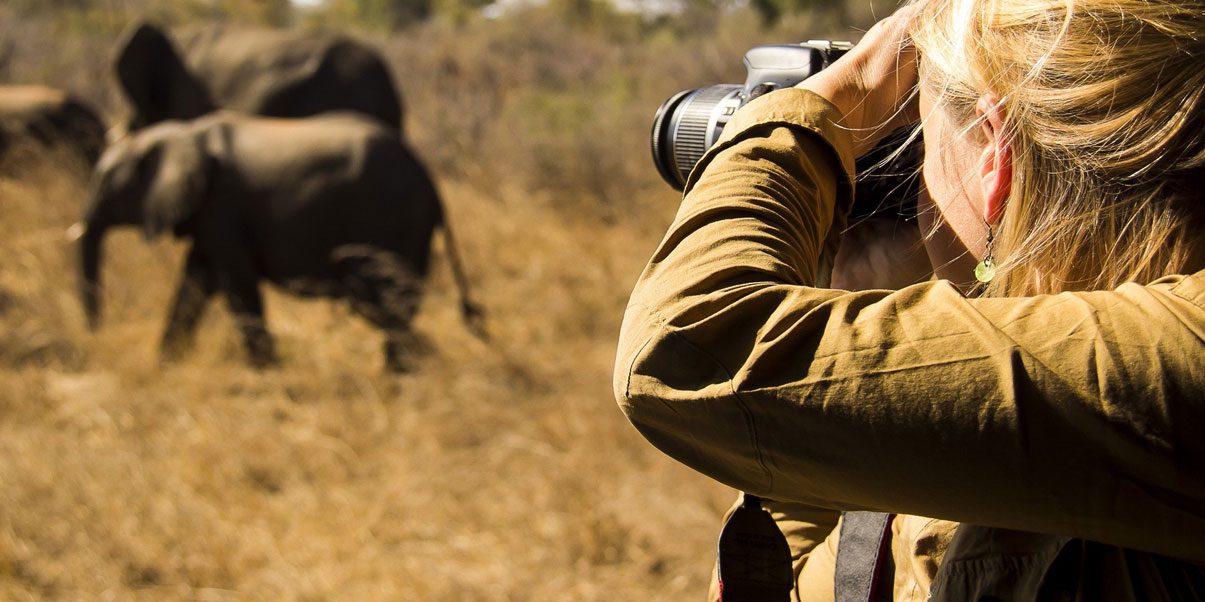
On a photographic safari, master the light. Use the golden hours of early morning and late afternoon for soft, warm light, use harsh midday light for dramatic contrast, or move into shade for softer portraits. Wildlife rarely poses, so observe behavior and anticipate the decisive moment. Think about composition, including leading lines, the rule of thirds, negative space and framing. Practice ethical photography by keeping a respectful distance, avoiding noise and following your guide. Protect your gear from dust, heat and moisture, carry spare batteries and memory cards, and use a beanbag to steady long lenses from the vehicle.
Serengeti National Park: The Grand Epic
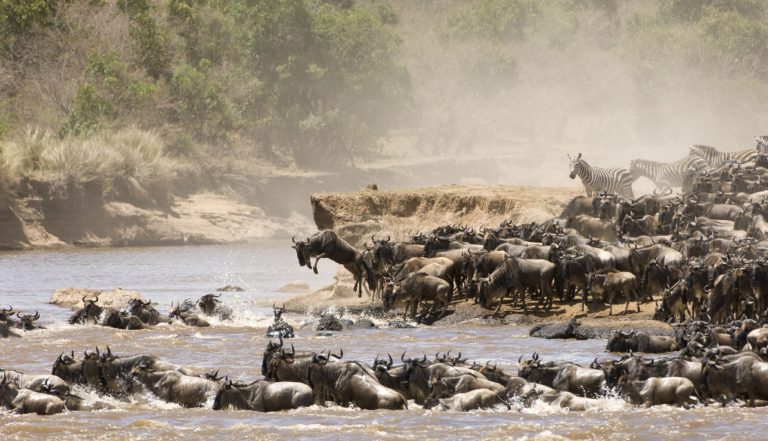
The Serengeti. The very name evokes grandeur. As the stage for the Great Wildebeest Migration, it offers a dynamic, ever-changing photographic feast that is unparalleled. The photographic essence: This is where you come for epic scale. Wide-angle shots of vast plains teeming with herds. Telephoto close-ups of raw predator action. The iconic drama of river crossings. The Serengeti offers a complete narrative of life and survival in the wild.
The Migration. (Seasonal) Focus on capturing the sheer numbers, the dust kicked up by millions of hooves, and the dramatic river crossings (Mara River in the north, Grumeti in the west). Anticipate crossing points and set up early. Big Cats. The open plains and scattered kopjes (rocky outcrops) make for excellent lion, leopard, and cheetah sightings. Look for leopards draped over acacia branches (Seronera Valley is famous for this). Cheetahs on their hunting stalks on the open plains are highly photogenic. Landscapes. Utilize the vast, flat horizon for sweeping panoramas. Frame animals against dramatic sunsets or sunrises. The unique shapes of kopjes make for interesting compositions.
A reliable, fast-focusing telephoto lens (e.g., 100-400mm or 150-600mm) is a must. Don't forget a wide-angle for those expansive landscapes.
Invest in dust covers for your camera and lenses, and carry a good blower brush.
Tarangire National Park: Baobabs & Elephant Majesty
Tarangire is a park of singular character, dominated by its ancient, sculptural baobab trees and a reputation for immense elephant herds, particularly in the dry season. The photographic essence: Tarangire offers a more intimate and artistic landscape. The baobabs provide unique natural frames and silhouettes. The park's elephant population provides endless opportunities for capturing family dynamics, playful interactions, and magnificent portraits against the backdrop of these iconic trees.
Elephants & Baobabs. Focus on compositions where elephants are dwarfed by or framed by baobabs. Capture the textures of their skin against the gnarled bark. Look for behavior shots (dust bathing, drinking). Riverine Life. During the dry season, animals congregate along the Tarangire River. This is excellent for capturing interactions and reflections. Unique Activities. Seek out lodges that offer walking safaris or night drives in private concessions. Walking safaris provide a low-angle perspective, allowing for more intimate shots of smaller details and animal tracks. Night drives open up a whole new world of nocturnal photography (requires higher ISO capabilities and often a spotlight provided by the guide).
Experiment with different lenses – a wide-angle for baobab landscapes, and a telephoto for elephant portraits.
Be ready for dust; use lens hoods and protective filters.
Lake Manyara National Park: Green Oasis & Unique Behaviors
Nestled at the base of the Great Rift Valley escarpment, Lake Manyara offers a verdant contrast to the open plains, known for its diverse habitats and unique wildlife behaviors. The photographic essence: This park challenges you to find beauty in dense foliage. It's famous for its tree-climbing lions (though sightings require luck!), providing a rare photographic prize. The lush groundwater forest and abundant birdlife offer distinct visual narratives.
Tree-Climbing Lions. This is the Holy Grail here. Keep your eyes peeled up in the acacia trees. Patience is paramount. Primates. Large troops of baboons and blue monkeys offer dynamic, engaging subjects in the forest. Capture their interactions and expressions. Birdlife. The soda lake often teems with thousands of flamingos (seasonal), pelicans, and storks. A polarizing filter can reduce glare on the water. Walking Safaris/Canoeing. Some lodges offer these (seasonal/dependent on water levels). Canoeing provides unique, stable platforms for waterside bird and hippo photography.
Be prepared for varied light conditions, from bright sun on the lake to dappled light in the forest.
A longer telephoto for distant birds, and a versatile zoom for general wildlife.
Arusha National Park: Meru's Grandeur & Forest Primates
Often the starting point for a Northern Circuit safari, Arusha National Park is a surprisingly diverse and beautiful photographic gem, framed by Mount Meru. The photographic essence: This park offers stunning landscape opportunities with Mount Meru as a dramatic backdrop. It's excellent for close-up portraits of giraffes and zebras against the mountain, and for capturing the striking black-and-white colobus monkeys in their natural forest habitat.
Mount Meru. Utilize the mountain as a dominant element in your landscapes. Play with scale by placing animals in the foreground. Colobus Monkeys. Their unique coloring and agile movements in the trees make for fantastic, dynamic shots. Giraffes & Zebras. Often very relaxed, allowing for excellent portraits and herd compositions. Momella Lakes. Capture reflections of the sky and wildlife on the water, or the vivid colors of flamingos (seasonal).
A wide-angle lens is crucial for capturing the grandeur of Mount Meru and the expansive lake views.
Consider a telephoto for detailed primate shots in the dense forest.
Ngorongoro Crater: The Wildlife Bowl
The Ngorongoro Crater is a UNESCO World Heritage site and a geological marvel, often referred to as "Africa's Garden of Eden" due to its astonishing concentration of wildlife. The photographic essence: This caldera offers unparalleled wildlife density, offering a strong chance of Big Five sightings within a single day. It's ideal for constant action and close-up opportunities. The dramatic crater walls provide a unique, enclosed backdrop.
The Big Five. High chances for all five, particularly lions, buffalo, elephants, and the critically endangered black rhino. Focus on capturing interactions and natural behaviors.
Rhino: One of the best places for sharp, clear shots of black rhinos. Be patient and wait for them to move into good light. Predator-Prey Dynamics. The sheer number of animals means constant opportunities for capturing predator action. Flamingos. Lake Magadi often hosts large flocks of flamingos, creating vibrant pink streaks across the landscape.
Be ready for crowds, especially at popular sights. Patience and a good guide will help you find the best angles.
Utilize the early morning light as you descend into the crater for beautiful low-angle shots.
A versatile telephoto is your primary tool here.
- The Ngorongoro Crater is one of the best places to photograph black rhinos.
- Midday is the best time to descend for low-angle light.
- A versatile telephoto is your main tool in the crater.
Lake Eyasi: Cultural Depths and Raw Authenticity
Moving beyond classic game viewing, Lake Eyasi offers a profound cultural photographic experience with the Hadzabe and Datoga tribes. The photographic essence: This is where you come for authentic human portraiture and documentary photography. Capturing the traditional life of hunter-gatherers and pastoralists, steeped in ancient customs, provides a unique and powerful narrative.
Hadzabe Tribe. Join them on a morning hunt, focusing on their movements, traditional tools (bows and arrows), and interaction with the environment. Candid shots are powerful.
Datoga Tribe. Document their ironwork, adornments, and daily activities.
Portraits. Focus on the intricate details of their faces, traditional clothing, and beadwork. Always seek permission and build rapport first.
Respectful Engagement: This is paramount. Your guide should facilitate genuine interaction. Photos should be taken respectfully, not intrusively.
Fast Lenses: For low-light conditions during early morning hunts or inside homes.
Prime Lenses: Excellent for compelling portraits with beautiful bokeh.
- Ask permission before every portrait
- Build rapport through your guide
- Shoot candid moments respectfully
- Photograph intrusively
- Treat people as subjects only
- Use flash without asking
Lake Natron: Alien Landscapes and Flamingo Spectacle
A starkly beautiful, highly alkaline soda lake in the northern Rift Valley, Lake Natron is a unique photographic challenge and reward. The photographic essence: This destination is about unique landscapes and millions of Lesser Flamingos. The lake's surreal, vivid red and pink hues, framed by the sacred Maasai volcano Ol Doinyo Lengai, create an almost otherworldly setting.
Lesser Flamingos: Capture the sheer scale of the flocks. Experiment with long exposures for blurred motion or sharp telephoto shots of individual birds. Ol Doinyo Lengai. Use the volcano as a dominant background element, especially at sunrise or sunset. Vibrant Hues. Focus on the striking colors of the lake itself, which change with light and algae concentration.
Wide-angle and Drone. (If permitted) Excellent for capturing the vastness and the unique colors.
Footwear. Wear sturdy, waterproof shoes, as the lake's edge can be muddy and corrosive.
Polarizing Filter: To enhance colors and reduce glare on the water.
Mount Kilimanjaro: Summiting the Visual Story
Climbing Africa's highest peak is an epic journey, and a photographic endeavor in itself, documenting not just wildlife but human resilience and stunning high-altitude landscapes. The photographic essence: This is a multi-day narrative. Capturing the changing ecological zones, the breathtaking vistas from higher altitudes, the camaraderie of your climbing team, and the ultimate triumph of standing on Uhuru Peak at sunrise.
Landscape Progression. Document the transition through rainforest, heath, moorland, alpine desert, and arctic zones.
Summit Sunrise: The ultimate prize. Plan your shot, protect your gear from extreme cold.
Human Element: Capture the emotion, effort, and support among climbers and porters.
Lightweight Gear: Every gram counts on the climb.
Battery Management: Cold drains batteries rapidly; carry spares and keep them warm (e.g., in an inside pocket).
Protection: Guard against dust, cold, and moisture.
Headlamp: Essential for summit night (and can be used for light painting).
Nyerere National Park (Formerly Selous Game Reserve): Southern Wildness & River Perspectives
In Southern Tanzania, Nyerere National Park (formerly the northern part of the Selous Game Reserve) offers a truly wild and less-crowded safari experience, particularly notable for its unique boat safaris. The photographic essence: This park provides a raw, untamed feel, excellent for capturing large herds of buffalo and elephants, and unique perspectives from the water. It's also one of Africa's strongholds for the endangered African Wild Dog.
Boat Safaris on Rufiji River: Capture hippos, crocodiles, and waterbirds at eye-level. Reflections on the water offer creative opportunities.
African Wild Dogs: Photographing these active and charismatic predators is a major draw. Be ready for fast action.
Large Herds: Capture massive herds of elephants and buffalo.
River Landscapes: The wide Rufiji River with its sandbanks and palm trees creates a distinct visual.
Stabilization: Beanbags are great for boat safaris.
Polarizing Filter: Essential for reducing glare on the water.
Fast Shutter Speeds: For capturing fast-moving wild dogs.
- Hippos and crocodiles at eye level
- Water reflections
- Beanbag for stability
- Fast-moving wild dogs
- Large herds of elephants and buffalo
- Fast shutter speeds
Mikumi National Park: Accessible Wildness & Open Plains
Mikumi National Park, one of Tanzania's most accessible parks, offers a good introduction to safari photography, especially for those with less time or a tighter budget. The photographic essence: Characterized by its expansive Mkata Floodplain, Mikumi provides excellent visibility for capturing large herds of plains game and their associated predators. It's a great spot for classic "animal on the savanna" shots.
Plains Game. Capture herds of zebra, wildebeest, and buffalo against the open backdrop.
Lions. Often sighted on the Mkata Floodplain. Look for interactions within prides.
Giraffes & Elephants. Common and provide excellent subjects.
Composition. Utilize the open plains for wide, expansive shots that show scale.
Lighting. The flat plains make the golden hour particularly effective for warm, soft light.
Easy Access. Being close to Dar es Salaam means less travel time and more shooting time.
Ruaha National Park: Rugged Beauty & Predator Powerhouse
One of Tanzania's largest national parks, Ruaha, in the remote Southern Circuit, is a true wilderness renowned for its rugged beauty and exceptional predator populations. The photographic essence: Ruaha offers an authentic, untamed safari experience with fewer vehicles, allowing for more intimate and undisturbed photographic encounters. It's a prime destination for capturing powerful predator dynamics within a diverse landscape of baobabs, rocky kopjes, and riverine forests.
Lions & Leopards. Ruaha boasts large prides of lions and a healthy leopard population. Focus on capturing their natural behaviors in this pristine environment.
African Wild Dogs. Another excellent park for photographing these endangered and highly active hunters.
Elephants. Large elephant populations often seen digging for water in the dry riverbeds.
Unique Antelopes. Capture unique species like the Greater Kudu and Sable Antelope in their natural habitat.
Patience: Due to its vastness, game drives can involve more tracking. Trust your guide.
Versatile Telephoto: Animals may be further away, so a longer reach is beneficial.
Embrace the Wild: Be ready for unpredictable, raw moments in this truly wild park.
Mkomazi National Park: Rhino Sanctuary & Arid Beauty
A lesser-known jewel in northeastern Tanzania, Mkomazi National Park is a crucial conservation success story, particularly for its black rhino and African wild dog populations. The photographic essence: This park offers a unique opportunity to photograph critically endangered species in a distinct semi-arid landscape. It's about capturing the beauty of resilient wildlife in a challenging, yet visually striking, environment.
Black Rhino: Focus on capturing powerful and intimate portraits of these magnificent, rare animals within their protected enclosures.
African Wild Dogs: Mkomazi is a stronghold, offering opportunities to photograph these social predators.
Arid Landscapes: Capture the unique flora, like the acacia-commiphora woodlands, and the stark beauty of the dry country.
Dry Country Birds: Look for specialized bird species adapted to this environment.
Telephoto Lens: Essential for rhinos and wild dogs, as access might be controlled for their protection.
Conservation Story: Use your photography to tell the important story of conservation in Mkomazi.
Respect Protocols: Follow all instructions from park rangers and guides regarding protected species.
Where to Stay on a Photographic Safari
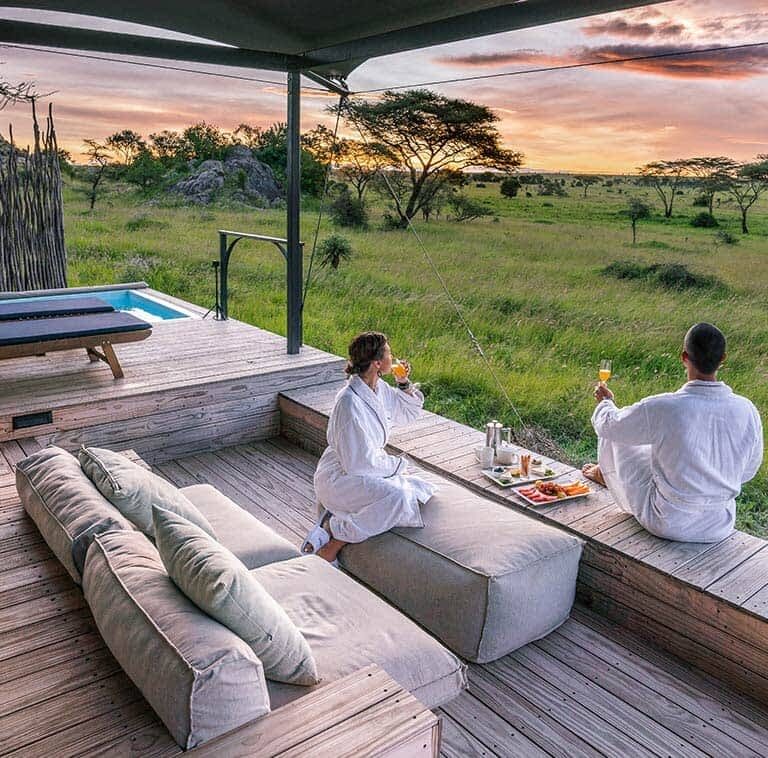
On an African photographic safari, stay at luxury tented camps or eco-lodges inside or near parks such as the Serengeti, Ngorongoro, Lake Manyara and Tarangire National Park. These locations put you close to wildlife and expert guides, giving you early access to game drives during the golden hours. Choose camps with photography hides, charging stations and panoramic views for editing and relaxing. Tented camps are widely considered the best choice for an authentic safari experience. Most luxury camps are small, with between five and twenty tents, each offering a spacious canvas room with real beds and a private en-suite bathroom.
Budget camping & lodges
Affordable, adventurous and close to nature.
Mid-range lodges & tented camps
Comfort, good food and convenient locations.
Luxury tented camps & lodges
Spacious suites, personal service and prime wildlife areas.
Exclusive-use camps & villas
Complete privacy, private guides and bespoke experiences.
Final Thought: Tanzania, a Photographer’s Dream
Tanzania is a photographer's dream. By carefully selecting your destinations based on your photographic interests, understanding the unique visual opportunities each park presents, and being prepared with the right mindset and gear, you will undoubtedly capture the breathtaking, magical essence of an African safari.
Photographic Safari in Tanzania: Frequently Asked Questions
Where is the best place in Africa for a photographic safari?
Tanzania is one of Africa’s best destinations for photographic safaris. The Serengeti offers the Great Migration and big cats, the Ngorongoro Crater dense wildlife and black rhinos, Tarangire elephants framed by baobabs, and Lake Natron flamingos against a volcano. Remote parks such as Ruaha and Nyerere add wild dogs and quieter, uncrowded sightings.
When is the best time for a photographic safari in Tanzania?
The dry season from June to October offers thinner vegetation, animals gathered at water and dramatic river crossings. The green season from November to May brings lush landscapes, storm skies, fewer vehicles and the wildebeest calving season in the southern Serengeti early in the year. Each season offers different photographic opportunities.
What lens do I need for a photographic safari?
A fast-focusing telephoto zoom, such as 100–400 mm or 150–600 mm, is essential for wildlife. Add a wide-angle lens for landscapes, baobabs and big skies, and a fast prime lens for portraits in low light. Bring spare batteries, memory cards, a blower brush, dust covers and a beanbag to steady long lenses from the vehicle.
Can I fly a drone in Tanzania’s national parks?
Drones are generally not allowed in Tanzania’s national parks and conservation areas without special permission from the authorities. Flying without a permit can lead to confiscation and fines. If aerial photography is important to you, speak to us early so we can advise on the current rules and any locations where drone use may be possible.
Why is a private vehicle best for safari photography?
A private vehicle gives you space to move between windows, set up beanbags and switch lenses, and lets you decide how long to stay at a sighting. You can wait for the perfect light or behaviour without other guests wanting to move on, and your guide can position the vehicle for the best angles.
How do I protect my camera from dust on safari?
Safari roads are often dusty, so use dust covers or a bag over your camera between shots, keep lens hoods and protective filters on, and carry a blower brush and cleaning cloth. Avoid changing lenses in the wind, and clean your gear each evening at camp. A second body with a different lens reduces lens changes.
How can I photograph local people respectfully?
Always ask permission before taking portraits, and let your guide help you build genuine rapport first. Focus on authentic, candid moments rather than staged scenes, and avoid intrusive photography. At places such as Lake Eyasi with the Hadzabe and Datoga, respectful engagement creates more meaningful images and a better experience for everyone.
Where can I photograph leopards in Tanzania?
The Seronera Valley in the central Serengeti is famous for leopards resting in acacia branches and on kopjes. Ruaha also has a healthy leopard population. Leopards are elusive, so patience, an experienced guide and plenty of time on game drives greatly improve your chances of a great photograph.
Plan Your Photographic Safari
Tell us what you want to photograph, and our Tanzania-based team will design a private tailor-made photo safari with a dedicated vehicle, expert guide and timing built around the best light.