What Challenges Do You Face on Mount Kilimanjaro Climbing
What Challenges Do You Face on Mount Kilimanjaro Climbing
Discover enthralling Climbing Mount Kilimanjaro, Africa’s highest peak at 5,895 meters, is a once-in-a-lifetime adventure, attracting hikers, trekkers, and thrill-seekers worldwide. While the breathtaking landscapes—from lush rainforests to alpine deserts—are unforgettable, climbers face numerous challenges that test both physical endurance and mental resilience. From altitude sickness and extreme weather conditions to grueling summit nights and logistical hurdles, understanding these obstacles is essential for a successful Kilimanjaro climb. Trekkers should prepare with proper training, gear, and nutrition, and choose trusted tour operators offering guided Kilimanjaro routes. Whether hiking via the Machame, Marangu, or Lemosho route, climbers encounter unique difficulties that require careful preparation. Awareness of these challenges helps minimize risks, enhance safety, and increase the chances of reaching the Kilimanjaro summit, making the journey both memorable and rewarding.
Altitude Sickness (Acute Mountain Sickness - AMS)
One of the most common and dangerous challenges on Mount Kilimanjaro is Altitude Sickness, also known as Acute Mountain Sickness (AMS). As climbers ascend above 3,000 meters, the lower oxygen levels can cause headaches, nausea, dizziness, and fatigue. Severe cases may progress to High Altitude Pulmonary Edema (HAPE) or High Altitude Cerebral Edema (HACE), both life-threatening conditions. Proper acclimatization is crucial, which is why many climbers choose longer routes like Lemosho or Northern Circuit for gradual elevation gain. Staying hydrated, pacing your climb, and listening to your body are essential strategies to prevent AMS. Experienced Kilimanjaro guides monitor each climber for early signs, ensuring timely intervention. Understanding the risks and preparing mentally and physically for high-altitude trekking increases your chances of reaching the summit safely, making altitude awareness a top priority for anyone attempting Africa’s tallest mountain.
Extreme Temperature Shifts
Mount Kilimanjaro presents dramatic temperature variations that challenge climbers at every stage. The trek begins in warm tropical rainforests, where humidity and heat demand light clothing and sun protection. As hikers ascend into the alpine desert zone, temperatures can plummet below -10°C at night, especially during summit attempts. These extreme shifts require climbers to layer clothing effectively, balancing insulation with breathability. Exposure to high winds, frost, and occasional snow increases the risk of hypothermia. Proper gear, including thermal layers, waterproof jackets, gloves, and insulated boots, is essential. Understanding weather patterns on Kilimanjaro and preparing for sudden changes allows trekkers to avoid serious cold-related issues while maintaining comfort. Adjusting to these temperature extremes is as much a mental challenge as a physical one, emphasizing the importance of preparation, awareness, and clothing strategy during the climb.
Grueling Summit Night
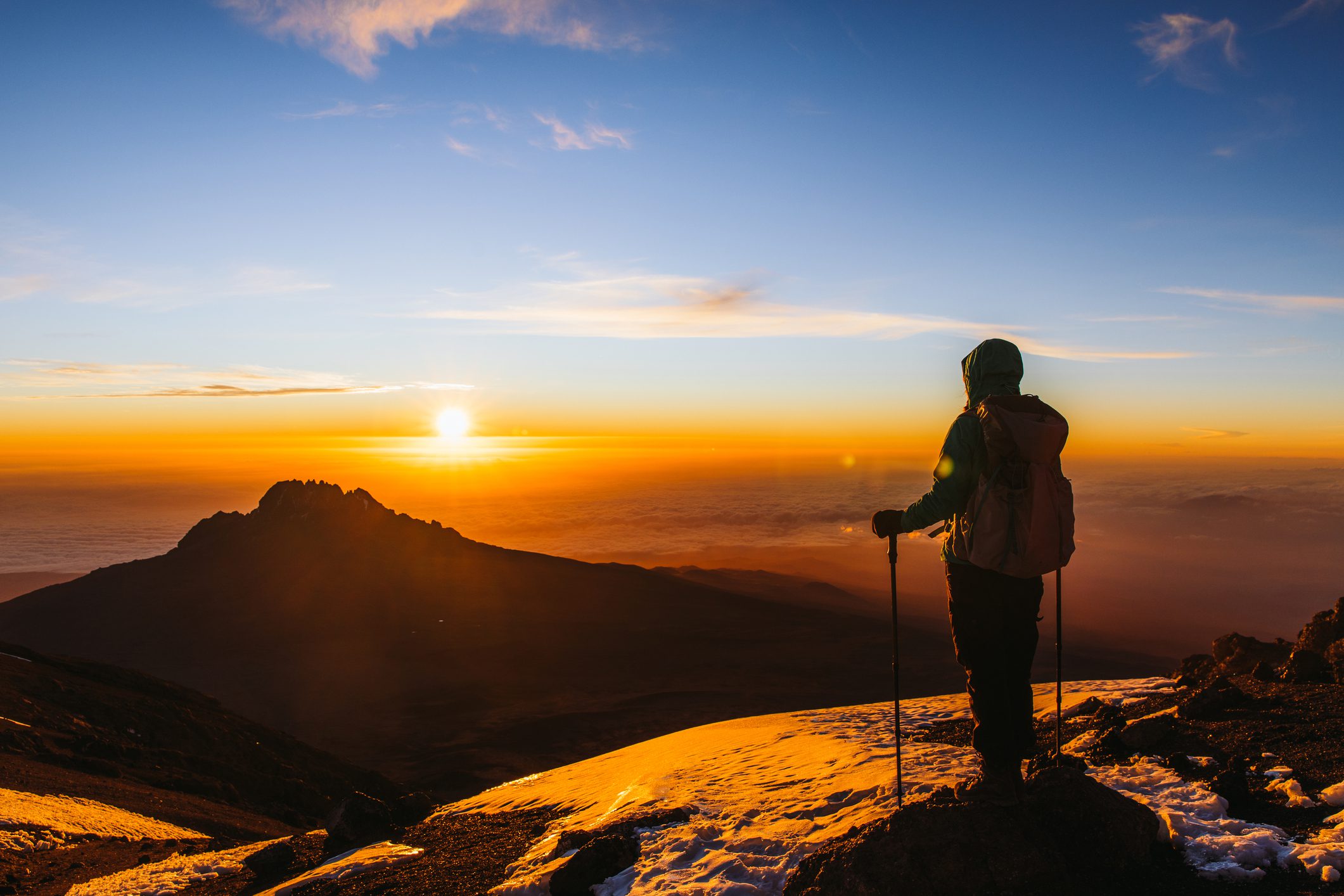
The summit night on Kilimanjaro is the most physically and mentally demanding stage of the trek. Climbers often start around midnight to reach Uhuru Peak by sunrise, facing steep inclines, darkness, and freezing temperatures. The combination of altitude, fatigue, and thin air makes each step exhausting. Mental resilience is crucial, as many hikers question their ability to continue. Trekking poles, headlamps, and careful pacing are essential tools for success. Guides provide motivation and monitor climbers for signs of exhaustion or altitude-related illness. Despite these challenges, summit night offers the incredible reward of witnessing the sunrise over Africa’s highest point, a moment that makes the effort worthwhile. Adequate preparation, proper nutrition, and steady pacing are key strategies for conquering this pivotal and unforgettable part of the Kilimanjaro climb.
Physical and Mental Exhaustion
Climbing Kilimanjaro is not only a physical test but also a mental battle. Trekkers face long hours of hiking over diverse terrains, from forests to rocky slopes, often carrying heavy backpacks with essential gear. Muscular fatigue, sore joints, and blisters are common, while the continuous mental focus required to navigate steep trails adds to the strain. Endurance training before the climb and a positive mindset are crucial. Mental challenges include maintaining motivation despite slow progress, extreme weather, and unexpected obstacles. Guides play a critical role in boosting morale and helping climbers overcome self-doubt. Recognizing the signs of physical and psychological fatigue ensures timely rest and prevents injuries. Successful climbers combine preparation, determination, and resilience, transforming exhaustion into a personal triumph and making the Kilimanjaro ascent a rewarding adventure.
Dehydration and UV Exposure
Mount Kilimanjaro climbers are particularly susceptible to dehydration due to altitude, exertion, and dry alpine air. Sweating and increased respiration at higher elevations accelerate fluid loss, making consistent water intake essential. Trekkers should carry hydration packs and drink small amounts frequently. Additionally, UV radiation intensifies with altitude, posing risks of sunburn, eye strain, and skin damage. Sunglasses, sunscreen, and protective clothing are mandatory. Ignoring hydration and sun protection can lead to headaches, fatigue, and heat-related illnesses. Tour operators advise climbers to drink at least 3–4 liters daily, monitor urine color, and adjust activity levels during intense sun exposure. Addressing dehydration and UV risks proactively ensures climbers maintain energy, focus, and safety, enabling them to handle Kilimanjaro’s extreme environments effectively and enjoy the full mountain experience.
Logistical and Personal Factors
Kilimanjaro climbs involve more than physical challenges—logistical planning and personal preparedness are equally important. Choosing the right route, booking trusted tour operators, and coordinating transportation from Arusha, Moshi, or Kilimanjaro International Airport are key steps. Carrying the right gear, clothing, food, and medication ensures comfort and safety. Personal factors, such as fitness level, prior trekking experience, and mental resilience, strongly influence success. Unexpected delays, weather changes, or illness require adaptability and decision-making. Budgeting for park fees, guides, and equipment is essential for a smooth climb. By addressing these logistical and personal considerations ahead of time, climbers reduce stress, maximize safety, and increase their chances of reaching the summit. Preparation, flexibility, and planning are fundamental for a successful Kilimanjaro adventure.
Climbing the Barranco Wall
The Barranco Wall, often called the “Kitchen Wall,” is a challenging yet rewarding section of Kilimanjaro. This steep rock face rises about 300 meters and requires both strength and technique to ascend safely. Despite its intimidating appearance, careful use of hands, trekking poles, and ropes allows climbers to tackle the wall without technical climbing experience. Physical stamina, mental focus, and a sense of balance are critical to overcoming this obstacle. Experienced guides provide step-by-step instructions and encouragement, helping trekkers maintain confidence. The Barranco Wall offers a significant confidence boost after completion and is a highlight for many hikers. Successfully climbing it prepares climbers for the final ascent, demonstrating the importance of skill, determination, and guidance on Mount Kilimanjaro’s most iconic challenges.
Prepare for Sleeping Bag and Tent
Sleeping on Kilimanjaro requires adaptation to high-altitude camping conditions. Nights can drop below -10°C, making a quality sleeping bag and insulated tent essential. Choosing a four-season sleeping bag with an adequate thermal rating prevents hypothermia and ensures restful sleep. Tent setup, often guided by camp crew, protects against wind, rain, and frost. Personal comfort items like liners, eye masks, and earplugs can improve rest. Acclimatization and recovery depend on quality sleep, so climbers must prioritize warmth and safety in camp. Packing efficiently with lightweight yet durable gear reduces fatigue. Proper preparation for sleeping arrangements enhances overall performance, allowing trekkers to tackle long days of hiking with energy and focus, reinforcing the importance of high-altitude camping preparation during a Kilimanjaro climb.
The Final Ascent: Endurance and Determination
The final ascent to Uhuru Peak demands maximum endurance, determination, and resilience. Trekkers face severe fatigue, thin air, cold temperatures, and steep inclines during this ultimate challenge. Proper pacing, regular hydration, and energy snacks are crucial for sustaining strength. Mental fortitude is equally important, as climbers must overcome doubt and exhaustion to reach Africa’s highest point. Guides provide motivation, monitor health, and ensure safety. Witnessing the sunrise from the summit is a reward for the physical and psychological struggle. Training, acclimatization, and strategic planning are critical to success. Climbers who combine preparation, perseverance, and confidence can achieve the Kilimanjaro summit, experiencing a profound sense of accomplishment and the unforgettable thrill of standing atop one of the world’s most iconic mountains.
Insufficient Sleep: Prioritizing Rest and Recovery
Insufficient sleep is a significant challenge on Kilimanjaro, as long trekking days, altitude, and excitement often disrupt rest. Fatigue affects physical performance, decision-making, and altitude acclimatization, increasing the risk of AMS, injuries, and poor stamina. Climbers should prioritize sleep by establishing a consistent bedtime, using warm clothing, and creating a comfortable sleeping setup. Limiting caffeine and staying hydrated also improves sleep quality. Guides encourage early nights, ensuring climbers are rested for summit attempts and challenging sections like the Barranco Wall. Effective rest management boosts morale, energy, and focus, helping trekkers handle both physical and mental demands. By emphasizing sleep and recovery, climbers maximize safety, resilience, and overall enjoyment, making proper rest a critical strategy for a successful Mount Kilimanjaro adventure.
Taste Different Food
Food on Mount Kilimanjaro presents its own unique challenge, as climbers encounter unfamiliar meals at high-altitude camps. Trekking menus often feature porridge, pasta, rice, beans, and local vegetables, which may differ in taste, texture, and seasoning from what travelers are accustomed to. Maintaining proper nutrition is essential for energy, stamina, and altitude acclimatization, so hikers must adapt to available foods. Meals are carefully planned by camp chefs to balance carbohydrates, proteins, and fats while being easy to digest. Some climbers may experience appetite loss due to altitude, making it even more important to eat small, frequent meals. Embracing local flavors, maintaining hydration, and supplementing with snacks ensures climbers receive adequate calories for long trekking days, reinforcing that dietary adaptation is part of successful Kilimanjaro preparation.
Kilimanjaro Climbing Experience
Explore Mount Kilimanjaro Climbing Experience, prices, reviews, Testimonial, cost, what to expect, packages, trips, trails, holidays, budget, mid range, luxury, family, honeymon, best time hike difficulty, all you need to know, success rate, the beginner's Guide, Kilimanjaro Inspiring Stories routes- Courage & Climb Success, What is it like to climb Kilimanjaro? How hard is it? Book a climb on Kili with us now.
What is the hardest part of climbing Kilimanjaro?
Umbwe route is one of the shortest routes to the Southern Glaciers. The Western Breach is considered the hardest and most challenging route on Mount Kilimanjaro. The rapid speed of the ascent and steepness make acclimatization very difficult. How difficult is it to climb Mt. Kilimanjaro for an amateur climber with an average fitness level and no previous experience in mountain climbing?
For an amateur with average fitness and no climbing experience, Mt. Kilimanjaro presents a considerable challenge. Its altitude of 5,895 meters (19,341 feet) requires acclimatization to prevent altitude sickness. The trek demands endurance, mental resilience, and determination. While technically non-technical, the steep ascents and rugged terrain demand physical exertion. With proper preparation, guidance, and pacing, it's achievable, but not without its difficulties.
What is the difficulty of the Kilimanjaro routes?
Kilimanjaro Routes, Map, Success Rate, Difficulty, Comparison. The Umbwe Route is the most difficult route up the mountain. The routes with moderate difficulty levels are the Marangu route, Rongai route, and Northern Circuit route. While the Shira Route, Machame Route, and Lemosho Route are equally challenging.
How difficult is it to climb Mount Kilimanjaro?
Mount Kilimanjaro is a fairly difficult mountain to climb – recent research suggests that over 50% of those who attempt it suffer from mountain sickness, and just over 65% of them are unable to reach the summit. Kilimanjaro is a challenging, non-technical hike that is difficult primarily due to extreme altitude, harsh weather, and steep terrain, rather than requiring mountaineering skills. While physically demanding, requiring good fitness to trek for 5-8 hours daily over 5-8 days, it is achievable for most determined hikers who prepare.
Common Mistakes To Avoid When Climbing Kilimanjaro
How to Avoid Challenges While Climbing Mount Kilimanjaro
Final Thought
Climbing Mount Kilimanjaro is a life-changing adventure, offering breathtaking views, diverse ecosystems, and a profound sense of achievement. However, the journey is fraught with challenges, including altitude sickness, extreme weather, exhaustion, dehydration, logistical hurdles, and mental tests. Successful climbers combine preparation, training, proper gear, mental resilience, and trusted guidance to overcome obstacles and reach the summit safely. Understanding these challenges ensures a safer, more enjoyable experience. Every step—from Barranco Wall climbs to summit night and adapting to camp meals—builds strength, confidence, and unforgettable memories. By embracing preparation, patience, and determination, trekkers can conquer Africa’s tallest peak, transforming the Kilimanjaro climb into an epic adventure of personal triumph, endurance, and bucket-list fulfillment.
What Challenges Do You Face on Mount Kilimanjaro Climbing: FAQs
What should you know about altitude sickness (Acute mountain sickness - AMS)?
One of the most common and dangerous challenges on Mount Kilimanjaro is Altitude Sickness, also known as Acute Mountain Sickness (AMS). As climbers ascend above 3,000 meters, the lower oxygen levels can cause headaches, nausea, dizziness, and fatigue. Severe cases may progress to High Altitude Pulmonary Edema (HAPE) or High Altitude Cerebral Edema (HACE), both life-threatening conditions.
What should you know about grueling summit night on Kilimanjaro?
The summit night on Kilimanjaro is the most physically and mentally demanding stage of the trek. Climbers often start around midnight to reach Uhuru Peak by sunrise, facing steep inclines, darkness, and freezing temperatures. The combination of altitude, fatigue, and thin air makes each step exhausting.
What should you know about dehydration and UV exposure on Kilimanjaro?
Mount Kilimanjaro climbers are particularly susceptible to dehydration due to altitude, exertion, and dry alpine air. Sweating and increased respiration at higher elevations accelerate fluid loss, making consistent water intake essential. Trekkers should carry hydration packs and drink small amounts frequently. Additionally, UV radiation intensifies with altitude, posing risks of sunburn, eye strain, and skin damage.
What should you know about climbing the Barranco wall?
The Barranco Wall, often called the “Kitchen Wall,” is a challenging yet rewarding section of Kilimanjaro. This steep rock face rises about 300 meters and requires both strength and technique to ascend safely. Despite its intimidating appearance, careful use of hands, trekking poles, and ropes allows climbers to tackle the wall without technical climbing experience.
What should you know about the final ascent on Kilimanjaro?
The final ascent to Uhuru Peak demands maximum endurance, determination, and resilience. Trekkers face severe fatigue, thin air, cold temperatures, and steep inclines during this ultimate challenge. Proper pacing, regular hydration, and energy snacks are crucial for sustaining strength. Mental fortitude is equally important, as climbers must overcome doubt and exhaustion to reach Africa’s highest point.
What can you expect from taste Different food on Kilimanjaro?
Food on Mount Kilimanjaro presents its own unique challenge, as climbers encounter unfamiliar meals at high-altitude camps. Trekking menus often feature porridge, pasta, rice, beans, and local vegetables, which may differ in taste, texture, and seasoning from what travelers are accustomed to. Maintaining proper nutrition is essential for energy, stamina, and altitude acclimatization, so hikers must adapt to available foods.
What is the hardest part of climbing Kilimanjaro?
Umbwe route is one of the shortest routes to the Southern Glaciers. The Western Breach is considered the hardest and most challenging route on Mount Kilimanjaro. The rapid speed of the ascent and steepness make acclimatization very difficult. How difficult is it to climb Mt.
How difficult is it to climb Mount Kilimanjaro?
Mount Kilimanjaro is a fairly difficult mountain to climb – recent research suggests that over 50% of those who attempt it suffer from mountain sickness, and just over 65% of them are unable to reach the summit. Kilimanjaro is a challenging, non-technical hike that is difficult primarily due to extreme altitude, harsh weather, and steep terrain, rather than requiring mountaineering skills.
Climb Kilimanjaro With Confidence
Tell us your dates and fitness, and our experienced mountain team will plan a safe, well-acclimatized private climb.