
Benefits of climbing Mount Kilimanjaro
Benefits of climbing Mount Kilimanjaro
guide to Climbing Mount Kilimanjaro, the highest peak in Africa, is more than just a trek—it’s a journey that transforms mind, body, and soul. For adventurers seeking a combination of adrenaline-filled adventure, Tanzania safari tours, and bucket-list experiences, Kilimanjaro offers unmatched opportunities. From traversing unique ecosystems to witnessing breathtaking scenery, every step challenges your limits and rewards you with personal growth. Beyond physical endurance, the climb fosters mental resilience, cultural exchange, and an appreciation for sustainable travel in Tanzania. Whether you are planning a Kilimanjaro trekking itinerary, a luxury safari extension, or a solo adventure, this guide explores the top benefits of climbing Mount Kilimanjaro, ensuring your expedition leaves lasting memories and a profound sense of achievement.
Sense of Accomplishment
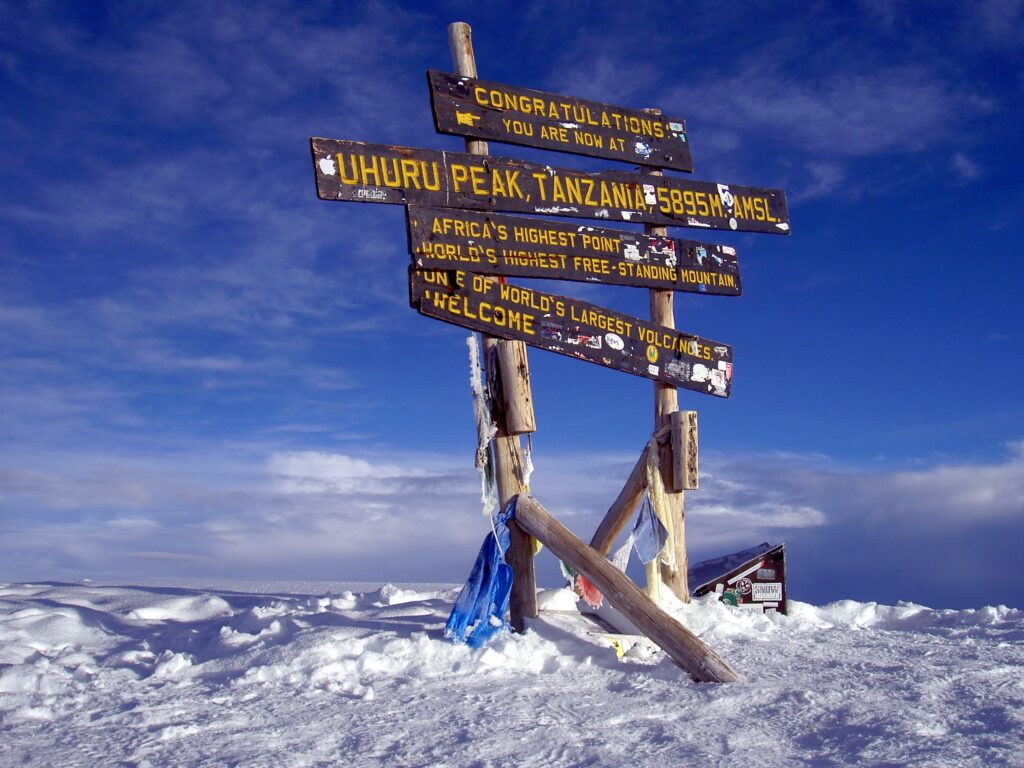
Reaching the summit of Mount Kilimanjaro instills an unparalleled sense of accomplishment. As Africa’s tallest mountain, it presents one of the world’s most iconic trekking challenges. Each climber experiences a profound personal victory upon standing atop Kilimanjaro Uhuru Peak, symbolizing the triumph over physical strain and mental barriers. This bucket-list adventure attracts travelers seeking both adrenaline adventure and life-changing experiences. Completing the climb fosters confidence, self-motivation, and pride that last long after descending. For many, this is more than a physical achievement; it’s a statement of perseverance and determination. The journey also connects climbers with others on the trail, enhancing the shared triumph feeling. For adventure seekers looking for Tanzania trekking tours, Kilimanjaro represents the ultimate achievement milestone, combining safari and mountain experiences in one unforgettable journey.
Mental Resilience
Climbing Mount Kilimanjaro challenges the mind as much as the body, building extraordinary mental resilience. Enduring the high-altitude trails, unpredictable weather, and long daily hikes strengthens focus, patience, and problem-solving skills. Trekkers develop the capacity to manage stress and maintain a positive mindset under pressure. Mental toughness gained on the slopes translates to everyday life, enhancing decision-making, persistence, and personal growth. This is particularly valuable for those seeking adventure travel experiences in Africa or embarking on Kilimanjaro trekking expeditions. Overcoming the climb instills self-belief, empowering travelers to face future challenges with confidence. Guided climbs and well-structured Mount Kilimanjaro itineraries help maintain safety while testing endurance, making the mountain a natural training ground for resilience and personal transformation. The climb is thus a unique combination of physical challenge and mind-strengthening adventure, offering benefits that last a lifetime.
Reflection & Inspiration
Ascending Mount Kilimanjaro offers climbers profound opportunities for reflection and inspiration. The trek allows travelers to disconnect from daily life and immerse themselves in Tanzania’s natural beauty, providing space for introspection and self-discovery. Witnessing breathtaking views of glaciers, valleys, and savannahs sparks creativity and perspective, while the physical challenge inspires personal growth. Many climbers report transformative realizations about their life priorities, purpose, and resilience. Whether trekking solo or in a group, the serene environment of Kilimanjaro National Park enhances mindfulness and emotional clarity. This journey is not only about reaching the summit but also about embracing the lessons learned along the way. Combining eco-tourism, adventure travel, and unique African landscapes, the climb motivates travelers to pursue future challenges and maintain a positive, inspired outlook on life.
Camaraderie
Climbing Mount Kilimanjaro fosters deep camaraderie among trekkers, creating lasting bonds and shared memories. Whether with friends, family, or fellow adventurers, the journey encourages collaboration, encouragement, and mutual support. Group trekking builds teamwork skills and strengthens relationships through shared triumphs and challenges. Guides and porters contribute to a sense of community, offering local insights and ensuring safety on well-maintained Kilimanjaro trails. Many climbers find that friendships formed on Kilimanjaro expeditions endure long after descent. This social aspect enhances the overall safari and trekking experience, making it suitable for solo travelers seeking meaningful connections, honeymoon couples, and families. The sense of belonging, coupled with shared adventure travel experiences, enriches the journey, providing both emotional and motivational support, while creating unforgettable moments that define the climb as a collective, life-affirming adventure.
Life-Changing Experience
Climbing Mount Kilimanjaro is widely regarded as a life-changing experience. The challenge pushes physical limits, tests mental fortitude, and reshapes perspectives. Reaching Uhuru Peak offers profound satisfaction and a sense of personal transformation. Travelers often report enhanced confidence, resilience, and renewed purpose following the climb. Paired with a Tanzania safari, this journey combines wildlife encounters, breathtaking scenery, and cultural immersion, amplifying the transformative effect. Guided Mount Kilimanjaro expeditions ensure safety and support, enabling climbers of various skill levels to conquer this iconic mountain. For adventurers seeking bucket-list adventures, luxury trekking tours, or eco-friendly travel, Kilimanjaro delivers a holistic experience—merging fitness, personal growth, and emotional rejuvenation. The mountain’s allure lies not just in its height but in its ability to inspire life-long memories and change the way travelers see themselves and the world.
Enhanced Fitness
Climbing Mount Kilimanjaro dramatically enhances overall fitness. The multi-day trek engages cardiovascular endurance, stamina, and core strength, providing a full-body workout across diverse terrains. Hikers navigate rocky paths, forested zones, and high-altitude slopes, promoting muscle engagement, balance, and coordination. Regular trekking improves heart health, lung capacity, and metabolism, making it an ideal challenge for health-conscious travelers. Combining the climb with a Tanzania safari adventure encourages active travel, blending exercise with exploration of African landscapes and wildlife. Trekkers also benefit from sustained calorie burn and physical conditioning, supporting weight management and overall well-being. Whether part of a luxury Kilimanjaro guided tour, mid-range Kilimanjaro trekking package, or Kilimanjaro budget climbing adventure, the climb’s fitness advantages make it a rewarding adventure holiday with measurable health benefits that extend beyond the mountain itself.
Muscle Strength & Endurance
Trekking Mount Kilimanjaro develops impressive muscle strength and endurance, targeting legs, glutes, core, and back muscles. Climbing steep inclines and traversing uneven trails enhances functional fitness, increasing stamina for long hikes. The varied terrain challenges multiple muscle groups simultaneously, building strength, flexibility, and balance. Coupled with high-altitude conditions, the body adapts to increased oxygen demand, improving aerobic capacity. For adventurers seeking active holidays in Africa or combining safari tours with trekking, this makes Kilimanjaro is an ideal destination. Regular hiking days simulate intense workouts, supporting overall physical performance. Post-climb, many travelers notice increased endurance, improved posture, and stronger core stability. From fitness enthusiasts to first-time climbers, the mountain provides a holistic strength and endurance training experience while offering unmatched views of Tanzania’s iconic landscapes.
Weight Management
Climbing Mount Kilimanjaro supports effective weight management through sustained physical activity. Daily treks of 6–8 hours, combined with steep ascents, burn significant calories while building lean muscle. High-altitude trekking increases metabolic efficiency, enhancing fat utilization and calorie expenditure. The climb provides a natural, immersive fitness program, combining aerobic activity, resistance training, and core strengthening. Integrating a Tanzania safari extension adds walking, wildlife spotting, and adventure activities, further contributing to healthy weight maintenance. Nutrition during guided climbs ensures energy balance, supporting safe weight loss and overall wellness. Whether part of a luxury trekking itinerary, a budget adventure tour, or a glamping experience, Kilimanjaro delivers an active lifestyle benefit in a stunning eco-tourism environment, making it an ideal choice for those seeking adventure, fitness, and personal health goals simultaneously.
Improved Mental Well-being
Climbing Mount Kilimanjaro significantly boosts mental well-being. The combination of physical exertion, nature immersion, and solitude fosters stress relief, mindfulness, and mental clarity. High-altitude trekking releases endorphins, reducing anxiety and improving mood. Exposure to breathtaking landscapes, glaciers, and diverse ecosystems inspires awe and emotional rejuvenation. Group climbs encourage social support, enhancing emotional resilience and connection. Adventurers seeking bucket-list experiences, solo travel in Africa, or eco-friendly trekking holidays benefit from reduced stress and improved cognitive function. Kilimanjaro treks also promote mind-body balance, encouraging reflection and gratitude. By disconnecting from daily routines, travelers reconnect with themselves and nature, creating long-lasting psychological benefits. This transformative journey combines adventure, wellness, and exploration, making it an unparalleled experience for personal growth, happiness, and emotional fulfillment.
Unique Ecosystems
Climbing Mount Kilimanjaro exposes travelers to unique ecosystems rarely seen elsewhere. From lush rainforest zones to alpine deserts and glacial peaks, each altitude presents distinct flora and fauna. Hikers witness Tanzania’s biodiversity, spotting endemic species and diverse habitats. This ecological variety enhances the adventure travel experience while educating climbers on conservation and environmental sustainability. Guided treks provide insights into eco-tourism, responsible trekking, and preservation efforts within Kilimanjaro National Park. Photographers and nature enthusiasts benefit from the visual diversity and rare wildlife encounters. Experiencing multiple ecological zones in one trek makes Kilimanjaro a living classroom for understanding climate, geography, and biodiversity. Combining eco-conscious travel with adventure tourism, the mountain offers a rare opportunity to witness nature’s full spectrum in a single expedition, creating memories that blend adventure, learning, and natural wonder.
Breathtaking Scenery
One of the most compelling benefits of climbing Mount Kilimanjaro is its breathtaking scenery. Trekking through rainforests, moorlands, alpine deserts, and finally to glacial peaks, adventurers encounter dramatic landscapes at every altitude. Panoramic views of the Tanzania plains, Kilimanjaro glaciers, and surrounding mountains reward climbers’ effort. Sunrise and sunset at high altitudes provide unforgettable photography opportunities and moments of awe. The combination of eco-tourism, hiking, and safari excursions allows travelers to capture both wildlife and natural beauty. Whether trekking via Machame, Lemosho, or Rongai routes, every path offers unique perspectives of the mountain’s majesty. This visual journey complements the physical challenge, inspiring reflection, rejuvenation, and a deep appreciation for Africa’s natural wonders. Kilimanjaro’s scenery remains a highlight for adventure seekers, honeymooners, and nature photographers alike.
Cultural Exchange
Climbing Mount Kilimanjaro provides rich opportunities for cultural exchange with local communities. Trekkers interact with Chagga porters and guides, gaining insights into traditional life, customs, and sustainable practices. Supporting local businesses and villages enhances Tanzania's eco-tourism and provides meaningful engagement. Travelers learn about regional agriculture, folklore, and daily life, enriching their experience beyond the climb. Small-group treks encourage dialogue and connection, creating lasting memories and mutual respect. Cultural exposure complements the adventure, offering educational, immersive travel experiences. Many climbers combine their expedition with Tanzania safari tours, further broadening their understanding of African wildlife and people. Through authentic interactions and shared stories, Kilimanjaro fosters responsible tourism, community support, and unforgettable Kilimanjaro climbing experiences that deepen both appreciation for local culture and global perspectives.
Witness Climate Change
Climbing Mount Kilimanjaro offers a unique perspective to witness climate change firsthand. Its shrinking glaciers, alpine deserts, and changing ecosystems highlight environmental shifts over decades. Trekkers observe the effects of global warming, glacier retreat, and biodiversity adaptation in real-time. Guides educate visitors on sustainable travel practices and environmental conservation strategies. Witnessing these changes deepens understanding of eco-tourism impact, responsible trekking, and climate awareness. Adventure travelers, photographers, and researchers gain insights into Africa’s fragile ecosystems while supporting conservation initiatives through park fees and guided tours. Kilimanjaro becomes more than a mountain—it’s a living classroom for learning about climate, ecology, and the urgent need for sustainable tourism. This Kilimanjaro hiking journey inspires environmental consciousness and reinforces the value of preserving natural wonders for future generations.
Support the Local Economy
Climbing Mount Kilimanjaro significantly contributes to the local economy. Trekking generates employment for Chagga guides, porters, cooks, and lodge staff, providing fair income for communities. Eco-tourism initiatives fund education, infrastructure, and conservation projects in nearby villages. Travelers participating in responsible tourism ensure that their adventure supports sustainable livelihoods and ethical practices. Combining a Kilimanjaro trek with Tanzania safari tours spreads economic benefits to lodges, transport providers, and cultural centers. Small-group and bespoke tours maximize local engagement and impact. By choosing certified operators and fair-trade packages, climbers contribute directly to community development, reinforcing the connection between adventure tourism and positive social change. Every expedition thus becomes a dual-purpose journey: achieving personal goals while empowering local economies and supporting Tanzania’s sustainable tourism initiatives.
Accessibility
Mount Kilimanjaro is remarkably accessible compared to other high-altitude peaks. Multiple routes, varying in difficulty from moderate to challenging, cater to beginners, experienced hikers, and adventure enthusiasts alike. Major cities like Arusha, Moshi, and nearby Dar es Salaam provide convenient transport, flights, and accommodations. Well-established trails, guided expeditions, and porter services make the climb safe and approachable for diverse travelers, including solo adventurers, families, and honeymoon couples. Accessibility is further enhanced by eco-lodges, campsites, and glamping options, ensuring comfort throughout the journey. For adventure tourists seeking Tanzania trekking experiences, this combination of logistical ease and diverse routes allows nearly anyone in reasonable health to attempt Africa’s highest summit. Kilimanjaro’s accessibility ensures that its life-changing experiences are within reach for both casual travelers and seasoned mountaineers.
Well-Maintained Trails
Climbing Mount Kilimanjaro is made safer and more enjoyable by its well-maintained trails. Each route, from Machame to Lemosho, features clearly marked paths, campsites, and safety points. Park authorities ensure trail upkeep, minimizing hazards and preserving fragile ecosystems. Guided expeditions enhance safety and navigation while teaching responsible trekking practices. Trails pass through diverse eco-zones, offering climbers access to rainforests, alpine deserts, glaciers, and spectacular viewpoints. Properly maintained paths reduce erosion and environmental impact, supporting sustainable tourism. This infrastructure allows adventurers, families, and solo travelers to focus on the journey, physical challenge, and scenery rather than safety concerns. Coupled with knowledgeable guides, Kilimanjaro’s trails provide a secure and immersive Tanzania trekking experience, combining adventure, education, and environmental stewardship in every step toward the summit.
Final Thought
Climbing Mount Kilimanjaro is far more than reaching the summit—it is a journey of physical endurance, mental growth, and personal transformation. The trek provides life-changing experiences, breathtaking scenery, and exposure to unique ecosystems while fostering cultural exchange and supporting local economies. Adventure seekers, honeymoon couples, solo travelers, and families alike benefit from the mental resilience, enhanced fitness, and sense of accomplishment gained on this epic journey. With accessible, well-maintained trails and professional guides, the climb is achievable yet challenging, leaving a lasting imprint on both mind and body. For anyone seeking the ultimate bucket-list adventure, Tanzania trekking expedition, or luxury eco-tourism experience, Kilimanjaro promises an unforgettable adventure that blends nature, culture, wellness, and personal triumph.
Benefits of climbing Mount Kilimanjaro: FAQs
What should you know about sense of accomplishment for benefits of climbing Mount Kilimanjaro?
Reaching the summit of Mount Kilimanjaro instills an unparalleled sense of accomplishment. As Africa’s tallest mountain, it presents one of the world’s most iconic trekking challenges. Each climber experiences a profound personal victory upon standing atop Kilimanjaro Uhuru Peak, symbolizing the triumph over physical strain and mental barriers.
What can you expect from reflection & inspiration for benefits of climbing Mount Kilimanjaro?
Ascending Mount Kilimanjaro offers climbers profound opportunities for reflection and inspiration. The trek allows travelers to disconnect from daily life and immerse themselves in Tanzania’s natural beauty, providing space for introspection and self-discovery. Witnessing breathtaking views of glaciers, valleys, and savannahs sparks creativity and perspective, while the physical challenge inspires personal growth.
What is the life-changing experience for benefits of climbing Mount Kilimanjaro like?
Climbing Mount Kilimanjaro is widely regarded as a life-changing experience. The challenge pushes physical limits, tests mental fortitude, and reshapes perspectives. Reaching Uhuru Peak offers profound satisfaction and a sense of personal transformation. Travelers often report enhanced confidence, resilience, and renewed purpose following the climb.
What should you know about muscle strength & endurance for benefits of climbing Mount Kilimanjaro?
Trekking Mount Kilimanjaro develops impressive muscle strength and endurance, targeting legs, glutes, core, and back muscles. Climbing steep inclines and traversing uneven trails enhances functional fitness, increasing stamina for long hikes. The varied terrain challenges multiple muscle groups simultaneously, building strength, flexibility, and balance. Coupled with high-altitude conditions, the body adapts to increased oxygen demand, improving aerobic capacity.
What can you expect from improved mental well-being for benefits of climbing Mount Kilimanjaro?
Climbing Mount Kilimanjaro significantly boosts mental well-being. The combination of physical exertion, nature immersion, and solitude fosters stress relief, mindfulness, and mental clarity. High-altitude trekking releases endorphins, reducing anxiety and improving mood. Exposure to breathtaking landscapes, glaciers, and diverse ecosystems inspires awe and emotional rejuvenation.
What is the breathtaking scenery for benefits of climbing Mount Kilimanjaro like?
One of the most compelling benefits of climbing Mount Kilimanjaro is its breathtaking scenery. Trekking through rainforests, moorlands, alpine deserts, and finally to glacial peaks, adventurers encounter dramatic landscapes at every altitude. Panoramic views of the Tanzania plains, Kilimanjaro glaciers, and surrounding mountains reward climbers’ effort.
What is the witness climate change for benefits of climbing Mount Kilimanjaro like?
Climbing Mount Kilimanjaro offers a unique perspective to witness climate change firsthand. Its shrinking glaciers, alpine deserts, and changing ecosystems highlight environmental shifts over decades. Trekkers observe the effects of global warming, glacier retreat, and biodiversity adaptation in real-time. Guides educate visitors on sustainable travel practices and environmental conservation strategies.
What should you know about accessibility for benefits of climbing Mount Kilimanjaro?
Mount Kilimanjaro is remarkably accessible compared to other high-altitude peaks. Multiple routes, varying in difficulty from moderate to challenging, cater to beginners, experienced hikers, and adventure enthusiasts alike. Major cities like Arusha, Moshi, and nearby Dar es Salaam provide convenient transport, flights, and accommodations. Well-established trails, guided expeditions, and porter services make the climb safe and approachable for diverse travelers, including solo adventurers, families, and honeymoon couples.
Climb Kilimanjaro With Confidence
Tell us your dates and fitness, and our experienced mountain team will plan a safe, well-acclimatized private climb.