
Questions Everyone Asks Before Climbing Kilimanjaro
Questions Everyone Asks Before Climbing Kilimanjaro
adventure trekking experiences, attracting thousands of climbers each year seeking the ultimate African safari and mountain challenge. Rising to 5,895 meters above sea level, Kilimanjaro is the highest free-standing mountain on Earth and a UNESCO World Heritage Site. It is a bucket-list destination for hikers, nature lovers, and adventure travelers. This guide answers the top questions every climber asks before attempting the summit, including safety, costs, routes, altitude sickness, fitness level, and preparation tips. Whether you are planning your first Kilimanjaro trek or comparing the best routes, this article provides essential-optimized insights. You will also learn about success rates, packing lists, travel insurance, and summit day expectations for a safe and successful Kilimanjaro climbing expedition in Tanzania.
What is Mount Kilimanjaro
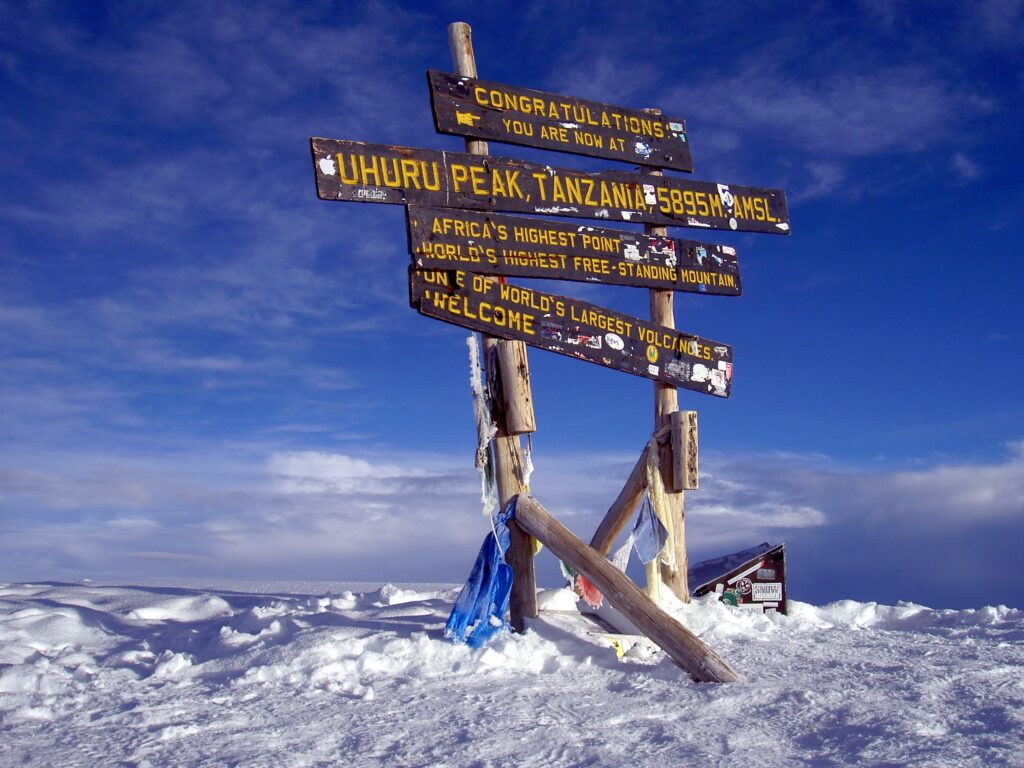
Mount Kilimanjaro is the highest free-standing mountain in the world, located in northern Tanzania near the Kenya border. It is a dormant volcanic mountain made up of three cones: Kibo, Mawenzi, and Shira. Standing at 5,895 meters, it is one of Africa’s most iconic trekking destinations and a global adventure tourism hotspot. Kilimanjaro attracts thousands of climbers each year who aim to reach Uhuru Peak, the highest point in Africa. The mountain features diverse ecosystems, including rainforest, moorland, alpine desert, and arctic summit conditions. It is part of Kilimanjaro National Park and a UNESCO World Heritage Site admired worldwide.
Is climbing Kilimanjaro safe
Climbing Mount Kilimanjaro is generally safe when guided by experienced professionals and proper safety measures are followed. Thousands of trekkers successfully summit each year without serious incidents. However, altitude sickness is the main risk due to rapid elevation gain. Licensed Kilimanjaro guides monitor climbers daily, provide health checks, and control ascent speed to improve safety. Choosing reputable tour operators, proper acclimatization, and hydration significantly reduces risks. Emergency evacuation systems are available on the mountain. While it is not a technical climb, it is still physically demanding. With preparation and guidance, Kilimanjaro trekking is considered a safe high-altitude adventure in Tanzania.
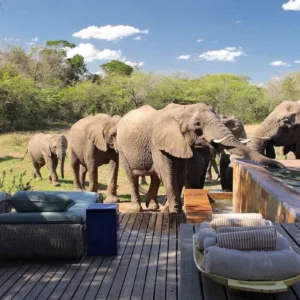
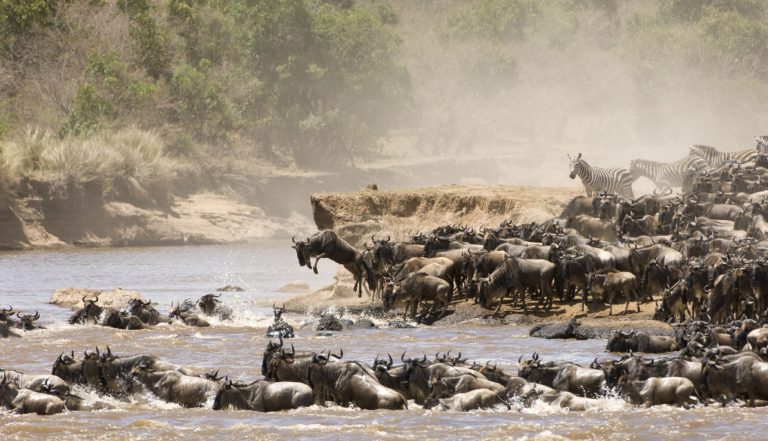
Approach, feed or disturb wildlife, or leave the vehicle unless your guide says it is safe.
Follow your guide, carry travel insurance and check current health and travel advice.
Do I need climbing experience to summit Kilimanjaro
No prior climbing experience is required to climb Mount Kilimanjaro, making it one of the most accessible high-altitude trekking adventures in the world. It is a non-technical mountain, meaning no ropes, ice axes, or mountaineering skills are needed. However, good physical fitness, mental endurance, and proper preparation are essential. Beginners successfully reach the summit each year by following guided routes and acclimatization schedules. Training hikes, cardio exercises, and strength conditioning improve success rates. Choosing longer routes increases acclimatization time and improves performance. With a professional guide team, even first-time trekkers can safely complete the Kilimanjaro climb and reach Uhuru Peak.
How long does it take to climb Kilimanjaro
Climbing Mount Kilimanjaro typically takes between 5 and 9 days depending on the chosen route and acclimatization schedule. Shorter routes like Marangu may take 5 to 6 days, while longer routes such as Lemosho or Northern Circuit take 7 to 9 days and offer higher summit success rates. The duration affects how well your body adjusts to altitude changes. Most climbers prefer longer itineraries for safer ascent and better experience. The summit day is usually the most challenging part, taking 12 to 16 hours of trekking. Proper pacing is key to successfully reaching Uhuru Peak in Tanzania.
What’s the best route on Kilimanjaro
The best route on Mount Kilimanjaro is often considered the Lemosho Route due to its scenic beauty, low crowd levels, and high summit success rate. It offers excellent acclimatization, increasing the chances of reaching Uhuru Peak safely. The Machame Route is also very popular for its dramatic landscapes and challenging terrain. The Northern Circuit is the longest and most successful route, ideal for climbers seeking maximum acclimatization. Each route varies in difficulty, duration, and scenery. Choosing the best Kilimanjaro route depends on fitness level, budget, and time available. Experienced operators recommend longer routes for safer and more enjoyable trekking.
What are the different routes to climb Kilimanjaro
There are several routes to climb Mount Kilimanjaro, each offering unique scenery and difficulty levels. The main routes include Marangu, Machame, Lemosho, Rongai, Shira, and the Northern Circuit. Marangu is known as the “Coca-Cola Route” and has hut accommodations. Machame is popular for adventure seekers due to its steep trails. Lemosho offers excellent acclimatization and scenic beauty. Rongai approaches from the north and is drier. Shira is similar to Lemosho but starts at a higher altitude. The Northern Circuit is the longest and most successful route. All routes lead to Uhuru Peak, the summit of Africa.
When is the best time to climb Kilimanjaro
The best time to climb Mount Kilimanjaro is during the dry seasons: January to mid-March and June to October. These months offer clear skies, stable weather conditions, and better trekking visibility. January and February are slightly warmer with fewer crowds, while July to September is the most popular climbing season. The rainy seasons, from March to May and November, are less ideal due to muddy trails and reduced visibility. However, Kilimanjaro can be climbed year-round. Choosing the best season improves safety, comfort, and summit success rates. Weather conditions play a key role in a successful Tanzania trekking experience.
Do I need a permit to climb Kilimanjaro
Yes, a permit is required to climb Mount Kilimanjaro as it is a protected national park managed by Kilimanjaro National Park Authority in Tanzania. All climbers must book through a licensed tour operator who arranges park permits, entry fees, camping or hut fees, and guide services. Independent climbing is not allowed. The permit system helps regulate tourism, protect the environment, and ensure climber safety. Fees vary depending on the route and number of days on the mountain. Your Kilimanjaro trekking package typically includes all required permits. Without proper permits, access to the mountain is strictly prohibited by authorities.
Interesting Facts about Mount Kilimanjaro
Mount Kilimanjaro is Africa’s highest peak at 5,895 meters and the world’s tallest free-standing mountain. It has three volcanic cones: Kibo, Mawenzi, and Shira, with Kibo being dormant. Surprisingly, climbers can move from tropical rainforest to Arctic-like conditions in a single trek. The mountain has five distinct climate zones. It is located near the equator but still has glaciers at the summit, although they are shrinking. Kilimanjaro is part of Tanzania’s national heritage and attracts global adventure tourism. Thousands attempt the climb each year, making it one of the most famous trekking destinations on Earth.
How Did You Prepare for Kilimanjaro
Proper preparation for Mount Kilimanjaro includes physical training, mental readiness, and gear planning. Climbers should begin cardio workouts, hiking practice, and strength training at least 8–12 weeks before the trek. Endurance is more important than speed. Practicing long-distance hikes with a backpack helps simulate real conditions. Mental preparation is equally important due to altitude challenges and long trekking days. Learning about altitude sickness and acclimatization improves readiness. Packing proper clothing layers for changing climates is essential. Many climbers also consult guides or training programs. Good preparation significantly increases the chance of successfully reaching Uhuru Peak in Tanzania.
How much does it cost to climb Kilimanjaro
The cost of climbing Mount Kilimanjaro varies depending on route, duration, and service level. On average, prices range from 1,800 to 5,000 USD per person. Budget packages include basic services, while luxury climbs offer premium tents, better meals, and additional support. Costs include park fees, guides, porters, food, camping or hut fees, and rescue fees. Longer routes are more expensive but offer higher success rates. Reputable tour operators ensure safety and fair wages for staff. Choosing the cheapest option is not recommended due to safety concerns. Investing in a quality Kilimanjaro trekking package increases safety and summit success.
- Accommodation
- Meals
- Park fees
- Vehicle & guide
- Transfers
- International flights
- Visas
- Travel insurance
- Tips
- Premium drinks
Things You Should Know Before Climbing Mount Kilimanjaro
Before climbing Mount Kilimanjaro, understand that altitude is the biggest challenge, not technical climbing skills. Weather can change rapidly from hot rainforest to freezing summit conditions. Slow trekking pace, known as “pole pole,” is essential for acclimatization. Hydration and nutrition play a major role in success. Night temperatures can drop below freezing even at lower camps. Proper gear is critical, including layered clothing and quality boots. Mental endurance is as important as physical fitness. Expect limited showers and basic facilities on the mountain. Guided trekking is mandatory in Tanzania, ensuring safety, navigation, and overall expedition support for all climbers.
What should I pack for my Kilimanjaro climb
Packing for Mount Kilimanjaro requires layered clothing and essential trekking gear. Climbers need thermal base layers, fleece jackets, waterproof outer shells, hiking boots, gloves, hats, and warm sleeping bags. A comfortable backpack with hydration system is important. Sunscreen, sunglasses, and lip balm protect against strong UV exposure at altitude. Trekking poles help with steep and uneven terrain. Headlamps are necessary for summit night climbs. Personal medication and altitude sickness tablets should be included. Lightweight clothing for lower zones and heavy insulation for summit zones is essential. Proper packing ensures comfort, safety, and success during the Kilimanjaro trekking expedition in Tanzania.
How do I prepare for altitude sickness on Kilimanjaro
Preparing for altitude sickness on Mount Kilimanjaro involves gradual acclimatization and careful pacing. Climbers should choose longer routes that allow the body to adjust slowly to decreasing oxygen levels. Drinking plenty of water, eating well, and avoiding alcohol improves adaptation. Medication like acetazolamide may be recommended by doctors. Recognizing symptoms such as headaches, nausea, and dizziness is important. Guides monitor health daily and may recommend descending if symptoms worsen. Walking slowly and resting regularly helps reduce risk. Proper preparation significantly increases safety. Altitude sickness is the main challenge, but with correct strategies, most climbers successfully manage it on Kilimanjaro.
What are the accommodation options on Kilimanjaro
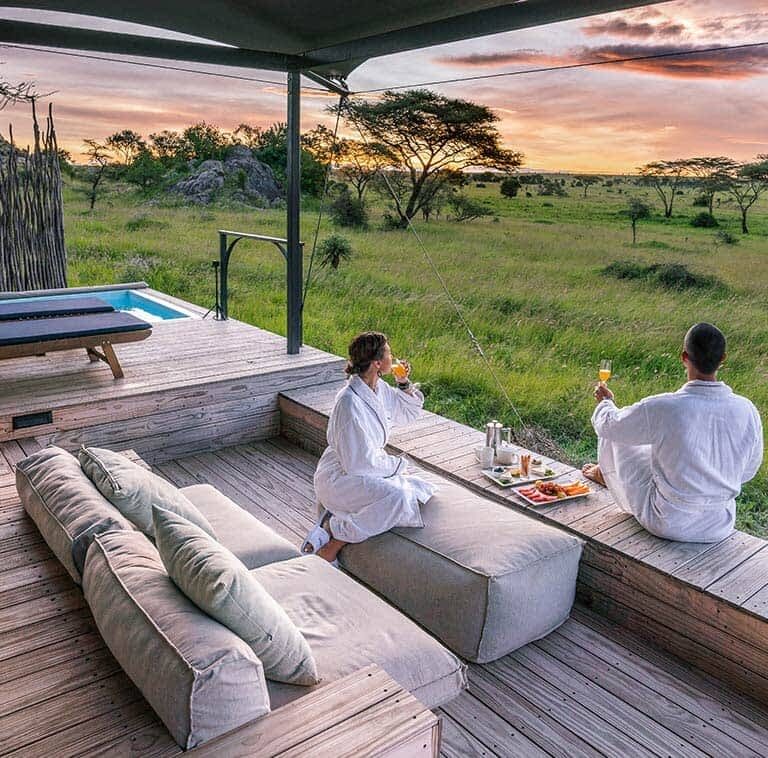
Accommodation on Mount Kilimanjaro varies depending on the route chosen. The Marangu Route offers hut accommodations with shared dormitory-style sleeping facilities. Other routes such as Machame, Lemosho, and Rongai use camping tents set up at designated campsites. These tents are provided by tour operators along with sleeping mats and dining tents. Facilities are basic with limited sanitation, reflecting the remote mountain environment. Climbers should expect simple but functional camping conditions. Luxury Kilimanjaro climbs may include more comfortable tents and better equipment. Regardless of accommodation type, all options are designed to support safe trekking and acclimatization during the climb in Tanzania.
How fit do I need to be to climb Kilimanjaro
Climbers do not need to be elite athletes, but a good level of physical fitness is important for Mount Kilimanjaro. Endurance is more valuable than speed or strength. Regular hiking, walking, jogging, and stair climbing help prepare the body for long trekking days. Climbers should be comfortable walking 6–8 hours daily while carrying a light backpack. Training should begin at least two to three months before the expedition. Mental stamina also plays a major role in success. With proper preparation, even beginners with moderate fitness levels can successfully reach Uhuru Peak on Kilimanjaro in Tanzania.
Can I climb Kilimanjaro independently, or do I need a guide
Independent climbing is not allowed on Mount Kilimanjaro. All climbers must be accompanied by a licensed guide and registered tour operator. This regulation ensures safety, environmental protection, and proper management of trekking activities. Guides provide navigation, health monitoring, and emergency support throughout the climb. Porters assist with carrying equipment, food, and camping gear. The guided system also supports local employment in Tanzania. Attempting to climb without a guide is illegal and strictly prohibited by Kilimanjaro National Park authorities. Therefore, booking a guided Kilimanjaro trekking package is mandatory and essential for a safe and successful summit experience.
What is the success rate for summiting Kilimanjaro
The success rate for summiting Mount Kilimanjaro varies depending on route length and acclimatization. On average, overall success rates range between 60% and 85%. Shorter routes have lower success rates due to limited adaptation time, while longer routes like Lemosho and Northern Circuit offer higher success rates exceeding 85%. Proper pacing, hydration, and choosing experienced guides significantly improve chances of reaching Uhuru Peak. Physical fitness and mental determination also play important roles. Altitude sickness is the main reason for unsuccessful summits. With good preparation and longer itineraries, most climbers successfully complete their Kilimanjaro trekking adventure in Tanzania.
What’s the best way to book a Kilimanjaro climb
The best way to book a Mount Kilimanjaro climb is through a licensed and reputable local tour operator in Tanzania. Booking directly ensures proper permits, qualified guides, and safe logistics. Many travelers book online through official trekking companies that specialize in Kilimanjaro expeditions. It is important to compare packages, inclusions, and reviews before choosing. Avoid extremely cheap offers, as they may compromise safety and service quality. A good booking package should include park fees, guides, porters, meals, and camping equipment. Early booking is recommended during peak seasons to secure preferred routes and dates for your Kilimanjaro trekking adventure.
Can I combine a Kilimanjaro climb with a safari
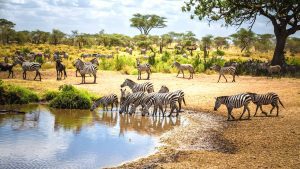
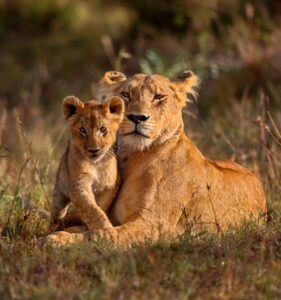
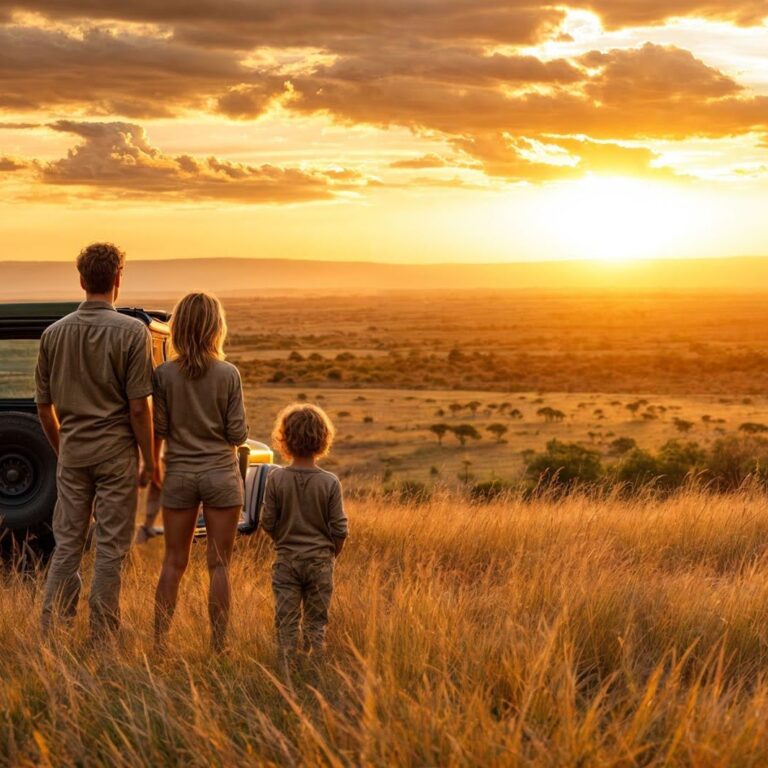
Yes, combining a Mount Kilimanjaro climb with a Tanzania safari is one of the most popular travel experiences. After reaching Uhuru Peak, many travelers explore Serengeti, Ngorongoro Crater, Tarangire, or Lake Manyara for wildlife viewing. This combination offers both mountain adventure and classic African safari experiences. Most tour operators provide customized packages that include trekking and safari itineraries. The best time for both activities is during dry seasons for optimal trekking and game viewing conditions. Combining Kilimanjaro and safari creates a complete Tanzania adventure, blending challenging hiking with unforgettable wildlife encounters and scenic landscapes.
Is travel insurance necessary for a Kilimanjaro climb
Travel insurance is highly recommended for climbing Mount Kilimanjaro. It should cover high-altitude trekking up to at least 6,000 meters, emergency evacuation, medical treatment, and trip cancellations. Due to the physical demands and altitude risks, insurance provides essential protection for climbers. Helicopter evacuation services are available on the mountain but can be expensive without coverage. Many tour operators require proof of insurance before the climb. Choosing a policy specifically designed for adventure travel ensures full protection. Travel insurance gives peace of mind, allowing climbers to focus on their Kilimanjaro trekking experience without worrying about unexpected emergencies or financial risks.
What should I expect on summit day
Summit day on Mount Kilimanjaro is the most challenging and rewarding part of the climb. It usually begins around midnight with a slow ascent in darkness toward Uhuru Peak. Climbers face freezing temperatures, strong winds, and thin air. The trek can take 6 to 8 hours uphill and several hours descending. Fatigue and altitude make progress slow but steady pacing is essential. Reaching the summit at sunrise offers breathtaking views above the clouds. After celebrating briefly, climbers descend to lower camps for rest. Summit day requires determination, mental strength, and resilience during the final Kilimanjaro trekking challenge.
How can I minimize my environmental impact while climbing Kilimanjaro
Minimizing environmental impact on Mount Kilimanjaro involves responsible trekking practices. Climbers should follow the “Leave No Trace” principle by carrying out all waste and avoiding littering. Using reusable water bottles reduces plastic pollution. Staying on designated trails helps protect fragile ecosystems. Supporting eco-friendly tour operators ensures sustainable practices. Porters should be treated fairly, and local guidelines respected. Avoiding unnecessary damage to vegetation preserves biodiversity. Campsites should be kept clean and organized. Conservation efforts are important to protect Kilimanjaro’s unique environment for future generations. Responsible tourism ensures the mountain remains a sustainable and beautiful trekking destination in Tanzania.
What is the best part about climbing Kilimanjaro
The best part about climbing Mount Kilimanjaro is reaching Uhuru Peak, the highest point in Africa, after days of challenging trekking. Watching the sunrise above the clouds is an unforgettable experience. Climbers pass through multiple ecological zones, from lush rainforest to alpine desert and icy summit landscapes. The journey offers personal achievement, cultural interaction with guides and porters, and breathtaking natural beauty. Every step builds resilience and determination. The sense of accomplishment at the summit makes all effort worthwhile. Kilimanjaro is not just a climb but a life-changing adventure that creates lasting memories for every traveler.
Things I wish I knew before climbing Kilimanjaro
Many climbers wish they had understood the importance of slow pacing before climbing Mount Kilimanjaro. Going too fast increases the risk of altitude sickness. Proper gear, especially warm clothing for summit night, is essential. Hydration and appetite may decrease at high altitude, so eating regularly is important. Mental preparation is as crucial as physical fitness. Toilets and facilities are very basic on the mountain. Weather conditions can change quickly, so flexibility is key. Longer routes significantly improve success rates. Knowing these factors in advance helps climbers better prepare for a safe and successful Kilimanjaro trekking experience in Tanzania.
What is the guide-to-climber ratio on your Kilimanjaro trips
The guide-to-climber ratio on Mount Kilimanjaro depends on group size and tour operator policies. Typically, there is at least one professional guide for every two to three climbers, with additional assistant guides for larger groups. This ensures safety, proper monitoring, and personalized support during the climb. Porters and cooks are also part of the support team, carrying equipment and preparing meals. A higher guide-to-climber ratio improves communication, safety checks, and summit success rates. Licensed operators in Tanzania follow strict regulations to maintain quality service. Proper staffing is essential for a well-organized and successful Kilimanjaro trekking expedition.
How Difficult Is It to Climb Mount Kilimanjaro
Climbing Mount Kilimanjaro is considered a moderate to challenging trek rather than a technical climb. It does not require ropes or mountaineering skills, but the high altitude makes it physically demanding. The main difficulty is altitude sickness, not terrain. Long hiking days, cold temperatures, and steep sections add to the challenge. With proper preparation, most fit individuals can complete the climb successfully. Mental endurance is just as important as physical strength. Choosing longer routes increases acclimatization and reduces difficulty. Overall, Kilimanjaro is achievable for beginners with determination, preparation, and professional guidance during the Tanzania trekking experience.
Final Thought
Climbing Mount Kilimanjaro is more than a physical challenge; it is a life-changing journey that combines adventure, endurance, and personal achievement. From the first step in the rainforest to the final push toward Uhuru Peak, every moment tests determination and rewards climbers with unforgettable experiences. Proper preparation, choosing the right route, understanding altitude sickness, and working with experienced guides are key to success. Kilimanjaro remains one of the world’s most iconic trekking destinations in Tanzania, attracting travelers from every continent. Whether you are a first-time climber or an experienced hiker, the mountain offers a powerful sense of accomplishment. Standing on the roof of Africa is not just a goal, but a memory that lasts a lifetime and inspires future adventures
Questions Everyone Asks Before Climbing Kilimanjaro: FAQs
What is Mount Kilimanjaro?
Mount Kilimanjaro is the highest free-standing mountain in the world, located in northern Tanzania near the Kenya border. It is a dormant volcanic mountain made up of three cones: Kibo, Mawenzi, and Shira. Standing at 5,895 meters, it is one of Africa’s most iconic trekking destinations and a global adventure tourism hotspot.
How long does it take to climb Kilimanjaro?
Climbing Mount Kilimanjaro typically takes between 5 and 9 days depending on the chosen route and acclimatization schedule. Shorter routes like Marangu may take 5 to 6 days, while longer routes such as Lemosho or Northern Circuit take 7 to 9 days and offer higher summit success rates. The duration affects how well your body adjusts to altitude changes.
When is the best time to climb Kilimanjaro?
The best time to climb Mount Kilimanjaro is during the dry seasons: January to mid-March and June to October. These months offer clear skies, stable weather conditions, and better trekking visibility. January and February are slightly warmer with fewer crowds, while July to September is the most popular climbing season.
How Did You Prepare for Kilimanjaro?
Proper preparation for Mount Kilimanjaro includes physical training, mental readiness, and gear planning. Climbers should begin cardio workouts, hiking practice, and strength training at least 8–12 weeks before the trek. Endurance is more important than speed. Practicing long-distance hikes with a backpack helps simulate real conditions.
What should I pack for my Kilimanjaro climb?
Packing for Mount Kilimanjaro requires layered clothing and essential trekking gear. Climbers need thermal base layers, fleece jackets, waterproof outer shells, hiking boots, gloves, hats, and warm sleeping bags. A comfortable backpack with hydration system is important. Sunscreen, sunglasses, and lip balm protect against strong UV exposure at altitude.
How fit do I need to be to climb Kilimanjaro?
Climbers do not need to be elite athletes, but a good level of physical fitness is important for Mount Kilimanjaro. Endurance is more valuable than speed or strength. Regular hiking, walking, jogging, and stair climbing help prepare the body for long trekking days. Climbers should be comfortable walking 6–8 hours daily while carrying a light backpack.
What’s the best way to book a Kilimanjaro climb?
The best way to book a Mount Kilimanjaro climb is through a licensed and reputable local tour operator in Tanzania. Booking directly ensures proper permits, qualified guides, and safe logistics. Many travelers book online through official trekking companies that specialize in Kilimanjaro expeditions. It is important to compare packages, inclusions, and reviews before choosing.
What should I expect on summit day?
Summit day on Mount Kilimanjaro is the most challenging and rewarding part of the climb. It usually begins around midnight with a slow ascent in darkness toward Uhuru Peak. Climbers face freezing temperatures, strong winds, and thin air. The trek can take 6 to 8 hours uphill and several hours descending.
Climb Kilimanjaro With Confidence
Tell us your dates and fitness, and our experienced mountain team will plan a safe, well-acclimatized private climb.