The Youngest Person To Climb Kilimanjaro
The Youngest Person To Climb Kilimanjaro
Mount Kilimanjaro, the highest peak in Africa and one of the world’s most iconic trekking destinations, continues to attract climbers of all ages from every corner of the globe. Standing at 5,895 meters (19,341 feet), this dormant volcanic mountain in Tanzania is often associated with endurance, determination, and personal achievement. While no single universally confirmed record exists due to varying tour documentation, multiple young climbers—some as young as 10 years old—have successfully reached Uhuru Peak under strict supervision. Tanzania National Park regulations set a minimum climbing age of 10, making Kilimanjaro a rare high-altitude trek accessible to older children and teenagers under safe guided expeditions.
Understanding Kilimanjaro and Its Global Appeal
Mount Kilimanjaro is not just a mountain; it is a global trekking icon and a UNESCO World Heritage Site that symbolizes adventure and achievement. Its snow-capped summit rising above the African plains attracts thousands of climbers annually, including families and young trekkers. The phrase “youngest person to climb Kilimanjaro” often trends in search engines due to the mountain’s reputation for being non-technical yet physically demanding. Unlike alpine climbs requiring ropes or technical gear, Kilimanjaro relies on endurance, altitude acclimatization, and mental strength. This makes it possible for younger climbers—typically aged 10 and above—to attempt the ascent under professional guidance. The journey through rainforests, alpine deserts, and icy summit zones creates a life-changing experience that appeals to adventurous families seeking unforgettable bonding moments in Tanzania’s most famous natural wonder.
Age Requirements for Climbing Mount Kilimanjaro
One of the most important aspects when discussing the youngest climber of Kilimanjaro is the official age requirement set by the Tanzania National Parks Authority. The minimum age allowed to climb Mount Kilimanjaro is generally 10 years old, primarily for safety reasons related to altitude sickness and physical endurance. This regulation ensures that children attempting the trek are mature enough to handle extreme weather changes and long trekking hours. There is no officially recognized “youngest climber record” due to variations in tour operator documentation and international participation. However, many successful summit stories involve teenagers and pre-teens accompanied by parents and certified guides. These regulations balance adventure tourism with safety, ensuring that Kilimanjaro remains accessible yet responsible for younger climbers seeking to reach Africa’s highest point.
Who Are the Young Climbers of Kilimanjaro?
The title “youngest person to climb Kilimanjaro” is often associated with various young adventurers from around the world who have reached the summit before adulthood. These climbers are typically children of experienced mountaineers or participants in family trekking expeditions. While records vary, successful ascents by children aged between 10 and 13 are well documented across trekking communities. These young climbers usually undertake carefully planned itineraries with extra acclimatization days to reduce altitude risks. Their journeys highlight not only physical endurance but also mental resilience and strong preparation. Kilimanjaro’s accessibility compared to technical peaks makes it a unique challenge for youth adventurers. These stories continue to inspire families globally to consider Tanzania’s highest mountain as a safe yet ambitious trekking destination for younger participants.
Here is a clean table of The Youngest People To Climb Mount Kilimanjaro:
| Rank | Name | Age | Country | Summit Date | Route Used | Success Tips for Young Climbers |
|---|---|---|---|---|---|---|
| 1 | Ognjen Živković | 5 | Serbia | Aug 2023 | Machame Route | Extra acclimatization days, strong family support, slow pacing |
| 2 | Ashleen Mandrick | 6 | USA | Sep 2019 | Lemosho Route | Guided family trek, hydration focus, gradual ascent |
| 3 | Coltan Tanner | 6 | USA | Oct 2018 | Marangu Route | Short daily hikes, rest breaks, oxygen monitoring |
| 4 | Samuel Bernier | 7 | Canada | Aug 2023 | Machame Route | Mental encouragement, warm clothing layers, steady walking pace |
| 5 | Keats Boyd | 7 | USA | Feb 2008 | Marangu Route | Early acclimatization training, supportive guide team |
| 6 | Montannah Kenney | 7 | USA | Mar 2018 | Lemosho Route | Nutrition planning, slow climb strategy |
| 7 | Aadya Bennur | 8 | India | Jun 2023 | Machame Route | High-energy diet, gradual altitude gain |
| 8 | Ayaan Mendon | 8 | India | Aug 2022 | Lemosho Route | Family expedition, hydration discipline |
| 9 | Roxy Getter | 8 | USA | Jul 2017 | Marangu Route | Proper gear selection, steady pacing |
| 10 | Zain Ackrim | 9 | UK | Aug 2015 | Machame Route | Altitude awareness training, long route choice |
| 11 | Raefe Kemmis | 10 | UK | Oct 2023 | Lemosho Route | Medical checks, slow ascent schedule |
| 12 | Aurelia Kemmis | 14 | UK | Oct 2023 | Lemosho Route | Sibling support, endurance preparation |
| 13 | Sam Irving | 10 | UK | Jun 2015 | Marangu Route | Hydration strategy, early training hikes |
| 14 | Param Singh Rathore | 10 | India | Feb 2023 | Machame Route | Guided trekking, altitude adaptation breaks |
| 15 | Vivek Neelam | 11 | India | Jul 2023 | Lemosho Route | Physical fitness training, steady pacing |
| 16 | Sophie Bayat Makou | 11 | France | Feb 2023 | Machame Route | Cold-weather preparation, nutrition control |
| 17 | Samarah Jerry | 11 | USA | Dec 2022 | Rongai Route | Less crowded route selection, gradual ascent |
| 18 | Pierce Valliere | 12 | Canada | Jan 2024 | Lemosho Route | Mental resilience, hydration discipline |
| 19 | Abbas Khambalia | 12 | UK | Mar 2023 | Machame Route | Strong guide supervision, pacing strategy |
| 20 | Victor Siegers & Marcus Siegers | 12 & 13 | Netherlands | Jul 2023 | Rongai Route | Team trekking, altitude monitoring |
| 21 | Olivia Maiden | 13 | UK | Aug 2015 | Marangu Route | Endurance training, structured itinerary |
Why Young Climbers Succeed on Kilimanjaro
Young climbers often succeed on Mount Kilimanjaro because of strong physical adaptability and structured support systems provided by professional guides. Unlike technical mountains, Kilimanjaro relies heavily on gradual ascent, allowing climbers to adjust to altitude over several days. Many youth expeditions use longer routes such as Lemosho or Machame, which improve acclimatization and increase summit success rates. Mental determination also plays a major role, as young trekkers are often highly motivated by family encouragement and the excitement of adventure travel. Proper hydration, nutrition, and rest schedules designed by experienced guides ensure safety throughout the climb. With careful planning, even younger hikers can reach Uhuru Peak successfully, making Kilimanjaro one of the few high-altitude mountains where age is less of a barrier compared to preparation and guidance.
Safety Measures for Young Kilimanjaro Climbers
Safety is the top priority for any expedition involving younger climbers on Mount Kilimanjaro. Tour operators implement strict safety protocols, including daily health checks, oxygen monitoring, and altitude acclimatization schedules. Guides trained in wilderness first aid closely supervise every stage of the ascent. Children are usually placed on slower itineraries to reduce the risk of altitude sickness, one of the most common challenges on the mountain. Proper gear, such as insulated clothing, trekking poles, and high-energy meals, is essential for maintaining strength and warmth. Emergency evacuation procedures are also in place through coordinated rescue teams. These safety systems ensure that even young trekkers can experience the adventure responsibly. The combination of professional guidance and structured planning makes Kilimanjaro one of the safest high-altitude climbs for supervised youth expeditions.
Approach, feed or disturb wildlife, or leave the vehicle unless your guide says it is safe.
Follow your guide, carry travel insurance and check current health and travel advice.
Popular Routes Taken by Young Climbers
Young climbers attempting Mount Kilimanjaro typically follow routes that prioritize gradual altitude gain and scenic beauty. The Lemosho Route is widely recommended due to its longer duration and excellent acclimatization profile. The Machame Route, also known as the “Whiskey Route,” is another popular choice offering diverse landscapes and strong success rates. The Rongai Route, approaching from the north, is considered less crowded and slightly easier in terms of terrain. These routes are carefully selected to reduce physical strain on younger trekkers while maximizing their chances of reaching Uhuru Peak. Each path passes through multiple ecological zones, including rainforest, moorland, and alpine desert. Choosing the right route is essential for youth climbers, as it directly impacts their comfort, safety, and overall summit success experience on Kilimanjaro.
Physical Preparation for Young Climbers
Preparing young climbers for Mount Kilimanjaro requires structured training focused on endurance, strength, and cardiovascular fitness. Hiking practice with gradual elevation gain is essential to simulate trekking conditions. Activities such as running, swimming, and cycling help build stamina and lung capacity. Families often train together to ensure children are physically ready for long trekking days that can last up to 6–8 hours. Proper preparation also includes learning how to use trekking gear such as boots, backpacks, and walking poles. Nutrition planning is equally important to maintain energy levels during the climb. Although Kilimanjaro is non-technical, it demands consistent physical effort, especially at higher altitudes. With proper preparation, young climbers can safely adapt to the mountain environment and increase their chances of successfully reaching the summit.
Mental Strength and Motivation in Youth Climbers
Mental resilience is just as important as physical fitness for young climbers attempting Mount Kilimanjaro. The journey to Uhuru Peak is long, often cold, and physically demanding, requiring strong motivation to continue. Many young trekkers are inspired by family members, personal challenges, or the desire to achieve a unique milestone. Positive encouragement from guides and parents plays a crucial role in maintaining morale during difficult sections of the climb. Breaks, storytelling, and group support help reduce fatigue and boost confidence. Reaching higher camps often brings emotional highs and lows due to altitude effects, making mental strength essential. Kilimanjaro becomes not just a physical challenge but also a life lesson in perseverance, patience, and determination for young adventurers aiming to reach Africa’s highest summit.
Altitude Challenges for Young Climbers
One of the biggest challenges on Mount Kilimanjaro is altitude sickness, which affects climbers regardless of age. Young trekkers are not immune to symptoms such as headaches, fatigue, or nausea caused by reduced oxygen levels. To manage this risk, gradual ascent strategies and rest days are built into trekking itineraries. Hydration and slow pacing are critical to allowing the body to adapt naturally. Guides monitor oxygen saturation levels daily to ensure safety throughout the climb. In some cases, descent is required if symptoms worsen. Despite these challenges, many young climbers successfully adapt when properly guided. Understanding altitude effects is essential for families planning Kilimanjaro expeditions, as it ensures a safe and enjoyable experience while increasing the likelihood of reaching the summit successfully.
Family Expeditions on Kilimanjaro
Family trekking expeditions are a major reason why young climbers attempt Mount Kilimanjaro. These journeys are carefully designed to allow parents and children to share an unforgettable adventure. Professional tour operators provide customized itineraries that include extra acclimatization days and flexible pacing. Family climbs emphasize safety, bonding, and education about Tanzania’s diverse ecosystems. Children gain exposure to rainforest wildlife, alpine landscapes, and glacier zones while learning teamwork and resilience. Kilimanjaro is one of the few high mountains in the world where multi-generational climbing is possible without technical skills. These experiences often become life-defining moments for young trekkers, strengthening family relationships while achieving the incredible milestone of standing on the roof of Africa together.
Kilimanjaro Summit: Uhuru Peak Experience
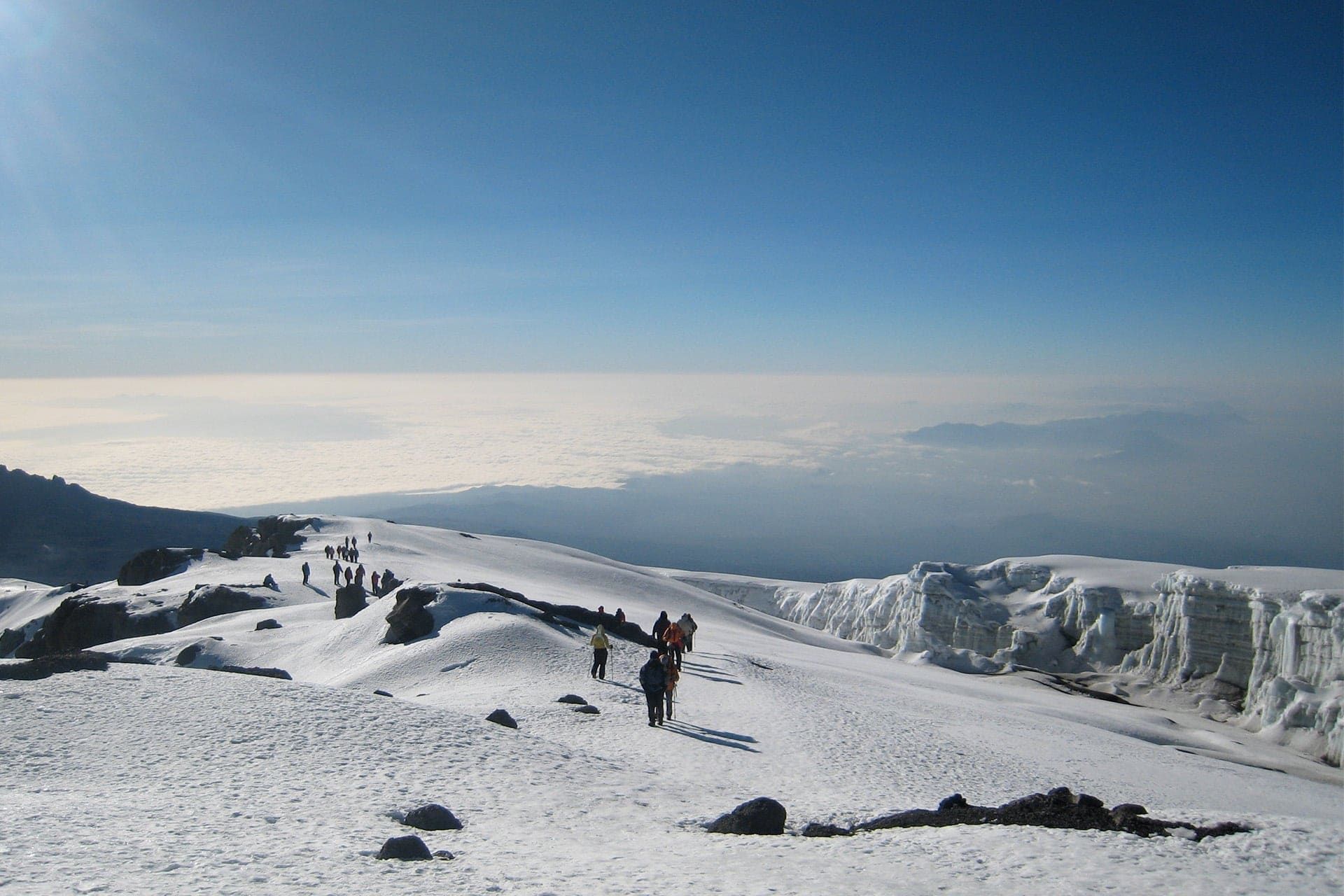
Reaching Uhuru Peak, the highest point of Mount Kilimanjaro, is the ultimate goal for all climbers, including the youngest adventurers. At 5,895 meters above sea level, the summit offers breathtaking views of glaciers, sunrise skies, and the vast African plains below. For young climbers, this moment represents a powerful achievement built on preparation, endurance, and determination. The final ascent is often done at night to reach the summit at sunrise, creating an unforgettable emotional experience. Despite cold temperatures and thin air, the sense of accomplishment is overwhelming. Standing at the iconic summit sign is a symbolic victory that marks one of the greatest achievements in youth adventure trekking. It is a moment that stays with climbers for life.
Record Claims and Documentation Challenges
When discussing the youngest person to climb Kilimanjaro, it is important to note that there is no single globally verified record. This is due to differences in documentation, tour operator records, and international participation. Many young climbers reach the summit under private expeditions without formal record submissions. As a result, multiple claims exist without a unified governing body confirming a definitive youngest climber. However, it is widely accepted that children as young as 10 have successfully reached Uhuru Peak under regulated conditions. The lack of a formal record does not diminish these achievements but rather highlights the growing popularity of youth trekking on Kilimanjaro. It also emphasizes the importance of safety, supervision, and responsible tourism practices in high-altitude adventures.
Role of Guides in Youth Expeditions
Professional mountain guides play a crucial role in ensuring the safety and success of young climbers on Mount Kilimanjaro. These experts are trained in altitude management, emergency response, and wilderness navigation. They closely monitor each climber’s health and adjust the pace according to individual needs. For youth expeditions, guides also provide encouragement, education, and emotional support throughout the climb. Their experience helps prevent altitude-related complications and ensures proper acclimatization. In addition, guides coordinate logistics such as food, accommodation, and equipment handling, allowing families to focus entirely on the trekking experience. Without professional guidance, climbing Kilimanjaro would be significantly riskier, especially for younger participants. Their expertise is a key factor in the success of youth summit attempts.
Best Time for Young Climbers to Attempt Kilimanjaro
The best time for young climbers to attempt Mount Kilimanjaro is during the dry seasons, typically from January to March and June to October. These periods offer clearer skies, safer trekking conditions, and better trail accessibility. Weather plays a critical role in determining comfort and safety, especially for younger trekkers who may be more sensitive to cold and rain. Clear conditions also improve visibility, making the journey more enjoyable and less physically demanding. Avoiding heavy rainy seasons reduces the risks of slippery trails and hypothermia. Tour operators often recommend these peak seasons for family expeditions to maximize summit success rates. Proper timing ensures that young climbers experience the mountain under the safest and most favorable conditions possible.
Inspirational Impact of Young Climbers
Young climbers who successfully reach the summit of Mount Kilimanjaro often inspire thousands of people worldwide. Their achievements demonstrate that with preparation, guidance, and determination, age is not a barrier to adventure. These stories are widely shared in travel media, content, and motivational platforms because they highlight courage and resilience. Many families are inspired to plan their own Kilimanjaro expeditions after learning about these youth achievements. The idea of the “youngest person to climb Kilimanjaro” continues to capture global attention, symbolizing hope, ambition, and human potential. These inspiring journeys also promote Tanzania as a premier adventure tourism destination, encouraging responsible and safe exploration of Africa’s highest mountain.
Future of Youth Climbing on Kilimanjaro
The future of youth climbing on Mount Kilimanjaro is expected to grow as adventure tourism becomes more family-oriented. With improved safety standards, better gear, and experienced guiding systems, more young trekkers are likely to reach Uhuru Peak in the coming years. However, strict regulations will continue to ensure safety remains the top priority. Sustainable tourism practices are also being emphasized to protect the mountain environment for future generations. As awareness increases, Kilimanjaro will remain one of the most iconic destinations where young climbers can safely challenge themselves. The combination of adventure, education, and family bonding ensures that youth expeditions will continue to play an important role in Tanzania’s tourism industry.
Final Thought
The story of the youngest person to climb Kilimanjaro is not about a single individual but about many young adventurers who have defied expectations to reach Africa’s highest summit. With proper preparation, expert guidance, and strict safety measures, Mount Kilimanjaro remains one of the few major peaks in the world accessible to children aged 10 and above. These inspiring journeys reflect courage, discipline, and the spirit of exploration. As long as responsible trekking practices continue, Kilimanjaro will remain a powerful symbol of achievement for young climbers from around the world.
The Youngest Person To Climb Kilimanjaro: FAQs
What should you know about Understanding Kilimanjaro and its global Appeal?
Mount Kilimanjaro is not just a mountain; it is a global trekking icon and a UNESCO World Heritage Site that symbolizes adventure and achievement. Its snow-capped summit rising above the African plains attracts thousands of climbers annually, including families and young trekkers. The phrase “youngest person to climb Kilimanjaro” often trends in search engines due to the mountain’s reputation for being non-technical yet physically demanding.
Who Are the Young Climbers of Kilimanjaro?
The title “youngest person to climb Kilimanjaro” is often associated with various young adventurers from around the world who have reached the summit before adulthood. These climbers are typically children of experienced mountaineers or participants in family trekking expeditions. While records vary, successful ascents by children aged between 10 and 13 are well documented across trekking communities.
Why Young Climbers Succeed on Kilimanjaro?
Young climbers often succeed on Mount Kilimanjaro because of strong physical adaptability and structured support systems provided by professional guides. Unlike technical mountains, Kilimanjaro relies heavily on gradual ascent, allowing climbers to adjust to altitude over several days. Many youth expeditions use longer routes such as Lemosho or Machame, which improve acclimatization and increase summit success rates.
What can you expect from popular routes Taken by young climbers?
Young climbers attempting Mount Kilimanjaro typically follow routes that prioritize gradual altitude gain and scenic beauty. The Lemosho Route is widely recommended due to its longer duration and excellent acclimatization profile. The Machame Route, also known as the “Whiskey Route,” is another popular choice offering diverse landscapes and strong success rates.
What should you know about mental strength and motivation in youth climbers?
Mental resilience is just as important as physical fitness for young climbers attempting Mount Kilimanjaro. The journey to Uhuru Peak is long, often cold, and physically demanding, requiring strong motivation to continue. Many young trekkers are inspired by family members, personal challenges, or the desire to achieve a unique milestone.
What can you expect from family expeditions on Kilimanjaro?
Family trekking expeditions are a major reason why young climbers attempt Mount Kilimanjaro. These journeys are carefully designed to allow parents and children to share an unforgettable adventure. Professional tour operators provide customized itineraries that include extra acclimatization days and flexible pacing. Family climbs emphasize safety, bonding, and education about Tanzania’s diverse ecosystems.
What should you know about record claims and documentation challenges on Kilimanjaro?
When discussing the youngest person to climb Kilimanjaro, it is important to note that there is no single globally verified record. This is due to differences in documentation, tour operator records, and international participation. Many young climbers reach the summit under private expeditions without formal record submissions.
What are the best time for young climbers to attempt Kilimanjaro?
The best time for young climbers to attempt Mount Kilimanjaro is during the dry seasons, typically from January to March and June to October. These periods offer clearer skies, safer trekking conditions, and better trail accessibility. Weather plays a critical role in determining comfort and safety, especially for younger trekkers who may be more sensitive to cold and rain.
Climb Kilimanjaro With Confidence
Tell us your dates and fitness, and our experienced mountain team will plan a safe, well-acclimatized private climb.