Kilimanjaro Shira Plateau
Kilimanjaro Shira Plateau
Rising high on the western flank of Mount Kilimanjaro, the Shira Plateau tells one of the most fascinating geological stories in Africa. Often described as a “collapsed volcano,” this vast high-altitude plateau is a must-visit highlight for climbers, trekkers, and adventure travelers exploring Tanzania. The Kilimanjaro Shira Plateau offers a rare combination of breathtaking scenery, volcanic history, and rich biodiversity. As one of the oldest parts of Kilimanjaro, Shira reveals how powerful eruptions and collapses shaped Africa’s tallest mountain into the iconic landmark it is today. From luxury Kilimanjaro trekking routes like Lemosho and Shira Route to unforgettable panoramic views, this plateau is a key feature in any Kilimanjaro climbing experience, offering both beauty and crucial acclimatization benefits for hikers aiming for the summit.
The Birth of Kilimanjaro’s Volcanic Giants
Mount Kilimanjaro was formed by intense volcanic activity millions of years ago, creating three distinct cones: Shira, Mawenzi, and Kibo. These volcanic giants emerged from the East African Rift system, driven by tectonic forces that shaped much of the African landscape. Shira, the oldest of the three cones, formed first and reached impressive heights before erosion and collapse transformed it. Mawenzi followed, developing jagged peaks, while Kibo became the tallest and remains dormant today. This geological evolution is essential to understanding Kilimanjaro climbing routes, as each cone offers different terrain and challenges. The Shira Plateau, now a wide caldera, stands as a testament to these ancient eruptions. For climbers and geologists alike, exploring Kilimanjaro means walking through millions of years of Earth’s history preserved in volcanic rock.
The Collapse That Created the Shira Plateau
The Shira Plateau was not always a flat expanse; it was once a towering volcanic cone comparable in size to Kibo. Over time, massive eruptions weakened its structure, leading to a dramatic collapse that formed a caldera. This geological event created the broad, elevated plateau seen today on Mount Kilimanjaro. Erosion and weathering further flattened the landscape, leaving behind scattered lava flows and volcanic debris. The collapse of Shira is a key example of volcanic caldera formation, making it significant for geological studies and Kilimanjaro tours. Today, hikers crossing the plateau often don’t realize they are walking on the remnants of an ancient volcano. This unique formation contributes to Kilimanjaro’s global fame as a UNESCO-listed destination and one of the most intriguing volcanic landscapes in the world.
What Makes the Shira Plateau Unique
The Shira Plateau stands out as one of the largest high-altitude plateaus in the world, sitting at around 3,500 meters above sea level on Mount Kilimanjaro. Unlike steep mountain slopes, this plateau offers a surprisingly gentle and expansive terrain, making it ideal for acclimatization and scenic trekking. Its volcanic origins create a landscape dotted with ancient lava fields, rocky outcrops, and open moorlands. The plateau’s vastness allows for uninterrupted panoramic views of Kibo’s snow-capped summit and the surrounding plains of Tanzania. It is also less crowded compared to other sections of Kilimanjaro, providing a more peaceful hiking experience. For photographers, nature lovers, and climbers, the Shira Plateau combines accessibility with dramatic scenery, making it one of the most memorable highlights of any Kilimanjaro safari or trekking adventure.
The Shira Route: A Scenic Climbing Experience
The Shira Route is one of the classic Kilimanjaro climbing routes, offering a direct approach to the Shira Plateau. Starting at a higher altitude, this route provides immediate access to the plateau’s stunning landscapes on Mount Kilimanjaro. Known for its scenic beauty, the route features sweeping views, volcanic terrain, and fewer crowds compared to popular paths like Machame. However, its high starting point can pose acclimatization challenges for some trekkers. Despite this, the Shira Route remains a favorite among experienced climbers seeking a quieter and more exclusive Kilimanjaro experience. The journey across the plateau is marked by dramatic sunrises, expansive skies, and unique geological formations. For those prioritizing scenery and solitude, the Shira Route offers one of the most visually rewarding ways to explore Kilimanjaro’s western slopes.
The Lemosho Route and Shira Plateau Connection
The Lemosho Route is widely regarded as one of the best Kilimanjaro climbing routes, and its journey across the Shira Plateau is a defining highlight. Beginning on the western side of Mount Kilimanjaro, Lemosho offers a gradual ascent that enhances acclimatization. Trekkers traverse lush rainforests before emerging onto the open expanse of the Shira Plateau, where the landscape dramatically transforms. This transition from dense vegetation to alpine desert is one of the most memorable aspects of the climb. The route’s longer itinerary increases summit success rates, making it popular for both beginners and seasoned hikers. Crossing the Shira Plateau allows climbers to enjoy breathtaking views while adjusting to altitude in a relatively gentle environment. This combination of scenery, acclimatization, and success makes Lemosho a top choice for Kilimanjaro expeditions.
Geological Significance of the Shira Plateau
The Shira Plateau is a geological treasure, offering insights into volcanic activity, caldera formation, and mountain evolution. Located on Mount Kilimanjaro, it represents one of the oldest sections of the mountain. Scientists study this plateau to understand how massive volcanic cones collapse and reshape landscapes over time. The exposed rock layers, lava flows, and ash deposits reveal a detailed record of Kilimanjaro’s volcanic past. Unlike the younger Kibo cone, Shira has undergone extensive erosion, making it an excellent case study in geological aging. For travelers, this scientific significance adds depth to the trekking experience. Walking across the plateau is like stepping into a natural museum, where each rock and formation tells a story of Earth’s dynamic forces that shaped Africa’s highest peak.
Flora and Fauna of the Shira Plateau
Despite its high altitude, the Shira Plateau supports a surprising variety of flora and fauna. Located within Kilimanjaro National Park, the plateau features moorland vegetation such as giant lobelias and senecios, which are uniquely adapted to harsh conditions. These plants create an otherworldly landscape often described as “alpine desert meets alien garden.” Wildlife sightings may include elands, buffaloes, and smaller mammals, especially near the lower edges of the plateau. Birdlife is also abundant, with species adapted to high-altitude environments. The ecosystem here is fragile, shaped by extreme temperatures and limited rainfall. For eco-tourism and wildlife enthusiasts, the Shira Plateau offers a rare glimpse into life at altitude. This biodiversity enhances the overall Kilimanjaro trekking experience, making it more than just a climb but a journey through diverse ecological zones.
Climate and Weather Conditions
The climate on the Shira Plateau is defined by its high altitude and exposed terrain on Mount Kilimanjaro. Days are often clear and sunny, with strong ultraviolet radiation due to a thinner atmosphere. Temperatures can be warm during daylight but drop significantly at night, often approaching freezing levels. The plateau experiences two main rainy seasons, which can make trekking conditions challenging. Wind is another key factor, as the open landscape offers little natural shelter. Weather conditions can change rapidly, requiring climbers to be well-prepared. Understanding these patterns is essential for planning a successful Kilimanjaro climb. Proper gear, layered clothing, and awareness of altitude-related weather changes are crucial. Despite these challenges, the plateau’s climate contributes to its dramatic scenery and unique trekking conditions.
Acclimatization Benefits on the Plateau
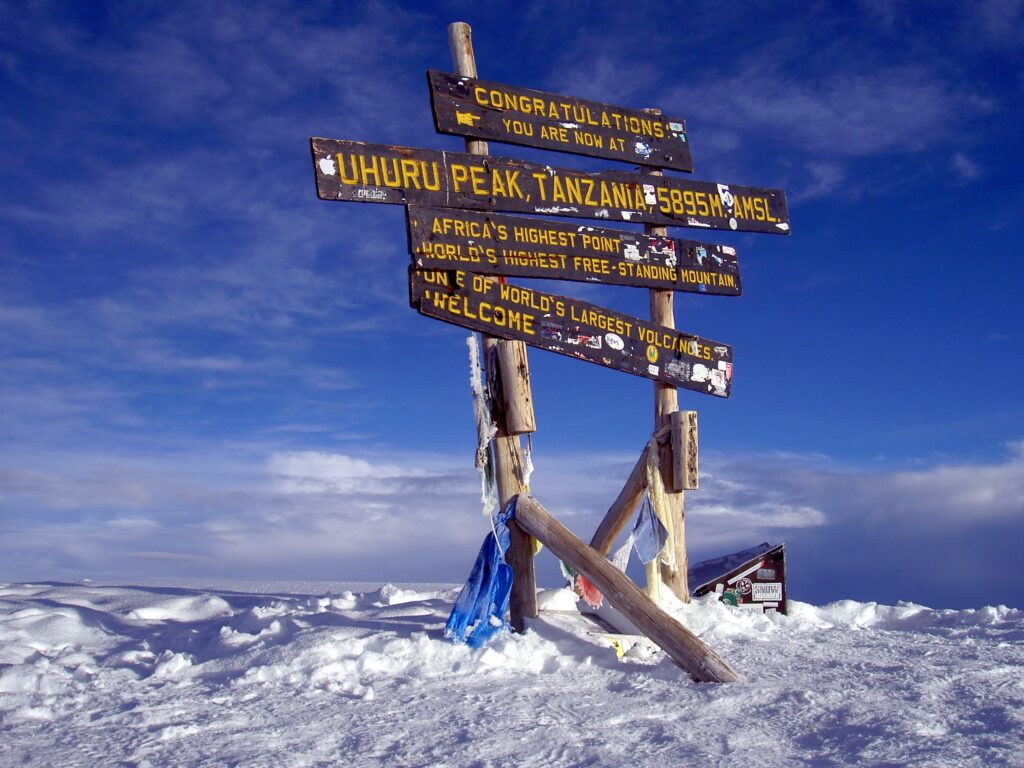
One of the greatest advantages of crossing the Shira Plateau on Mount Kilimanjaro is its role in acclimatization. The plateau’s relatively gentle terrain allows climbers to adjust to high altitude gradually, reducing the risk of altitude sickness. Routes like Lemosho and Northern Circuit incorporate time on the plateau specifically for this purpose. Spending extra nights here helps the body adapt to lower oxygen levels, increasing the chances of a successful summit attempt. This is why many Kilimanjaro tour operators emphasize itineraries that include the Shira Plateau. The combination of moderate elevation gain and scenic surroundings makes acclimatization more comfortable and enjoyable. For climbers aiming to reach Uhuru Peak, time spent on the Shira Plateau can be a crucial factor in achieving a safe and successful ascent.
Stunning Views and Photography Opportunities
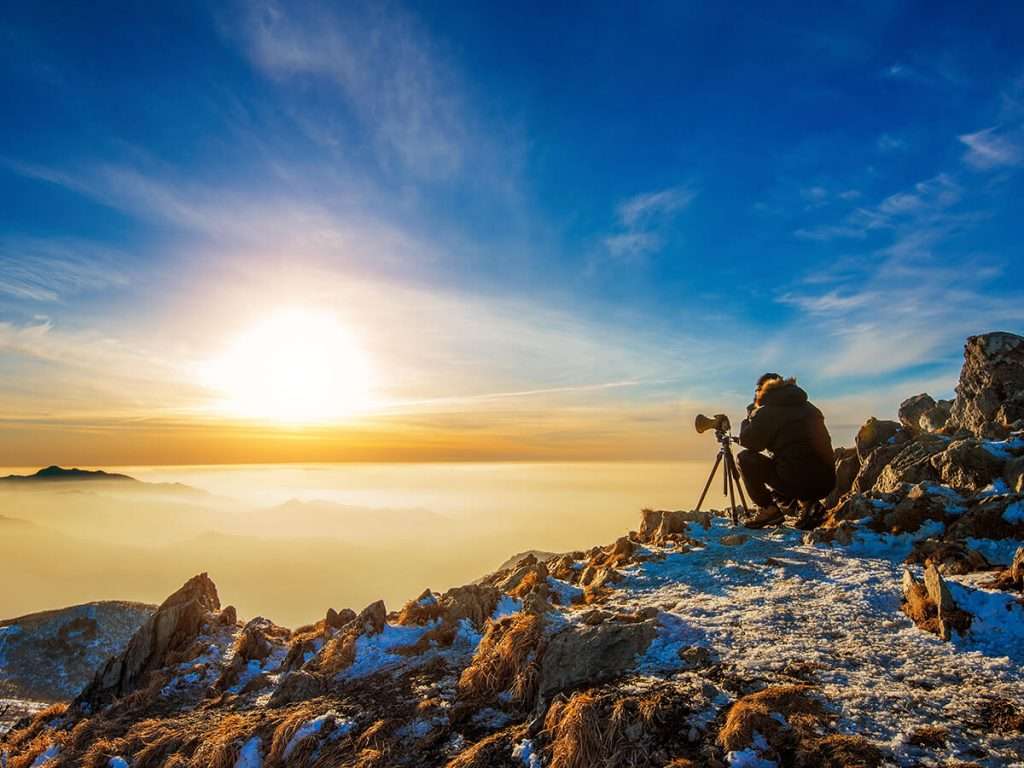
The Shira Plateau offers some of the most breathtaking views on Mount Kilimanjaro, making it a paradise for photographers. Wide-open landscapes provide unobstructed vistas of Kibo’s snow-capped summit, glowing at sunrise and sunset. The contrast between dark volcanic rock and bright skies creates dramatic compositions. On clear days, trekkers can see across vast stretches of Tanzania, with distant horizons fading into the plains. The plateau’s unique flora adds visual interest, especially the towering lobelias. Night photography is equally rewarding, with minimal light pollution revealing brilliant star-filled skies. Whether capturing landscapes, wildlife, or trekking moments, the Shira Plateau delivers unforgettable imagery. For travel photographers and adventurers, it is one of the most visually striking locations on Kilimanjaro and a highlight of any African safari experience.
Cultural Significance and Local Legends
Beyond its geological importance, the Shira Plateau holds cultural significance for local communities living around Mount Kilimanjaro. Indigenous groups, including the Chagga people, have long associated Kilimanjaro with spiritual beliefs and legends. Stories often describe the mountain as a sacred place inhabited by spirits or ancestral forces. The Shira Plateau, with its vast and mysterious landscape, is sometimes seen as a place of transformation and connection to nature. These cultural narratives add a deeper meaning to the trekking experience, enriching it beyond physical adventure. Visitors who engage with local guides and communities gain insight into these traditions and perspectives. Understanding the cultural context of Kilimanjaro enhances appreciation for its heritage, making the journey across the Shira Plateau not just a physical climb but a meaningful cultural exploration.
Comparing Shira to Mawenzi and Kibo
Mount Kilimanjaro consists of three distinct cones: Shira, Mawenzi, and Kibo, each with unique characteristics. Shira, now a collapsed caldera, offers wide, flat terrain ideal for trekking and acclimatization. Mawenzi, by contrast, is rugged and jagged, with steep ridges that attract technical climbers. Kibo, the tallest and most famous cone, hosts Uhuru Peak, the ultimate goal for most climbers. Comparing these formations highlights the diversity of Kilimanjaro’s landscape. While Kibo represents the summit challenge, and Mawenzi offers dramatic scenery, Shira provides accessibility and geological intrigue. This diversity is what makes Kilimanjaro one of the most popular trekking destinations in the world. Each cone contributes to the mountain’s overall appeal, offering different experiences within a single
Challenges of Trekking the Shira Plateau
While the Shira Plateau may appear gentle, trekking here on Mount Kilimanjaro presents several challenges. The high elevation means thinner air, which can lead to altitude sickness if not properly managed. Strong winds and sudden weather changes can also test endurance. The terrain, though mostly flat, includes rocky sections that require careful footing. Additionally, the lack of vegetation offers little protection from sun exposure during the day. Proper preparation, including physical fitness and appropriate gear, is essential for a safe journey. Guided tours are highly recommended to navigate these conditions effectively. Despite these challenges, the rewards of trekking the Shira Plateau far outweigh the difficulties, offering an unforgettable experience for those who are well-prepared and determined.
Best Time to Visit the Shira Plateau
The best time to explore the Shira Plateau on Mount Kilimanjaro aligns with Kilimanjaro’s dry seasons. January to March and June to October are considered ideal months for trekking, offering clear skies and stable weather. During these periods, visibility is excellent, enhancing the plateau’s scenic beauty and photography opportunities. The rainy seasons, particularly April-May and November, can make trails muddy and less accessible. However, these months also bring fewer crowds and lush landscapes. Choosing the right time depends on priorities such as weather, crowd levels, and budget. For most climbers, the dry season provides the best balance of conditions and safety. Planning your Kilimanjaro adventure during these months ensures a more enjoyable and successful trekking experience across the Shira Plateau.
Conservation and Sustainability Efforts
The Shira Plateau lies within the Kilimanjaro National Park Authority, which plays a key role in preserving this ecosystem. Conservation efforts focus on protecting biodiversity, managing tourism impact, and promoting sustainable trekking practices. Strict regulations are in place to minimize environmental damage, including waste management and designated camping areas. Tour operators are encouraged to follow eco-friendly guidelines, ensuring that Kilimanjaro remains pristine for future generations. Community involvement is also essential, as local populations benefit from tourism while contributing to conservation efforts. Sustainable tourism on the Shira Plateau not only protects the environment but also enhances the visitor experience. By choosing responsible operators and respecting park rules, trekkers can help preserve this extraordinary landscape while enjoying one of Africa’s most iconic wonders.
Why the Shira Plateau Matters Today
Today, the Shira Plateau remains one of the most famous features of Mount Kilimanjaro, attracting adventurers, scientists, and nature lovers from around the world. Its unique geological history, scenic beauty, and role in acclimatization make it essential to the Kilimanjaro experience. As climate change and tourism pressures increase, the plateau also serves as a reminder of the importance of conservation and sustainable travel. It represents both the past and future of Kilimanjaro, preserving evidence of ancient volcanic activity while supporting modern. For travelers, the Shira Plateau offers more than just a trekking route—it provides insight into Earth’s history and a chance to connect with nature on a profound level. Its significance continues to grow as awareness of environmental stewardship becomes increasingly important.
Final Thought
The Kilimanjaro Shira Plateau is far more than a scenic; it is a powerful symbol of nature’s ability to create, destroy, and transform. From its origins as a towering volcano to its form as a plateau, Shira tells a story that spans millions of years. For climbers and travelers exploring Mount Kilimanjaro, it offers unmatched beauty, scientific intrigue, and cultural depth. Whether you are drawn by the challenge of climbing Kilimanjaro or the allure of Tanzania’s landscapes, the Shira Plateau stands as a highlight that enriches the entire journey.
Kilimanjaro Shira Plateau: FAQs
Shira plateau key facts
Location and Altitude: Shira Plateau is one of the most spectacular attractions on Mount Kilimanjaro, located on the western side of the mountain. This ancient volcanic caldera sits between 3,500 and 3,800 meters, offering breathtaking landscapes, panoramic views, acclimatization opportunities, and exceptional Tanzania trekking and hiking experiences. Geological Formation: Formed by volcanic activity over 500,000 years ago, Shira Plateau represents the collapsed cone of Kilimanjaro’s oldest peak.
How to reach the Shira Plateau?
The Shira Plateau is one of the most spectacular attractions on Mount Kilimanjaro, located on the mountain’s western side. Most trekkers reach the plateau via the Lemosho Route, Shira Route, or Northern Circuit Route. Travelers typically drive from Moshi or Arusha to Londorossi Gate before beginning their Kilimanjaro trek. The Shira Route uniquely allows vehicle access to a higher starting point near Shira Gate, reducing the initial hiking distance.
Can you drive to Shira Plateau?
Yes, it is possible to drive partway to the Shira Plateau. Unlike most Kilimanjaro routes, the Shira Route begins at a relatively high elevation and allows vehicles to transport climbers from Londorossi Gate to the Shira trailhead. However, vehicles cannot traverse the entire plateau. Once on the plateau, visitors must continue on foot to explore its remarkable volcanic landscapes, camps, and viewpoints.
What is the weather like on the Shira Plateau?
The Shira Plateau experiences cool to cold weather throughout the year due to its high altitude of approximately 3,500–4,000 meters. Daytime temperatures typically range from 5°C to 15°C, while nighttime temperatures frequently fall below freezing. The dry seasons from June to October and January to March provide the best trekking conditions, with clear skies and excellent visibility. During the rainy seasons, clouds, mist, and occasional snowfall may occur.
What summits and hills surround the Plateau?
The Shira Plateau is surrounded by some of Kilimanjaro’s most impressive volcanic formations. To the east rises the massive Kibo Cone, home to Uhuru Peak, Africa’s highest summit at 5,895 meters. Nearby stands Shira Peak, the eroded remnant of the ancient Shira volcano, reaching approximately 3,962 meters. Further east, climbers can admire the rugged silhouette of Mawenzi Peak, Kilimanjaro’s second-highest volcanic cone.
What is the landscape of Shira like?
The Shira Plateau features one of the most distinctive landscapes on Mount Kilimanjaro. Formed from an ancient collapsed volcanic caldera, it consists of wide-open plains, rolling moorlands, volcanic rock formations, lava ridges, and scattered hills. Giant groundsels, giant lobelias, and alpine vegetation thrive in this unique ecosystem. Unlike the steep slopes found elsewhere on Kilimanjaro, the plateau offers expansive, relatively gentle terrain that stretches for approximately 13 kilometers.
Where is Shira Plateau located?
The Shira Plateau is located on the western side of Mount Kilimanjaro within Kilimanjaro National Park. It occupies the remains of the ancient Shira volcano, one of Kilimanjaro’s three volcanic cones alongside Kibo and Mawenzi. Situated at an average elevation of about 3,800 meters, the plateau stretches westward from the base of Kibo for approximately 13 kilometers.
Interesting stories from the first explorations
The Shira Plateau played a significant role during the early European explorations of Kilimanjaro. In 1848, German missionary Johannes Rebmann reported seeing snow on Kilimanjaro near the Equator, a claim many Europeans initially doubted. Later expeditions crossed the plateau while investigating the mountain’s volcanic origins. In 1889, explorers Hans Meyer and Ludwig Purtscheller achieved the first recorded ascent of Kibo, passing through landscapes influenced by the ancient Shira volcano.
Other routes and camps on the Shira Plateau
Several renowned Kilimanjaro routes cross the Shira Plateau, including the Lemosho Route, Shira Route, Machame Route, and Northern Circuit Route. Popular camps within this region include Shira 1 Camp, Shira 2 Camp, and Moir Hut. Shira 1 Camp serves as the first overnight stop for many trekkers entering from the west, while Shira 2 Camp provides excellent views of Kibo.
What is the elevation of the Shira Plateau?
The Shira Plateau sits at an elevation ranging from approximately 3,500 to 3,962 meters above sea level, making it one of the highest plateaus in Africa. Its highest point is Shira Peak, which reaches around 3,962 meters. The plateau was formed from the collapse and erosion of the ancient Shira volcano, believed to be the oldest of Kilimanjaro’s three volcanic cones.
Climb Kilimanjaro With Confidence
Tell us your dates and fitness, and our experienced mountain team will plan a safe, well-acclimatized private climb.