Are you looking to plan an East African Tanzania Safari in September? The Serengeti is a prime, dry-season safari time offering, sunny days, minimal rain, and, crucially, the dramatic Mara River crossings in the North. With temperatures ranging from cool mornings to warm, dry days, this peak season provides exceptional Big Five sightings due to concentrated wildlife. The Serengeti in September is one of Africa’s most iconic safari experiences. If you’re dreaming of vast plains dotted with roaming wildlife, thrilling river crossings, and perfect safari weather, September could be your ideal month to explore this natural wonder. In this comprehensive guide, we cover everything you need to know — from weather and migration stages to packing tips, accommodations, activities, safety advice, and more.
What is the Weather Like in the Serengeti in September
The Serengeti in September experiences one of the most pleasant dry season climates of the year, attracting safari travelers from across the globe. Daytime temperatures typically range between 24°C and 30°C (75°F to 86°F), with crisp, cool mornings that warm quickly under clear blue skies. With almost no rain throughout the month, the weather is ideal for game drives, wildlife photography, and walking safaris. The long grasses of the plains begin to thin out due to the dry conditions, improving visibility for spotting lions, elephants, giraffes, and other iconic African wildlife. Cool nights may drop to around 13°C (55°F), so layering is essential. This dry and stable Serengeti weather in September also contributes to easier road travel compared to wetter months, making it one of the best times for safari explorers.
Is September a Good Time to Visit the Serengeti for Wildlife Viewing?
Absolutely — September is one of the top months for wildlife viewing in the Serengeti. As the dry season peaks, vegetation thinning makes animals easier to spot. Rivers and waterholes shrink, concentrating wildlife around remaining water sources. This natural behavior increases sightings of predators like lions, cheetahs, leopards, and their prey species such as zebra, wildebeest, and gazelle. Because water is scarce, animals travel predictable routes, making game drives exceptionally productive. Birdwatchers also benefit from clear skies and abundant migratory birds. With lower humidity and fewer insects like tsetse flies, safari guests enjoy comfortable conditions throughout the day. Whether you’re tracking the Big Five or observing hippos in cooling pools, September offers high wildlife density and visibility, helping travelers capture memorable safari moments and maximize their Serengeti experience.
What Is the Wildebeest Migration Stage in September
September is a pivotal month for the Great Wildebeest Migration in the Serengeti, one of the world’s most famous wildlife spectacles. During this time, herds of wildebeest, zebra, and gazelle are typically traversing the Western and Northern Serengeti plains after crossing the Grumeti River earlier in late August. By September, the migration pushes toward the Mara River region, driven by the need for fresh grazing as dry-season grasses fade. This migration stage often includes dramatic river crossings, where predators lie in wait. Although exact timing varies yearly based on rainfall patterns, September is consistently one of the best months to witness large herds, predator interactions, and dynamic movement. Safari operators plan special migration-focused game drives to give travelers the highest chance of catching this thrilling and iconic Serengeti phenomenon.
Are There Specific Areas of the Serengeti to Focus On in September
Yes — during September, targeting the Western and Northern Serengeti areas significantly increases your chances of unforgettable wildlife encounters. In the west, the Grumeti River region remains a hotspot for predator action and migrating herds feeding on fresh grazing. Meanwhile, the northern Serengeti near the Mara River becomes increasingly active as wildebeest and zebra push toward Kenya’s Maasai Mara ecosystem. The Seronera Valley — centrally located — remains excellent year-round, offering guaranteed sightings of lions, elephants, giraffes, and leopards. Safari travelers who combine western plains and northern circuits during September experience both migration dynamics and classic predator-prey viewing. Choosing guides familiar with real-time wildlife movement further enhances your safari. Focusing on these regions in September maximizes sightings, from river crossings to big cat hunts and concentrated waterhole activity across the Serengeti landscape.
What Types of Animals Can Be Spotted in the Serengeti During September
September in the Serengeti offers astounding wildlife diversity. The Great Wildebeest Migration is central, with thousands of wildebeest, zebra, and gazelle roaming the plains. Predators are equally impressive — lion prides lounge in acacia shade, leopards stealthily stalk prey, and cheetahs sprint across open grasslands. Elephants, buffalo, and rhinos are frequently sighted near diminishing waterholes, while hippos cool off in remaining pools. Giraffes, elands, impala, and hartebeest dot the landscape. Birdlife flourishes too; raptors soar overhead, and migratory species enrich the skies after leaving northern breeding grounds. September’s drier vegetation improves spotting, so even shy or solitary animals are easier to find. With many species converging near water and grazing lands, your camera will stay active, capturing unforgettable Serengeti wildlife moments during this peak safari month.
What Clothing and Gear Should I Pack for a Serengeti Trip in September
Packing smart for a Serengeti safari in September ensures comfort and safety. Days are warm and sunny, so lightweight, breathable clothing in neutral earth tones helps keep you cool and avoids attracting insects. Morning and evening game drives can be chilly, so include a warm fleece or lightweight jacket. A wide-brimmed hat, UV sunglasses, and high SPF sunscreen are essential under the strong equatorial sun. Comfortable boots or trainers with good traction work best for walking safaris and lodge paths. Binoculars and a high-quality camera with a zoom lens will elevate wildlife spotting and photography. Don’t forget insect repellent, a reusable water bottle, and basic toiletries. Packing a small daypack helps keep essentials organized. Finally, always check luggage allowances if flying between safari airstrips. Being prepared with the right gear ensures your Serengeti journey in September is both comfortable and unforgettable.
Are There Any Special Activities or Events in the Serengeti During September
September in the Serengeti invites more than just traditional game drives. Many lodges and camps organize guided nature walks that offer intimate insights into smaller ecosystems — tracking spoor, learning about medicinal plants, and understanding bird behavior. Hot air balloon safaris over the plains deliver spectacular aerial views of migrating herds and sunrise landscapes that few visitors experience. Photography workshops and cultural visits with Maasai communities enrich your safari with local perspectives. Some camps host evening talks by naturalists, deepening your knowledge of Serengeti ecology and predator-prey dynamics. While there aren’t official “events,” the timing naturally offers enhanced wildlife movement and predator interactions, effectively becoming a daily highlight for visitors. Whether you choose sunrise drives or night game excursions, September brings unique activities that celebrate the Serengeti’s biodiversity and cultural richness.
What Are the Accommodation Options in and Around the Serengeti in September
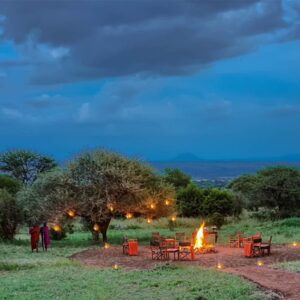
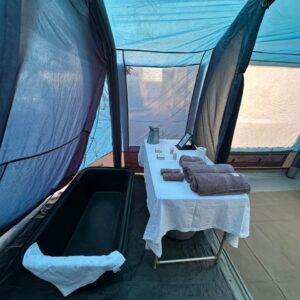
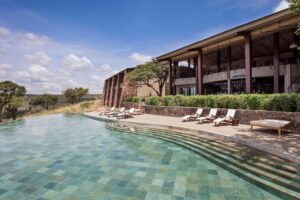
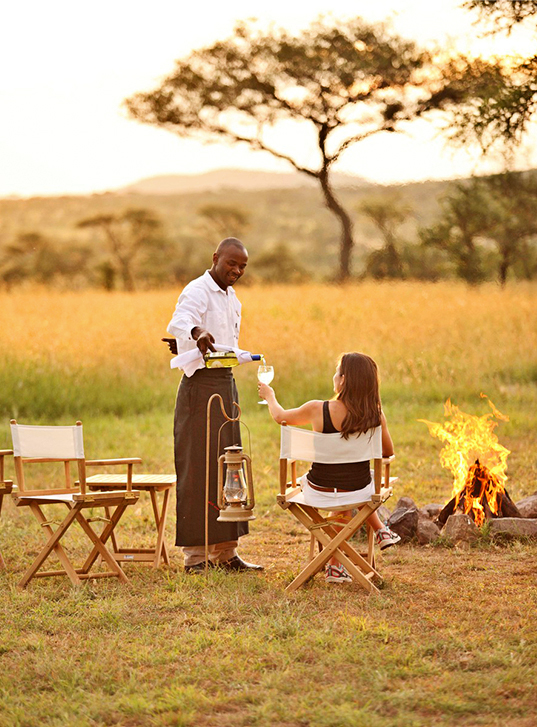
The Serengeti offers a wide range of accommodation options in September, catering to diverse travel styles and budgets. Luxury lodges and tented camps provide exclusive safari experiences — think spacious suites, private plunge pools, and gourmet dining overlooking wildlife-rich plains. Mid-range lodges blend comfort with excellent location near migration paths, while classic tented safari camps immerse guests in nature with canvas walls and nightly campfires. Many operators also offer mobile migration camps that follow the wildebeest herds, allowing travelers to stay right in the heart of the movement. For budget travelers, permanent tent sites and community-run campsites provide basic yet safe comfort. Because September is a high-demand month, booking early guarantees choices near key wildlife corridors. Many accommodations include meals, game drives, and transfers — a convenient, all-inclusive way to enjoy your Serengeti adventure.
How Crowded Is the Serengeti in September
September is part of the Serengeti’s peak safari season, so popular wildlife areas can see increased visitor numbers. However, the Serengeti’s vastness disperses travelers across its 14,763 square kilometers, ensuring that crowds rarely feel overwhelming. Areas like Seronera Valley and migration corridors see more vehicles around key sightings, but expert guides coordinate respectful viewing distances to minimize congestion. Booking through reputable safari operators often grants access to less-visited tracks and private concessions for quieter experiences. Lodges and camps may fill up earlier in September, so early reservations secure ideal locations near rivers or migration zones. Despite higher visitation, the Serengeti maintains its wild atmosphere and solitude between sightings. September’s increased safari traffic reflects its exceptional wildlife viewing, not crowding stress, letting you enjoy unforgettable game drives while preserving the region’s natural serenity.
What Safety Precautions Should I Take When Visiting the Serengeti in September
Safety in the Serengeti is essential for a worry-free safari. Always remain inside your safari vehicle unless accompanied by a professional guide — wild animals behave unpredictably even in seemingly calm conditions. Maintain safe distances during game viewing, especially near predators and large herbivores like buffalo or elephants. Follow lodge and camp safety briefings regarding nighttime movements, as wildlife passes through camps after dark. Drink bottled or purified water to avoid stomach issues, and apply insect repellent to reduce risks from biting insects. Wear neutral colored clothing to avoid drawing animal attention, and listen to your guide regarding off-road driving. Ensure travel insurance covers emergency evacuation and safari activities. Respecting these precautions lets you embrace the Serengeti’s wild beauty while prioritizing your health and safety throughout your September adventure.
What Are the Best Ways to Access the Serengeti (Flights, Transportation, etc.)?
Accessing the Serengeti in September is straightforward with several convenient transportation options. Many travelers fly from Arusha or Kilimanjaro International Airport to regional airstrips such as Seronera, Kogatende, and Grumeti, minimizing long drives and maximizing safari time. Scheduled light aircraft flights provide scenic views and efficient transfers. If you prefer road travel, well-maintained 4×4 safari vehicles can transport you from Arusha or Mwanza, with experienced drivers navigating dirt tracks and remote terrain. Some lodges offer transfers from Ngorongoro Conservation Area or Lake Manyara, making combined safari circuits possible. Guided overland safaris also connect the Serengeti with the Maasai Mara or other Tanzanian parks. Regardless of route, booking transportation through reputable safari operators ensures timely pickups, park entry coordination, and stress-free travel. Choosing the right access method enhances your Serengeti experience during September’s prime wildlife season.
Are There Any Health Concerns or Vaccinations Needed for Traveling to the Serengeti in September
Before traveling to the Serengeti in September, addressing health preparations is vital. Generally recommended vaccinations include Yellow Fever (required if arriving from an infected area), Hepatitis A and B, Typhoid, and routine immunizations like Tetanus and Polio. Because Tanzania is in a malaria risk zone, consult a travel clinic about anti-malarial medication and preventative measures, such as wearing long sleeves at dusk and using insect repellent with DEET. Drink bottled water and avoid raw foods if unsure of preparation safety. Ensure you carry a basic first aid kit and any personal medications, as rural clinics may have limited supplies. Although September’s dry season reduces mosquito populations, precautions remain essential. Travel health insurance covering emergency evacuation is strongly advised. Checking updated health advisories before departure keeps you safe and healthy for your Serengeti safari in September.
What to Expect on a Serengeti Safari in September
Expect a thrilling and unforgettable experience on a Serengeti safari in September. As the dry season peaks, wildlife gathers around shrinking water sources, making game drives highly rewarding. You’ll witness big cats on the hunt, elephants bathing in mud wallows, and the Great Wildebeest Migration advancing through western and northern corridors. Early mornings begin with cool, golden light perfect for photography, while daytime drives offer clear skies and easy tracking. Comfortable safari vehicles with open roofs enhance viewing, and knowledgeable guides share insights into animal behavior and ecosystem dynamics. Evenings may bring lodge dinners under star-filled skies and campfire storytelling. September’s well-maintained roads make reaching remote areas easier than in wetter months. Anticipate powerful moments, from river crossings to close predator sightings — all complemented by hospitable safari camps that turn your trip into a lifelong memory.
What to Know Before Going on a Serengeti Safari in September
Before embarking on your Serengeti safari in September, thorough preparation elevates your trip. This month marks peak wildlife activity due to dry conditions and migration movement, so expect spectacular sightings and potentially higher demand for tours and accommodations. Book early to secure prime lodges near migration routes or waterholes. Understand park entry fees and conservation taxes, typically included in safari packages. Pack smart with climate-appropriate gear and respect park rules — stay in vehicles unless on guided walks or at designated zones. Bring sufficient cash for tips and small purchases in local camps. Respect local cultures and wildlife by practicing ethical safari behavior, such as avoiding loud noises around animals. Familiarize yourself with travel insurance coverage for medical and evacuation support. With proper planning and flexibility, your September Serengeti safari becomes both smooth and richly rewarding.
What Activities/Things to Do in the Serengeti in September
In September, the Serengeti offers a variety of immersive safari activities suitable for all ages and interests. Early morning and sunset game drives are highlights, maximizing chances to see lions hunting or cheetahs sprinting across open grasslands. Guided walking safaris provide closer connections with smaller species, birdlife, and plant ecology under expert ranger supervision. Hot air ballooning at dawn delivers panoramic views of migrating herds and endless plains — a bucket list experience for many visitors. Photography safaris, often led by professional guides, help you capture dramatic wildlife moments with expert tips. Cultural visits to Maasai villages deepen your understanding of traditional lifestyles and conservation efforts. Bush dinners and night drives add variety to your schedule, while relaxed afternoons at your lodge let you soak in scenic views. September’s combination of migration activity and dry season weather makes every Serengeti adventure unforgettable.
Why Visit the Serengeti in September
Visiting the Serengeti in September means experiencing one of the most remarkable wildlife spectacles on Earth. As the dry season reaches its peak, animals concentrate around limited water sources, providing intense predator-prey interactions and abundant sightings. The Great Wildebeest Migration’s movement toward the northern plains and Mara River creates dynamic game viewing that draws nature lovers worldwide. With clear skies and stable weather, photographers get ideal light and unobstructed horizons across endless savannahs. Road conditions are excellent for reaching remote areas, and wildlife densities near rivers and waterholes heighten excitement on every game drive. September’s lower humidity and reduced insects also contribute to comfortable safari conditions. Whether you seek dramatic wildlife action, scenic beauty, or a deeply immersive natural experience, the Serengeti in September delivers unforgettable moments that define African safari adventure.
What Are the Safari Packages Available on a Serengeti in September
A range of safari packages is available for travelers visiting the Serengeti in September, catering to diverse budgets and styles. Luxury safari packages include private game drives, premium lodge accommodations with gourmet meals, and optional hot air balloon excursions. Mid-range safari tours combine comfortable tented camps, knowledgeable guides, and daily game drives focused on migration routes and predator hotspots. Budget safari options use shared 4×4 vehicles and tented camps or community lodges, focusing on core game viewing experiences. Specialized photography safaris feature expert instructors and extended field hours for capturing the Wildebeest Migration. Family-friendly packages include activities for children and shorter drive times. Multi park tours link the Serengeti with Ngorongoro Crater, Lake Manyara, or Tarangire, offering varied ecosystems and added wildlife diversity. Many operators offer customizable itineraries — adding walking safaris, cultural visits, or night drives — so travelers can tailor their September Serengeti safari package to their preferences and budget.
Final Thoughts
Visiting the Serengeti in September is a bucket list safari experience. With near-perfect weather, dramatic wildebeest migration action, abundant wildlife, and diverse landscapes, September stands out as one of the best times to explore this UNESCO World Heritage Site. Whether you’re dreaming of spotting lions stalking on golden plains, witnessing wise old elephants at the drink, or photographing wildebeest crossings, planning your Serengeti safari in September is a decision you won’t regret.