Kilimanjaro Experience
The Kilimanjaro Experience at a Glance
The Kilimanjaro Experience is one of the most iconic trekking adventures in the world, attracting climbers seeking the ultimate African safari and mountain challenge. Located in northern Tanzania within Kilimanjaro National Park, Mount Kilimanjaro is the highest free-standing mountain in the world and a UNESCO World Heritage Site. This unforgettable journey combines breathtaking landscapes, diverse ecological zones, and a life-changing summit experience at Uhuru Peak. From lush rainforests and alpine deserts to glacier-capped peaks, the Kilimanjaro trekking experience offers a once-in-a-lifetime adventure. Popular routes such as Machame, Marangu, Lemosho, and Rongai provide different levels of difficulty and scenery. Whether you are a seasoned hiker or a first-time climber, the Kilimanjaro Experience delivers adventure, cultural immersion, and personal achievement in the heart of Tanzania’s natural beauty.
The Magic of Mount Kilimanjaro
Mount Kilimanjaro is the crown jewel of Tanzania tourism and one of the most searched trekking destinations globally. Rising to 5,895 meters, it offers a unique climbing experience without technical mountaineering skills. The Kilimanjaro Experience is famous for its dramatic landscapes, ranging from dense rainforest to snowy summit. Climbers are drawn to its biodiversity, including unique flora and fauna found only on this mountain. As part of Kilimanjaro National Park, it is protected and managed to preserve its natural beauty. The mountain’s popularity in African safari circuits makes it a must-visit destination for adventure seekers, photographers, and nature lovers. Its legendary status as the “Roof of Africa” continues to draw climbers from around the world.
Best Time for Kilimanjaro Climbing
Choosing the best time for the Kilimanjaro Experience is crucial for a successful summit. The most popular climbing seasons are January to March and June to October, when weather conditions are dry, and visibility is clear. These months offer the best trekking experience with lower chances of rain and snow disruptions. The shoulder seasons can be quieter, providing a more private adventure, but with unpredictable weather conditions. Climbers planning a Tanzania safari combined with Kilimanjaro trekking often schedule their trip around these peak seasons. Temperature varies significantly by altitude, from warm rainforest zones to freezing summit nights. Proper planning ensures a safer and more enjoyable Kilimanjaro climbing experience, making timing one of the most important travel considerations.
- January to March
- June to October
- Clearer skies and drier trails
- March to May
- November
- Quieter but slippery trails
Kilimanjaro Trekking Routes Explained
Several famous routes define the Kilimanjaro Experience, each offering unique scenery and difficulty levels. The Machame Route is the most popular due to its scenic beauty and high success rate. The Marangu Route is known as the “Coca-Cola Route” and offers hut accommodation. The Lemosho Route provides stunning landscapes and better acclimatization, making it ideal for beginners. The Rongai Route approaches from the north and is less crowded. The Northern Circuit Route is the longest and most scenic option for a premium trekking experience. Choosing the right Kilimanjaro climbing route is essential for success. Each route passes through rainforest, moorland, alpine desert, and glacier zones, making the journey a diverse and unforgettable African adventure.
Machame Route
The most popular route, known for scenery and a high success rate. Usually 6–7 days.
Marangu Route
The “Coca-Cola Route” with hut accommodation. Usually 5–6 days.
Lemosho Route
Stunning landscapes and better acclimatization. Usually 7–9 days.
Rongai Route
Approaches from the north and is less crowded.
Northern Circuit Route
The longest and most scenic option. Usually 7–9 days.
Altitude and Acclimatization Challenges
Altitude is one of the biggest challenges in the Kilimanjaro Experience. As climbers ascend above 3,000 meters, oxygen levels decrease significantly, making acclimatization essential. Symptoms of altitude sickness include headaches, fatigue, and nausea. Proper trekking schedules, such as “climb high, sleep low,” are used to help the body adjust. Longer routes like Lemosho and Northern Circuit improve summit success rates due to better acclimatization time. Hydration, slow pacing, and rest days are critical for a safe climb. Kilimanjaro guides play a vital role in monitoring climbers’ health. Understanding altitude preparation is essential for anyone searching for Kilimanjaro trekking tips, safety guides, and high-altitude hiking experiences in Tanzania. Proper acclimatization greatly increases the chance of reaching Uhuru Peak successfully.
Kilimanjaro National Park Wildlife
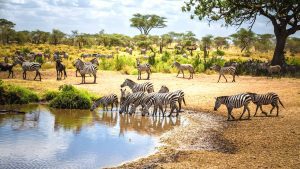
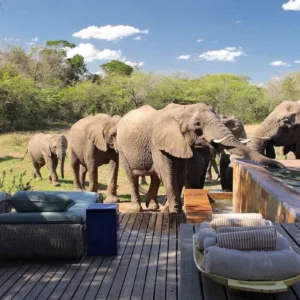
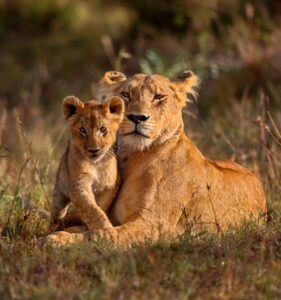
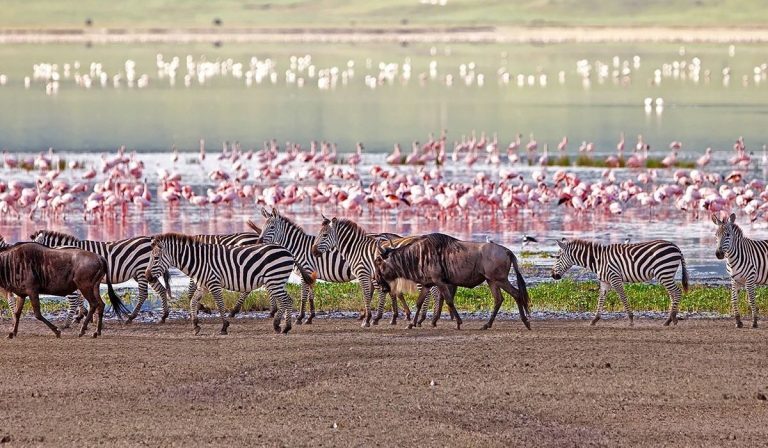
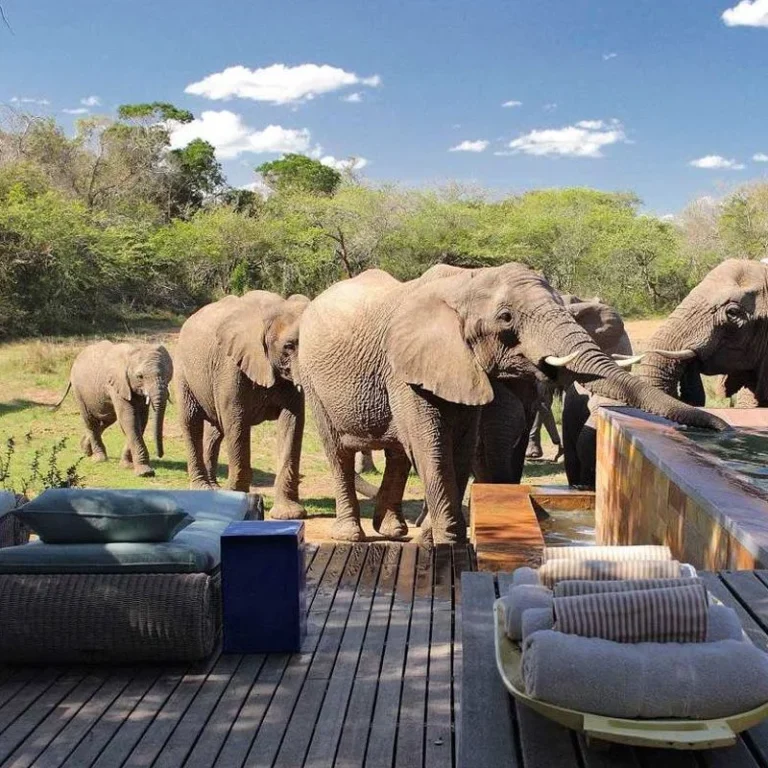
The Kilimanjaro Experience is not only about climbing but also about wildlife encounters. Kilimanjaro National Park is home to diverse ecosystems supporting colobus monkeys, blue monkeys, elephants, and various bird species. The lower rainforest zone is rich in biodiversity, offering trekkers a chance to experience Tanzania’s natural beauty before reaching higher altitudes. As climbers ascend, wildlife becomes less frequent, but the ecological transition remains fascinating. The mountain is part of larger East African safari circuits, often combined with Serengeti and Ngorongoro tours. This makes Kilimanjaro trekking a perfect addition to luxury African safari packages. Nature lovers and photographers highly value this combination of wildlife and mountain adventure, making it a top choice for Tanzania travel experiences.
Preparation for Kilimanjaro Climb
Proper preparation is essential for a successful Kilimanjaro Experience. Physical fitness training should begin months before the climb, focusing on endurance, cardio, and hiking practice. Packing the right gear is equally important, including warm clothing, waterproof jackets, trekking boots, and sleeping bags. Mental preparation is also key, as the climb is both physically and emotionally demanding. Many travelers search for a Kilimanjaro packing list, training tips, and climbing guides before booking. Hiring a licensed Kilimanjaro tour operator ensures safety, experienced guides, and proper logistics. Preparation also includes travel insurance and understanding altitude risks. A well-prepared climber significantly increases their chances of reaching the summit while enjoying the breathtaking landscapes of Tanzania’s most famous mountain adventure.
Kilimanjaro Cost and Packages
The cost of the Kilimanjaro Experience varies depending on route, duration, and level of service. Budget Kilimanjaro climbs may start from lower-priced group tours, while luxury Kilimanjaro trekking packages offer private guides, premium camping, and enhanced comfort. On average, prices include park fees, guide services, meals, and equipment. Longer routes such as Lemosho and Northern Circuit tend to cost more but provide higher success rates. Many travelers combine Kilimanjaro climbing with a Tanzania safari and Zanzibar beach holidays for a complete African experience. Searching for Kilimanjaro climbing cost, the best tour operators, and affordable trekking packages is common among international tourists. Choosing reputable operators ensures safety, ethical tourism, and a memorable summit experience.
Kilimanjaro Summit – Uhuru Peak
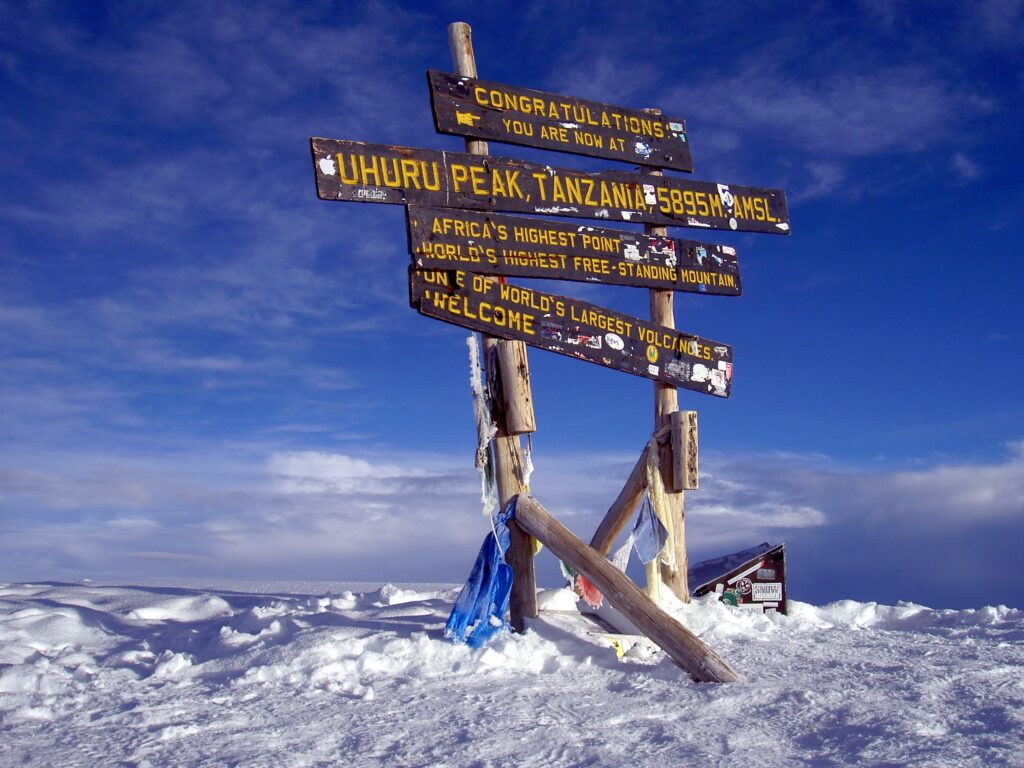
Reaching Uhuru Peak is the ultimate highlight of the Kilimanjaro Experience. Standing at 5,895 meters, it is the highest point in Africa and one of the most rewarding trekking achievements in the world. Climbers typically begin their summit push at midnight, trekking through freezing temperatures and thin air to reach the summit at sunrise. The view from the top includes glaciers, volcanic craters, and the vast African plains below. This moment represents personal triumph and endurance, making Kilimanjaro summit success a dream for many travelers. Many climbers describe it as a life-changing experience. The descent is faster but equally challenging, completing one of the most iconic trekking adventures on Earth.
Kilimanjaro Safety and Guides
Safety is a top priority in the Kilimanjaro Experience. Professional mountain guides are required for all climbs within Kilimanjaro National Park. These experts are trained in altitude sickness management, first aid, and emergency procedures. Porters assist with carrying equipment, ensuring climbers can focus on the trek. Reputable tour operators follow strict safety standards, increasing summit success rates. Weather monitoring, proper acclimatization schedules, and daily health checks are part of the climb. Choosing certified operators ensures a secure and enjoyable adventure while reducing risks associated with high-altitude climbing.
Kilimanjaro and Cultural Experience
The Kilimanjaro Experience also includes rich cultural interactions with local communities. The Chagga people, who live on the mountain’s slopes, offer insights into traditional farming, coffee production, and local heritage. Cultural tours before or after the climb enhance the overall Tanzania safari experience. Many visitors enjoy visiting villages, tasting local cuisine, and learning Swahili greetings. This cultural immersion adds depth to Kilimanjaro trekking tours, making them more than just a physical challenge. Tanzania culture tours, Kilimanjaro villages, and Chagga heritage are frequently searched by travelers. Combining mountain adventure with cultural exploration creates a complete African travel experience.
Accommodation on Kilimanjaro
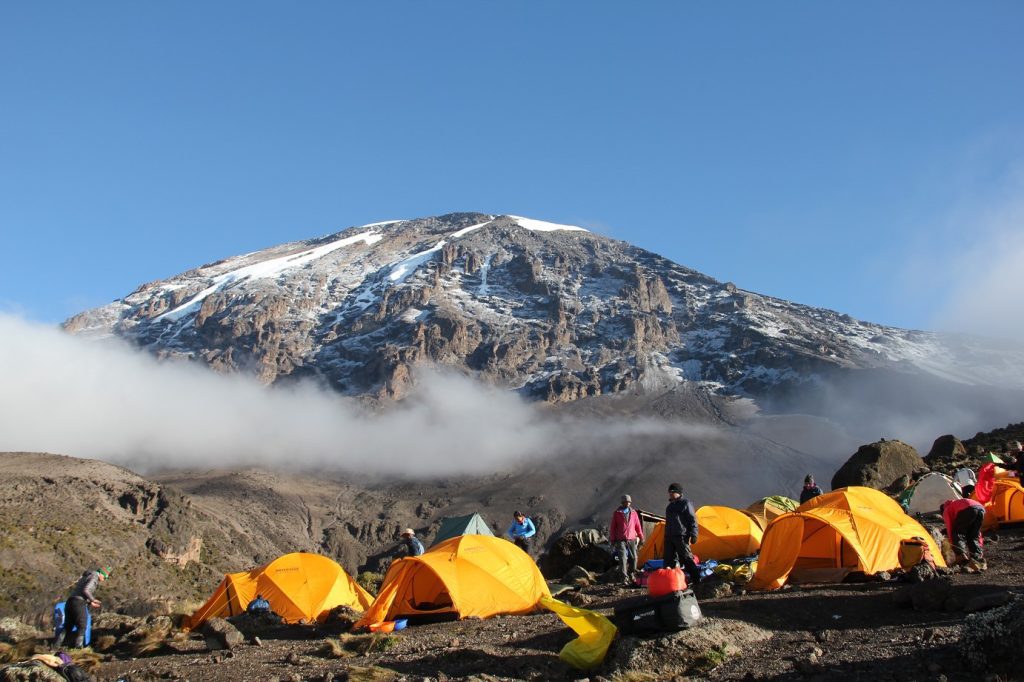
Accommodation during the Kilimanjaro Experience depends on the chosen route. Most routes use tented camping, where climbers sleep in high-quality mountain tents set up by porters. The Marangu Route offers hut accommodation, making it slightly more comfortable for some trekkers. Campsites are strategically located to support acclimatization and rest. Meals are prepared by mountain chefs, ensuring proper nutrition during the climb. Luxury Kilimanjaro trekking packages may include upgraded camping gear, private toilets, and enhanced comfort. Kilimanjaro camping experience, mountain huts in Tanzania, and luxury Kilimanjaro climbs are common among travelers. Proper accommodation planning improves overall trekking comfort and summit success rates.
Flora and Landscapes of Kilimanjaro
The Kilimanjaro Experience showcases incredible ecological diversity. Climbers pass through five distinct zones: cultivated farmland, rainforest, heath, alpine desert, and arctic summit. Each zone offers unique vegetation and landscapes, making the journey visually stunning. Giant lobelias, senecios, and moss-covered forests are highlights of the lower regions. As altitude increases, vegetation disappears, revealing volcanic rock and glaciers. This dramatic transition makes Kilimanjaro one of the most photographed mountains in Africa. Kilimanjaro landscapes, mountain ecosystems in Tanzania, and African trekking scenery are celebrated worldwide. The natural beauty of Kilimanjaro is a major reason it remains a top global trekking destination.
- 1Cultivated farmland on the lower slopes
- 2Rainforest with colobus and blue monkeys
- 3Heath and moorland with giant lobelias and senecios
- 4Alpine desert of volcanic rock
- 5Arctic summit with glaciers at Uhuru Peak
Kilimanjaro Photography Experience
Photography is a major part of the Kilimanjaro Experience. From sunrise shots above the clouds to dramatic glacier views at the summit, the mountain offers endless photographic opportunities. Rainforest wildlife, porters on the trail, and panoramic landscapes create stunning visual stories. Many travelers combine Kilimanjaro trekking with safari photography tours in Serengeti and Ngorongoro. Kilimanjaro photography tours, best photo spots in Kilimanjaro, and Tanzania adventure photography are widely searched. Capturing the journey requires preparation, including weatherproof camera gear and extra batteries due to cold temperatures. The mountain’s dramatic scenery makes it a dream destination for professional and amateur photographers alike.
Combining Kilimanjaro with Safari and Zanzibar
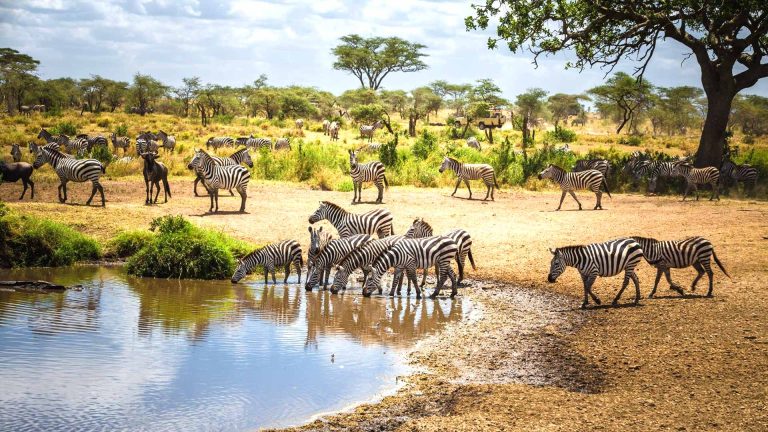
One of the most popular travel trends is combining the Kilimanjaro Experience with Tanzania safari and Zanzibar beach holidays. After conquering Africa’s highest peak, travelers often explore Serengeti National Park for wildlife safaris or relax on Zanzibar’s white sandy beaches. This combination creates a complete African adventure package. Kilimanjaro safari packages, Tanzania trekking and beach holidays, and luxury African tours are increasingly popular. Tour operators offer customizable itineraries that include mountain climbing, game drives, and coastal relaxation. This multi-experience journey makes Tanzania one of the most attractive destinations in the world.
- KilimanjaroSummit Uhuru Peak
- ArushaRest and recover
- Tarangire & NgorongoroBig Five safari
- SerengetiGreat Migration
- ZanzibarBeach relaxation
Why Kilimanjaro Is a Bucket List Adventure
The Kilimanjaro Experience is widely recognized as a bucket list adventure for travelers worldwide. It combines physical challenge, natural beauty, cultural interaction, and personal achievement. Unlike other high peaks, Kilimanjaro does not require technical climbing skills, making it accessible to many adventurers. Its global reputation as the “Roof of Africa” continues to attract thousands of climbers annually. Bucket list climbs, Kilimanjaro adventure tours, and the best trekking experiences in Africa highlight its popularity. Completing the climb is often described as a life-changing milestone that inspires confidence and lifelong memories.
Final Thought
The Kilimanjaro Experience remains one of the most powerful and inspiring adventures in global travel. From the lush rainforest base to the icy summit of Uhuru Peak, every step tells a story of endurance, discovery, and achievement. Whether you are seeking a personal challenge, a Tanzania safari combination, or a once-in-a-lifetime trekking journey, Mount Kilimanjaro delivers unmatched value. With proper preparation, the right route, and experienced guides, the climb becomes both safe and unforgettable. Its global popularity reflects its status as one of the world’s greatest trekking destinations. Ultimately, Kilimanjaro is not just a mountain—it is a journey of transformation, making it a must-do adventure for every traveler exploring Africa.
The Kilimanjaro Experience: FAQs
What is the Kilimanjaro Experience?
The Kilimanjaro Experience refers to the full trekking adventure of climbing Mount Kilimanjaro in Tanzania, the highest free-standing mountain in the world at 5,895 meters. It includes multi-day hiking through diverse ecological zones such as rainforest, moorland, alpine desert, and icy summit conditions. The experience is part of Kilimanjaro National Park and is one of the most popular trekking adventures in Africa. Travelers from around the world join guided tours to reach Uhuru Peak, the summit of Africa. It is a non-technical climb, meaning no mountaineering skills are required, but physical fitness and altitude preparation are essential.
How difficult is climbing Mount Kilimanjaro?
Climbing Mount Kilimanjaro is considered a challenging but achievable trek rather than a technical climb. The main difficulty comes from high altitude rather than steep climbing sections. As climbers ascend above 3,000 meters, oxygen levels drop, increasing the risk of altitude sickness. The Kilimanjaro Experience requires good physical fitness, endurance, and mental preparation. Longer routes such as Lemosho and Northern Circuit offer better acclimatization and higher success rates. Shorter routes like Marangu can be more demanding due to rapid ascent. With proper pacing, hydration, and experienced guides, most healthy trekkers can reach the summit.
How long does it take to climb Kilimanjaro?
The duration of the Kilimanjaro Experience depends on the chosen route. Most climbs take between 5 and 9 days, although longer routes can extend to 10 or more days for better acclimatization. The Machame Route typically takes 6–7 days, while the Lemosho and Northern Circuit routes take 7–9 days. The Marangu Route is the shortest, usually completed in 5–6 days. Longer Kilimanjaro route itineraries increase summit success rates because climbers have more time to adjust to altitude changes. A well-planned Kilimanjaro climbing schedule is essential for a safe and enjoyable experience.
What is the best time to climb Kilimanjaro?
The best time for the Kilimanjaro Experience is during the dry seasons: January to March and June to October. These months offer clearer skies, stable weather conditions, and lower chances of rain, making trekking safer and more enjoyable. June to October is the most popular period due to excellent visibility and warmer daytime temperatures. January to March is slightly colder but less crowded. The rainy seasons, from March to May and November, are less ideal due to slippery trails and poor visibility. However, experienced trekkers may still climb during these months for a quieter experience.
Do I need prior climbing experience for Kilimanjaro?
No prior climbing or mountaineering experience is required for the Kilimanjaro Experience. Mount Kilimanjaro is a trekking mountain, meaning climbers walk along established trails rather than using technical climbing equipment. However, good physical fitness, endurance training, and mental preparation are highly recommended. Regular hiking, cardio exercises, and altitude training can improve your chances of reaching the summit. While experience is not mandatory, preparation is key to handling long trekking days and high-altitude conditions. Professional guides and porters assist throughout the journey, ensuring safety and support.
What is altitude sickness on Kilimanjaro?
Altitude sickness is one of the most important challenges during the Kilimanjaro Experience. It occurs when the body struggles to adjust to lower oxygen levels at high elevations. Symptoms may include headaches, nausea, dizziness, and fatigue. As climbers ascend above 3,000 meters, the risk increases. Proper acclimatization is essential to reduce the chances of altitude sickness. Longer routes like Lemosho and Northern Circuit allow gradual ascent, improving safety and success rates. Staying hydrated, walking slowly, and following guide instructions are crucial. In severe cases, climbers may need to descend immediately.
What should I pack for Kilimanjaro?
Packing properly is essential for a successful Kilimanjaro Experience. Key items include layered clothing for changing temperatures, waterproof jackets, thermal wear, hiking boots, gloves, and warm hats. A high-quality sleeping bag is important for cold summit nights. Trekking poles help with balance and reduce strain on knees. Other essentials include sunscreen, sunglasses, headlamp, reusable water bottles, and personal medication. Most climbers also bring snacks for extra energy during long hiking days. Packing light but efficiently is recommended, as porters carry limited weight. Proper equipment ensures comfort, safety, and improved performance during the climb.
How much does it cost to climb Kilimanjaro?
The cost of the Kilimanjaro Experience varies depending on route, duration, and service level. On average, prices range from budget group climbs to luxury private expeditions. Costs typically include park fees, guide services, porters, food, camping equipment, and rescue fees. Longer routes such as Lemosho and Northern Circuit tend to be more expensive but offer higher summit success rates. Luxury Kilimanjaro trekking packages may include upgraded camping, better meals, and personalized services. Many travelers also combine their climb with Tanzania safari and Zanzibar beach holidays for a complete African travel package.
Is Kilimanjaro safe to climb?
Yes, the Kilimanjaro Experience is generally safe when guided by licensed professionals. Safety is a top priority in Kilimanjaro National Park, and all climbers are required to be accompanied by certified guides and porters. These experts are trained in altitude sickness management, emergency response, and mountain safety protocols. Daily health checks are conducted to monitor climbers’ condition. Weather conditions and altitude risks are the main challenges, but proper preparation significantly reduces dangers. Choosing reputable tour operators ensures adherence to safety standards. Thousands of climbers successfully reach the summit each year.
Can Kilimanjaro be combined with safari trips?
Yes, combining the Kilimanjaro Experience with Tanzania safari tours is one of the most popular travel options. Many visitors choose to climb Mount Kilimanjaro first and then explore famous wildlife destinations such as Serengeti National Park, Ngorongoro Crater, and Tarangire National Park. This combination offers a complete African adventure, blending mountain trekking with world-class wildlife viewing. After the climb, travelers often relax on Zanzibar’s tropical beaches. Tour operators offer customized packages that include trekking, safari game drives, and beach holidays. This makes Tanzania one of the most versatile and rewarding travel destinations in the world.
What are the accommodation options on Kilimanjaro?
Accommodation during the Kilimanjaro Experience depends on the trekking route chosen. Most routes, such as Machame, Lemosho, and Northern Circuit, use mountain camping with high-quality tents provided by tour operators. Climbers sleep in designated campsites along the trail, with porters setting up and dismantling tents daily. The Marangu Route is unique because it offers hut accommodation instead of tents, providing basic dormitory-style sleeping shelters. Facilities are simple but functional, designed to support high-altitude trekking conditions. Meals are prepared by mountain chefs and served in dining tents.
What wildlife can I see on Kilimanjaro?
The Kilimanjaro Experience offers unique wildlife encounters, especially in the lower rainforest zones. Trekkers may see colobus monkeys, blue monkeys, bush babies, and various antelope species. The dense forest is also home to exotic birds such as hornbills and turacos, making it a paradise for birdwatchers. As climbers ascend higher, wildlife becomes less frequent due to colder temperatures and harsher conditions. However, the ecological transition remains one of the most fascinating aspects of the climb. Kilimanjaro National Park is part of Tanzania’s wider safari ecosystem, often combined with Serengeti and Ngorongoro wildlife tours.
What fitness level is required for Kilimanjaro?
A moderate level of fitness is recommended for the Kilimanjaro Experience. Climbers do not need technical mountaineering skills, but they should be able to hike for several hours a day over multiple days. Training should include cardio exercises such as running, cycling, and stair climbing, as well as long-distance hiking with a backpack. Strength and endurance are more important than speed. Altitude, not terrain difficulty, is the main challenge. Preparing at least 2–3 months before the climb significantly increases success rates. With proper preparation and pacing, climbers of various ages and fitness levels successfully reach Uhuru Peak each year.
Why choose guided tours for Kilimanjaro?
Choosing a guided tour is mandatory and essential for the Kilimanjaro Experience. Independent climbing is not allowed within Kilimanjaro National Park. Licensed guides ensure safety, route navigation, and altitude monitoring throughout the trek. Porters carry equipment, tents, and food supplies, allowing climbers to focus on the journey. Professional tour operators also handle permits, logistics, and emergency support. Guided tours significantly increase summit success rates due to expert pacing and acclimatization strategies. Ethical operators also ensure fair treatment of porters and sustainable tourism practices. Overall, guided climbs provide a safer, more organized, and more enjoyable Kilimanjaro Experience.
How successful is reaching the Kilimanjaro summit?
Summit success rates for the Kilimanjaro Experience vary depending on route length and preparation. On average, success rates range from 50% to over 90%. Longer routes such as Lemosho and Northern Circuit offer higher success due to better acclimatization. Shorter routes like Marangu have lower success rates because of rapid ascent. Physical fitness, proper gear, hydration, and guide experience all play important roles. Most climbers who choose well-planned itineraries and reputable operators successfully reach Uhuru Peak. The key to success is slow pacing and allowing the body time to adjust to altitude.
Can I book a private Kilimanjaro climb?
Yes. Our experienced local mountain team plans private, well-acclimatized Kilimanjaro climbs on routes such as Machame, Lemosho, Marangu and Rongai. We tailor the route, duration and dates to your fitness and schedule, and can combine your climb with a Tanzania safari and a Zanzibar beach holiday.
Climb Kilimanjaro With Confidence
Tell us your dates and fitness, and our experienced mountain team will plan a safe, well-acclimatized private climb.