Making the Most of Your Next African Safari Vacation
Making the Most of Your Next African Safari Vacation
Making the most of your next African safari vacation starts with thoughtful planning, smart travel choices, and a clear understanding of what makes Africa’s wilderness truly unforgettable. From the vast Serengeti plains in Tanzania to the dramatic savannahs of Kenya’s Maasai Mara and the wildlife-rich Kruger National Park in South Africa, an African safari offers some of the best wildlife experiences in the world. Whatever your style or budget, preparation is key. Understanding safari seasons, wildlife migration patterns, and accommodation options can transform your journey into a once-in-a-lifetime adventure. This guide explores practical tips, relevant insights, and expert travel strategies to help you maximize game drives, photography opportunities, cultural experiences, and unforgettable encounters with Africa’s iconic Big Five.
Choose the Best African Safari Destination
Choosing the right destination is the foundation of a successful African safari vacation. Tanzania offers the Serengeti National Park and Ngorongoro Crater, known for the Great Migration, dramatic river crossings, and dense wildlife populations. Arusha National Park and Lake Manyara offer scenic, easily accessible safaris, while Nyerere National Park (formerly Selous) delivers a unique water-based safari experience. Each destination offers different landscapes, wildlife density, and travel styles. Your choice should depend on your budget, travel season, and desired safari experience—whether luxury, mid-range, or budget camping. Selecting the right country ensures you maximize wildlife sightings, photography opportunities, and overall safari satisfaction.
- ArushaGateway
- TarangireElephants
- NgorongoroCrater
- SerengetiBig Five
- ZanzibarBeach
Travel During the Best African Safari Season
Timing plays a crucial role in maximizing your African safari vacation. The dry season, typically from June to October, is considered the best time for wildlife viewing because animals gather around water sources, making them easier to spot. In Tanzania, this period also aligns with the Great Wildebeest Migration river crossings. The wet season, from November to May, offers lush landscapes, fewer tourists, and excellent birdwatching opportunities. Each season provides unique advantages depending on your interests. Photographers often prefer golden dry-season lighting, while budget travelers benefit from lower accommodation prices in the green season. Choosing the right safari season ensures better game drives, clearer visibility, and unforgettable wildlife encounters.
Select the Right African Safari Type
Selecting the right safari type is essential for a rewarding experience. Luxury safaris offer high-end lodges, private guides, and exclusive game drives, while budget safaris focus on camping and group travel for affordability. Mid-range safaris balance comfort and cost. Private safaris provide personalized itineraries, ideal for honeymooners or photographers, while group safaris are social and cost-effective. Walking safaris, fly-in safaris, and mobile camping safaris also offer unique experiences. Your choice depends on budget, comfort level, and travel style. Families may prefer lodges with amenities, while adventure seekers might enjoy tented camps in remote areas. Choosing the right safari type ensures comfort, flexibility, and a more immersive wildlife experience tailored to your expectations.
Plan a Realistic African Safari Budget
Budget planning is a key part of making the most of your African safari vacation. Safari costs vary widely depending on destination, accommodation, and season. Budget safaris may start from affordable group packages, while luxury safaris can cost significantly more due to exclusive lodges and private guides. Additional expenses include park fees, flights, tips, and optional activities like hot air balloon rides. Tanzania and Kenya offer a wide range of pricing options for all travelers. Planning allows you to compare tour operators, find discounts, and choose the best value packages. A well-structured budget ensures you enjoy game drives, comfortable accommodation, and memorable experiences without unexpected financial stress during your African safari adventure.
- Accommodation
- Meals
- Park fees
- Vehicle & guide
- Transfers
- International flights
- Visas
- Travel insurance
- Tips
- Premium drinks
Book with a Trusted African Safari Operator
Working with a trusted African safari operator ensures safety, reliability, and a well-organized itinerary. Experienced operators handle logistics such as park permits, transportation, accommodation, and guided game drives. They also provide knowledgeable guides who understand wildlife behavior and local ecosystems. A reputable company enhances your chances of seeing the Big Five and ensures smooth travel between parks. Reading reviews, comparing itineraries, and checking certifications can help you choose the right provider. Local operators in Tanzania often offer more authentic and cost-effective experiences. Booking with professionals helps ensure a stress-free safari, allowing you to focus entirely on wildlife viewing, photography, and enjoying Africa’s natural beauty.
Pack Smart for Your African Safari Adventure
Packing correctly is essential for a comfortable African safari vacation. Lightweight, neutral-colored clothing such as khaki, beige, and olive green helps blend into the environment and keeps you cool. Essential items include binoculars, sunscreen, insect repellent, a wide-brim hat, and a good camera. Layered clothing is recommended due to the changing temperatures between mornings and evenings. Comfortable walking shoes are important for nature walks and lodge activities. A soft duffel bag is preferred over hard suitcases for safari vehicles. Don’t forget travel documents, medications, and portable chargers. Smart packing ensures comfort, mobility, and readiness for all safari conditions, enhancing your overall wildlife experience across Africa’s diverse national parks.
Focus on the Big Five African Wildlife Safari Experience
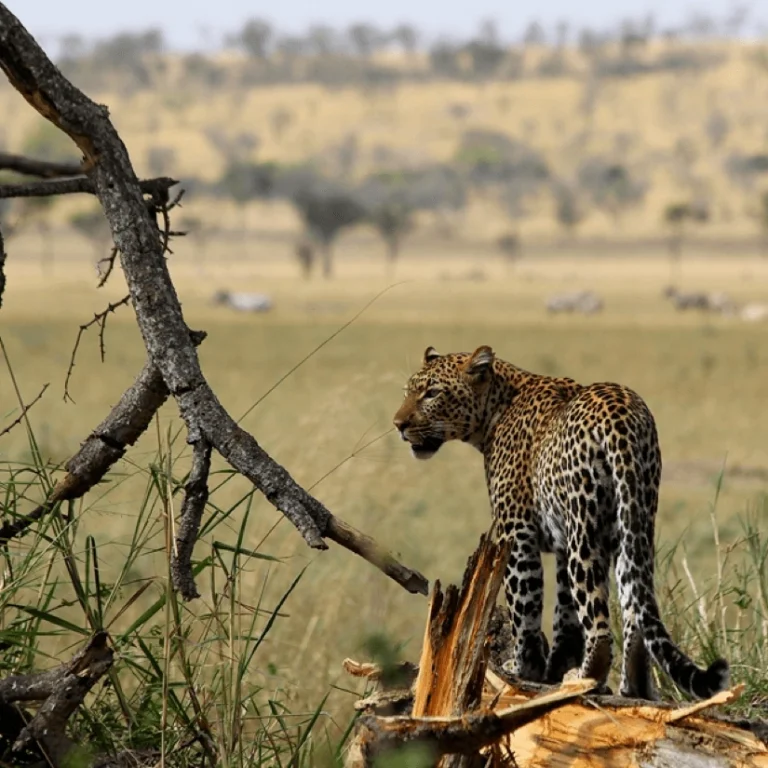
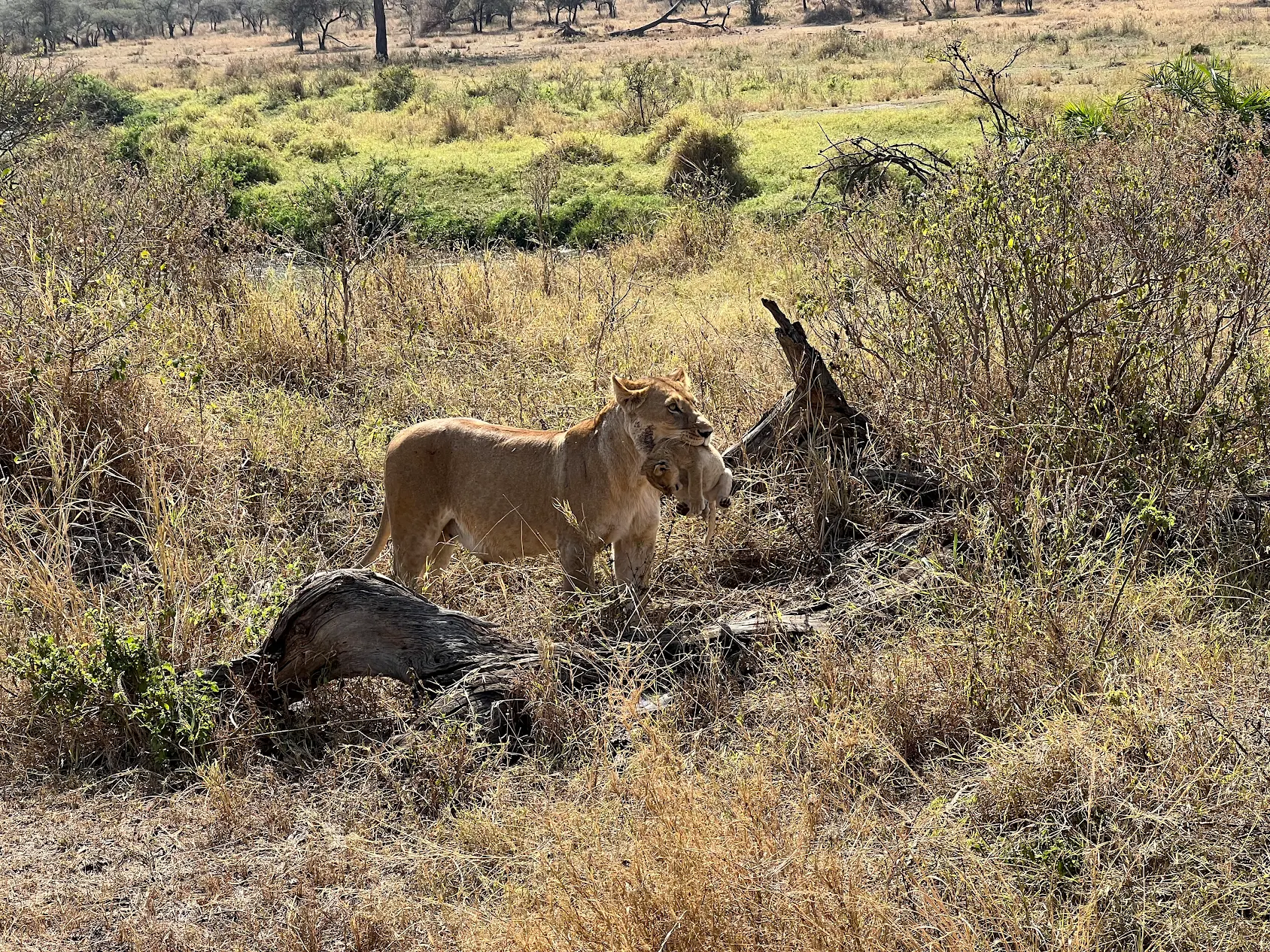
The Big Five—lion, leopard, elephant, buffalo, and rhinoceros—are a major highlight of any African safari. National parks such as Serengeti offer excellent chances to see these iconic animals in their natural habitat. Game drives at dawn and dusk increase your chances of sightings, as wildlife is most active during cooler hours. Professional guides help track animals using behavior patterns and terrain knowledge. In addition to the Big Five, safaris also feature giraffes, zebras, hippos, and hundreds of bird species. Focusing on wildlife diversity rather than just the Big Five ensures a richer and more fulfilling safari experience filled with unforgettable encounters and photography opportunities.
Maximize Your African Safari Game Drives
Game drives are the heart of any African safari vacation. Morning game drives offer the best chance to see predators like lions and cheetahs hunting. Afternoon drives reveal grazing herbivores and dramatic sunsets. Open-roof safari vehicles provide excellent visibility and photography angles. Patience is key, as wildlife sightings are unpredictable and often rewarding when least expected. Experienced guides enhance the experience by sharing ecological insights and tracking animal movements. Staying quiet and observant increases your chances of close encounters. Game drives in Tanzania’s Serengeti or Kenya’s Maasai Mara are particularly famous for their density of wildlife. Making the most of game drives ensures unforgettable memories and high-quality safari photography moments.
Capture Professional African Safari Photography
Photography is a major part of modern African safari experiences. A good camera with a zoom lens helps capture distant animals without disturbance. Early morning and late afternoon provide the best natural lighting for dramatic shots. Patience and positioning are essential for capturing action scenes like predator hunts or river crossings. Many travelers also use smartphones with advanced zoom capabilities for convenience. Keeping your camera ready at all times ensures you never miss unexpected wildlife moments. Guides often position vehicles for optimal angles. Whether in the Serengeti or Kruger, safari photography allows you to preserve memories of Africa’s stunning landscapes and incredible wildlife encounters for years to come.
Respect African Wildlife and Nature
Respecting wildlife and natural habitats is essential during an African safari vacation. Visitors should always maintain a safe distance from animals and avoid disturbing their natural behavior. Feeding wildlife is strictly prohibited as it disrupts ecosystems. Staying inside designated safari vehicles ensures safety for both tourists and animals. Eco-friendly lodges and sustainable tourism practices help protect Africa’s fragile environments. Reducing plastic use and following park rules contribute to conservation efforts. Responsible travel ensures that future generations can enjoy the same incredible wildlife experiences. By respecting nature, travelers actively support conservation projects and local communities, making their safari both meaningful and environmentally responsible.
Experience African Local Culture and Communities
Cultural experiences enrich any African safari vacation. Visiting local communities like the Maasai, Hadzabe, or Samburu allows travelers to learn traditional lifestyles, dances, and customs. These interactions provide a deeper understanding of Africa beyond wildlife. Cultural tourism also supports local economies and sustainable development. Many safari itineraries include village visits, traditional craft markets, and storytelling sessions. Respectful engagement is important, ensuring cultural sensitivity and appreciation. Combining wildlife viewing with cultural immersion creates a more meaningful travel experience. It allows visitors to connect with Africa’s human heritage while enjoying its natural wonders, making the safari journey more diverse and memorable.
Stay in Unique African Safari Accommodation
Accommodation plays a big role in enhancing your safari experience. Options range from luxury lodges with infinity pools to authentic tented camps in the wilderness. Lodges offer comfort, gourmet dining, and scenic views, while tented camps provide a closer connection to nature. Some accommodations are located inside national parks, allowing wildlife sightings directly from your room. Budget travelers can choose basic campsites, while honeymooners often prefer private luxury suites. The choice of accommodation affects your overall safari atmosphere and experience. Staying in well-located camps reduces travel time to game drive areas, maximizing wildlife viewing opportunities and enhancing your African safari adventure.
Use Expert African Safari Guides
Professional guides are essential for a successful African safari vacation. Skilled guides understand animal behavior, migration routes, and park geography. They increase your chances of spotting elusive wildlife such as leopards and rhinos. Guides also ensure safety and provide valuable educational insights about ecosystems and conservation. Their storytelling enhances the safari experience, making each game drive more engaging. In destinations like Serengeti and Tarangire National Park, expert guides are often the difference between average and extraordinary sightings. Choosing a reputable safari company ensures access to well-trained professionals who elevate your entire journey through knowledge, experience, and passion for wildlife.
Plan Internal Flights and Transfers
Efficient travel planning is crucial for maximizing safari time. African safari destinations are often spread across large distances, making internal flights a time-saving option. Fly-in safaris allow travelers to quickly reach remote parks like Serengeti or Tarangire National Park. Road transfers offer scenic views but take longer. Combining both options ensures flexibility and comfort. Reliable logistics reduce travel stress and maximize time spent on game drives. Tour operators usually arrange airport pickups, charter flights, and park transfers. Proper planning ensures smooth transitions between destinations, allowing travelers to focus on wildlife experiences rather than transportation challenges during their African safari vacation.
Stay Safe During Your African Safari
Safety is a top priority on any African safari vacation. Always follow the guide instructions and remain inside vehicles unless permitted. Wild animals are unpredictable and should be observed from a safe distance. Avoid loud noises and sudden movements during game drives. At lodges and camps, follow safety briefings regarding wildlife encounters. Travel insurance is highly recommended for medical emergencies and trip protection. Drinking clean water and using insect repellent help prevent health issues. Reputable safari operators prioritize guest safety through trained guides and well-maintained vehicles. By following safety guidelines, travelers can enjoy a worry-free safari experience while fully immersing themselves in Africa’s incredible wilderness.
Make Your Safari Meaningful and Memorable
To truly make the most of your African safari vacation, focus on creating meaningful memories rather than rushing through experiences. Take time to observe wildlife behavior, enjoy sunsets, and appreciate natural silence. Disconnecting from technology allows a deeper connection with nature. Journaling or photographing your journey helps preserve memories. Engaging with guides and local communities adds personal value to your trip. Every safari moment—from lion sightings to quiet landscapes—becomes part of a lifelong memory. A meaningful safari is not just about seeing animals but about feeling connected to Africa’s wilderness, culture, and rhythm of life.
Final Thought
Making the most of your next African safari vacation requires careful planning, informed choices, and an open appreciation for nature. By selecting the right destination, traveling in the best season, and choosing experienced operators, you can maximize every moment of your journey. Whether exploring Tanzania’s Serengeti or Tarangire National Park, each safari offers unique wildlife encounters and breathtaking landscapes. Ultimately, a successful safari is about balance—comfort, adventure, culture, and conservation. When you travel responsibly and immerse yourself fully, your African safari becomes more than a holiday; it becomes a powerful, life-changing experience filled with unforgettable memories and a deep connection to the wild.
Making the Most of Your Next African Safari Vacation: FAQs
Can I combine a safari with Zanzibar?
Yes, a Tanzania safari followed by Zanzibar is one of Africa’s most popular holidays. After game drives in the Serengeti, Ngorongoro or Tarangire, a short flight takes you to Zanzibar for white-sand beaches, snorkelling, dhow cruises, spice tours and historic Stone Town. Plan three to five nights on the island to relax after your safari.
How much does a Tanzania safari cost?
Safari costs depend on the season, accommodation level, safari length, park fees and whether you travel privately. Budget camping safaris cost the least, while mid-range lodges and luxury tented camps cost more but add comfort and personal service. Request a detailed quotation listing inclusions and exclusions so you can compare value rather than headline prices.
How do I get to Tanzania for a safari?
Most travellers fly into Kilimanjaro International Airport, the gateway to the northern parks, or Julius Nyerere International Airport in Dar es Salaam for southern Tanzania. Zanzibar has its own international airport. From there, road transfers or short domestic flights connect you with the Serengeti, Ngorongoro, Tarangire and other parks.
What is the Great Migration?
The Great Migration is the year-round movement of more than a million wildebeest, with zebras and gazelles, around the Serengeti ecosystem in search of fresh grazing. Calving takes place in the southern Serengeti from January to March, the herds move west around June and July, and dramatic Mara River crossings occur in the north from about August to October.
What vaccinations do I need for Tanzania?
Vaccination requirements depend on your health, itinerary and travel history. A yellow fever certificate may be required if you arrive from a country with yellow fever risk. Speak to a travel health professional several weeks before departure about recommended vaccinations and malaria prevention, and carry any personal medication in your hand luggage.
What is the best time to go on safari in Tanzania?
The dry season from June to October is the most popular time, with excellent wildlife viewing as animals gather near water. January and February are ideal for the Serengeti calving season, while the green season from March to May brings lush scenery, fewer visitors and lower prices. Tanzania offers rewarding safaris all year, so plan around the experiences you value most.
How many days should a Tanzania safari be?
Most first-time visitors spend five to seven days on safari, enough to explore Tarangire, the Ngorongoro Crater and the Serengeti without rushing. Eight to ten days allows more time in the Serengeti or a visit to Lake Manyara, while adding three to five days in Zanzibar creates a relaxing bush-and-beach holiday.
Is a private safari better than a shared safari?
A private safari gives you your own vehicle and guide, flexible game-drive times and the freedom to stay as long as you like at sightings. It is ideal for families, couples and photographers. Shared safaris can cost less, but schedules are fixed and you travel with other guests. For comfort and flexibility, a private tailor-made safari is usually the best choice.
Plan Your Private Tanzania Safari
Tell us your travel dates, interests and budget, and our local team will design a private tailor-made safari around you.