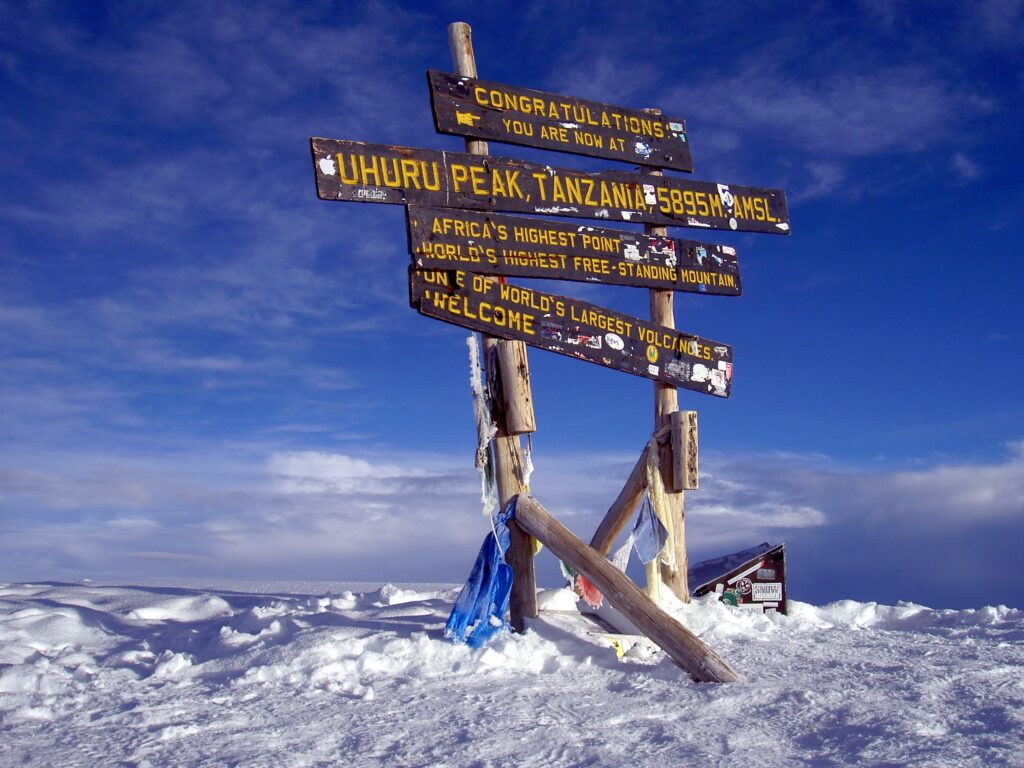
Climbing Mount Kilimanjaro demands smart layering, and choosing the right jackets is one of the most critical decisions for a successful summit. From humid rainforest trails to freezing alpine deserts and the icy Uhuru Peak, temperatures vary drastically, making a well-planned Kilimanjaro packing list essential. The best jackets for Kilimanjaro climbing combine warmth, breathability, wind resistance, and waterproof protection. Whether you’re booking a luxury Tanzania safari with a Kilimanjaro climb add-on or planning a budget trekking adventure, investing in high-quality outerwear boosts comfort, safety, and summit success rates. This guide explores the essential jackets every climber needs, highlighting top-rated gear, layering systems, and expert tips. If you’re wondering what to wear on Kilimanjaro or how to stay warm on summit night, these must-have jackets will prepare you for every climate zone on Africa’s highest mountain.
1. Base Layer Jacket (Lightweight Thermal Top)
A base layer jacket is the foundation of your Kilimanjaro clothing system, designed to regulate body temperature and wick moisture away from your skin. When trekking through the lower rainforest zone, sweat management is key, making breathable and quick-drying materials like merino wool or synthetic fabrics ideal. Avoid cotton at all costs, as it retains moisture and increases the risk of chilling. A good thermal base layer keeps you dry during long hiking days and prevents heat loss at higher altitudes. Many experienced climbers recommend packing at least two base layer tops to rotate throughout the trek. This essential Kilimanjaro gear ensures comfort, reduces fatigue, and helps your body adapt to changing conditions. Choosing high-quality base layers is one of the smartest investments for a safe and enjoyable Mount Kilimanjaro climbing experience.
2. Mid-Layer Fleece Jacket
A mid-layer fleece jacket provides crucial insulation and is one of the most versatile jackets for climbing Kilimanjaro. As temperatures drop in the moorland and alpine desert zones, this layer traps body heat while remaining breathable. Fleece jackets are lightweight, quick-drying, and easy to pack, making them perfect for both daytime trekking and relaxing at camp. Look for a high-quality fleece with a full zip for adjustable ventilation and easy layering. Many climbers prefer Polartec fleece due to its durability and warmth-to-weight ratio. This jacket works perfectly between your base layer and outer shell, forming a reliable thermal barrier. Whether you’re hiking the Machame Route or Lemosho Route, a fleece jacket is essential for maintaining body warmth without overheating, ensuring optimal performance and comfort throughout your Kilimanjaro adventure.
3. Softshell Jacket for Versatility
A softshell jacket is a must-have for its flexibility, breathability, and moderate weather protection during the Kilimanjaro trekking. Ideal for cool mornings and windy afternoons, this jacket offers light insulation while allowing freedom of movement. Unlike hard shells, softshell jackets are more breathable, making them perfect for active hiking days when you need to regulate body heat efficiently. They also provide some resistance against light rain and wind, which is common in mid-altitude zones. Look for features like stretch fabric, adjustable cuffs, and a hood for added protection. A softshell jacket bridges the gap between insulation and weather resistance, making it one of the best jackets for Mount Kilimanjaro. It’s especially useful for climbers who want a comfortable, multi-purpose layer without constantly switching gear during the trek.
4. Waterproof Hard Shell Jacket
A waterproof hard shell jacket is non-negotiable when climbing Kilimanjaro, especially during the rainy seasons. Sudden downpours can occur in the rainforest zone, and staying dry is critical to avoiding hypothermia. The best waterproof jackets use advanced materials like Gore-Tex or similar membranes, offering complete protection from rain and strong winds. Look for a jacket with sealed seams, an adjustable hood, and ventilation zippers to prevent overheating. This outer layer acts as your shield against unpredictable mountain weather, ensuring you stay warm and dry throughout the climb. Even during dry seasons, wind chill at higher altitudes can be severe, making this jacket essential. A high-quality hard shell is a key component of any Kilimanjaro packing list, providing durability and reliable performance in extreme conditions.
5. Insulated Down Jacket (Summit Essential)
An insulated down jacket is the most important jacket for summit night on Kilimanjaro. As temperatures can drop below -15°C (5°F), this jacket provides maximum warmth with minimal weight. Down jackets are highly compressible, making them easy to pack while delivering exceptional insulation. Choose a high-fill power (600–900) down jacket for superior heat retention. Synthetic insulated jackets are also an option, especially for wet conditions, but down remains the top choice for extreme cold. This jacket is essential during rest stops, evenings at camp, and especially during the final ascent to Uhuru Peak. Investing in a high-quality insulated jacket significantly improves your chances of reaching the summit comfortably and safely. It’s one of the most recommended items by professional Kilimanjaro guides and tour operators.
6. Synthetic Insulated Jacket Alternative
A synthetic insulated jacket is an excellent alternative to down, especially for climbers concerned about moisture. Unlike down, synthetic insulation retains warmth even when wet, making it ideal for unpredictable Kilimanjaro weather. These jackets are slightly heavier but more durable and easier to maintain. They dry quickly and perform well in damp environments, particularly in the rainforest and moorland zones. Many modern synthetic jackets use advanced insulation technologies that mimic down’s warmth while offering better water resistance. For climbers tackling routes during wetter months, this jacket provides reliable protection and comfort. It’s also a great backup layer if you’re carrying both down and synthetic options. Including a synthetic insulated jacket in your Kilimanjaro packing list ensures versatility and peace of mind in varying weather conditions.
7. Windproof Jacket for High Altitudes
As you ascend Kilimanjaro, wind becomes a major factor affecting your comfort and safety. A windproof jacket is essential for blocking cold gusts, particularly in the alpine desert and summit zones. Even moderate winds can drastically lower your body temperature, making wind protection critical. Lightweight and packable, windproof jackets are easy to carry and can be worn over other layers for added protection. Look for jackets made with tightly woven fabrics or wind-resistant membranes. This layer is especially useful during early morning hikes and exposed ridges where wind chill is intense. A good windproof jacket enhances your overall layering system, ensuring that your body heat is retained even in harsh conditions. It’s a small but powerful addition to your Kilimanjaro gear checklist.
8. Hooded Jacket for Extra Protection
A hooded jacket is a practical and essential feature for any Kilimanjaro climb. Whether it’s a fleece, softshell, or waterproof jacket, having a well-fitted hood provides additional protection against wind, rain, and cold. Heat loss through the head is significant, especially at higher altitudes, making a hood crucial for maintaining warmth. Adjustable hoods that fit over hats or helmets are ideal for flexibility. During summit night, a hooded down jacket becomes invaluable, offering full coverage against freezing temperatures and strong winds. Many climbers underestimate the importance of this feature, but it can make a huge difference in comfort and safety. Choosing jackets with high-quality, adjustable hoods ensures better protection throughout your Kilimanjaro trekking experience.
9. Lightweight Packable Jacket
A lightweight packable jacket is perfect for climbers who want to minimize weight without sacrificing functionality. These jackets are designed to compress into small spaces, making them easy to carry in your daypack. Ideal for mild conditions or as an emergency layer, they provide quick protection against sudden weather changes. Many packable jackets are windproof and water-resistant, offering versatility for different stages of the climb. They are especially useful during lower altitude hikes where temperatures are moderate but can change quickly. Having a compact jacket readily available ensures you’re always prepared without adding bulk to your gear. For those aiming for a lightweight Kilimanjaro packing strategy, this jacket is an essential addition.
10. Breathable Hiking Jacket
A breathable hiking jacket is key for maintaining comfort during long trekking days on Kilimanjaro. As physical activity increases, your body generates heat, and a breathable jacket helps release excess moisture while keeping you warm. Jackets with ventilation features like pit zips or mesh linings are highly recommended. This type of jacket prevents overheating and reduces sweat buildup, which can lead to chills when temperatures drop. It’s particularly useful in mid-altitude zones where conditions fluctuate between warm and cool. A breathable jacket enhances your overall trekking performance by keeping your body temperature balanced. Choosing the right breathable outerwear ensures a more enjoyable and efficient climb, making it a vital part of your Kilimanjaro gear checklist.
Layering System Compatibility
The effectiveness of your Kilimanjaro jackets depends on how well they work together as a layering system. Each jacket should fit comfortably over the others without restricting movement. Proper layering allows you to adjust quickly to changing temperatures, ensuring maximum comfort and efficiency. Start with a moisture-wicking base layer, add insulation with fleece or synthetic jackets, and finish with a waterproof outer shell. This system traps heat while allowing moisture to escape, preventing overheating or chilling. Investing in compatible jackets is crucial for a successful climb. Professional guides often emphasize layering as the key to surviving Kilimanjaro’s extreme climate variations. A well-planned layering system can make the difference between reaching the summit and turning back early.
Choosing the Right Materials
Selecting the right materials for your Kilimanjaro jackets is essential for performance and durability. Merino wool, synthetic fibers, and advanced waterproof membranes are the top choices for climbers. Down insulation offers unmatched warmth, while synthetic materials provide better performance in wet conditions. Avoid heavy or non-breathable fabrics that can trap moisture and reduce comfort. High-quality materials not only enhance your trekking experience but also ensure longevity, making them a worthwhile investment. Look for trusted outdoor brands known for producing reliable mountaineering gear. Understanding fabric technology helps you make informed decisions when building your Kilimanjaro packing list. The right materials will keep you warm, dry, and comfortable throughout your adventure.
Expert Tips for Jacket Selection
When choosing jackets for Kilimanjaro, focus on quality, fit, and functionality. Always test your gear before the climb to ensure comfort and compatibility. Pack layers that can handle extreme temperature changes, from tropical heat to freezing cold. Prioritize lightweight, durable, and weather-resistant jackets to reduce fatigue and improve mobility. Renting gear is an option, but owning your jackets ensures proper fit and reliability. Consider your climbing season, route, and personal comfort preferences when selecting jackets. Consulting experienced guides or tour operators can also help you make the best choices. Proper preparation with the right jackets significantly increases your chances of a successful and enjoyable Kilimanjaro climb.
Final Thought
Climbing Mount Kilimanjaro is a once-in-a-lifetime adventure, and having the right jackets is essential for success. From breathable base layers to insulated summit jackets, each piece plays a vital role in keeping you warm, dry, and comfortable. A well-planned layering system ensures you’re prepared for every climate zone, boosting both safety and confidence. Whether you’re a first-time climber or an experienced trekker, investing in high-quality Kilimanjaro jackets is one of the smartest decisions you can make. With the right gear, you’ll not only reach the summit but also enjoy every step of the journey.
What jackets do I really need for climbing Kilimanjaro
To climb Kilimanjaro successfully, you need a complete layering system designed for extreme weather changes. This typically includes a moisture-wicking base layer, an insulating mid-layer like fleece, a protective waterproof hard shell, and a heavy insulated jacket for summit night. Optional layers like a softshell or lightweight windbreaker can enhance flexibility. Each jacket plays a specific role—keeping you dry, warm, and protected from wind or rain. Because Kilimanjaro spans multiple climate zones, from humid rainforest to freezing alpine desert, no single jacket is enough. A smart combination ensures comfort and safety throughout the trek. Investing in quality jackets is essential for maintaining body temperature and improving your chances of reaching the summit.
Is a down jacket necessary for Kilimanjaro
A down jacket is considered essential for summit night on Kilimanjaro due to extreme cold temperatures. At higher altitudes, especially near the summit, temperatures can fall well below freezing, making proper insulation critical. Down jackets offer excellent warmth-to-weight ratio, meaning they keep you very warm without adding bulk. They are also highly compressible, saving space in your backpack. However, down loses its insulating ability when wet, so it must be paired with a waterproof outer layer. While synthetic jackets are an alternative, most experienced climbers and guides strongly recommend down for its superior warmth. Without it, staying comfortable during summit night becomes much more difficult and could affect your overall climbing experience.
Can I rent jackets for Kilimanjaro
Yes, renting jackets for Kilimanjaro is a common option, especially in Tanzania’s main trekking hubs like Arusha and Moshi. Many tour operators provide rental gear, including insulated jackets, waterproof shells, and fleece layers. This can be a cost-effective solution for climbers who do not want to invest in expensive gear. However, rental items may not always offer the best fit, comfort, or quality. Ill-fitting jackets can affect your layering system and overall performance on the mountain. For critical items like summit jackets, it is often better to bring your own to ensure reliability and proper insulation. Renting can work well for supplementary layers, but personal gear is generally recommended for maximum comfort and safety.
What is the best waterproof jacket for Kilimanjaro
The best waterproof jacket for Kilimanjaro is a high-quality hard shell made with advanced materials such as Gore-Tex or similar waterproof membranes. These jackets are designed to keep you completely dry while allowing moisture from sweat to escape, preventing overheating. Features to look for include sealed seams, adjustable hoods, waterproof zippers, and ventilation options like pit zips. A good waterproof jacket also doubles as a windproof layer, protecting you from strong gusts at higher altitudes. Since rain is common in the rainforest zone and weather can change quickly, this jacket is a crucial part of your gear. Investing in a durable, breathable waterproof shell ensures comfort and protection throughout the climb.
How cold does it get on Kilimanjaro
Temperatures on Kilimanjaro vary significantly depending on altitude and time of day. At the base, conditions are warm and tropical, but as you ascend, temperatures drop steadily. At the summit, particularly at Uhuru Peak, temperatures can range from -15°C to -20°C or even lower during the night. Wind chill can make it feel even colder, especially during the early morning summit push. These extreme conditions require proper layering and high-quality insulated jackets. Without adequate protection, climbers risk hypothermia and discomfort. Understanding the temperature variations helps you prepare effectively, ensuring you pack the right jackets to stay warm and safe throughout your Kilimanjaro adventure.
How many jackets should I pack for Kilimanjaro
Most climbers pack between three to five jackets or layers for Kilimanjaro. This typically includes a base layer, a fleece or mid-layer, a waterproof shell, and a heavy insulated jacket for cold conditions. Some climbers also add a softshell or lightweight windbreaker for added versatility. The goal is to create a flexible layering system that can adapt to changing weather and activity levels. Carrying too few layers can leave you exposed to cold or rain, while too many can add unnecessary weight. A balanced selection ensures comfort without overpacking. Proper planning of your jackets is key to maintaining body temperature and enjoying a smooth and successful climb.
Are synthetic Kilimanjaro jackets better than down jackets
Synthetic jackets and down jackets each have their advantages, and the best choice often depends on conditions. Synthetic insulation performs better in wet environments because it retains warmth even when damp. This makes it a reliable option during rainy or humid sections of Kilimanjaro. Down jackets, on the other hand, provide superior warmth and are lighter and more compressible, making them ideal for cold, dry conditions like summit night. Many climbers choose to bring both, using synthetic jackets for lower altitudes and down jackets for extreme cold. Understanding the strengths of each type allows you to build a more effective layering system and stay comfortable throughout your trek.
Do I need a separate windproof Kilimanjaro jacket
A separate windproof Kilimanjaro jacket is not always necessary, as many waterproof shells also provide wind protection. However, having a lightweight windproof layer can be beneficial, especially during dry but windy conditions. Wind chill at higher altitudes can significantly lower your body temperature, even if the air temperature is not extremely cold. A dedicated windproof jacket is usually lighter and more breathable than a full waterproof shell, making it ideal for active hiking. It can be worn over other layers to block cold gusts without causing overheating. Including a windproof option in your gear adds flexibility and ensures better comfort during exposed sections of the climb.
What features should I look for in a Kilimanjaro jacket
When selecting a Kilimanjaro jacket, focus on features that enhance comfort, protection, and durability. Key elements include waterproofing, breathability, insulation, and wind resistance. Adjustable hoods, cuffs, and hems help seal in warmth and protect against harsh weather. Ventilation options like pit zips are useful for regulating body temperature during intense activity. Lightweight and packable designs are also important to reduce the load you carry. High-quality zippers and reinforced seams improve durability, ensuring your jacket withstands the demanding conditions of the climb. Choosing jackets with these features will help you stay comfortable and prepared for the varying environments on Kilimanjaro.
Can I climb Kilimanjaro with budget jackets
Climbing Kilimanjaro with budget jackets is possible, but it comes with risks. Lower-quality jackets may lack proper insulation, waterproofing, or durability, which are essential for handling the mountain’s extreme conditions. Poor gear can lead to discomfort, increased fatigue, and even safety issues such as hypothermia. While you don’t need the most expensive brands, investing in reliable, well-reviewed jackets is highly recommended. Quality gear improves your overall experience and increases your chances of reaching the summit successfully. If budget is a concern, consider renting high-quality items or purchasing second-hand gear. Prioritizing performance over price is crucial when preparing for a Kilimanjaro climb.
What is the best layering strategy for Kilimanjaro
The best layering strategy for Kilimanjaro is based on a three-layer system: base layer, mid-layer, and outer shell. The base layer manages moisture by wicking sweat away from your skin. The mid-layer, such as fleece or synthetic insulation, provides warmth by trapping body heat. The outer shell protects against wind and rain, ensuring you stay dry. For summit night, an additional insulated jacket is added for maximum warmth. This system allows you to adjust layers easily as temperatures and activity levels change. Proper layering is essential for maintaining comfort and preventing overheating or chilling, making it a key factor in a successful Kilimanjaro climb.
When should I wear each jacket on Kilimanjaro
Each jacket on Kilimanjaro serves a specific purpose depending on altitude, weather, and activity level. Base layers are worn daily to manage moisture and keep you dry. Mid-layers like fleece are used during cooler mornings and evenings. Waterproof shells are essential during rain or strong winds, particularly in the rainforest and alpine zones. Insulated jackets are worn at camp and during summit night when temperatures are extremely low. Windproof or softshell jackets are useful during active hiking in breezy conditions. Knowing when to wear each layer helps you stay comfortable and conserve energy, ensuring a smoother and more enjoyable climb from start to summit.
What is the weather like on Mt Kilimanjaro?
The weather on Mount Kilimanjaro varies dramatically due to its unique ecological zones, ranging from tropical heat to arctic cold. At the base, temperatures are warm and humid, often between 20–30°C, with occasional rain in the rainforest zone. As you climb higher, conditions become cooler and drier in the moorland and alpine desert zones, with daytime temperatures around 5–15°C. Near the summit, especially at Uhuru Peak, temperatures can drop to -10°C to -20°C, with strong winds and possible snow. Weather can change quickly, so climbers must be prepared for sun, rain, wind, and freezing conditions within a single day. The best time to climb is during the dry seasons (January–March and June–October), when skies are clearer and conditions are more stable overall.
What power adapters are used in Tanzania
In Tanzania, including cities like Dar es Salaam and trekking hubs near Kilimanjaro, the standard power supply is 230V with a frequency of 50Hz. The most commonly used plug types are Type D and Type G, the latter being the same as the UK-style plug with three rectangular pins. Travelers coming from countries with different plug types will need a universal travel adapter to safely charge devices such as phones, cameras, and laptops. It’s also wise to bring a power bank, especially for Kilimanjaro climbs where electricity is unavailable on the mountain. Voltage converters are generally not necessary for modern electronics, as most are dual voltage, but always check your device specifications. Reliable power access is available in hotels and lodges, but can sometimes be inconsistent in remote safari or trekking areas.
What should I know about taking malaria pills
When traveling to Tanzania, taking malaria prophylaxis is strongly recommended, especially in lowland and coastal areas. Medications such as atovaquone-proguanil, doxycycline, or mefloquine are commonly prescribed, and the choice depends on your health history and doctor’s advice. It’s important to start taking the medication before arrival, continue during your stay, and for a period after leaving the country. While Kilimanjaro’s higher altitudes are generally mosquito-free, you may still be exposed before and after the climb. Side effects vary depending on the medication, so consult a healthcare professional early. In addition to pills, use mosquito repellent, wear long sleeves in the evening, and sleep under insecticide-treated nets where possible. Prevention is key, as malaria can be serious if not treated promptly.
Are trekking poles really important for a Kilimanjaro trip
Trekking poles are highly recommended for climbing Kilimanjaro and can significantly improve your hiking experience. They provide stability on uneven terrain, reduce strain on your knees, and help maintain balance during steep ascents and descents. This is especially important on summit night, when fatigue and loose volcanic scree make footing challenging. Poles also help distribute weight more evenly across your body, reducing the risk of injury and muscle soreness. Many climbers find that using poles improves endurance and confidence, particularly on longer routes like Lemosho or Machame. Adjustable, lightweight trekking poles are ideal, allowing you to adapt to different slopes. While not mandatory, they are considered essential gear by most experienced climbers and guides aiming for a safe and successful summit.
What should I know about sleeping at high altitudes on Kilimanjaro
Sleeping at high altitude on Kilimanjaro can be challenging due to reduced oxygen levels, which may affect your breathing and overall comfort. Many climbers experience lighter sleep, frequent waking, or mild symptoms of altitude sickness such as headaches or restlessness. Proper acclimatization is key, so choosing longer routes with gradual ascent profiles helps your body adjust. Staying hydrated, eating well, and avoiding alcohol or sedatives can improve sleep quality. Warm sleeping bags rated for sub-zero temperatures are essential, as nights can be extremely cold, especially above 4,000 meters. Some climbers use medications like acetazolamide to aid acclimatization, but this should be discussed with a doctor. Despite disrupted sleep, most climbers still manage to rest enough to continue the trek safely.