Kilimanjaro National Park Fees
Kilimanjaro National Park Fees
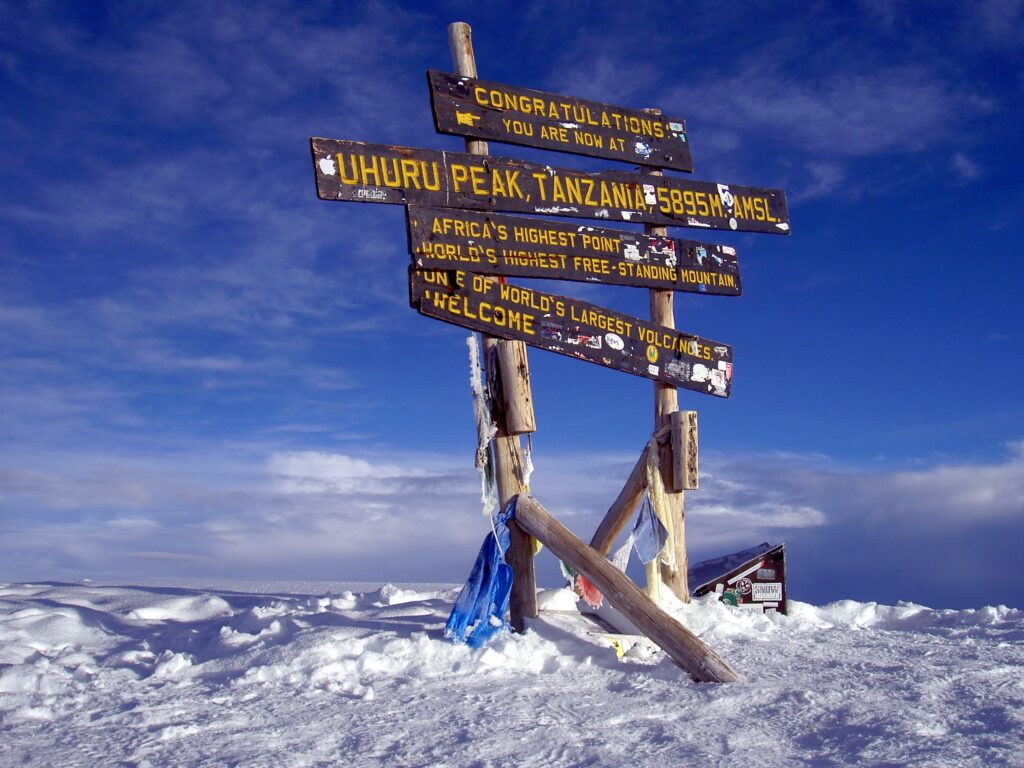
Planning a trek to Kilimanjaro National Park means understanding one of the most important aspects of your journey: park fees. These official Tanzania National Parks (TANAPA) charges are mandatory for every climber and form a significant portion of your overall Kilimanjaro climbing cost. Whether you’re booking a luxury Kilimanjaro safari, budget trekking package, or private guided climb, park fees directly impact your total price. They cover conservation, safety, ranger services, and infrastructure that make Mount Kilimanjaro one of Africa’s most iconic travel destinations. From entry fees and camping charges to rescue and hut fees, each cost plays a role. In this guide, we break down Kilimanjaro National Park fees in detail, helping you budget smartly, compare packages, and plan a seamless, unforgettable Mount Kilimanjaro trekking experience.
Well-structured table summarizing the fees for Kilimanjaro National Park:
| Fee Type | Cost (USD) | Frequency | Description |
|---|---|---|---|
| Park Entry Fee | $70 per person | Per day | Mandatory fee for all climbers പ്രവേശing the park; supports conservation and park operations. |
| Camping Fee | $50 per person | Per night | Charged on camping routes (Machame, Lemosho, Rongai, Northern Circuit). |
| Hut Fee (Marangu Route) | $60 per person | Per night | Applies only to Marangu Route; includes basic hut accommodation. |
| Rescue Fee | $20 per person | Per trip | Covers emergency rescue services (excluding helicopter evacuation). |
| Crew Entry Fee | ~$2–$10 per crew member | Per day | Paid for guides, porters, and cooks entering the park. |
| Conservation Fee | Included in entry fee | — | Supports environmental protection and wildlife conservation efforts. |
| VAT (18%) | Applied on total fees | One-time | Government tax added to park and operator costs. |
Kilimanjaro National Park Entry Fees
The Kilimanjaro National Park entry fee is the primary cost every climber must pay to access the mountain. As of current TANAPA rates, international visitors pay approximately $70 per person per day. This fee is charged for every day you spend inside the park, meaning longer routes like Lemosho or Northern Circuit increase total costs. Entry fees contribute to wildlife conservation, trail maintenance, and park management, ensuring Kilimanjaro remains a sustainable travel destination. Whether you’re booking a luxury Kilimanjaro climb or a budget trekking tour, this fee is always included in your package price. It’s important to note that these fees are non-negotiable and must be paid through licensed tour operators. Understanding this cost helps travelers compare Kilimanjaro climbing packages and plan accurately for their adventure.
Kilimanjaro Camping Fees
Camping fees apply to climbers using routes that require overnight stays in tents, such as Machame, Lemosho, Rongai, and Northern Circuit. The average camping fee is around $50 per person per night, charged for each campsite used during your trek. These fees cover campsite maintenance, sanitation facilities, and environmental protection efforts. Budget Kilimanjaro safaris often rely heavily on camping routes, making this fee a significant component of overall costs. Luxury trekking operators may enhance the experience with premium tents, portable toilets, and upgraded camping gear, but the base camping fee remains fixed by TANAPA. Choosing a shorter route can reduce camping nights and overall expenses, while longer scenic routes increase fees but offer better acclimatization and higher summit success rates, making them popular among experienced climbers.
Kilimanjaro Hut Fees (Marangu Route)
Unlike other routes, the Marangu Route—often called the “Coca-Cola Route”—uses mountain huts instead of tents. Climbers pay a hut fee of approximately $60 per person per night. These huts provide basic accommodation with shared dormitory-style rooms, mattresses, and communal dining areas. While not luxurious, they offer shelter from harsh weather conditions, making Marangu a preferred choice for those seeking a less rugged trekking experience. The hut fee replaces camping fees but still contributes significantly to total Kilimanjaro climbing costs. This route is popular among budget travelers and first-time climbers due to its perceived simplicity. However, it has lower summit success rates compared to longer routes. Understanding hut fees helps travelers decide whether comfort, cost, or success rate is their top priority when choosing a Kilimanjaro route.
Kilimanjaro Rescue Fees
Safety is a top priority on Mount Kilimanjaro, and the rescue fee is a mandatory charge included in park fees. Typically costing around $20 per person per trip, this fee supports emergency evacuation services within the park. While it does not cover full helicopter evacuation or comprehensive travel insurance, it ensures that basic rescue infrastructure is available if needed. Climbers are still strongly advised to purchase travel insurance that includes high-altitude trekking coverage. The rescue fee contributes to ranger training, emergency response coordination, and safety monitoring systems across Kilimanjaro routes. Whether you’re on a luxury Kilimanjaro safari or a budget trek, this fee is automatically included in your package. It provides peace of mind, allowing climbers to focus on the adventure while knowing support systems are in place.
Kilimanjaro Crew Fees and Regulations
Although not classified as park fees, crew-related costs are closely tied to Kilimanjaro National Park regulations. Every climber must be accompanied by a licensed guide, and most expeditions include porters and cooks. TANAPA enforces strict rules to ensure fair wages, ethical treatment, and proper working conditions for all mountain staff. Crew entry fees are also paid to the park, increasing the overall cost of your climb. Ethical Kilimanjaro tour operators follow guidelines set by the Kilimanjaro Porters Assistance Project (KPAP), ensuring responsible tourism. When comparing Kilimanjaro climbing prices, it’s important to understand that cheaper packages may cut corners on crew welfare. Investing in a reputable operator not only supports sustainable tourism but also enhances your overall trekking experience with better service, safety, and support.
Total Kilimanjaro Park Fees Breakdown
When combined, Kilimanjaro National Park fees can range between $800 and $1,500 per person, depending on the number of days and route chosen. This includes entry fees, camping or hut fees, rescue fees, and crew-related park charges. For example, a 7-day Machame Route climb will cost more than a 5-day Marangu Route due to additional park days and camping nights. These fees make up a large portion of the total Kilimanjaro climbing price, which can range from $1,500 for budget tours to over $6,000 for luxury packages. Understanding this breakdown helps travelers see where their money goes and why Kilimanjaro trekking is considered a premium adventure experience. Transparent pricing is key when choosing a tour operator and planning your climb.
Factors Affecting Kilimanjaro Fees
Several factors influence the total Kilimanjaro National Park fees you will pay. The most significant is the number of days spent on the mountain—longer routes mean higher daily entry and accommodation costs. Route choice also plays a role, with camping routes generally costing more overall due to extended itineraries. Seasonal demand can indirectly affect prices, especially when booking through tour operators during peak travel months. Additionally, group size may impact overall package pricing, though park fees themselves remain fixed per person. Luxury Kilimanjaro safaris may include added services like private guides and premium equipment, increasing total costs. Understanding these variables allows travelers to customize their Kilimanjaro experience based on budget, comfort, and success rate preferences, ensuring a well-planned and rewarding adventure.
Final Thoughts
Kilimanjaro National Park fees are a crucial part of planning your Mount Kilimanjaro adventure. While they may seem high, these costs support conservation, safety, and sustainable tourism in one of Africa’s most iconic destinations. From entry fees and camping charges to rescue services and crew regulations, every dollar contributes to preserving the mountain’s natural beauty and ensuring a safe trekking environment. Whether you’re booking a luxury Kilimanjaro climb, mid-range trekking package, or budget safari, understanding these fees helps you make informed decisions. By choosing a reputable tour operator and the right route, you can balance cost, comfort, and success. Ultimately, climbing Kilimanjaro is not just a trip—it’s a once-in-a-lifetime experience worth every investment.
Kilimanjaro National Park Fees: FAQs
What are Kilimanjaro National Park fees?
Kilimanjaro National Park fees are mandatory charges set by Tanzania National Parks (TANAPA) for anyone climbing Mount Kilimanjaro. These fees include park entry fees, camping or hut fees, and rescue fees. They are designed to support conservation, maintain trekking routes, and ensure safety for climbers. Every visitor must pay these fees through a licensed tour operator, as independent trekking is not allowed.
How much are Kilimanjaro park entry fees?
The standard park entry fee for Kilimanjaro National Park is approximately $70 per person per day for international visitors. This fee is charged for each day you spend inside the park, including both ascent and descent days. It is one of the largest components of the total Kilimanjaro climbing cost. The fee contributes to environmental conservation, trail maintenance, and ranger services.
Are Kilimanjaro fees included in tour packages?
Yes, Kilimanjaro National Park fees are typically included in all reputable tour packages. Licensed tour operators handle payments directly with TANAPA on behalf of climbers. This means your quoted package price usually covers entry fees, camping or hut fees, rescue fees, and crew-related park charges. However, it’s important to confirm with your operator to ensure there are no hidden costs. Transparent pricing is a sign of a trustworthy company.
Why are Kilimanjaro park fees so expensive?
Kilimanjaro park fees may seem high, but they serve critical purposes. The revenue supports conservation of the mountain’s fragile ecosystem, including forests, wildlife, and water sources. It also funds infrastructure such as trails, campsites, huts, and ranger stations. Additionally, these fees contribute to safety services, including rescue operations and trained personnel. Kilimanjaro is a globally recognized natural landmark, and maintaining its sustainability requires significant resources.
Do I pay Kilimanjaro fees per day or per trip?
Most Kilimanjaro National Park fees are charged on a daily basis. The park entry fee is paid per person per day, and camping or hut fees are charged per night. However, the rescue fee is typically a one-time payment per trip. This structure means that the total cost increases with the number of days spent on the mountain.
Are there discounts Kilimanjaro fees for children or residents?
Yes, Kilimanjaro National Park offers discounted fees for children and residents of East African Community (EAC) countries. Children usually pay reduced entry fees, while Tanzanian citizens and residents benefit from significantly lower rates compared to international visitors. These discounts are part of efforts to encourage local tourism and make the park more accessible to regional travelers. However, international climbers should expect to pay the standard rates.
What is included in the Kilimanjaro rescue fee?
The Kilimanjaro rescue fee, typically around $20 per person per trip, supports emergency response services within the park. It helps fund ranger teams, communication systems, and basic evacuation procedures. However, it does not cover full helicopter rescue or comprehensive medical evacuation. For this reason, climbers are strongly advised to purchase travel insurance that includes high-altitude trekking and emergency evacuation coverage.
Can I climb Kilimanjaro without paying park fees?
No, it is not possible to climb Kilimanjaro without paying official park fees. All climbers must enter through authorized gates and be accompanied by a licensed guide. TANAPA strictly enforces these regulations to protect the environment and ensure climber safety. Attempting to bypass fees or climb independently is illegal and can result in fines or denial of entry.
How do park fees affect total Kilimanjaro cost?
Park fees make up a large portion of the total Kilimanjaro climbing cost—often between 40% and 60% of the overall price. Depending on the route and duration, total park fees can range from $800 to $1,500 per person. This means that even budget Kilimanjaro treks have a baseline cost due to these fixed fees. Luxury packages are more expensive due to additional services, but park fees remain the same across all operators.
Do Kilimanjaro park fees change over time?
Yes, Kilimanjaro National Park fees can change periodically as TANAPA reviews pricing to support conservation and tourism development. Increases may occur due to inflation, improved infrastructure, or enhanced safety measures. Tour operators usually update their package prices accordingly. It’s important to check current rates when planning your trip, especially if you are booking well in advance. Staying informed ensures accurate budgeting and avoids surprises.
Climb Kilimanjaro With Confidence
Tell us your dates and fitness, and our experienced mountain team will plan a safe, well-acclimatized private climb.