Is Mount Meru Worth Climbing?
Is Mount Meru Worth Climbing?
Climbing Mount Meru in Tanzania offers an unforgettable adventure for trekkers and wildlife lovers. Rising 4,562 meters near Arusha, this majestic African mountain presents a less-crowded alternative to Kilimanjaro, perfect for adventure seekers and nature enthusiasts. Mount Meru treks combine challenging hiking trails with breathtaking scenery, wildlife encounters, and spectacular views of Tanzania’s landscapes. Whether you are a solo traveler, a honeymoon couple, or a family on safari, trekking Mount Meru provides a unique experience that blends nature, culture, and adventure. With professional tour operators offering guided Mount Meru treks, it’s an ideal destination for both beginners and experienced hikers seeking a rewarding Tanzanian mountain adventure.
Wildlife Encounters
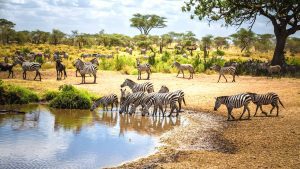
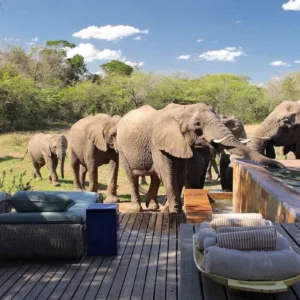
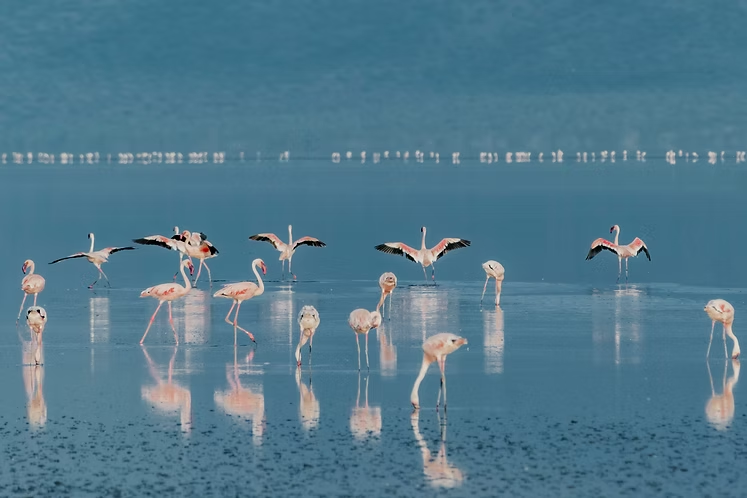
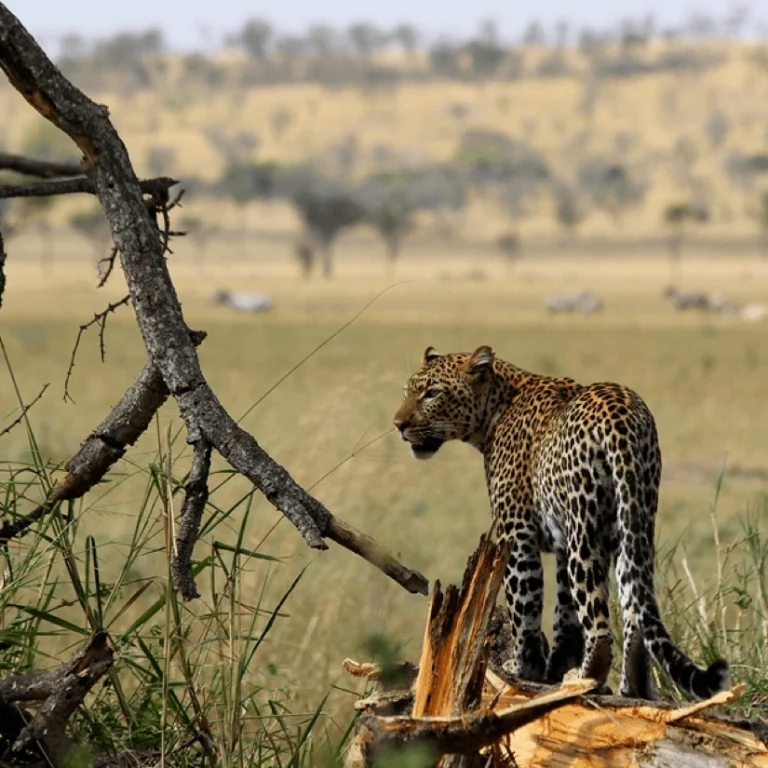
Mount Meru is a paradise for wildlife enthusiasts. As you trek through lush montane forests and scenic valleys, you’ll spot colobus monkeys, elephants, buffaloes, and a variety of exotic birds. The Arusha National Park trails surrounding Mount Meru offer intimate encounters with Tanzania’s diverse wildlife, making it a perfect combination of hiking and safari adventure. Unlike crowded safari routes, Mount Meru treks provide a unique opportunity to experience wildlife in its natural habitat up close. Photographers, nature lovers, and adventurers alike can enjoy this immersive wildlife experience while climbing Mount Meru, capturing unforgettable moments of African biodiversity along the way.
Stunning Scenery
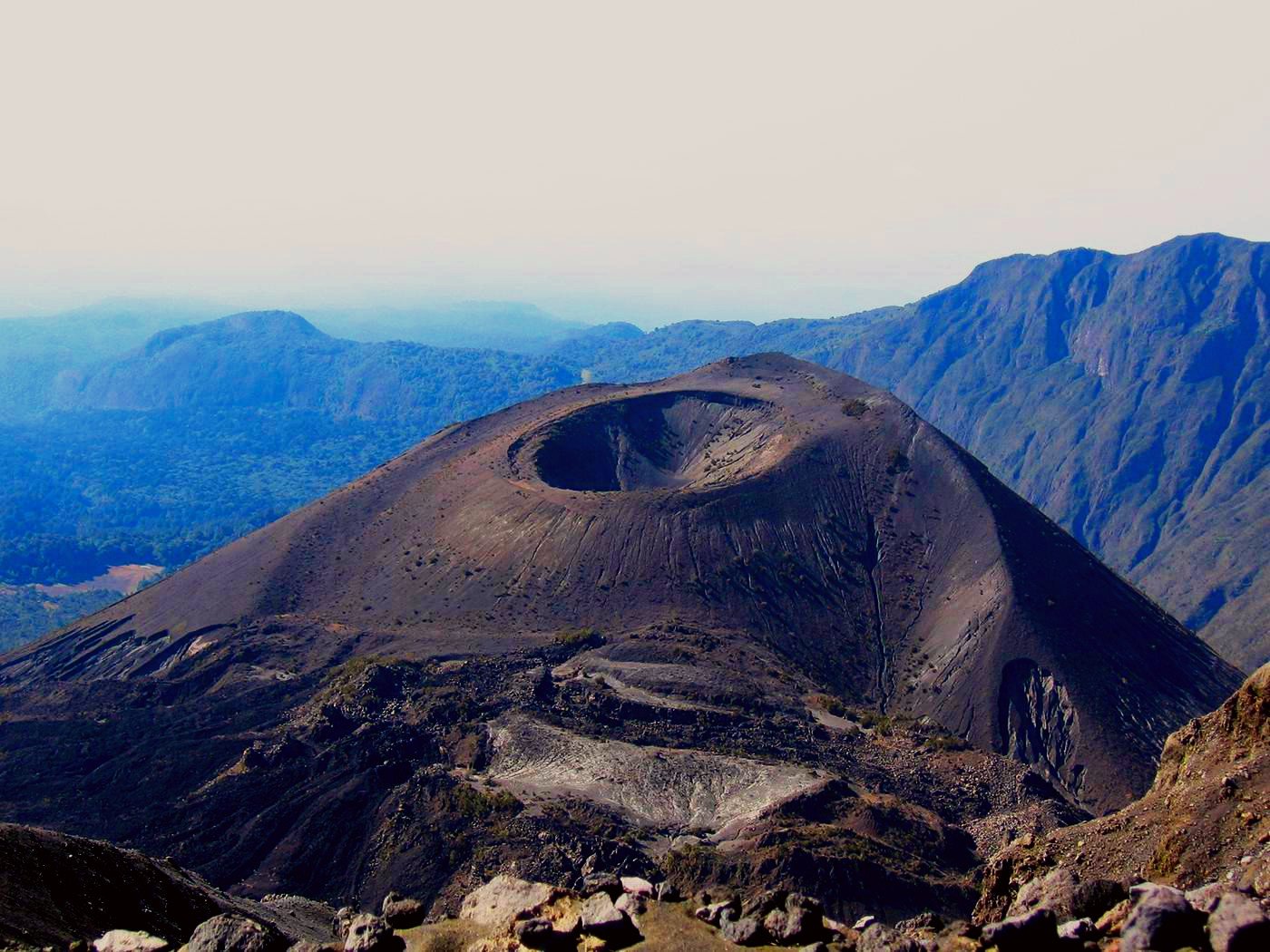
Mount Meru rewards trekkers with some of the most breathtaking scenery in Tanzania. Hike through dense montane forests, volcanic ash trails, and expansive grasslands that change with elevation. Majestic waterfalls, crater lakes, and panoramic valleys make every step unforgettable. The ever-changing landscapes offer dramatic photographic opportunities and a peaceful connection to nature. As you ascend Mount Meru, the scenery evolves, from misty forests to alpine terrain, providing a visual feast for adventurers. This diversity makes Mount Meru trekking one of Tanzania’s most scenic experiences, combining natural beauty, volcanic landscapes, and a serene atmosphere away from the more crowded tourist trails.
Kilimanjaro View
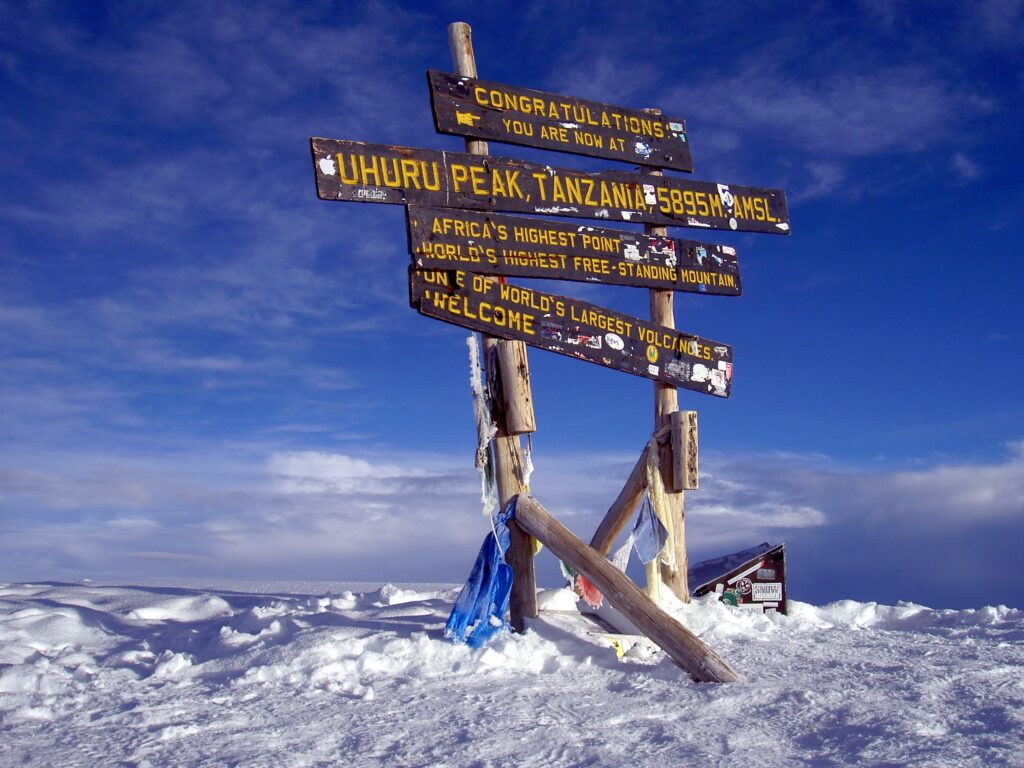
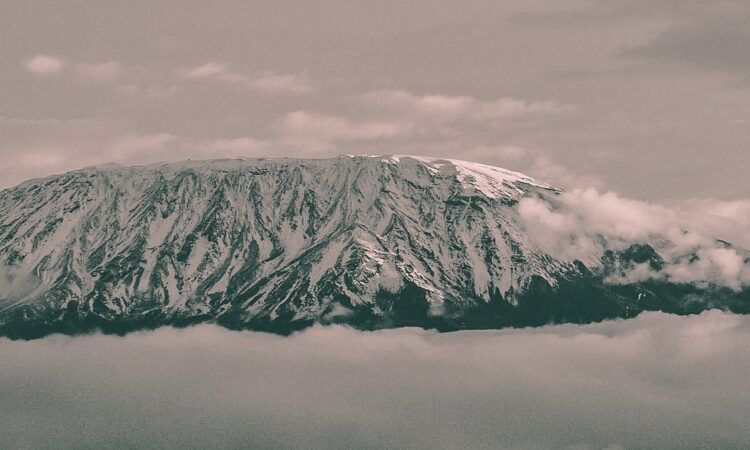
One of Mount Meru’s greatest highlights is its stunning view of Mount Kilimanjaro. From the summit, trekkers can see Africa’s tallest peak towering in the distance, creating a spectacular backdrop for photos. On clear days, the snow-capped Kilimanjaro and surrounding plains stretch endlessly, offering a sense of accomplishment and awe. This vantage point is ideal for adventurers wanting both a challenging climb and a reward of unforgettable scenery. Many travelers combine a Mount Meru trek with a Kilimanjaro climb for acclimatization, making it a perfect training ground while enjoying panoramic views and the breathtaking beauty of northern Tanzania. Explore, discover, compare, and book astonishing Mount Meru climbing, wildlife safari Tanzania, Mount Meru safari, Mount Meru trek, Tanzania hiking, African mountains, Kilimanjaro view, trekking Mount Meru, best hiking in Tanzania.
Less Crowded
Unlike Kilimanjaro, Mount Meru treks are far less crowded, offering a peaceful and authentic hiking experience. Trails are quieter, lodges are intimate, and the natural environment remains pristine. This makes Mount Meru ideal for solo travelers, families, and honeymoon couples seeking privacy and immersion in nature. With fewer climbers, you can enjoy the journey at your own pace, spot wildlife more easily, and experience the mountain without the hustle and bustle of commercial tourism. For those seeking serenity and adventure, climbing Mount Meru provides a unique escape, combining Tanzania’s natural beauty with tranquility and a more personal, off-the-beaten-path trekking experience.
Great Training
Mount Meru is an excellent training climb for Kilimanjaro or other high-altitude adventures. Its challenging trails, elevation gain, and varying terrains help trekkers acclimatize and build stamina. Many tour operators recommend a Mount Meru trek before attempting Kilimanjaro, ensuring a safer, more successful summit experience. Hiking Mount Meru also improves endurance, strengthens muscles, and prepares adventurers for longer treks. The combination of moderate difficulty, rewarding scenery, and wildlife encounters makes it the perfect preparation climb. Trekking Mount Meru is both a fitness challenge and an immersive adventure, giving climbers confidence and experience for future Tanzanian mountain expeditions.
Is Mount Meru a difficult climb?
Climbing Mount Meru in Tanzania offers a moderately challenging adventure. With steep inclines, rocky paths, and high-altitude conditions, it tests endurance without being as extreme as Kilimanjaro. Hikers with reasonable fitness can complete the trek, enjoying the thrill of ascending a volcanic peak surrounded by lush forests, wildlife, and panoramic views, making Mount Meru a rewarding and achievable climbing experience for adventurous travelers.
How long does it take to climb Mount Meru?
Mount Meru climbs typically take 3 to 5 days, depending on the route and pace. The trek begins at the base camp, progressing through tropical forests and highland moorlands before reaching the summit. This time frame allows for acclimatization, wildlife viewing, and capturing stunning landscapes. Most trekkers complete the climb in 4 days, making it an ideal adventure for those seeking a short yet rewarding Tanzanian mountain experience.
What is the scenery like on Mount Meru?
Mount Meru’s scenery is diverse and breathtaking. Hikers pass through dense rainforest, alpine meadows, volcanic craters, and jagged ridges. Panoramic views include the Great Rift Valley, Ngorongoro Crater, and distant Kilimanjaro. Wildlife sightings, waterfalls, and lush greenery enhance the trek, while the summit rewards climbers with sunrise vistas above the clouds. This combination of natural beauty, wildlife, and dramatic volcanic landscapes makes Mount Meru a visually stunning climb.
Is a guide required for climbing Mount Meru?
Yes, hiring a guide is required for climbing Mount Meru. Tanzanian regulations ensure safety, proper route navigation, and environmental protection. Experienced guides provide essential support, including altitude acclimatization advice, wildlife awareness, and emergency assistance. They enrich the trekking experience with local knowledge about the flora, fauna, and volcanic geology, ensuring a safe, informative, and memorable Mount Meru climb for all adventure travelers.
What wildlife can you see while climbing Mount Meru?
Mount Meru hosts diverse wildlife along its trekking routes. Hikers often spot colobus monkeys, bushbucks, dik-diks, elephants, and buffaloes, along with abundant bird species like hornbills and turacos. Dense forests and volcanic slopes create habitats for these animals, providing a rare glimpse of Tanzania’s rich biodiversity. Wildlife encounters combined with lush scenery enhance the Mount Meru climbing experience, making it both an adventurous and nature-rich journey.
Is climbing Mount Meru good preparation for Kilimanjaro?
Yes, Mount Meru is excellent Kilimanjaro preparation. Its high altitude, multi-day trekking, and steep trails help improve endurance, acclimatization, and mental resilience. Climbers experience similar terrain, including volcanic ridges and moorlands, while facing moderate altitude challenges. Successfully summiting Mount Meru builds confidence, strengthens legs, and teaches pacing strategies, making it a practical and highly recommended training climb before attempting Kilimanjaro.
How much does it cost to climb Mount Meru?
Mount Meru climbing costs range from $800 to $1,500 per person, depending on the route, guide services, accommodation, and inclusions. Expenses cover park fees, porters, camping or lodge stays, meals, and professional guides. Choosing reputable tour operators ensures safety, comfort, and sustainable trekking practices. Compared to Kilimanjaro, Mount Meru offers a more affordable yet equally rewarding mountain climbing experience in Tanzania, ideal for adventurous travelers.
- Accommodation
- Meals
- Park fees
- Vehicle & guide
- Transfers
- International flights
- Visas
- Travel insurance
- Tips
- Premium drinks
Is climbing Mount Meru dangerous?
Climbing Mount Meru is generally safe for prepared hikers, but risks include altitude sickness, slippery trails, sudden weather changes, and wildlife encounters. Using experienced guides, proper gear, and acclimatization strategies significantly reduces dangers. Most climbers complete the trek without incident, enjoying scenic beauty, wildlife, and physical challenge. Awareness, fitness, and careful planning make Mount Meru a safe and memorable Tanzanian mountain adventure.
What should I pack for climbing Mount Meru?
Essential Mount Meru packing includes layered clothing for variable temperatures, waterproof jackets, hiking boots, gloves, a hat, and trekking poles. Bring water bottles, snacks, sunscreen, a first-aid kit, a headlamp, and a camera for stunning vistas. Depending on the route, tents or sleeping bags may be needed. Packing light yet practical ensures comfort, safety, and enjoyment while navigating Mount Meru’s forest trails, volcanic slopes, and summit conditions.
Is Mount Meru easier to climb than Kilimanjaro?
Yes, Mount Meru is generally easier than Kilimanjaro. Its shorter routes, lower altitude, and fewer days make it less physically demanding while still offering challenging sections and altitude exposure. Ideal for trekkers seeking preparation for Kilimanjaro or a moderately difficult Tanzanian climb, Mount Meru provides rewarding summit views, wildlife encounters, and diverse landscapes without the extended strain of Kilimanjaro’s higher peaks.
What is the best time to climb Mount Meru?
The best time to climb Mount Meru is during Tanzania’s dry seasons: late June to October and late December to February. These months offer stable weather, clear skies, and easier trekking conditions. Wildlife viewing is optimal, and the trails are safer and less slippery. Avoiding the rainy seasons reduces risks of muddy paths, landslides, and poor visibility, ensuring a more enjoyable and successful Mount Meru adventure.
Where is Mount Meru located?
Mount Meru is located in northern Tanzania, within Arusha National Park, about 70 km west of Arusha city. This volcanic peak rises to 4,562 meters, providing dramatic views of the Great Rift Valley and nearby Kilimanjaro. Its accessibility from Arusha makes it a popular choice for trekkers seeking challenging climbs, stunning scenery, and wildlife encounters. Mount Meru’s location combines adventure with convenience in Tanzania’s renowned safari region.
What are the benefits of climbing Mount Meru?
Climbing Mount Meru offers fitness, mental resilience, and unforgettable experiences. Hikers enjoy altitude training, breathtaking scenery, wildlife encounters, and immersive nature exploration. The climb strengthens endurance, builds confidence, and prepares adventurers for higher peaks like Kilimanjaro. Beyond physical benefits, it provides personal achievement, stress relief, and stunning photographic opportunities, making Mount Meru a rewarding choice for adventure travelers seeking Tanzania’s natural beauty and volcanic landscapes.
What are the challenges of climbing Mount Meru?
Mount Meru challenges include steep terrain, altitude gain, unpredictable weather, and extended trekking days. Hikers navigate volcanic ridges, forest trails, and moorlands while facing potential altitude sickness. Physical fitness, stamina, and mental resilience are essential. Logistics such as camping gear, guide coordination, and wildlife awareness add complexity. Despite these challenges, proper preparation, experienced guides, and careful planning make Mount Meru a rewarding Tanzanian climbing experience.
What is the difference between Mount Meru and Kilimanjaro?
Mount Meru and Kilimanjaro differ in height, difficulty, and trekking experience. Mount Meru is 4,562 m, shorter and less crowded, offering a 3–5 day climb with rich wildlife and volcanic scenery. Kilimanjaro is 5,895 m, more challenging, longer, and at a higher altitude. Mount Meru is ideal for acclimatization, fitness training, and a moderately difficult adventure, while Kilimanjaro is a bucket-list peak demanding extensive preparation, endurance, and time.
Do You Need a Guide to Climb Mount Meru?
Yes, guides are required to climb Mount Meru for safety, navigation, and environmental protection. They assist with altitude acclimatization, wildlife awareness, and emergency support. Experienced guides enhance the trekking experience, providing insights into local flora, fauna, and volcanic geology. Using licensed tour operators ensures a safe, enjoyable, and responsible Mount Meru climb while complying with Tanzanian regulations and maximizing adventure and scenic enjoyment.
Things You Need To Know Before Climbing Mt Meru in Tanzania
Before climbing Mount Meru, know that fitness, acclimatization, difficulty, Accommodation, what ot expect, the best time, and proper gear are essential. Hikes typically take 3–5 days, with required guides and permits. Prepare for changing weather, steep trails, how to get there, and wildlife encounters. Packing layers, trekking poles, and water is critical. Climbing Mount Meru offers stunning scenery, wildlife, and altitude training, making it an excellent adventure and Kilimanjaro preparation. Plan, choose a reputable operator, and respect local rules.
Final Thought
Mount Meru is undoubtedly worth climbing for adventurers seeking wildlife, scenic beauty, and an authentic Tanzania trekking experience. Less crowded than Kilimanjaro, it offers breathtaking views, excellent training opportunities, and unforgettable memories. From wildlife encounters to panoramic vistas and Kilimanjaro views, this Northern Tanzania adventure satisfies thrill-seekers, photographers, and nature lovers alike. Whether for solo travelers, families, or honeymooners, Mount Meru trekking tours deliver a rewarding and immersive African adventure that’s both challenging and unforgettable.
Is Mount Meru Worth Climbing?: FAQs
What should you know about wildlife encounters?
Mount Meru is a paradise for wildlife enthusiasts. As you trek through lush montane forests and scenic valleys, you’ll spot colobus monkeys, elephants, buffaloes, and a variety of exotic birds. The Arusha National Park trails surrounding Mount Meru offer intimate encounters with Tanzania’s diverse wildlife, making it a perfect combination of hiking and safari adventure.
What can you expect from Kilimanjaro view?
One of Mount Meru’s greatest highlights is its stunning view of Mount Kilimanjaro. From the summit, trekkers can see Africa’s tallest peak towering in the distance, creating a spectacular backdrop for photos. On clear days, the snow-capped Kilimanjaro and surrounding plains stretch endlessly, offering a sense of accomplishment and awe.
What should you know about Great training?
Mount Meru is an excellent training climb for Kilimanjaro or other high-altitude adventures. Its challenging trails, elevation gain, and varying terrains help trekkers acclimatize and build stamina. Many tour operators recommend a Mount Meru trek before attempting Kilimanjaro, ensuring a safer, more successful summit experience.
How long does it take to climb Mount Meru?
Mount Meru climbs typically take 3 to 5 days, depending on the route and pace. The trek begins at the base camp, progressing through tropical forests and highland moorlands before reaching the summit. This time frame allows for acclimatization, wildlife viewing, and capturing stunning landscapes. Most trekkers complete the climb in 4 days, making it an ideal adventure for those seeking a short yet rewarding Tanzanian mountain experience.
Is a guide required for climbing Mount Meru?
Yes, hiring a guide is required for climbing Mount Meru. Tanzanian regulations ensure safety, proper route navigation, and environmental protection. Experienced guides provide essential support, including altitude acclimatization advice, wildlife awareness, and emergency assistance. They enrich the trekking experience with local knowledge about the flora, fauna, and volcanic geology, ensuring a safe, informative, and memorable Mount Meru climb for all adventure travelers.
Is climbing Mount Meru good preparation for Kilimanjaro?
Yes, Mount Meru is excellent Kilimanjaro preparation. Its high altitude, multi-day trekking, and steep trails help improve endurance, acclimatization, and mental resilience. Climbers experience similar terrain, including volcanic ridges and moorlands, while facing moderate altitude challenges. Successfully summiting Mount Meru builds confidence, strengthens legs, and teaches pacing strategies, making it a practical and highly recommended training climb before attempting Kilimanjaro.
Is climbing Mount Meru dangerous?
Climbing Mount Meru is generally safe for prepared hikers, but risks include altitude sickness, slippery trails, sudden weather changes, and wildlife encounters. Using experienced guides, proper gear, and acclimatization strategies significantly reduces dangers. Most climbers complete the trek without incident, enjoying scenic beauty, wildlife, and physical challenge.
Is Mount Meru easier to climb than Kilimanjaro?
Yes, Mount Meru is generally easier than Kilimanjaro. Its shorter routes, lower altitude, and fewer days make it less physically demanding while still offering challenging sections and altitude exposure. Ideal for trekkers seeking preparation for Kilimanjaro or a moderately difficult Tanzanian climb, Mount Meru provides rewarding summit views, wildlife encounters, and diverse landscapes without the extended strain of Kilimanjaro’s higher peaks.
Plan Your Private Tanzania Safari
Tell us your travel dates, interests and budget, and our local team will design a private tailor-made safari around you.