Is Marangu Route Really the Easiest Kilimanjaro Route?
Is Marangu Route Really the Easiest Kilimanjaro Route?
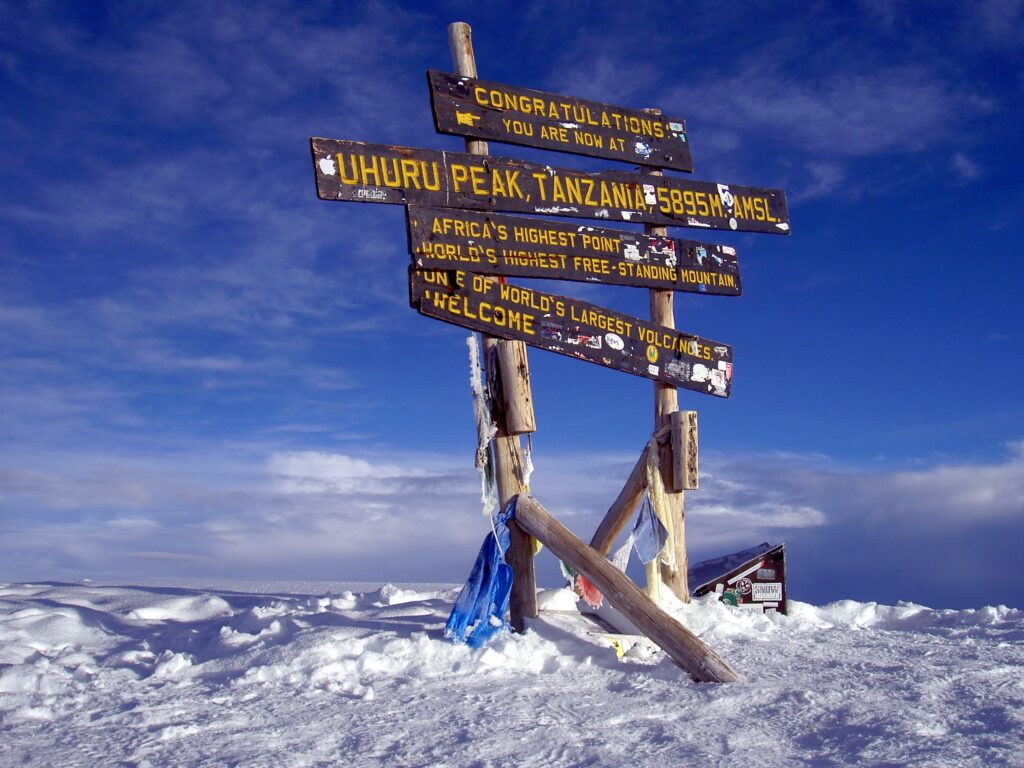
Mount Kilimanjaro is one of the most iconic trekking destinations in Africa, attracting thousands of climbers seeking the ultimate adventure. Among all Kilimanjaro routes, the Marangu Route—often called the “Coca-Cola Route”—is widely marketed as the easiest way to reach Uhuru Peak. But is it truly the easiest Kilimanjaro route for beginners? This question is critical for anyone planning a Tanzania climbing safari. While the Marangu Route offers hut accommodation, a gradual slope, and a shorter itinerary, it also presents hidden challenges such as poor acclimatization and lower summit success rates. Understanding the truth behind this popular route is essential when choosing the best Kilimanjaro route for your adventure.
What is the Marangu Route?
Why is Marangu Called the Easiest Route?
Gradual Slope:
Hut Accommodation:
Short Duration:
The Reality of Difficulty on the Marangu Route
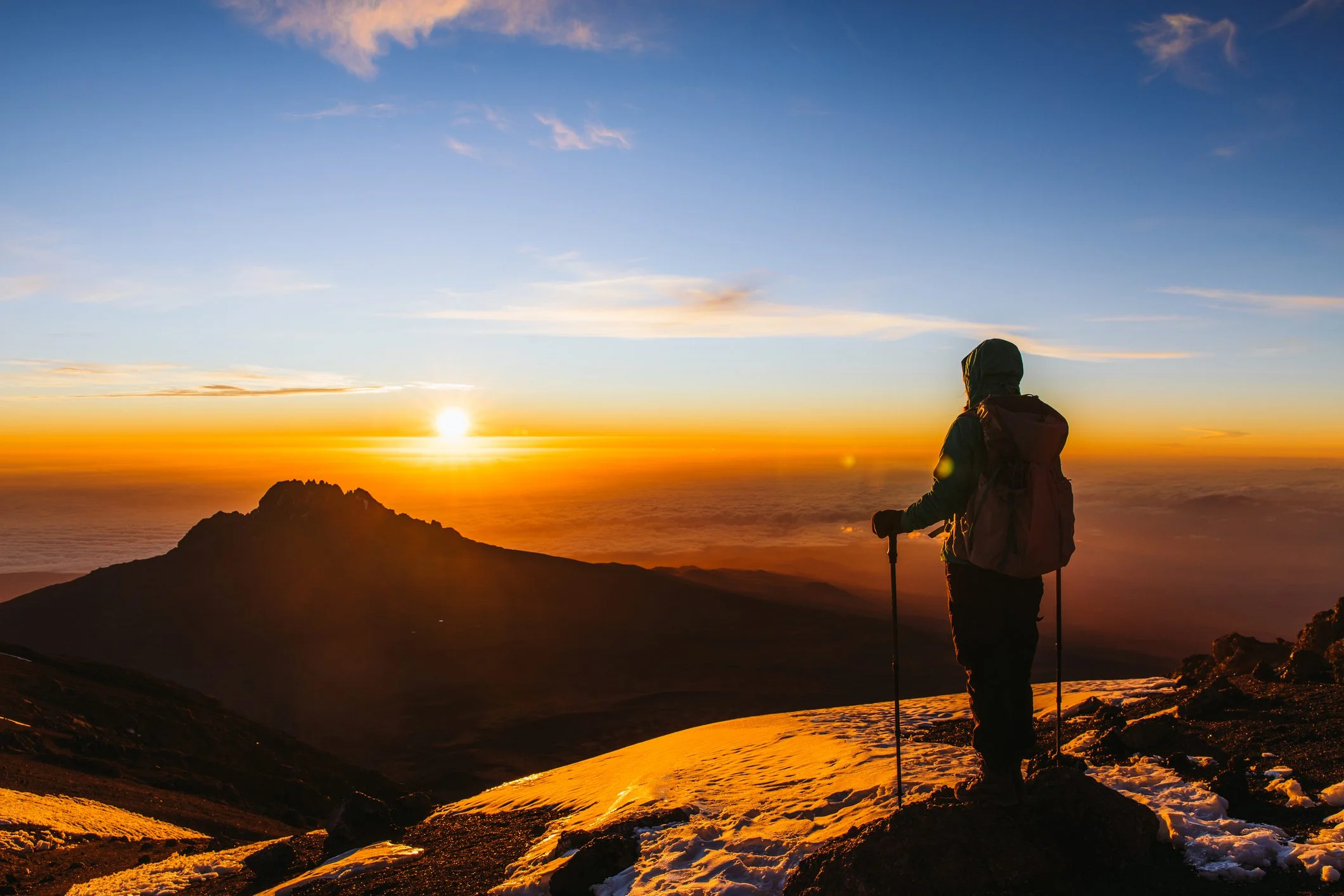
Despite its reputation, the Marangu Route is not necessarily the easiest route on Kilimanjaro overall. The main difficulty lies in altitude acclimatization rather than terrain. Because the route is shorter, climbers have less time to adjust to decreasing oxygen levels, increasing the risk of altitude sickness. Summit night is equally challenging as on any other route, involving a steep and exhausting climb to Uhuru Peak. Even though the trail is less technical, the physical and mental demands remain significant. Many trekkers find that the rapid ascent makes the climb harder than expected, proving that “easy” is a relative term when it comes to Kilimanjaro.
Low Success Rate:
Despite its reputation, the Marangu Route has a relatively low summit success rate, especially on the 5-day itinerary. Many climbers searching for easy Kilimanjaro routes for beginners are surprised to learn that fewer trekkers reach Uhuru Peak compared to longer routes. The main reason is insufficient acclimatization time, not physical difficulty. Altitude sickness remains the biggest obstacle on Mount Kilimanjaro, and Marangu’s fast ascent does little to help the body adjust. As a result, many climbers turn back before reaching the summit, proving that “easy” does not necessarily mean higher success or safer trekking conditions.
Poor Acclimatization:
Acclimatization is critical when climbing Kilimanjaro, and this is where the Marangu Route struggles the most. Its direct ascent profile lacks the “climb high, sleep low” strategy used by routes like Machame and Lemosho. This means trekkers gain altitude quickly without giving their bodies enough time to adjust to lower oxygen levels. For those targeting high Kilimanjaro summit success rates, this is a major disadvantage. Symptoms of altitude sickness can appear as early as day two, affecting performance and safety. Without proper acclimatization, even physically fit climbers may fail to summit, making Marangu deceptively challenging despite its simple trail structure.
Same-Path Descent:
Unlike most Kilimanjaro routes, the Marangu Route uses the same path for both ascent and descent. While this may seem convenient, it reduces scenic variety and can feel repetitive, especially on the way down after a demanding summit attempt. Trekkers searching for the best scenic Kilimanjaro routes may find Marangu less rewarding compared to routes offering diverse landscapes and panoramic views. Additionally, descending the same trail increases foot traffic, leading to congestion and slower movement. This can impact recovery after summit night, making the descent more tiring than expected. The lack of variation also limits the overall adventure experience that many climbers seek.
Best Practices for Marangu:
Choose the 6-Day Option:
To improve your chances of reaching Uhuru Peak, it is highly recommended to choose the 6-day Marangu Route instead of the standard 5-day itinerary. The extra acclimatization day significantly increases summit success rates and reduces the risk of altitude sickness. Many experienced guides and tour operators advise this option for anyone serious about reaching the top of Mount Kilimanjaro. Adding one more day allows your body to adapt better to altitude changes, making the climb safer and more enjoyable. For those searching for how to successfully climb Kilimanjaro, this is one of the most effective strategies.
Prepare for Crowds:
The Marangu Route is one of the busiest Kilimanjaro routes, especially during peak trekking seasons. Its reputation as the easiest route and its hut accommodations attract a large number of climbers from around the world. Trekkers should be prepared for shared facilities, busy trails, and less solitude compared to quieter routes. Booking early with a reputable tour operator ensures better hut allocation and smoother logistics. For those prioritizing the Kilimanjaro trekking experience, safety, and comfort, planning is essential. While crowds can affect the sense of wilderness, proper preparation helps maintain a positive and rewarding climbing experience.
Marangu Route Success Rate Explained
When evaluating the best Kilimanjaro route, success rate is a crucial factor. The Marangu Route has an average summit success rate of around 50%–70%, depending on itinerary length. Shorter 5-day climbs have significantly lower success rates due to poor acclimatization, while 6- or 7-day options improve outcomes. Compared to other routes like Machame or Lemosho, which can exceed 80%–90%, Marangu ranks lower. This highlights a key contradiction: although it is considered easier physically, it is less successful statistically. Choosing a longer itinerary and experienced guides can greatly improve your chances of reaching the summit safely.
Advantages of the Marangu Route
One of the biggest advantages of the Marangu Route is comfort. Climbers sleep in huts rather than tents, protected from rain, wind, and cold temperatures. This makes it ideal for those uncomfortable with camping. The route is also budget-friendly, as shorter itineraries reduce overall Kilimanjaro climbing costs. Its gradual slope is easier on the legs, making daily trekking less strenuous. Additionally, it is a great option during the rainy season because hut accommodation provides shelter. For beginners seeking a more comfortable Kilimanjaro trekking experience, Marangu remains a popular and practical choice.
Disadvantages of the Marangu Route
Despite its benefits, the Marangu Route has several drawbacks. The most significant is poor acclimatization due to its short duration, which leads to lower summit success rates. The route is also less scenic compared to other Kilimanjaro routes because hikers ascend and descend on the same path. This repetition reduces the sense of exploration. Additionally, Marangu can be crowded, especially during peak seasons, impacting the overall trekking experience. For those seeking solitude, diverse landscapes, or higher success rates, alternative routes like Lemosho or Northern Circuit may be better options.
Comparing Marangu to Other Kilimanjaro Routes
When comparing Kilimanjaro routes, Marangu stands out for comfort but falls behind in acclimatization and success rates. Routes like Machame and Lemosho offer longer itineraries and the “climb high, sleep low” strategy, which improves altitude adaptation. These routes also provide more scenic variety and higher summit success rates—often above 80%. In contrast, Marangu’s shorter and direct path sacrifices acclimatization for convenience. While it may be easier physically, it is not necessarily the best Kilimanjaro route for maximizing your chances of reaching Uhuru Peak.
Who Should Choose the Marangu Route?
The Marangu Route is best suited for climbers who prioritize comfort and simplicity. It is ideal for beginners who prefer hut accommodation over camping and those with limited time for their Kilimanjaro trek. Budget-conscious travelers may also find it appealing due to lower costs. However, climbers must be prepared for altitude challenges and should consider adding an extra acclimatization day. For those seeking a balance between comfort and success rate, a longer Marangu itinerary can be a good compromise. Proper preparation, fitness, and experienced guides are essential for a successful climb.
Key Tips for Climbing Marangu Successfully
To maximize your chances of success on the Marangu Route, choose a 6- or 7-day itinerary to allow better acclimatization. Trek slowly—“pole pole,” as locals say—and stay hydrated throughout the climb. Physical preparation before your trip is crucial, including endurance training and hiking practice. Hiring a reputable Kilimanjaro tour operator with experienced guides can significantly improve safety and success rates. Proper gear, including warm clothing and quality hiking boots, is also essential. By following these tips, climbers can overcome the challenges of Marangu and increase their chances of reaching Uhuru Peak.
Is Marangu Really the Easiest Route?
The Marangu Route is often described as the easiest Kilimanjaro route, but this is only partially true. While it is easier in terms of terrain and comfort, it is more challenging when it comes to acclimatization and summit success. Its shorter duration makes it less effective for altitude adaptation, which is the biggest obstacle on Kilimanjaro. Therefore, it may not be the best route for beginners aiming for a high success rate. In reality, routes like Lemosho or Machame are often considered better choices despite being physically more demanding.
Marangu Route Kilimanjaro Distance
Kilimanjaro Marangu Route Success Rate
Kilimanjaro Marangu Route Map
Kilimanjaro Marangu Route Huts
Final Thought
Choosing the best Kilimanjaro route depends on your priorities—comfort, budget, scenery, or success rate. The Marangu Route offers a unique and comfortable trekking experience on Mount Kilimanjaro, but it is not necessarily the easiest or most effective route for reaching the summit. For many climbers, success lies in longer routes with better acclimatization. Ultimately, the key to conquering Kilimanjaro is preparation, patience, and choosing the route that aligns with your goals and experience level.Is Marangu Route Really the Easiest Kilimanjaro Route?: FAQs
What is the Marangu Route?
The Marangu Route is the oldest and most established trail on Mount Kilimanjaro, dating back to early expeditions. Known as the “Coca-Cola Route,” it is the only Kilimanjaro route offering hut accommodation instead of camping, making it appealing to trekkers seeking comfort. The route approaches the mountain from the southeast and follows the same path for ascent and descent.
What should you know about gradual slope on Kilimanjaro?
One reason the Marangu Route is considered the easiest Kilimanjaro route is its relatively gradual slope compared to steeper routes like Machame or Umbwe. The trail follows a steady, well-established path through rainforest, moorland, and alpine desert zones, allowing climbers to maintain a consistent pace.
What can you expect from short duration on Kilimanjaro?
Another factor that makes Marangu seem easy is its shorter itinerary, typically completed in 5 days, with an optional 6-day variation. This appeals to climbers looking for a quick Kilimanjaro climb, a budget-friendly safari add-on, or a limited-time adventure. Fewer days on the mountain reduce overall costs, including park fees and guide expenses, making it one of the most affordable Kilimanjaro routes.
What should you know about low success rate on Kilimanjaro?
Despite its reputation, the Marangu Route has a relatively low summit success rate, especially on the 5-day itinerary. Many climbers searching for easy Kilimanjaro routes for beginners are surprised to learn that fewer trekkers reach Uhuru Peak compared to longer routes. The main reason is insufficient acclimatization time, not physical difficulty.
What can you expect from same-path descent on Kilimanjaro?
Unlike most Kilimanjaro routes, the Marangu Route uses the same path for both ascent and descent. While this may seem convenient, it reduces scenic variety and can feel repetitive, especially on the way down after a demanding summit attempt. Trekkers searching for the best scenic Kilimanjaro routes may find Marangu less rewarding compared to routes offering diverse landscapes and panoramic views.
What should you know about choose the 6-day option on Kilimanjaro?
To improve your chances of reaching Uhuru Peak, it is highly recommended to choose the 6-day Marangu Route instead of the standard 5-day itinerary. The extra acclimatization day significantly increases summit success rates and reduces the risk of altitude sickness. Many experienced guides and tour operators advise this option for anyone serious about reaching the top of Mount Kilimanjaro.
What is Marangu Route Success Rate Explained like?
When evaluating the best Kilimanjaro route, success rate is a crucial factor. The Marangu Route has an average summit success rate of around 50%–70%, depending on itinerary length. Shorter 5-day climbs have significantly lower success rates due to poor acclimatization, while 6- or 7-day options improve outcomes.
What is Disadvantages of the Marangu Route like?
Despite its benefits, the Marangu Route has several drawbacks. The most significant is poor acclimatization due to its short duration, which leads to lower summit success rates. The route is also less scenic compared to other Kilimanjaro routes because hikers ascend and descend on the same path.
Climb Kilimanjaro With Confidence
Tell us your dates and fitness, and our experienced mountain team will plan a safe, well-acclimatized private climb.