Is climbing Mount Kilimanjaro safe?
Is climbing Mount Kilimanjaro safe?
Climbing Mount Kilimanjaro is considered safe for thousands of trekkers every year when proper preparation, experienced guides, and gradual acclimatization are prioritized. As Africa’s highest mountain and one of the world’s most famous trekking destinations, Kilimanjaro attracts adventure travelers, solo hikers, honeymooners, and wildlife safari enthusiasts from across the globe. Unlike technical mountain climbs, Kilimanjaro requires no ropes or advanced mountaineering skills, making it accessible to beginners with reasonable fitness. Safety on Mount Kilimanjaro largely depends on choosing reputable tour operators, following altitude guidelines, staying hydrated, and listening to professional mountain guides. Routes such as the Lemosho Route and Machame Route offer excellent acclimatization profiles that improve summit success rates. With modern rescue systems, trained crews, and medical monitoring, climbing Kilimanjaro can be a safe, unforgettable, and life-changing African adventure experience for prepared trekkers.
Kilimanjaro Is a Non-Technical Mountain
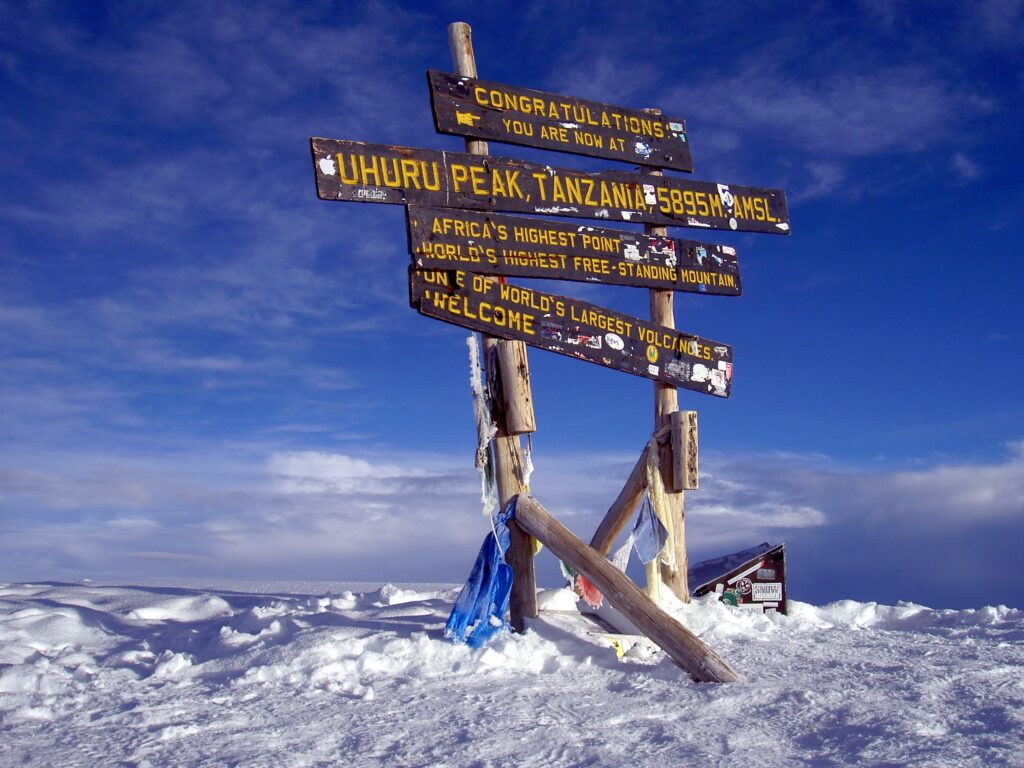
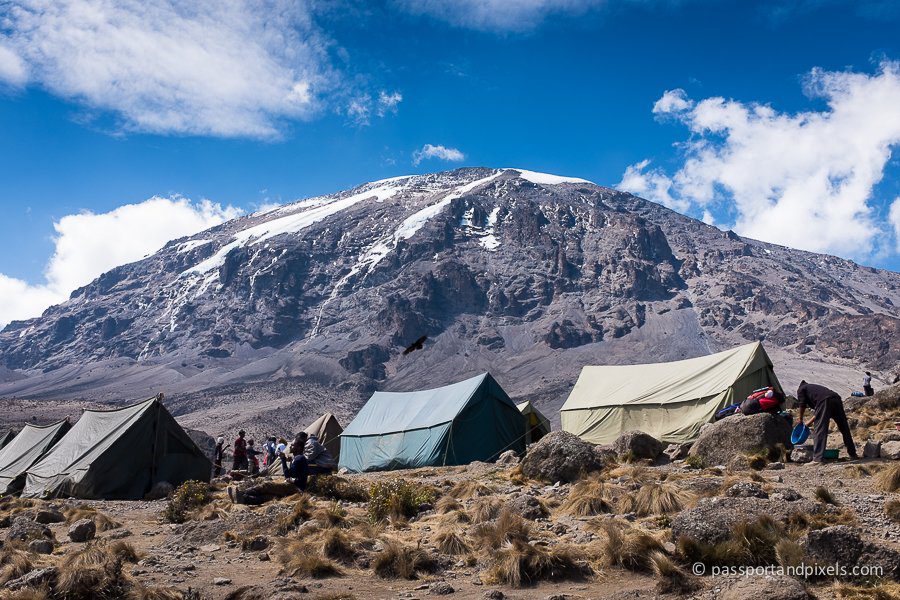
One of the main reasons climbing Mount Kilimanjaro is considered safe is that it is a non-technical mountain. Trekkers do not need previous climbing experience, ropes, harnesses, or ice axes to reach Uhuru Peak. Most routes involve hiking through rainforest, moorland, alpine desert, and glacier landscapes rather than dangerous rock climbing. This makes Kilimanjaro one of the best beginner-friendly high-altitude adventures in the world. Many travelers successfully summit the mountain every year with the assistance of certified mountain guides and support crews. Although the climb is physically demanding, the trails are well-established and regularly maintained. The biggest challenge is altitude rather than terrain. Proper pacing, gradual acclimatization, and following the guide instructions significantly improve safety. With the right preparation and a trusted Tanzania tour operator, climbing Kilimanjaro becomes a manageable and rewarding adventure for hikers of many different fitness levels.
Altitude Sickness Is the Biggest Safety Challenge
The greatest risk on Mount Kilimanjaro is altitude sickness, also known as Acute Mountain Sickness (AMS). Because the mountain rises rapidly to 5,895 meters above sea level, climbers may experience headaches, dizziness, nausea, fatigue, or shortness of breath. However, most altitude-related issues can be reduced through proper acclimatization and slow trekking schedules. Choosing longer routes such as the Lemosho Route, Northern Circuit, or Machame Route helps the body adjust gradually to high elevation. Professional Kilimanjaro guides monitor trekkers daily and often use pulse oximeters to check oxygen levels. Drinking enough water, eating nutritious meals, and hiking slowly using the famous “pole pole” Swahili approach also improve safety. Severe altitude sickness is rare when climbers follow the guide's instructions carefully. Understanding altitude symptoms early and descending immediately when necessary is one of the most important safety measures on Kilimanjaro expeditions.
Experienced Kilimanjaro Guides Greatly Improve Safety
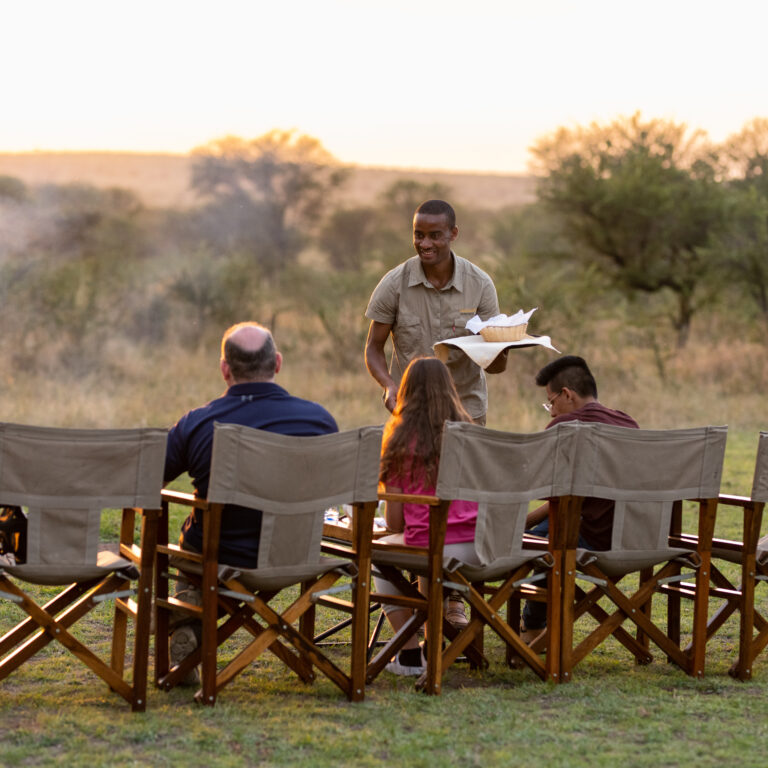
Professional mountain guides play a major role in keeping Kilimanjaro climbers safe throughout the expedition. Reputable Tanzania trekking companies employ trained guides certified in wilderness first aid, altitude management, emergency evacuation, and mountain rescue procedures. Guides monitor hikers closely for signs of exhaustion or altitude sickness while maintaining safe hiking speeds. They also provide encouragement, weather updates, and health assessments during the trek. Many operators conduct regular medical checks using oxygen saturation devices to ensure climbers remain healthy at higher elevations. Porters and cooks additionally support trekkers by carrying equipment, preparing nutritious meals, and setting up camps safely. Choosing a licensed and experienced Kilimanjaro operator dramatically improves both safety and summit success rates. Reliable guides understand changing mountain conditions and know when a climber should rest or descend. Their expertise transforms Kilimanjaro from a challenging climb into a safer and more organized adventure experience.
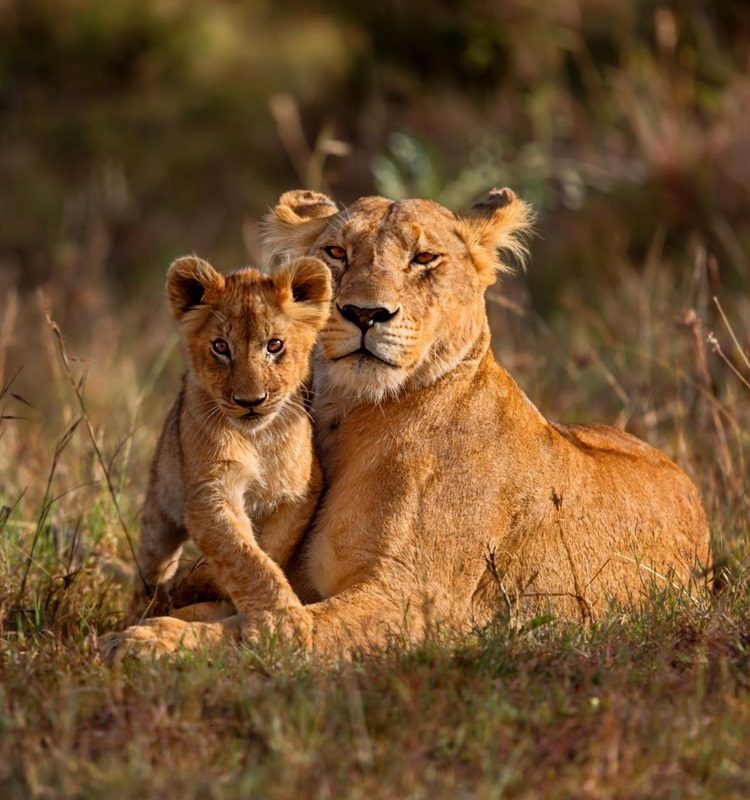
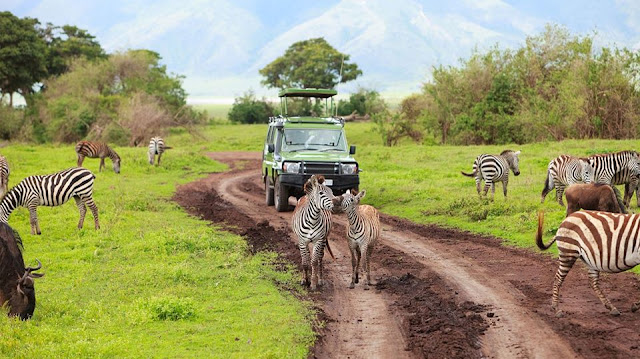
Approach, feed or disturb wildlife, or leave the vehicle unless your guide says it is safe.
Follow your guide, carry travel insurance and check current health and travel advice.
Choosing the Right Kilimanjaro Route Enhances Safety
Selecting the best Kilimanjaro route is extremely important for climbers' safety and successful acclimatization. Some routes provide better altitude adjustment and lower risk compared to shorter itineraries. The Lemosho Route and Northern Circuit are widely regarded as among the safest routes because they allow gradual elevation gain and more acclimatization days. The Machame Route also offers strong success rates when climbed over seven days or longer. Short routes such as the Marangu Route or Umbwe Route may increase altitude-related risks because climbers ascend too quickly. Longer itineraries improve the body’s ability to adapt naturally to reduced oxygen levels. Safety also depends on campsite quality, weather exposure, and daily trekking distances. Reputable operators recommend routes based on experience level, fitness, and travel goals. Taking extra acclimatization days may cost more, but it significantly improves both safety and summit success on Mount Kilimanjaro expeditions.
Weather Conditions on Kilimanjaro Can Change Quickly
Mount Kilimanjaro’s weather changes dramatically as climbers move through different ecological zones. Trekkers may experience warm rainforest temperatures, freezing alpine nights, heavy rain, strong winds, and snow near the summit. Understanding these changing weather conditions is essential for staying safe on the mountain. Proper clothing, layering systems, and waterproof gear help protect climbers from hypothermia and exhaustion. The best time to climb Kilimanjaro is generally during the dry seasons from January to March and June to October when trails are safer, and visibility is clearer. Sudden weather shifts can still occur even during favorable seasons, so experienced guides monitor mountain conditions closely. Quality trekking equipment, insulated sleeping bags, and warm summit gear reduce weather-related risks significantly. Preparing for cold temperatures and unpredictable mountain weather ensures a safer, more comfortable trekking experience while climbing Africa’s tallest mountain successfully.
Physical Fitness Helps Reduce Risks
Although Mount Kilimanjaro does not require technical climbing skills, good physical fitness is essential for a safe and enjoyable trekking experience. Climbers spend several days hiking long distances across steep terrain at high altitude, which can be physically exhausting. Cardiovascular endurance, strong legs, and mental determination help trekkers manage fatigue and recover better during the expedition. Training before the climb improves breathing efficiency, stamina, and overall confidence on the mountain. Popular preparation activities include hiking, running, cycling, stair climbing, and strength training. Fit climbers are generally better able to cope with changing temperatures and long summit nights. However, even athletic people can experience altitude sickness, which is why acclimatization remains critical. Preparing the body properly reduces the chance of injury, muscle strain, and extreme exhaustion. Combining fitness training with experienced guides and proper pacing creates a much safer Kilimanjaro climbing adventure.
Modern Rescue Systems Improve Mountain Safety
Safety standards on Mount Kilimanjaro have improved greatly due to modern rescue systems and better emergency response procedures. Kilimanjaro National Park authorities and professional trekking companies work together to provide evacuation support for climbers experiencing medical emergencies. Many tour operators carry portable oxygen tanks, first aid kits, stretchers, and communication equipment during expeditions. Emergency rescue vehicles are available at lower elevations, while helicopter evacuations may be arranged in serious cases, depending on weather conditions. Guides receive training to recognize dangerous altitude symptoms quickly and respond appropriately. Rescue huts and ranger stations are positioned along several routes to support emergency operations. Climbers are also encouraged to purchase comprehensive travel insurance that includes high-altitude trekking coverage and emergency evacuation services. These advanced safety systems provide reassurance for travelers and significantly reduce risks associated with climbing Africa’s highest mountain in Tanzania.
Proper Gear Is Essential for a Safe Climb
Having the correct Kilimanjaro trekking gear is one of the most important safety factors during the climb. Temperatures on the mountain vary greatly, especially near the summit, where freezing conditions and strong winds are common. Essential gear includes waterproof hiking boots, thermal clothing, insulated jackets, gloves, trekking poles, and warm sleeping bags. Dressing in layers allows climbers to adjust comfortably as temperatures change throughout the trek. Poor-quality gear can lead to blisters, cold injuries, exhaustion, and discomfort that may force climbers to descend early. Reliable headlamps are especially important during summit night climbs that begin before sunrise. Hydration systems, sunscreen, and sunglasses also protect trekkers from dehydration and intense ultraviolet exposure at high altitude. Many professional tour operators provide equipment rental services for travelers who lack specialized mountain gear. Investing in proper equipment greatly improves comfort, confidence, and overall safety on Kilimanjaro.
Food and Hydration Support Climber Health
Maintaining proper nutrition and hydration is essential for staying safe while climbing Mount Kilimanjaro. High altitude increases dehydration risk because the body loses fluids more quickly through breathing and physical exertion. Trekkers are encouraged to drink several liters of water daily to help the body acclimate effectively. Experienced guides regularly remind climbers to hydrate using purified drinking water provided during the expedition. Nutritious meals prepared by mountain cooks also play a major role in maintaining strength and energy levels. Kilimanjaro trekking menus often include soups, vegetables, rice, pasta, fruits, eggs, and protein-rich foods designed for high-altitude conditions. Eating enough food, even when appetite decreases at altitude, is important for endurance and recovery. Energy snacks and electrolyte drinks may further improve performance. Good hydration and balanced nutrition help reduce fatigue, headaches, and altitude-related complications during the Kilimanjaro summit journey.
Kilimanjaro Summit Night Requires Extra Caution
Summit night is considered the most challenging part of climbing Mount Kilimanjaro and requires additional safety awareness. Climbers usually begin the ascent around midnight in freezing temperatures and darkness while trekking toward Uhuru Peak. The combination of cold weather, steep slopes, thin oxygen, and physical exhaustion makes this stage demanding both mentally and physically. Guides maintain slow pacing to conserve energy and reduce altitude stress during the final ascent. Wearing insulated layers, gloves, and proper footwear is essential for preventing cold-related injuries. Trekking poles provide balance and stability on loose volcanic scree near the summit. Many climbers experience fatigue or headaches during summit night, but careful pacing and hydration help manage these symptoms. Guides continuously monitor climbers and make safety decisions when necessary. Reaching the summit safely requires patience, preparation, and determination during this unforgettable high-altitude adventure on Mount Kilimanjaro.
Travel Insurance Is Highly Recommended
Comprehensive travel insurance is strongly recommended for anyone planning to climb Mount Kilimanjaro. High-altitude trekking insurance provides financial protection in case of medical emergencies, trip cancellations, evacuation needs, or unexpected travel disruptions. Many reputable Kilimanjaro tour operators require climbers to carry insurance that specifically covers trekking above 5,000 meters. Emergency helicopter evacuation, hospital treatment, and international medical assistance can become expensive without proper coverage. Insurance also offers peace of mind for travelers participating in physically demanding mountain adventures. Before purchasing a policy, climbers should carefully review altitude limits and emergency rescue inclusions. Some insurers specialize in adventure travel and mountaineering coverage for African trekking expeditions. Reliable insurance ensures climbers receive immediate support if emergencies occur on the mountain. Combining travel insurance with experienced guides, proper gear, and acclimatization planning creates a safer and more secure Kilimanjaro climbing experience from start to finish.
Mental Preparation Is Important for Safety
Mental strength is often overlooked but plays a crucial role in climbing Mount Kilimanjaro safely and successfully. High-altitude trekking involves long hiking days, cold temperatures, physical fatigue, and unpredictable mountain conditions that can challenge even experienced adventurers. Positive thinking, patience, and determination help climbers remain calm and focused during difficult moments. Mental preparation also encourages trekkers to communicate honestly with guides about how they feel physically throughout the expedition. Listening carefully to the body and avoiding unnecessary pressure to reach the summit improves overall safety. Climbers who remain mentally prepared are better able to adapt to changing weather, slow trekking speeds, and demanding summit nights. Practicing endurance hikes, setting realistic expectations, and understanding the mountain experience beforehand can improve confidence significantly. A strong mindset combined with good preparation allows trekkers to enjoy Kilimanjaro safely while appreciating its extraordinary natural beauty.
Thousands of Climbers Reach the Summit Safely Every Year
Every year, thousands of travelers from around the world successfully and safely climb Mount Kilimanjaro. The mountain remains one of Africa’s most popular adventure tourism destinations because it combines accessibility, breathtaking scenery, and achievable summit opportunities for non-technical hikers. Success rates continue to improve as trekking companies adopt better acclimatization schedules, medical monitoring, and professional safety standards. Climbers of various ages and fitness levels regularly complete the journey with proper preparation and experienced support teams. The majority of trekkers descend safely without serious health complications when they follow the guide's instructions carefully. Kilimanjaro National Park regulations also help improve mountain safety through route management, trained ranger support, and licensed operator requirements. Positive traveler reviews and growing global interest reflect confidence in Kilimanjaro trekking safety. With responsible planning and gradual acclimatization, climbing Africa’s tallest mountain becomes an achievable and memorable adventure experience.
Choosing a Reputable Kilimanjaro Tour Operator Matters Most
Perhaps the most important factor in Kilimanjaro safety is choosing a reputable and licensed Tanzania tour operator. Experienced companies prioritize climber health, employ certified guides, maintain quality equipment, and follow responsible mountain safety protocols. Trusted operators schedule proper acclimatization days rather than rushing clients to the summit too quickly. They also provide nutritious meals, emergency oxygen, communication devices, and fair porter treatment standards. Reading traveler reviews, checking safety certifications, and comparing success rates can help travelers identify reliable trekking companies. Cheap operators sometimes cut costs on safety equipment, staff training, or emergency preparedness, which may increase risks on the mountain. Investing in a professional Kilimanjaro climbing company improves comfort, organization, and overall safety throughout the expedition. A knowledgeable support team can make the difference between a difficult experience and a successful summit adventure. Careful operator selection is therefore essential for a safe Kilimanjaro climb.
Final Thought
Climbing Mount Kilimanjaro is generally very safe when travelers prepare properly, choose experienced guides, and respect the effects of high altitude. While challenges such as altitude sickness, cold temperatures, and physical exhaustion exist, modern trekking standards and professional mountain crews have greatly improved climber safety over the years. Kilimanjaro remains one of the world’s most achievable high-altitude adventures because it requires no technical climbing experience and offers well-established trekking routes. Selecting the right route, carrying proper gear, staying hydrated, and following the “pole pole” climbing approach all contribute to a safer summit experience. With responsible planning and a trusted Tanzania trekking operator, thousands of climbers safely reach Uhuru Peak every year. For adventure travelers seeking breathtaking landscapes and personal achievement, climbing Kilimanjaro can be a safe, inspiring, and unforgettable African journey.
Is climbing Mount Kilimanjaro safe?: FAQs
What should you know about Kilimanjaro is a non-technical mountain?
One of the main reasons climbing Mount Kilimanjaro is considered safe is that it is a non-technical mountain. Trekkers do not need previous climbing experience, ropes, harnesses, or ice axes to reach Uhuru Peak. Most routes involve hiking through rainforest, moorland, alpine desert, and glacier landscapes rather than dangerous rock climbing.
What can you expect from altitude sickness is the biggest safety challenge?
The greatest risk on Mount Kilimanjaro is altitude sickness, also known as Acute Mountain Sickness (AMS). Because the mountain rises rapidly to 5,895 meters above sea level, climbers may experience headaches, dizziness, nausea, fatigue, or shortness of breath. However, most altitude-related issues can be reduced through proper acclimatization and slow trekking schedules.
What should you know about experienced Kilimanjaro guides greatly improve safety?
Professional mountain guides play a major role in keeping Kilimanjaro climbers safe throughout the expedition. Reputable Tanzania trekking companies employ trained guides certified in wilderness first aid, altitude management, emergency evacuation, and mountain rescue procedures. Guides monitor hikers closely for signs of exhaustion or altitude sickness while maintaining safe hiking speeds.
What is Choosing the Right Kilimanjaro Route Enhances Safety like?
Selecting the best Kilimanjaro route is extremely important for climbers' safety and successful acclimatization. Some routes provide better altitude adjustment and lower risk compared to shorter itineraries. The Lemosho Route and Northern Circuit are widely regarded as among the safest routes because they allow gradual elevation gain and more acclimatization days.
What is the weather conditions on Kilimanjaro can change quickly like?
Mount Kilimanjaro’s weather changes dramatically as climbers move through different ecological zones. Trekkers may experience warm rainforest temperatures, freezing alpine nights, heavy rain, strong winds, and snow near the summit. Understanding these changing weather conditions is essential for staying safe on the mountain. Proper clothing, layering systems, and waterproof gear help protect climbers from hypothermia and exhaustion.
What can you expect from physical fitness helps reduce risks on Kilimanjaro?
Although Mount Kilimanjaro does not require technical climbing skills, good physical fitness is essential for a safe and enjoyable trekking experience. Climbers spend several days hiking long distances across steep terrain at high altitude, which can be physically exhausting. Cardiovascular endurance, strong legs, and mental determination help trekkers manage fatigue and recover better during the expedition.
What should you know about modern rescue systems improve mountain safety?
Safety standards on Mount Kilimanjaro have improved greatly due to modern rescue systems and better emergency response procedures. Kilimanjaro National Park authorities and professional trekking companies work together to provide evacuation support for climbers experiencing medical emergencies. Many tour operators carry portable oxygen tanks, first aid kits, stretchers, and communication equipment during expeditions.
What can you expect from proper gear is essential for a safe climb?
Having the correct Kilimanjaro trekking gear is one of the most important safety factors during the climb. Temperatures on the mountain vary greatly, especially near the summit, where freezing conditions and strong winds are common. Essential gear includes waterproof hiking boots, thermal clothing, insulated jackets, gloves, trekking poles, and warm sleeping bags.
Climb Kilimanjaro With Confidence
Tell us your dates and fitness, and our experienced mountain team will plan a safe, well-acclimatized private climb.