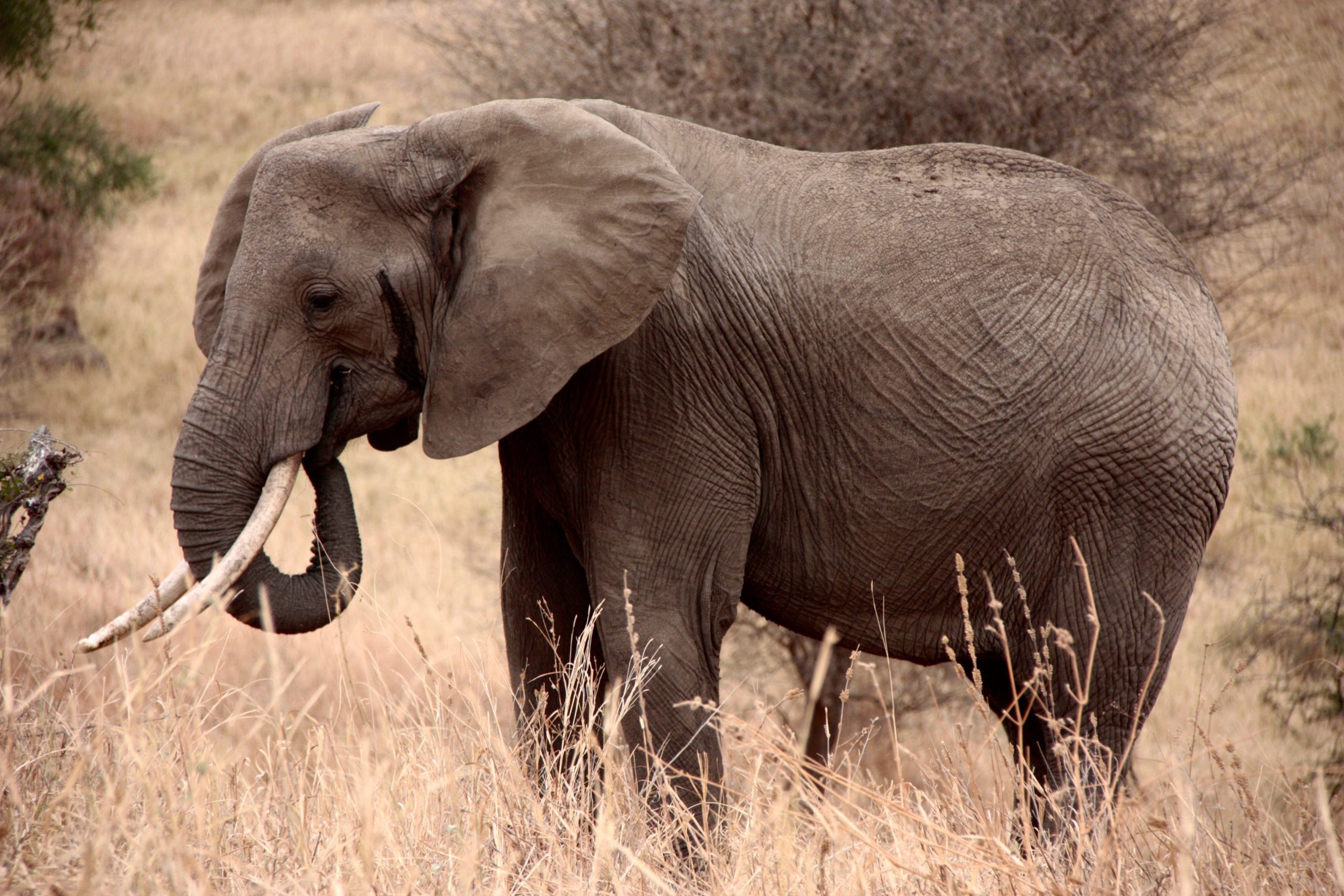
Interesting Facts About Elephants
Interesting Facts About Elephants
Incredible 10 Fascinating Facts About the African Elephant.
Elephants are among the most fascinating and iconic wildlife species on Earth, drawing travelers from across the globe to destinations like Serengeti National Park and Tarangire National Park. Known as the largest land mammals, elephants symbolize strength, intelligence, and deep emotional bonds. Whether you’re planning a Tanzania safari, African wildlife tour, or simply exploring interesting facts about elephants, these gentle giants offer endless wonder. From their powerful trunks to their complex social structures, elephants play a vital role in maintaining ecosystems. African elephants and Asian elephants differ in size, habitat, and behavior, yet both are equally captivating. Understanding elephant behavior, diet, communication, and conservation status is essential for wildlife lovers. This guide explores incredible elephant facts, perfect for safari enthusiasts, students, and travelers seeking unforgettable wildlife experiences in Africa.
The Largest Land Mammals on Earth
Elephants hold the title of the largest land animals, making them a highlight of any African safari experience. The African elephant, commonly seen in Ngorongoro Crater, can weigh up to 6,000 kilograms and stand over 3 meters tall. Their massive bodies are supported by thick legs and large, cushioned feet that help them move quietly despite their size. This unique adaptation allows elephants to travel long distances in search of water and food. Their sheer size also protects them from most predators, making adult elephants nearly invincible in the wild. Tourists visiting Tanzania safaris often marvel at their presence, especially during game drives. These giants are not only physically impressive but also ecologically important, shaping landscapes by knocking down trees and creating pathways for other animals.
Highly Intelligent Creatures
Elephants are widely regarded as one of the most intelligent animals, often compared to dolphins and primates. Studies show that elephants possess advanced cognitive abilities, including problem-solving, memory, and self-awareness. In places like Lake Manyara National Park, visitors may observe elephants using tools, such as branches, to swat flies. Their brains are the largest among land animals, contributing to their complex behaviors. Elephants can recognize themselves in mirrors, a rare trait shared with only a few species. This intelligence also enables them to navigate vast landscapes and remember water sources for years. Safari guides often share stories of elephants returning to the same migration routes generation after generation, showcasing their remarkable mental capabilities and adaptability in the wild.
The Incredible Elephant Trunk
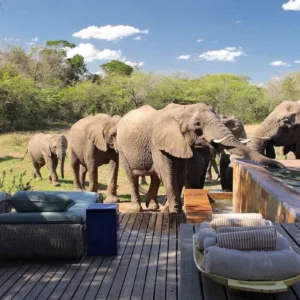
An elephant’s trunk is one of the most versatile and powerful tools in the animal kingdom. It contains over 40,000 muscles, allowing elephants to perform delicate tasks like picking up a single blade of grass or powerful actions like uprooting trees. In Tarangire National Park, elephants use their trunks to drink water, spray themselves to stay cool, and communicate through touch. The trunk also acts as a nose, enabling elephants to detect scents from several kilometers away. This ability is essential for survival, helping them locate food and water sources in the wild. Travelers on Tanzania safari tours are often amazed by how skillfully elephants use their trunks, demonstrating both strength and precision in their daily activities.
- ArushaGateway
- TarangireElephants
- NgorongoroCrater
- SerengetiBig Five
- ZanzibarBeach
Complex Social Structures
Elephants live in highly organized social groups, typically led by a matriarch—the oldest and most experienced female. These family units, often seen in Serengeti National Park, consist of mothers, daughters, and calves. The matriarch plays a crucial role in decision-making, guiding the herd to food and water. Male elephants usually leave the group when they reach adolescence and live independently or in bachelor groups. Elephant societies are deeply bonded, with members supporting and protecting each other. This social structure enhances survival, especially during droughts or threats from predators. Observing these interactions on safari provides insight into their cooperative behavior and emotional intelligence, making elephants one of the most captivating species in the African wilderness.
Strong Emotional Bonds
Elephants are known for their deep emotional connections and empathetic behavior. They display signs of grief, joy, and compassion, often forming lifelong bonds with family members. In Ngorongoro Crater, elephants have been observed mourning deceased companions, gently touching bones with their trunks. They also celebrate births and reunions with excitement and vocalizations. These emotional traits make elephants unique among wildlife species. Safari travelers frequently witness mothers nurturing their calves with remarkable care and protection. Such behaviors highlight the importance of family and social connections within elephant herds. Their emotional intelligence continues to fascinate researchers and wildlife enthusiasts, reinforcing the need for conservation efforts to protect these extraordinary animals.
Exceptional Memory Skills
The phrase “an elephant never forgets” is rooted in truth. Elephants have outstanding memory, which helps them survive in challenging environments. In regions like Tarangire National Park, elephants remember the locations of water sources even during severe droughts. This knowledge is often passed down through generations, guided by the matriarch. Their memory also allows them to recognize individuals, both elephants and humans, even after many years. This ability is crucial for maintaining social bonds and avoiding threats. Safari guides often emphasize how elephants revisit familiar routes and feeding areas. Their long-term memory plays a vital role in migration patterns and overall survival, making them one of the most adaptive species in the African wilderness.
Communication Through Vibrations
Elephants communicate in ways that go beyond human hearing. They use low-frequency sounds, known as infrasound, to communicate over long distances. In open landscapes like Serengeti National Park, these vibrations can travel several kilometers through the ground. Elephants detect these signals through sensitive receptors in their feet and trunks. This form of communication helps coordinate movements, warn of danger, and maintain social bonds. Observing elephant communication during a Tanzania safari reveals a hidden world of interaction that is both complex and fascinating. These silent conversations are essential for herd cohesion and survival, especially in vast and challenging environments.
A Herbivore’s Huge Appetite
Elephants are herbivores with enormous appetites, consuming up to 150 kilograms of vegetation daily. In Lake Manyara National Park, they feed on grasses, fruits, bark, and leaves. Their feeding habits play a significant role in shaping ecosystems by clearing vegetation and dispersing seeds. This behavior supports biodiversity and maintains ecological balance. Elephants spend most of their day eating to sustain their large bodies. Safari visitors often witness them stripping bark from trees or grazing in open plains. Their diet varies depending on the season and availability of food, demonstrating their adaptability in different environments.
Keystone Species of the Ecosystem
Elephants are considered a keystone species, meaning they have a disproportionately large impact on their environment. In Tarangire National Park, their activities create habitats for other animals. By knocking down trees, they open up grasslands that benefit grazers like zebras and antelopes. Their footprints can form water holes that support smaller species. These ecological contributions make elephants essential for maintaining healthy ecosystems. Conservationists emphasize their role in biodiversity and habitat preservation. Protecting elephants ensures the survival of many other species, making them a cornerstone of African wildlife conservation efforts.
Long Gestation Period
Elephants have the longest gestation period of any land animal, lasting about 22 months. This extended pregnancy allows calves to develop fully before birth. In Ngorongoro Crater, newborn elephants are welcomed and protected by the entire herd. Calves can stand and walk shortly after birth, an essential survival trait. Mothers provide constant care, while other females assist in raising the young. This cooperative parenting strengthens social bonds within the herd. Safari travelers often find elephant calves particularly endearing, observing their playful behavior and close attachment to their mothers.
Lifespan and Aging
Elephants can live up to 60–70 years in the wild, making them one of the longest-living land animals. In Serengeti National Park, older elephants are easily recognized by their worn tusks and slower movements. Aging elephants contribute valuable knowledge to the herd, particularly in locating food and water. Their long lifespan allows for the transmission of survival skills across generations. However, threats such as poaching and habitat loss can significantly reduce their life expectancy. Understanding elephant lifespan is crucial for conservation strategies aimed at protecting these majestic animals for future generations.
Tusks and Their Importance
Elephant tusks are elongated incisor teeth used for digging, lifting objects, and defense. In Tarangire National Park, elephants use their tusks to strip bark from trees and access water underground. Unfortunately, tusks have made elephants targets for illegal poaching. The ivory trade remains a major threat to elephant populations. Conservation efforts focus on protecting elephants and reducing demand for ivory products. Safari visitors are encouraged to support ethical tourism practices that promote wildlife conservation. Tusks are not only functional but also a symbol of the challenges elephants face in the modern world.
Differences Between African and Asian Elephants
African and Asian elephants differ in several ways, including size, ear shape, and habitat. African elephants, commonly seen in Serengeti National Park, are larger and have bigger ears shaped like the African continent. Asian elephants are smaller with rounded ears and are found in forests across Asia. Behavioral differences also exist, with African elephants tending to be more social. Understanding these distinctions enhances wildlife knowledge and appreciation. Both species face conservation challenges, making global efforts essential to protect them from extinction.
Swimming Abilities
Elephants are excellent swimmers, capable of crossing rivers and even large bodies of water. In areas near Lake Manyara National Park, elephants use their trunks as snorkels while swimming. This ability allows them to migrate across different terrains in search of food and water. Swimming also helps them cool off in hot climates. Safari travelers are often surprised to learn about this skill, as it highlights the adaptability of elephants. Their strong bodies and natural buoyancy make them well-suited for aquatic environments.
Threats and Conservation Efforts
Elephants face significant threats, including poaching, habitat loss, and human-wildlife conflict. In protected areas like Ngorongoro Crater, conservation programs aim to safeguard elephant populations. Anti-poaching initiatives, community education, and sustainable tourism play key roles in protecting these animals. Organizations worldwide are working to ensure the survival of elephants for future generations. Travelers can contribute by choosing responsible safari operators and supporting conservation efforts. Raising awareness about these threats is essential for long-term success in preserving elephant populations.
Elephants in Tanzania Safaris
Elephants are a highlight of any Tanzania safari, attracting wildlife enthusiasts from around the world. Parks like Tarangire National Park are famous for large elephant herds and unforgettable wildlife encounters. Game drives offer opportunities to observe elephants in their natural habitat, showcasing their behavior and interactions. Whether visiting during the dry season or green season, elephants remain a constant presence. Their majestic appearance and fascinating behavior make them a must-see species. Tanzania remains one of the best destinations for elephant safaris, offering diverse landscapes and rich wildlife experiences.
Final Thought
Elephants are truly remarkable creatures, combining intelligence, strength, and emotional depth. From their vital role in ecosystems to their unforgettable presence on safari, they continue to inspire awe and admiration. Exploring interesting facts about elephants not only enriches your wildlife knowledge but also deepens your appreciation for conservation efforts. Whether you encounter them in Serengeti National Park or elsewhere in Africa, elephants leave a lasting impression. Protecting these gentle giants ensures that future generations can experience their beauty and significance in the wild.
Interesting Facts About Elephants: FAQs
What are the incredible 10 fascinating facts about the African elephant?
Elephants are among the most fascinating and iconic wildlife species on Earth, drawing travelers from across the globe to destinations like Serengeti National Park and Tarangire National Park. Known as the largest land mammals, elephants symbolize strength, intelligence, and deep emotional bonds. Whether you’re planning a Tanzania safari, African wildlife tour, or simply exploring interesting facts about elephants, these gentle giants offer endless wonder.
What can you expect from highly intelligent creatures for interesting facts about elephants?
Elephants are widely regarded as one of the most intelligent animals, often compared to dolphins and primates. Studies show that elephants possess advanced cognitive abilities, including problem-solving, memory, and self-awareness. In places like Lake Manyara National Park, visitors may observe elephants using tools, such as branches, to swat flies.
What should you know about complex social structures for interesting facts about elephants?
Elephants live in highly organized social groups, typically led by a matriarch—the oldest and most experienced female. These family units, often seen in Serengeti National Park, consist of mothers, daughters, and calves. The matriarch plays a crucial role in decision-making, guiding the herd to food and water.
What can you expect from exceptional memory skills for interesting facts about elephants?
The phrase “an elephant never forgets” is rooted in truth. Elephants have outstanding memory, which helps them survive in challenging environments. In regions like Tarangire National Park, elephants remember the locations of water sources even during severe droughts. This knowledge is often passed down through generations, guided by the matriarch.
What should you know about A Herbivore’s Huge Appetite for interesting facts about elephants?
Elephants are herbivores with enormous appetites, consuming up to 150 kilograms of vegetation daily. In Lake Manyara National Park, they feed on grasses, fruits, bark, and leaves. Their feeding habits play a significant role in shaping ecosystems by clearing vegetation and dispersing seeds. This behavior supports biodiversity and maintains ecological balance.
What can you expect from long gestation period for interesting facts about elephants?
Elephants have the longest gestation period of any land animal, lasting about 22 months. This extended pregnancy allows calves to develop fully before birth. In Ngorongoro Crater, newborn elephants are welcomed and protected by the entire herd. Calves can stand and walk shortly after birth, an essential survival trait.
What should you know about tusks and their importance for interesting facts about elephants?
Elephant tusks are elongated incisor teeth used for digging, lifting objects, and defense. In Tarangire National Park, elephants use their tusks to strip bark from trees and access water underground. Unfortunately, tusks have made elephants targets for illegal poaching. The ivory trade remains a major threat to elephant populations.
What should you know about swimming abilities for interesting facts about elephants?
Elephants are excellent swimmers, capable of crossing rivers and even large bodies of water. In areas near Lake Manyara National Park, elephants use their trunks as snorkels while swimming. This ability allows them to migrate across different terrains in search of food and water. Swimming also helps them cool off in hot climates.
Plan Your Private Tanzania Safari
Tell us your travel dates, interests and budget, and our local team will design a private tailor-made safari around you.