How young is too young for kids to go on an African safari?
How Young Is Too Young for Kids to Go on an African Safari?
Wondering how young is too young for kids to go on an African safari? There is no universal minimum age. With the right destination, family-friendly safari lodge, private vehicle, flexible itinerary, and professional guide, even young children can enjoy a memorable African family safari. Tanzania is particularly appealing for family holidays, offering wildlife-rich national parks, comfortable lodges, short travel connections, and beach extensions in Zanzibar. The best safari age depends on your child’s temperament, travel experience, health, attention span, and ability to handle long drives. Careful planning makes a Tanzania family safari with kids safe, educational, comfortable, and unforgettable.
Why Take Young Kids on an African Safari
How Young Is Too Young for Kids to Go on an African Safari?
Generally, children under 6 years old are considered too young by many standard lodges and parks for group game drives. While infants and toddlers can technically travel, the ideal age for a rewarding and low-stress safari experience is 8 to 12 years old, when kids can handle long, bumpy rides and appreciate the wildlife.
Ages 0–3 (Toddlers & Babies):
Babies and toddlers can travel on an African family safari, but parents should choose carefully. Ages 0–3 are best suited to private safaris with flexible schedules, short game drives, comfortable family lodges, and minimal long-distance transfers. Consider malaria prevention, vaccinations, medical access, car-seat arrangements, feeding routines, naps, and heat exposure. A private Tanzania safari with toddlers allows parents to stop when necessary. Avoid rushed itineraries and lengthy driving days. For very young children, combine a short wildlife experience with relaxing accommodation and a family-friendly Zanzibar beach holiday.
Ages 4–5 (Young Children):
Ages 4–5 can be an excellent introduction to an African safari for young children, especially when parents select child-friendly lodges and private vehicles. Preschoolers generally enjoy elephants, giraffes, zebras, lions, and playful wildlife encounters, although attention spans remain limited. Keep game drives shorter, schedule breaks, and choose accommodations offering family rooms, swimming pools, children’s activities, or babysitting where appropriate. Tanzania’s family safari holidays can combine Tarangire, Ngorongoro, and Serengeti with relaxing lodge time. A flexible itinerary helps children enjoy wildlife without becoming overtired or restless.
Ages 6–7 (Early Elementary):
Children aged 6–7 are often ready for a more immersive Tanzania family safari adventure. They can follow guide explanations, identify animals, ask questions, and appreciate conservation and local culture. Private game drives remain highly recommended because families can control departure times, breaks, and activities. Choose shorter transfers and family-friendly lodges around Tarangire, Ngorongoro, and Serengeti. Children can enjoy wildlife photography, birdwatching, nature walks where permitted, and cultural experiences. With thoughtful planning, a safari at this age becomes both educational and exciting.
Ages 8–12 (The Golden Age):
Ages 8–12 are widely considered a particularly rewarding stage for family safari holidays in Africa. Older children usually have greater patience for game drives, understand wildlife behaviour, and can appreciate photography, conservation, geography, and local cultures. Families can consider longer itineraries covering Tanzania’s Northern Circuit, including Tarangire National Park, Ngorongoro Crater, and Serengeti National Park. Children may also enjoy walking experiences where permitted, wildlife tracking, and educational lodge programmes. A well-planned Tanzania safari with kids can become a lifelong family adventure and learning experience.
Where to Go on an African Family Safari with Young Kids
For young kids, the best family safari destinations are Tanzania (focusing on short drives in places like the Ngorongoro Crater and Tarangire), and Serengeti National Park (with private conservancies offering kid-focused programs). These areas feature flexible pacing, short transit times, and child-friendly lodge amenities.
- ArushaStart
- TarangireElephants
- NgorongoroCrater
- SerengetiBig Five
Northern Circuit Tanzania Family Safari Destinations
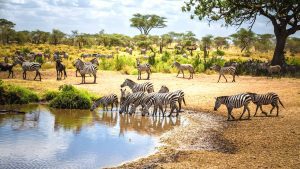
Tanzania’s Northern Circuit is one of the best choices for a first African family safari with young kids. Recommended destinations include Tarangire National Park, Ngorongoro Crater, Serengeti National Park, and Arusha National Park. Families can enjoy elephants, lions, giraffes, zebras, and abundant birdlife while staying in family-friendly lodges and tented camps. The Northern Circuit offers excellent safari infrastructure, professional guides, and opportunities to combine wildlife viewing with cultural experiences and a Zanzibar beach holiday.
Southern Circuit Tanzania Family Safari Destinations
The Southern Circuit offers a quieter alternative for families seeking fewer visitors and an authentic Tanzania safari experience. Nyerere National Park is particularly suitable for private family safaris, offering game drives, boat safaris, and diverse wildlife. Ruaha National Park provides spectacular landscapes and abundant elephants, lions, giraffes, and other wildlife. For young children, private vehicles and flexible schedules are important. Families should consider flight connections rather than lengthy road journeys when possible, making Southern Tanzania comfortable for a carefully designed family safari holiday.
Western Circuit Tanzania Family Safari Destinations
Western Tanzania provides a more adventurous family safari experience for families seeking chimpanzees, remote landscapes, and fewer crowds. Katavi National Park offers remarkable wildlife viewing, while Mahale Mountains National Park is famous for chimpanzee encounters beside Lake Tanganyika. These destinations are best suited to older children because travel logistics can be more demanding. Families should prioritise private arrangements, comfortable accommodation, and reliable internal flights. Western Tanzania works especially well as a special adventure extension rather than a first safari for very young children.
Coast & Islands Tanzania Family Safari Destinations
After a wildlife safari, Tanzania’s coast and islands provide an excellent family-friendly beach extension. Zanzibar offers white-sand beaches, warm Indian Ocean waters, cultural experiences, and family resorts. Stone Town adds history and culture, while Mafia Island and Pemba Island offer quieter island experiences. Combining a Tanzania safari and Zanzibar holiday allows children to alternate between exciting wildlife viewing and relaxing beach time. Families should choose safe swimming areas, child-friendly resorts, shaded accommodation, and activities appropriate for each child’s age.
When You Can Take a Young Kid on an African Safari
You can take a child on an African safari at any age, but age six is widely considered the baseline when most lodges and shared game drives lift minimum age restrictions. While toddlers (0–5) are allowed at select family-friendly properties, the golden age for kids to truly understand and enjoy the experience is eight to twelve years old.
Dry Season (June to October)
The June to October dry season is one of the most popular periods for a Tanzania family safari. Wildlife often gathers around reliable water sources, vegetation is generally thinner, and game viewing can be excellent. Roads are typically easier for safari vehicles, while temperatures are often comfortable, particularly in the mornings and evenings. Families should pack warm layers for early game drives and sun protection for midday. July to October can be busy, so private safaris and family-friendly lodges provide greater flexibility and comfort for travelling with young children.
Green Season & Shoulder Months (November, December, May)
November, December, and May can offer rewarding green season family safaris in Tanzania, with greener landscapes, fewer visitors, and potentially attractive accommodation rates. Short rains can refresh the environment without necessarily disrupting an entire safari. December also offers festive family travel opportunities. Parents should expect occasional showers and flexible road conditions, particularly during May. Comfortable rain protection, waterproof footwear, and adaptable plans are useful. The green season is especially appealing to families who value quieter parks, beautiful scenery, newborn wildlife, photography opportunities, and potentially better-value African safari holidays with kids.
Calving Season (January and February)
January and February are excellent months for a Tanzania family safari, particularly around the Southern Serengeti and Ndutu area during the Great Migration calving season. Families may witness large concentrations of wildebeest, zebra, predators, and young animals. The dramatic wildlife activity can be educational and exciting for school-age children. Weather is generally warmer, so hydration, sun protection, lightweight clothing, and shaded accommodation are important. Families travelling with toddlers should prioritise shorter game drives and comfortable lodges. Early booking is recommended because calving season is increasingly popular.
Long Rains April–May
April and May form Tanzania’s main long rainy season, bringing heavier and more frequent rainfall. Families can still enjoy safari travel, but roads may become muddy and some camps have seasonal closures. The countryside is lush, green, and scenic, while fewer tourists can mean quieter wildlife experiences and potential value. For young children, choose lodges with good indoor spaces, flexible activities, and reliable access. Families should pack waterproof jackets, comfortable footwear, and extra clothing. If travelling during long rains, private safari arrangements provide greater flexibility when weather changes plans.
How Many Days Do You Need for a Young Kid on an African Safari?
For a young kid (roughly ages 4 to 7), the sweet spot for an African safari is 3 to 5 days. This short window keeps children engaged and excited without causing severe meltdowns from long hours in a bumpy vehicle, early morning wake-up calls, or travel fatigue.
3–4 Day Family Safari
A 3–4 day Tanzania family safari is ideal for toddlers, preschoolers, or first-time safari families who want a shorter introduction to African wildlife. A carefully selected itinerary could include Tarangire National Park and Ngorongoro Crater, reducing long driving distances while providing excellent wildlife viewing. Private vehicles allow flexible departure times, meal breaks, and rest periods. Families can then continue to Zanzibar or another relaxing destination. Short safaris are especially suitable for children with limited travel experience, shorter attention spans, or demanding sleep and meal routines.
5–6 Day Family Safari
A 5–6 day Tanzania family safari provides a balanced introduction to wildlife without making the holiday feel rushed. Families can combine Tarangire, Ngorongoro, and Serengeti, depending on children’s ages and travel preferences. Private safari vehicles, family rooms, and comfortable lodges make the journey easier. Children have enough time to experience different landscapes and wildlife habitats while maintaining regular rest periods. This duration works particularly well for school-age children who can handle several game drives. Adding Zanzibar afterwards creates a well-rounded Tanzania safari and beach family holiday.
7–10 Day Family Safari
A 7–10 day African family safari allows families to explore Tanzania more slowly, with time for wildlife viewing, cultural activities, relaxation, and meaningful family experiences. Older children can enjoy the Northern Circuit, including Tarangire, Ngorongoro, and Serengeti, while parents can add carefully selected activities. The key is avoiding excessive driving and allowing downtime between game drives. Comfortable family lodges and private vehicles improve flexibility. This itinerary length suits families seeking a comprehensive Tanzania family holiday, particularly when combining safari with Zanzibar beach relaxation.
10+ Day Family Safari
A 10-day-plus Tanzania family safari holiday works best for families wanting an immersive African adventure combined with relaxation. Instead of adding destinations simply to increase length, build a slower itinerary with multiple nights in selected lodges. Older children can experience Serengeti wildlife, Ngorongoro landscapes, cultural activities, and Zanzibar beaches. Young children benefit from swimming, rest days, shorter game drives, and flexible schedules. Internal flights can reduce lengthy road transfers. A carefully paced long safari provides variety without exhausting children, making the overall African family vacation more enjoyable.
Best Places to Stay for Young Kids on an African Safari
The best places to stay with young kids on an African safari are malaria-free private reserves in South Africa (like Serengeti National Park) and family-focused lodges in East Africa (like Tanzania's Ngorongoro/Karatu region ), which offer short game drives, child-minding, and interactive junior ranger programs.
Budget-Friendly Family Safari Accommodations
Budget-friendly family safari accommodation in Tanzania can include simple lodges, campsites, guesthouses, and family-friendly tented camps. Parents should prioritise cleanliness, secure locations, private or adjoining rooms, reliable meals, and convenient access to safari parks rather than focusing only on the lowest price. Private camping can create an exciting experience for older children, while basic lodges may suit younger families seeking greater comfort. Choosing accommodation near major wildlife areas can reduce driving time. Always confirm child policies, room arrangements, meal options, and safety facilities before booking.
Mid-Range Family Safari Accommodations
Mid-range family safari lodges provide an excellent balance of comfort, service, location, and value. Families can look for spacious rooms, family cottages, swimming pools, gardens, reliable electricity, comfortable beds, and flexible meal arrangements. In Tanzania, mid-range accommodation around Tarangire, Ngorongoro, and Serengeti allows families to experience major wildlife destinations without premium luxury pricing. Parents should confirm whether children are accepted at the property, whether family rooms are available, and whether activities are age appropriate. A good mid-range lodge can make a Tanzania family safari comfortable and memorable.
Luxury Family Safari Accommodations
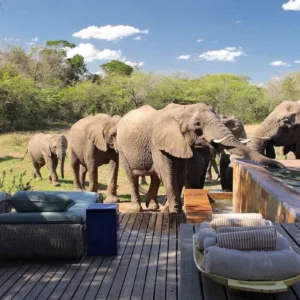
Luxury family safari lodges and tented camps offer spacious accommodation, excellent cuisine, attentive service, swimming pools, private guides, and convenient access to Tanzania’s wildlife areas. Many properties provide family suites or interconnecting rooms, while some arrange child-friendly activities and babysitting. Private safari vehicles are particularly valuable because parents can control schedules around naps, meals, and children’s energy levels. Luxury accommodation works well for families visiting Serengeti, Ngorongoro, and Tarangire. When comparing options, prioritise location, family policies, safety, privacy, and flexible safari arrangements.
Ultra Luxury Family Safari Accommodations
Ultra-luxury family safaris combine exceptional accommodation, personalised service, private vehicles, premium guides, gourmet dining, and highly flexible itineraries. Families may choose exclusive-use villas or private safari residences offering dedicated staff and greater privacy. These experiences can minimise travel stress because schedules are built around the family rather than fixed group departures. For children, carefully selected properties may offer nature activities, educational experiences, swimming, and family-focused services. Ultra-luxury Tanzania family holidays are ideal for families seeking maximum comfort, privacy, convenience, and a highly personalised African safari experience.
Final Thought
There is no single age at which children become “ready” for an African safari. Babies, toddlers, preschoolers, and school-age children can all enjoy safari travel when the experience is designed around their needs. For young families, private vehicles, flexible itineraries, family-friendly accommodation, shorter game drives, good health preparation, and sensible travel distances are especially important. Tanzania offers an outstanding setting for a family safari in Africa, combining iconic wildlife destinations with comfortable lodges and Zanzibar beach relaxation. Ultimately, the best safari is one that prioritises child safety, family comfort, meaningful wildlife experiences, and a relaxed pace.
Parent Essentials: Packing, Tips, Health and Costs
Tap a topic to open it.
African Family-Friendly and Kids Packing Checklist
Essential Safari Clothing
Pack lightweight, breathable clothing suitable for warm African days and cooler mornings. Include long-sleeved shirts, lightweight trousers, shorts, fleece layers, warm sweaters, a waterproof jacket, and comfortable sleepwear. Neutral or earth-toned colours are practical for game drives. Children should have sun hats, sunglasses, and a warm layer for early-morning safaris. Pack several changes of clothes because young children can get dirty during travel. For Tanzania family safaris, choose quick-drying fabrics that provide comfort, sun protection, and flexibility throughout changing weather conditions.
Footwear for Safari Activities
Choose comfortable, durable footwear suitable for safari vehicles, lodge grounds, and permitted walking activities. Children should have well-fitting trainers, lightweight hiking shoes, or comfortable closed-toe footwear with good grip. Sandals can be useful around lodges and swimming pools but should not replace protective footwear for outdoor activities. Avoid bringing brand-new shoes that may cause discomfort. Pack spare socks and consider waterproof footwear during Tanzania’s wetter months. For family safari holidays, prioritise comfort, secure fit, breathability, and easy-to-clean materials for children.
Travel Documents and Personal Essentials
Keep every family member’s passport, visa documentation where required, travel insurance details, flight confirmations, accommodation information, emergency contacts, and copies of important documents securely organised. Parents should carry children’s relevant identification and any required consent documentation. Include payment cards, some appropriate local currency, prescription information, and contact details for your safari operator. Store digital copies securely as backups. For a Tanzania family safari, check passport validity, entry requirements, travel insurance coverage, and current travel documentation before departure. Keep essential documents accessible during transfers and flights.
Safari Gear and Photography Equipment
Useful family safari gear includes compact binoculars, a child-friendly camera, smartphone, spare batteries, memory cards, and protective cases. A lightweight backpack can hold water bottles, snacks, sunscreen, hats, and small personal items during game drives. Consider a simple wildlife guidebook, animal checklist, or notebook to make safari educational for children. A camera with a suitable zoom lens can capture distant wildlife without approaching animals. Avoid overpacking heavy equipment. For Tanzania safaris, reliable binoculars and comfortable day bags are often more useful than excessive photography accessories.
Health, Safety and Toiletries
Pack essential prescribed medicines, a basic first-aid kit, sunscreen, insect repellent, hand sanitiser, tissues, lip balm, toothbrushes, toothpaste, shampoo, soap, moisturiser, and personal toiletries. Children may also need familiar medicines recommended by their healthcare professional, motion-sickness supplies, and any dietary essentials. Discuss vaccinations, malaria prevention, and other travel-health requirements with a qualified healthcare professional before travelling. Keep medicines in clearly labelled packaging and carry important supplies in hand luggage. For African family safaris, prioritise hydration, sun protection, insect protection, hygiene, and child safety.
Electronics, Accessories and Travel Gadgets
Family safari electronics can include smartphones, cameras, tablets, headphones, charging cables, power banks, travel adapters, and spare batteries. A compact multi-port charger can reduce luggage and simplify charging multiple devices. Children may appreciate headphones and downloaded offline entertainment during long transfers or flights. Waterproof pouches can protect electronics from rain, dust, and accidental splashes. Keep devices charged before game drives, particularly when travelling through remote areas. For Tanzania family holidays, check accommodation electricity arrangements and bring suitable adapters for your devices and charging requirements.
Optional Items for Extra Comfort and Convenience
Optional family safari items can make travelling with young children easier and more comfortable. Consider favourite snacks, reusable water bottles, comfort toys, books, colouring materials, activity books, travel pillows, small blankets, and child-friendly wildlife guides. Families travelling with babies may need nappies, wipes, feeding supplies, and familiar foods. A lightweight stroller can be useful in suitable locations, although uneven terrain may limit its practicality. Packing familiar comfort items can help children settle into new surroundings. Choose only useful essentials to keep luggage manageable during safari transfers and domestic flights.
Tips for an African Safari with a Toddler or Preschooler
Choose a Private Safari
A private safari is one of the best choices when travelling with a toddler or preschooler in Africa. Parents can control departure times, return to camp when children become tired, schedule meals around routines, and take breaks whenever necessary. Shared group safaris may follow fixed schedules that are difficult for young children. A private vehicle also allows guides to adjust wildlife-viewing time according to the child’s attention span. When booking a Tanzania family safari, ask whether a private vehicle, dedicated guide, and child-friendly itinerary are included.
Keep Game Drives Flexible
Young children may not enjoy several hours of continuous game viewing, so flexibility is essential. Plan shorter morning or afternoon drives and return to the lodge for meals, naps, swimming, or quiet time. Some children become fascinated by elephants, giraffes, monkeys, and zebras but quickly lose interest during long periods without sightings. Experienced safari guides can adapt routes and timing to suit family needs. Avoid creating a rigid schedule. A relaxed African safari with toddlers should balance exciting wildlife encounters with rest, play, food, hydration, and comfortable downtime.
Choose Family-Friendly Lodges
Accommodation can determine whether a family safari with young children feels relaxing or stressful. Choose lodges with spacious family rooms, secure grounds, child-friendly meals, swimming pools where appropriate, and comfortable common areas. Ask about minimum child ages, babysitting, room layouts, swimming-pool supervision, and available activities before booking. Properties located close to wildlife-viewing areas can reduce long transfers. Parents should also consider whether the lodge has reliable communication and access to medical support. The right accommodation provides children with a safe, comfortable base between safari adventures.
Maintain Familiar Routines
Toddlers and preschoolers often cope better with travel when familiar routines are maintained. Keep regular meal, nap, bedtime, and quiet-time patterns whenever practical. Bring favourite snacks, comfort items, books, or small toys to make unfamiliar surroundings easier. Avoid scheduling every moment of the holiday. Children need opportunities to rest after flights, road transfers, and game drives. During a Tanzania safari with toddlers, communicate your child’s routine to your guide and lodge staff. A flexible schedule can make the entire family holiday calmer and more enjoyable.
Protect Children from Sun and Insects
Strong African sunshine and insects require thoughtful preparation, especially for young children. Pack lightweight long-sleeved clothing, wide-brimmed hats, sunglasses, sunscreen, and appropriate insect protection. Follow advice from a qualified healthcare professional regarding malaria prevention and other travel-health precautions. Encourage regular hydration and provide suitable snacks during outings. During game drives, keep children appropriately covered and follow your guide’s advice about windows, wildlife, and outdoor activities. Parents should also check weather conditions and avoid unnecessary exposure during the hottest periods. Good preparation helps children remain comfortable throughout a family safari holiday in Africa.
Make Safari Educational and Fun
Children often become more engaged when safari experiences are turned into an adventure. Before travelling, introduce age-appropriate books, wildlife documentaries, maps, and animal facts. During game drives, encourage children to identify elephants, lions, giraffes, zebras, birds, and other animals. A simple wildlife checklist or journal can make sightings exciting. Professional guides can explain conservation, animal behaviour, ecosystems, and local cultures in child-friendly language. For school-age children, photography and nature observation add educational value. A kids African safari can become an unforgettable outdoor classroom and family learning experience.
Plan Around Meals and Snacks
Young children can become tired or irritable when meals are delayed, particularly during long safari drives. Parents should discuss children’s dietary needs with accommodation providers before arrival and carry suitable snacks for journeys. Breakfast timing, packed lunches, hydration, and dinner schedules should be considered when planning game drives. Choose lodges that can accommodate familiar foods or special dietary requirements where possible. Private safari vehicles provide greater flexibility for meal and snack breaks. Good food planning helps maintain children’s energy and comfort while exploring Tanzania’s wildlife parks.
Teach Wildlife Safety Rules
Before the safari begins, explain simple wildlife safety rules for children. Children should stay close to parents or guardians, listen carefully to guides, remain inside designated vehicles when required, avoid shouting at animals, and never attempt to feed or approach wildlife. Explain that safari animals are wild and must be respected from a safe distance. Parents should supervise children around accommodation grounds, pools, camps, water, and uneven terrain. Consistent safety guidance makes children active participants in the experience while helping the entire family enjoy a responsible and respectful African safari.
Health, Safety & Practicalities (Parent Essentials)
Before booking an African safari with young children, discuss travel plans with a qualified healthcare professional and check current Tanzania travel-health guidance. Consider routine vaccinations, recommended travel vaccines, malaria prevention, insect protection, sun protection, hydration, food and water precautions, and suitable travel insurance. Choose reputable safari operators, experienced guides, secure accommodation, and private vehicles with appropriate child seating arrangements. Follow park rules, remain inside designated vehicles where required, and teach children never to approach or feed wildlife. Keep children supervised around pools, camps, water, fires, and uneven terrain. Pack essential medicines, prescriptions, first-aid supplies, and emergency contacts. Parents should also consider heat, altitude, motion sickness, sleep routines, dietary requirements, and access to medical facilities when selecting destinations and designing a family safari itinerary.
How Much Does an African Family Safari Cost?
Tanzania Budget Family Safari Cost
A budget Tanzania family safari can provide excellent wildlife experiences while controlling accommodation and transport costs. Prices vary according to children’s ages, number of travellers, season, safari duration, park fees, accommodation type, vehicle arrangements, and included meals. Budget options commonly use campsites, simple lodges, and shared services, although private vehicles are often worthwhile for families with young children. Tarangire, Manyara, and Ngorongoro can create a cost-conscious itinerary. Always request a detailed quotation showing park fees, accommodation, transfers, meals, guide services, and child pricing before booking.
Tanzania Mid-Range Family Safari Cost
A mid-range Tanzania family safari offers a popular combination of comfort and value. Costs depend on the number of adults and children, travel season, accommodation standards, safari parks, vehicle type, and itinerary length. Families can choose comfortable lodges and tented camps around Tarangire, Ngorongoro, and Serengeti while maintaining flexible private transportation. Shoulder and green seasons may provide better accommodation value. When comparing safari prices, check whether park fees, meals, airport transfers, guide services, internal flights, and family-room supplements are included in the quoted package.
Luxury Tanzania Family Safari
A luxury Tanzania family safari costs more because it typically includes premium lodges or tented camps, private safari vehicles, professional guides, quality meals, and personalised service. Prices vary considerably according to lodge category, location, season, safari duration, and domestic flights. Luxury accommodation can be particularly valuable for families because comfortable rooms, swimming pools, private spaces, and flexible schedules reduce travel stress. Families should compare the complete package rather than headline prices, checking inclusions such as park fees, transfers, meals, activities, accommodation, and private guiding.
Ultra Luxury Tanzania Family Safari Cost
An ultra-luxury Tanzania family safari represents the premium end of African family travel, often featuring exclusive-use villas, private camps, dedicated guides, private vehicles, gourmet dining, premium transfers, and highly personalised service. Costs vary substantially depending on property, season, destination, duration, and level of exclusivity. Families may combine Serengeti, Ngorongoro, private concessions, and Zanzibar. This category is particularly attractive for parents prioritising privacy and flexibility. Before booking, request a transparent itinerary and quotation detailing accommodation, flights, park fees, activities, meals, transfers, child policies, and all additional charges.
African Safari With Young Kids: FAQs
How young is too young for an African safari?
There is no universal minimum age, but children under about six are often too young for shared game drives at many lodges. Babies and toddlers can travel on a private safari with flexible schedules, short drives and family-friendly lodges. Many families find ages 8 to 12 ideal, when children cope with long, bumpy drives and truly appreciate the wildlife.
What is the best age for kids to go on safari?
Ages 8 to 12 are often called the golden age for safari. Children are old enough to follow safety rules, enjoy longer game drives and remember the experience, while still being full of excitement. Teenagers love photography and conservation stories. Younger children can still enjoy a safari when the itinerary is short, flexible and private.
Can babies and toddlers go on safari in Tanzania?
Yes, babies and toddlers can go on safari in Tanzania with careful planning. Choose a private vehicle, family-friendly lodges, short game drives and minimal long transfers. Speak to a healthcare professional about health precautions well before travel, bring familiar snacks and comfort items, and build in plenty of rest so the whole family stays relaxed.
How long should game drives be for young children?
For toddlers and preschoolers, two to three hours is usually enough, with snack and toilet stops along the way. Children aged six to eight can manage half-day drives, while older children often enjoy longer outings. A private vehicle lets you return to the lodge whenever children become tired, keeping the experience positive for everyone.
Why is a private safari best for young kids?
A private safari puts your family in control. You choose departure times, schedule meals and naps around routines, stop whenever needed and return to camp when children tire. You also avoid inconveniencing other travellers. A family-friendly guide can explain wildlife in an engaging way, making each game drive fun and educational for young children.
When is the best time for a safari with young kids?
The dry season from June to October is popular, with easier roads, comfortable temperatures and excellent wildlife viewing. January and February offer calving season in the Serengeti. The green season brings lush scenery and fewer visitors but more rain. Choose dates that suit school holidays, and book early for family rooms in peak months.
How to Book an African Family Safari with Young Kids
To book an African family safari with young kids, start by choosing your preferred country, travel dates, budget, destinations, and children’s ages. Select an experienced safari operator offering private vehicles, family-friendly accommodation, professional guides, and flexible itineraries. Ask specifically about child policies, minimum ages, room configurations, meals, car seats, travel times, medical access, and activities. Compare complete quotations rather than prices alone.
Should You Bring Kids on an African Safari?
Yes, families can enjoy an African safari with children when the trip is matched to their ages, interests, health needs, and travel tolerance. The key is not simply asking whether a child is “old enough,” but whether the destination, accommodation, transport, itinerary, and activities are appropriate. Young children benefit from private vehicles, shorter drives, flexible schedules, comfortable lodges, and plenty of downtime.
Can Families Go on an African Safari?
Absolutely. Family African safaris are increasingly popular because they combine wildlife, education, adventure, conservation, culture, and quality family time. Tanzania offers outstanding opportunities to see elephants, lions, giraffes, zebras, wildebeest, hippos, and numerous bird species across diverse national parks. Families can choose budget, mid-range, luxury, or ultra-luxury safari packages and combine wildlife viewing with a Zanzibar beach holiday.
The Ultimate Guide to Taking Kids on Safari Holidays
The ultimate African safari with kids begins with realistic expectations and thoughtful planning. Choose a child-friendly destination, select the right safari season, use private transportation where possible, and avoid unnecessarily long travel days. Match activities to children’s ages and provide regular opportunities for sleep, meals, swimming, play, and relaxation. Tanzania offers an exceptional combination of wildlife-rich national parks, family-friendly safari lodges, cultural experiences, and Indian Ocean beaches.
Plan a Safari Your Little Ones Will Love
Tell us your children’s ages and travel dates, and we will design a private tailor-made family safari with short drives, family-friendly lodges and plenty of fun.