How to prepare for Climbing Mount Kilimanjaro
How to prepare for Climbing Mount Kilimanjaro
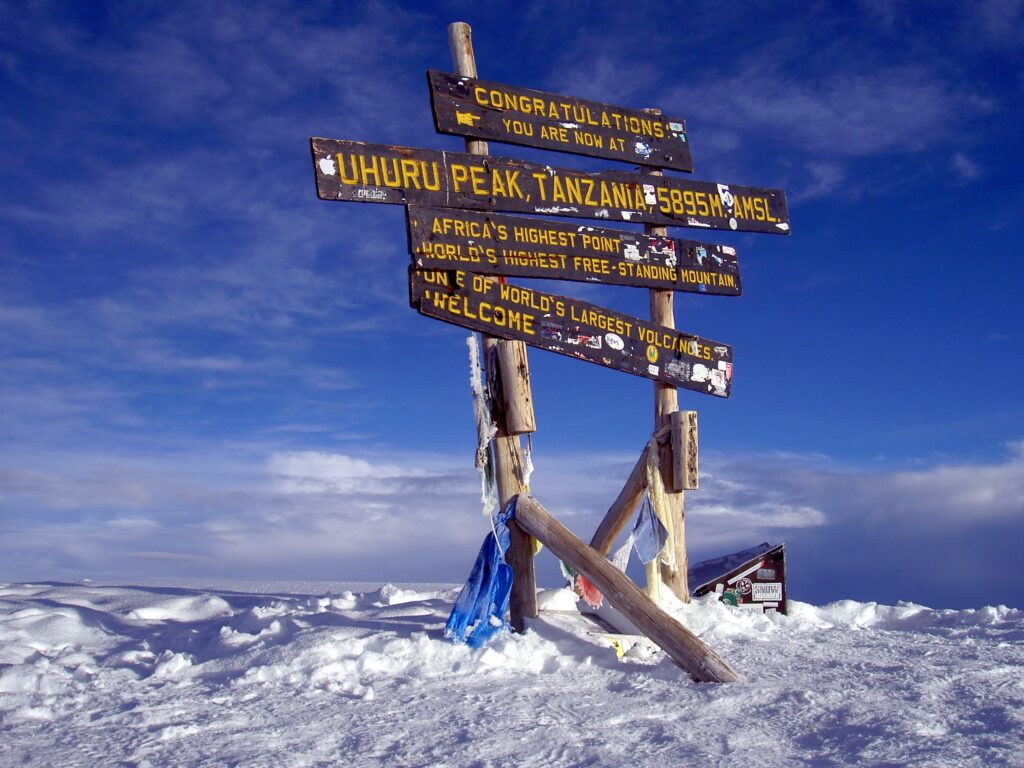
Climbing Mount Kilimanjaro is a bucket-list adventure that demands smart preparation, strategic planning, and the right mindset. As Africa’s highest peak, Kilimanjaro attracts travelers seeking a once-in-a-lifetime trekking experience, whether for a luxury safari add-on, solo adventure, or guided group climb. Success depends on physical fitness, proper gear, acclimatization, and choosing the best Kilimanjaro routes such as Machame, Lemosho, or Marangu. From packing lists and altitude sickness prevention to selecting reputable tour operators, every detail matters. This rich guide covers expert tips, costs, safety, training plans, and essential advice to help you reach Uhuru Peak confidently while enjoying breathtaking landscapes, glaciers, and unforgettable moments on your Tanzania safari journey.
Cardiovascular Fitness
Building strong cardiovascular fitness is essential for climbing Mount Kilimanjaro successfully. Trekking involves long hiking days at high altitude, where oxygen levels are lower, making endurance critical. Focus on activities like running, cycling, swimming, and stair climbing to improve lung capacity and stamina. Aim for at least 4–5 sessions per week, gradually increasing intensity and duration. High-altitude trekking demands slow, steady pacing, so train your body to sustain effort over several hours. Incorporating uphill hiking or treadmill incline workouts simulates real Kilimanjaro conditions. This preparation reduces fatigue, improves oxygen efficiency, and enhances your chances of reaching the summit. Strong cardio fitness also helps prevent altitude sickness and ensures you enjoy the journey across diverse terrains and scenic landscapes.
Strength Training
Strength training plays a crucial role in preparing for a Kilimanjaro climb, especially for carrying a daypack and handling uneven terrain. Focus on building lower-body strength through exercises like squats, lunges, step-ups, and deadlifts. Core stability is equally important, so include planks and abdominal workouts to improve balance and posture during long treks. Upper body strength helps with trekking poles and overall endurance. Train at least 2–3 times weekly, combining resistance workouts with functional movements that mimic hiking conditions. Strong muscles reduce the risk of injury, improve stability on rocky trails, and make steep ascents more manageable. Proper strength conditioning ensures you conserve energy, maintain good posture, and confidently tackle the demanding slopes of Africa’s highest mountain.
Hiking Specifics
Training with real hiking conditions is one of the best ways to prepare for Kilimanjaro. Practice on local trails with varied terrain, including hills, rocky paths, and uneven surfaces. Carry a loaded backpack similar to what you will use during the climb to build endurance and familiarity. Gradually increase hiking distance and elevation gain to simulate summit days. Multi-day hikes are especially beneficial, as they help your body adapt to consecutive trekking days. Wear your trekking boots during training to break them in and prevent blisters. This targeted preparation improves balance, pacing, and stamina, making your Kilimanjaro trekking experience smoother and more enjoyable. It also boosts confidence and ensures you’re ready for the physical demands of the mountain.
Consistency
Consistency is the foundation of successful Kilimanjaro preparation. Instead of intense but irregular workouts, focus on maintaining a steady training routine over several weeks or months. Combine cardio, strength training, and hiking into a balanced schedule. Regular exercise builds endurance gradually and reduces the risk of burnout or injury. Aim for progressive improvement, increasing workout intensity and duration over time. Consistent preparation also helps your body adapt to physical stress, making high-altitude trekking more manageable. Staying disciplined with your training plan ensures you arrive in Tanzania physically ready and mentally confident. Remember, climbing Kilimanjaro is not a race but a steady journey, and consistent preparation mirrors the slow, sustainable pace needed for summit success.
Layers are Key
Layering clothing is essential for Kilimanjaro’s changing climate, which ranges from tropical heat to freezing summit temperatures. Use a three-layer system: a moisture-wicking base layer, an insulating mid-layer, and a waterproof outer shell. This approach allows you to adjust clothing easily as temperatures fluctuate throughout the day. Breathable fabrics keep you dry, while insulated jackets provide warmth at higher altitudes. Avoid cotton, as it retains moisture and can lead to discomfort. Proper layering ensures comfort, prevents hypothermia, and enhances your trekking experience. Packing versatile, high-quality clothing is crucial for adapting to Kilimanjaro’s diverse weather conditions, from rainforest humidity to alpine cold near the summit.
Essential Gear
Having the right gear is critical for a successful Kilimanjaro climb. Key items include sturdy hiking boots, trekking poles, a warm sleeping bag, a headlamp, waterproof clothing, and a reliable backpack. High-quality gear improves comfort, safety, and overall performance during the trek. Don’t forget essentials like gloves, hats, sunglasses, and sunscreen for protection against harsh conditions. A well-prepared packing list ensures you’re ready for all environments on the mountain. Investing in proper equipment reduces risks and enhances your experience. Whether you’re on a luxury or budget trek, having the right gear is one of the most important factors in reaching the summit safely and comfortably.
Gear Testing
Testing your gear before the Kilimanjaro climb is crucial to avoid surprises on the mountain. Wear your hiking boots during training hikes to ensure they are comfortable and fully broken in. Test your backpack, clothing layers, and trekking poles to confirm they suit your needs. Practice using your headlamp and sleeping gear to familiarize yourself with nighttime conditions. This preparation helps identify any issues early, allowing time for adjustments or replacements. Proper gear testing prevents discomfort, blisters, and equipment failure during the trek. Being confident in your gear enhances your overall experience and allows you to focus on enjoying the journey to the summit.
Acclimatization
Acclimatization is key to preventing altitude sickness on Kilimanjaro. Choose longer routes like Lemosho or Machame, which allow gradual altitude gain and better adaptation. Follow the “climb high, sleep low” principle, where you ascend during the day and descend slightly to sleep. Take your time, walk slowly, and listen to your body. Proper acclimatization increases oxygen efficiency and reduces the risk of headaches, nausea, and fatigue. Staying hydrated and maintaining a steady pace also supports adaptation. Good acclimatization significantly improves your chances of reaching Uhuru Peak successfully while enjoying the journey without serious health issues.
Mental Preparation
Mental strength is just as important as physical fitness when climbing Kilimanjaro. The trek can be challenging, especially during summit night, which involves long hours in cold, high-altitude conditions. Prepare yourself by setting realistic expectations and staying positive. Break the climb into manageable sections and focus on one step at a time. Visualization techniques and motivational thinking can help you push through moments. Staying mentally strong helps you overcome fatigue and discomfort. A determined mindset, combined with proper preparation, increases your chances of success and allows you to fully appreciate the rewarding experience of reaching Africa’s highest peak.
Health
Maintaining good health before and during your Kilimanjaro climb is essential. Visit your doctor for a medical check-up and discuss altitude-related concerns. Ensure vaccinations are up to date and carry a basic first-aid kit. Listen to your body during the trek and communicate any symptoms to your guide. Adequate rest, proper nutrition, and hygiene are important for staying strong throughout the climb. Avoid overexertion and pace yourself carefully. Good health preparation minimizes risks and ensures a safer trekking experience. Taking care of your body allows you to fully enjoy the adventure and increases your chances of successfully reaching the summit.
Approach, feed or disturb wildlife, or leave the vehicle unless your guide says it is safe.
Follow your guide, carry travel insurance and check current health and travel advice.
Hydration
Staying hydrated is crucial when climbing Kilimanjaro, as dehydration increases the risk of altitude sickness. Aim to drink 3–4 liters of water daily, even if you don’t feel thirsty. Carry a reusable water bottle or hydration system for convenience. Warm drinks like tea and soup also help maintain hydration in cold conditions. Proper hydration supports circulation, improves energy levels, and aids acclimatization. Avoid excessive caffeine and alcohol, as they can lead to dehydration. Consistent fluid intake ensures your body functions efficiently at high altitude and enhances your overall trekking performance.
Guides/Trekking Company
Choosing a reputable trekking company is one of the most important decisions for your Kilimanjaro climb. Experienced guides provide safety, navigation, and valuable knowledge about the mountain. Look for companies with high success rates, positive reviews, and ethical practices, including fair treatment of porters. Professional guides monitor your health, manage logistics, and ensure a smooth experience. Whether you prefer luxury, mid-range, or budget climbs, selecting the right operator greatly impacts your journey. A trusted team enhances safety, comfort, and enjoyment, making your Kilimanjaro adventure memorable and successful.
Travel Insurance
Travel insurance is essential for climbing Kilimanjaro. Ensure your policy covers high-altitude trekking up to 6,000 meters, medical emergencies, and evacuation services. Helicopter rescue coverage is particularly important in case of serious altitude sickness or injury. Insurance provides peace of mind and financial protection during your adventure. Carefully review policy details to confirm coverage for trekking activities. Having comprehensive travel insurance ensures you’re prepared for unexpected situations, allowing you to focus on enjoying your climb without unnecessary stress.
Choose the Right Kilimanjaro Routes
Selecting the right route is key to a successful Kilimanjaro climb. Popular routes include Machame, Marangu, Lemosho, and Rongai, each offering unique experiences. Longer routes like Lemosho provide better acclimatization and higher success rates, while Marangu offers hut accommodations. Consider factors such as difficulty, scenery, and duration when choosing your route. Research thoroughly and consult with experienced tour operators. The right route enhances your trekking experience, improves summit chances, and ensures you enjoy the diverse landscapes of Kilimanjaro.
Learn a Few Basic Swahili Phrases
Learning basic Swahili phrases adds cultural richness to your Kilimanjaro experience. Simple words like “Jambo” (hello), “Asante” (thank you), and “Pole pole” (slowly) help you connect with guides and porters. Communication builds rapport and enhances teamwork during the trek. Understanding common phrases also makes interactions more enjoyable and respectful. Embracing local language and culture enriches your journey and creates meaningful connections with the people who support your climb. It’s a small effort that makes a big difference in your overall experience.
Pack Some High-Energy Bars for a Quick Boost
High-energy snacks are essential for maintaining energy levels during long trekking days. Pack energy bars, nuts, dried fruits, and chocolate for quick boosts between meals. These snacks provide essential calories and help prevent fatigue, especially during summit night. Choose lightweight, nutrient-dense options that are easy to carry and consume. Proper nutrition supports endurance and keeps your body fueled throughout the climb. Having your favorite snacks also provides comfort and motivation during challenging moments, helping you stay energized and focused on reaching the summit.
Final Thought
Preparing for Mount Kilimanjaro is a rewarding journey that combines physical training, mental strength, and careful planning. From choosing the best routes and gear to staying hydrated and acclimatized, every step contributes to your success. With the right preparation, trusted guides, and a positive mindset, reaching Uhuru Peak becomes an achievable dream. Embrace the adventure, respect the mountain, and enjoy one of the world’s most iconic trekking experiences.
How to prepare for Climbing Mount Kilimanjaro: FAQs
How Hard is it to Climb Mount Kilimanjaro?
Climbing Mount Kilimanjaro is considered a challenging yet achievable adventure, making it one of the best beginner high-altitude treks in Africa. The Kilimanjaro difficulty level depends on fitness, altitude acclimatization, and chosen routes like Machame or Lemosho. While no technical climbing skills are required, altitude sickness is the biggest challenge. Many climbers succeed with proper preparation, guides, and pacing.
What is the Hardest Part of Kilimanjaro?
The hardest part of climbing Mount Kilimanjaro is the summit night to Uhuru Peak, where climbers face extreme cold, high altitude, and physical exhaustion. The thin air near the summit reduces oxygen levels, making breathing difficult and slowing progress. This stage tests mental strength and endurance. Proper acclimatization, slow trekking pace (“pole pole”), and experienced guides are key to success.
What are the toilets on Kilimanjaro like?
Toilets on Mount Kilimanjaro vary depending on the route and camping style. Most routes use basic public pit latrines located at campsites, which are simple but can be uncomfortable. Luxury and premium Kilimanjaro trekking tours often provide private portable toilets for better hygiene and comfort. While facilities are basic compared to hotels, they are manageable with proper preparation. Bringing personal hygiene supplies is highly recommended for a more comfortable Kilimanjaro climbing experience.
Can you bring your own food to Kilimanjaro?
Yes, climbers can bring their own snacks and special dietary items when climbing Mount Kilimanjaro, although most Kilimanjaro tour operators provide full-board meals during the trek. Meals are designed to maintain energy levels at high altitude, including carbohydrates and proteins. Bringing familiar snacks like energy bars, nuts, or chocolate can boost morale during long hiking days. It is important to coordinate with your Kilimanjaro guide team regarding food restrictions and weight limits.
What can you expect from cardiovascular fitness on Kilimanjaro?
Building strong cardiovascular fitness is essential for climbing Mount Kilimanjaro successfully. Trekking involves long hiking days at high altitude, where oxygen levels are lower, making endurance critical. Focus on activities like running, cycling, swimming, and stair climbing to improve lung capacity and stamina. Aim for at least 4–5 sessions per week, gradually increasing intensity and duration.
What should you know about hiking Specifics on Kilimanjaro?
Training with real hiking conditions is one of the best ways to prepare for Kilimanjaro. Practice on local trails with varied terrain, including hills, rocky paths, and uneven surfaces. Carry a loaded backpack similar to what you will use during the climb to build endurance and familiarity.
What can you expect from layers are key on Kilimanjaro?
Layering clothing is essential for Kilimanjaro’s changing climate, which ranges from tropical heat to freezing summit temperatures. Use a three-layer system: a moisture-wicking base layer, an insulating mid-layer, and a waterproof outer shell. This approach allows you to adjust clothing easily as temperatures fluctuate throughout the day.
What should you know about gear testing on Kilimanjaro?
Testing your gear before the Kilimanjaro climb is crucial to avoid surprises on the mountain. Wear your hiking boots during training hikes to ensure they are comfortable and fully broken in. Test your backpack, clothing layers, and trekking poles to confirm they suit your needs.
Climb Kilimanjaro With Confidence
Tell us your dates and fitness, and our experienced mountain team will plan a safe, well-acclimatized private climb.