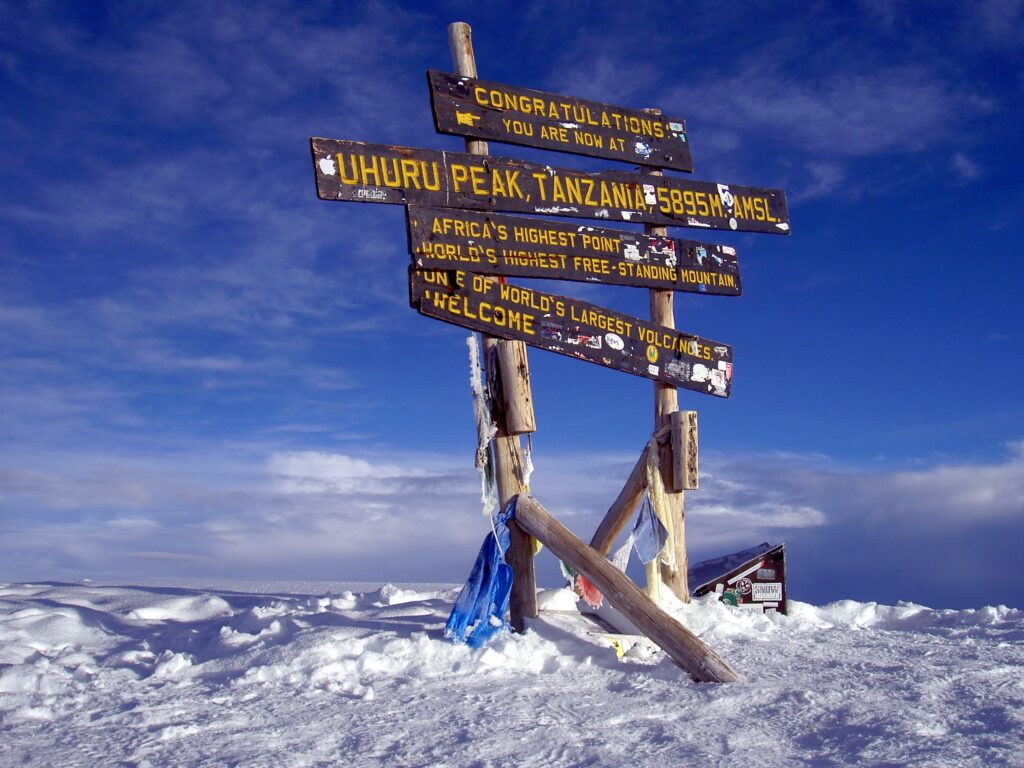
Climbing Mount Kilimanjaro is a bucket-list adventure that attracts thousands of trekkers each year, from beginners to seasoned hikers. One of the most common questions travelers ask is: ” How fit do you need to be to climb Kilimanjaro? The answer is surprisingly encouraging. You don’t need to be an elite athlete, but you do need a solid level of physical fitness, mental resilience, and proper preparation. Kilimanjaro is a non-technical trek, meaning no ropes or climbing skills are required, yet its high altitude, long hiking days, and unpredictable weather make it a serious challenge. With the right training plan, acclimatization strategy, and mindset, most reasonably fit individuals can successfully reach Uhuru Peak while enjoying one of Africa’s most iconic trekking experiences.
Understanding Kilimanjaro’s Difficulty
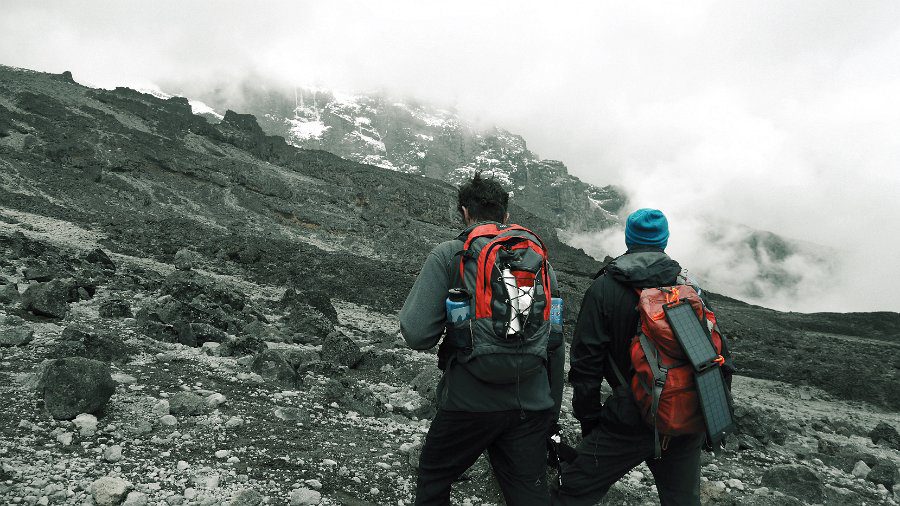
Kilimanjaro is often described as a “walkable mountain,” but that doesn’t mean it’s easy. The challenge lies less in technical difficulty and more in endurance and altitude. Trekkers face 5 to 9 days of continuous hiking, covering varying terrains such as rainforest, moorland, alpine desert, and icy summit zones. Daily hikes can last between 5 and 10 hours, requiring consistent stamina. The biggest obstacle, however, is altitude sickness, which affects even very fit climbers. Fitness helps, but acclimatization is key. A slower ascent allows your body to adjust to decreasing oxygen levels. While you don’t need mountaineering skills, you do need strong cardiovascular fitness and the ability to sustain effort over multiple days. Preparing for the duration, not just intensity, is what truly defines readiness.
Cardiovascular Fitness Requirements
Cardiovascular endurance is one of the most important factors in preparing for Kilimanjaro. You’ll be walking for hours each day at a steady pace, often uphill, which demands a well-conditioned heart and lungs. Activities like hiking, jogging, cycling, and swimming are excellent ways to build endurance. Ideally, you should be able to sustain moderate activity for at least 6–8 hours without exhaustion. Training should gradually increase in intensity and duration over time. Incorporating long hikes, especially with elevation gain, will simulate real trekking conditions. However, you don’t need to run marathons. What matters most is consistency and the ability to maintain a slow, steady pace. A strong cardio base helps reduce fatigue, improves recovery, and increases your chances of enjoying the climb rather than struggling through it.
Strength and Muscle Endurance
While Kilimanjaro isn’t a technical climb, muscular strength—especially in your legs—is essential. You’ll be walking uphill for days, carrying a daypack, and descending steep slopes that strain your knees and joints. Building strength in your quadriceps, hamstrings, calves, and core will make a significant difference. Exercises like squats, lunges, step-ups, and planks are highly effective. Muscle endurance is equally important, as you’ll repeat the same movements for hours. Training with a weighted backpack can help simulate real conditions. Strong muscles reduce the risk of injury and improve overall efficiency on the trail. Don’t overlook your upper body either—trekking poles require arm strength and coordination. Balanced strength training ensures your body can handle the physical demands of multi-day trekking at high altitude.
The Role of Altitude Fitness
No level of physical fitness can fully prepare you for high altitude, but being fit helps your body cope better. Kilimanjaro’s summit stands at 5,895 meters (19,341 feet), where oxygen levels are significantly lower. This can lead to altitude sickness symptoms such as headaches, nausea, and fatigue. Fitness doesn’t prevent altitude sickness, but it improves your body’s efficiency and recovery. The best way to adapt is through proper acclimatization—choosing longer routes like Lemosho or Machame increases your success rate. Staying hydrated, eating well, and ascending slowly are crucial. Some climbers also use medications like acetazolamide (Diamox) under medical advice. Understanding that altitude is the real challenge helps you focus on pacing and listening to your body rather than relying solely on physical strength.
Mental Strength and Determination
Climbing Kilimanjaro is as much a mental challenge as it is a physical one. Long days, cold nights, and altitude discomfort can test your resolve. Mental endurance helps you push through fatigue, maintain motivation, and stay positive even when conditions become tough. Summit night, in particular, is a true test—hiking in darkness, cold temperatures, and thin air requires determination and focus. Visualization techniques, goal-setting, and staying present can help build mental resilience. Many successful climbers say that attitude matters more than fitness. Believing in your ability to reach the summit can make a huge difference. Training your mind to stay calm, patient, and persistent prepares you for the emotional highs and lows of the journey, ultimately increasing your chances of success.
Hiking Experience Matters
While not mandatory, prior hiking experience significantly improves your chances of success. Familiarity with long walks, uneven terrain, and carrying a backpack helps you adapt quickly to Kilimanjaro’s conditions. If you’ve done multi-day hikes before, you’ll already understand pacing, hydration, and energy management. Beginners can still succeed, but they should train more intentionally. Practicing on local trails, especially those with elevation gain, is highly beneficial. Hiking also helps you break in your boots and test your gear. The more comfortable you are on the trail, the more energy you’ll save for the climb itself. Experience builds confidence, reduces anxiety, and allows you to focus on enjoying the scenery rather than worrying about every step along the way.
Training Timeline and Preparation
A structured training plan is essential for Kilimanjaro success. Ideally, you should start training at least 8–12 weeks before your climb. Begin with moderate cardio workouts and gradually increase intensity and duration. Include weekly long hikes to build endurance and simulate trekking conditions. Strength training should be incorporated 2–3 times per week, focusing on legs and core. Rest and recovery are equally important to avoid injury. As your climb approaches, aim to complete back-to-back long hikes to mimic consecutive trekking days. Consistency is key—regular training yields better results than occasional intense workouts. A well-planned training schedule ensures your body adapts progressively, reducing the risk of burnout and preparing you for the physical demands of Kilimanjaro.
Weight and Body Type Considerations
There is no “perfect” body type for climbing Kilimanjaro. People of all shapes and sizes successfully reach the summit each year. What matters most is overall fitness, not weight. However, carrying excess weight can make the trek more physically demanding, especially on steep ascents and descents. Conversely, being underweight may affect energy levels and endurance. The goal should be achieving a healthy balance—strong, fit, and capable of sustained effort. Focus on building stamina, strength, and flexibility rather than obsessing over weight loss. Proper nutrition during training and the climb is crucial to maintaining energy levels. Ultimately, Kilimanjaro is about endurance and determination, not appearance, and anyone committed to preparation can achieve success.
Age and Fitness Levels
Age is not a barrier to climbing Kilimanjaro. Trekkers as young as teenagers and as old as 80+ have successfully reached the summit. What matters is your fitness level and overall health. Older climbers often succeed because they pace themselves better and have strong mental resilience. Younger climbers may have physical advantages, but sometimes underestimate the challenge. Regardless of age, medical clearance is recommended, especially for those with pre-existing conditions. Training should be tailored to your fitness level, focusing on gradual improvement. Kilimanjaro is not a race—it’s about steady progress. With proper preparation, people of all ages can enjoy this incredible adventure and stand proudly at Africa’s highest point.
Importance of Proper Gear
Having the right gear can make or break your Kilimanjaro experience. Proper hiking boots, layered clothing, and a comfortable backpack are essential. Ill-fitting gear can cause blisters, discomfort, and fatigue, regardless of your fitness level. Investing in quality equipment ensures you stay warm, dry, and comfortable throughout the trek. Layering is particularly important due to varying temperatures—from hot rainforest conditions to freezing summit nights. Trekking poles help reduce strain on your knees and improve balance. A well-packed daypack with essentials like water, snacks, and rain gear supports your daily hikes. Being physically fit is important, but without the right gear, even the fittest climber can struggle on Kilimanjaro.
Nutrition and Hydration
Proper nutrition and hydration play a critical role in your performance on Kilimanjaro. Your body needs fuel to sustain long hiking days and adapt to altitude. A balanced diet rich in carbohydrates, proteins, and healthy fats supports energy levels and recovery. During the climb, meals are typically provided by your trekking team and are designed to meet your nutritional needs. Staying hydrated is equally important—aim to drink at least 3–4 liters of water daily. Dehydration can worsen altitude sickness symptoms and reduce endurance. Electrolytes can also help maintain balance. Even if your appetite decreases at higher altitudes, it’s important to eat regularly. Proper fueling ensures your body performs efficiently and helps you maintain strength throughout the journey.
Choosing the Right Route
The route you choose significantly impacts how fit you need to be. Longer routes like Lemosho, Machame, and Northern Circuit offer better acclimatization and higher success rates. Shorter routes like Marangu or Umbwe are more physically demanding due to rapid ascent. Beginners are often advised to choose longer routes, even though they require more days, because they allow your body to adjust gradually. Scenic routes also enhance the overall experience, making the journey more enjoyable. Your fitness level should guide your route choice—those with less experience benefit from slower, more gradual climbs. Selecting the right route aligns your physical ability with the mountain’s demands, increasing both safety and success.
The Importance of Pacing
“Pole pole” (slowly, slowly) is the golden rule of Kilimanjaro trekking. Maintaining a slow, steady pace conserves energy and helps your body adapt to altitude. Even very fit climbers can struggle if they move too quickly. Guides set a pace designed to maximize acclimatization and minimize fatigue. Learning to control your speed and breathing is crucial. Walking slowly may feel unusual at first, but it’s the key to success. Consistent pacing allows you to hike longer without exhaustion and reduces the risk of altitude sickness. It’s not about how fast you go—it’s about how steadily you progress. Mastering pacing is one of the most important skills for climbing Kilimanjaro successfully.
Recovery and Rest
Recovery is an often-overlooked aspect of Kilimanjaro preparation. Your body needs time to repair and adapt after training sessions and during the climb itself. Getting enough sleep, both before and during the trek, is essential for performance and altitude adaptation. Rest days in your training schedule help prevent injury and improve overall fitness. On the mountain, proper rest between hiking days allows your body to recover and prepare for the next stage. Listening to your body and recognizing signs of fatigue or illness is crucial. Overtraining can be just as harmful as undertraining. Balancing effort with recovery ensures you arrive at the summit strong, energized, and ready to celebrate your achievement.
Common Fitness Mistakes
Many climbers make the mistake of focusing only on gym workouts rather than real-world hiking. While strength training is important, it cannot replace the benefits of outdoor trekking. Another common error is underestimating the importance of endurance and overestimating speed. Kilimanjaro is not about sprinting—it’s about sustained effort. Some climbers also neglect altitude preparation, assuming fitness alone is enough. Others fail to break in their boots or test their gear beforehand. Skipping rest days or overtraining can lead to injury before the climb even begins. Avoiding these mistakes ensures your preparation is effective and balanced. A holistic approach that includes cardio, strength, hiking, and recovery is the best strategy for success.
Final Thought
So, how fit do you need to be to climb Kilimanjaro? Fit enough to walk for several hours a day, strong enough to handle uphill and downhill terrain, and mentally resilient enough to keep going when it gets tough. You don’t need to be an athlete—you need preparation, patience, and determination. With the right mindset, proper training, and a well-chosen route, Kilimanjaro is achievable for most people. It’s not just about reaching the summit; it’s about the journey, the landscapes, and the personal growth along the way. Whether you’re a seasoned hiker or a first-time adventurer, Kilimanjaro offers an unforgettable challenge that rewards those who are ready to take the first step.
Do I need to be extremely fit to climb Mount Kilimanjaro
You do not need extreme fitness or professional athlete conditioning to climb Mount Kilimanjaro. Many successful climbers are ordinary hikers, beginners, or people training for a few months before the trek. The Kilimanjaro trekking experience is more about endurance than speed or strength. The “pole pole” (slowly slowly) philosophy used by guides helps reduce exhaustion and improves altitude adaptation. While good fitness improves comfort, it is not a strict requirement for reaching Uhuru Peak. What matters most is the ability to walk for several hours daily at a steady pace. Consistent walking, light jogging, and stair climbing preparation are usually enough. Even people with average fitness levels successfully complete Kilimanjaro climbs when they follow a well-structured training plan and choose the right route for acclimatization and pacing.
Can a beginner climb Kilimanjaro
Yes, a beginner can climb Mount Kilimanjaro successfully with proper preparation and guidance. Kilimanjaro is considered the most accessible of the Seven Summits because it requires no technical climbing skills. First-time hikers regularly reach the summit by following guided trekking routes such as Marangu, Machame, or Lemosho. Beginners should focus on basic hiking training, building endurance, and understanding altitude challenges. The key is not prior mountaineering experience but gradual acclimatization and pacing. Hiring experienced guides greatly increases success rates for beginners. With a well-planned itinerary, especially longer routes that allow better acclimatization, even first-time trekkers can reach Uhuru Peak. Mental preparation, hydration, and consistency are just as important as physical fitness for beginners attempting this world-famous Tanzania trekking adventure.
What is the most important type of fitness for Kilimanjaro
The most important fitness for Kilimanjaro is cardiovascular endurance combined with muscular stamina in the legs. Since climbers walk for 5 to 8 hours daily at high altitude, your body must efficiently use oxygen and maintain energy over long periods. Hiking fitness, stair climbing, and long-distance walking are more valuable than gym-based strength training. Strong legs help with steep ascents and descents, while good cardio fitness reduces fatigue at altitude. Core strength also supports balance when trekking uneven terrain. Flexibility and joint stability help prevent injuries during multi-day trekking. Unlike sprint or power sports, Kilimanjaro demands slow, steady endurance. Training should focus on sustained effort activities such as hiking with elevation gain, walking uphill, and aerobic exercises like cycling or jogging for best summit success results.
Does gym training alone prepare me for Kilimanjaro
Gym training alone is not enough to fully prepare for climbing Kilimanjaro, although it can support your overall fitness. Treadmills, stair machines, and weight training help build strength and endurance, but they do not replicate real mountain trekking conditions. Kilimanjaro involves long hours of walking on uneven terrain, changing weather, and high altitude oxygen reduction. Outdoor hiking practice is essential because it trains your body to handle real trail conditions, including downhill pressure on knees and carrying a backpack. Combining gym workouts with weekend hikes gives the best preparation. Many Kilimanjaro training programs recommend blending cardio exercises, strength training, and actual hiking practice. This combination ensures your body adapts properly to the demands of multi-day trekking in Tanzania’s highest mountain environment.
How long should I train before climbing Kilimanjaro
Most Kilimanjaro training plans recommend preparing for at least 8 to 12 weeks before your climb. Beginners may need up to 3 to 6 months depending on their current fitness level. The training period should include regular walking, hill hiking, stair climbing, and aerobic exercises. Consistency is more important than intensity. Gradually increasing distance and elevation gain helps your body adapt safely. If possible, practice hiking with a backpack to simulate real trekking conditions. Longer preparation improves endurance, reduces fatigue, and increases summit success rates. Even experienced hikers benefit from dedicated Kilimanjaro preparation training. The goal is to ensure your body can comfortably handle 6–8 hours of walking per day for several consecutive days at high altitude without excessive exhaustion or injury.
Is altitude sickness related to fitness level
Altitude sickness on Kilimanjaro is not directly related to physical fitness level. Even very fit athletes can experience altitude sickness because it is caused by reduced oxygen pressure at high elevations, not lack of strength. However, good fitness helps your body recover faster and handle physical stress more efficiently. The most important factors are slow ascent, proper acclimatization, hydration, and rest. Symptoms can affect anyone regardless of age or fitness. This is why Kilimanjaro trekking routes with longer durations have higher success rates. Fitness supports endurance, but it does not prevent altitude effects. Understanding how your body reacts to elevation is key. Guides closely monitor climbers to ensure safety, making acclimatization the most important factor for preventing serious altitude-related issues during the climb.
What daily hiking distance should I be able to handle
Before climbing Kilimanjaro, you should ideally be able to handle 10 to 15 kilometers of hiking per day on varied terrain. Some summit days on Kilimanjaro involve even longer distances combined with steep elevation gain. Training hikes should include hills or stairs to simulate mountain conditions. The goal is not speed but endurance and comfort over long walking hours. Being able to walk for 5–8 hours steadily without exhaustion is a good benchmark. If you can complete back-to-back hiking days during training, you are well prepared. Kilimanjaro trekking is about consistent pacing rather than short bursts of energy. Building this endurance helps your body adapt to the multi-day trekking schedule and improves your chances of successfully reaching Uhuru Peak at 5,895 meters.
Do I need to carry a heavy backpack
You do not need to carry a heavy backpack while climbing Kilimanjaro. Most climbers carry a daypack weighing around 5 to 8 kilograms, containing water, snacks, rain gear, and personal essentials. Porters carry the main luggage, including tents, sleeping bags, and food supplies. However, training with a light backpack before your trek is highly recommended to prepare your shoulders and back. A properly fitted daypack improves comfort and reduces fatigue during long hiking hours. Hydration systems or water bottles are also important due to high-altitude dehydration risk. Keeping your backpack light ensures better balance and energy efficiency. The lighter your load, the easier it is to maintain steady pace, which is essential for successful Kilimanjaro summit achievement and altitude adaptation.
Can older people climb Kilimanjaro
Yes, older people can climb Mount Kilimanjaro successfully if they are in good health and adequately prepared. Age is not a strict limitation for Kilimanjaro trekking. Many climbers in their 50s, 60s, and even older have reached Uhuru Peak. The most important factors are cardiovascular health, endurance, and medical clearance before the climb. Slower-paced routes with longer acclimatization periods are highly recommended for older climbers. Fitness training focusing on walking, hiking, and low-impact cardio is ideal. Proper hydration, pacing, and rest are critical. Experienced guides also help manage the climb safely. With preparation, determination, and suitable route selection, older trekkers can enjoy one of the most rewarding adventure experiences in Africa while successfully summiting Mount Kilimanjaro.
What is the hardest part of climbing Kilimanjaro
The hardest part of climbing Kilimanjaro is usually the summit night. Climbers begin the final ascent in the dark, facing freezing temperatures, low oxygen levels, and steep volcanic scree terrain. This section tests both physical endurance and mental strength. Fatigue from previous trekking days makes the final push even more challenging. Slow movement, called “pole pole,” is essential to conserve energy. The altitude near Uhuru Peak is the biggest difficulty factor, not technical climbing. Many trekkers describe mental exhaustion as more challenging than physical strain. However, reaching Stella Point and continuing to the summit is highly rewarding. Proper acclimatization, hydration, and pacing during earlier days significantly improve success chances during this demanding final stage of the Kilimanjaro climbing adventure.
How can I test if I’m fit enough
You can test your Kilimanjaro fitness level by completing long-distance hikes of 5–7 hours with elevation gain while carrying a light backpack. If you can comfortably walk 10–15 kilometers on consecutive days, you are likely well prepared. Stair climbing workouts and treadmill incline training are also useful indicators. Another good test is recovery time—if you can rest overnight and feel ready for another hike the next day, your endurance is strong. Breathing control at moderate exertion is also important. If you struggle with fatigue or breathlessness during training, more preparation is needed. These simple fitness checks help simulate Kilimanjaro trekking conditions and ensure your body is ready for multi-day hiking in high altitude environments.
Do I need to lose weight before climbing Kilimanjaro
Losing weight is not a requirement for climbing Kilimanjaro, but maintaining a healthy body weight can improve comfort and endurance. Excess weight may increase fatigue during long hiking days, especially on steep ascents and descents. However, overall fitness level is more important than weight alone. Strong cardiovascular health, leg strength, and stamina matter most. Instead of focusing on rapid weight loss, prioritize balanced training, hydration, and endurance building. Many successful climbers come in different body shapes and sizes. The key is being physically active and capable of sustained walking. A healthy lifestyle before your Kilimanjaro trek will naturally support better performance and recovery during the climb without needing extreme dieting or unnecessary fitness pressure.
What role does mental fitness play on climbing Mount Kilimanjaro
Mental fitness is one of the most important factors for successfully climbing Mount Kilimanjaro. The trek is long, repetitive, and physically demanding, which requires strong motivation and patience. Mental resilience helps you continue walking when tired, cold, or uncomfortable. Many climbers say the journey is more psychological than physical, especially during summit night. Staying positive, focused, and determined greatly increases success chances. Breaking the climb into small daily goals helps maintain motivation. Trusting your guides and pacing yourself slowly is also essential. Mental strength supports physical endurance, especially at high altitude where fatigue feels stronger. Kilimanjaro is as much a mindset challenge as it is a fitness challenge, making psychological preparation just as important as physical training.
Which Kilimanjaro route is best for less fit climbers
For less fit climbers, longer Kilimanjaro routes such as Lemosho and Northern Circuit are the best options. These routes allow more days for acclimatization, reducing the risk of altitude sickness and improving summit success rates. A slower ascent gives your body time to adjust to decreasing oxygen levels. Although they take more days, they are less physically stressful compared to shorter routes. Machame is also popular but more demanding due to steeper sections. The Marangu route is shorter but has lower success rates due to limited acclimatization time. Choosing the right route is critical for success, especially for beginners or moderately fit hikers. A well-paced itinerary significantly increases comfort and achievement chances during your Kilimanjaro trekking experience.
Can I climb Kilimanjaro without hiking experience
Yes, you can climb Kilimanjaro without prior hiking experience, although preparation is strongly recommended. Many first-time trekkers successfully reach the summit every year. The key is physical training before the climb, including walking, stair climbing, and endurance exercises. Kilimanjaro does not require technical mountaineering skills, ropes, or climbing equipment. However, understanding hiking basics such as pacing, hydration, and layering clothing is helpful. Guides provide full support throughout the trek, making it beginner-friendly. While experience is beneficial, it is not mandatory. With proper fitness preparation, mental readiness, and a guided tour, even beginners can safely attempt and complete this iconic Tanzania mountain trekking adventure and achieve the life-changing experience of standing on Africa’s highest peak.
What happens if I’m not fit enough during the climb
If you are not fit enough during Kilimanjaro climbing, you may experience faster fatigue, slower progress, or difficulty adapting to altitude. In such cases, guides adjust the pace, encourage rest, and may recommend shorter walking sections. If symptoms become severe, climbers may need to descend for safety. This is why gradual training and preparation are important before the trek. However, many issues can be managed by slowing down, staying hydrated, and maintaining steady breathing. The “pole pole” approach helps prevent overexertion. Choosing longer routes also reduces pressure on less fit climbers. While fitness is important, support systems on Kilimanjaro are strong, ensuring safety and helping climbers make responsible decisions if their physical condition becomes challenged during the expedition.
Can an Unfit Person Climb Mount Kilimanjaro
Climbing Mount Kilimanjaro is not reserved only for elite athletes; many ordinary people with average fitness successfully reach the summit each year. What matters more than raw fitness is determination, proper preparation, and choosing the right route and pace. Kilimanjaro is a non-technical trek, meaning no climbing skills or ropes are required, but it is physically demanding due to long hiking days and high altitude. Even individuals who consider themselves “unfit” can succeed if they commit to gradual training, build endurance, and follow professional guidance. Hiring experienced guides, maintaining a slow pace (“pole pole” in Swahili), and allowing time for acclimatization greatly increase success rates. With the right mindset, support team, and preparation, many first-time climbers—regardless of fitness level—stand proudly on Uhuru Peak.
Am I Fit Enough to Climb Mount Kilimanjaro
Determining if you’re fit enough to climb Mount Kilimanjaro depends less on speed or strength and more on endurance, consistency, and mental resilience. You should be able to walk for 5–8 hours a day over uneven terrain while carrying a light daypack. Cardiovascular fitness, such as the ability to hike uphill without excessive exhaustion, is important, but you don’t need to be a marathon runner. The biggest challenge is altitude, not fitness, so acclimatization plays a key role in success. Training with regular hikes, stair climbing, and light strength exercises over several weeks can significantly improve your readiness. Listening to your body, pacing yourself, and staying hydrated are crucial. If you can commit to preparation and maintain a positive mindset, you are likely fit enough to take on this incredible adventure.
Can A Fat Person Climb Mount Kilimanjaro
Climbing Mount Kilimanjaro is not determined by body size alone. People of many shapes, including those considered overweight, successfully reach the summit each year. What matters far more is cardiovascular fitness, mental resilience, and proper acclimatization to altitude. Kilimanjaro is a non-technical trek, meaning no climbing experience is required, but it is physically demanding. A person with higher body weight who trains consistently—focusing on endurance, hiking, and strength—can perform just as well as lighter trekkers. Many successful climbers prioritize pacing (“pole pole” in Swahili), hydration, and listening to their guides. With the right preparation, gear, and mindset, body size is not a barrier. Success depends on determination, gradual altitude gain, and following a well-structured itinerary designed for safe and steady ascent.
What is the Weight Limit for Kilimanjaro
There is no official weight limit for climbing Mount Kilimanjaro, which makes it accessible to a wide range of travelers. Unlike some adventure activities, Kilimanjaro trekking is regulated by park authorities and guided operators who focus on safety rather than body weight restrictions. However, practical considerations do apply. Climbers must be able to hike for several hours daily, often on steep terrain, while managing altitude effects. Tour operators may informally assess a trekker’s fitness level rather than their weight. Additionally, porters carry most gear, so your personal load is minimal, reducing strain. The key requirement is physical readiness, not a number on a scale. If you can train effectively, maintain stamina, and handle long hiking days, you can attempt the climb regardless of weight, making Kilimanjaro one of the most inclusive high-altitude adventures.
Can Overweight People Climb Kilimanjaro
Yes, overweight people can absolutely climb Mount Kilimanjaro, and many do so successfully every year. The mountain tests endurance, not appearance, and proper preparation is the deciding factor. Training should include long-distance walking, hill climbing, and building lung capacity to handle altitude. Choosing longer routes like Lemosho or Northern Circuit improves acclimatization and increases summit success rates. It’s also important to pace yourself, eat well, and stay hydrated throughout the trek. Professional guides monitor your health daily, ensuring safety regardless of body size. Mental strength and determination often outweigh physical limitations. With a realistic training plan, quality gear, and a supportive team, overweight climbers can enjoy the journey and stand proudly at Uhuru Peak, proving that Kilimanjaro is achievable for those who prepare well.