Do you need oxygen to Climb Kilimanjaro
Do you need oxygen to Climb Kilimanjaro
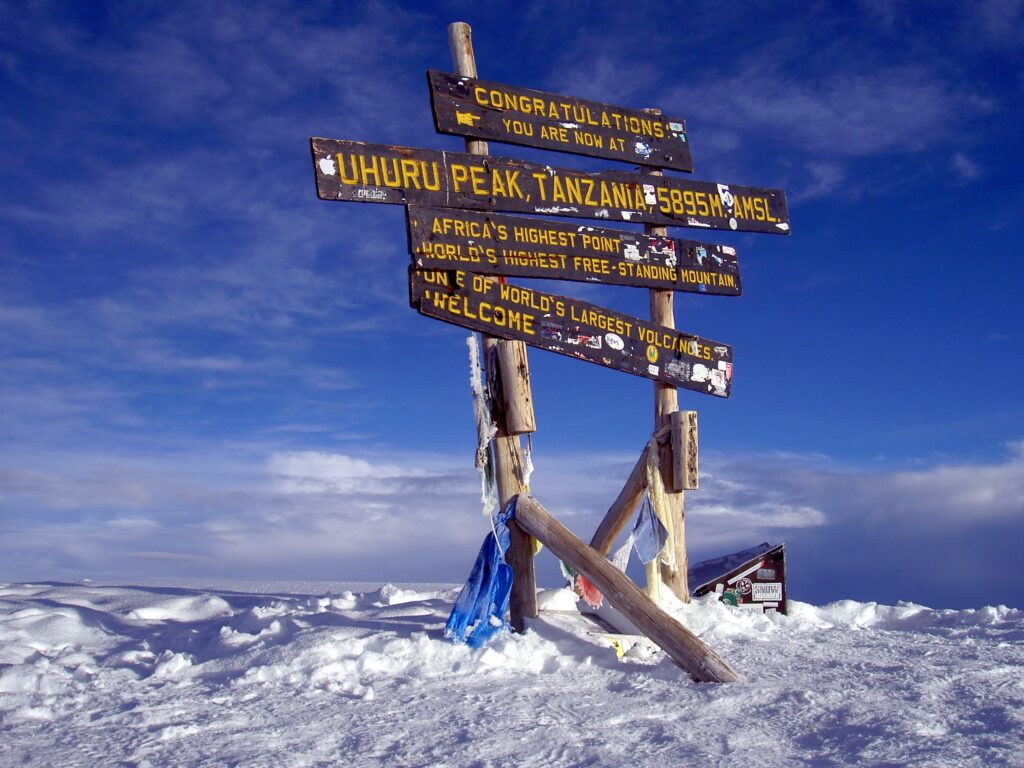
Most climbers do not need supplemental oxygen when climbing Mount Kilimanjaro. Unlike Everest, Kilimanjaro is a non-technical trekking mountain where climbers ascend slowly to allow natural acclimatization. The air at Uhuru Peak is thinner, with about 40% less oxygen than at sea level, but the body can adapt over several days. Tour operators design itineraries specifically for altitude adjustment, especially on routes like Lemosho and Northern Circuit. Supplemental oxygen is typically reserved for emergencies or severe altitude sickness cases. Instead of relying on oxygen tanks, climbers focus on hydration, slow pacing, and proper acclimatization strategies. Understanding that Kilimanjaro is a “walkable mountain” is key to a safe and successful summit without needing artificial oxygen support.
Understanding Oxygen Levels at High Altitude
As climbers ascend Mount Kilimanjaro, oxygen availability gradually decreases, creating challenges for the body. At base levels like Moshi or Arusha, oxygen saturation is normal, but at higher camps such as Barranco or Barafu, oxygen levels drop significantly. By the time you reach Uhuru Peak, atmospheric pressure is about half of sea level conditions. This reduction leads to symptoms like shortness of breath, fatigue, and headaches. However, the human body can adapt through acclimatization, producing more red blood cells over time. This is why slow ascent routes like Lemosho and Machame are recommended. Understanding altitude physiology helps climbers prepare mentally and physically, reducing fear of oxygen deprivation and ensuring a safer Kilimanjaro trekking experience without supplemental oxygen.
Acute Mountain Sickness (AMS) and Oxygen Use
Acute Mountain Sickness (AMS) is the most common challenge faced during Kilimanjaro climbing. Symptoms include nausea, dizziness, headache, and fatigue caused by reduced oxygen at high altitude. While supplemental oxygen can temporarily relieve symptoms, it is not a long-term solution. The best prevention is proper acclimatization, slow ascent, and hydration. Most climbers who follow recommended itineraries never require oxygen assistance. Guides trained in high-altitude trekking constantly monitor symptoms using pulse oximeters to ensure safety. If AMS becomes severe, the safest action is descent, not oxygen dependence. Understanding AMS is crucial for anyone planning a Kilimanjaro expedition, as it emphasizes preparation over equipment and highlights why most climbers successfully reach Uhuru Peak without supplemental oxygen.
Acclimatization: The Key to Climbing Without Oxygen
Acclimatization is the body’s natural adaptation to lower oxygen levels and is the most important factor in climbing Kilimanjaro without supplemental oxygen. Trekking itineraries are designed with gradual altitude gain, allowing climbers to “climb high, sleep low.” Routes like Lemosho and Northern Circuit provide longer acclimatization periods, increasing summit success rates. Proper hydration, slow walking pace, and rest days help the body adjust effectively. Tour guides also monitor climbers for signs of altitude stress. With good acclimatization, the body increases red blood cell production, improving oxygen delivery naturally. This biological adaptation makes supplemental oxygen unnecessary for most trekkers. Successful Kilimanjaro summit experiences depend more on acclimatization strategies than on artificial oxygen support systems.
When Supplemental Oxygen Is Actually Used
Although rare, supplemental oxygen is available on Mount Kilimanjaro for emergencies. It is typically used for climbers experiencing severe altitude sickness, extreme fatigue, or dangerous drops in oxygen saturation levels. Professional guides carry portable oxygen cylinders for safety, but they are not part of standard climbing equipment. In most cases, oxygen is used temporarily while preparing for evacuation or descent. It is not used to “assist” normal climbing or improve performance. Unlike high-altitude mountaineering expeditions, Kilimanjaro does not require oxygen supplementation for success. Understanding this helps climbers avoid misconceptions and focus on proper training, acclimatization, and mental preparation instead of relying on oxygen as a climbing aid.
Kilimanjaro Routes and Their Impact on Oxygen Needs
The choice of route significantly affects whether a climber might need supplemental oxygen on Kilimanjaro. Longer routes like Lemosho, Northern Circuit, and Machame provide better acclimatization opportunities, reducing oxygen-related risks. Shorter routes, such as Marangu or Umbwe, have faster ascents, increasing the chance of altitude sickness. Most experienced tour operators recommend longer itineraries because they allow the body to adapt naturally to decreasing oxygen levels. Proper route selection improves summit success rates and reduces dependency on emergency oxygen. Climbers who rush the ascent are more likely to struggle with AMS. Therefore, choosing the right Kilimanjaro route is one of the most important decisions for avoiding supplemental oxygen use and ensuring a safe trekking experience.
Physical Fitness vs Oxygen Dependency
Physical fitness plays a major role in Kilimanjaro success, but it does not eliminate the need for acclimatization or guarantee immunity from altitude effects. Many climbers assume that being fit means they will not need supplemental oxygen, but this is not entirely true. Even highly trained athletes can experience altitude sickness. Fitness helps with endurance, stamina, and recovery, but oxygen levels at high altitude affect everyone equally. The key advantage of fitness is the ability to maintain a steady pace, which supports acclimatization. Slow and consistent trekking reduces strain on the body and improves oxygen efficiency. Therefore, while fitness is important, it does not replace the need for proper acclimatization or justify reliance on supplemental oxygen.
Signs You Might Be Struggling with Low Oxygen
Recognizing early signs of oxygen deficiency is essential for safe Kilimanjaro climbing. Common symptoms include persistent headache, dizziness, shortness of breath, nausea, and difficulty sleeping. These signs are typically associated with Acute Mountain Sickness rather than true oxygen deprivation emergencies. Climbers are trained to report symptoms immediately to guides, who assess oxygen saturation levels using pulse oximeters. If symptoms worsen, descent is the safest solution. Supplemental oxygen may be used temporarily, but it is not the primary treatment. Early detection and response are key to preventing complications. Understanding these warning signs helps climbers stay safe and increases the likelihood of reaching Uhuru Peak without requiring oxygen support.
Role of Guides in Oxygen Management
Professional mountain guides play a critical role in managing altitude and oxygen safety on Kilimanjaro. Certified guides are trained to identify symptoms of AMS and monitor climbers throughout the ascent. They carry emergency oxygen and first-aid kits, ensuring immediate response if needed. However, their main focus is prevention through controlled pacing, hydration reminders, and acclimatization strategies. Guides also make decisions about whether a climber should continue, rest, or descend. Their expertise significantly reduces the risk of needing supplemental oxygen. Choosing a reputable Kilimanjaro tour operator ensures experienced guides who prioritize safety over summit success. This professional support system is one of the main reasons most climbers reach Uhuru Peak without oxygen assistance.
Myths About Oxygen on Kilimanjaro
There are many myths surrounding the need for supplemental oxygen on Mount Kilimanjaro. One common misconception is that oxygen tanks are required to reach the summit, similar to Everest expeditions. In reality, Kilimanjaro is a trekking mountain, not a technical climb requiring oxygen systems. Another myth is that only extremely fit people can avoid oxygen use, which is false because acclimatization matters more than fitness. Some also believe oxygen is widely used during the climb, but it is only reserved for emergencies. These myths often discourage potential climbers unnecessarily. Understanding the truth helps trekkers prepare properly and approach the climb with confidence, knowing that supplemental oxygen is not a standard requirement for reaching Africa’s highest peak.
Best Preparation to Avoid Oxygen Use
Proper preparation is the best way to ensure you do not need supplemental oxygen on Kilimanjaro. Training hikes, cardiovascular fitness, and mental readiness are important, but acclimatization strategy is the most critical factor. Choosing longer routes like Lemosho or Machame allows gradual altitude gain. Staying hydrated, eating well, and avoiding alcohol before and during the climb also improve oxygen efficiency. Trekking slowly—often described as “pole pole” in Swahili—helps the body adjust naturally. Listening to your guide and responding early to symptoms of altitude sickness is essential. With the right preparation, most climbers successfully reach Uhuru Peak without any oxygen support, making the experience both safe and highly rewarding.
Kilimanjaro Success Rates and Oxygen Reality
Kilimanjaro has a high success rate for climbers who follow proper acclimatization routes and guidelines. Most successful summiteers reach Uhuru Peak without ever using supplemental oxygen. The key factors influencing success are route selection, pacing, hydration, and altitude awareness—not oxygen equipment. Tour operators report that oxygen use is rare and mostly limited to emergency evacuation support. This demonstrates that Kilimanjaro is accessible to ordinary trekkers with preparation rather than extreme mountaineering skills. Understanding this reality helps set realistic expectations and reduces unnecessary fear. The mountain rewards patience and preparation, proving that supplemental oxygen is not a requirement for one of the world’s most iconic trekking adventures.
What is the point of climbing Kilimanjaro with supplemental oxygen
Using supplemental oxygen on Kilimanjaro is generally not necessary and is rarely part of standard trekking packages. However, in rare emergencies or for climbers experiencing severe altitude sickness, oxygen can provide temporary relief. The main point of climbing Kilimanjaro without supplemental oxygen is to allow the body to naturally adapt to decreasing oxygen levels, which is a key part of high-altitude trekking. The experience is designed to challenge endurance, mental strength, and acclimatization ability. Using oxygen regularly would defeat the purpose of gradual adaptation and could mask symptoms of altitude sickness. Instead, professional guides focus on monitoring climbers, maintaining a slow pace, and using acclimatization techniques such as “pole pole” (slowly, slowly). This approach ensures safety while preserving the authentic trekking experience on Africa’s highest mountain.
Should you use Supplemental Oxygen on Kilimanjaro
For most climbers, supplemental oxygen is not recommended or required when climbing Mount Kilimanjaro. The mountain’s trekking routes are specifically designed to allow gradual acclimatization, reducing the need for artificial oxygen support. Using oxygen can sometimes give a false sense of security and may delay a proper response to altitude sickness symptoms. Instead, climbers are advised to focus on proven safety methods such as slow ascent, hydration, proper nutrition, and rest. Professional Kilimanjaro guides also conduct regular health checks using pulse oximeters to monitor oxygen saturation levels. Supplemental oxygen is typically reserved for emergency evacuations or severe cases of Acute Mountain Sickness (AMS). In summary, while oxygen can be life-saving in critical situations, it is not part of the normal climbing strategy on Kilimanjaro and should not replace proper acclimatization practices.
What about the Western Breach
The Western Breach route on Mount Kilimanjaro is one of the most challenging and technical ascent paths, known for its steep terrain and higher risk compared to standard trekking routes. While it does reach the summit faster, it does not eliminate the effects of high altitude, meaning climbers still do not typically use supplemental oxygen. Instead, the focus is on physical fitness, climbing experience, and careful pacing. The Western Breach has historically seen rockfall risks and requires more technical scrambling, making it less popular among average trekkers. Even here, altitude sickness remains the primary concern rather than oxygen deficiency requiring artificial support. Climbers rely on acclimatization strategies, hydration, and experienced guides rather than oxygen tanks. Therefore, despite its difficulty, the Western Breach still follows the same principle: no routine supplemental oxygen use, even on a more demanding route.
If Climbers on Everest use Oxygen Masks, why not on Kilimanjaro
A common comparison is between Mount Everest and Kilimanjaro, but the two mountains are vastly different in altitude and conditions. Everest exceeds 8,000 meters, where oxygen levels are critically low, making supplemental oxygen essential for survival in most summit attempts. In contrast, Kilimanjaro stands at 5,895 meters and, while still high, remains within the range where the human body can adapt naturally with proper acclimatization. Climbers on Kilimanjaro do not require oxygen masks because the ascent is slower, non-technical, and designed for gradual adaptation. The key difference is exposure time and altitude severity. Everest expeditions involve extreme conditions and long durations in the “death zone,” while Kilimanjaro treks typically last 5–9 days, allowing safer oxygen adaptation. This is why oxygen systems are standard on Everest but unnecessary for most Kilimanjaro climbers.
Acclimatization is a slow process.
Acclimatization is the most important factor in successfully climbing Mount Kilimanjaro without supplemental oxygen. It is the body’s natural ability to adjust to lower oxygen levels at higher altitudes, but it takes time and cannot be rushed. During ascent, the body gradually increases breathing rate and red blood cell production to improve oxygen delivery. This is why slow trekking schedules, such as the “pole pole” philosophy, are essential for reducing altitude sickness risk. Climbers who ascend too quickly are more likely to experience headaches, nausea, and fatigue due to Acute Mountain Sickness (AMS). Proper acclimatization also includes hydration, rest days, and maintaining a steady pace. Guides carefully monitor climbers to ensure safe adaptation. Ultimately, the success of a Kilimanjaro climb depends far more on acclimatization than on supplemental oxygen, which is rarely needed when the body is given enough time to adjust naturally.
Final Thought
You do not need supplemental oxygen to climb Mount Kilimanjaro in most cases. The mountain is designed for gradual acclimatization, allowing your body to adapt naturally to high altitude. While oxygen is available for emergencies, successful climbers rely on proper route selection, slow pacing, hydration, and guide support rather than oxygen systems. Understanding altitude, AMS, and preparation strategies is far more important than worrying about oxygen tanks. With the right planning and mindset, reaching Uhuru Peak is an achievable goal for many trekkers. Kilimanjaro remains one of the world’s most rewarding adventures—proving that determination and preparation matter far more than supplemental oxygen.
Do you need oxygen to Climb Kilimanjaro: FAQs
What should you know about understanding oxygen levels at high altitude?
As climbers ascend Mount Kilimanjaro, oxygen availability gradually decreases, creating challenges for the body. At base levels like Moshi or Arusha, oxygen saturation is normal, but at higher camps such as Barranco or Barafu, oxygen levels drop significantly. By the time you reach Uhuru Peak, atmospheric pressure is about half of sea level conditions.
What can you expect from acclimatization on Kilimanjaro?
Acclimatization is the body’s natural adaptation to lower oxygen levels and is the most important factor in climbing Kilimanjaro without supplemental oxygen. Trekking itineraries are designed with gradual altitude gain, allowing climbers to “climb high, sleep low.” Routes like Lemosho and Northern Circuit provide longer acclimatization periods, increasing summit success rates.
What should you know about Kilimanjaro routes and their Impact on oxygen Needs?
The choice of route significantly affects whether a climber might need supplemental oxygen on Kilimanjaro. Longer routes like Lemosho, Northern Circuit, and Machame provide better acclimatization opportunities, reducing oxygen-related risks. Shorter routes, such as Marangu or Umbwe, have faster ascents, increasing the chance of altitude sickness.
What can you expect from signs you might be Struggling with low oxygen?
Recognizing early signs of oxygen deficiency is essential for safe Kilimanjaro climbing. Common symptoms include persistent headache, dizziness, shortness of breath, nausea, and difficulty sleeping. These signs are typically associated with Acute Mountain Sickness rather than true oxygen deprivation emergencies. Climbers are trained to report symptoms immediately to guides, who assess oxygen saturation levels using pulse oximeters.
What should you know about myths about oxygen on Kilimanjaro?
There are many myths surrounding the need for supplemental oxygen on Mount Kilimanjaro. One common misconception is that oxygen tanks are required to reach the summit, similar to Everest expeditions. In reality, Kilimanjaro is a trekking mountain, not a technical climb requiring oxygen systems. Another myth is that only extremely fit people can avoid oxygen use, which is false because acclimatization matters more than fitness.
What can you expect from Kilimanjaro success rates and oxygen reality?
Kilimanjaro has a high success rate for climbers who follow proper acclimatization routes and guidelines. Most successful summiteers reach Uhuru Peak without ever using supplemental oxygen. The key factors influencing success are route selection, pacing, hydration, and altitude awareness—not oxygen equipment. Tour operators report that oxygen use is rare and mostly limited to emergency evacuation support.
Should you use Supplemental Oxygen on Kilimanjaro?
For most climbers, supplemental oxygen is not recommended or required when climbing Mount Kilimanjaro. The mountain’s trekking routes are specifically designed to allow gradual acclimatization, reducing the need for artificial oxygen support. Using oxygen can sometimes give a false sense of security and may delay a proper response to altitude sickness symptoms.
What should you know about if climbers on Everest use oxygen masks, why not on Kilimanjaro?
A common comparison is between Mount Everest and Kilimanjaro, but the two mountains are vastly different in altitude and conditions. Everest exceeds 8,000 meters, where oxygen levels are critically low, making supplemental oxygen essential for survival in most summit attempts. In contrast, Kilimanjaro stands at 5,895 meters and, while still high, remains within the range where the human body can adapt naturally with proper acclimatization.
Climb Kilimanjaro With Confidence
Tell us your dates and fitness, and our experienced mountain team will plan a safe, well-acclimatized private climb.