Can You Climb Kilimanjaro Without a Guide
Can You Climb Kilimanjaro Without a Guide
No, it is not possible to climb Mount Kilimanjaro without a guide. Tanzanian law and the Kilimanjaro National Park Authority (KINAPA) regulations explicitly mandate that all climbers must be accompanied by a licensed guide and book their trek through a registered tour operator. Attempting an unauthorized or solo climb is illegal and carries serious consequences, including substantial fines, removal from the park, potential deportation, and invalidation of travel insurance. Park rangers are stationed at all entry gates and patrol the routes and campsites to enforce this rule.
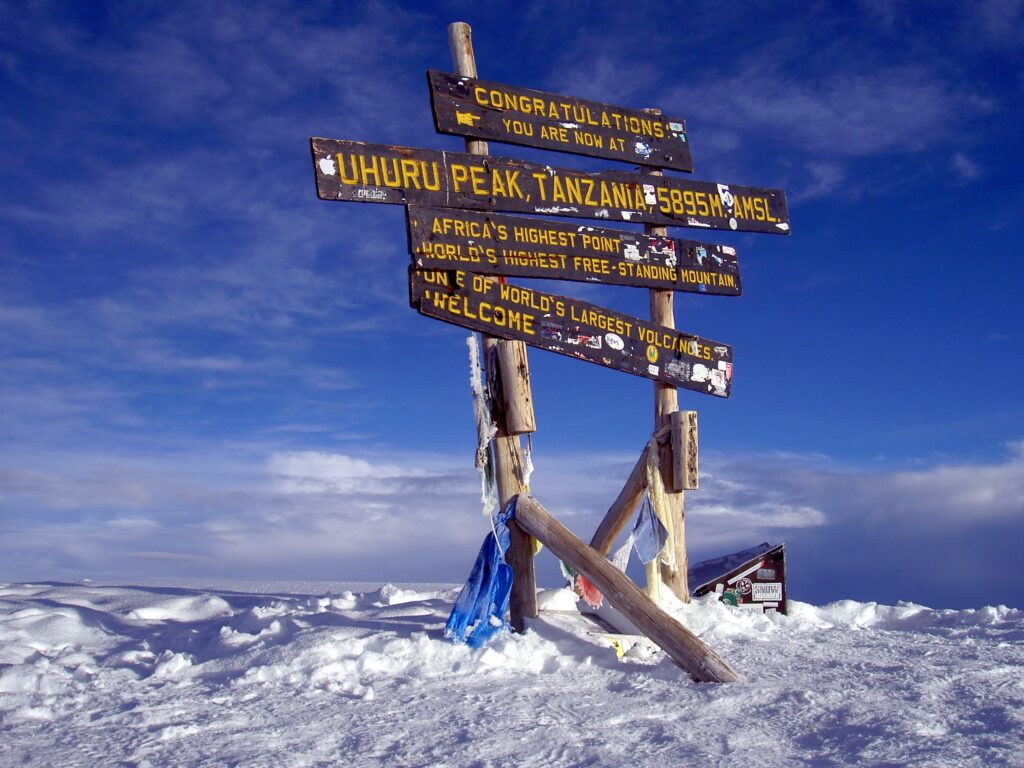
Climbing Mount Kilimanjaro, Africa’s tallest peak, is a dream adventure for many trekkers. But a common question arises: Can you climb Kilimanjaro without a guide? While technically possible, attempting this trek solo comes with significant risks. Kilimanjaro’s unpredictable weather, steep trails, and high altitude require expert knowledge for safety and success. Professional Kilimanjaro guides provide critical support, from navigation to health monitoring, ensuring climbers maximize their chances of reaching Uhuru Peak safely. Without a guide, climbers face potential hazards like altitude sickness, disorientation, and insufficient acclimatization. For first-time climbers or even experienced hikers, hiring a certified guide or tour operator is the most practical and safest way to enjoy the ultimate Kilimanjaro adventure.
What is the Role of the Mount Kilimanjaro Guide?
Climbing Kilimanjaro is not just a hike; it’s a complex expedition requiring professional guidance. A Kilimanjaro guide plays multiple roles to ensure climbers’ safety, comfort, and success. Guides are trained to monitor health, manage acclimatization, navigate the trails, and coordinate porters and crew efficiently. They also provide motivation, advice, and logistical support, creating a structured and well-organized climb. Their local knowledge of the mountain’s terrain, weather patterns, and cultural insights enhances the experience significantly. Even for fit, experienced trekkers, having a certified guide ensures the climb is safer, smoother, and more enjoyable. A guide’s expertise can make the difference between achieving summit success and a forced early descent.
Safety and Health Monitoring
Safety is the primary reason to hire a Kilimanjaro guide. The mountain’s extreme altitude exposes climbers to acute mountain sickness, hypothermia, and exhaustion. Guides are trained to recognize early warning signs, monitor oxygen levels, pulse rates, and overall climber health throughout the trek. They can make crucial decisions like adjusting pace or recommending rest, ensuring climbers do not risk severe altitude-related illnesses. Moreover, guides carry essential first aid kits and emergency communication devices, which are critical when climbing remote areas of Kilimanjaro. Their constant vigilance significantly reduces the likelihood of emergencies and improves the odds of reaching Uhuru Peak safely, especially for climbers with limited high-altitude experience.
Approach, feed or disturb wildlife, or leave the vehicle unless your guide says it is safe.
Follow your guide, carry travel insurance and check current health and travel advice.
Acclimatization Management
Proper acclimatization is vital for a successful Kilimanjaro climb. Guides design itineraries that allow gradual adaptation to increasing altitudes, following proven strategies like the “climb high, sleep low” approach. They manage rest stops, hydration, and nutrition, ensuring climbers maintain energy levels and avoid altitude sickness. Experienced guides adjust the schedule in real-time based on weather conditions and climbers’ responses to elevation. Their expertise in Kilimanjaro trekking routes ensures an optimal balance between challenging progress and safe ascent. Without a guide, climbers may ascend too quickly, risking severe altitude complications and decreased summit success. A guide’s acclimatization management dramatically improves safety and the likelihood of a memorable, summit-achieving experience.
Crew Management and Support
Guides coordinate a team of porters and assistant guides, handling logistics from setting up camps to preparing meals. This support allows climbers to focus solely on the trek and summit. Guides ensure porters carry equipment safely, follow ethical treatment practices, and maintain a smooth operation throughout the climb. Coordinating meals, water, and campsite preparation is crucial in harsh conditions, particularly at higher altitudes where fatigue can affect climbers. This management reduces stress, enhances comfort, and creates a seamless trekking experience. Without a professional guide, climbers may face significant logistical challenges, from carrying their own gear to managing camps, making the expedition unnecessarily difficult and less enjoyable.
Motivation and Encouragement
Climbing Kilimanjaro is physically and mentally challenging. Guides provide continuous motivation and psychological support, crucial for pushing climbers through tough sections, especially the final summit night. Encouragement, reassurance, and positive reinforcement can prevent climbers from giving up in moments of exhaustion or doubt. Guides share climbing tips, celebrate milestones, and help maintain morale during long, grueling days. Their presence boosts confidence, reduces anxiety, and fosters teamwork among climbers. This guidance is particularly important for first-time trekkers or those attempting higher-risk routes like Machame or Lemosho. With a guide, climbers have a constant source of support, ensuring they remain determined and focused on reaching Uhuru Peak.
Why Do You Need a Tour Operator for Climbing Kilimanjaro?
Using a reputable Kilimanjaro tour operator provides safety, permits, logistics, and overall support. Operators handle route selection, accommodation, meals, equipment, and emergency protocols. They ensure climbers comply with legal requirements, maximize summit success, and enjoy a structured experience. Operators offer options for private or group tours and budgets ranging from luxury to economy. Working with a tour operator also supports local communities ethically, employing certified guides and porters. Their experience ensures climbers avoid common mistakes, improve safety, and focus on the adventure itself. Solo climbing is risky and logistically demanding; partnering with a trusted tour operator is the safest and most effective way to conquer Kilimanjaro successfully.
Legal Requirement & Permits
Trekking Kilimanjaro independently is restricted by law. Tanzanian authorities require climbers to register and obtain permits through certified tour operators. These permits cover park entry, camping, and rescue services. Attempting a solo climb without a guide or operator is illegal and can result in fines or denial of access. Operators handle all paperwork, ensuring climbers comply with regulations. They also coordinate necessary payments and fees, including conservation levies, contributing to the mountain’s sustainability. Using a tour operator guarantees your climb is legitimate and officially recognized, making the experience safe, legal, and worry-free while supporting local conservation efforts.
Safety & Emergency Care
Tour operators provide professional emergency response systems, including guides trained in first aid, communication devices, and evacuation procedures. Climbing Kilimanjaro exposes trekkers to high-altitude risks, sudden storms, and injuries on rugged terrain. Operators ensure contingency plans are in place, with guides monitoring climbers’ health and responding to emergencies promptly. Solo climbers lack immediate access to medical assistance and professional decision-making support. Partnering with an operator dramatically increases safety, reduces risks of altitude sickness or injury, and ensures climbers receive timely care, creating a more secure and enjoyable ascent.
Essential Logistics Support
A Kilimanjaro climb requires extensive logistical coordination, including transport, camping, meals, and equipment. Tour operators manage every detail, from airport transfers to arranging porter services and campsite setups. They provide tents, sleeping bags, and meals tailored for high-altitude nutrition, allowing climbers to conserve energy for the trek. Without an operator, climbers must carry heavy loads, cook, and manage camps, increasing fatigue and risk. Professional logistics support ensures climbers focus on the climb, enjoy comfort, and have access to necessary supplies, making the expedition safer and more enjoyable.
Improved Success Rates
Climbers using certified guides and operators experience significantly higher summit success rates. Guides manage acclimatization, monitor health, and pace the group strategically. Operators plan itineraries that maximize time for adaptation while ensuring steady progress. Solo climbers often ascend too quickly, risking altitude sickness and forced descents. Experienced operators combine route knowledge, weather assessment, and personalized support, greatly increasing the likelihood of reaching Uhuru Peak. Choosing a professional service improves both safety and the overall experience, making summit success far more achievable than attempting the climb alone.
Ethical Support
Tour operators employ local guides and porters under fair, ethical conditions, supporting community livelihoods. Responsible operators adhere to Tanzanian labor regulations, provide fair pay, proper equipment, and adequate rest. Independent climbing risks exploiting local workers and undermining ethical tourism practices. Supporting ethical operators ensures the climbing experience benefits local communities, conserves the mountain environment, and maintains sustainable tourism standards. Ethical support also enhances the quality of the expedition, as well-treated guides and porters are more motivated, professional, and committed to assisting climbers safely.
Personalization
Tour operators offer tailored Kilimanjaro experiences, adjusting routes, pace, accommodation, and support based on climbers’ fitness levels and preferences. Options include Machame, Lemosho, Rongai, and Marangu routes, as well as private or group arrangements. Personalized itineraries allow climbers to manage altitude acclimatization, select preferred camping styles, and enjoy additional experiences like cultural visits or photography stops. Solo climbers lack this flexibility and structured guidance. Professional operators ensure every climb aligns with individual needs, increasing comfort, safety, and enjoyment while optimizing chances of summit success.
The Kilimanjaro Trek Is Different
Unlike regular hikes, Kilimanjaro climbs span multiple ecosystems, extreme altitudes, and remote terrain. Trekkers face unpredictable weather, high-altitude challenges, and long daily ascents. The complexity of route planning, health monitoring, and logistics makes guided climbs essential. Operators provide expert knowledge and infrastructure, ensuring climbers are prepared for unique challenges. Solo attempts risk health, navigation errors, and logistical failures. Kilimanjaro requires professional guidance to ensure the expedition is both safe and successful.
You Can Opt for a Private or Group Tour
Tour operators offer flexibility in climbing Kilimanjaro privately or in groups. Private climbs allow personalized itineraries and one-on-one guide support, ideal for couples or small parties. Group climbs are budget-friendly, providing social experiences while maintaining safety and logistical support. Both options include professional guides, porters, and structured acclimatization schedules. Choosing the right format enhances safety, comfort, and summit success, making guided climbs the preferred choice for both solo travelers and groups.
There Are Options for All Budgets
Kilimanjaro climbing packages cater to diverse budgets, from economy treks to luxury experiences. Operators adjust services, accommodation standards, and logistics while ensuring safety and legal compliance. Budget-conscious climbers can access group tours with basic amenities, while premium packages include luxury tents, gourmet meals, and private guides. Regardless of cost, professional operators provide health monitoring, acclimatization support, and emergency preparedness, making guided climbs accessible and safer for all travelers.
- Accommodation
- Meals
- Park fees
- Vehicle & guide
- Transfers
- International flights
- Visas
- Travel insurance
- Tips
- Premium drinks
Final Thought
Technically, it is possible to climb Mount Kilimanjaro without a guide, but the risks far outweigh the benefits. Professional guides and certified tour operators ensure legal compliance, safety, acclimatization, and logistical support while enhancing the overall experience. They provide ethical employment, motivation, and expert decision-making that solo climbers cannot match. Whether seeking a budget trek, private adventure, or luxury expedition, hiring a guide increases your chances of reaching Uhuru Peak safely, comfortably, and successfully. For a truly rewarding Kilimanjaro experience, guided climbs are the smart, safe, and highly recommended choice for all adventurers.
Can You Climb Kilimanjaro Without a Guide: FAQs
What is the Role of the Mount Kilimanjaro Guide?
Climbing Kilimanjaro is not just a hike; it’s a complex expedition requiring professional guidance. A Kilimanjaro guide plays multiple roles to ensure climbers’ safety, comfort, and success. Guides are trained to monitor health, manage acclimatization, navigate the trails, and coordinate porters and crew efficiently.
What should you know about acclimatization management on Kilimanjaro?
Proper acclimatization is vital for a successful Kilimanjaro climb. Guides design itineraries that allow gradual adaptation to increasing altitudes, following proven strategies like the “climb high, sleep low” approach. They manage rest stops, hydration, and nutrition, ensuring climbers maintain energy levels and avoid altitude sickness.
What can you expect from crew management and support on Kilimanjaro?
Guides coordinate a team of porters and assistant guides, handling logistics from setting up camps to preparing meals. This support allows climbers to focus solely on the trek and summit. Guides ensure porters carry equipment safely, follow ethical treatment practices, and maintain a smooth operation throughout the climb.
Why Do You Need a Tour Operator for Climbing Kilimanjaro?
Using a reputable Kilimanjaro tour operator provides safety, permits, logistics, and overall support. Operators handle route selection, accommodation, meals, equipment, and emergency protocols. They ensure climbers comply with legal requirements, maximize summit success, and enjoy a structured experience. Operators offer options for private or group tours and budgets ranging from luxury to economy.
What should you know about safety & emergency care on Kilimanjaro?
Tour operators provide professional emergency response systems, including guides trained in first aid, communication devices, and evacuation procedures. Climbing Kilimanjaro exposes trekkers to high-altitude risks, sudden storms, and injuries on rugged terrain. Operators ensure contingency plans are in place, with guides monitoring climbers’ health and responding to emergencies promptly.
What can you expect from improved success rates on Kilimanjaro?
Climbers using certified guides and operators experience significantly higher summit success rates. Guides manage acclimatization, monitor health, and pace the group strategically. Operators plan itineraries that maximize time for adaptation while ensuring steady progress. Solo climbers often ascend too quickly, risking altitude sickness and forced descents.
What should you know about personalization on Kilimanjaro?
Tour operators offer tailored Kilimanjaro experiences, adjusting routes, pace, accommodation, and support based on climbers’ fitness levels and preferences. Options include Machame, Lemosho, Rongai, and Marangu routes, as well as private or group arrangements. Personalized itineraries allow climbers to manage altitude acclimatization, select preferred camping styles, and enjoy additional experiences like cultural visits or photography stops.
What can you expect from you can Opt for a private or group tour on Kilimanjaro?
Tour operators offer flexibility in climbing Kilimanjaro privately or in groups. Private climbs allow personalized itineraries and one-on-one guide support, ideal for couples or small parties. Group climbs are budget-friendly, providing social experiences while maintaining safety and logistical support. Both options include professional guides, porters, and structured acclimatization schedules.
Climb Kilimanjaro With Confidence
Tell us your dates and fitness, and our experienced mountain team will plan a safe, well-acclimatized private climb.