Can I take my child on a Kilimanjaro climb with me?
Can I take my child on a Kilimanjaro climb with me?
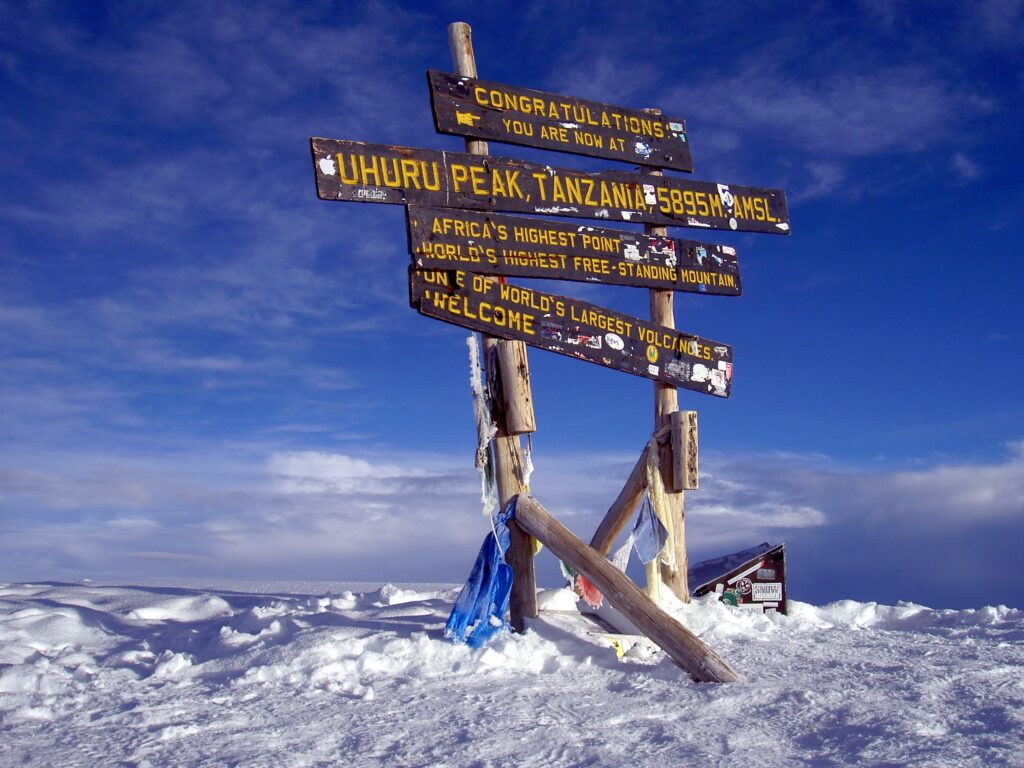
Climbing Mount Kilimanjaro with your child can become one of the most unforgettable family adventures in Africa. Many parents dream of sharing the excitement of standing on the Roof of Africa together while exploring Tanzania’s breathtaking landscapes, unique wildlife, and inspiring mountain culture. However, taking children on a Kilimanjaro climb requires careful planning, realistic expectations, and a strong focus on safety, altitude acclimatization, and physical preparation. Families considering a Kilimanjaro trek often ask about minimum age limits, best routes, success rates, safety measures, and whether children can handle the high altitude. Fortunately, with the right itinerary, experienced mountain guides, and gradual acclimatization, some children successfully summit Uhuru Peak every year. Understanding the challenges, health considerations, and family-friendly climbing strategies is essential before booking your Tanzania Kilimanjaro adventure.
Understanding Kilimanjaro’s Minimum Age Rules
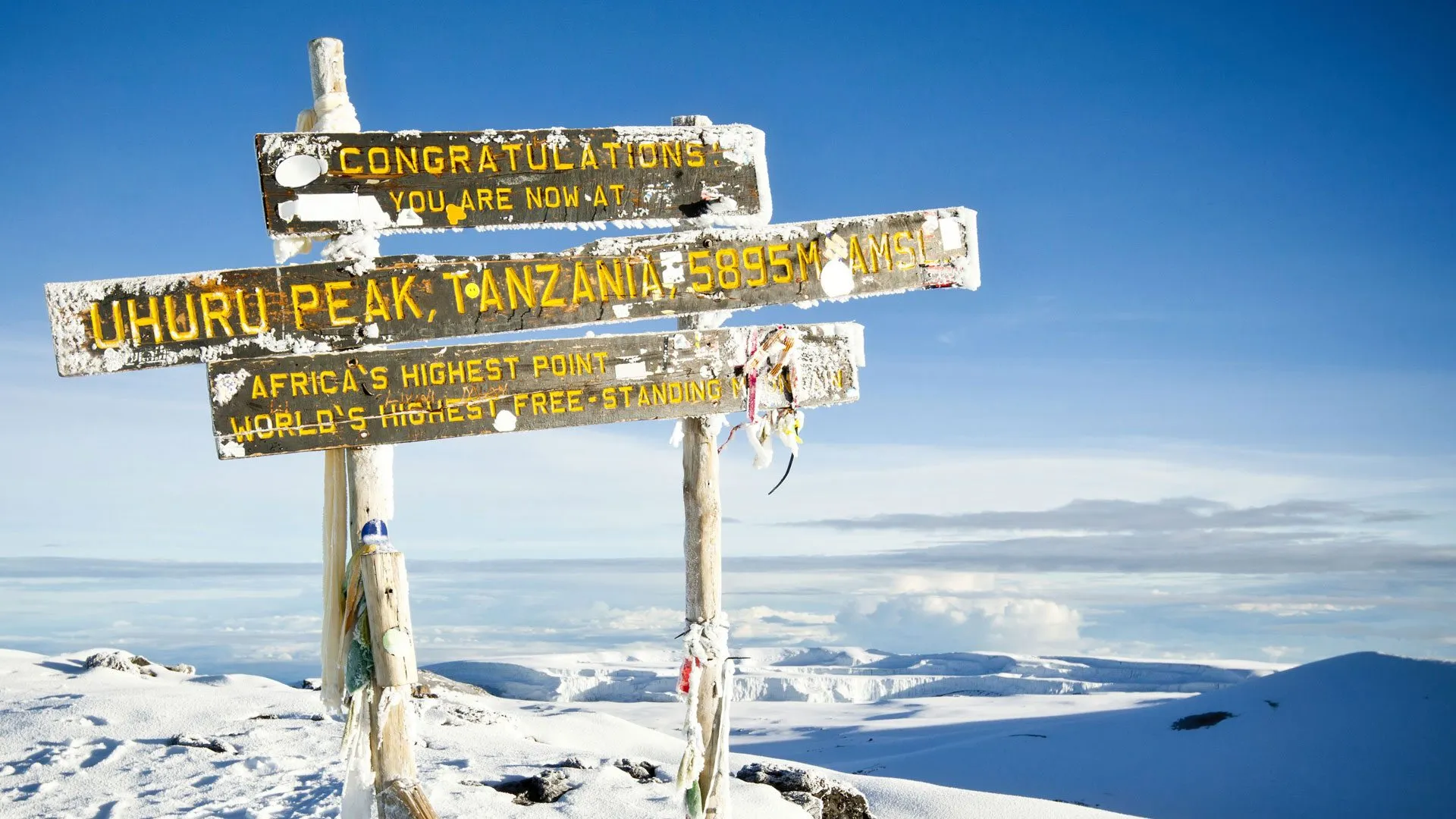
The minimum official age for climbing Mount Kilimanjaro is generally 10 years old, according to regulations set by the national park authorities. While this may seem young, altitude affects every child differently, making maturity and physical readiness more important than age alone. Some parents assume younger children can easily manage the trek because Kilimanjaro is considered a non-technical climb, but the mountain still presents serious altitude challenges. Most reputable Tanzania tour operators recommend that children be at least 12 to 15 years old for a better chance of summit success and safer acclimatization. Responsible Kilimanjaro guides carefully evaluate a child’s hiking experience, stamina, emotional resilience, and ability to communicate discomfort. Parents should avoid rushing children into a summit attempt simply for adventure goals, because safety and enjoyment are more important than reaching Uhuru Peak.
Is Kilimanjaro Safe for Children?
Safety is the most important factor when planning a family Kilimanjaro trekking expedition. Although thousands of climbers successfully reach the summit annually, high altitude can affect children more unpredictably than adults. Acute Mountain Sickness can develop quickly, even in fit young hikers, making constant monitoring essential during the climb. Experienced Kilimanjaro guides watch for symptoms such as headaches, nausea, fatigue, dizziness, and unusual behavior changes. Families should choose operators with excellent safety records, certified wilderness first responders, emergency oxygen, pulse oximeters, and detailed evacuation procedures. Slower climbing itineraries significantly improve acclimatization and reduce health risks for children. Parents should also consult a pediatrician before travel, especially if the child has asthma, heart conditions, or respiratory issues. With careful preparation, professional guides, and realistic pacing, many families complete a safe and rewarding Kilimanjaro climbing experience together in Tanzania.
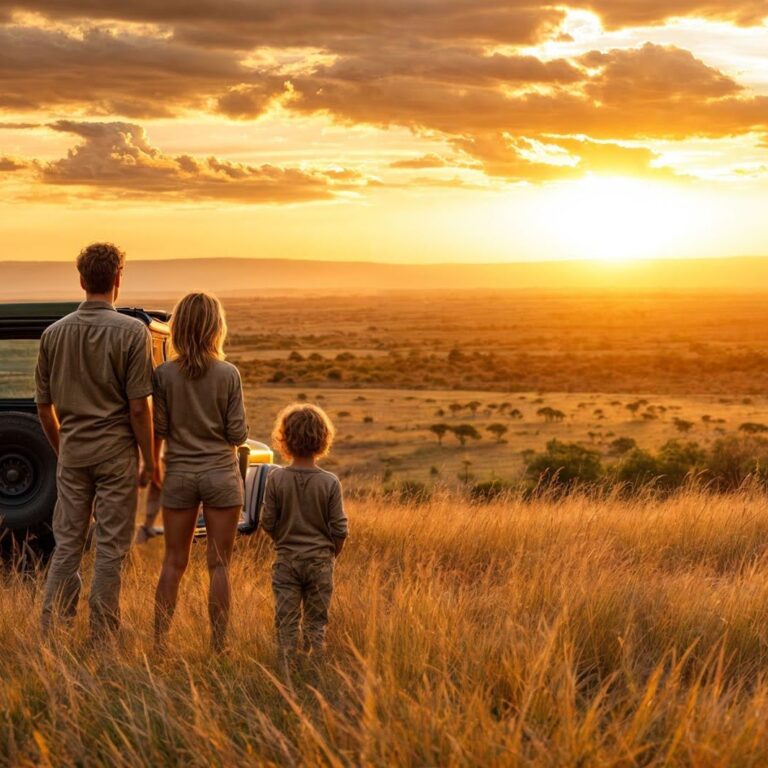
Approach, feed or disturb wildlife, or leave the vehicle unless your guide says it is safe.
Follow your guide, carry travel insurance and check current health and travel advice.
Choosing the Best Kilimanjaro Route for Families
Selecting the right route is one of the biggest decisions when climbing Mount Kilimanjaro with children. Family groups usually benefit from longer routes with better acclimatization profiles and gentler hiking schedules. The Lemosho Route is widely considered one of the best options because it offers gradual altitude gain, stunning scenery, and higher summit success rates. The Machame Route is scenic but can feel more physically demanding for younger climbers. The Rongai Route provides quieter trails and a more gradual ascent, making it attractive for families seeking a less crowded experience. Shorter routes like Marangu may appear easier due to hut accommodations, but rapid altitude gain often reduces acclimatization success. Families should prioritize slower itineraries of seven to nine days to allow children enough time to adapt. Choosing the correct route can dramatically improve safety, comfort, and summit enjoyment.
Physical Fitness Requirements for Children
Children preparing for a Kilimanjaro climb should develop strong hiking endurance before traveling to Tanzania. While technical climbing skills are unnecessary, young trekkers must be capable of walking several hours daily on steep and uneven terrain. Physical preparation helps children manage fatigue, altitude stress, and changing weather conditions during the expedition. Parents should encourage regular outdoor activities such as hiking, swimming, cycling, jogging, and long-distance walking several months before the climb. Weekend hikes carrying light backpacks can improve confidence and stamina significantly. Mental preparation is equally important because summit night is cold, dark, and physically exhausting. Children who already enjoy outdoor adventures and camping experiences usually adapt better to mountain life. Parents should avoid pressuring children who dislike hiking or struggle with endurance activities. A well-prepared child is more likely to enjoy the journey, remain motivated, and safely experience the unforgettable adventure of climbing Africa’s highest mountain.
Altitude Acclimatization for Young Climbers
Altitude acclimatization is the greatest challenge for children climbing Mount Kilimanjaro. Unlike adults, younger climbers may struggle to explain symptoms clearly, making close observation extremely important throughout the trek. Gradual ascent schedules help the body adjust to lower oxygen levels and improve summit success rates. Many experienced guides recommend routes lasting at least seven or eight days for families because slower climbs reduce the risk of altitude sickness. Drinking plenty of water, maintaining energy through nutritious meals, and hiking slowly are essential acclimatization strategies. Guides often use the “pole pole” approach, meaning “slowly slowly” in Swahili, to help climbers conserve energy and adapt naturally. Parents should never ignore symptoms such as severe headaches, vomiting, confusion, or unusual tiredness. Descending immediately is the safest response when serious altitude symptoms appear. Successful acclimatization increases safety, comfort, and confidence for children on the mountain.
Mental Readiness and Emotional Preparation
A Kilimanjaro family trek tests emotional strength as much as physical endurance. Children must prepare for cold temperatures, basic camping conditions, early morning wake-ups, and long hiking days. Parents should discuss the realities of mountain climbing honestly before the trip rather than creating unrealistic expectations. Young climbers who understand the adventure’s challenges often respond better during difficult moments on the trail. Encouragement, patience, and positive reinforcement play important roles throughout the expedition. Many families find that involving children in planning, gear selection, and training builds excitement and confidence. It is also important to teach children that reaching the summit is not the only measure of success. Enjoying the journey, learning resilience, and experiencing Tanzania’s mountain landscapes can be equally meaningful achievements. Emotionally prepared children often develop stronger confidence, independence, and appreciation for nature through the Kilimanjaro climbing experience.
Essential Gear for Children on Kilimanjaro
Packing proper gear is crucial when taking children on a Kilimanjaro climbing tour. Temperatures on the mountain vary dramatically, ranging from tropical heat at the base to freezing conditions near the summit. Layered clothing helps children stay comfortable in changing weather conditions. Essential items include insulated jackets, waterproof outer layers, thermal clothing, gloves, warm hats, hiking boots, moisture-wicking socks, and sleeping bags rated for extreme cold. Sunglasses and sunscreen protect against strong equatorial sunlight at high altitude. Parents should avoid cheap or poorly fitting equipment because discomfort can quickly reduce morale during the trek. Trekking poles are also helpful for maintaining balance and reducing strain on knees during steep descents. Many Tanzania safari and trekking companies offer rental gear, but children’s sizes may be limited. Testing all equipment before departure ensures children remain warm, dry, comfortable, and confident throughout the Kilimanjaro expedition.
The Importance of Experienced Guides and Porters
Hiring experienced Kilimanjaro guides is essential when climbing with children. Professional mountain crews provide safety monitoring, motivation, logistical support, and emergency assistance throughout the expedition. Reputable Tanzania tour operators employ trained guides who understand how altitude affects younger climbers and how to respond quickly if health concerns arise. Guides regularly monitor oxygen saturation levels and assess physical condition during the trek. Porters also play a major role by carrying camping equipment, food supplies, and duffel bags, allowing families to focus on hiking comfortably. Friendly mountain crews often create supportive environments that encourage children during difficult moments. Singing Swahili songs, sharing local stories, and celebrating milestones help maintain positive morale on the trail. Choosing a licensed, ethical operator with strong reviews, safety certifications, and fair porter treatment standards improves the overall family experience. Experienced teams can transform a challenging climb into a memorable and inspiring African adventure.
Best Time to Climb Kilimanjaro With Children
Timing your family's Kilimanjaro climb carefully can greatly improve comfort and safety. The best seasons for climbing are usually during Tanzania’s dry months, from January to March and June to October. These periods generally offer clearer skies, more stable weather, and better trail conditions for children. January and February are especially popular because temperatures are slightly warmer, making summit night more manageable for younger climbers. Rainy seasons often create muddy trails, colder conditions, and limited visibility, increasing discomfort during the trek. Families should also consider school holidays and crowd levels when planning their adventure. Quieter routes and less crowded months may create a more relaxed atmosphere for children. The weather on Mount Kilimanjaro can change rapidly regardless of season, so preparation for cold, rain, wind, and sunshine remains essential throughout the year for every family expedition.
Combining Kilimanjaro With a Family Safari
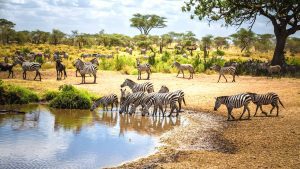
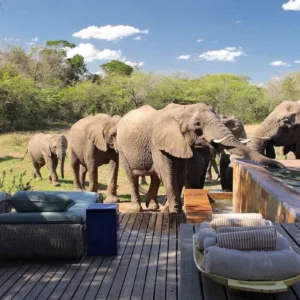
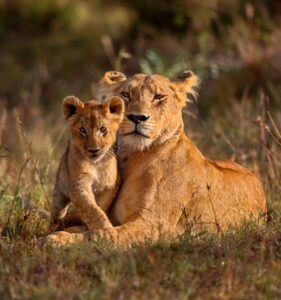
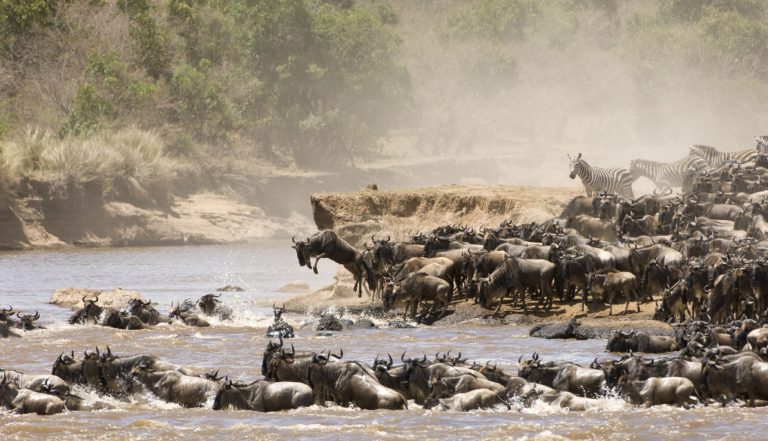
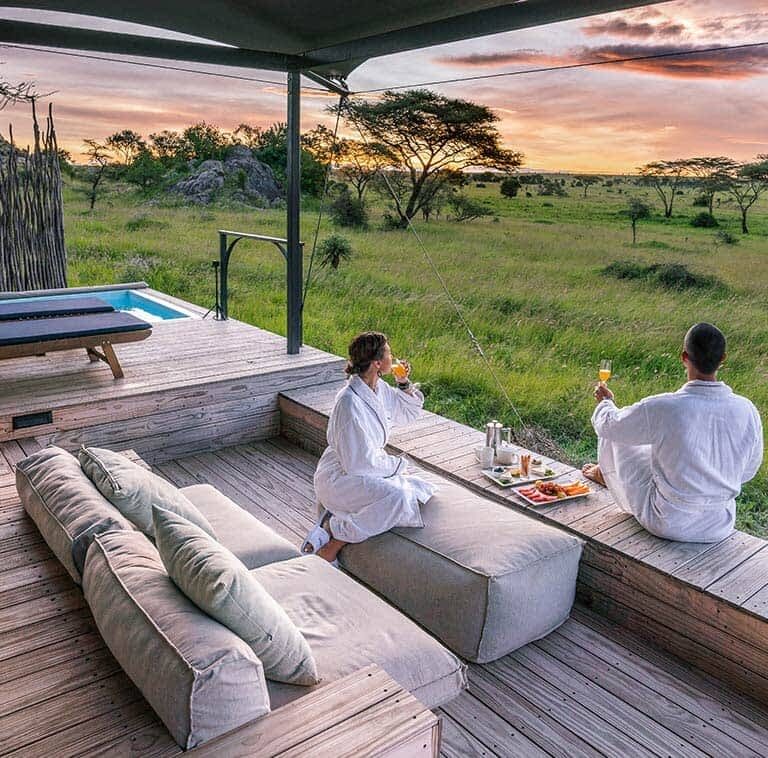
Many families combine a Kilimanjaro climb with a Tanzania wildlife safari for the ultimate African adventure. After the physical challenge of the mountain, children often enjoy relaxing while exploring famous destinations such as Serengeti National Park and Ngorongoro Crater. Safari experiences allow children to see elephants, lions, giraffes, zebras, and wildebeest in their natural habitats while learning about African ecosystems and conservation. Family-friendly safari lodges frequently provide swimming pools, spacious rooms, cultural activities, and child-focused experiences. Combining trekking and safari adventures creates a balanced itinerary that mixes physical achievement with relaxation and wildlife discovery. Some families also extend their holiday to Zanzibar for beach relaxation after the climb. Tanzania offers one of Africa’s best combinations of mountain trekking, wildlife safaris, cultural encounters, and tropical beaches, making it an unforgettable destination for adventurous families traveling together.
Teaching Children About Nature and Culture
Climbing Mount Kilimanjaro provides children with valuable educational experiences beyond physical adventure. Young climbers learn about volcanic geography, rainforest ecosystems, climate zones, and African biodiversity while hiking through constantly changing landscapes. The mountain’s five ecological zones introduce children to unique plants, birds, and environmental conditions rarely experienced elsewhere. Families also gain insight into Tanzanian culture through interactions with guides, porters, and local communities. Learning basic Swahili phrases such as “Jambo” and “Asante” often makes the experience more engaging for children. Many young trekkers develop greater environmental awareness and appreciation for conservation after witnessing Kilimanjaro’s fragile ecosystems firsthand. Parents frequently describe the climb as a transformative journey that strengthens family bonds and teaches resilience, teamwork, patience, and respect for nature. These lessons often remain with children long after the adventure ends and become lifelong memories.
Common Challenges Families May Face
Family Kilimanjaro climbs can be incredibly rewarding, but parents should prepare for several realistic challenges. Fatigue, homesickness, changing weather, and altitude discomfort can affect children emotionally and physically during the trek. Summit night is often the toughest part because climbers hike for many hours in freezing temperatures and darkness. Some children may become discouraged or overwhelmed during difficult sections of the climb. Parents should maintain flexibility and avoid placing pressure on children to reach the summit at all costs. Slow pacing, regular snacks, hydration, and positive encouragement help manage difficult moments effectively. Weather delays and unpredictable mountain conditions can also impact itineraries. Choosing a private climb often benefits families because guides can adapt the pace and schedule to suit children’s needs. Understanding these challenges beforehand allows parents to respond calmly and create a more supportive, enjoyable, and safer Kilimanjaro trekking experience for everyone involved.
How to Prepare Your Child Before the Trip
Preparing children properly before climbing Mount Kilimanjaro increases confidence, safety, and enjoyment. Parents should gradually introduce hiking activities several months before departure, focusing on endurance rather than speed. Practicing hikes in different weather conditions helps children become comfortable with outdoor challenges. Discussing the daily trekking schedule, camping environment, and mountain weather prepares children mentally for the experience ahead. Reading books, watching documentaries, and learning about Tanzania’s wildlife and culture can also build excitement. Parents should involve children in packing their gear and choosing comfortable hiking clothing to encourage responsibility and enthusiasm. Healthy nutrition, proper hydration, and consistent sleep habits before travel improve overall fitness and energy levels. Families should also ensure travel insurance covers high-altitude trekking and emergency evacuation. Careful preparation allows children to approach the Kilimanjaro climb with realistic expectations, stronger resilience, and greater excitement for the adventure awaiting them.
Is Climbing Kilimanjaro With Children Worth It?
For many adventurous families, climbing Mount Kilimanjaro together becomes a once-in-a-lifetime achievement filled with unforgettable memories. The journey offers far more than reaching Africa’s highest summit. Families experience teamwork, perseverance, cultural connection, and breathtaking natural beauty while sharing a powerful adventure. Children often gain confidence and pride from overcoming physical and emotional challenges during the climb. However, the experience is only worthwhile when approached responsibly, with careful planning and realistic expectations. Parents should prioritize safety, flexibility, and enjoyment rather than focusing entirely on summit success. Choosing experienced guides, longer routes, and proper acclimatization schedules greatly improves the overall experience for young trekkers. Not every child is ready for such a demanding adventure, but those who are physically prepared, emotionally resilient, and genuinely excited about hiking may find Kilimanjaro to be one of the most rewarding journeys of their lives.
Final Thought
Taking your child on a Kilimanjaro climb can be an extraordinary family adventure when approached with thoughtful preparation, patience, and responsible decision-making. Mount Kilimanjaro offers families an opportunity to explore Africa’s highest mountain while building stronger bonds through shared experiences and challenges. Success depends on choosing the right route, allowing enough acclimatization time, hiring experienced guides, and understanding your child’s physical and emotional readiness. While summit success is exciting, the real value often lies in the journey itself — hiking through rainforests, learning Swahili culture, watching spectacular sunrises, and supporting each other on the trail. Families who prepare carefully often describe the climb as life-changing and deeply inspiring. Combined with a Tanzania safari or Zanzibar beach holiday, a Kilimanjaro family expedition can become one of the most memorable travel experiences your family will ever share.
Can I take my child on a Kilimanjaro climb with me?: FAQs
What Is the Minimum Age to Climb Mount Kilimanjaro?
The official minimum age to climb Mount Kilimanjaro is 10 years old, according to regulations set by Tanzania National Parks Authority. However, age alone does not determine success on a Kilimanjaro family climb. Physical fitness, emotional maturity, hiking experience, and the ability to handle cold weather and high altitude are equally important. Many tour operators recommend children be at least 12 to 15 years old for better acclimatization and endurance.
Which Kilimanjaro Route Is Best for Families?
The best Kilimanjaro routes for families are the Lemosho Route and the Machame Route because they provide excellent acclimatization, scenic landscapes, and higher summit success rates. The Lemosho Route is especially popular for family Kilimanjaro climbs since it offers a slower pace and fewer crowds. Families can enjoy rainforest trails, moorlands, alpine deserts, and stunning sunrise views while gradually adapting to altitude.
Can Children Get Altitude Sickness on Kilimanjaro?
Yes, children can experience altitude sickness on Mount Kilimanjaro just like adults. Symptoms may include headaches, nausea, dizziness, fatigue, appetite loss, and breathing difficulty. Because children sometimes struggle to explain symptoms clearly, parents and guides must closely monitor their condition during the trek. The best prevention for altitude sickness is slow acclimatization, proper hydration, nutritious meals, and enough rest. Choosing a longer Kilimanjaro climbing itinerary significantly improves adaptation to high altitude.
What Should Children Pack for a Kilimanjaro Climb?
Packing correctly is essential for a successful family climb on Mount Kilimanjaro. Children need warm layered clothing, insulated jackets, waterproof hiking boots, gloves, thermal socks, hats, and sleeping bags rated for freezing temperatures. A comfortable daypack, reusable water bottles, sunglasses, sunscreen, trekking poles, and headlamps are also important for safety and comfort. Parents should pack energy snacks, personal medications, lip balm, and wet wipes for convenience during the trek.
How Long Does It Take to Climb Kilimanjaro With Children?
Most family climbs on Mount Kilimanjaro take between seven and nine days. Longer itineraries are strongly recommended because children need additional time to acclimatize to the mountain’s high altitude. Slower trekking days also reduce exhaustion and make the journey more enjoyable for young climbers. Routes like Lemosho and Northern Circuit provide gradual elevation gain, scenic camps, and better summit success rates.
Do Children Need Training Before Climbing Kilimanjaro?
Yes, children should prepare physically before attempting a Mount Kilimanjaro climb. Training helps improve endurance, confidence, and overall comfort during long hiking days. Families should begin preparation several months before the trek with activities like walking, hiking, swimming, cycling, and stair climbing. Weekend hikes carrying small backpacks help children become familiar with trekking conditions. Mental preparation is equally important because summit night can be cold, dark, and physically demanding.
Can Families Combine Kilimanjaro With a Tanzania Safari?
Yes, many travelers combine a Mount Kilimanjaro climb with a Tanzania family safari for the ultimate African adventure holiday. After descending the mountain, families often visit famous destinations like Serengeti National Park, Ngorongoro Crater, and Tarangire National Park to see lions, elephants, giraffes, zebras, and the Great Migration. A safari provides relaxation after the physical challenge of climbing Kilimanjaro.
What Is the Best Time to Climb Kilimanjaro With Children?
The best time to climb Mount Kilimanjaro with children is during Tanzania’s dry seasons, from January to March and June to October. These months offer clearer skies, warmer daytime temperatures, safer trails, and better summit visibility. January and February are especially popular for family Kilimanjaro treks because weather conditions are usually stable and less cold than other months.
Is Climbing Kilimanjaro With Children Worth It?
Climbing Mount Kilimanjaro with children is an incredible family achievement and often becomes a life-changing experience. The journey teaches resilience, teamwork, patience, confidence, and appreciation for nature. Many parents describe reaching Uhuru Peak together as one of the proudest moments of their lives. Children gain exposure to different cultures, mountain ecosystems, and outdoor adventure in a safe, supportive environment. The climb also strengthens family bonds through shared challenges and unforgettable memories.
Can Children Climb Mount Kilimanjaro?
Yes, children can climb Mount Kilimanjaro successfully when they are physically prepared, mentally motivated, and supported by experienced mountain guides. Every year, young climbers from around the world reach Uhuru Peak and complete the adventure safely. Success depends on choosing the right route, maintaining a slow pace, and prioritizing acclimatization over speed.
Climb Kilimanjaro With Confidence
Tell us your dates and fitness, and our experienced mountain team will plan a safe, well-acclimatized private climb.