The best time to climb Kilimanjaro is during the two dry seasons, from late June to October and from late December to early March, when trails are drier, skies are clearer and summit views are at their best. January and February are warmer and quieter, while July to September is cooler and busier. The long rains from late March to May bring wet, muddy trails. This guide explains Kilimanjaro's climbing seasons, month-by-month weather, the best routes for each season, full moon and festive climbs, climate zones and planning tips from our experienced local mountain team in Moshi and Arusha.
When is the best time to climb Kilimanjaro?
The best time to climb Mount Kilimanjaro is during the dry seasons, from late June to October and from late December to early March. These months offer the most stable weather, drier trails and clear views from Uhuru Peak, the highest point in Africa at 5,895 metres. July to September is the busiest period, while January and February are warmer and quieter. April and May are the wettest months, and November brings short rains, so climbs then need extra preparation.
Kilimanjaro Climbing Seasons Explained
Mount Kilimanjaro has two dry seasons and two rainy seasons, and the season you choose affects trail conditions, summit views, temperatures and how busy the mountain feels. The dry seasons offer the best chance of a successful and enjoyable climb, while the rainy seasons are quieter but wetter and more challenging. Select each tab below to see the months, typical conditions, trail traffic and good route choices for each season, with links to our detailed route and planning guides. Our experienced local mountain team will gladly help you choose the right season for your climb and travel dates.
Warm Dry Season: Late December to Early March
Late December, January, February and early March
Warm days, mostly dry trails and clear summit views
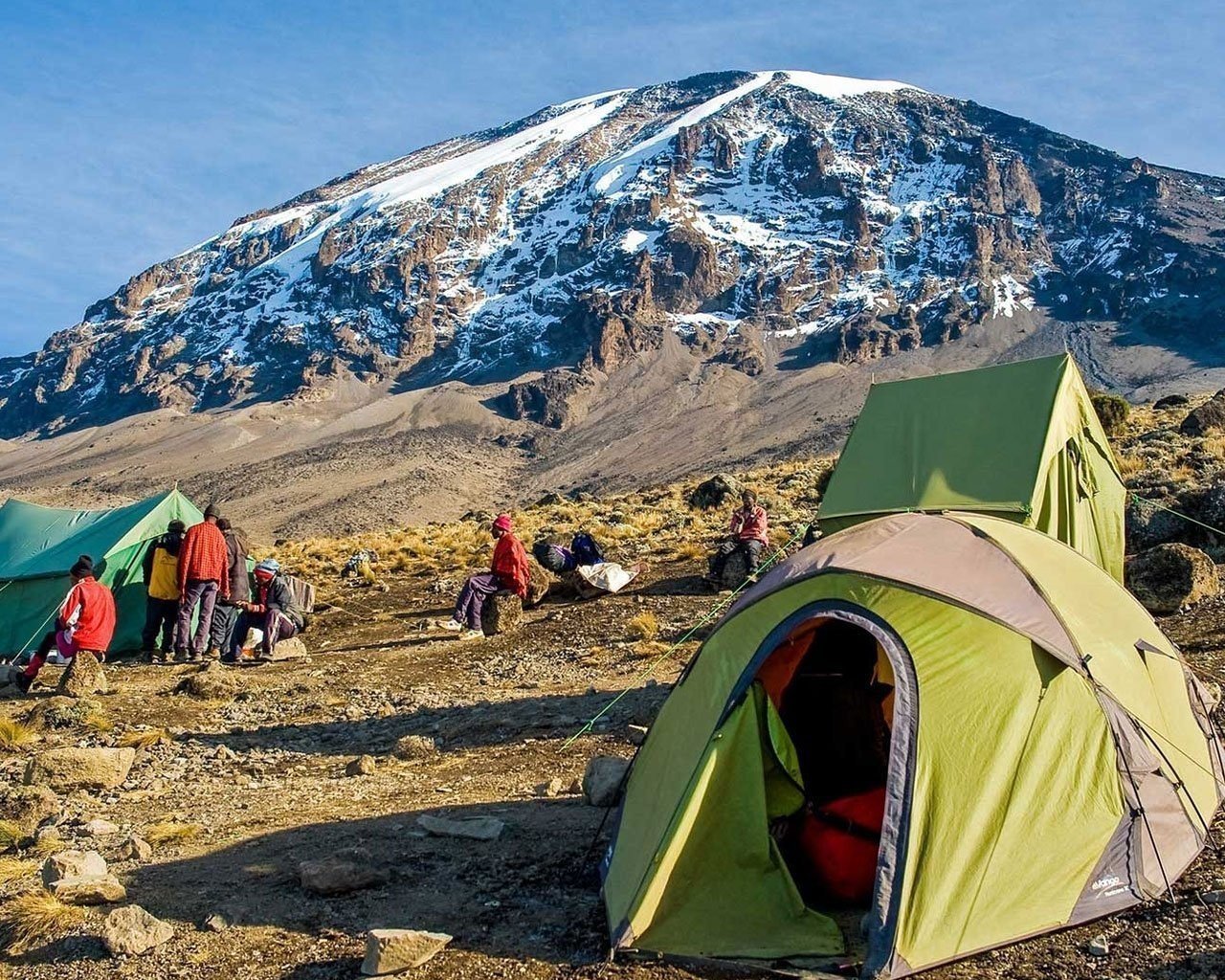
From late December to early March, Kilimanjaro enjoys warm, mostly dry weather with clear morning views and occasional short showers. Summit nights are a little less cold than in the middle of the year, and trails are quieter than in peak season. It is an excellent time for most routes, including Machame, Lemosho, Marangu and Rongai.
Kilimanjaro Climbing Packages →
Long Rainy Season: Late March to May
Late March, April and May, wettest in April
Heavy rain, muddy trails, cloud and snow higher up
The long rains bring heavy rainfall to the lower slopes, muddy and slippery trails, frequent cloud and fresh snow near the summit. The mountain is very quiet, but climbing is harder and views are often limited. Experienced hikers can still climb with good waterproof gear, and the drier northern Rongai route or hut-based Marangu route are sensible choices.
Climbing in the Rainy Season →
Cool Dry Season: Late June to October
Late June, July, August, September and October
Most stable weather, dry trails and the best visibility
Late June to October is the most popular time to climb Kilimanjaro. The weather is dry and stable, trails are in good condition and visibility is usually excellent above the clouds. Nights are colder, especially in July and August, so warm layers are essential. Popular routes are busier, so book early and consider quieter routes such as Lemosho.
Lemosho Route →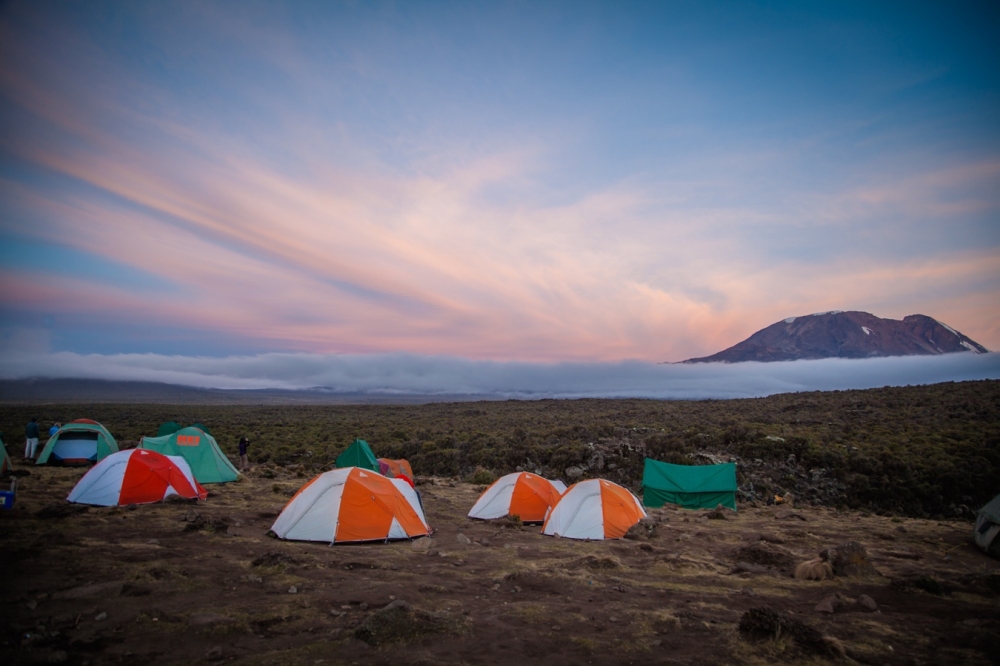
Short Rainy Season: November to Mid-December
November and early December
Afternoon showers, green forest and quiet trails
The short rains usually bring afternoon showers rather than all-day rain, so mornings are often clear. The rainforest is lush and green, and trails are much quieter than in peak season. Climbing is very possible with good waterproof clothing, and conditions improve again from mid-December as the warm dry season returns ahead of the festive period.
Kilimanjaro Routes →Best Time to Climb Kilimanjaro: Month by Month
Every month on Kilimanjaro has its own character, from the warm, clear days of January and February to the wet trails of April and the cold, busy summit nights of August. Weather, trail conditions and the number of climbers all change through the year, so a month-by-month view helps you choose the perfect time for your climb. Select a month below to see the season, typical weather, trail traffic and recommended routes, with a link to our detailed monthly Kilimanjaro climbing guide for that month. Choosing the right month is a simple way to improve your summit chances.
Climbing Kilimanjaro in January: Warm and dry
Warm dry season
Warm days, mostly dry, clear mornings
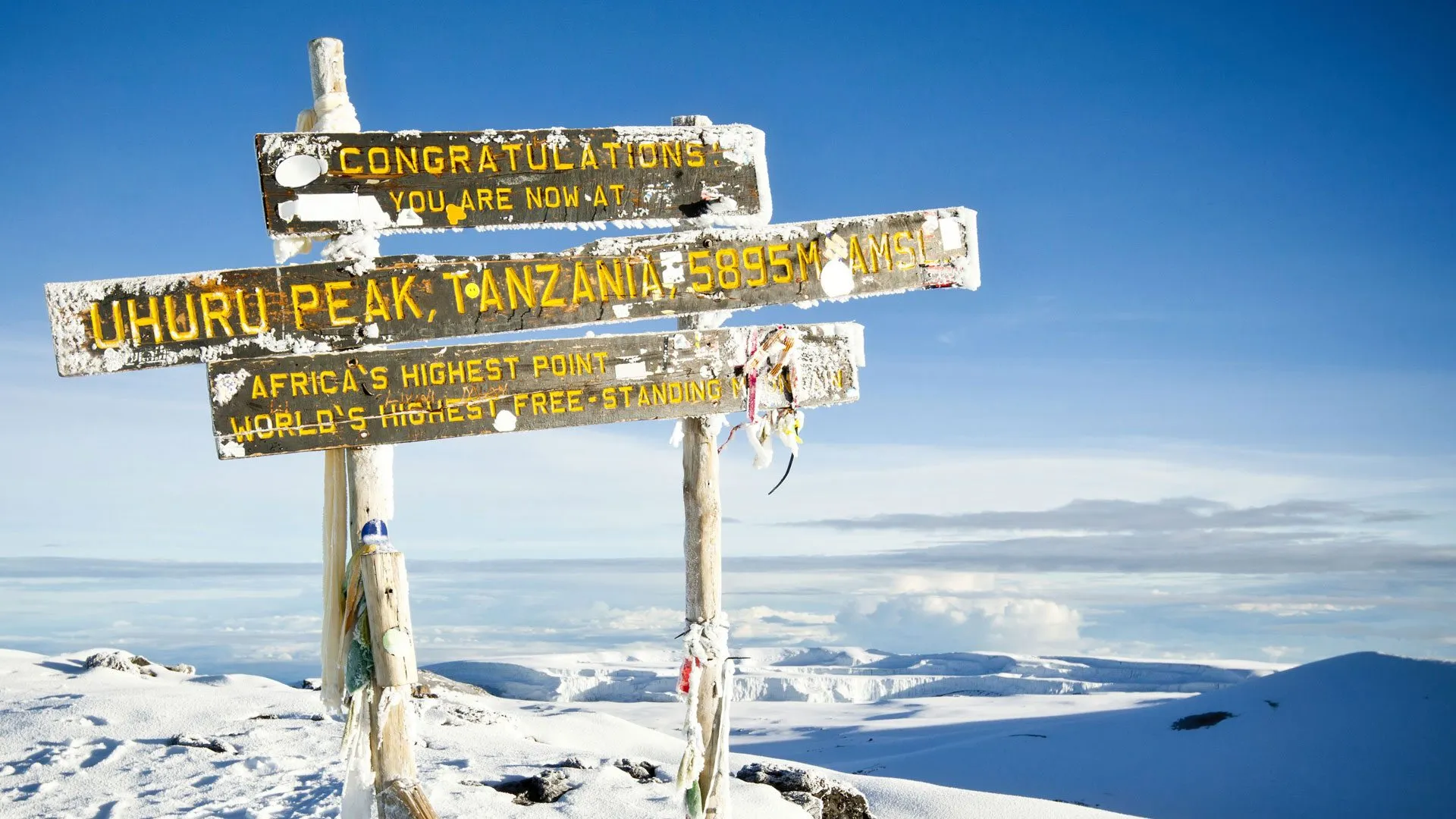
January is one of the best months to climb Kilimanjaro. The weather is warm and mostly dry, with clear mornings and good summit views, and summit night is slightly less cold than mid-year. Trails are busy around New Year but quieter later in the month, making January a superb choice for most routes and first-time climbers.
Climbing Kilimanjaro in January →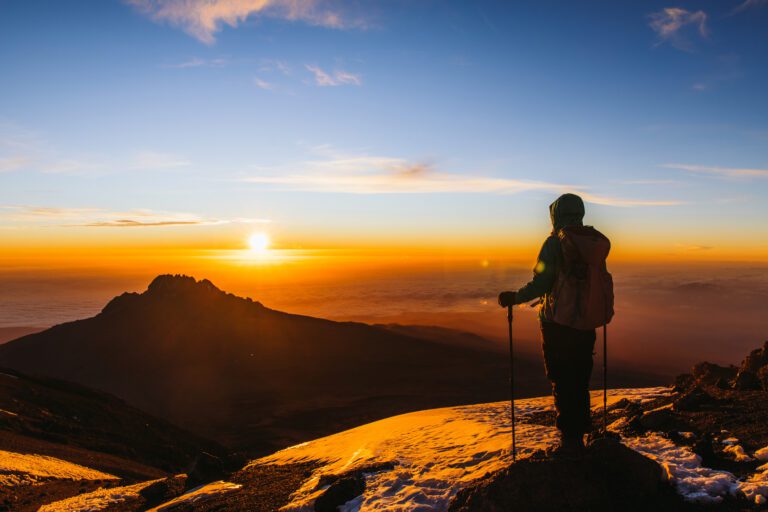
Climbing Kilimanjaro in February: Warm and quiet
Warm dry season
Warm, mostly dry, occasional showers
February continues the warm dry season, with mostly dry trails, occasional short showers and excellent visibility. It is often quieter than January and the peak months, and the warmer temperatures make summit night more comfortable. February is ideal for combining a climb with a safari during the Great Migration calving season in the southern Serengeti.
Climbing Kilimanjaro in February →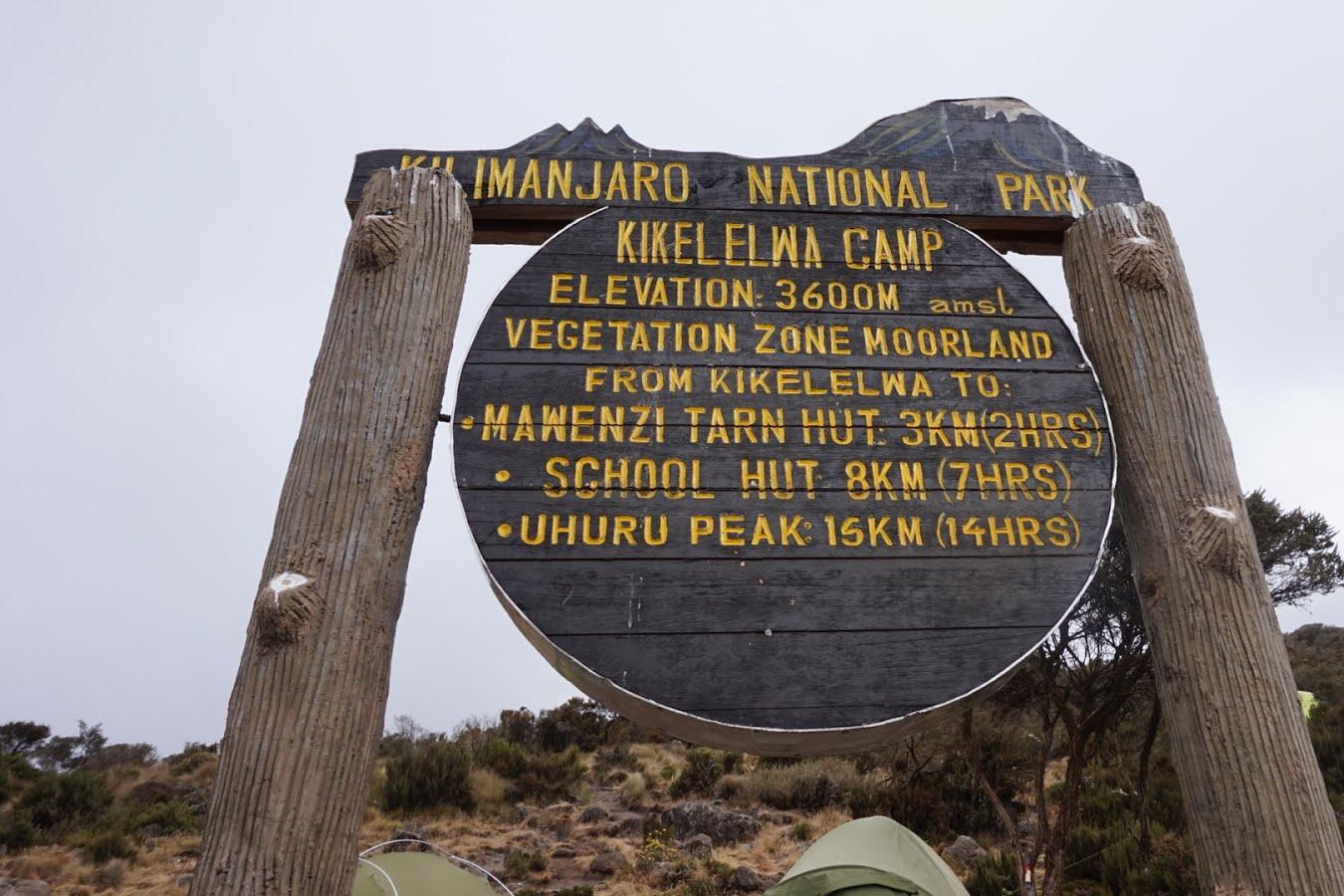
Climbing Kilimanjaro in March: Rains begin
Transition to long rains
Dry early, wetter later in the month
Early March is often still dry and pleasant, but rain increases through the month as the long rainy season begins. Trails become quieter, and the lower slopes turn wetter and muddier. If you climb in March, aim for the first half of the month, choose a longer route and pack good waterproof clothing and gear for the lower forest sections.
Climbing Kilimanjaro in March →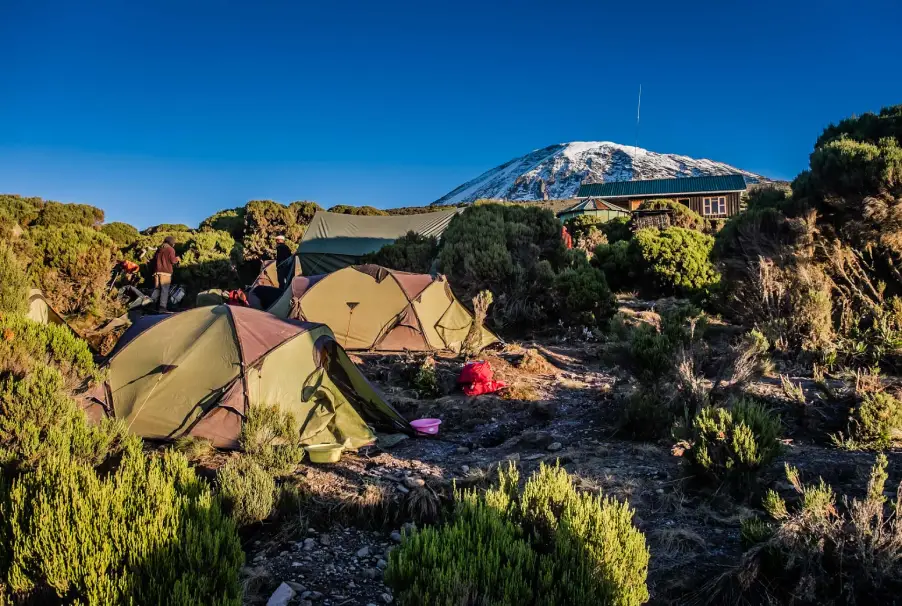
Climbing Kilimanjaro in April: Wettest month
Long rainy season
Heavy rain, mud, cloud and summit snow
April is usually the wettest month on Kilimanjaro, with heavy rain on the lower slopes, muddy trails, frequent cloud and snow near the summit. The mountain is very quiet, but climbing is harder and views are limited. Only experienced, well-prepared hikers should consider April, ideally on the drier northern Rongai route or the hut-based Marangu route.
Climbing Kilimanjaro in April →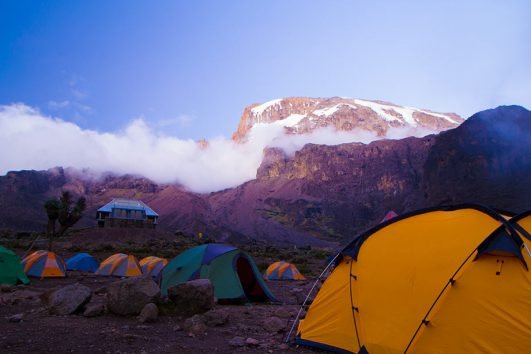
Climbing Kilimanjaro in May: Long rains ease
End of the long rains
Wet early, improving late in the month
May is still part of the long rainy season, especially early in the month, with wet trails, cloud and possible snow higher up. Conditions gradually improve towards the end of the month. The mountain is very quiet, and well-prepared climbers who choose the Rongai or Marangu route can enjoy a peaceful, uncrowded experience with excellent waterproof gear.
Climbing Kilimanjaro in May →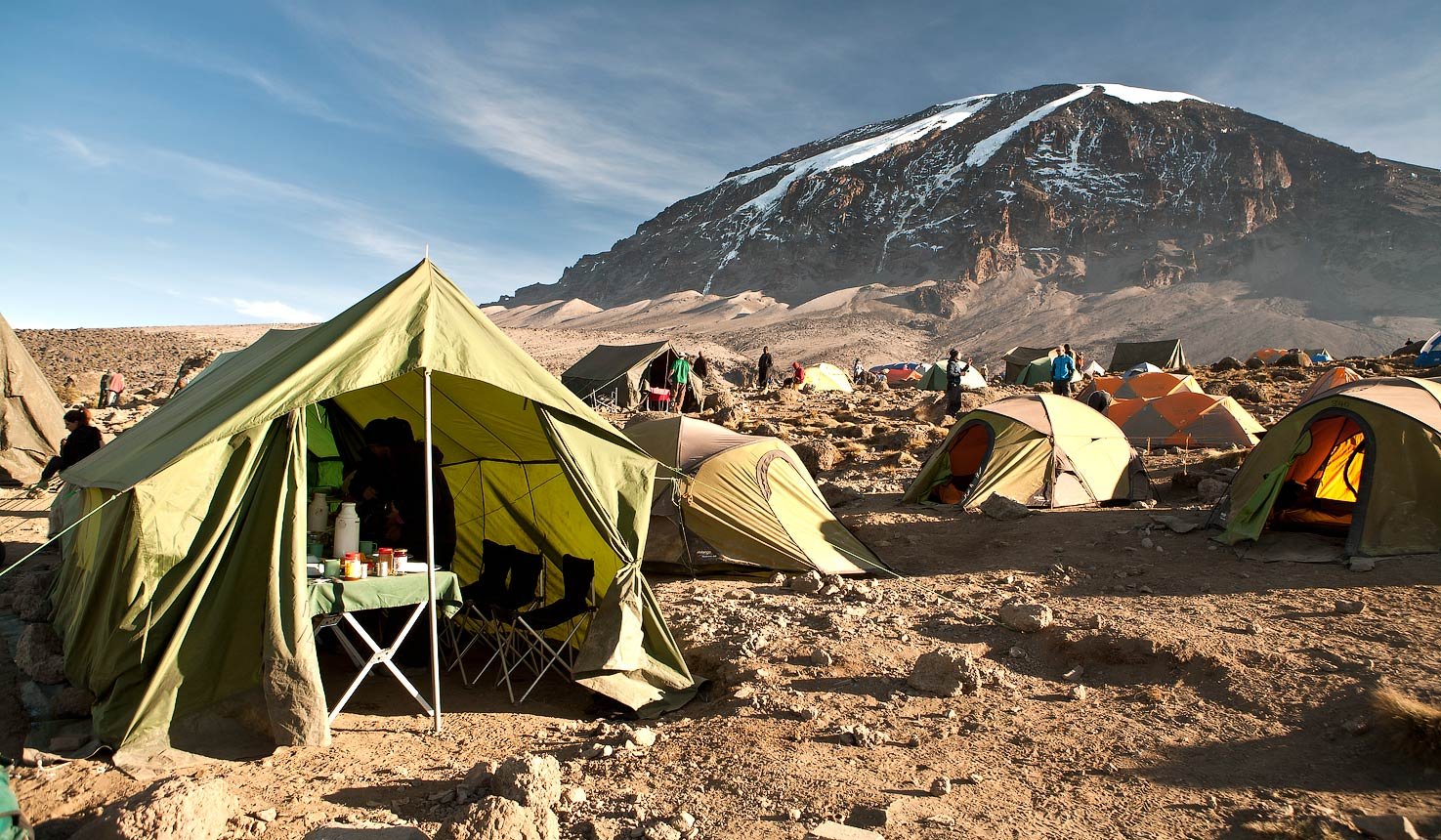
Climbing Kilimanjaro in June: Dry season begins
Start of cool dry season
Drying out, cool nights, clearing skies
June marks the start of the cool dry season. Early June can still bring some showers, but trails dry quickly and skies clear as the month goes on. Nights become colder, especially near the summit, and trail traffic gradually increases. Late June is an excellent time to climb, offering good conditions before the busiest peak months begin.
Climbing Kilimanjaro in June →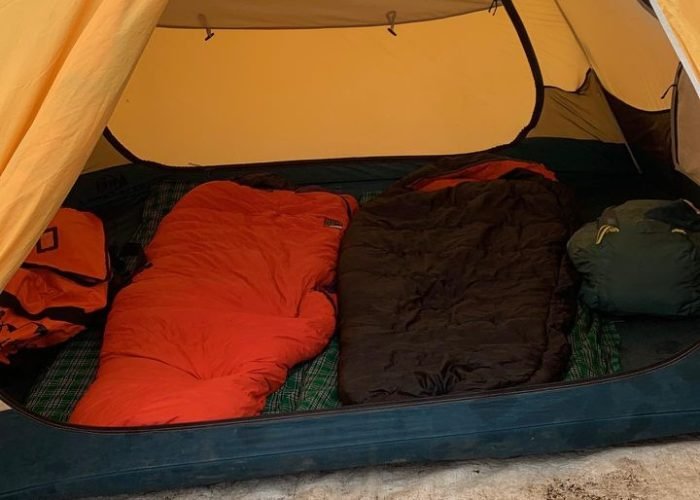
Climbing Kilimanjaro in July: Peak season
Cool dry season
Dry, stable, cold nights, clear views
July is one of the most popular months to climb Kilimanjaro. The weather is dry and stable, with clear skies and excellent views above the clouds, but nights are cold, particularly on summit night. Popular routes are busy, so book early and consider the quieter Lemosho or Northern Circuit routes for a more peaceful and scenic experience.
Climbing Kilimanjaro in July →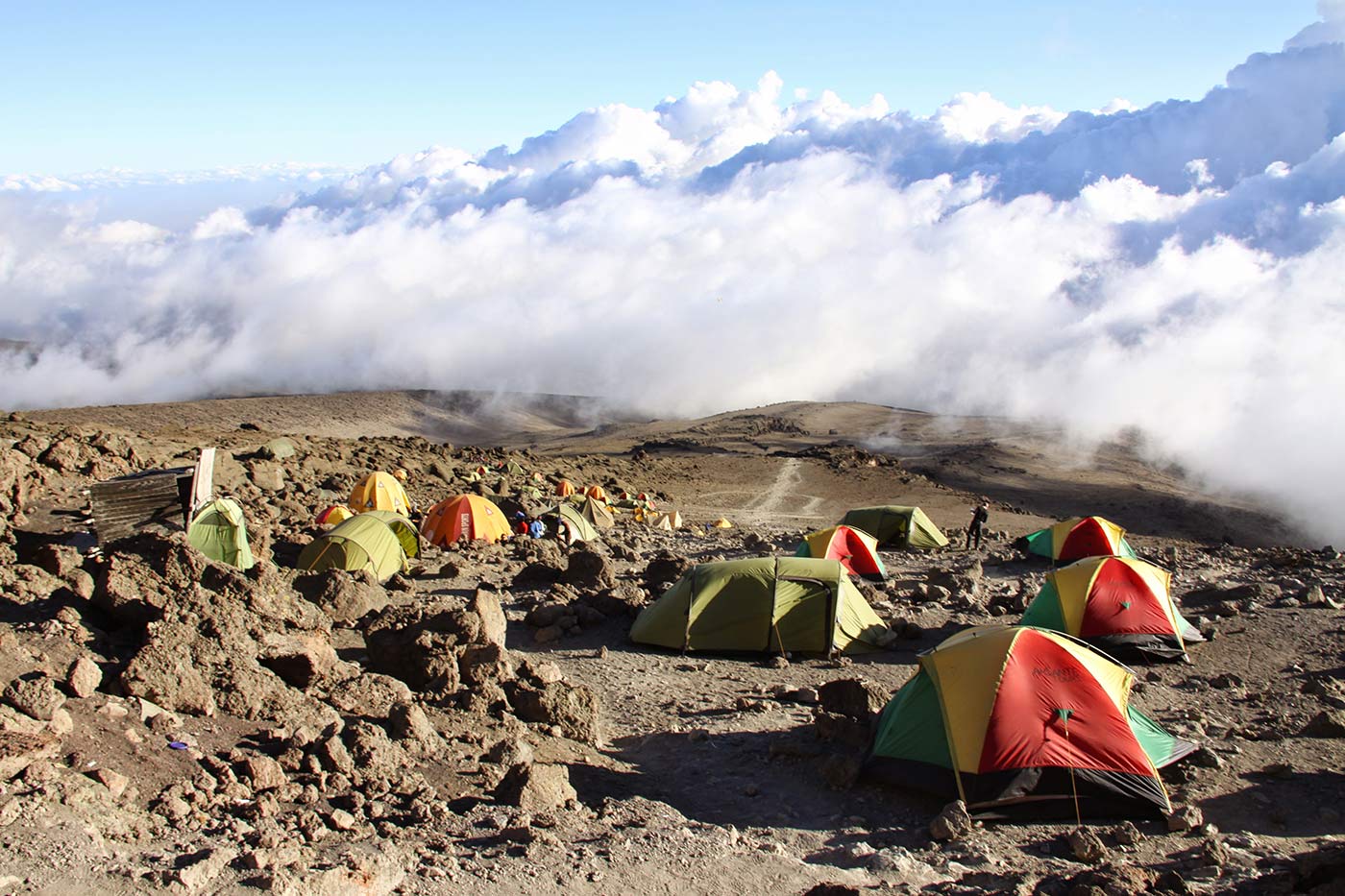
Climbing Kilimanjaro in August: Dry and busy
Cool dry season
Dry, clear, very cold summit nights
August is the busiest month on Kilimanjaro, thanks to dry, stable weather and summer holidays in many countries. Summit nights are very cold, so warm layers and a good down jacket are essential. Choose a quieter route such as Lemosho, the Northern Circuit or Rongai, and book well in advance for your preferred dates and campsites.
Climbing Kilimanjaro in August →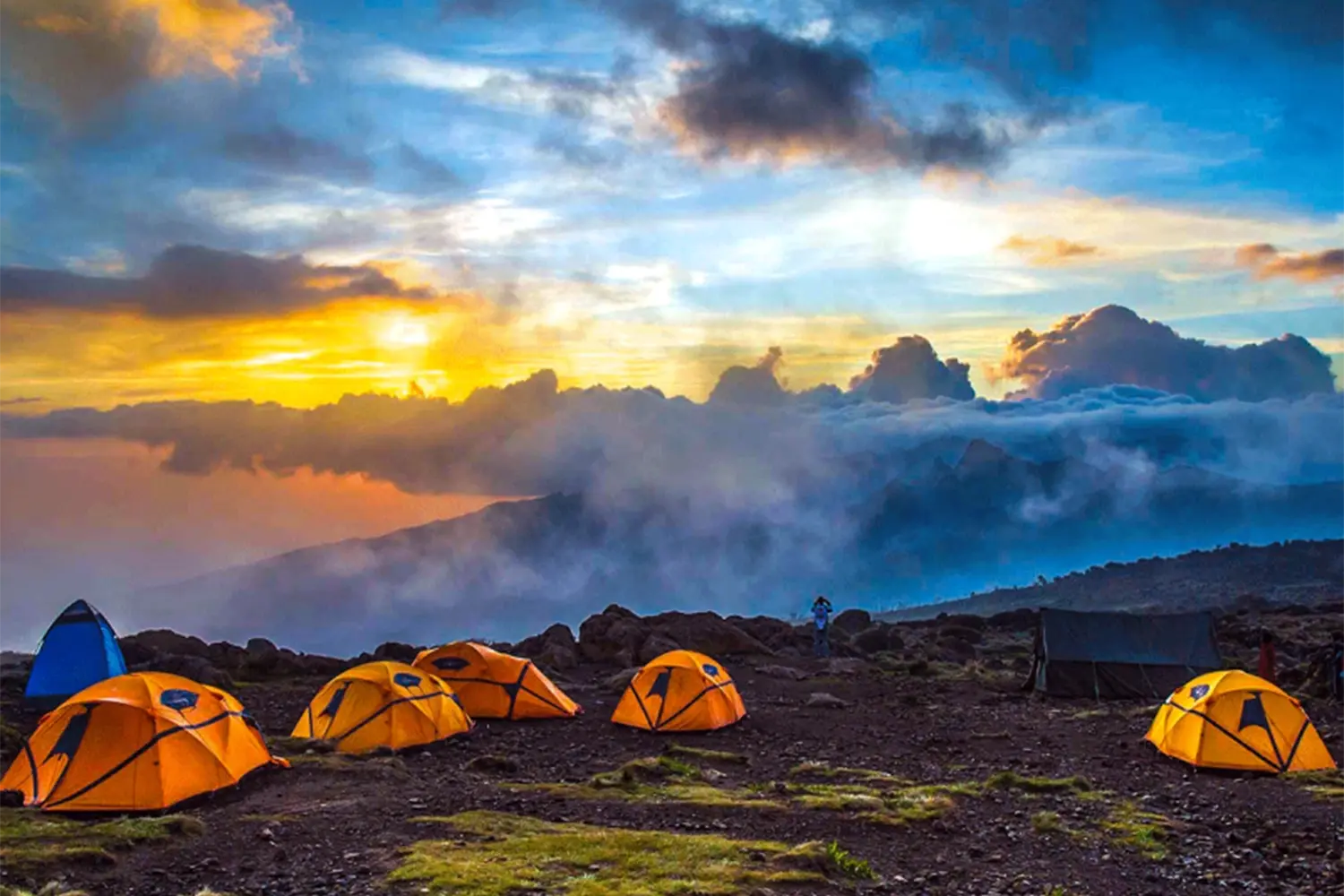
Climbing Kilimanjaro in September: Excellent conditions
Cool dry season
Dry, clear, slightly warmer
September is an excellent month to climb Kilimanjaro, with dry trails, clear skies and slightly warmer temperatures than July and August. The mountain is still popular, but usually a little less crowded than in August. It is a great time to combine a climb with a safari during the Great Migration river crossings in the northern Serengeti.
Climbing Kilimanjaro in September →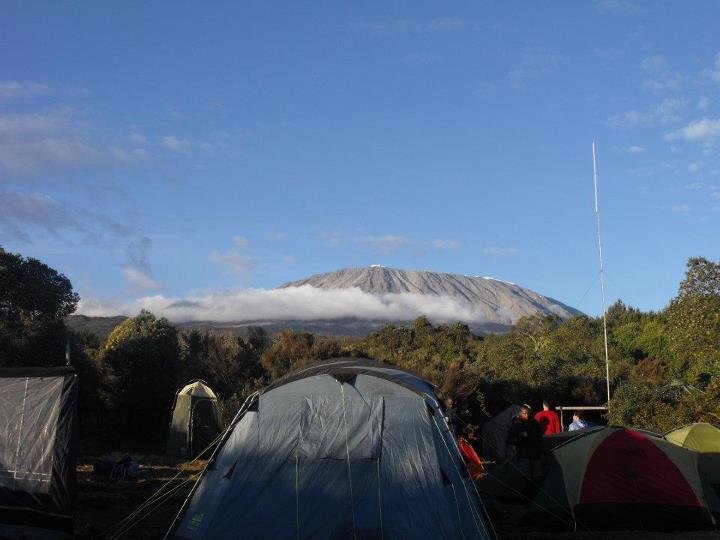
Climbing Kilimanjaro in October: End of dry season
Cool dry season
Dry, warmer, some late showers
October is a lovely month to climb, with mostly dry weather, warmer temperatures and fewer climbers than in peak season. Some showers may arrive late in the month as the short rains approach. Views remain good, campsites are quieter, and October offers a pleasing balance between reliable conditions, comfort and availability on most Kilimanjaro routes and campsites.
Climbing Kilimanjaro in October →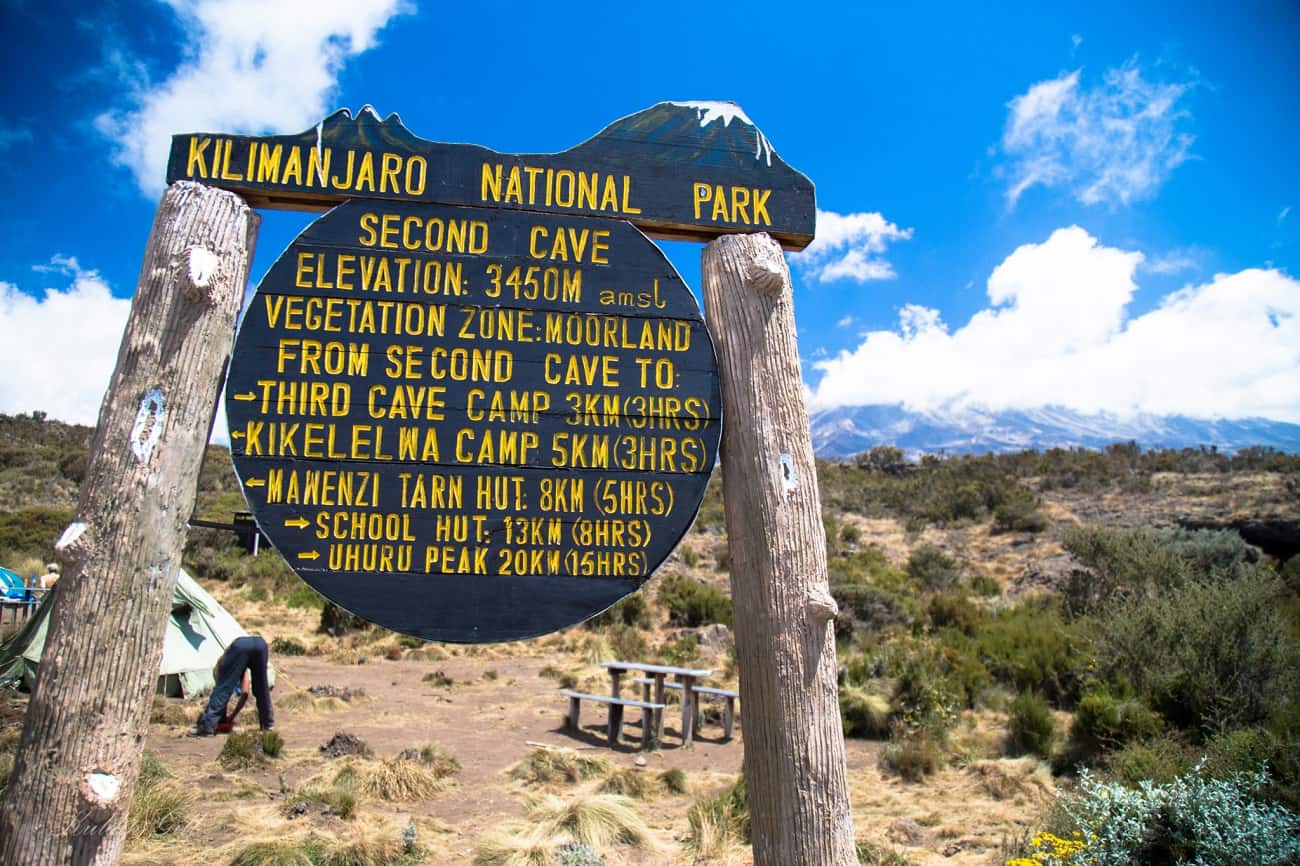
Climbing Kilimanjaro in November: Short rains
Short rainy season
Afternoon showers, clear mornings
November brings the short rains, usually as afternoon showers rather than all-day downpours. Mornings are often clear, the rainforest is lush and green, and the mountain is quiet with good availability. With waterproof clothing and a sensible route such as Rongai, November climbs can be rewarding, peaceful and good value compared with the busy peak months.
Climbing Kilimanjaro in November →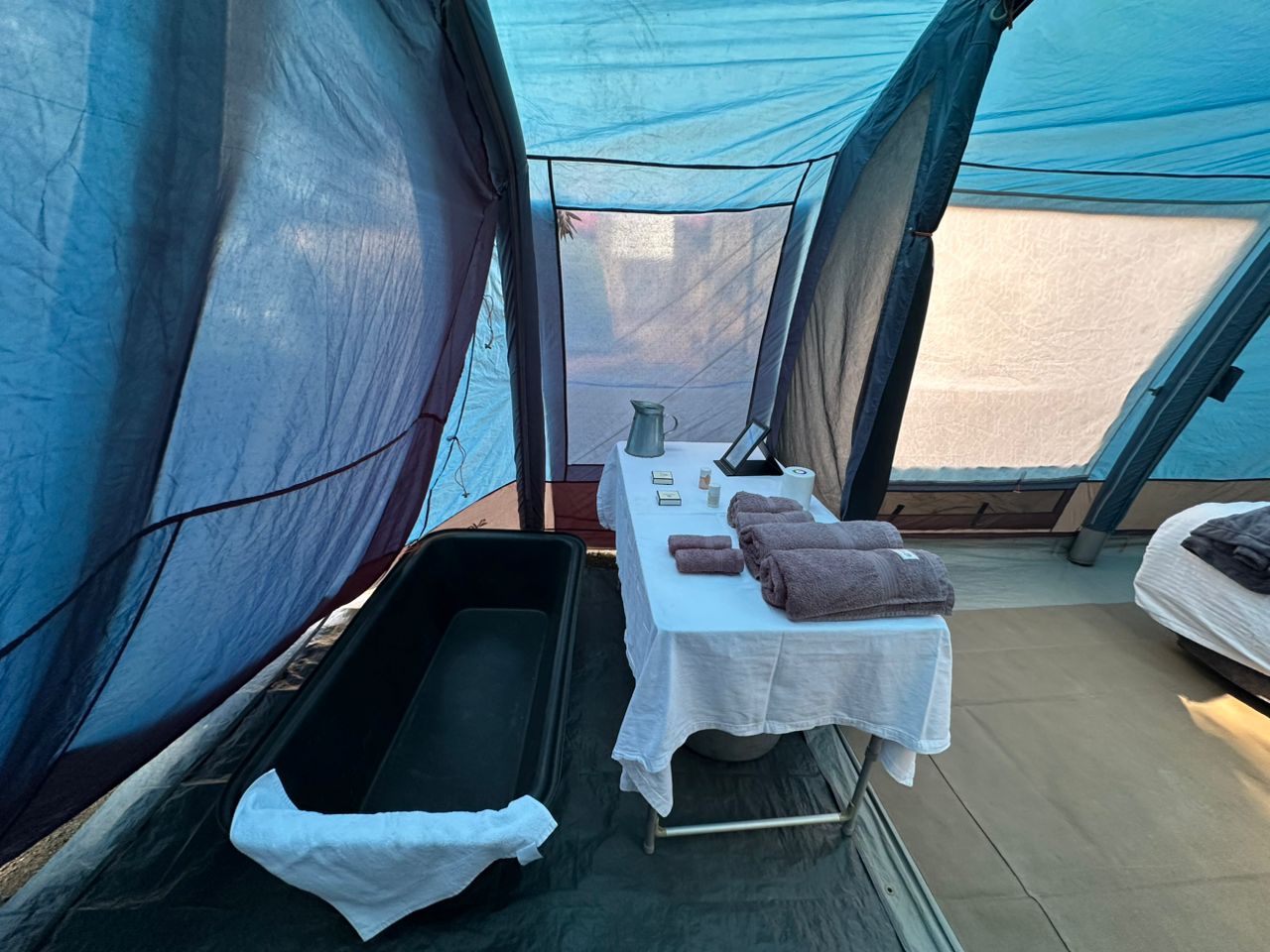
Climbing Kilimanjaro in December: Dry season returns
Short rains, then warm dry season
Showers early, drier and warmer later
Early December can still bring short rains, but conditions improve from mid-month as the warm dry season begins. Christmas and New Year are very popular for climbing, with festive celebrations at camp, so book early. Summit nights are less cold than mid-year, and late December offers some of the best climbing conditions of the year.
Climbing Kilimanjaro in December →Best Kilimanjaro Routes for Each Season
Choosing the right route for your climbing season can make a big difference to comfort, safety and your chances of reaching Uhuru Peak. Some routes are best in the dry seasons, while others, such as the northern Rongai route and the hut-based Marangu route, cope better with rain. The cards below explain the best months for each main Kilimanjaro route, with links to our detailed route guides. Longer routes of seven to nine days allow better acclimatisation in every season and generally give the best chance of a successful summit. Our guides recommend the ideal route for your dates.
Machame Route
The Machame route is one of the most scenic and popular routes, with excellent acclimatisation thanks to its climb high, sleep low profile. It is best climbed in the dry seasons, from late June to October and late December to early March. In the rainy season, its forest and lower sections can become very muddy.
Lemosho Route
The Lemosho route is a beautiful, quieter route that approaches from the west, offering superb scenery and excellent acclimatisation over seven or eight days. It is best in the dry seasons and is an ideal choice in busy months such as July and August, when it feels much quieter than Machame and Marangu at the start.
Marangu Route
The Marangu route is the only route with sleeping huts instead of tents, which makes it more comfortable in wet weather. It is a sensible choice during the rainy seasons, though its quick ascent profile gives less time to acclimatise. Adding an extra acclimatisation day greatly improves comfort and your chances of reaching the summit.
Rongai Route
The Rongai route approaches from the north, close to the Kenyan border, where the mountain receives less rainfall. This makes it a good choice during the rainy seasons and in November. It is a quieter, gentler route with good wildlife chances in the early stages, and it descends on the southern side via the Marangu route.
Northern Circuit
The Northern Circuit is the longest route on Kilimanjaro, circling the quiet northern slopes over eight or nine days. It offers outstanding acclimatisation, very few other climbers and some of the best summit success chances. It is best in the dry seasons and is an excellent choice for climbers who want space, scenery and time.
Umbwe Route
The Umbwe route is the steepest and most direct route on Kilimanjaro, suited only to fit, experienced hikers who already acclimatise well. It should be climbed in the dry seasons, as its steep, narrow forest trail becomes slippery and difficult in rain. Most first-time climbers will enjoy a longer, more gradual route far more, with better acclimatisation.
Full Moon, Festive and Quiet Season Climbs
Beyond the main seasons, a few special dates and planning choices can make your Kilimanjaro climb even more memorable. Full moon climbs light up the night summit push, festive climbs celebrate Christmas and New Year on the mountain, and clever timing helps you avoid the busiest trails. The cards below explain full moon and festive climbs, how to avoid crowds and how to combine your climb with a safari at the best time of year. Our team will help you match these special dates to your preferred route and travel plans. Popular dates fill quickly, so plan early.
Full Moon Climbs
Summiting under a full moon is a magical experience, as the moonlight illuminates the glaciers and the trail during the night climb, often without needing a headlamp. Full moon dates are very popular, especially in the dry seasons, so book well in advance and plan your route so that summit night falls on or near the full moon.
Christmas and New Year
Climbing Kilimanjaro over Christmas or New Year is an unforgettable way to celebrate, with festive spirit at camp and warm dry season weather. It is one of the busiest times of the year on the mountain, so book many months ahead, choose a quieter route such as Lemosho or Rongai and secure international flights early.
Avoiding the Crowds
To avoid the busiest trails, consider climbing in late June, October, January or February, or choose quieter routes such as Lemosho, Rongai or the Northern Circuit. Starting your climb mid-week and avoiding major holidays also helps. Quieter campsites make the experience more peaceful, with more space to enjoy the mountain's spectacular scenery, sunrise views and starry night skies.
Climb and Safari
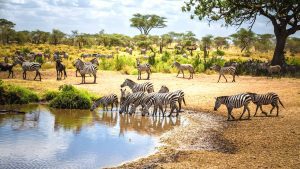
Many climbers combine Kilimanjaro with a safari. January and February pair perfectly with the migration calving season in the southern Serengeti, while July to October combines with the dry season and Mara River crossings. Rest for a night in Moshi or Arusha after your climb, then enjoy three to five memorable days on a private safari.
Kilimanjaro Weather and Climate Zones
Climbing Kilimanjaro takes you through several distinct climate zones, from warm rainforest to an arctic summit, so the weather changes dramatically on every climb, whatever the season. Understanding these zones helps you pack the right layers and know what to expect each day on the mountain. The cards below describe the cultivated land and rainforest, the heath and moorland, the alpine desert and the arctic summit zone, with typical conditions for each. Good layering is the key to staying comfortable from the first day to the summit. Weather on the mountain can change very quickly in any season.
Cultivated Land and Rainforest
The lower slopes of Kilimanjaro, from around 800 to 2,800 metres, are covered in farmland and lush montane rainforest. Temperatures are warm and humid, and this zone receives the most rainfall, especially from late March to May. Expect muddy trails in the rainy seasons and look out for black-and-white colobus monkeys, blue monkeys and colourful forest birds.
Heath and Moorland
Between around 2,800 and 4,000 metres, the forest gives way to heath and moorland, with giant heathers, lobelias and groundsels. Days are often sunny and pleasant, but nights become cold and frost is common. Cloud can roll in during the afternoon, so keep a warm layer and waterproof jacket in your daypack at all times.
Alpine Desert
From around 4,000 to 5,000 metres lies the alpine desert, a dry, rocky landscape with very little vegetation. Days can be hot in direct sun, while nights are often below freezing. Strong sun, wind and low humidity make sunscreen, sunglasses, lip balm and plenty of water essential as you approach high camp and prepare for the summit.
Arctic Summit Zone
Above 5,000 metres, the summit zone has glaciers, scree and very thin air. Summit night temperatures can drop to around minus ten to minus twenty degrees Celsius with wind chill, especially from June to August. A warm down jacket, insulated gloves, a warm hat and layered clothing are essential for the final push to Uhuru Peak.
Kilimanjaro Climb Planning Timeline
Planning your private Kilimanjaro climb around the best season is easier with a clear timeline, especially for the most popular months and full moon dates. This interactive checklist covers what to do six to twelve months before your climb, three months before, one month before and in the final week. Tick each step as you complete it and follow your progress with the bar, or print the list to keep safely with your passport and travel documents. Our mountain team also sends a detailed packing list and briefing to every climber once their private Kilimanjaro climb is confirmed.
6 to 12 Months Before0/5
3 Months Before0/5
1 Month Before0/5
Final Week0/5
Kilimanjaro Planning Guides
Best Time to Climb Kilimanjaro: FAQs
When is the best time to climb Kilimanjaro?
The best time is during the dry seasons, from late June to October and from late December to early March, when trails are drier, weather is more stable and summit views are clearest.
What is the best month to climb Kilimanjaro?
January, February, September and early October are excellent months, offering dry weather with fewer climbers than July and August. July and August are also great but busier and colder.
What is the worst time to climb Kilimanjaro?
April and May are the wettest months, with heavy rain, muddy trails, cloud and snow near the summit. Climbing is still possible, but it is harder and views are often limited.
Can you climb Kilimanjaro in the rainy season?
Yes. Experienced, well-prepared climbers can climb in the rainy season with good waterproof gear. The northern Rongai route and the hut-based Marangu route are sensible choices then.
How cold is it at the summit of Kilimanjaro?
Summit night temperatures can drop to around minus ten to minus twenty degrees Celsius with wind chill, especially from June to August. Warm layers and a down jacket are essential.
Is January a good time to climb Kilimanjaro?
Yes. January is warm and mostly dry, with clear mornings and good summit views. It is busy around New Year but quieter later in the month.
Is August too busy to climb Kilimanjaro?
August is the busiest month, but you can enjoy a quieter climb by choosing the Lemosho, Northern Circuit or Rongai route and booking well in advance.
Which Kilimanjaro route is best in the rainy season?
The Rongai route, on the drier northern side, and the Marangu route, which uses sleeping huts, are good choices in the rainy season.
What is a full moon climb on Kilimanjaro?
A full moon climb is timed so summit night falls on or near the full moon, lighting up the glaciers and trail. These dates are popular, so book well in advance.
Can I climb Kilimanjaro at Christmas or New Year?
Yes. The festive period falls in the warm dry season and is a popular time to climb, so book many months ahead and consider a quieter route.
How many days should I take to climb Kilimanjaro?
Seven to nine days is ideal for most climbers, allowing better acclimatisation and a higher chance of reaching the summit than shorter itineraries.
Can I combine Kilimanjaro with a safari?
Yes. January and February pair well with the calving season, and July to October with dry season game viewing and river crossings. Rest a night between the climb and safari.
How far in advance should I book a Kilimanjaro climb?
For peak months, full moon dates and the festive season, book six to twelve months ahead. Quieter months can often be arranged at shorter notice.
Does the weather change quickly on Kilimanjaro?
Yes. Weather can change quickly at any time of year, and each climate zone has different conditions. Pack layers and rain gear even in the dry seasons.
Plan Further: Kilimanjaro and Tanzania
Kilimanjaro Climbs
Combine With
Plan Your Private Kilimanjaro Climb
Tell us when you would like to climb, and our experienced local mountain team will recommend the best route and dates for your private, tailor-made Kilimanjaro climb.
Book Now Online →What Our Travelers Say
Real 5-star reviews from guests who traveled with us