Are K2 and Kilimanjaro the Same Mountain?
Are K2 and Kilimanjaro the Same Mountain?
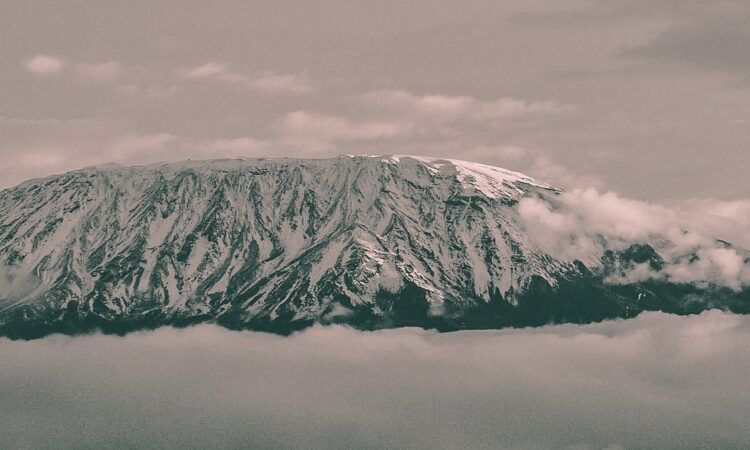
Many travelers, adventure seekers, and mountain climbing enthusiasts often ask, “Are K2 and Kilimanjaro the same mountain?” The simple answer is no. Although both are world-famous mountains and iconic trekking destinations, they are completely different in location, height, climate, difficulty, and climbing experience. Mount Kilimanjaro, located in Tanzania, is Africa’s tallest mountain and the highest free-standing mountain in the world. K2, found in the Karakoram, is the second-highest mountain on Earth and one of the most dangerous peaks to climb. Comparing K2 vs Kilimanjaro is common among hikers planning international mountain adventures. This detailed guide explains the major differences between these legendary mountains, including altitude, climbing difficulty, trekking routes, weather, success rates, scenery, wildlife, and why each peak attracts climbers from around the world.
K2 and Kilimanjaro Are Located on different continents
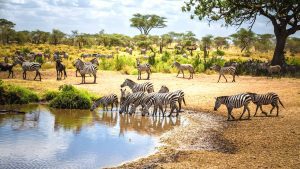
One of the biggest differences between K2 and Kilimanjaro is their geographical location. Mount Kilimanjaro is located in East Africa, within northern Tanzania near the Kenyan border. It rises dramatically above the savannah plains and is part of the famous Kilimanjaro National Park. K2, on the other hand, is located in Asia within the rugged Karakoram mountain range along the border between Pakistan and China. Because of these locations, the two mountains offer completely different landscapes, cultures, and trekking experiences. Travelers visiting Kilimanjaro often combine their climb with Tanzania safari tours in Serengeti and Ngorongoro Crater. Climbers attempting K2 usually prepare for an extreme Himalayan-style expedition in remote icy terrain. Their environments, ecosystems, and accessibility make them unique destinations for mountaineering and adventure tourism lovers worldwide.
Kilimanjaro Is Easier to Climb Than K2
When discussing mountain climbing difficulty, Kilimanjaro and K2 are worlds apart. Mount Kilimanjaro is considered a non-technical trekking mountain, meaning climbers do not need ropes, ice axes, or advanced mountaineering skills on standard routes. Thousands of beginners successfully reach Uhuru Peak every year using routes like Machame, Lemosho, and Marangu. K2 is dramatically more dangerous and difficult. It requires technical climbing experience, glacier travel knowledge, fixed rope skills, and extreme endurance. Harsh weather, avalanches, steep ice walls, and thin oxygen levels make K2 one of the deadliest mountains in the world. Many climbers spend years training before attempting K2. For travelers seeking their first high-altitude trekking experience, Kilimanjaro is ideal. K2 is better suited for elite mountaineers seeking one of Earth’s toughest and most extreme climbing challenges.
K2 Is Higher Than Kilimanjaro
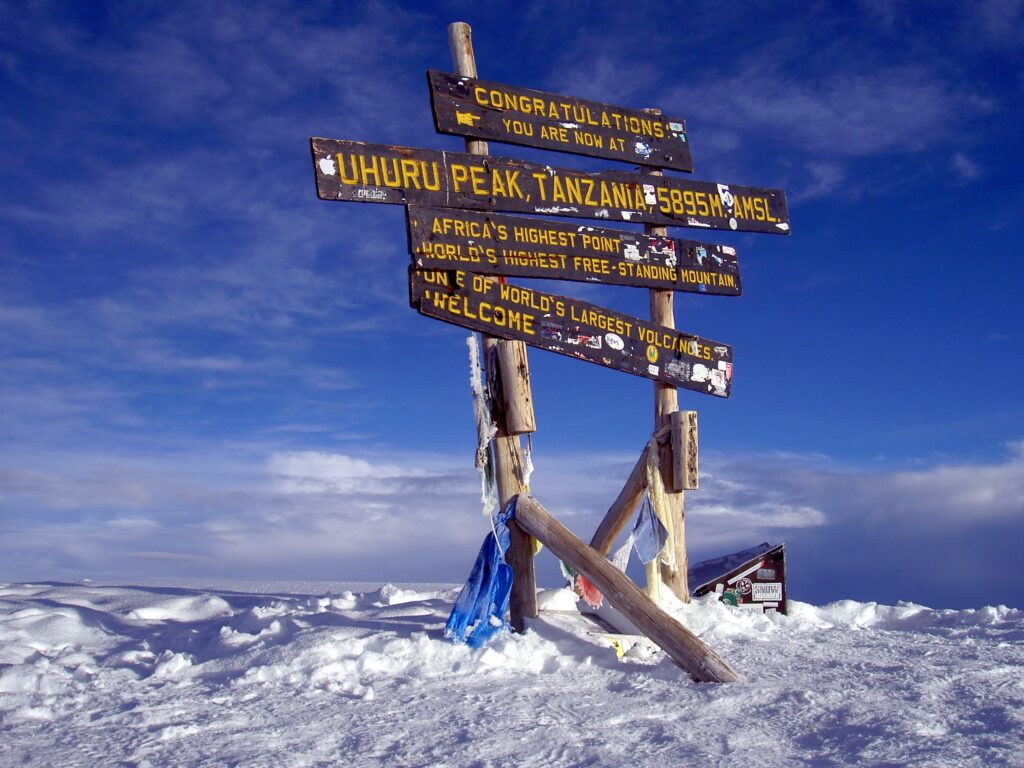
Altitude is another major difference between these iconic mountains. K2 stands at approximately 8,611 meters above sea level, making it the second-highest mountain in the world after Mount Everest. Mount Kilimanjaro reaches 5,895 meters, making it Africa’s highest peak, but significantly lower than K2. Even though Kilimanjaro is lower, altitude sickness can still affect climbers due to the rapid elevation gain. K2’s extreme altitude places it within the “death zone,” where oxygen levels become dangerously low for humans. Climbers on K2 often require supplemental oxygen and weeks of acclimatization. Kilimanjaro climbs usually take between five and nine days and do not require bottled oxygen. While both mountains challenge the human body, K2’s altitude creates a much more severe physical and mental test compared to the relatively accessible Kilimanjaro trekking experience in Tanzania.
Kilimanjaro is a volcano, while K2 Is Not
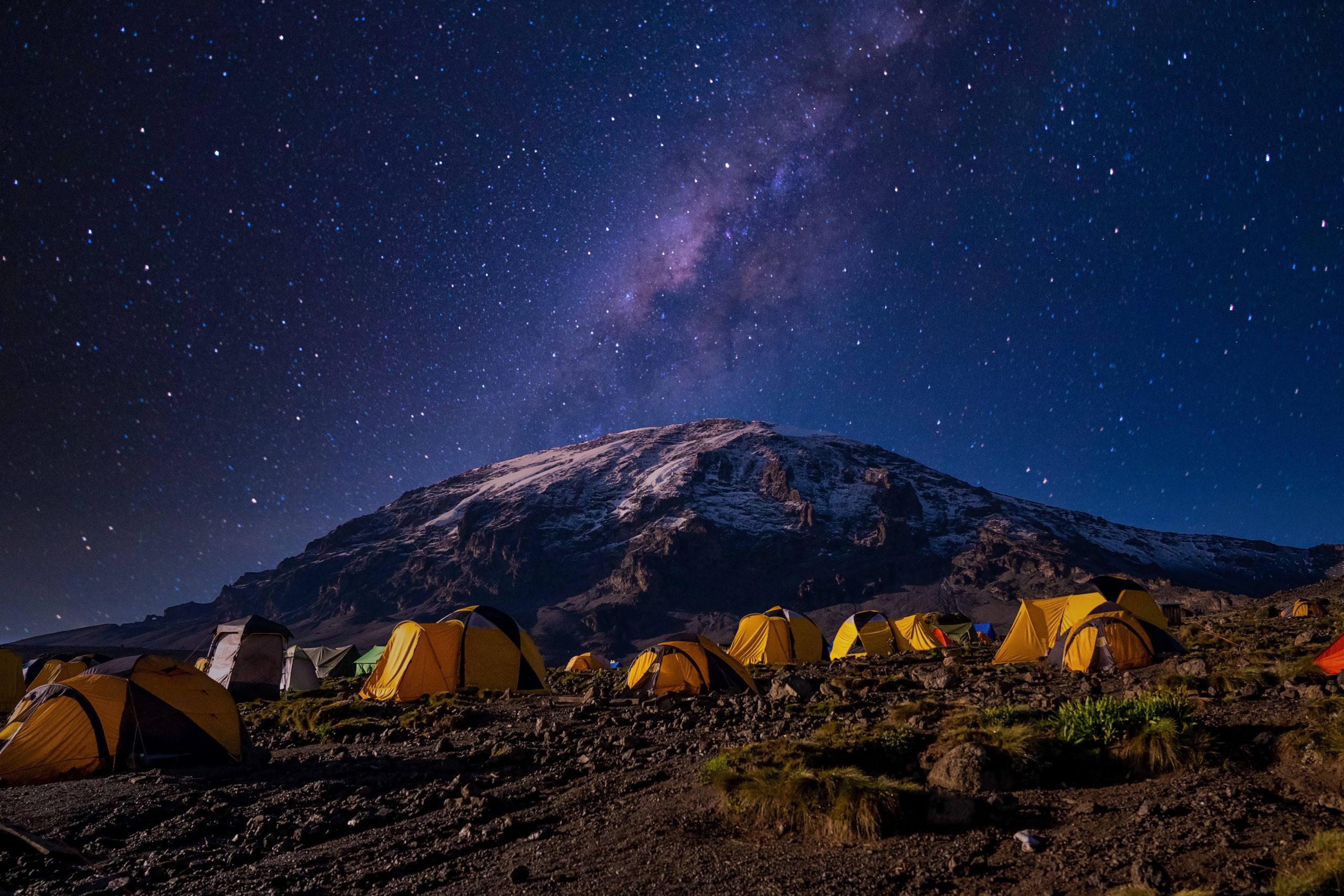
Mount Kilimanjaro is a dormant stratovolcano made up of three volcanic cones called Kibo, Mawenzi, and Shira. It was formed through volcanic activity millions of years ago and remains one of the world’s most famous volcanic mountains. K2 is not volcanic at all. Instead, it was formed through tectonic plate collisions that pushed sections of Earth’s crust upward into the mighty Karakoram range. Because Kilimanjaro is volcanic, trekkers experience diverse ecological zones ranging from rainforest and moorland to alpine desert and glaciers near the summit. K2’s terrain is dominated by rock, snow, glaciers, and steep icy slopes. This geological difference greatly shapes the climbing experience. Travelers on Kilimanjaro often enjoy scenic hiking trails and changing ecosystems, while K2 climbers navigate technical ice fields and dangerous high-altitude terrain in one of the harshest mountain environments on Earth.
The Climbing Experience Is Completely Different
The experience of climbing Kilimanjaro differs enormously from climbing K2. On Mount Kilimanjaro, trekkers walk through lush rainforest filled with monkeys and birds before entering heathland, alpine desert, and icy summit landscapes. Comfortable mountain camps, experienced guides, and established trekking routes make the adventure accessible to many travelers. K2 climbing is a true expedition requiring weeks in remote wilderness. Climbers cross glaciers, navigate dangerous crevasses, and survive freezing temperatures and unpredictable storms. Rescue operations on K2 are extremely difficult because of its remote location. Kilimanjaro climbs focus more on endurance and acclimatization, while K2 demands advanced technical mountaineering skills and survival expertise. For most adventure tourists, Kilimanjaro represents a life-changing trekking challenge. K2 represents the pinnacle of extreme climbing reserved for highly experienced mountaineers willing to face enormous physical and mental risks.
Weather Conditions on K2 Are Much Harsher
Weather plays a major role in distinguishing K2 from Mount Kilimanjaro. Kilimanjaro has tropical weather at lower elevations and cold alpine conditions near the summit. Climbers can choose from several trekking seasons, especially January to March and June to October, when conditions are relatively stable. K2 experiences brutally cold temperatures, violent storms, and powerful winds throughout much of the year. Snowfall and avalanches frequently threaten climbers. Temperatures on K2 can plunge far below freezing even during climbing season. Kilimanjaro’s climate is more manageable for tourists and beginner trekkers, although summit night remains physically demanding. K2’s unpredictable weather often forces expeditions to turn back even after weeks of preparation. The difference in climate explains why Kilimanjaro attracts tens of thousands of climbers annually, while only a limited number of highly trained mountaineers attempt K2 each climbing season in the Karakoram region.
Success Rates on Kilimanjaro Are Much Higher
Another important difference between these mountains involves summit success rates. Mount Kilimanjaro has a relatively high summit success rate, especially on longer routes such as Lemosho and Northern Circuit. Proper acclimatization, experienced guides, and gradual trekking help thousands of climbers successfully reach Uhuru Peak every year. K2 has one of the lowest success rates among major mountains because of its technical challenges and dangerous conditions. Many expeditions fail due to severe weather, exhaustion, avalanches, or altitude complications. Historically, K2 has had a very high fatality rate compared to other famous mountains. Kilimanjaro is often considered achievable for fit beginners with determination and preparation. K2 remains a dream reserved for expert climbers with years of mountaineering experience. These contrasting success rates show how different the two mountains truly are, despite both being globally recognized climbing destinations and adventure travel icons.
Wildlife and Scenery Around Kilimanjaro Are More Diverse
Travelers climbing Mount Kilimanjaro often enjoy incredible biodiversity and spectacular African scenery. Lower slopes contain lush rainforest filled with blue monkeys, colobus monkeys, colorful birds, and unique plants. The surrounding region also offers access to Tanzania safari experiences in nearby national parks. K2’s environment is far more barren and remote, dominated by glaciers, rocky valleys, and snow-covered peaks. Wildlife exists in the Karakoram region, but sightings are rare because of the extreme alpine environment. Kilimanjaro’s scenic variety makes it appealing not only to climbers but also to photographers, nature lovers, and eco-tourists. K2 attracts adventurers seeking dramatic icy landscapes and high-altitude mountaineering prestige. The beauty of both mountains is undeniable, yet the atmosphere around Kilimanjaro feels more welcoming and accessible, while K2 embodies isolation, danger, and the raw power of nature in one of the world’s wildest mountain regions.
Kilimanjaro Is More Popular for Adventure Tourism
In global adventure tourism, Mount Kilimanjaro is far more accessible and commercially popular than K2. Thousands of international travelers visit Tanzania annually to climb Kilimanjaro because it offers a manageable high-altitude challenge without requiring technical climbing skills. Tour operators provide guided climbs, porters, accommodation, and logistics that make planning easier. K2 expeditions are expensive, time-consuming, and physically dangerous. They often involve specialized mountaineering teams, extensive permits, and complex expedition support. Kilimanjaro also appeals to charity climbers, solo travelers, honeymoon adventurers, and first-time trekkers. K2 primarily attracts elite alpinists aiming to conquer one of the world’s most feared mountains. Because of its accessibility, scenic routes, and strong tourism infrastructure, Kilimanjaro remains one of the best trekking destinations in Africa. K2, meanwhile, retains a legendary reputation as one of mountaineering’s ultimate tests of courage and endurance.
Both Mountains Hold Legendary Status
Although K2 and Mount Kilimanjaro are very different, both mountains hold legendary status in the world of adventure travel and mountaineering. Kilimanjaro symbolizes achievement, inspiration, and African exploration. Many climbers dream of standing on Uhuru Peak to witness sunrise above the clouds over Tanzania’s vast landscapes. K2 symbolizes extreme ambition and elite mountaineering excellence. Reaching its summit is considered one of the greatest accomplishments in high-altitude climbing history. Both mountains inspire documentaries, travel stories, and bucket-list adventures. Climbers from around the world train physically and mentally to experience these iconic peaks. Whether someone chooses Kilimanjaro for its scenic trekking routes or K2 for its technical climbing prestige, each mountain offers unforgettable experiences and life-changing memories. Their global recognition highlights humanity’s enduring fascination with towering natural wonders and the challenge of reaching the highest places on Earth.
Which Mountain Should You Choose?
Choosing between K2 and Mount Kilimanjaro depends entirely on your experience, goals, and adventure style. If you are a beginner trekker searching for an unforgettable hiking experience, Kilimanjaro is the better option. It combines breathtaking scenery, African wildlife, cultural encounters, and a realistic chance of reaching the summit. Climbers can enjoy professional support, comfortable trekking routes, and incredible landscapes throughout the journey. K2 is suitable only for experienced mountaineers with advanced climbing skills and expedition experience. Attempting K2 requires intense preparation, technical expertise, and acceptance of serious risks. Many adventure travelers choose Kilimanjaro as their introduction to high-altitude trekking before considering more difficult mountains later in life. Both mountains are iconic, but their audiences differ greatly. Kilimanjaro welcomes determined adventurers from many backgrounds, while K2 remains a mountain for elite climbers seeking one of the world’s greatest challenges.
Final Thought
So, are K2 and Kilimanjaro the same mountain? Absolutely not. They differ in continent, altitude, geology, climate, climbing difficulty, scenery, and overall experience. Mount Kilimanjaro is Africa’s famous volcanic trekking mountain known for accessible routes, beautiful ecosystems, and life-changing summit adventures. K2 is an extreme technical peak in the Karakoram range, respected as one of the most dangerous mountains on Earth. Both mountains capture the imagination of travelers and climbers worldwide, yet they serve very different purposes in the adventure travel world. Whether you dream of trekking through Kilimanjaro’s rainforest trails or conquering K2’s icy slopes, each mountain offers a unique story and unforgettable achievement. Understanding their differences helps travelers choose the adventure that best matches their goals, experience, and passion for exploring the world’s most spectacular mountain landscapes
Are K2 and Kilimanjaro the Same Mountain?: FAQs
What can you expect from K2 and Kilimanjaro are located on different continents?
One of the biggest differences between K2 and Kilimanjaro is their geographical location. Mount Kilimanjaro is located in East Africa, within northern Tanzania near the Kenyan border. It rises dramatically above the savannah plains and is part of the famous Kilimanjaro National Park. K2, on the other hand, is located in Asia within the rugged Karakoram mountain range along the border between Pakistan and China.
What should you know about Kilimanjaro is easier to climb than K2?
When discussing mountain climbing difficulty, Kilimanjaro and K2 are worlds apart. Mount Kilimanjaro is considered a non-technical trekking mountain, meaning climbers do not need ropes, ice axes, or advanced mountaineering skills on standard routes. Thousands of beginners successfully reach Uhuru Peak every year using routes like Machame, Lemosho, and Marangu.
What can you expect from K2 is Higher than Kilimanjaro?
Altitude is another major difference between these iconic mountains. K2 stands at approximately 8,611 meters above sea level, making it the second-highest mountain in the world after Mount Everest. Mount Kilimanjaro reaches 5,895 meters, making it Africa’s highest peak, but significantly lower than K2. Even though Kilimanjaro is lower, altitude sickness can still affect climbers due to the rapid elevation gain.
What should you know about Kilimanjaro is a volcano, while K2 is not?
Mount Kilimanjaro is a dormant stratovolcano made up of three volcanic cones called Kibo, Mawenzi, and Shira. It was formed through volcanic activity millions of years ago and remains one of the world’s most famous volcanic mountains. K2 is not volcanic at all. Instead, it was formed through tectonic plate collisions that pushed sections of Earth’s crust upward into the mighty Karakoram range.
What is the the climbing experience is completely different on Kilimanjaro like?
The experience of climbing Kilimanjaro differs enormously from climbing K2. On Mount Kilimanjaro, trekkers walk through lush rainforest filled with monkeys and birds before entering heathland, alpine desert, and icy summit landscapes. Comfortable mountain camps, experienced guides, and established trekking routes make the adventure accessible to many travelers.
What is the weather conditions on K2 are much Harsher on Kilimanjaro like?
Weather plays a major role in distinguishing K2 from Mount Kilimanjaro. Kilimanjaro has tropical weather at lower elevations and cold alpine conditions near the summit. Climbers can choose from several trekking seasons, especially January to March and June to October, when conditions are relatively stable.
What is the wildlife and scenery around Kilimanjaro are more diverse like?
Travelers climbing Mount Kilimanjaro often enjoy incredible biodiversity and spectacular African scenery. Lower slopes contain lush rainforest filled with blue monkeys, colobus monkeys, colorful birds, and unique plants. The surrounding region also offers access to Tanzania safari experiences in nearby national parks. K2’s environment is far more barren and remote, dominated by glaciers, rocky valleys, and snow-covered peaks.
What can you expect from Kilimanjaro is more popular for adventure tourism?
In global adventure tourism, Mount Kilimanjaro is far more accessible and commercially popular than K2. Thousands of international travelers visit Tanzania annually to climb Kilimanjaro because it offers a manageable high-altitude challenge without requiring technical climbing skills. Tour operators provide guided climbs, porters, accommodation, and logistics that make planning easier.
Climb Kilimanjaro With Confidence
Tell us your dates and fitness, and our experienced mountain team will plan a safe, well-acclimatized private climb.