Accommodation on Mount Kilimanjaro Camps
Accommodation on Mount Kilimanjaro Camps
Accommodation on Mount Kilimanjaro plays a vital role in every successful climb of Africa’s highest peak. Whether you choose the popular Machame Route, Marangu Route, Lemosho Route, or Rongai Route, your overnight stays will be in mountain huts or designated camping campsites located across different ecological zones. These Kilimanjaro camps and huts provide essential shelter, rest, and acclimatization opportunities for climbers facing high altitude conditions. From lush rainforest camps like Mandara Hut to icy high-altitude bases such as Barafu Camp, each accommodation point is strategically positioned for safety and summit success. Understanding Kilimanjaro accommodation, camping facilities, mountain huts, and trekking camps is crucial for planning, packing, and choosing the best route. This guide explores all major Kilimanjaro camps and huts used during the climb in detail.
Mandara Hut (Rainforest Base Camp)
Mandara Hut is the first major accommodation stop on the Marangu Route, located in the lush rainforest zone of Mount Kilimanjaro at around 2,700 meters. This Kilimanjaro hut accommodation is known for wooden sleeping huts, shared bunk beds, and basic dining facilities. It offers a comfortable introduction to mountain trekking life with mild temperatures and dense forest surroundings. Climbers often see monkeys, tropical birds, and unique vegetation around Mandara Camp. As one of the most popular Kilimanjaro accommodation huts, it is ideal for beginners. Facilities include clean water, ranger services, and basic toilets. Mandara Hut is often used as an acclimatization stop before moving higher up the mountain toward Horombo Hut. It is a key part of the Kilimanjaro trekking accommodation system.
Horombo Hut (Mid-Altitude Accommodation Hub)
Horombo Hut is a major Kilimanjaro accommodation point located at approximately 3,720 meters on the Marangu Route. It serves as a critical acclimatization camp for climbers heading toward the summit of Mount Kilimanjaro. This mountain hut offers dormitory-style wooden sleeping cabins, communal dining halls, and basic but reliable facilities. Many trekkers spend an extra night here to reduce altitude sickness risks. The surrounding landscape transitions from moorland to alpine desert views, making Horombo Hut a scenic resting place. It is one of the busiest Kilimanjaro huts due to its importance in altitude adjustment. Amenities include clean water supply, toilets, and ranger stations. Horombo Hut is essential for safe and successful Kilimanjaro summit preparation and is widely referenced in Kilimanjaro trekking itineraries.
Kibo Hut (Summit Base Camp)
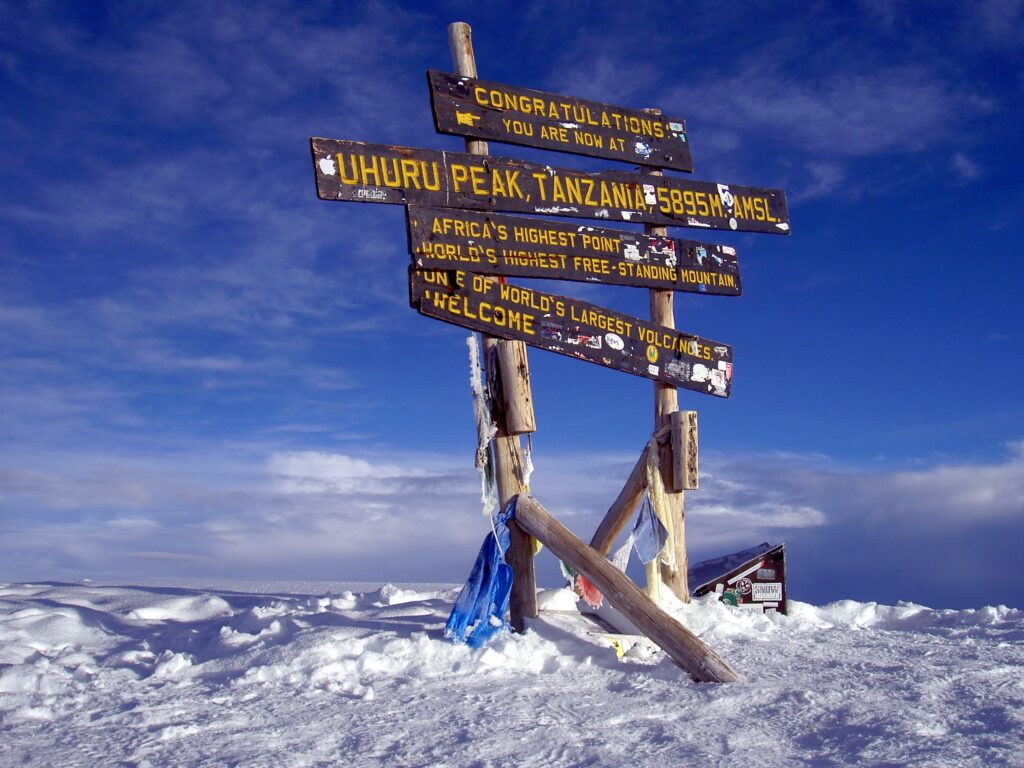
Kibo Hut is the final accommodation point before the summit push to Uhuru Peak, located at about 4,700 meters. This Kilimanjaro camp is stark, cold, and extremely basic, reflecting the high-altitude desert environment. Climbers rest here before beginning the midnight summit attempt. Accommodation is dormitory-style with simple wooden bunks and limited facilities. Oxygen levels are significantly lower, making acclimatization critical. Kibo Hut is a key milestone in all Kilimanjaro trekking routes, such as the Marangu and Rongai variations. There is no running water, and temperatures drop well below freezing at night. Despite its harsh conditions, Kibo Hut is essential for summit success. It represents the final staging point before reaching Uhuru Peak, the highest point in Africa.
Mti Mkubwa Camp (Big Tree Camp)
Mti Mkubwa Camp, meaning “Big Tree Camp,” is the first campsite on the Lemosho Route and one of the most scenic Kilimanjaro forest camps. Located in the rainforest zone, it is surrounded by giant trees, moss-covered vegetation, and rich biodiversity. This Kilimanjaro camping site offers basic tent accommodation set up by guides and porters. Climbers experience a true wilderness environment here with the natural sounds of birds and wildlife. Mti Mkubwa is important for initial acclimatization and introduces trekkers to multi-day camping life on Mount Kilimanjaro. Facilities are simple, including portable toilets and designated cooking areas. It is one of the most peaceful and less crowded Kilimanjaro camps, ideal for those choosing longer, scenic routes like Lemosho.
Shira 1 & Shira 2 Camps
Shira 1 and Shira 2 Camps are located on the Shira Plateau and are key acclimatization points on the Lemosho and Machame routes. These high-altitude Kilimanjaro camps offer breathtaking views of the mountain and the surrounding landscapes. The terrain shifts from forest to alpine moorland, giving climbers their first real exposure to thinner air conditions. Accommodation is in expedition tents, fully managed by trekking crews. Shira Camp 2, in particular, is more commonly used for overnight stays due to better acclimatization benefits. These camps are known for wide open skies, dramatic sunsets, and volcanic scenery. Facilities remain basic, with portable toilets and cooking tents. Shira Camps are essential for gradual altitude gain and improving summit success rates on Mount Kilimanjaro.
Moir Hut (Remote Acclimatization Camp)
Moir Hut is one of the least crowded and most remote Kilimanjaro accommodation points, located on the northern slopes of the mountain. It is mainly used on the Lemosho Route and offers excellent acclimatization opportunities. Climbers can take short hikes from Moir Hut to higher elevations before returning to sleep, helping reduce altitude sickness risks. Accommodation is in tents set up by porters, with minimal facilities but high scenic value. The landscape is dry and volcanic, creating a unique trekking experience. Moir Hut is ideal for climbers seeking quieter Kilimanjaro camping routes away from heavy traffic. It is a strategic stop that significantly improves summit preparation due to its elevation and isolation.
Lava Tower Camp (Acclimatization High Point)
Lava Tower Camp sits at around 4,600 meters and is one of the most important acclimatization stops on Mount Kilimanjaro. Although many climbers do not sleep here, it is used as a key resting and altitude training point. The camp is surrounded by dramatic volcanic rock formations, giving it a unique Mars-like appearance. Accommodation is in temporary expedition tents. Climbers often experience the “climb high, sleep low” strategy here before descending to Barranco Camp. Lava Tower is critical for reducing altitude sickness risk and improving summit success rates. The environment is harsh, cold, and windy, but essential for adaptation to high-altitude Kilimanjaro conditions.
Barranco Camp (Scenic Valley Camp)
Barranco Camp is one of the most beautiful Kilimanjaro camps, located in a dramatic valley below the famous Barranco Wall. It is part of the Machame, Lemosho, and Umbwe routes. The camp is known for its giant senecio plants and stunning sunrise views. Accommodation is in expedition tents arranged by trekking teams. Barranco Camp is a favorite among climbers due to its scenic setting and relatively sheltered environment. It is also an important acclimatization stop before climbing the challenging Barranco Wall. Facilities include portable toilets and designated dining areas. Many trekkers describe Barranco as one of the most memorable Kilimanjaro accommodation experiences.
Karanga Camp (Final Acclimatization Stop)
Karanga Camp is the last major stop before Barafu Summit Camp, located at around 3,995 meters. It plays a crucial role in acclimatization and rest before the final ascent. This Kilimanjaro camping site is often cold and windy, with basic tent accommodation provided by trekking crews. Climbers usually arrive after descending from Barranco Wall. Karanga Camp is important for hydration, rest, and preparation for summit night. It is part of the Machame Route’s strategic acclimatization structure. Facilities are minimal but functional, with portable toilets and cooking tents. Karanga is a short but essential stop in the Kilimanjaro climbing journey.
Barafu Camp (Summit Base Camp)
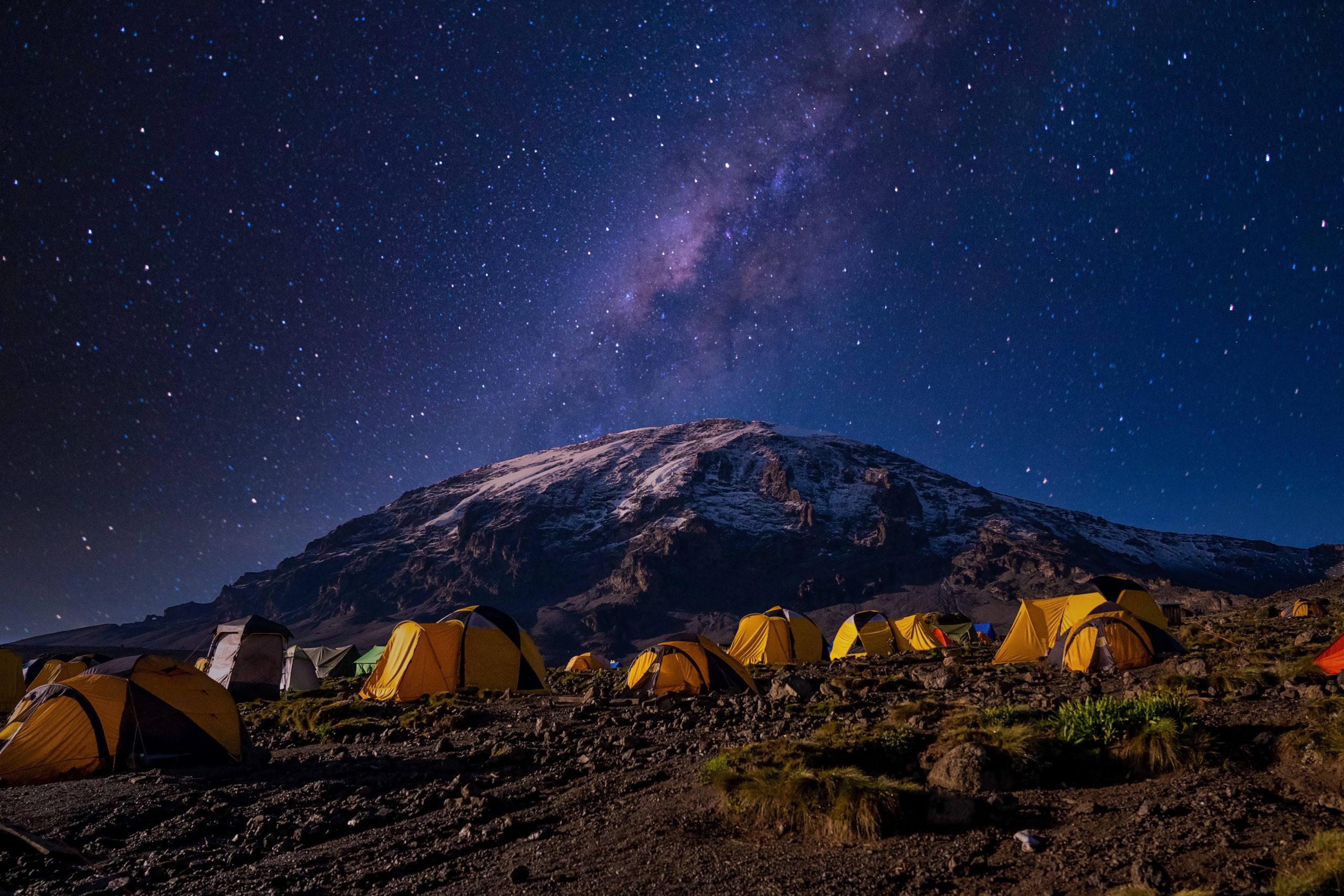
Barafu Camp is the most important high-altitude base camp on Mount Kilimanjaro, located at about 4,673 meters. It is the final resting point before the summit attempt to Uhuru Peak. The word “Barafu” means ice in Swahili, reflecting the extremely cold conditions. Accommodation is in expedition tents arranged closely together on rocky ground. Climbers usually rest here for a few hours before beginning the midnight summit climb. The camp is exposed, windy, and very cold, with limited oxygen levels. Despite harsh conditions, Barafu Camp is essential for summit success and is a core part of Kilimanjaro trekking logistics.
School Hut (Rare Route Accommodation)
School Hut is a lesser-used Kilimanjaro accommodation point located near Kibo Hut on the Marangu Route. It serves as an alternative staging area for summit preparation. Accommodation is basic, with wooden bunks and shared facilities. Climbers staying here are already in a high-altitude environment close to the summit zone. School Hut is often used for rest and final preparation before the push to Uhuru Peak. Conditions are cold, and oxygen levels are very low. It is an important but less common part of Kilimanjaro hut accommodation systems.
Crater Camp (Extreme High-Altitude Camping)
Crater Camp is one of the most extreme and rare accommodation experiences on Mount Kilimanjaro, located inside the volcanic crater near the summit. It sits at over 5,700 meters and is only recommended for highly experienced climbers. Conditions are harsh, with freezing temperatures and very low oxygen levels. Accommodation is in expedition tents with minimal comfort. However, it offers unique views of glaciers and volcanic formations. Crater Camp is not part of standard routes and requires special permits and guides. It is considered one of the most challenging Kilimanjaro camping experiences.
Millennium Camp (Machame Route Stop)
Millennium Camp is a lower-altitude forest camp on the Machame Route, located around 3,800 meters. It is often used as an overnight stop before or after Barranco Camp, depending on the itinerary design. The camp is surrounded by thick vegetation and offers relatively sheltered accommodation. Tents are set up by porters, and facilities include basic toilets and cooking areas. Millennium Camp is known for its peaceful environment and good acclimatization benefits. It plays an important role in balancing altitude gain during the Kilimanjaro trek.
Camping vs Hut Accommodation on Kilimanjaro
Accommodation on Mount Kilimanjaro is divided into two main systems: hut accommodation and camping. The Marangu Route offers mountain huts like Mandara, Horombo, and Kibo, providing dormitory-style lodging. Other routes, such as Machame, Lemosho, and Rongai, use camping systems with expedition tents. Camping offers more flexibility, scenic routes, and better acclimatization opportunities, while huts provide more structure and shelter. Both systems are basic, with no luxury hotel-style facilities. Choosing between them depends on budget, comfort preference, and trekking experience. Camping is more popular for modern Kilimanjaro expeditions.
Facilities in Kilimanjaro Camps
Facilities in Kilimanjaro camps are basic but functional to support high-altitude trekking. Most camps provide portable toilets, dining tents, and sleeping arrangements either in huts or expedition tents. Water is often carried from lower elevations or treated at campsites. Electricity is not available, and charging devices is usually done in Arusha or Moshi before the climb. Meals are prepared by mountain cooks and served in communal dining areas. Hygiene conditions vary depending on altitude and route. Despite simplicity, these facilities are designed to ensure safety, warmth, and survival in extreme mountain conditions.
Booking, Routes & Best Time for Kilimanjaro Accommodation
Booking Kilimanjaro accommodation is usually included in full trekking packages arranged by licensed tour operators. Prices vary depending on route, duration, and level of service. The best time to experience Kilimanjaro camps is during the dry seasons from June to October and December to March. Popular routes such as Machame, Lemosho, and Marangu determine the type of accommodation used. Early booking is recommended due to high demand for Kilimanjaro climbs. Proper planning ensures the availability of campsites, guides, and porters for a safe summit experience.
Final Thought
Accommodation on Mount Kilimanjaro is not about luxury but about survival, adventure, and gradual acclimatization to extreme altitude. From rainforest huts like Mandara to high-altitude camps like Barafu, each stop plays a critical role in summit success. Understanding Kilimanjaro camps, trekking huts, and camping systems helps climbers prepare mentally and physically for the journey. Every camp tells part of the mountain’s story, shaping an unforgettable experience on Africa’s highest peak.
Accommodation on Mount Kilimanjaro Camps: FAQs
What is Mandara Hut (Rainforest Base Camp) like?
Mandara Hut is the first major accommodation stop on the Marangu Route, located in the lush rainforest zone of Mount Kilimanjaro at around 2,700 meters. This Kilimanjaro hut accommodation is known for wooden sleeping huts, shared bunk beds, and basic dining facilities. It offers a comfortable introduction to mountain trekking life with mild temperatures and dense forest surroundings.
What is Kibo Hut (Summit Base Camp) like?
Kibo Hut is the final accommodation point before the summit push to Uhuru Peak, located at about 4,700 meters. This Kilimanjaro camp is stark, cold, and extremely basic, reflecting the high-altitude desert environment. Climbers rest here before beginning the midnight summit attempt. Accommodation is dormitory-style with simple wooden bunks and limited facilities.
What is Shira 1 & Shira 2 Camps like?
Shira 1 and Shira 2 Camps are located on the Shira Plateau and are key acclimatization points on the Lemosho and Machame routes. These high-altitude Kilimanjaro camps offer breathtaking views of the mountain and the surrounding landscapes. The terrain shifts from forest to alpine moorland, giving climbers their first real exposure to thinner air conditions.
What is Lava Tower Camp (Acclimatization High Point) like?
Lava Tower Camp sits at around 4,600 meters and is one of the most important acclimatization stops on Mount Kilimanjaro. Although many climbers do not sleep here, it is used as a key resting and altitude training point. The camp is surrounded by dramatic volcanic rock formations, giving it a unique Mars-like appearance.
What is Karanga Camp (Final Acclimatization Stop) like?
Karanga Camp is the last major stop before Barafu Summit Camp, located at around 3,995 meters. It plays a crucial role in acclimatization and rest before the final ascent. This Kilimanjaro camping site is often cold and windy, with basic tent accommodation provided by trekking crews.
What is School Hut (Rare Route Accommodation) like?
School Hut is a lesser-used Kilimanjaro accommodation point located near Kibo Hut on the Marangu Route. It serves as an alternative staging area for summit preparation. Accommodation is basic, with wooden bunks and shared facilities. Climbers staying here are already in a high-altitude environment close to the summit zone.
What is Millennium Camp (Machame Route Stop) like?
Millennium Camp is a lower-altitude forest camp on the Machame Route, located around 3,800 meters. It is often used as an overnight stop before or after Barranco Camp, depending on the itinerary design. The camp is surrounded by thick vegetation and offers relatively sheltered accommodation. Tents are set up by porters, and facilities include basic toilets and cooking areas.
What is Facilities in Kilimanjaro Camps like?
Facilities in Kilimanjaro camps are basic but functional to support high-altitude trekking. Most camps provide portable toilets, dining tents, and sleeping arrangements either in huts or expedition tents. Water is often carried from lower elevations or treated at campsites. Electricity is not available, and charging devices is usually done in Arusha or Moshi before the climb.
Climb Kilimanjaro With Confidence
Tell us your dates and fitness, and our experienced mountain team will plan a safe, well-acclimatized private climb.