Reasons to Choose the Wet Season for your Tanzania Safari
Reasons to Choose the Wet Season for your Tanzania Safari
The wet season in Tanzania, often called the “green season safari,” is one of the most underrated yet rewarding times to explore East Africa. From November to May, landscapes transform into lush, vibrant scenery, creating perfect conditions for photography, birdwatching, and peaceful wildlife encounters. While many travelers focus on the dry season, the wet season offers unique advantages such as fewer crowds, lower safari prices, dramatic skies, and newborn wildlife. Destinations like the Serengeti National Park, Ngorongoro Conservation Area, and Tarangire National Park become greener, quieter, and more intimate. This season is ideal for travelers seeking authentic safari experiences, budget-friendly Tanzania safari packages, and exceptional wildlife photography opportunities.
Lush Green Landscapes for Stunning Photography
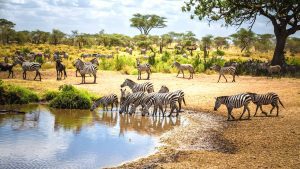
During the Tanzania safari wet season, the landscapes transform into a lush green paradise, making it one of the most visually rewarding times for photography. The green season safari in Tanzania brings fresh grasslands, blooming wildflowers, and dramatic contrasts across iconic destinations such as Serengeti National Park and Ngorongoro Crater. Photographers love this period because vibrant colors enhance wildlife images and create postcard-perfect scenery. Rivers and waterholes are full, reflecting the sky and surrounding vegetation. The atmosphere feels alive, fresh, and untouched, offering a completely different perspective from the dry season safari experience. This is also the best time for nature lovers seeking dramatic landscapes, soft lighting, and fewer dust conditions. Every frame captures raw beauty, making it ideal for travel bloggers and safari photographers around the world today.
Lower Safari Prices and Budget-Friendly Packages
One of the biggest advantages of choosing the Tanzania safari wet season is significantly lower safari prices, making it ideal for budget travelers and luxury seekers alike. During the green season safari in Tanzania, many lodges and camps reduce their rates, offering affordable safari packages without compromising quality. This is the best time for cheap safari deals in Serengeti National Park, Ngorongoro Crater, and Tarangire National Park. Tour operators also provide seasonal discounts and customized itineraries. Flights and accommodations are more flexible, giving visitors more value for money. Budget safari Tanzania experiences become more accessible, allowing guests to enjoy premium wildlife encounters at reduced costs. Even luxury safari lodges offer special promotions, making it a perfect high-end safari experience at lower prices and seasonal deals.
Fewer Tourists and Private Safari Experience
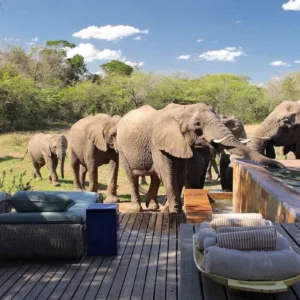
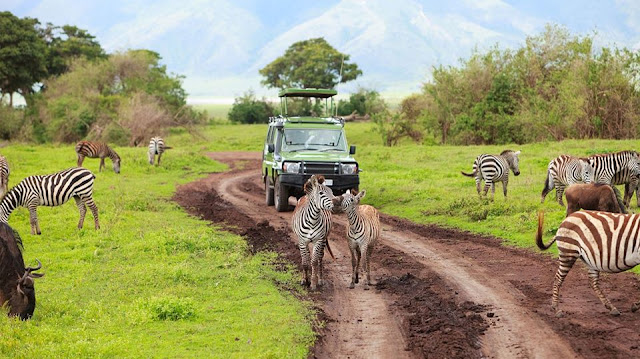
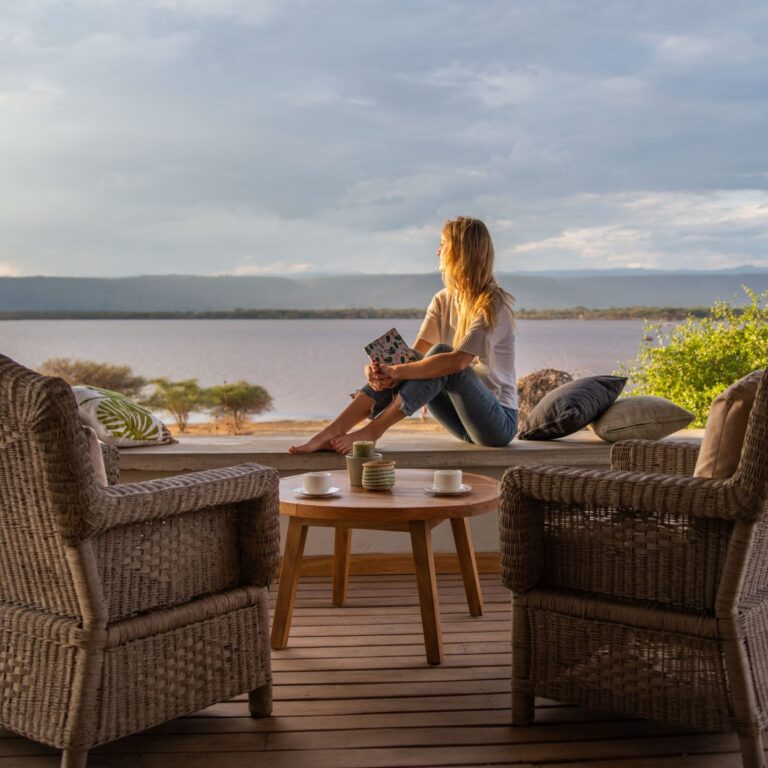
Choosing the Tanzania safari wet season offers travelers a rare opportunity to enjoy fewer tourists and a more private safari experience across top destinations like Serengeti National Park and Ngorongoro Crater. The green season safari in Tanzania ensures quieter game drives, less crowded viewpoints, and uninterrupted wildlife sightings. Tourists can enjoy personalized safari experiences with fewer vehicles at sightings, making wildlife encounters more natural and immersive. This season is perfect for travelers who prefer peaceful safaris, uninterrupted photography, and a deeper connection with nature. Luxury safari lodges and tented camps also offer enhanced privacy during the low tourist season, making it ideal for honeymooners and solo travelers. Safari guides provide more attention, ensuring safe and memorable wildlife experiences for every guest each year.
Incredible Birdwatching Opportunities
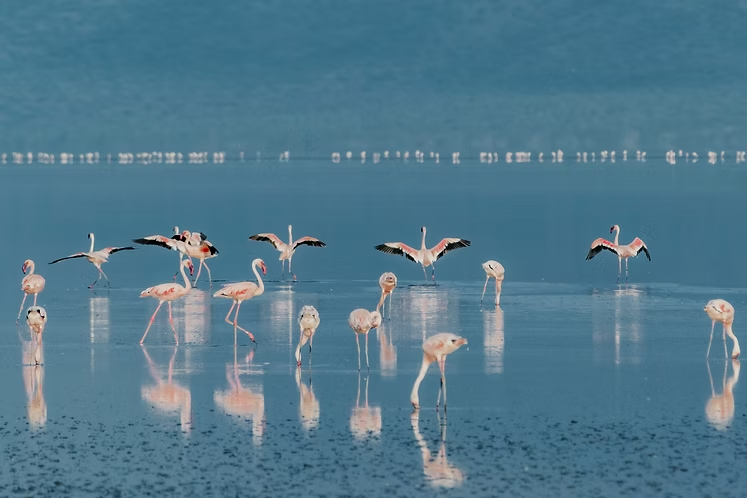
The Tanzania safari wet season is one of the best times for incredible birdwatching opportunities, attracting bird enthusiasts worldwide to explore biodiversity in Serengeti National Park, Lake Manyara, and Ngorongoro Crater. During the green season safari in Tanzania, migratory birds arrive in large numbers, creating vibrant scenes filled with color and sound. This season is ideal for spotting rare species, nesting birds, and migratory flocks not commonly seen during the dry season safari period. Birdwatching safaris offer photographers exceptional chances to capture unique bird species in natural habitats. Early morning and late afternoon game drives offer the best birding visibility with green backgrounds enhancing photography results. This makes Tanzania a top destination for birdwatching safari tours and eco-tourism travel experiences.
Baby Animals and Calving Season Wildlife
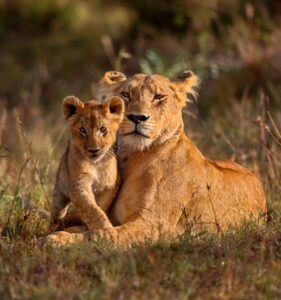
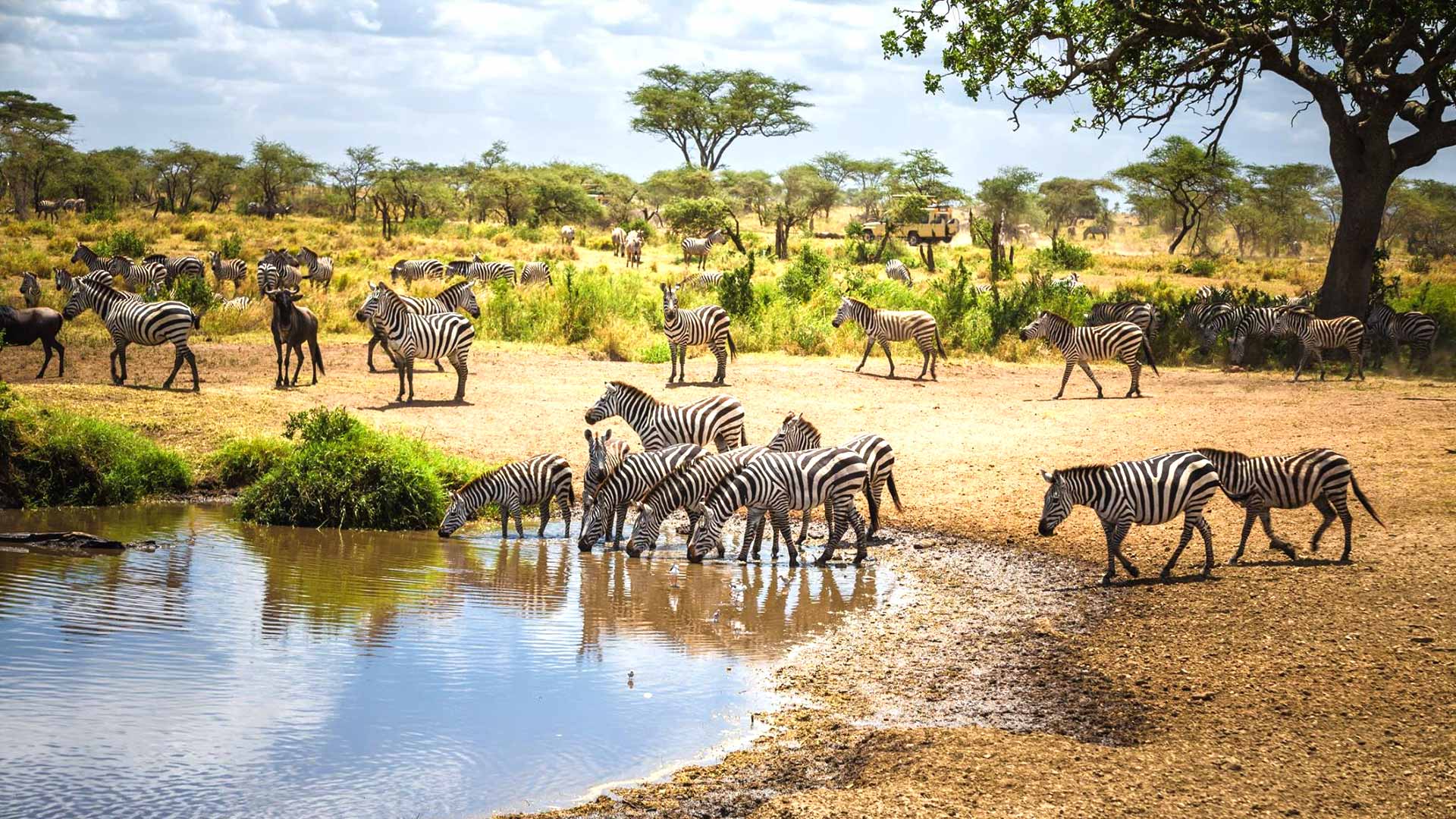
The Tanzania safari wet season is famous for baby animals and calving season wildlife, especially in Serengeti National Park, where thousands of wildebeest and zebras give birth. This natural event attracts predators and creates dramatic wildlife interactions across the plains. The green season safari in Tanzania offers unique opportunities to witness newborn animals taking their first steps, feeding, and bonding with herds. Wildlife enthusiasts enjoy close encounters with lion cubs, elephant calves, and antelope births, making it one of the most exciting safari seasons in East Africa. The abundance of food and water supports strong wildlife activity, increasing chances of predator-prey interactions. This period is a highlight for safari photography, offering rare and emotional wildlife moments across Tanzania’s national parks.
A general guide: the herds follow the rains.
Dramatic Skies and Stunning Sunset Views
The Tanzania safari wet season brings dramatic skies and breathtaking sunset views, making every safari moment visually unforgettable. The green season safari in Tanzania is known for powerful cloud formations, lightning displays, and colorful horizons that enhance photography opportunities. In Serengeti National Park and Ngorongoro Crater, sunsets become more vivid due to moisture in the air, creating golden and red tones across the savannah. Travelers enjoy peaceful evenings after game drives, watching wildlife silhouettes against glowing skies. This season also enhances landscape photography, offering contrast between green plains and dramatic weather conditions. For safari lovers seeking emotional and cinematic scenery, the wet season provides unmatched visual beauty. It is one of the most romantic and inspiring times for a Tanzania safari experience.
Best Time for Safari Photography Tours
The Tanzania safari wet season is considered one of the best times for safari photography tours due to its vibrant landscapes and dramatic lighting. The green season safari in Tanzania provides photographers with lush backgrounds, active wildlife behavior, and fewer tourist distractions. Serengeti National Park safari photography becomes especially rewarding with migrating herds and newborn animals. Ngorongoro Crater offers misty mornings and rich colors that enhance image depth. This season is ideal for professional photographers and travel influencers seeking unique content. Soft light conditions during mornings and evenings create perfect exposure opportunities. Wildlife is also more active, increasing the chances of capturing rare moments. Overall, the wet season delivers some of the most artistic and high-quality safari photography experiences in Africa.
Fewer Crowds at Iconic Tanznaia Safari Destinations
The Tanzania safari wet season offers fewer crowds at iconic safari destinations, making travel more peaceful and enjoyable. Popular locations such as Serengeti National Park, Ngorongoro Crater, and Tarangire National Park become less busy, allowing visitors to experience nature without interruption. The green season safari in Tanzania is ideal for travelers who want solitude and a deeper wildlife connection. Game drives feel more exclusive, with fewer safari vehicles competing for wildlife viewing spots. This enhances photography, storytelling, and the overall safari experience. Luxury lodges also offer more space and personalized service during this period. Travelers can explore major attractions at their own pace, making it perfect for relaxation and immersive wildlife encounters. This quiet season provides a true sense of African wilderness authenticity.
- ArushaGateway
- TarangireElephants
- NgorongoroCrater
- SerengetiBig Five
- ZanzibarBeach
Tanzaniai Migratory Wildlife Movement Patterns
The Tanzania safari wet season reveals fascinating migratory wildlife movement patterns across ecosystems. During the green season safari in Tanzania, herds move dynamically in search of fresh grazing areas, especially within Serengeti National Park. This period is closely linked with the Great Migration cycle, where wildebeest and zebras follow rainfall patterns. Ngorongoro Crater also experiences increased wildlife activity due to abundant water sources. Predators follow these movements, creating exciting safari viewing opportunities. Travelers witness natural survival instincts as animals adapt to seasonal changes. This dynamic movement offers unique photography and safari storytelling moments. Understanding migratory patterns enhances the overall safari experience, making the wet season a valuable time for wildlife enthusiasts and researchers exploring Tanzania’s rich ecosystems.
Beautiful Tanzania Waterfalls and Scenic Rivers
The Tanzania safari wet season brings beautiful waterfalls and scenic rivers to life, creating stunning natural attractions. The green season safari in Tanzania fills rivers, streams, and waterfalls across regions like Arusha, Kilimanjaro, and northern safari circuits. Materuni Waterfall becomes especially powerful and picturesque during this time. Flowing water enhances landscapes in Tarangire National Park and the surrounding ecosystems. Travelers enjoy scenic viewpoints with lush vegetation and flowing water bodies that attract wildlife. These environments also support photography and nature exploration. The wet season transforms dry landscapes into vibrant ecosystems full of life and movement. It is an ideal time for combining safari adventures with nature walks, cultural visits, and waterfall excursions in Tanzania’s most scenic destinations.
Better Tanzania Safari Availability and Flexible Booking
The Tanzania safari wet season offers better safari availability and flexible booking options compared to peak season. During the green season safari in Tanzania, lodges, camps, and tour operators have more open spaces, making it easier to customize travel plans. Travelers can choose preferred accommodations in Serengeti National Park or Ngorongoro Crater without early booking pressure. This flexibility allows spontaneous travel and better itinerary adjustments. Safari operators often provide personalized packages, ensuring tailored experiences for families, couples, and solo travelers. Flight availability is also more open, reducing travel stress. This makes the wet season an excellent choice for last-minute safari planning and affordable luxury travel experiences across Tanzania’s top national parks and wildlife destinations.
Cooler Temperatures and Comfortable Game Drives
The Tanzania safari wet season offers cooler temperatures and comfortable game drives, making long wildlife excursions more enjoyable. The green season safari in Tanzania avoids extreme heat, especially in open savannah areas like Serengeti National Park. Morning and evening game drives become more refreshing, allowing travelers to explore without discomfort. Cooler weather also improves wildlife activity, as animals move more freely during mild conditions. Ngorongoro Crater benefits from misty and cool mornings that enhance scenic views. Photographers enjoy stable lighting and pleasant outdoor conditions. This season is ideal for families and older travelers seeking comfortable safari experiences. Overall, the wet season creates a balanced environment for adventure, relaxation, and wildlife exploration across Tanzania’s most famous safari destinations.
Authentic Local Tanzania Cultural Experiences
The Tanzania safari wet season provides authentic local cultural experiences as tourism slows and communities engage more with visitors. The green season safari in Tanzania allows travelers to interact deeply with Maasai villages and other local groups near Serengeti National Park and Ngorongoro Crater. Cultural visits become more personal, with storytelling, traditional dances, and local crafts. Fewer tourists mean more meaningful exchanges and immersive learning experiences. Travelers gain insight into traditional lifestyles, livestock practices, and cultural heritage. This season also supports community-based tourism, helping local economies thrive sustainably. It is a perfect time for cultural safari extensions, combining wildlife adventure with human connection. The wet season creates a balanced experience of nature and culture in Tanzania.
Unique Tanzania Safari Photography Lighting Conditions
The Tanzania safari wet season offers unique safari photography lighting conditions that enhance image quality. The green season safari in Tanzania features diffused sunlight, dramatic clouds, and soft shadows that improve landscape and wildlife photography. Serengeti National Park safari scenes appear more cinematic due to atmospheric moisture and vibrant colors. Ngorongoro Crater provides misty mornings ideal for moody compositions. Photographers benefit from natural light variations throughout the day, creating artistic depth in images. This season reduces harsh glare and dust interference common in dry months. Wildlife subjects appear more dynamic against lush green backgrounds. It is an ideal time for professional photography tours and creative storytelling in African wilderness environments.
Tanzania Eco-Friendly and Sustainable Tourism Season
The Tanzania safari wet season supports eco-friendly and sustainable tourism practices by distributing visitor numbers more evenly throughout the year. The green season safari in Tanzania reduces pressure on popular parks like Serengeti National Park and Ngorongoro Crater. Lower tourist density helps protect wildlife habitats and minimize environmental impact. Many lodges operate with sustainable initiatives, including solar energy and conservation programs. This season encourages responsible travel and community-based tourism development. Wildlife experiences remain rich while reducing ecological stress on ecosystems. Travelers contribute to long-term conservation by visiting during this quieter period. The wet season is ideal for eco-conscious safari travelers seeking meaningful and responsible African safari experiences.
Great Value for Luxury Tanzania Safari Experiences
The Tanzania safari wet season offers great value for luxury safari experiences, making high-end travel more accessible. The green season safari in Tanzania provides discounted luxury lodges in Serengeti National Park, Ngorongoro Crater, and Tarangire National Park. Travelers enjoy premium accommodations, private game drives, and exclusive services at reduced costs. This season is ideal for honeymooners and luxury seekers looking for world-class safari experiences without peak-season prices. Wildlife viewing remains excellent, with fewer crowds and personalized attention. Luxury safari operators often include special packages, spa services, and guided excursions. The wet season delivers an unmatched combination of affordability, privacy, and comfort, making it one of the best times for luxury Tanzania safari adventures.
Final Thought
Choosing the wet season for a Tanzania safari offers a completely different but deeply rewarding experience. From lush green landscapes and newborn wildlife to lower prices and fewer crowds, this “green season safari Tanzania” delivers exceptional value and beauty. Destinations like Serengeti, Ngorongoro, and Tarangire reveal a softer, more intimate side of Africa. For travelers seeking authenticity, photography opportunities, and budget-friendly luxury safaris, the wet season is one of the best-kept secrets in African travel.
Reasons to Choose the Wet Season for your Tanzania Safari: FAQs
Is the wet season a good time for a Tanzania safari?
Yes, the wet season is an excellent and often underrated time for a Tanzania safari. Known as the “green season,” it transforms parks like the Serengeti National Park and Ngorongoro Conservation Area into lush, scenic landscapes filled with wildlife activity. While there are occasional rains, they are usually short and followed by clear skies. The season offers fewer tourists, lower safari costs, and exceptional photography conditions.
Will I still see wildlife during the wet season Tanzania safari?
Absolutely. Wildlife viewing remains excellent during the wet season in Tanzania. In fact, animals are more dispersed across green landscapes, offering unique sightings in areas like Tarangire National Park and Serengeti National Park. You can still see lions, elephants, giraffes, zebras, and even leopards. The “Great Migration calving season” in the Serengeti also occurs during this period, attracting predators and creating dramatic wildlife interactions.
Is the wet season cheaper for Tanzania safari tours?
Yes, the wet season is one of the most affordable times for a Tanzania safari. Tour operators and lodges in places like the Serengeti National Park and Ngorongoro region often offer discounted rates. This makes luxury safari experiences more accessible at lower prices. Budget safaris, mid-range lodges, and even high-end camps reduce costs due to lower tourist demand.
What is the weather like during Tanzania’s wet season?
The wet season in Tanzania typically includes short rains (November–December) and long rains (March–May). Rain usually falls in brief afternoon or evening showers, leaving plenty of time for game drives. Parks such as Ngorongoro Conservation Area and Lake Manyara National Park remain accessible. Temperatures are generally mild and comfortable, especially in the mornings. The landscape becomes green and vibrant, enhancing scenic beauty.
Is the wet season safe for safari travel in Tanzania?
Yes, the wet season is safe for safari travel in Tanzania when organized with professional tour operators. National parks such as the Serengeti National Park maintain well-managed roads and experienced guides ensure safe navigation. Rainfall does not significantly disrupt wildlife viewing or accommodations. Safari vehicles are equipped for off-road conditions, and lodges remain fully operational. The key is proper planning and choosing a trusted safari company.
What are the main advantages of a green season safari?
The green season safari in Tanzania offers lush landscapes, fewer tourists, lower prices, and excellent photography opportunities. Parks like Tarangire National Park and the Serengeti become incredibly scenic with blooming vegetation and flowing rivers. Wildlife births occur during this time, adding unique viewing experiences. Birdwatching is also at its peak due to migratory species. Additionally, safari lodges are less crowded, offering more personalized service.
Can I see the Great Migration during the wet season?
Yes, parts of the Great Migration can be seen during the wet season, especially the calving period in the southern Serengeti. In the Serengeti National Park, thousands of wildebeest give birth, attracting predators like lions and hyenas. This creates dramatic wildlife action and one of nature’s most incredible events.
Are lodges and camps open during the wet season Tanzania Safari?
Yes, most lodges and safari camps remain open throughout the wet season in Tanzania. Properties in major parks like the Ngorongoro Conservation Area and Serengeti National Park continue full operations, often with special discounts. Some remote camps may temporarily close during peak rainfall, but most major safari circuits stay accessible. Many lodges even enhance their guest experience with better rates, upgraded services, and exclusive offers due to lower occupancy.
Is the wet season good for Tanzania photography safaris?
Yes, the wet season is one of the best times for photography safaris in Tanzania. The landscapes are lush and green, animals appear more vibrant, and dramatic skies enhance every shot. Locations like Lake Manyara National Park and Serengeti provide stunning backdrops. The soft light during rainy days reduces harsh shadows, making wildlife photography more professional and artistic. With fewer safari vehicles around, photographers enjoy unobstructed views and better positioning for shots.
Why is the wet season less crowded in Tanzania parks?
The wet season is considered the low tourist season because many travelers prefer dry months for predictable weather. As a result, parks like the Serengeti National Park and Ngorongoro Crater receive fewer visitors. This creates a more peaceful safari environment with less traffic at wildlife sightings. Travelers enjoy quieter game drives, more exclusive experiences, and better lodge availability.
Plan Your Private Tanzania Safari
Tell us your travel dates, interests and budget, and our local team will design a private tailor-made safari around you.