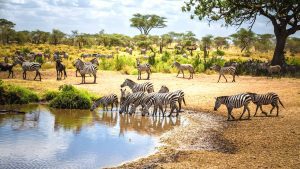
Experience the ultimate gazelles, which are among the most elegant and fascinating animals in the African wildlife ecosystem, often spotted, that roam across the vast savannas of Serengeti National Park and other East African plains. Known for their incredible speed, agility, and graceful appearance, gazelles are a major highlight for safari travelers searching for unforgettable Tanzania wildlife safari experiences. These antelopes belong to the group of fast-running herbivores adapted to survive in harsh environments with predators like lions, cheetahs, and hyenas. Understanding fun facts about gazelles helps travelers and wildlife enthusiasts appreciate their behavior, survival skills, and ecological importance. From their unique jumping patterns to their social structures, gazelles are truly remarkable creatures. In this article, we explore interesting and SEO-rich gazelle facts that make them one of the most admired animals in African safari adventures and global wildlife documentaries.
Fun Fact: Gazelles Are Extremely Fast Runners
One of the most popular fun facts about gazelles is their extraordinary speed, making them one of the fastest antelopes in the world. Gazelles can reach speeds of up to 60 to 80 kilometers per hour, allowing them to escape predators such as cheetahs and lions in open savanna habitats. Their speed is complemented by incredible agility, enabling sudden direction changes and high leaps known as pronking or stotting. This behavior confuses predators and increases survival chances during high-pressure chases. Wildlife experts studying African safari ecosystems often highlight gazelles as a key example of evolutionary adaptation. For travelers exploring Serengeti National Park, witnessing a gazelle sprint across golden grasslands is a breathtaking experience. Their combination of speed, endurance, and intelligence makes them the most admired animals in African wildlife tourism and safari photography worldwide.
Fun Fact: Unique Diet and Feeding Habits
Gazelles are herbivorous animals, primarily feeding on grass, leaves, shoots, and fresh vegetation found across African savannas and semi-arid regions. Their ability to adapt their diet depending on seasonal availability of food is the key reason they thrive in challenging environments like the Serengeti ecosystem. During dry seasons, gazelles can survive on sparse vegetation, while in wet seasons they enjoy abundant fresh grass growth. This dietary flexibility makes them resilient compared to many other wild animals. In African safari destinations, gazelles are often seen grazing peacefully in herds, scanning for predators while feeding. Their selective browsing habits contribute to maintaining ecological balance in grassland habitats. Understanding gazelle diet and feeding behavior provides valuable insights into their survival strategies and their role in sustaining biodiversity within East African wildlife ecosystems and protected national parks.
Fun Fact: Highly Social Herd Animals
Gazelles are highly social animals that live in herds ranging from small groups to large gatherings, depending on environmental conditions and predator presence. Their social structure plays a vital role in survival, as group living increases vigilance and reduces individual risk from predators. Within herds, gazelles communicate through body language, scent markings, and alert calls to warn others of danger. During mating seasons, males become territorial and engage in displays of strength and agility to attract females. These behaviors are commonly observed in African safari parks, making gazelles a fascinating subject for photographers and researchers. Herd dynamics help young gazelles learn survival skills from adults, improving their chances of reaching adulthood. Understanding gazelle social behavior provides deeper insight into the complexity of African wildlife ecosystems and predator-prey relationships in natural habitats.
Fun Fact: Predator Avoidance and Survival Skills
One of the most interesting gazelle facts is their incredible predator avoidance strategies, which have evolved over thousands of years in African ecosystems. Gazelles rely on sharp eyesight, acute hearing, and rapid response instincts to detect danger early. When threatened, they often perform stotting, a high vertical jumping behavior that signals fitness to predators like cheetahs and lions. This unexpected movement can confuse predators and reduce the likelihood of being caught. Gazelles use herd safety tactics, where individuals take turns acting as lookouts while others feed. Their survival strategies are a key topic in wildlife biology and safari tourism education. Observing behaviors in places like Serengeti National Park provides tourists with a deeper appreciation of nature’s balance. Make gazelles one of the most resilient and fascinating animals in African wildlife safaris.
Fun Fact: Gazelles Have Excellent Vision and Awareness
Gazelles are known for their exceptional eyesight, which is one of their strongest survival tools in the wild. Their large, dark eyes are positioned on the sides of their heads, giving them nearly 360-degree vision. This wide field of view allows them to detect predators from long distances, even while grazing. In the open savannas of Africa, where cover is limited, this ability is crucial for survival. Gazelles can also quickly interpret movement, making it difficult for predators like cheetahs and lions to approach unnoticed. Their visual awareness works together with herd behavior, as one alert gazelle can trigger an entire group to flee. For safari travelers, observing gazelles in the wild highlights how evolution has perfected their defense mechanisms. This remarkable eyesight is a key reason they thrive in competitive African wildlife ecosystems.
Fun Fact: Gazelles Are Masters of Speed and Endurance
Gazelles are not only fast sprinters but also highly efficient endurance runners, allowing them to survive long chases in open grasslands. Unlike many animals that tire quickly, gazelles can maintain high-speed bursts repeatedly, which helps them escape persistent predators in African safari environments. Their lightweight body structure, long legs, and elastic tendons are perfectly designed for energy-efficient movement. This combination of speed and stamina makes them one of the most successful prey animals in savanna ecosystems. During migration periods in regions like the Serengeti, gazelles travel long distances in search of fresh grazing lands while avoiding predator hotspots. Wildlife researchers often study their running biomechanics to understand natural efficiency in motion. Their athletic ability is a major highlight for tourists on safari, especially when witnessing dramatic chase scenes in the wild.
Fun Fact: Gazelles Communicate Through Body Language
Communication among gazelles is a fascinating aspect of their behavior in African wildlife ecosystems. They use a combination of body postures, tail movements, and subtle gestures to send signals within the herd. One of the most well-known behaviors is stotting, where a gazelle jumps high into the air to signal danger or demonstrate fitness. Tail flicking is also used as an alert signal when predators are nearby. These non-verbal communication methods help maintain group coordination and survival efficiency. In large herds, such communication becomes essential for quick decision-making during predator encounters. Safari visitors often observe these interactions while exploring national parks in Tanzania and Kenya. Understanding gazelle communication adds depth to wildlife viewing experiences and reveals how intelligent these animals are despite their delicate appearance in the African savanna.
Fun Fact: Gazelles Play a Key Role in the Food Chain
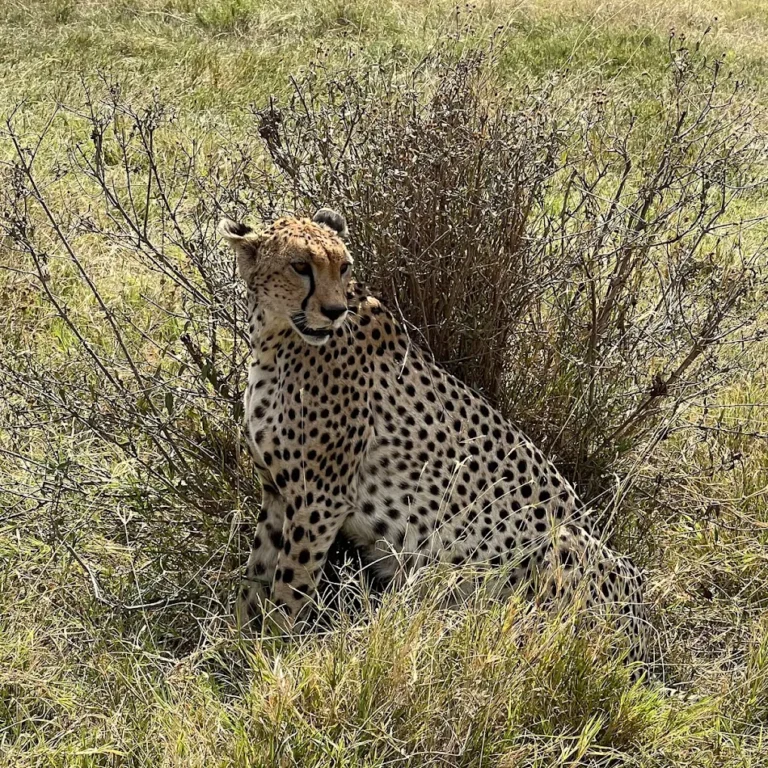
Gazelles are an essential part of the African food chain, serving as primary prey for major predators such as lions, cheetahs, leopards, and hyenas. Their presence helps maintain ecological balance in savanna ecosystems by supporting predator populations. Without gazelles and other antelopes, many carnivores would struggle to survive in the wild. This predator-prey relationship is especially visible in ecosystems like Serengeti National Park, where seasonal migrations influence wildlife interactions. Gazelles also contribute to vegetation control by grazing on grasslands, preventing overgrowth and supporting biodiversity. This ecological role makes them one of the most important herbivores in African wildlife conservation. Safari tourists often witness dramatic hunting scenes, which highlight the natural balance of life and survival in the wild. Gazelles are, therefore, not just beautiful animals but also vital ecosystem engineers.
Fun Fact: Gazelles Are Adapted to Harsh Environments
Gazelles have evolved to survive in some of the harshest environments in Africa, including dry savannas, semi-deserts, and open grasslands. Their bodies are highly efficient at conserving water, allowing them to go long periods without drinking when necessary. Instead, they obtain moisture from the plants they consume. This adaptation is crucial during dry seasons when water sources are scarce. Their light-colored coats also help reflect sunlight and regulate body temperature in hot climates. In regions like the East African plains, gazelles are often seen thriving where many other species struggle. These survival adaptations make them one of the most resilient antelope species in African wildlife tourism. For safari travelers, understanding these adaptations enhances appreciation of how life persists even in extreme environmental conditions across Africa’s national parks and conservation areas.
Fun Fact: Gazelles Have Unique Reproductive Behavior
Reproduction among gazelles is a fascinating aspect of their life cycle in the wild. During mating seasons, males become highly territorial and compete for dominance through displays of strength, agility, and speed. These competitions help determine which males gain access to females within the herd. After a gestation period, female gazelles give birth to a single calf, usually in hidden grassy areas to protect it from predators. The young are capable of standing and running shortly after birth, a critical survival adaptation in predator-rich environments. Mothers often leave their calves hidden for short periods while they forage, returning regularly to nurse them. This reproductive strategy increases survival chances in the wild. African Safari observers often find baby gazelles during early morning game drives, making them a highlight of African wildlife experiences.
Fun Fact: Gazelles Are Important for Tourism and Photography
Gazelles are among the most photographed animals in African safari tourism due to their graceful movements and scenic presence in open landscapes. Wildlife photographers often capture them against stunning backdrops of sunrise, savanna grasslands, and dramatic predator chases. Their elegant posture and natural beauty make them a favorite subject in wildlife documentaries and travel content. In destinations like Serengeti National Park and Ngorongoro Conservation Area, gazelles are commonly seen, offering tourists excellent photography opportunities. Their predictable behavior and visibility in open plains make them ideal for both amateur and professional photographers. Gazelles also contribute to eco-tourism by attracting wildlife enthusiasts from around the world. This helps support conservation efforts and local economies in Tanzania and other African safari destinations. Their presence enhances the overall safari experience for visitors seeking authentic wildlife encounters.
Fun Fact: Gazelles Symbolize Grace and Survival in Nature
Gazelles symbolize elegance, speed, and survival in the African wilderness, making them one of the most iconic animals in wildlife culture. Their graceful movements across golden savannas represent the beauty of untamed nature. At the same time, their constant struggle for survival highlights the harsh realities of life in the wild. In many African cultures, gazelles are associated with agility, awareness, and natural harmony. They are frequently featured in wildlife art, documentaries, and safari branding due to their iconic status. For travelers exploring East Africa, encountering gazelles in their natural habitat is a memorable experience that reflects the essence of safari adventure. Their ability to thrive despite constant threats makes them a powerful symbol of resilience in nature. Gazelles truly represent the balance between beauty and survival in African ecosystems.
Conclusion
Gazelles remain one of the most iconic animals in African wildlife and safari tourism, admired for their speed, beauty, intelligence, and survival instincts. From their impressive sprinting ability to their complex social behavior, these animals continue to fascinate wildlife enthusiasts, researchers, and travelers worldwide. Whether spotted in Serengeti National Park or other East African savannas, gazelles symbolize the balance of nature and the survival struggle between predator and prey. Learning fun facts about gazelles enhances appreciation for African ecosystems and encourages wildlife conservation awareness. As key species in the food chain, they play an important role in maintaining ecological balance. For anyone planning an African safari, gazelles are a must-see highlight that adds excitement and wonder to every wildlife adventure experience across Tanzania and East Africa safari destinations, popular travel.