
What Makes the Serengeti Such a Popular Safari Destination?
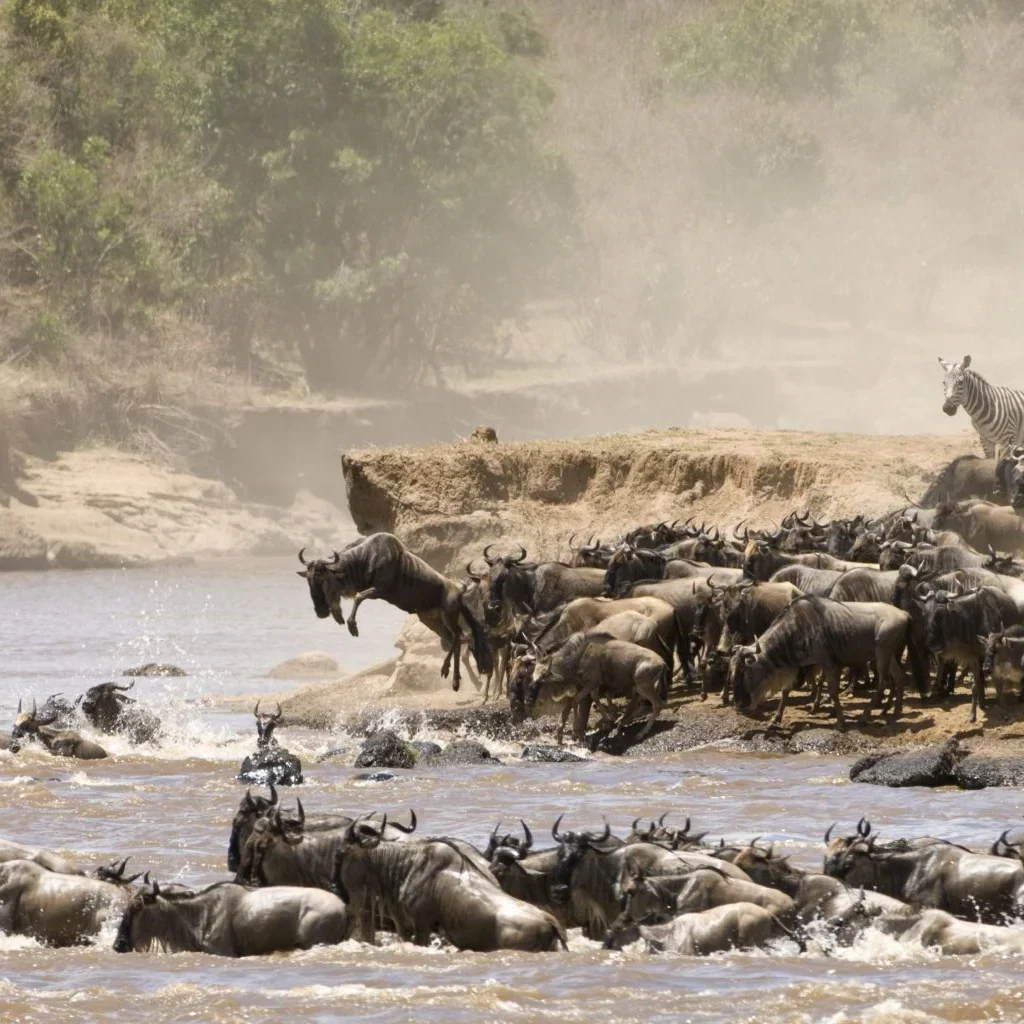
Few places on Earth capture the imagination of travelers quite like Serengeti National Park. Renowned as one of the best safari destinations in Africa, the Serengeti blends vast savannah landscapes, extraordinary wildlife density, and world-famous natural events into a single, unforgettable experience. From luxury African safari packages to budget-friendly game drives, this iconic destination consistently ranks among top Google searches for “best African safari,” “wildlife safari Tanzania,” and “Great Migration tours.” Its unmatched biodiversity, year-round game viewing, and authentic wilderness atmosphere make it a bucket-list destination for families, honeymooners, solo travelers, and photographers alike. Whether you are planning a fly-in safari, a private guided tour, or a bespoke luxury itinerary, the Serengeti offers the ultimate African safari experience, combining adventure, comfort, and breathtaking natural beauty. The Great Migration Spectacle The Serengeti’s global fame largely comes from the Great Migration, one of the most searched wildlife events in the world. Over two million wildebeest, zebras, and gazelles move across the ecosystem in a continuous cycle, creating dramatic river crossings and predator-prey encounters. This natural phenomenon is often ranked among the “Seven Natural Wonders of Africa,” attracting photographers and wildlife enthusiasts year-round. Keywords like “Great Migration safari,” “Serengeti wildebeest migration,” and “best time to see migration” dominate search engines. Whether witnessing calving season in the southern plains or crossing the Mara River in the north, the spectacle offers unmatched safari experiences. It’s this dynamic movement of wildlife that makes every Serengeti safari unique, immersive, and highly sought-after by global travelers. Exceptional Wildlife Diversity The Serengeti is synonymous with incredible biodiversity, making it one of the top wildlife safari destinations in Africa. Home to the Big Five—lion, leopard, elephant, rhino, and buffalo—the park also hosts cheetahs, hyenas, giraffes, and countless antelope species. Popular search terms like “Big Five safari Tanzania” and “Serengeti wildlife tours” reflect its global appeal. The abundance of predators, especially lions, gives visitors a high chance of witnessing dramatic hunts and interactions. Bird lovers also find paradise here, with over 500 bird species recorded. This extraordinary wildlife density ensures rewarding game drives throughout the year. Whether on a luxury safari or budget tour, travelers consistently experience close encounters with nature, making the Serengeti a top-ranking destination for unforgettable wildlife safaris. Vast and Iconic Landscapes Endless golden plains define the Serengeti, creating one of the most recognizable landscapes in Africa. The name itself, derived from the Maasai word “Siringet,” means “endless plains,” perfectly describing its sweeping horizons. These landscapes are frequently featured in searches like “African savannah safari” and “best safari views in Tanzania.” From acacia-dotted grasslands to rocky kopjes and riverine forests, the scenery is both diverse and cinematic. Sunrises and sunsets here are particularly breathtaking, offering perfect moments for photography. The vastness allows wildlife to roam freely, enhancing the authenticity of the safari experience. This natural beauty, combined with minimal human interference, makes the Serengeti one of the most visually stunning safari destinations in the world. Year-Round Safari Destination Unlike many parks that are seasonal, the Serengeti offers exceptional game viewing all year. This consistency makes it a top result for “best time to visit Serengeti” and “year-round safari Tanzania.” Different regions shine at different times, ensuring continuous wildlife activity. The southern plains are ideal during calving season, while the northern Serengeti becomes a hotspot during river crossings. Even in the green season, lush landscapes and fewer crowds enhance the experience. This flexibility allows travelers to plan safaris according to budget, availability, and interests. Whether visiting in peak season or off-peak months, the Serengeti guarantees memorable encounters, making it one of the most reliable safari destinations globally. World-Class Safari Accommodations From ultra-luxury lodges to budget camps, the Serengeti offers accommodation for every traveler. Keywords like “luxury Serengeti safari,” “tented camps Tanzania,” and “best safari lodges Africa” frequently highlight its appeal. Visitors can enjoy five-star lodges with infinity pools and gourmet dining or opt for mobile camps that follow the migration. Many accommodations are eco-friendly, aligning with sustainable tourism trends. Staying inside the park enhances the experience, allowing early morning and late evening game drives. Personalized services, expert guides, and stunning views make these accommodations part of the adventure. Whether seeking romance, family comfort, or solo exploration, the Serengeti’s diverse lodging options elevate every safari experience. Rich Cultural Heritage The Serengeti is not just about wildlife; it also offers deep cultural experiences. The nearby Maasai people provide insight into traditional African lifestyles. Cultural tours, village visits, and storytelling sessions are popular among travelers searching for “cultural safari Tanzania” and “Maasai experiences.” These interactions add depth to the safari, connecting visitors with the region’s history and traditions. Learning about pastoral life, traditional dances, and local customs enriches the journey. This blend of wildlife and culture makes the Serengeti more than just a destination—it becomes a meaningful and immersive experience that resonates with travelers long after their visit. Photographic Opportunities The Serengeti is a dream destination for photographers, often ranked among the best wildlife photography locations in the world. Keywords like “Serengeti photography safari” and “African wildlife photography tours” highlight its popularity. The combination of abundant wildlife, dramatic landscapes, and golden light creates perfect shooting conditions. From close-up predator shots to sweeping migration scenes, every moment offers a potential masterpiece. Professional guides understand positioning and timing, enhancing photographic success. Whether using a smartphone or professional camera, visitors leave with stunning images. This visual richness contributes significantly to the Serengeti’s global reputation and online visibility. Accessibility and Connectivity One of the reasons Serengeti National Park ranks among the best African safari destinations is its excellent accessibility and connectivity. Travelers can reach this iconic wildlife destination via Kilimanjaro International Airport or Julius Nyerere International Airport, followed by scenic bush flights or comfortable road transfers. Well-established safari routes connect the Serengeti to Ngorongoro Crater, Tarangire National Park, and Lake Manyara National Park, creating seamless Northern Circuit safari itineraries. Reliable airstrips within the park make fly-in safaris efficient and luxurious, appealing to honeymooners and high-end travelers. Modern communication networks in lodges and camps ensure guests
The ultimate guide to hygiene on Kilimanjaro expeditions
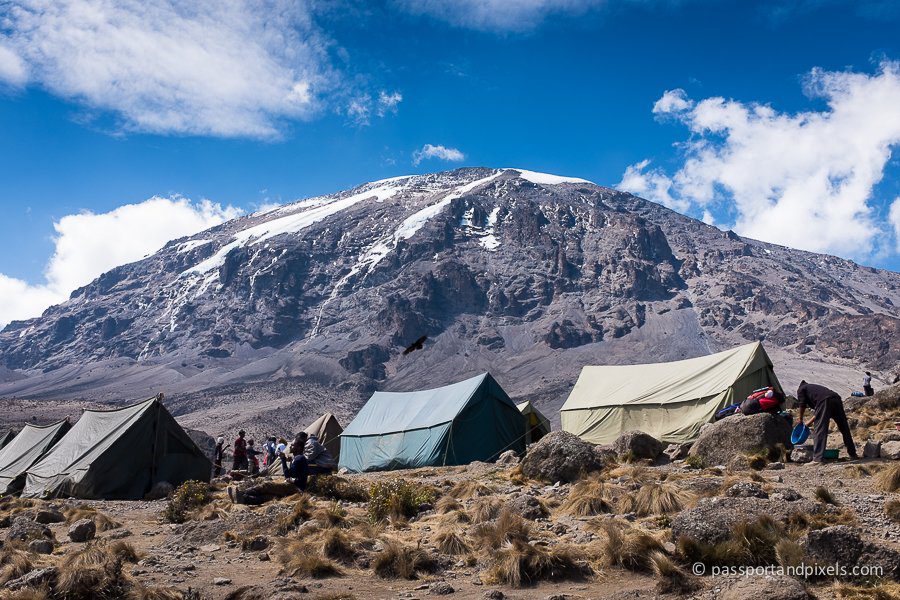
Hygiene during Kilimanjaro expeditions is one of the most important yet often overlooked aspects of a safe and successful climb. As trekkers ascend Mount Kilimanjaro, conditions become more challenging, with limited water access, shared camping environments, and changing weather. Maintaining proper hygiene on Kilimanjaro helps prevent infections, stomach illnesses, and altitude-related complications that can ruin the trek. Clean practices such as handwashing, safe food handling, and waste management are essential for every climber. Tour operators and guides emphasize Kilimanjaro sanitation because health directly impacts summit success rates. Whether you are taking the Machame Route, Lemosho Route, or Marangu Route, understanding hygiene on Mount Kilimanjaro ensures a safer, more comfortable, and more enjoyable trekking experience in Tanzania’s iconic mountain environment. Hand Hygiene and Sanitization Practices Hand hygiene on Kilimanjaro is critical due to the limited running water on the mountain. Trekkers should regularly use alcohol-based hand sanitizers, especially before eating and after using toilet facilities. Handwashing with soap and clean water, when available, is equally important to prevent stomach infections and bacterial diseases. Many climbers carry small sanitizer bottles in their daypacks for convenience. Guides on Kilimanjaro trekking routes also encourage hygienic habits to reduce the spread of germs in camps. Proper hand hygiene during Mount Kilimanjaro expeditions significantly lowers the risk of diarrhea and foodborne illnesses, which are common at high altitudes. Practicing consistent sanitation ensures a healthier trekking experience and supports overall Kilimanjaro safety standards for both climbers and support crew. Toilet Hygiene and Eco-Friendly Sanitation Systems Toilet hygiene on Kilimanjaro is managed through designated portable toilets or eco-friendly pit latrines, depending on the route and tour operator. Maintaining cleanliness in these facilities is essential for environmental conservation and personal health. Climbers are advised to use toilet paper responsibly and dispose of waste in the provided bins or burial systems when required. Many Kilimanjaro trekking companies now provide private portable toilets for improved hygiene and comfort. Proper sanitation practices help protect the fragile ecosystem of Mount Kilimanjaro and reduce contamination risks in campsites. Understanding Kilimanjaro’s sanitation systems is crucial for responsible trekking. Following Leave No Trace principles ensures that human waste does not pollute water sources or natural surroundings during the expedition. Public Toilets on Mount Kilimanjaro Public toilets on Mount Kilimanjaro are basic long-drop latrines located at camps along popular routes like Machame, Marangu, and Lemosho. While these Kilimanjaro toilets are functional, hygiene standards can vary greatly depending on traffic and maintenance. Trekkers should carry essential hygiene supplies such as hand sanitizer, biodegradable toilet paper, and wet wipes. For better comfort and cleanliness, many climbers prefer using private facilities. Understanding Kilimanjaro’s sanitation conditions is crucial for a safe and enjoyable trekking experience. Portable Toilet in Expeditions Portable toilets on Kilimanjaro expeditions are a popular upgrade for climbers seeking enhanced hygiene and comfort. Many reputable Kilimanjaro tour operators provide private portable toilet tents, especially on luxury or premium climbs. These toilets are regularly cleaned and maintained by support staff, ensuring higher sanitation standards compared to public facilities. Using a portable toilet significantly improves hygiene during Kilimanjaro trekking, reduces exposure to germs, and enhances overall expedition comfort, making it ideal for high-end safari-style mountain experiences. Toilet During Transitions Between Camps During transitions between camps on Mount Kilimanjaro, toilet access can be limited, making hygiene planning essential. Trekkers often rely on natural bush stops when hiking between designated camps. Choosing discreet locations away from trails and water sources is critical for environmental conservation and personal hygiene. Carrying biodegradable waste bags, tissues, and sanitizer is highly recommended. Responsible toileting practices during Kilimanjaro trekking help preserve the mountain’s ecosystem while ensuring climbers maintain proper hygiene throughout their adventure. Nighttime Toilet Visits Nighttime toilet visits during a Kilimanjaro expedition can be challenging due to cold temperatures, darkness, and distance to camp latrines. Many climbers use portable urination bottles or nearby designated areas to avoid long walks at night. Wearing layered clothing and keeping a headlamp ready improves safety and comfort. Maintaining hygiene during nighttime toilet use is essential—always sanitize hands and manage waste properly. Proper preparation ensures a safer, cleaner, and more comfortable Kilimanjaro climbing experience even in harsh alpine conditions. Water Safety and Hydration Hygiene on Kilimanjaro Safe drinking water is essential for maintaining hygiene during Kilimanjaro expeditions. Water is usually collected from mountain streams and treated by guides using purification tablets, filters, or boiling methods. Climbers should never drink untreated water due to the risk of waterborne diseases. Carrying a reusable water bottle or hydration bladder is recommended for convenience and hydration at high altitude. Clean water practices help prevent gastrointestinal issues that can affect trekking performance. Hydration is also vital for altitude acclimatization and overall health on Mount Kilimanjaro. Tour operators prioritize water safety protocols to ensure trekkers remain healthy throughout the climb. Proper hydration and hygiene support endurance and reduce the risk of fatigue during long trekking days. Food Hygiene and Safe Eating Practices Food hygiene on Kilimanjaro is carefully managed by professional mountain chefs and support teams. Meals are prepared in controlled conditions to avoid contamination, even in remote high-altitude camps. Trekkers should always wash or sanitize their hands before eating and avoid consuming raw or unprepared food items. Proper food storage is essential to prevent spoilage due to changing temperatures on Mount Kilimanjaro. Most reputable Kilimanjaro trekking companies provide nutritious, well-cooked meals designed to maintain energy levels and support acclimatization. Safe eating practices reduce the risk of stomach infections, which are a common cause of trek failure. Maintaining strict food hygiene ensures climbers stay strong, energized, and healthy throughout the expedition to the summit of Uhuru Peak. Waste Management and Environmental Hygiene Waste management is a key part of hygiene during Kilimanjaro expeditions. Climbers are required to carry out all non-biodegradable waste, including plastic bottles, wrappers, and personal items. Tour operators follow strict environmental conservation rules to preserve Mount Kilimanjaro’s natural beauty. Human waste is managed using designated toilet systems, while biodegradable waste is disposed of safely in controlled areas. Responsible trekking practices help protect wildlife habitats
What are the ‘Elusive Eleven’ of an African Safari?
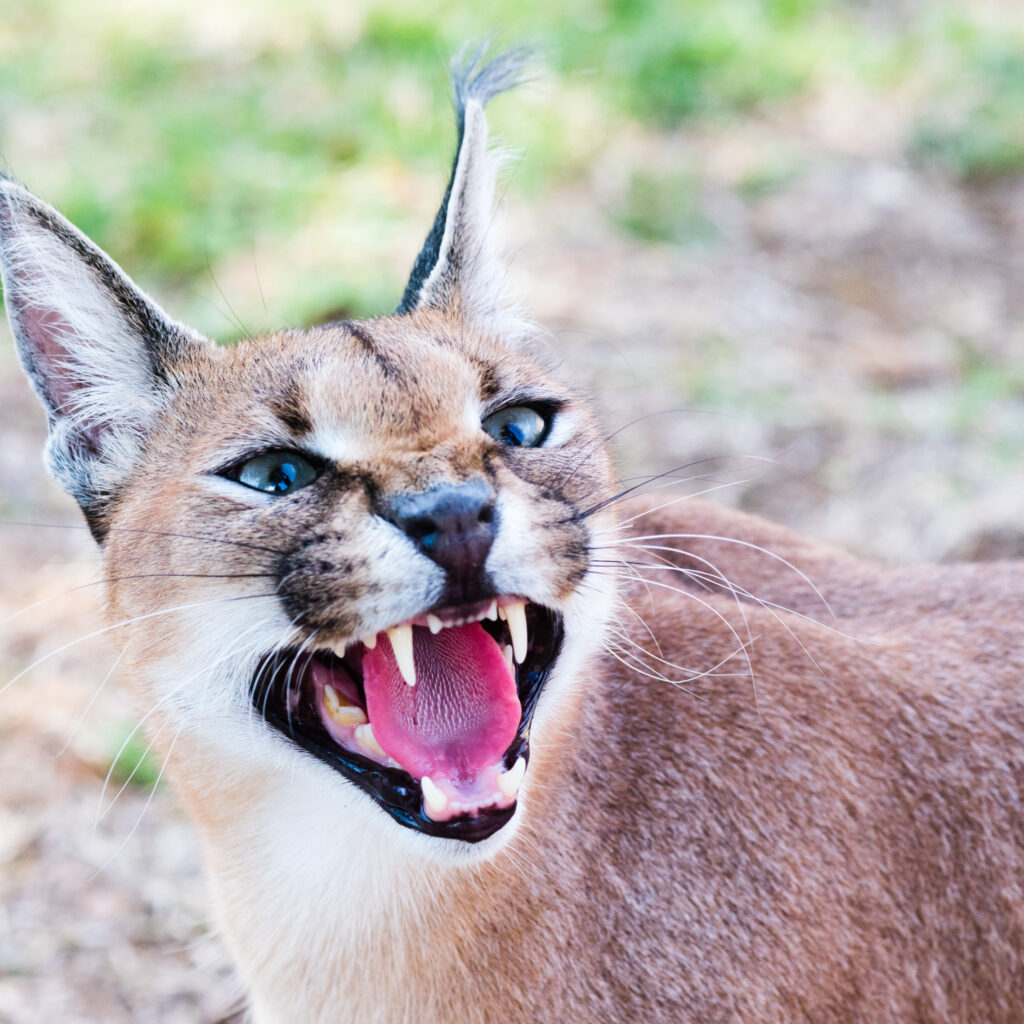
Experience and discover the ultimate Elusive Eleven African Safari, often called the ultimate African wildlife bucket list, represents the most secretive and rarely seen species across iconic destinations like Serengeti National Park, Ngorongoro Crater, and remote wilderness areas of East Africa. Unlike the famous Big Five, these animals demand patience, expert guiding, and a bit of safari luck. Tracking them enhances the thrill of luxury African safari tours, Tanzania wildlife safaris, and photographic safaris. From nocturnal hunters to shy forest dwellers, the Elusive Eleven redefine adventure for African safari packages, private safari tours, and eco-friendly safaris. Spotting even a few is considered a major achievement, making them a highlight for family safaris, honeymoon safaris, and solo safari travelers seeking authentic, off-the-beaten-path experiences in Africa. 1. African Leopard The African Leopard safari sightings are among the most thrilling moments in Tanzania safari tours. Known for stealth and adaptability, leopards thrive in diverse habitats like Serengeti National Park and Lake Manyara National Park. These elusive predators often rest in trees, making them a favorite for wildlife photography safaris. Unlike lions, they are solitary and primarily nocturnal, increasing the challenge for luxury safari travelers and private game drives. Their golden coats and rosette patterns provide perfect camouflage, making sightings rare but unforgettable. Expert guides on African safari packages use tracking skills to locate them. Spotting a leopard is a true highlight of Big Five safaris and an essential goal for those seeking exclusive, premium African safari experiences. 2. African Wild Dog The endangered African Wild Dog safari experience is a rare gem on African wildlife safaris. Found in remote regions like Ruaha National Park and southern Tanzania, these painted wolves are highly social and known for cooperative hunting. Their unpredictable movements make them difficult to track during private safari tours and luxury safari packages. With large territories and declining populations, sightings are incredibly special for photographic safari enthusiasts. Their unique coats, high energy, and strong pack bonds create unforgettable safari moments. Travelers on eco-friendly safaris and conservation-focused safaris particularly value these encounters. Witnessing a hunt is one of the most exhilarating experiences in Tanzania safari tours, making the African wild dog a must-see among the Elusive Eleven. 3. Black Rhinoceros Spotting the critically endangered Black Rhinoceros safari is a rare privilege during Ngorongoro Crater safaris. Unlike their white counterparts, black rhinos are more solitary, aggressive, and secretive, making them harder to find on African safari tours. Conservation efforts have made places like Ngorongoro Crater one of the best locations for sightings. Their hooked lips and browsing habits distinguish them in wildlife safaris in Tanzania. For travelers on luxury African safaris and high-end safari packages, encountering a black rhino is a deeply meaningful moment tied to conservation success. Guides often rely on experience and communication to locate them. Seeing one is not just a safari highlight but a powerful reminder of the importance of sustainable tourism in Africa. 4. Cheetah The elegant Cheetah safari Africa experience showcases the fastest land animal in open plains like Serengeti National Park. Despite their speed, cheetahs are surprisingly elusive due to their low population and vulnerability to predators. These graceful hunters are best spotted during early morning game drives in Tanzania or late afternoon African safari tours. Their slender bodies and distinctive tear marks make them a favorite for photography safaris in Africa. Unlike lions, cheetahs rely on speed rather than strength, creating dramatic hunting scenes for luxury safari travelers. Spotting a cheetah on a hunt is a rare and unforgettable moment. They are a key highlight of Tanzania wildlife safari packages, offering a blend of beauty, speed, and raw wilderness excitement. 5. Pangolin The mysterious Pangolin safari encounter in Africa is one of the rarest experiences in African wildlife safaris. Often called the most trafficked mammal in the world, pangolins are nocturnal and extremely shy, making sightings exceptionally rare. Found in protected areas and remote habitats, they are a prized discovery for exclusive safari tours and private African safaris. Their armored scales and unique defense mechanism—rolling into a ball—make them fascinating to observe. Conservation-focused eco safari packages emphasize protecting these gentle creatures. Spotting a pangolin is often considered the pinnacle of luxury safari experiences and a once-in-a-lifetime moment. For travelers seeking unique encounters beyond the Big Five, the pangolin defines the magic of an authentic off-the-beaten-path African safari. 6. Serval The elegant Serval safari in Tanzania experience reveals one of Africa’s most graceful small cats. Found in grasslands like Tarangire National Park and the Serengeti, servals are known for their long legs and exceptional hunting skills. These elusive predators rely on stealth and sharp hearing, making them difficult to spot during African safari tours. Early morning and evening game drives increase the chances for wildlife photography safaris. Their striking spotted coats and agile leaps attract luxury safari travelers and nature enthusiasts alike. Servals are a highlight for those seeking rare species on Tanzania safari packages. Encountering one adds depth to the safari experience, showcasing the diversity of wildlife beyond the traditional Big Five. 7. Caracal The secretive Caracal safari in Africa offers a glimpse into one of the continent’s most elusive predators. Recognized by its tufted ears and powerful build, the caracal thrives in dry regions and savannahs. Sightings are rare during African wildlife safaris, making them highly sought after by private safari travelers and photographic safari enthusiasts. These agile hunters can leap impressively to catch birds mid-air, a spectacular sight for luxury safari experiences. Caracals are mostly nocturnal, increasing the challenge for game drives in Tanzania. Spotting one requires patience and expert tracking. Their rarity and beauty make them a prized encounter in exclusive African safari tours, perfect for travelers seeking unique and less-seen wildlife moments. 8. Aardvark The unusual Aardvark safari Africa sighting is one of the rarest achievements in African night safaris. This nocturnal mammal, known for feeding on ants and termites, is rarely seen during daytime game drives. Found in remote areas of Tanzania wildlife safaris, aardvarks are shy and solitary, emerging
Discover Tanzania with Friends and make memories forever

Explore Tanzania with Friends Tanzania, a land of stunning landscapes, rich culture, and abundant wildlife, is a dream destination for travelers. Nestled in East Africa, it offers a plethora of experiences, from the majestic Mount Kilimanjaro to the vast Serengeti National Park. Traveling with friends makes this adventure even more memorable, as you explore the vibrant cities, pristine beaches, and awe-inspiring national parks together. Exploring the Serengeti National Park The Serengeti National Park is one of the most renowned wildlife sanctuaries in the world. Famous for the Great Migration, where millions of wildebeest, zebras, and gazelles traverse its plains, the Serengeti offers an unparalleled safari experience. Explore Tanzania Safaris & Wildlife Adventures with friends, you can embark on a thrilling game drive to witness the “Big Five” – lions, elephants, buffalos, leopards, and rhinoceroses. The vast landscapes, dotted with acacia trees and kopjes, provide a perfect backdrop for photography enthusiasts. A hot air balloon ride over the Serengeti at dawn is a must-do, offering breathtaking views of the wildlife and the sprawling savannah. Climbing Mount Kilimanjaro For adventure seekers, Mount Kilimanjaro presents the ultimate challenge to discover the wonders of Tanzania. As the highest peak in Africa, it attracts climbers from all over the globe. Tackling this giant with friends not only offers support and motivation but also makes the experience more enjoyable. The climb takes you through diverse ecosystems, from lush rainforests to alpine deserts, culminating in the snow-capped Uhuru Peak. Discover Tanzania and explore tours with friends. With proper preparation and determination, reaching the summit together will be an unforgettable achievement. Relaxing on Zanzibar’s Beaches After the exhilarating adventures on the mainland, Zanzibar is the perfect place to unwind to discover Tanzania with Curated Tours & Trips. This archipelago, located off the coast of Tanzania, boasts some of the most beautiful beaches in the world. The white sands and turquoise waters of Nungwi and Kendwa are ideal for sunbathing, swimming, and snorkeling. Zanzibar’s rich history, influenced by African, Arab, and European cultures, can be explored in Stone Town, a UNESCO World Heritage Site. Wandering through its narrow streets, visiting the old fort, and sampling local delicacies at the Forodhani Gardens night market are experiences best enjoyed with friends. Discovering Ngorongoro Crater The Ngorongoro Crater, a UNESCO World Heritage Site, is another highlight of Tanzania. This massive volcanic caldera is home to a diverse array of wildlife, including a high density of predators. A safari in the crater offers sightings of elephants, hippos, and the elusive black rhino. The Lerai Forest and the open plains of the crater floor are perfect spots for a picnic, where you can enjoy the stunning scenery and watch the animals in their natural habitat. Visiting the nearby Maasai villages provides insight into the traditional way of life of this indigenous community. Experiencing Maasai Culture No trip to Tanzania is complete without experiencing the Maasai culture for Tanzania Good Friends Safaris. The Maasai are one of the most recognizable and iconic ethnic groups in Africa, known for their distinctive dress and customs. Visiting a Maasai village with friends offers a glimpse into their daily lives, traditional dances, and crafts. The Maasai are known for their hospitality, and sharing stories around a campfire while enjoying their local cuisine is a unique cultural exchange that will deepen your appreciation of Tanzania’s diverse heritage. Exploring Tarangire National Park Tarangire National Park is another gem in Tanzania’s wildlife crown visiting Tanzania with friends In 2024-2025. Known for its large elephant herds and ancient baobab trees. This park offers a different safari experience compared to the Serengeti. The Tarangire River, which flows through the park, attracts a variety of animals, especially during the dry season. Exploring Tarangire with friends means more eyes to spot the elusive leopards and a shared sense of awe as you watch elephants grazing in the shadow of towering baobabs. Bird watchers will be delighted by the park’s rich avian life, making it a paradise for nature enthusiasts. Climbing Mount Meru: An Adventurous Challenge For those seeking adventure, Mount Meru offers an exhilarating climb. As the second-highest peak in Tanzania, it provides a challenging yet rewarding experience. The trek takes you through lush forests, moorlands, and alpine deserts, culminating in the rocky summit of Socialist Peak. Climbing Mount Meru with friends provides support and motivation. And the views from the summit, including a spectacular sight of Mount Kilimanjaro, are worth the effort. Arusha National Park: Diverse Ecosystems Arusha National Park is known for its diverse ecosystems, ranging from the lush forests of Mount Meru to the open savannah of the Ngurdoto Crater. The park is home to a variety of wildlife, including giraffes, zebras, and buffaloes, as well as over 400 bird species. Canoeing on the Momella Lakes, walking safaris, and game drives offer unique ways to explore the park with friends. The park’s proximity to Arusha town makes it an ideal day trip for those looking to experience Tanzania’s natural beauty. Lake Eyasi: A Cultural Encounter with the Hadzabe Lake Eyasi offers a unique cultural experience with the Hadzabe tribe, one of the last hunter-gatherer communities in Africa. Visiting the Hadzabe with friends provides an opportunity to learn about their traditional way of life, including hunting and gathering techniques, and their intimate knowledge of the environment. The area around Lake Eyasi is also home to the Datoga people, known for their blacksmithing skills. Engaging with these communities offers a deep cultural exchange and a better understanding of Tanzania’s diverse heritage. Lake Natron: A Remote and Stunning Landscape Lake Natron is a remote and stunning landscape known for its unique ecology and striking red waters, caused by the high soda content to discover Tanzania with Friends. The lake is a breeding ground for millions of lesser flamingos, making it a bird watcher’s paradise. The area around Lake Natron offers opportunities for hiking, including the trek to the Engare Sero Waterfall. The views of the active Ol Doinyo Lengai volcano, considered sacred by the Maasai,
Toilets On Kilimanjaro And What To Expect
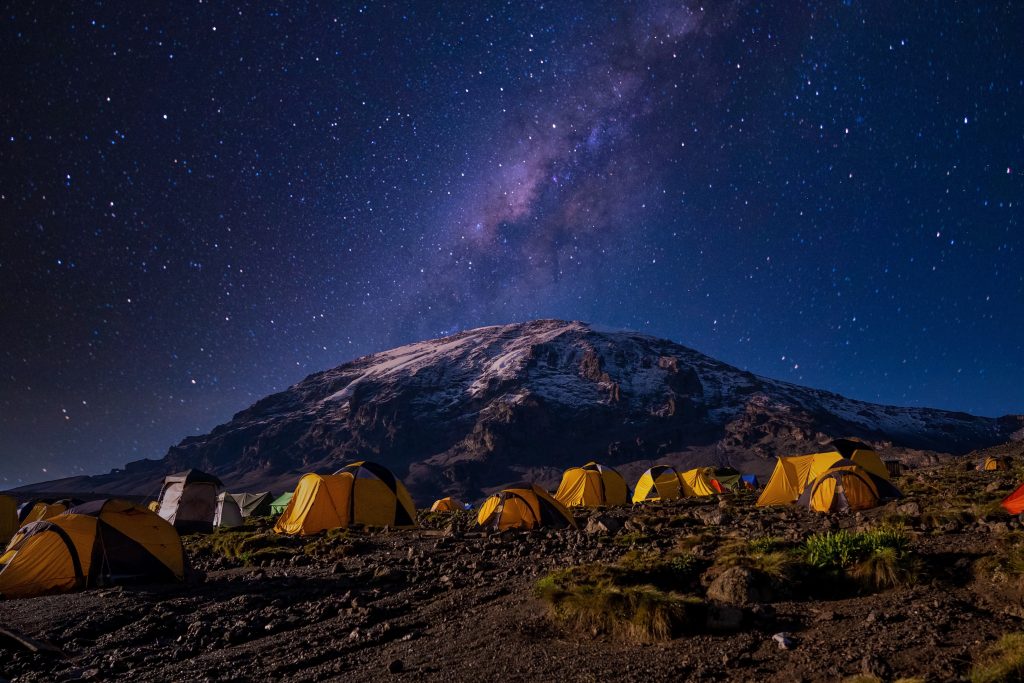
Climbing Mount Kilimanjaro is a bucket-list adventure, but one of the most common questions travelers ask is about toilets on Kilimanjaro and what to expect. Understanding sanitation on Africa’s highest peak is essential for comfort, hygiene, and overall trekking success. Kilimanjaro toilet facilities vary by route, altitude, and tour operator, ranging from basic public latrines to private portable toilets offered on luxury climbs. While the scenery of Kilimanjaro National Park is breathtaking, restroom conditions can be rustic, especially at higher camps. This detailed guide explores everything from Kilimanjaro toilets, hygiene tips, cleanliness, safety, and packing essentials. Whether you are planning a budget trek or a luxury Kilimanjaro climb, knowing what to expect ensures you are fully prepared for one of the world’s most iconic hiking experiences. Types of Toilets on Kilimanjaro Toilets on Kilimanjaro fall into two main categories: public latrines and private portable toilets. Public toilets are provided at most campsites and are maintained by park authorities within Kilimanjaro National Park. These are typically simple pit latrines with wooden or concrete structures. On the other hand, many reputable tour operators offer private portable toilets, especially for mid-range and luxury Kilimanjaro safaris. These portable units are cleaner, more hygienic, and set up exclusively for your group. Climbers seeking comfort often prioritize operators that include private toilets in their packages. Understanding these options is crucial when booking your Kilimanjaro trekking tour, as sanitation can significantly impact your experience during multi-day hikes across different Kilimanjaro routes. Public Toilets at Campsites Public toilets on Kilimanjaro camps are basic pit latrines shared among climbers. Found at popular camps like Machame Camp or Barafu Camp, these facilities can become crowded during peak climbing seasons. The condition of these toilets varies widely depending on usage, weather, and maintenance. While park authorities attempt to keep them functional, cleanliness is not always guaranteed. Expect strong odors, limited privacy, and minimal sanitation supplies. Bringing your own toilet paper, hand sanitizer, and wet wipes is highly recommended. Despite their simplicity, these toilets are an essential part of the infrastructure on Mount Kilimanjaro, ensuring environmental protection by minimizing open defecation. Proper use and respect for these facilities help maintain the mountain’s ecological balance. Private Portable Toilets Private portable toilets are a game-changer for climbers seeking comfort on Kilimanjaro. Offered by many premium and mid-range tour operators, these toilets are set up at each campsite and maintained by the support crew. They typically consist of a bucket system with a seat and a privacy tent, ensuring a cleaner and more hygienic experience than public latrines. For many trekkers climbing Mount Kilimanjaro, this added comfort significantly improves morale, especially during longer routes like the Northern Circuit. While these services come at an extra cost, they are highly recommended for travelers who prioritize cleanliness. Choosing a Kilimanjaro tour company that provides portable toilets can make a noticeable difference in your overall trekking experience. Hygiene and Cleanliness Standards Hygiene on Kilimanjaro is a top concern for trekkers. Due to the mountain’s remote environment, maintaining high sanitation standards can be challenging. Public toilets are often exposed to heavy use, making them less hygienic, especially at higher altitudes. Portable toilets, however, are cleaned regularly by staff, offering a more sanitary option. Climbers should carry essentials such as hand sanitizer, biodegradable soap, and disinfectant wipes. Practicing good hygiene is crucial to avoiding illness during your climb in Kilimanjaro National Park. Simple habits like washing hands before meals and after using the toilet can make a significant difference. Being proactive about cleanliness ensures a safer and more enjoyable Kilimanjaro trekking adventure. Toilet Conditions at High Altitude As you ascend Mount Kilimanjaro, toilet conditions generally become more basic. High-altitude camps such as Barafu or Kibo Hut have fewer facilities, and maintenance becomes more difficult due to extreme weather conditions. Cold temperatures can make using toilets uncomfortable, and freezing conditions may affect sanitation systems. Expect minimal amenities and prepare mentally for less-than-ideal situations. Portable toilets still provide better comfort at these elevations, but even they can be affected by harsh conditions. Understanding these challenges helps climbers adjust expectations and stay focused on the ultimate goal—reaching the summit. Proper preparation, including warm clothing and hygiene supplies, is key to managing these high-altitude realities. Toilet Access During the Trek During the trek on Mount Kilimanjaro, toilets are primarily located at campsites rather than along the trail. When nature calls during hiking hours, climbers must rely on designated bush toilet practices. Guides will show you appropriate and environmentally responsible ways to relieve yourself while protecting the mountain’s ecosystem. Privacy may be limited, but respecting nature and following Leave No Trace principles is essential. Some routes have occasional basic facilities along the way, but these are not guaranteed. Planning and communicating with your guide ensures a smoother experience. Carrying essentials like tissue paper and waste bags is crucial for maintaining hygiene throughout your Kilimanjaro trekking journey. Bush Toilets and Leave No Trace Bush toilets are an unavoidable part of trekking in Kilimanjaro National Park. When away from camps, climbers must follow Leave No Trace principles to protect the fragile environment. This includes digging a small hole, using biodegradable toilet paper, and covering waste properly. Guides are trained to instruct climbers on responsible practices. While this may feel unfamiliar, it is a necessary part of sustainable tourism on Kilimanjaro. Respecting these guidelines helps preserve the mountain for future generations. Being prepared mentally and physically for bush toilet use ensures you remain comfortable and confident throughout your climb, even in remote sections of the trail. What to Pack for Toilet Use Packing the right hygiene essentials is crucial for a successful Kilimanjaro climb. Recommended items include toilet paper, wet wipes, hand sanitizer, biodegradable soap, and sealable plastic bags for waste. Many climbers also bring a small towel and antibacterial gel. On Mount Kilimanjaro, these items are not provided at public toilets, making personal supplies essential. Consider packing lightweight and eco-friendly products to minimize environmental impact. Proper preparation ensures you stay clean and comfortable throughout your trek.
Can Training with an Altitude Mask Help Me Climb Kilimanjaro?
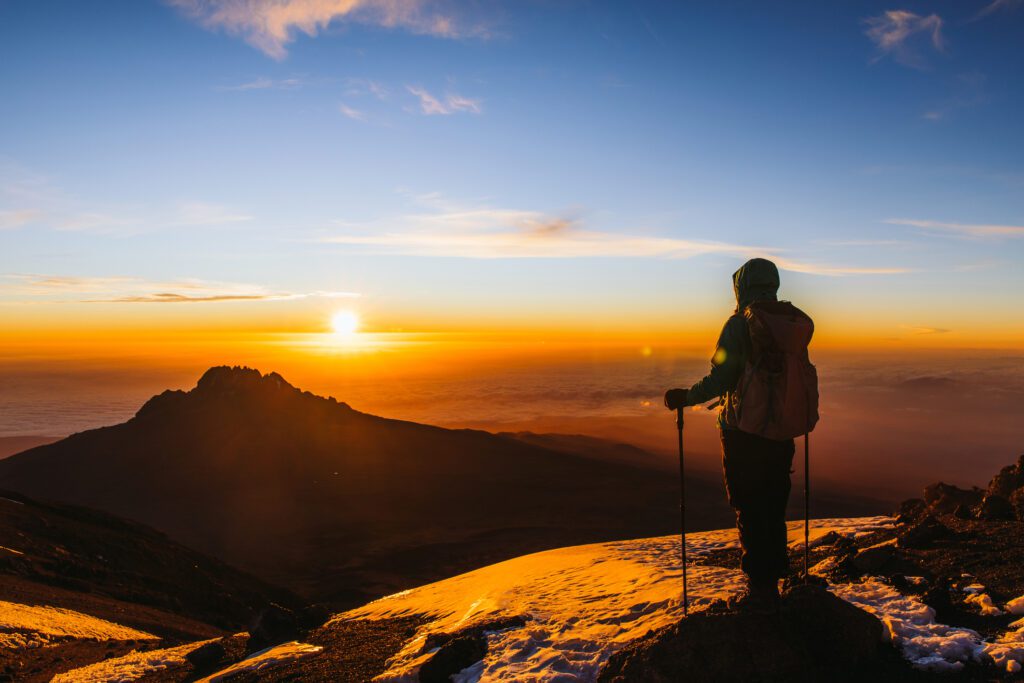
Training for Kilimanjaro climbing preparation has become increasingly popular among trekkers aiming to summit Mount Kilimanjaro, Africa’s highest peak at 5,895m. Many climbers search for altitude mask benefits, hypoxic training, and high altitude endurance solutions to improve acclimatization and reduce altitude sickness risk. Altitude training masks simulate reduced oxygen intake during workouts, claiming to strengthen respiratory muscles and improve stamina. However, their effectiveness compared to real high-altitude adaptation remains debated. In this article, we explore whether altitude masks truly help with Kilimanjaro trekking preparation, how they affect performance, and what actually works best for safe and successful summit success on Tanzania’s iconic mountain expedition. Understanding Altitude Masks and How They Work Altitude training masks are fitness tools designed to restrict airflow during exercise, simulating low-oxygen conditions similar to high altitude environments. For Kilimanjaro climbing training, they are marketed as a way to improve lung capacity, breathing efficiency, and endurance performance. The idea is that by limiting oxygen intake, the body adapts by strengthening respiratory muscles and increasing oxygen efficiency. However, unlike real high-altitude environments, masks do not reduce atmospheric pressure, which is the key factor affecting acclimatization on Mount Kilimanjaro. While they may add intensity to workouts, they do not fully replicate the physiological challenges of trekking at extreme elevation in Tanzania. The Science Behind Hypoxic Training Hypoxic training refers to exercising in reduced oxygen conditions to stimulate physiological adaptation. In professional sports and high-altitude trekking preparation, this can be achieved through altitude chambers or training camps. For Kilimanjaro hikers, hypoxic conditioning is often discussed as a way to prepare for thin air conditions at Uhuru Peak. While true hypoxic environments can increase red blood cell production and oxygen efficiency, altitude masks only partially restrict airflow and do not create real hypoxia. Scientific studies show mixed results, suggesting limited long-term adaptation benefits. Still, they may enhance mental toughness and breathing control during demanding trekking routes in Tanzania’s mountain regions. Kilimanjaro Altitude Challenges Explained Climbing Mount Kilimanjaro involves rapid altitude gain, moving from tropical rainforest to arctic summit conditions. Oxygen levels drop significantly above 3,000 meters, increasing the risk of altitude sickness symptoms such as headaches, fatigue, and nausea. Proper acclimatization is crucial for safe ascent. Many climbers look for Kilimanjaro training tools like altitude masks to simulate these conditions before arrival in Tanzania. However, the real challenge is not just oxygen intake but pressure changes and reduced air density. Understanding these factors helps trekkers prepare better using proven methods like gradual ascent itineraries, hydration strategies, and endurance hiking practice. Do Altitude Masks Improve Endurance? Altitude masks may improve perceived breathing strength and workout intensity, especially during cardio exercises like running or cycling. For Kilimanjaro trekking preparation, this can help build general endurance and mental resilience. However, endurance gains are mostly due to increased exercise effort rather than true altitude adaptation. Studies show that while respiratory muscles may feel stronger, oxygen utilization improvements are minimal. Climbers should not rely solely on masks for summit success. Instead, combining hiking training, strength conditioning, and long-distance walking provides more realistic preparation for Tanzania’s multi-day trekking routes on Mount Kilimanjaro. Altitude Masks vs Real High-Altitude Training Real high-altitude training involves exposure to environments with reduced oxygen pressure, such as mountains or simulated hypoxic chambers. This triggers physiological changes like increased hemoglobin levels, improving oxygen transport. In contrast, altitude masks only restrict airflow, not atmospheric pressure. For Kilimanjaro summit preparation, this difference is critical. While masks may challenge breathing patterns, they do not replicate the acclimatization needs required for Uhuru Peak. Therefore, climbers should prioritize real trekking practice, altitude hiking experience, and gradual ascent strategies rather than relying on mask-based training alone. Benefits of Using an Altitude Mask in Training Despite limitations, altitude masks can still offer some benefits for Kilimanjaro trekking preparation. They may improve breathing awareness, strengthen diaphragm muscles, and increase workout intensity. Many climbers use them during gym sessions or aerobic workouts to simulate fatigue and push cardiovascular limits. This can help build discipline and mental endurance needed for long summit nights on Mount Kilimanjaro. However, these benefits are indirect and should be considered supplementary rather than essential. Proper hiking practice in varied terrain remains far more effective for real-world trekking success in Tanzania’s high-altitude environment. Best Training Methods for Kilimanjaro Success The most effective Kilimanjaro training methods include long-distance hiking, stair climbing, cardiovascular workouts, and strength training. These activities prepare the body for sustained trekking over multiple days. Unlike altitude masks, real hiking builds leg endurance, balance, and mental stamina. Climbers planning a Tanzania expedition should also practice carrying a backpack, walking on uneven terrain, and increasing weekly elevation gain. Combining aerobic fitness with trekking practice ensures better acclimatization response once on the mountain. This holistic approach is widely recommended by professional guides and trekking operators. Importance of Acclimatization on Kilimanjaro Acclimatization on Mount Kilimanjaro is one of the most important factors for summit success, far more critical than any quick-fix training tool like an altitude mask. As climbers ascend Kilimanjaro trekking routes such as Machame, Lemosho, or Marangu, oxygen levels gradually decrease, increasing the risk of Acute Mountain Sickness (AMS). Proper acclimatization allows the body to adapt naturally by producing more red blood cells and improving oxygen efficiency. This process cannot be replicated at sea level with simulated altitude training masks. The best Kilimanjaro climbing strategies include slow ascent, “climb high, sleep low” principles, hydration, and guided pacing. Professional Kilimanjaro tour operators prioritize acclimatization schedules because it significantly improves summit success rates and safety on high-altitude expeditions in Tanzania. Mental Preparation for High Altitude Trekking Mental preparation is just as essential as physical fitness when planning to climb Mount Kilimanjaro. Many trekkers underestimate the psychological demands of long days of hiking, changing weather conditions, and oxygen-thin environments. A strong mindset helps climbers push through fatigue, altitude discomfort, and summit night challenges. Visualization techniques, goal setting, and endurance mindset training are widely recommended for Kilimanjaro trekking success. Unlike altitude masks, which focus only on physical simulation, mental conditioning builds resilience for
Best Reasons To Visit Arusha National Park
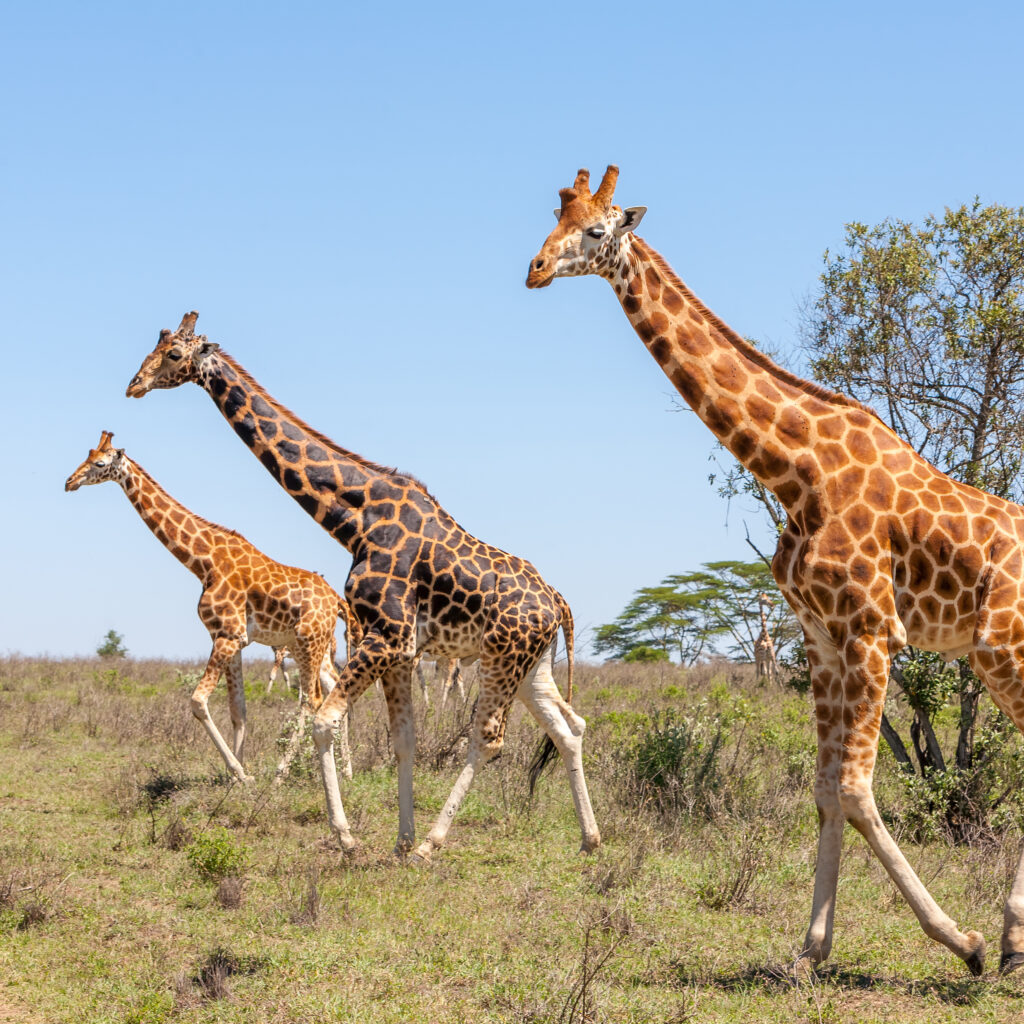
Arusha National Park, located in northern Tanzania, is a gem for travelers seeking a unique safari experience near Arusha city. Often overlooked for the Serengeti or Ngorongoro Crater, this park offers stunning landscapes, rich biodiversity, and accessible adventure activities. From Mount Meru hiking and birdwatching tours to canoeing on Momella Lakes, Arusha National Park caters to families, solo travelers, honeymoon couples, and wildlife enthusiasts alike. Its diverse ecosystems — from savannah plains to montane forests — make it a must-visit destination for anyone planning a Tanzania safari. Visitors enjoy a combination of wildlife spotting, panoramic crater views, and easy access from nearby towns, making it perfect for day trips or short safaris. Whether you are seeking a guided walking safari, thrilling mountain hikes, or tranquil canoeing experiences, Arusha National Park delivers unforgettable memories with affordable safari options, professional guides, and breathtaking scenery. Reason #1: Mount Meru Hiking One of the park’s standout attractions is Mount Meru, the towering volcano that dominates the landscape. Hiking Mount Meru is ideal for adventure travelers, providing challenging trails through lush montane forests, bamboo groves, and alpine meadows. Trekkers are rewarded with stunning views of the Ngurdoto Crater, Momella Lakes, and even Mount Kilimanjaro on clear days. Mount Meru hikes are suitable for experienced hikers and those on moderate treks, offering wildlife encounters along the trails, including colobus monkeys, elephants, and diverse bird species. Guided treks with professional safari guides ensure safety and enrich the experience with knowledge of flora, fauna, and geology. The hike can be completed as a day trip or multi-day adventure, making it a flexible option for travelers on Tanzania safari packages. This activity combines fitness, adventure, and wildlife observation, perfect for those seeking active experiences near Arusha. Reason #2: Guided Walking Safaris Guided walking safaris in Arusha National Park allow visitors to connect intimately with the African wilderness. Unlike traditional game drives, walking safaris provide up-close encounters with smaller wildlife, tracks, and the park’s diverse vegetation. Professional guides enhance the experience by interpreting animal behavior, bird species, and plant life, offering a more immersive perspective than driving alone. Walking safaris are safe and suitable for families, solo travelers, and honeymoon couples looking for authentic safari adventures. Strolling along forest paths and open savannahs, you can spot giraffes, zebras, buffaloes, and occasionally elephants. These safaris also highlight the park’s geological features, such as lava flows and crater rims. With durations ranging from a few hours to a full day, guided walks offer flexible, educational, and sustainable safari experiences, making them a top reason to visit Arusha National Park for nature lovers and photography enthusiasts alike. Reason #3: Canoeing on Momella Lakes Canoeing on the Momella Lakes is a serene and scenic activity unique to Arusha National Park. These alkaline lakes, famous for their striking turquoise colors, provide ideal habitats for flamingos, pelicans, and hippos, making them a birdwatcher’s delight. Canoeing offers a quiet, close-up perspective of wildlife that you can’t achieve on land, perfect for photography and wildlife observation. The calm waters, surrounded by savannah grasslands and forested hills, create a peaceful environment for both families and solo travelers. Professional guides accompany visitors, ensuring safety and sharing insights about the ecology and history of the lakes. This activity is suitable for all skill levels and adds variety to a classic Tanzania safari experience. Canoeing on Momella Lakes combines adventure, tranquility, and wildlife viewing, making it one of the park’s most popular attractions for short safaris near Arusha city. Reason #4: Arusha National Park Has High Giraffe Population Arusha National Park is renowned for its high giraffe population, particularly the Maasai giraffe, Tanzania’s tallest and most elegant species. These iconic animals roam freely across the park’s savannah plains, offering excellent photographic opportunities for wildlife enthusiasts and safari-goers. The giraffes are often spotted during game drives or from walking safari trails, adding a magical element to the visit. Their social behavior, graceful movements, and striking patterns make them a highlight for families, honeymoon couples, and solo travelers alike. Observing giraffes in their natural habitat helps visitors appreciate Tanzania’s unique wildlife diversity. For photographers, the combination of giraffes with the backdrop of Mount Meru or Ngurdoto Crater creates unforgettable images. With proper safari guides, guests can safely experience close encounters, making giraffe watching a compelling reason to include Arusha National Park in any Northern Tanzania safari itinerary. Reason #5: Arusha National Park Is Birdwatcher’s Paradise With over 400 bird species, Arusha National Park is a birdwatcher’s paradise. From flamingos on the Momella Lakes to exotic forest dwellers, the park offers year-round birding opportunities. Guided birding tours help enthusiasts identify rare species like the Fischer’s turaco, African green pigeon, and crowned eagle. Birdwatching is accessible for beginners and experts alike, making it suitable for families, solo travelers, and couples seeking a tranquil safari activity. The park’s diverse habitats — lakes, forests, and savannahs — support varied avian populations, creating a perfect environment for photography and ecological studies. Early morning walks or canoe trips often provide the best sightings. For anyone planning Tanzania safari tours focused on wildlife and nature, Arusha National Park’s vibrant birdlife ensures unforgettable encounters and enhances the park’s reputation as a must-visit destination for eco-tourism and sustainable safaris. Reason #6: Diverse Ecosystems in One Place Arusha National Park offers a rare combination of diverse ecosystems within a compact area. Visitors can explore alpine forests, montane grasslands, savannah plains, volcanic craters, and scenic lakes all in one park. This ecological variety supports a wide range of wildlife, from elephants and giraffes to colobus monkeys and hippos. Hikers, photographers, and wildlife enthusiasts enjoy experiencing different habitats without long drives between locations. The park’s accessibility from Arusha and Moshi towns makes it ideal for short safaris or day trips. Diverse ecosystems also attract researchers, birdwatchers, and eco-tourists, highlighting the park’s value for conservation and sustainable tourism. Whether observing flamingos on Momella Lakes, trekking Mount Meru, or exploring Ngurdoto Crater, visitors can witness Tanzania’s natural beauty up close. This ecosystem richness is a key reason
7-Day Ndutu Migration Calving Season Safari Itinerary

Best 7-Day Serengeti Wildebeest Migration Calving Safari A 7-day Serengeti Wildebeest Migration Calving Safari focuses on witnessing the calving season of the Great Migration, which typically occurs in the Southern Serengeti and Ndutu area between January and March. This safari will take you through several locations, including Arusha, Serengeti National Park. The itinerary will likely include game drives, with the potential for witnessing predator-prey interactions and numerous wildebeest calves being born. 7-day Serengeti Wildebeest Migration Calving Safari Embark on a thrilling 7-day Serengeti Wildebeest Migration Calving Safari in Ndutu, where you’ll witness the incredible spectacle of wildebeest calving season. Nestled in the Ngorongoro Conservation Area, Ndutu is the prime location to observe thousands of wildebeest giving birth, attracting predators like lions and cheetahs. This safari offers intimate game drives, guided by expert local guides who ensure you experience the dramatic moments of new life and the survival challenges of the wild. Enjoy comfortable lodges or mobile camps that bring you close to the action, with opportunities for breathtaking photography and evening campfire stories under the African sky. This journey promises unforgettable encounters with nature’s raw beauty and the vibrant wildlife of the Serengeti. 7-day Serengeti Wildebeest Migration Calving Safari Itinerary The Serengeti Migration Safari is a remarkable annual event that unfolds in the Ndutu area of Southern Serengeti. Our specially crafted package allows you to witness wildebeest gathering in the Southern Serengeti plains (Ndutu) for calving and nursing between December and March each year. From January it is the best time to witness the calving as they spread out across the short-grass plains. Predators are just around waiting for their opportunities to make a hunt. You will experience Ndutu South Serengeti National Park. Day 1: Arrival in Tanzania | Safari in Tanzania Pick up you at Kilimanjaro airport/Arusha airport transfer you to Arusha. We booked a hotel for you overnight ready to start your tour the following day. You will meet with our safari manager to give you briefly about safari. After that you will continue leisure in your hotel. Overnight at Hotel in Arusha. Day 2: Flight to Ndutu After a tasty breakfast at your Arusha hotel, you’ll be driven to Arusha Airport for a flight to Ndutu. The flight is about 1.5 hours long, and during it, you’ll see the landscape change from hilly forests to open grasslands. Once you land in Ndutu, you’ll start your day with a game drive, stopping for a picnic lunch. The Ndutu area is part of the route of the annual wildebeest migration, with thousands of animals. If you visit between December and March, you’ll see the plains become a birthing and nursery area for the baby wildebeests. This season attracts lots of predators looking for easy prey. You might also spot big cats like leopards, lions, cheetahs, and more. Dinner and overnight at Ndutu kati kati tented camp/ Ndutu under canvas/ Ndutu Lake Masek. Day 3: South Serengeti (Ndutu) After breakfast, we will head to the Lake Ndutu region, situated in the Ngorongoro Conservation Area, a sublime landscape of the southern Serengeti ecosystem. The drive takes approximately 3 hrs. Taking us across the beautiful landscape of the rift valley lake Ndutu. Alkaline like most of the other Rift Valley is frequently inhabited by a wide array of wildlife. With appetites sated, undertake our game drive in the Ndutu region. The majority of the wildebeest migration can normally be found on the short-grass plains from December to April. After the late afternoon game drive, you will drive to your accommodation for dinner and overnight at Ndutu kati kati tented camp/ Ndutu under canvas/ Ndutu Lake Masek. Day 4: Ndutu Southern Serengeti Wildebeest Calving After a hearty breakfast, you will head out to enjoy a full day’s game drive in Ndutu. You will explore the range of different habitats found here including swamps, woodland and savannah. With luck, you will see vast crowds of wildebeest, zebra and antelope, sometimes stretching to the horizon. The sound of the wildebeest gently mooing is hauntingly beautiful. During a short time frame (normally in February), many of the female wildebeest give birth to their young, dropping over half a million young in this incredible act of synchronized birthing. The grass provides little cover and the young are easy pickings for a variety of predators (cheetah, lion, hyena, and leopard). Wildebeest calves can run minutes after they are born and within 3 days they are normally strong enough to keep up with the herd. After a full day’s exploration, you will return to your Tented Camp dinner and overnight at Ndutu kati kati tented camp/ Ndutu under canvas/ Ndutu Lake Masek. Day 5: Full Days in Ndutu You’ve seen the incredible migration, and now you have more chances to watch this fantastic wildlife spectacle. Ndutu is part of both the Serengeti National Park and the Ngorongoro Conservation Area. After breakfast, you’ll embark on a full-day game drive, following the migration, depending on where it is in the NCA or Serengeti. If you visit between December and March, you’ll witness the plains turning into a birthing and nursery area for the young wildebeests, with lots of predators looking for an easy meal. Watching the circle of life in action is a truly unforgettable experience. Your game drive, and you’ll return to your dinner and overnight at Ndutu kati kati tented camp/ Ndutu under canvas/ Ndutu Lake Masek. Day 6: Morning in Ndutu, then Back to Arusha In the morning, after a hearty breakfast, you’ll head out for a short morning game drive in Ndutu. After the drive, you’ll have brunch at the camp before heading to Ndutu Airstrip for your flight back to Arusha. Inclusive & Exclusive Included for Ndutu Migration Calving Season Safari Itinerary Private Jeep 4×4 equipped with refrigerator, portable charging stations and pop-up roof Overnight stays in hotel/lodge Areas All park entrances fees Professional English speaking safari guide & chef Meals according to the itinerary Mineral water on all days All mentioned activities All government taxes
7-Day Ndutu Calving Season Serengeti Migration Safari
Amazing 7-Day Ndutu Calving Season Serengeti Migration Safari Experience the magic of the Ndutu Migration calving season, where thousands of wildebeests and zebras gather in the lush plains of southern Serengeti to give birth. This spectacle draws predators like lions, cheetahs, and hyenas, creating unmatched wildlife drama. This safari takes you through the breathtaking landscapes of Ngorongoro, Ndutu, and Central Serengeti, offering encounters with the Big 5 and stunning natural beauty. 7-Day Ndutu Calving Season Serengeti Migration Safari During this fantastic 7-day Ndutu calving season safari, you’ll get to see the incredible wildebeest and zebra herds during their special time at Lake Ndutu in the Ngorongoro conservation area, which is part of the Serengeti ecosystem. The main event we’re looking for happens from December to April. In January, it’s the perfect moment to witness something amazing – the wildebeests giving birth to their babies. They do this on the short, green plains, and there are predators like lions and cheetahs nearby, waiting for a chance to catch their food. Explore the top safari wildebeest calving destinations visit Arusha, Tarangire, Serengeti South, Serengeti South, Lake Manyara Park, Ngorongoro Crater. Explore the breathtaking Ngorongoro Crater, a UNESCO World Heritage Site teeming with diverse wildlife, including the Big Five. Finally, visit the lush Lake Manyara National Park, famous for its tree-climbing lions and vibrant birdlife. This safari promises unparalleled wildlife encounters and stunning scenery, making it a truly unforgettable experience. 7-Day Ndutu Calving Season Serengeti Migration Safari Itinerary An amazing 7-day Ndutu calving season Serengeti migration safari offers an unparalleled wildlife experience during the peak birthing season of wildebeest, typically from January to March, with February and March being the most active calving months. This safari typically includes explorations of the Ndutu area, the Ngorongoro Crater, and various parts of the Serengeti, providing opportunities to witness the intense predator-prey interactions that define this period. On this ultimate 7-Day safari, the great migrating herds of wildebeests and zebras are situated at Lake Ndutu, located in the Ngorongoro Conservation Area. And a part of the Serengeti ecosystem, and our main target is from December to April. From January, it is the best time to witness the calving as they spread out across the short-grass plains. Predators are just around waiting for their opportunities to make a hunt. You will experience both Tarangire National Park, Ndutu South Serengeti, Ngorongoro crater, and Lake Manyara Park. Day 1: Arrival in Tanzania | Safari in Tanzania Your epic Tanzanian safari begins with your arrival at Kilimanjaro International Airport (JRO) or the closer Arusha Airport (ARK). Upon disembarkation, you’ll be warmly greeted by your dedicated safari guide, who will be your expert companion throughout this incredible journey. You’ll then be transferred to the Mount Meru Hotel in Arusha for your overnight. After checking in, take some time to settle into your comfortable room. The Mount Meru Hotel offers splendid views of its namesake peak and provides a serene environment to relax and prepare for the adventures ahead. You can unwind by the pool, enjoy a refreshing drink, or simply soak in the ambiance. Dinner will be served at the hotel’s restaurant, offering a delicious introduction to Tanzanian hospitality and cuisine. Day 2: Arusha to Tarangire National Park We will pick you up from your hotel at 8:30 am and take you to a very special national park. Tarangire National Park is famous for its diverse landscape with nine different vegetation zones. The park is particularly known for the abundance of ancient baobab trees (the largest trees in the continent) which fill the landscape and dwarf the animals next to them. The river of the park is full of wildlife ranging from a large variety of birds to lions, leopards, zebras, giraffes, buffaloes, antelopes and, of course, elephants. In fact, the park has the largest concentration of elephants in the whole country. And provides unique chances to observe the interaction between elephant families. The lunch area is fascinating, boasting an observatory with amazing views to the river and wildlife (with good chances of seeing a hunt while having your picnic). Dinner and overnight at Kitela Lodge. Day 3: South Serengeti (Ndutu) After breakfast, we will head to the Lake Ndutu region, situated in the Ngorongoro Conservation Area, a sublime landscape of the southern Serengeti ecosystem. The drive takes approximately 3 hrs. Taking us across the beautiful landscape of the rift valley lake Ndutu. Alkaline like most of the other Rift Valley is frequently inhabited by a wide array of wildlife. With appetites sated, undertake our game drive in the Ndutu region. The majority of the wildebeest migration can normally be found on the short-grass plains from December to April. After the late afternoon game drive, you will drive to your accommodation for dinner and overnight at Ndutu kati kati tented camp/ Ndutu under canvas/ Ndutu Lake Masek. Day 4: Ndutu Southern Serengeti Wildebeest Calving After a hearty breakfast, you will head out to enjoy a full day’s game drive in Ndutu. You will explore the range of different habitats found here including swamps, woodland and savannah. With luck, you will see vast crowds of wildebeest, zebra and antelope, sometimes stretching to the horizon. The sound of the wildebeest gently mooing is hauntingly beautiful. During a short time frame (normally in February), many of the female wildebeest give birth to their young, dropping over half a million young in this incredible act of synchronized birthing. The grass provides little cover and the young are easy pickings for a variety of predators (cheetah, lion, hyena, and leopard). Wildebeest calves can run minutes after they are born and within 3 days they are normally strong enough to keep up with the herd. After a full day’s exploration, you will return to your Tented Camp dinner and overnight at Ndutu kati kati tented camp/ Ndutu under canvas/ Ndutu Lake Masek. Day 5: Ndutu to Ngorongoro Crater – Karatu After breakfast, you will drive from Southern Serengeti ( Ndutu) to the Ngorongoro Crater proceed directly
5-Day Ndutu Migration Calving Season Safari

Best 5-Day Ndutu Migration (Calving Season) Safari with reviews A 5-day Ndutu Migration Safari during the calving season offers a unique opportunity to witness the Great Migration in the Southern Serengeti, particularly in the Ndutu area. This safari is focused on observing the wildebeest calving season, which typically takes place in January to March. The itinerary often includes visits to other iconic locations like the Ngorongoro Crater and Tarangire National Park. 5-Day Ndutu Spectacular Migration Safari Calving Season Book 5 Days Ndutu Migration Safari Calving Season: Tarangire National Park, Ngorongoro Crater, and Southern Serengeti Ndutu Area Embark on a breathtaking 5-day Ndutu Migration Safari during the calving season, exploring Tarangire National Park, Ngorongoro Crater, and the Southern Serengeti Ndutu area. Begin your adventure in Tarangire, known for its vast elephant herds and iconic baobab trees. Journey to the Ngorongoro Crater, a UNESCO World Heritage Site, teeming with diverse wildlife including the Big Five. Finally, witness the awe-inspiring Great Migration in the Southern Serengeti Ndutu region, where thousands of wildebeests give birth to their young, attracting predators and providing thrilling wildlife encounters. This safari offers an unforgettable immersion into Tanzania’s most vibrant ecosystems. Generally starting in January, calving season carries on into March and is joined by other animals too. 5-Day Ndutu Southern Serengeti Great Migration Safari Itinerary Experience the incredible spectacle of the Ndutu Migration during the calving season (December to February) on a 5-day safari. Witness the natural wonders. We’ll pick you up from your hotel accommodation in Arusha and then drive to the Ndutu Area. Upon arrival, you’ll check in and then proceed to a game drive. This Ndutu Migration Safari During Calving tour has been designed specifically to focus on and to increase your chance of seeing the great Serengeti wildebeest migration. The Southern Serengeti and Ndutu areas in Tanzania are the best locations for the months of January, February, and March to witness thousands of wildebeest spread across the plains, grazing on the rich short grass plains. Predator action is at its peak with great sightings of cheetah, lion, hyena, and leopard, and a very good chance to see adrenaline-packed kills. Day 1: Arrival in Tanzania | Safari in Tanzania Pick you up at Kilimanjaro airport/Arusha airport, and transfer you to Arusha. We booked a hotel for you overnight, ready to start your tour the following day. You will meet with our safari manager to give you a brief about the safari. After that, you will continue your leisure in your hotel. Overnight at the hotel in Arusha. Day 2: Arusha to Tarangire National Park We will pick you up from your hotel at 8:30 am and take you to a very special national park. Tarangire National Park is famous for its diverse landscape with nine different vegetation zones. The park is particularly known for the abundance of ancient baobab trees (the largest trees on the continent), which fill the landscape and dwarf the animals next to them. The river of the park is full of wildlife ranging from a large variety of birds to lions, leopards, zebras, giraffes, buffaloes, antelopes, and, of course, elephants. In fact, the park has the largest concentration of elephants in the whole country and provides unique chances to observe the interaction between elephant families. The lunch area is fascinating, boasting an observatory with amazing views of the river and wildlife (with good chances of seeing a hunt while having your picnic). Dinner and overnight at Kitela Lodge. Day 3: Kitela lodge to Ngorongoro Crater – Ndutu After a relaxing morning and an early breakfast at the lodge, you will have an early in the en-route game drive into Ngorongoro crater top destination, where you can spot the Big Five if you are lucky enough. Proceed directly to the crater floor for your 5 – 6 hrs tour with a picnic lunch down the crater, whereby you will be able to see all the “Big Five”. After a game drive in Ngorongoro conservation area, you will have en route scenic game viewing to the magical southern Serengeti Ndutu area. Later, you will proceed back in the evening for dinner and overnight at Ndutu kati kati tented camp/ Ndutu under canvas/ Ndutu Lake Masek. Day 4: Full Game Viewing in the Ndutu area Wake up early, you’ll be up before dawn, so that we can enjoy a sunrise game drive along the shores of Lake Ndutu. As far as the eye can see, thousands upon thousands of animals graze on the lush grass. Enjoy a day-long game drive through the region, taking in the shores of both Lake Ndutu and Lake Masek as well as the surrounding land where tens of thousands of young wildebeest take their first steps. Your guide will determine the best route to take today so you have the best possible chance of witnessing the Wildebeest Migration. After your day long exploration of Ndutu, you’ll stay overnight in the region. Ndutu kati kati tented camp/ Ndutu under canvas/ Ndutu Lake Masek. Day 5: Ndutu airstrip to Arusha/Kilimanjaro Airport (End of Safaris in Tanzania) You will have a final early morning game drive in the Southern Serengeti Ndutu area, and then drive back to your accommodation. After breakfast in the hotel, we will transfer you to Ndutu airstrip to fly out to Arusha or Kilimanjaro/ Zanzibar from Ndutu. If you fly to Arusha airport, we will pick you up there, transfer you to Kilimanjaro airport, and fly back home or to the next safari destination you’re planning yourself. This will be the end of your tour and safari with us. Inclusive & Exclusive Included for 5-Day Ndutu Spectacular Migration Safari Calving Season Private Jeep 4×4 equipped with refrigerator, portable charging stations and pop-up roof Overnight stays in hotel/lodge Areas All park entrances fees Professional English speaking safari guide & chef Meals according to the itinerary Mineral water on all days All mentioned activities All government taxes Price. 18% VAT, Government increase entry fees Ngorongoro crater services Unlimited game