
Why Do Zebra and Wildebeest Migrate Together During the Great Migration?

The Great Migration in East Africa is one of the world’s most spectacular wildlife events, attracting safari travelers, wildlife photographers, and nature lovers from across the globe. Every year, more than 1.5 million wildebeest, accompanied by hundreds of thousands of zebras and gazelles, move across the vast plains of the Serengeti in Tanzania and the Maasai Mara in Kenya. Many visitors wonder why zebra and wildebeest migrate together during this incredible journey. The answer lies in survival, teamwork, grazing patterns, predator protection, and natural instinct. These iconic African animals form a powerful partnership that increases their chances of finding fresh grass, water, and safety during migration. Their synchronized movement creates one of the best safari experiences in Africa, offering unforgettable wildlife viewing opportunities and highlighting the delicate balance of the Serengeti ecosystem during the annual wildebeest migration. The Search for Fresh Grazing Lands The primary reason zebra and wildebeest migrate together is the constant search for fresh grazing areas. Seasonal rains transform the Serengeti plains into nutrient-rich grasslands, attracting huge herds of grazing animals. Wildebeest prefer short, tender grasses rich in protein, while zebras eat taller and rougher grass. By feeding together, zebras naturally trim the upper layer of vegetation, making it easier for wildebeest to access fresh shoots underneath. This grazing partnership helps both species survive during long migration routes across Tanzania and Kenya. The Great Migration follows rainfall patterns, ensuring access to food and water throughout the year. Without migration, the animals would struggle to survive dry seasons and harsh environmental conditions. Their movement across the African savannah supports biodiversity and maintains the health of the Serengeti ecosystem, making the migration one of nature’s greatest survival strategies. Zebras and Wildebeest Complement Each Other Zebras and wildebeest migrate together because their feeding habits perfectly complement one another. Unlike wildebeest, zebras possess strong teeth and digestive systems capable of handling coarse grasses. They act as natural lawnmowers, cutting tall grass and exposing softer vegetation beneath. Wildebeest then follow closely behind to graze on the freshly exposed, nutrient-rich shoots. This mutual relationship reduces competition for food and allows both species to thrive during the long migration journey. Their partnership demonstrates how African wildlife adapts to challenging environments through cooperation. Safari guides often describe this behavior as one of the most fascinating ecological relationships in the Serengeti National Park. By traveling together, these animals efficiently use available resources while conserving energy. This natural cooperation increases their survival chances and helps sustain millions of grazing animals during the dramatic Great Migration across East Africa’s iconic wildlife plains. Safety in Large Numbers One of the biggest advantages of migrating together is protection from predators. Lions, hyenas, cheetahs, leopards, and crocodiles constantly hunt along migration routes. By forming enormous mixed herds, zebras and wildebeest reduce individual risk through safety in numbers. Predators find it harder to target a single animal within massive moving groups. The confusion created by thousands of running animals also makes attacks less successful. Zebras have excellent eyesight, while wildebeest possess strong hearing and smell, allowing the herd to detect danger quickly. Their combined senses improve overall awareness of approaching predators. During river crossings in the Mara River, cooperation becomes even more important as crocodiles wait beneath the water. Together, zebras and wildebeest increase their chances of survival in one of Africa’s most dangerous wildlife spectacles. This protective strategy is essential for the success of the annual Great Migration. Shared Migration Routes Across the Serengeti Zebra and wildebeest follow similar migration routes because both species depend on seasonal rainfall and fresh pasture. Their journey stretches across the Serengeti ecosystem, covering thousands of kilometers every year. The migration begins in southern Serengeti near Ndutu, where calving season occurs, before moving north toward the Maasai Mara. As rains shift, the herds continue searching for greener grass and reliable water sources. Over generations, these animals have developed strong migratory instincts guiding them through traditional pathways. Traveling together makes navigation easier and increases the chances of locating productive grazing areas. Wildlife researchers believe environmental cues such as thunderstorms, rain scent, and changing grass quality influence migration timing. This synchronized movement creates breathtaking safari scenes filled with dust clouds, thunderous hoofbeats, and endless wildlife. The shared migration route is a critical part of East Africa’s ecological balance and tourism economy. The Role of Rainfall in the Great Migration Rainfall is the driving force behind the Great Migration of zebra and wildebeest. In the Serengeti ecosystem, rain determines where fresh grass grows and where animals can find water. As dry seasons intensify, grazing lands become depleted, forcing herds to move toward greener areas. Zebras and wildebeest instinctively follow storm patterns and seasonal rainfall cycles across Tanzania and Kenya. This continuous movement ensures access to nutrient-rich pasture essential for survival and reproduction. During the wet season, the southern Serengeti plains become ideal calving grounds due to abundant grass and open visibility against predators. When rains shift northward, the herds move in search of new feeding opportunities. The migration demonstrates the deep connection between African wildlife and climate patterns. Without rainfall, the Serengeti’s famous migration would not exist, making weather one of the most important influences on this extraordinary natural phenomenon. Calving Season Strengthens the Migration Calving season is a vital part of why wildebeest and zebras migrate together. Between January and March, hundreds of thousands of wildebeest calves are born on the southern Serengeti plains. This period provides abundant grass, water, and relatively safe open landscapes for newborn animals. Zebras also give birth during migration, creating large nursery herds that move together for protection. Predators target vulnerable calves, but synchronized births overwhelm hunters because so many young animals are born at once. This survival strategy increases the number of calves reaching adulthood. The presence of zebras and wildebeest together also improves herd security during this critical season. Safari travelers visiting Tanzania during calving season witness dramatic wildlife encounters, including predator-prey interactions and newborn animals taking their first steps. Calving season plays a major role in maintaining the population
Myths About Altitude
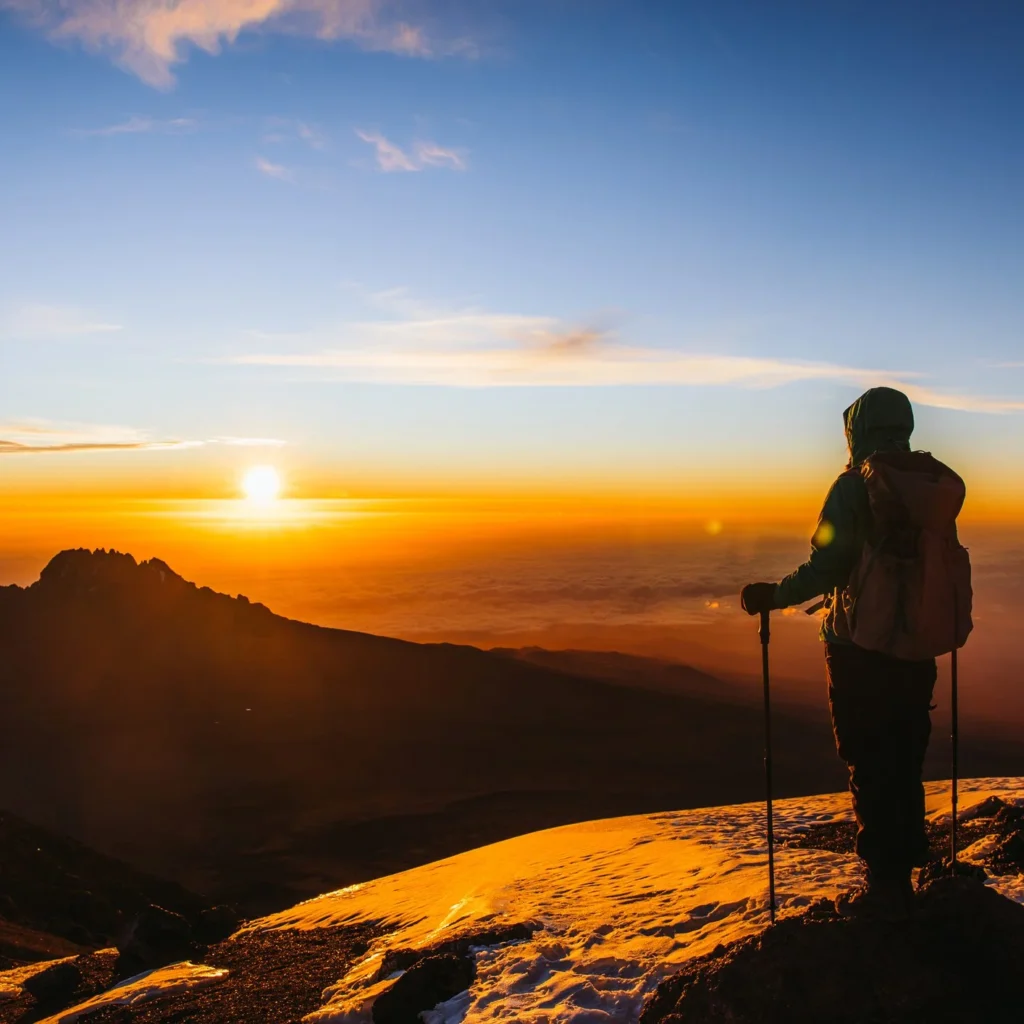
Altitude is one of the most misunderstood elements in high-altitude trekking, mountain travel, and adventure tourism. From Kilimanjaro expeditions to Andean hikes, many travelers believe widespread myths about how the body reacts to reduced oxygen levels. These misconceptions often lead to poor preparation, unnecessary fear, or risky decisions during ascent. In reality, altitude effects are predictable, scientifically understood, and manageable with proper acclimatization and awareness. This article explores the most common altitude myths that people still believe today, despite medical and mountaineering evidence proving otherwise. By breaking down these misconceptions, we can better understand altitude sickness, oxygen availability, hydration needs, and physical performance at elevation. Whether you are a first-time climber or an experienced trekker, these insights will help you approach high-altitude environments more safely, confidently, and realistically. 1. Myth: You Need to Be Extremely Fit to Avoid Altitude Sickness One of the most common altitude myths is that only very fit people avoid altitude sickness. In reality, physical fitness has little direct influence on how your body responds to high altitude. Altitude sickness is primarily caused by how quickly your body adapts to lower oxygen pressure, not your muscle strength or endurance level. Even elite athletes can suffer from headaches, nausea, or fatigue at altitude if they ascend too quickly. Conversely, moderately fit individuals who ascend gradually and follow proper acclimatization schedules often do much better. The key factors are slow ascent, hydration, rest, and listening to your body. Fitness helps with overall trekking endurance, but it does not guarantee protection against altitude effects. Understanding this myth is important because it prevents overconfidence and encourages safer, more realistic preparation for mountain travel. 2. Myth: Altitude Sickness Only Happens at Very High Mountains Many people believe altitude sickness only occurs on extreme peaks like Everest. However, symptoms can begin as low as 2,000–2,500 meters above sea level. Popular trekking destinations and safari-adjacent highlands can already trigger mild to moderate altitude effects. The body starts reacting to reduced oxygen levels much earlier than most travelers expect. Symptoms such as headaches, dizziness, and shortness of breath may appear even on moderate climbs if ascent is too fast. This myth is dangerous because it leads travelers to underestimate risk in “mid-altitude” destinations. The truth is that altitude sickness depends on the rate of ascent and individual sensitivity, not just height. Proper acclimatization is necessary even for moderate elevations. Recognizing this helps travelers prepare better hydration strategies, pacing, and rest days regardless of whether the mountain is considered “extreme” or not. 3. Myth: Drinking More Water Completely Prevents Altitude Sickness Hydration is essential at altitude, but water alone does not prevent altitude sickness. A common misconception is that drinking large amounts of water guarantees protection. While dehydration can worsen symptoms, altitude sickness is caused by reduced oxygen pressure, not fluid levels. Drinking enough water supports circulation and helps the body adapt, but it cannot replace acclimatization. Overhydration can even cause discomfort or an electrolyte imbalance if not managed properly. The best approach is balanced hydration combined with gradual ascent and proper rest. Many trekkers mistakenly rely only on water intake while ignoring pacing and recovery, which are far more important factors. Electrolytes, nutrition, and sleep also play a key role in adaptation. Understanding this myth helps travelers focus on a complete altitude strategy rather than overemphasizing one factor that is helpful but not sufficient on its own. 4. Myth: You Should Train at Sea Level, and You’ll Be Ready for Altitude Training at sea level improves cardiovascular fitness, but it does not fully prepare the body for low-oxygen environments. Many travelers assume that running, cycling, or gym workouts at home will eliminate altitude challenges. While fitness improves endurance, altitude adaptation is a separate physiological process involving red blood cell production and oxygen efficiency. These changes only occur when you are actually exposed to higher elevations over time. This is why acclimatization days are so important during climbs. Sea-level training helps you trek longer and recover faster, but it does not prevent altitude symptoms entirely. Even highly trained athletes still need gradual ascent strategies. The key takeaway is that fitness and acclimatization work together, not interchangeably. Relying solely on pre-trip training without altitude exposure can lead to unexpected fatigue and discomfort during the early stages of a climb. 5. Myth: Alcohol Helps You Sleep Better at High Altitude Some travelers believe alcohol improves sleep quality at altitude, but the opposite is true. Alcohol may make you feel drowsy initially, but it disrupts oxygen regulation, worsens dehydration, and reduces sleep quality. At high altitude, sleep is already lighter due to reduced oxygen levels, and alcohol intensifies this effect. It can also increase the risk of altitude sickness symptoms such as headaches and nausea. Many climbers report worse rest and slower recovery after consuming alcohol during ascents. Instead of improving adaptation, it places extra strain on the body when it is already working harder to adjust. Proper hydration, warm clothing, and gradual acclimatization are far more effective for sleep quality. Understanding this myth is important for maintaining energy levels and overall safety during multi-day climbs, where good rest plays a critical role in successful summit attempts. 6. Myth: Oxygen Levels Drop Too Suddenly to Adapt A widespread misconception is that oxygen “suddenly disappears” at altitude, making adaptation impossible. In reality, oxygen percentage in the air remains the same; what changes is air pressure. This means each breath contains fewer oxygen molecules, but the body can still adapt gradually. The human body is highly efficient at adjusting when given enough time. Breathing becomes deeper and faster, and over days, the body increases red blood cell production to improve oxygen transport. This adaptation process is why gradual ascent is essential. The idea of a sudden, unmanageable oxygen drop creates unnecessary fear among beginners. While altitude is physically demanding, it is not an immediate shock to the system. Proper pacing allows most healthy individuals to adapt successfully even to significant elevations. Understanding this myth helps travelers approach altitude with
Reasons to Experience African Savanna Sunsets
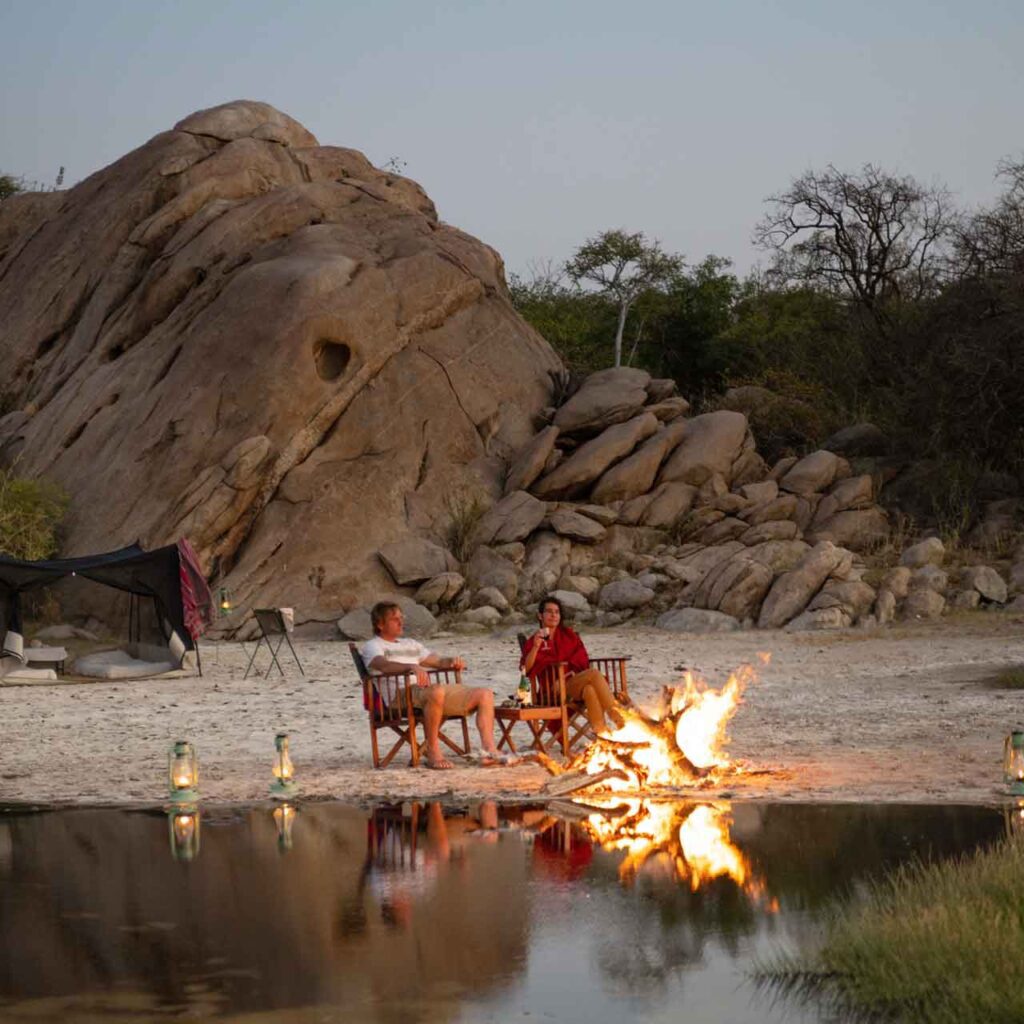
There is something timeless and deeply moving about African savanna sunsets—an experience that consistently ranks among the most sought-after moments in luxury African safaris and bucket-list travel adventures. As the golden sun dips below the endless plains of destinations like Serengeti National Park and Maasai Mara National Reserve, the sky transforms into a canvas of fiery oranges, deep purples, and glowing reds. These magical evenings are not just visually stunning; they are emotionally powerful, connecting travelers to nature in its purest form. Whether you’re on a Tanzania safari tour, a romantic honeymoon safari, or a family wildlife adventure, witnessing an African sunset is unforgettable. From iconic wildlife silhouettes to tranquil landscapes, savanna sunsets deliver a perfect blend of beauty, serenity, and authentic African wilderness experiences. 1. Unmatched Natural Beauty African savanna sunsets offer some of the most breathtaking natural beauty in the world, making them a highlight of any Tanzania safari or African wildlife tour. As the sun slowly descends, vast plains stretch endlessly beneath a sky painted in vivid hues of orange, gold, and crimson. In places like Ngorongoro Crater, the dramatic landscapes amplify the spectacle, creating a surreal visual experience. The open horizon allows uninterrupted views, unlike anywhere else on Earth. This raw and untouched beauty is a key reason why African safaris consistently rank among the best travel experiences globally. Photographers, nature lovers, and adventure seekers are drawn to these magical moments, where every sunset feels unique. It’s not just a sunset—it’s a masterpiece crafted by nature, making it an essential part of any luxury or budget safari itinerary. 2. Perfect Wildlife Silhouettes One of the most iconic aspects of African savanna sunsets is the dramatic wildlife silhouettes that appear against the glowing sky. Imagine elephants, giraffes, or acacia trees forming striking outlines as the sun sets behind them—this is the essence of classic African safari imagery. In renowned destinations like Tarangire National Park, these silhouettes create unforgettable scenes that define the safari experience. The soft evening light enhances the shapes and movements of animals, making them appear almost cinematic. For photographers and travelers alike, this is the perfect time to capture stunning, award-worthy images. These silhouettes are not just visually appealing; they symbolize the harmony between wildlife and their natural habitat. It’s a moment where time seems to slow down, allowing you to fully appreciate the beauty of Africa’s untamed wilderness. 3. Ideal Photography Conditions African sunsets provide ideal lighting conditions for photography, making them a dream for both professional photographers and casual travelers. The golden hour, just before sunset, bathes the savanna in soft, warm light that enhances colors and reduces harsh shadows. In iconic locations like Serengeti National Park, this lighting transforms landscapes and wildlife into stunning compositions. The vibrant sky contrasts beautifully with the earthy tones of the savanna, creating visually striking images. Sunset photography is a major highlight of luxury safari tours and photographic safaris, attracting enthusiasts from around the world. Whether capturing a lone acacia tree or a herd of grazing zebras, every shot feels like a masterpiece. These perfect conditions make African sunsets not only memorable but also highly shareable, boosting their popularity across travel blogs and social media platforms. 4. Romantic Safari Moments African savanna sunsets are synonymous with romance, making them a top choice for honeymoon safaris and couples seeking unforgettable experiences. Picture enjoying a sundowner drink while watching the sun melt into the horizon—this is the essence of luxury African travel. Destinations like Zanzibar and the Serengeti offer intimate settings where couples can connect in a serene environment. The peaceful atmosphere, combined with breathtaking views, creates a magical ambiance perfect for romantic memories. Many safari lodges and camps design special sunset experiences, including private dinners and scenic viewpoints. These moments are not just about the view; they are about shared emotions and lasting memories. African sunsets elevate any romantic getaway, making them a key highlight for couples exploring Tanzania or East Africa. 5. Tranquility and Peace The calmness of an African sunset brings a sense of tranquility that is hard to find elsewhere. As the day winds down, the savanna becomes quieter, and the golden light creates a soothing atmosphere. In places like Lake Manyara National Park, the stillness is only interrupted by distant wildlife sounds. This peaceful environment allows travelers to disconnect from the chaos of modern life and reconnect with nature. It’s a moment of reflection, where the vastness of the landscape puts everything into perspective. Whether on a luxury safari or a budget camping tour, this serenity is accessible to all. The calming effect of African sunsets makes them not just visually appealing but also emotionally restorative, enhancing the overall safari experience. 6. Unique Cultural Connection African sunsets are deeply tied to local cultures and traditions, particularly among communities like the Maasai people. For generations, sunsets have marked the transition from day to night, symbolizing rest and storytelling time. Experiencing a sunset in the savanna often includes cultural elements, such as traditional dances or village visits. These interactions provide insight into the rich heritage of East Africa, making your safari more meaningful. The connection between people, land, and nature becomes evident during these moments. It’s not just about watching the sun go down—it’s about understanding the rhythm of life in the African wilderness. This cultural dimension adds depth to the experience, making African sunsets both visually and spiritually enriching. 7. Dramatic Sky Colors The African sky during sunset is known for its dramatic and ever-changing colors. Due to the vast open landscapes and minimal pollution, the sky becomes a vibrant display of oranges, reds, pinks, and purples. In regions like Serengeti National Park, these colors stretch endlessly across the horizon, creating a surreal atmosphere. Each sunset is unique, influenced by weather, clouds, and seasonal changes. This unpredictability makes every evening exciting and worth anticipating. The dramatic sky is one of the main reasons why African safaris are considered premium travel experiences. It’s a natural spectacle that rivals any man-made attraction, offering a visual
Things to Do in Lake Manyara National Park

Nestled at the base of the Great Rift Valley escarpment, Lake Manyara National Park is one of Tanzania’s most diverse and scenic safari destinations. Famous for its lush groundwater forests, alkaline lake, and dramatic landscapes, this compact park offers unforgettable Tanzania safari experiences packed into a small area. From thrilling wildlife encounters to cultural tours and adventure activities, Lake Manyara is perfect for family safaris, honeymoon trips, solo travelers, and luxury African safari packages. Visitors can expect to see elephants, giraffes, hippos, and thousands of flamingos, along with the park’s iconic tree-climbing lions. Whether you’re planning a budget safari or a high-end fly-in tour, Lake Manyara delivers year-round beauty, incredible photography opportunities, and easy access from Arusha. It’s a must-visit destination for anyone seeking a short yet rewarding Tanzania wildlife safari. 1. Witness the Tree-Climbing Lions One of the most unique attractions in Lake Manyara National Park is its famous tree-climbing lions, a rare behavior not commonly seen elsewhere in Africa. These lions can often be spotted lounging on acacia branches, offering incredible photographic opportunities for safari enthusiasts. Unlike typical lions that rest on the ground, these predators climb trees to escape heat, avoid insects, or gain a better vantage point. Spotting them is a highlight of any Tanzania safari tour and a bucket-list experience for wildlife lovers. Game drives led by expert guides increase your chances of finding these elusive cats. Whether you’re on a luxury safari, mid-range lodge stay, or budget camping adventure, witnessing tree-climbing lions adds a magical touch to your journey. This extraordinary sight makes Lake Manyara one of the best safari destinations in Tanzania for unique wildlife encounters. 2. Enjoy a Game Drive through Varied Ecosystems A game drive in Lake Manyara National Park offers an incredible journey through diverse ecosystems, from dense forests and open grasslands to acacia woodlands and the soda lake itself. This variety supports a rich concentration of wildlife, making every drive exciting and unpredictable. Visitors can encounter large herds of elephants, buffalo, zebras, and wildebeest, along with predators such as lions and leopards. The park’s compact size allows for rewarding sightings even on short safaris, ideal for travelers with limited time. Professional guides provide insights into animal behavior, enhancing the overall safari experience. Whether you’re on a private safari, group tour, or luxury Tanzania safari package, game drives here are immersive and unforgettable. The ever-changing landscapes and abundant wildlife make Lake Manyara a top choice for authentic African safari adventures. 3. Walk through the Treetops on the Canopy Walkway For a unique perspective of Lake Manyara National Park, the canopy walkway offers an exciting treetop adventure through the forest. Suspended high above the ground, this series of bridges allows visitors to walk among the treetops while enjoying panoramic views of the lush surroundings. It’s one of the few canopy walkways in Tanzania and provides a thrilling yet safe experience for nature lovers. As you walk, you may spot monkeys, butterflies, and colorful birds at eye level, creating a completely different safari experience. This activity is perfect for families, couples, and solo travelers looking to add adventure to their itinerary. The canopy walkway complements traditional game drives and is often included in guided tours. It’s a must-do activity for those seeking unique and memorable experiences in Lake Manyara National Park. 4. Visit the Hot Springs Located at the southern end of Lake Manyara National Park, the hot springs—locally known as Maji Moto—are a fascinating natural attraction. These geothermal springs bubble up from underground, creating steaming pools surrounded by mineral deposits and unique landscapes. The water can reach near-boiling temperatures, making it an impressive sight during a safari. Visitors often stop here during game drives to admire the scenery and learn about the geological forces that shaped the Great Rift Valley. The area is also a great place for photography, with contrasting colors and dramatic backdrops. While you can’t swim in the hot springs, their beauty and scientific significance make them worth visiting. Including this stop in your Tanzania safari itinerary adds an educational and scenic dimension to your Lake Manyara adventure. 5. Discover the Hippo Pool The hippo pool in Lake Manyara National Park is a lively and entertaining spot where visitors can observe large groups of hippos up close. These massive animals spend most of their time submerged in water to stay cool, occasionally emerging to graze along the shore. Watching their interactions—grunting, splashing, and sometimes displaying dominance—is a memorable safari experience. The viewing area is safely designed, allowing visitors to observe without disturbing the animals. In addition to hippos, you may also spot birds, crocodiles, and other wildlife nearby. This location is a favorite stop during game drives and offers excellent photography opportunities. Whether you’re traveling on a family safari or a luxury tour, the hippo pool provides a fun and educational wildlife encounter that highlights the rich biodiversity of Lake Manyara National Park. 6. Experience Night Game Drives Night game drives in Lake Manyara National Park offer a completely different safari experience compared to daytime excursions. As darkness falls, the park comes alive with nocturnal wildlife rarely seen during the day. With the help of spotlights and expert guides, visitors can spot animals such as bush babies, genets, porcupines, and even elusive predators on the hunt. The thrill of exploring the African wilderness under the stars adds a sense of adventure and mystery. Night drives are typically arranged through lodges or authorized operators and are ideal for travelers seeking unique safari experiences. Whether you’re on a honeymoon safari or a private luxury tour, this activity enhances your overall journey. It’s a must-do for those wanting to witness the hidden side of Tanzania’s wildlife. 7. Participate in Cultural Tours Beyond wildlife, Lake Manyara National Park offers enriching cultural tours that connect visitors with local communities. These experiences provide insight into traditional lifestyles, farming practices, and local crafts. Visitors can explore nearby villages, interact with residents, and learn about Tanzanian culture firsthand. Activities may include visiting local markets, tasting
Reasons to Visit Lake Manyara National Park

Nestled at the base of the Great Rift Valley’s western escarpment, Lake Manyara National Park might be smaller than its famous neighbors, the Serengeti and Ngorongoro. Yet, to underestimate its allure would be a significant oversight. This verdant gem in northern Tanzania offers a concentrated burst of biodiversity. Unique activities and captivating landscapes make it a compelling and often refreshing addition to any Tanzanian safari itinerary. From its legendary tree-climbing lions to its vibrant avian life and diverse ecological zones. Lake Manyara presents a microcosm of African wilderness, packed with compelling reasons to visit. Lake Manyara National Park offers a unique and diverse wildlife experience. Making it a top destination for safari-goers, with key reasons for visiting including its legendary tree-climbing lions, abundant birdlife, and stunning Great Rift Valley scenery. Varied habitats and engaging activities like canoeing and walking safaris. 1. Tree-Climbing Lions: A Rare and Enigmatic Sight Perhaps the most famous draw of Lake Manyara National Park is its enigmatic tree-climbing lions. Unlike their savannah counterparts, a significant portion of Manyara’s lion population has developed the unusual habit of lounging in the branches of acacia trees. Often in the heat of the day. While the exact reasons remain a subject of debate among experts. Perhaps to escape biting tsetse flies, they seek cooler breezes. Or gain a vantage point for prey, witnessing these majestic predators draped casually on a tree limb is a truly rare and captivating sight. It’s a behavior not commonly observed elsewhere in Africa. Making Manyara a prime location to tick this unique experience off your safari list. 2. Birdwatcher’s Paradise: A Kaleidoscope of Feathers For ornithology enthusiasts, Lake Manyara is a bona fide birdwatcher’s paradise. The park boasts an astonishing avian diversity. With over 400 recorded species, a significant number for a park of its size. The alkaline waters of the soda lake itself attract huge flocks of flamingos, often numbering in the millions. Creating a breathtaking pink spectacle against the blue sky. Beyond the flamingos, you can spot pelicans, cormorants, storks, geese, and various raptors. The diverse habitats within the park range from dense forests to open grasslands. Provide sanctuary for a vast array of forest birds, waterbirds, and raptors, making every game drive a treat for the eyes and ears. 3. Scenic Great Rift Valley Setting: Awe-Inspiring Vistas Lake Manyara’s location is intrinsically linked to its dramatic beauty. It lies at the foot of the magnificent Great Rift Valley escarpment. Which rises abruptly from the park’s western boundary. This geological marvel provides a stunning backdrop to every safari. With sheer cliffs and lush forests cascading down towards the lake. The panoramic views from the top of the escarpment are breathtaking. Offering sweeping vistas across the park and the glittering soda lake, especially at sunrise or sunset. This picturesque setting adds a layer of awe to the wildlife viewing experience. 4. Diverse Wildlife: Beyond the Big Cats While the tree-climbing lions often steal the spotlight. Lake Manyara is home to a diverse array of wildlife that extends far beyond its feline residents. The park’s varied ecosystems support large herds of elephants. They are commonly seen foraging in the forests and by the lake. Large troops of baboons are a common and entertaining sight. Along with blue monkeys and vervet monkeys. You can also expect to encounter giraffes, zebras, wildebeest, hippos wallowing in the shallows, and various antelopes like impala and buffalo. Leopards are present, though elusive, and lucky visitors might even spot elusive pangolins or bushbabies. 5. Canoeing Safaris: A Unique Perspective One of Lake Manyara’s standout offerings is the opportunity for canoeing safaris on the lake itself (seasonal, depending on water levels). This provides a unique perspective on the wildlife, away from the dust and roar of the safari vehicles. Gliding silently across the water, you can get up close to hippos, observe vast numbers of waterbirds, and even spot elephants and giraffes drinking at the water’s edge. It’s a peaceful and immersive way to experience the park’s beauty. Offering exceptional photographic opportunities and a different dimension to your safari. 6. Walking Safaris: Engaging with Nature on Foot For those who crave a more active and intimate connection with the African bush. Lake Manyara offers excellent walking safaris (typically permitted outside the main game drive areas or in designated zones with an armed ranger). Stepping out of the vehicle allows you to engage your senses more fully – the smell of the earth, the sounds of the birds, and the subtle tracks of animals. These guided walks offer a chance to learn about the smaller creatures, plants, and intricate ecosystems that are often missed from a vehicle. Providing a deeper understanding of the environment. 7. Groundwater Forests and Hot Springs: Ecological Wonders The park’s unique hydrology is evident in its stunning groundwater forests and hot springs. Along the base of the escarpment, underground springs feed lush, emerald-green forests that stand in stark contrast to the dry savannah. These dense areas are vital habitats for primates and offer cooler, shadier retreats for other wildlife. The Maji Moto hot springs, located on the park’s western edge, bubble up from the Earth. A natural geothermal phenomenon that adds another layer of geological interest to the park’s diverse landscape. 8. Cultural Experiences: Connecting with Local Life Lake Manyara’s proximity to various local communities provides opportunities for rich cultural experiences. The bustling village of Mto wa Mbu, located just outside the park gate. It’s a vibrant melting pot of over 120 different tribes. Here, you can take a guided walking tour to explore local farms, see artisans at work, visit a bustling market, and interact with the friendly residents. This offers a fascinating glimpse into Tanzanian rural life and provides a wonderful complement to the wildlife viewing. 9. Affordable Safaris: Value for Money Compared to the often higher price tags of the Serengeti and Ngorongoro, Lake Manyara National Park can offer more affordable safari options. Its smaller size means that shorter, focused game drives are effective, and
Tanzania Safari Routes and Distances
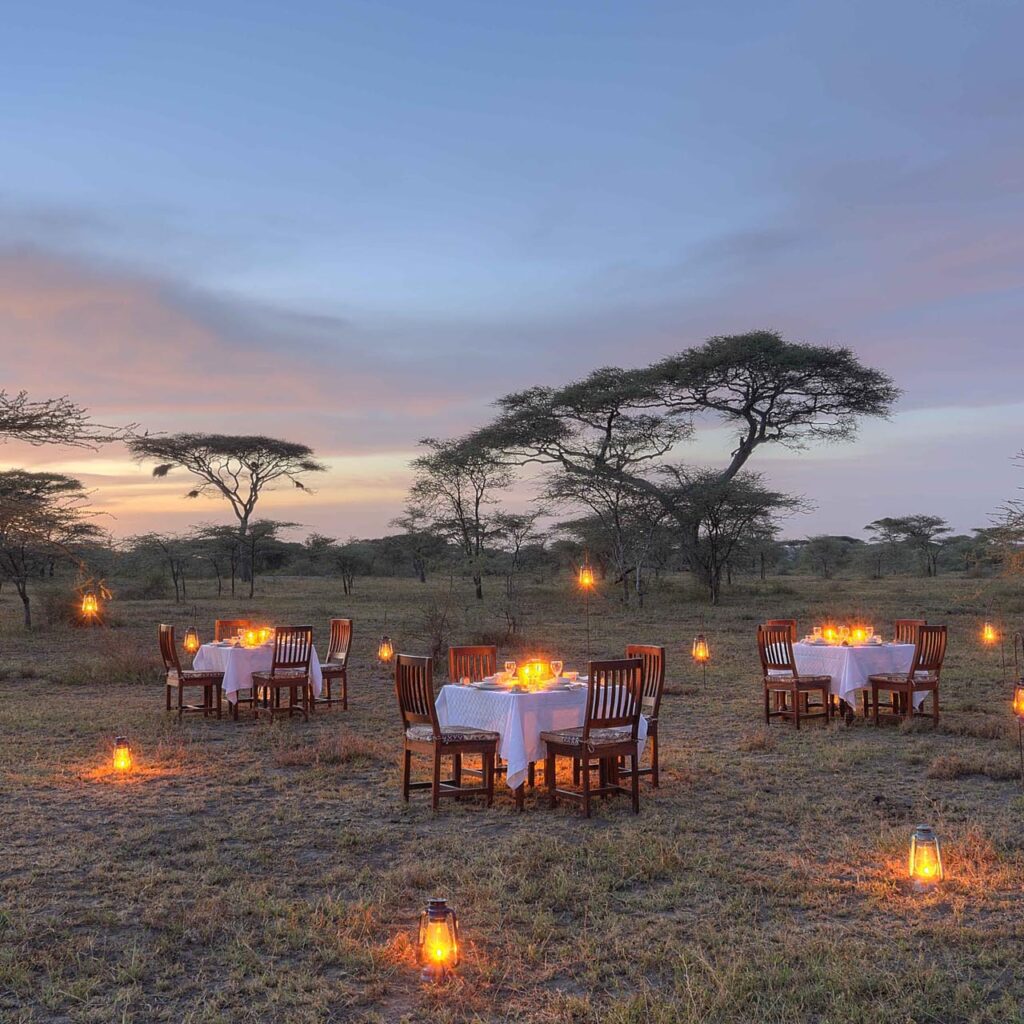
Tanzania Safari Routes and Distances are among the most searched travel topics for visitors planning a wildlife adventure in East Africa. Understanding the best Tanzania safari circuits, driving distances, travel times, and park connections is essential for a smooth and well-planned safari experience. Most Tanzania safaris begin in Arusha or Kilimanjaro International Airport, leading to world-famous destinations such as Serengeti National Park, Ngorongoro Crater, Tarangire National Park, and Lake Manyara National Park. These Northern Circuit safari routes offer incredible wildlife encounters, including the Big Five, Great Migration, and breathtaking landscapes. Knowing safari travel times helps travelers choose between road safaris and fly-in safaris while optimizing time, cost, and comfort. Arusha to Tarangire National Park Route The Arusha to Tarangire National Park route is one of the shortest and most popular safari drives in northern Tanzania. Covering approximately 110–120 km, the journey takes about 2 to 2.5 hours depending on road and weather conditions. This scenic route passes through Maasai villages and open savannah landscapes before entering Tarangire, famous for its massive elephant herds and iconic baobab trees. It is often the first stop on many Tanzania safari itineraries due to its proximity to Arusha. Travelers enjoy smooth tarmac roads before reaching the park entrance, where game drives begin immediately. This route is ideal for short safaris, weekend trips, and family-friendly wildlife tours. Arusha to Lake Manyara National Park Route The Arusha to Lake Manyara route covers around 125 km and takes approximately 2 to 3 hours. This scenic drive passes through the vibrant town of Mto wa Mbu, known for cultural tourism and local markets. Lake Manyara National Park is famous for tree-climbing lions, flamingos, and lush groundwater forests. The route is part of the classic Tanzania safari circuit and is often combined with Tarangire and Ngorongoro Crater. Travelers experience changing landscapes from open plains to lush escarpments of the Great Rift Valley. This route is suitable for both budget and luxury safaris, offering excellent wildlife viewing within a short travel distance from Arusha. Arusha to Ngorongoro Conservation Area Route The Arusha to Ngorongoro route is approximately 180–190 km, taking 3.5 to 4 hours by road. This is one of the most scenic Tanzania safari routes, passing through coffee plantations, highlands, and Maasai grazing lands. The highlight is the descent into the Ngorongoro Crater, a UNESCO World Heritage Site and one of Africa’s top wildlife destinations. Travelers often spot the Big Five in a single game drive. This route is a key part of the Northern Safari Circuit and is commonly included in 3-day to 7-day Tanzania safari itineraries. It offers a perfect blend of scenery, culture, and wildlife in a relatively short travel distance. Arusha to Serengeti National Park Route The Arusha to Serengeti route is one of the longest but most rewarding safari journeys in Tanzania. The distance ranges between 325 and 370 km, depending on entry gates, with a driving time of 6 to 8 hours. This route passes through Ngorongoro Highlands before entering the endless plains of Serengeti National Park. Serengeti is world-famous for the Great Migration, big cats, and vast savannah ecosystems. Many travelers prefer fly-in safaris to reduce travel time, but road safaris offer stunning scenic transitions. This route is essential for multi-day safari itineraries and is the backbone of Tanzania’s Northern Circuit. Tarangire to Ngorongoro Route The Tarangire to Ngorongoro safari route is one of the most popular Tanzania safari circuits, connecting two iconic wildlife destinations in northern Tanzania. The distance is approximately 150 km, taking around 2 to 3 hours by 4×4 safari vehicle via the scenic Mto wa Mbu and Karatu highlands. This route is part of the famous Northern Tanzania safari circuit, known for Big Five safaris, wildlife photography, and luxury safari itineraries. Travelers enjoy views of Maasai villages, Great Rift Valley landscapes, and open savannahs. The road is mostly paved with short gravel sections near the Ngorongoro Conservation Area. This route is ideal for combined Tanzania safari packages including Tarangire elephants and Ngorongoro Crater wildlife experiences, making it perfect for Tanzania safari tours, family safaris, and private guided expeditions. Lake Manyara to Serengeti Route The Lake Manyara to Serengeti route is a key Tanzania safari travel corridor linking lush forests with the endless plains of Serengeti National Park. The distance is about 210 km, taking 5 to 7 hours depending on wildlife stops and road conditions. The route passes through the Ngorongoro Conservation Area, offering breathtaking crater viewpoints and wildlife photography opportunities. It is a major part of the Serengeti migration safari route, used in many luxury and budget Tanzania safari itineraries. Travelers experience dramatic landscape transitions from Rift Valley escarpments to vast savannah plains. This route is ideal for Great Migration safaris, Big Cats sightings, and overland Tanzania safari adventures, making it one of the most scenic safari routes in East Africa. Arusha to Central Serengeti Route The Arusha to Central Serengeti route is the backbone of Tanzania safari travel, connecting the safari capital Arusha with Serengeti National Park. The distance is approximately 325 km, taking 6 to 8 hours by road or 1 hour by flight via Seronera Airstrip. This route passes through Lake Manyara, the Ngorongoro Highlands, and endless plains rich in wildlife. It is widely used in Serengeti safari packages, luxury lodge safaris, Tanzania big five safari, and wildlife photography tours. The journey includes scenic stops and game viewing en route, especially within the Ngorongoro Conservation Area. Central Serengeti is famous for the Big Five animals, predators, and year-round game viewing. This makes the route essential for Tanzania safari itineraries, fly-in safaris, and premium wildlife adventures. Ngorongoro to Serengeti Route The Ngorongoro to Serengeti route is a legendary safari path in northern Tanzania, connecting the Ngorongoro Crater highlands with the vast Serengeti plains. The distance is about 160 km, taking 3 to 4 hours depending on stops and road conditions. This route passes through the Ngorongoro Conservation Area, offering spectacular views of wildlife, Maasai communities, and volcanic landscapes. It is one of the most
Lake Manyara National Park vs. Ngorongoro Crater
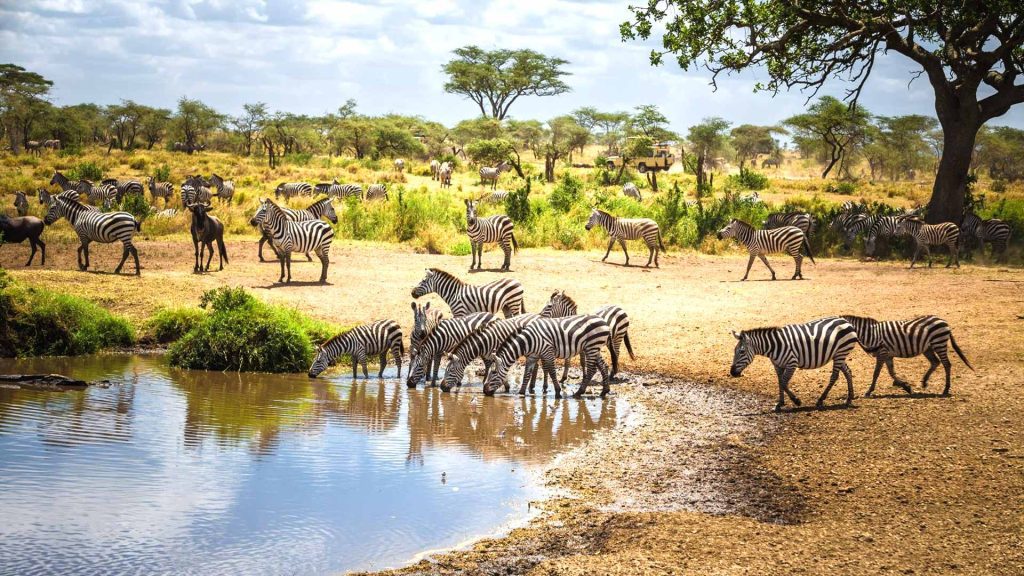
Lake Manyara National Park and Ngorongoro Crater are two of Tanzania’s most iconic safari destinations, attracting travelers searching for the ultimate African wildlife adventure. Both parks are part of Tanzania’s famous Northern Safari Circuit and offer unforgettable game drives, breathtaking landscapes, and exceptional wildlife encounters. Lake Manyara National Park is renowned for its tree-climbing lions, flamingos, lush groundwater forests, and diverse birdlife, while Ngorongoro Crater is celebrated for its Big Five safaris, dramatic volcanic caldera, and dense wildlife population. Choosing between Lake Manyara and Ngorongoro Crater depends on your safari style, budget, wildlife interests, and travel expectations. Whether you seek scenic beauty, photography opportunities, luxury safari lodges, or extraordinary animal sightings, these world-famous Tanzania safari parks promise remarkable experiences that showcase the natural wonders and rich biodiversity of East Africa. Location and Accessibility Lake Manyara National Park and Ngorongoro Crater are conveniently located in northern Tanzania, making them popular stops on classic Tanzania safari itineraries. Lake Manyara lies along the Great Rift Valley escarpment, approximately two hours from Arusha, while Ngorongoro Crater is situated farther west within the Ngorongoro Conservation Area. Travelers on Northern Circuit safaris often combine both destinations with Serengeti National Park and Tarangire National Park. Lake Manyara is easier for quick day trips because of its proximity to Arusha and excellent road access. Ngorongoro Crater requires a longer drive but rewards visitors with one of Africa’s most spectacular safari landscapes. Both parks can also be reached by domestic flights to nearby airstrips. Their accessibility makes them ideal for luxury safaris, family safaris, honeymoon safaris, and budget Tanzania safari packages designed for travelers seeking unforgettable wildlife adventures. Landscape and Scenic Beauty The landscapes of Lake Manyara National Park and Ngorongoro Crater are dramatically different, giving travelers unique safari experiences. Lake Manyara is famous for its lush groundwater forests, acacia woodlands, grassy floodplains, hot springs, and shimmering alkaline lake surrounded by the towering Great Rift Valley escarpment. The scenery feels tropical, green, and incredibly diverse within a compact area. Ngorongoro Crater, meanwhile, offers one of the most breathtaking natural wonders in Africa — a vast volcanic caldera filled with grasslands, swamps, forests, and soda lakes enclosed by steep crater walls. The panoramic views from the crater rim are unforgettable and often considered among Tanzania’s best safari photography locations. Visitors comparing Lake Manyara vs. Ngorongoro Crater often describe Manyara as intimate and peaceful, while Ngorongoro feels dramatic, vast, and cinematic. Both parks provide extraordinary scenery that enhances every wildlife viewing experience in Tanzania. Wildlife Viewing Experience Wildlife viewing in Lake Manyara National Park differs greatly from the safari experience inside Ngorongoro Crater. Lake Manyara is known for elephants, baboons, hippos, giraffes, buffaloes, zebras, and the famous tree-climbing lions that attract photographers from around the world. Birdwatchers also love the park for its flamingos and hundreds of bird species. Ngorongoro Crater offers one of Africa’s densest wildlife concentrations, with approximately 25,000 animals living within the caldera. Visitors commonly spot lions, elephants, hyenas, wildebeests, zebras, cheetahs, and endangered black rhinos during a single game drive. The crater’s enclosed ecosystem creates excellent wildlife visibility year-round. Travelers seeking the Big Five safari experience often prefer Ngorongoro Crater, while those wanting diverse habitats, birdlife, and scenic forest drives may favor Lake Manyara. Both parks remain among Tanzania’s best safari destinations for unforgettable wildlife encounters and professional safari photography adventures. The Famous Tree-Climbing Lions One of the biggest attractions in Lake Manyara National Park is its legendary tree-climbing lions, a rare behavior seen in only a few regions of Africa. These lions are often spotted resting on acacia branches during hot afternoons, creating extraordinary safari photography opportunities. Many travelers specifically visit Lake Manyara to witness this unusual wildlife spectacle. Ngorongoro Crater also hosts a healthy lion population, but its lions typically remain on the crater floor rather than climbing trees. The crater’s lions are famous for their strong prides and frequent sightings during game drives. For wildlife enthusiasts comparing Lake Manyara vs. Ngorongoro Crater, the unique tree-climbing lions give Manyara a special identity that distinguishes it from other Tanzania safari parks. This rare predator behavior, combined with lush scenery and rich biodiversity, makes Lake Manyara National Park one of the most distinctive safari destinations in East Africa and a favorite for nature photographers worldwide. Birdwatching Opportunities Birdwatching is one of the major highlights of Lake Manyara National Park, making it a paradise for bird lovers and wildlife photographers. The park hosts more than 400 bird species, including pink flamingos, pelicans, hornbills, kingfishers, storks, and African fish eagles. Seasonal migrations often transform the alkaline lake into a colorful spectacle filled with thousands of waterbirds. Ngorongoro Crater also offers excellent birdwatching opportunities, especially around its lakes, swamps, and forests, where visitors can spot ostriches, crowned cranes, vultures, and flamingos. However, Lake Manyara is generally considered Tanzania’s premier birding destination because of its exceptional avian diversity and compact habitats. Travelers interested in photography safaris, birdwatching tours, and nature-focused adventures frequently choose Lake Manyara over Ngorongoro Crater. The rich birdlife, combined with dramatic scenery and abundant wildlife, creates a rewarding safari experience for both beginner birders and experienced ornithologists exploring Tanzania’s incredible ecosystems. Big Five Safari Experience Ngorongoro Crater is widely regarded as one of the best places in Africa to see the Big Five — lions, elephants, leopards, buffaloes, and black rhinos — within a single day. The crater’s enclosed ecosystem supports an extraordinary concentration of wildlife, making animal sightings highly reliable throughout the year. Black rhino sightings are especially notable, as the crater remains one of Tanzania’s best locations to observe this endangered species. Lake Manyara National Park also offers impressive wildlife encounters, particularly elephants, lions, buffaloes, and hippos, but leopard and rhino sightings are less common. Travelers prioritizing classic Big Five safaris almost always choose Ngorongoro Crater because of its exceptional wildlife density and scenic game drives. The crater floor’s open grasslands allow easier wildlife viewing compared to Lake Manyara’s forested terrain. Both parks provide memorable safari experiences, but Ngorongoro Crater stands out as Tanzania’s ultimate
Which is better Serengeti national park or Ngorongoro crater

When planning a Tanzania safari, the debate of Serengeti National Park vs Ngorongoro Crater is one of the most popular safari comparisons in Africa travel. Both destinations are UNESCO World Heritage Sites and form the heart of the Northern Safari Circuit in Tanzania, offering unmatched Big Five safari experiences, wildlife viewing, and scenic landscapes. The Serengeti is famous for its endless savannah plains and the Great Wildebeest Migration, while Ngorongoro Crater is a collapsed volcanic caldera known for its dense wildlife concentration within a natural enclosure. Choosing between them depends on your safari goals, time, and travel style. This guide explores which is better for wildlife, scenery, photography, safari experience, accessibility, and overall value, helping you decide the ultimate Tanzania safari destination for your adventure. 1. Size and Landscape Difference The most fundamental difference between Serengeti National Park and Ngorongoro Crater is their geography and scale. Serengeti is massive, covering about 14,000+ square kilometers of open savannah, endless plains, river valleys, and acacia woodlands, creating a classic African safari landscape. In contrast, Ngorongoro Crater is a compact volcanic caldera about 260 square kilometers, forming a natural enclosure with steep crater walls and a self-contained ecosystem. The Serengeti offers wide, open horizons where wildlife moves freely across vast distances, while Ngorongoro provides a concentrated safari experience where animals are easier to spot within a limited area. If you prefer dramatic, cinematic landscapes and long game drives, Serengeti wins. If you want a compact, high-density wildlife experience, Ngorongoro is more suitable for short safari itineraries. 2. Wildlife Density and Big Five Experience Both destinations offer incredible Big Five safari opportunities (lion, elephant, leopard, buffalo, rhino), but the experience differs significantly. Ngorongoro Crater is known for its extremely high wildlife density, meaning you can often see multiple species in a single game drive, including the endangered black rhino. It is one of the best places in Africa for guaranteed Big Five sightings in a short time. Serengeti, on the other hand, spreads wildlife across vast plains, offering more natural behavior, predator-prey interaction, and large herds of wildebeest and zebras. It is less predictable but far more dynamic. If your priority is guaranteed sightings in one day, Ngorongoro is better. If you want raw wilderness and natural animal movement, the Serengeti is superior for long safari experiences. 3. The Great Migration Experience The Serengeti National Park is globally famous for the Great Wildebeest Migration, one of the most spectacular wildlife events on Earth. Over 1.5 million wildebeest, zebras, and gazelles move across the plains in a circular pattern searching for fresh grazing, often facing dramatic river crossings and predator attacks. This makes Serengeti the ultimate destination for migration safari tours in Tanzania. Ngorongoro Crater does not host the migration, but it serves as an important ecosystem for resident wildlife. If witnessing seasonal movement, river crossings, and large-scale animal herds is your dream, Serengeti is clearly the better choice. However, Ngorongoro complements the experience by offering stable wildlife viewing regardless of season, making it ideal for consistent year-round safaris. 4. Safari Duration and Accessibility Ngorongoro Crater is much easier to access and explore due to its compact size and proximity to Arusha, often just a few hours’ drive. A single game drive is usually enough to experience the entire crater floor, making it perfect for short Tanzania safaris or 1–2 day trips. Serengeti, however, is much further and requires more travel time, often combined with multi-day itineraries. Because of its vast size, visitors typically spend 2–5 days or more exploring different regions such as Seronera or the northern plains. Ngorongoro is ideal for time-limited travelers, while Serengeti is better for those seeking deeper exploration and extended safari adventures across diverse ecosystems. 5. Photography and Scenic Beauty For photographers, both destinations offer world-class opportunities, but with different styles. Ngorongoro Crater provides dramatic, enclosed scenery with steep crater walls, misty mornings, and dense wildlife gatherings, making it ideal for close-up wildlife photography and Big Five shots. Serengeti, however, offers endless horizons, golden sunsets, and cinematic landscapes perfect for capturing wildlife in motion, especially during migration season. The Serengeti’s open plains allow for more creative compositions with animals against dramatic skies. Ngorongoro is more structured and predictable visually, while Serengeti is more diverse and expansive. If you want iconic postcard-style wildlife shots, Ngorongoro excels. If you prefer artistic, wide-angle safari photography, Serengeti is unmatched in variety and scale. 6. Safari Experience Style The safari experience in Serengeti feels wild, immersive, and adventurous, with long game drives across vast ecosystems where wildlife sightings can happen at any moment. It is ideal for travelers seeking a true African wilderness safari experience. Ngorongoro Crater, on the other hand, feels more controlled and predictable due to its enclosed environment. Game drives are shorter, and wildlife is easier to locate, making it excellent for first-time safari travelers or families. Serengeti offers a sense of exploration and discovery, while Ngorongoro delivers convenience and efficiency. Both are exceptional, but Serengeti is more adventurous, while Ngorongoro is more relaxed and structured for quick wildlife encounters. 7. Accommodation and Comfort Options Both Serengeti and Ngorongoro offer a wide range of accommodation options, from luxury lodges to mid-range tented camps. Serengeti has more remote and immersive safari lodges located deep within the park, offering luxury safari experiences in the wild. Ngorongoro accommodations are often located on the crater rim or nearby highlands, offering spectacular views and easier access to game drives. Serengeti lodges tend to focus on exclusivity and wilderness immersion, while Ngorongoro lodges emphasize comfort, scenery, and accessibility. If you want luxury in the heart of nature, the Serengeti is ideal. If you prefer comfort with breathtaking crater views and shorter travel distances, Ngorongoro is the better option. 8. Best Time to Visit Both destinations are year-round safari locations, but timing affects the experience. Serengeti is best visited during the Great Migration seasons (December–July, depending on location), especially for river crossings and calving season. Ngorongoro Crater offers consistent wildlife viewing throughout the year due to its
How We Keep You Safe on Kilimanjaro
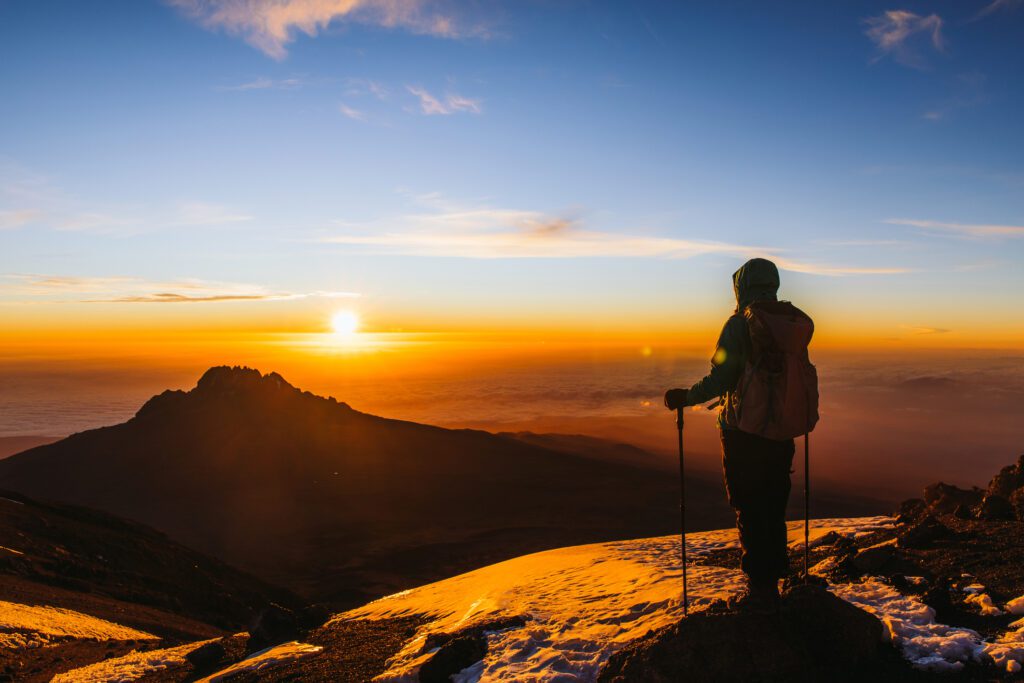
Climbing Mount Kilimanjaro is a once-in-a-lifetime adventure, but safety is the foundation of every successful summit. As Africa’s highest peak, Kilimanjaro presents unique challenges, including altitude, weather changes, and physical endurance. That’s why professional Kilimanjaro operators prioritize safety protocols, experienced guides, and proper acclimatization strategies to ensure every climber reaches the summit and returns safely. From pre-climb preparation to summit night, every detail matters. We combine expert mountain crews, high-quality equipment, emergency response systems, and personalized care to create a safe and enjoyable trekking experience. Whether you are a beginner or experienced trekker, understanding how we keep you safe on Kilimanjaro will give you confidence, peace of mind, and a higher summit success rate. Your safety is not just a priority—it is our commitment every step of the way. 1. Expert Certified Mountain Guides Our Kilimanjaro guides are highly trained, certified, and experienced professionals who understand every aspect of the mountain. They are skilled in altitude management, wilderness first aid, and emergency response procedures. Each guide has summited Kilimanjaro multiple times, giving them deep knowledge of routes, weather patterns, and potential risks. Their role goes beyond navigation—they monitor your health, pace your climb, and provide motivation throughout the journey. Guides are trained to detect early signs of altitude sickness, ensuring quick action before conditions worsen. With strong communication skills and leadership, they create a supportive environment for climbers of all levels. Having expert guides significantly increases your safety and summit success rate, making your Kilimanjaro adventure both secure and memorable. 2. Proper Acclimatization Itineraries One of the most critical factors in Kilimanjaro safety is proper acclimatization. We design itineraries that follow the “climb high, sleep low” principle, allowing your body to adjust gradually to high altitude. Longer routes such as Lemosho, Machame, and Northern Circuit are preferred because they increase success rates and reduce the risk of altitude sickness. Daily altitude gains are carefully planned, and rest days are included when necessary. Our guides monitor your oxygen levels and symptoms to ensure your body adapts properly. By avoiding rapid ascents, we minimize risks and improve overall comfort. A well-paced itinerary is not just about reaching the summit—it’s about doing so safely, giving your body the best chance to succeed on Africa’s tallest mountain. 3. Daily Health Monitoring Checks Your health is closely monitored throughout the climb using daily medical checks. Guides use pulse oximeters to measure oxygen saturation levels and heart rate, helping detect early signs of altitude sickness. We also conduct routine wellness assessments, asking about symptoms such as headaches, nausea, or fatigue. These checks allow us to make informed decisions about whether to continue, rest, or descend. Transparency is key—we encourage climbers to communicate openly about how they feel. Early detection can prevent serious complications like Acute Mountain Sickness (AMS). Our proactive approach ensures that no warning signs are ignored. With consistent monitoring, we prioritize your safety while maintaining a steady and comfortable climbing pace toward the summit. 4. High Guide-to-Climber Ratio Safety on Kilimanjaro improves significantly with a high guide-to-climber ratio. We assign more guides per group than the minimum requirement, ensuring personalized attention for every climber. This allows guides to closely monitor each individual’s condition, pace, and overall well-being. In larger groups, assistant guides provide additional support, especially during challenging sections like summit night. A higher ratio also means faster response times in case of emergencies. Whether you need encouragement, assistance, or medical attention, help is always nearby. This personalized care enhances both safety and comfort, making your trekking experience more enjoyable. Our commitment to maintaining a strong support system ensures that no climber is left behind and everyone receives the attention they deserve. 5. Emergency Oxygen Supply We carry emergency oxygen on all Kilimanjaro climbs to handle altitude-related issues effectively. Oxygen cylinders are used when climbers show signs of severe altitude sickness, providing immediate relief while preparing for descent. Our guides are trained to administer oxygen safely and efficiently. This extra precaution can make a critical difference in high-altitude situations, especially above 4,000 meters. While oxygen is not used for performance enhancement, it serves as a vital backup for emergencies. Combined with proper acclimatization and monitoring, it adds an extra layer of security to your climb. Knowing that oxygen support is readily available gives climbers peace of mind and confidence to continue their journey safely. 6. Comprehensive First Aid Kits Every Kilimanjaro expedition is equipped with fully stocked first aid kits designed for mountain conditions. These kits include medications for altitude sickness, pain relief, wound care, and other medical essentials. Our guides are trained in wilderness first aid and know how to handle various medical situations. From minor injuries like blisters to more serious concerns, immediate care is always available. We also carry portable stretchers for evacuation if necessary. Preparedness is key in remote environments like Kilimanjaro, where access to medical facilities is limited. By having the right equipment and trained personnel, we ensure that every situation is handled quickly and effectively, prioritizing your safety at all times. 7. Safe and Reliable Equipment We provide high-quality, well-maintained equipment to ensure safety and comfort throughout your Kilimanjaro climb. This includes durable tents, warm sleeping bags, insulated sleeping mats, and reliable cooking gear. Proper gear protects you from extreme temperatures, wind, and rain, which are common on the mountain. We also inspect all equipment regularly to maintain high safety standards. Climbers are advised on appropriate clothing and personal gear to bring, including layered clothing and sturdy hiking boots. Having the right equipment reduces risks associated with cold exposure and fatigue. By combining quality gear with expert guidance, we create a safe and comfortable environment that supports your success on the mountain. 8. Weather Monitoring and Planning Kilimanjaro’s weather can change rapidly, making constant monitoring essential for safety. Our team tracks weather conditions closely and adjusts plans when necessary. We choose the best climbing seasons—typically January to March and June to October—to avoid extreme conditions. During the climb, guides assess daily weather patterns, including temperature, wind, and
Safety Tips for Solo Female Travelers

Solo female travel is one of the fastest-growing trends in global tourism, driven by empowerment, freedom, and the desire for authentic experiences. Whether exploring Tanzania safaris, European cities, or tropical islands, women are embracing independent travel more than ever. However, safety remains a top priority. This optimized guide on safety tips for solo female travelers covers essential travel safety advice, personal security strategies, and smart travel planning techniques. From choosing safe destinations and booking trusted accommodations to staying aware in unfamiliar environments, this guide ensures a secure and stress-free journey. With the right preparation, solo travel becomes not only safe but also deeply rewarding, allowing women to explore the world confidently, responsibly, and independently. Research Your Destination Thoroughly Before embarking on any solo trip, detailed destination research is essential for safety and confidence. Study local customs, cultural norms, dress codes, and laws to avoid unwanted attention or misunderstandings. Check travel advisories, safety rankings, and current news updates to identify potential risks. Look for safe neighborhoods, transportation options, and common tourist scams. Reading travel blogs, forums, and reviews from other solo female travelers provides real-life insights and practical advice. Understanding local emergency contacts, healthcare availability, and safe zones enhances preparedness. Proper research helps you blend in, avoid dangerous areas, and travel smarter. Knowledge is your first layer of protection, ensuring you make informed decisions while enjoying a safe and enriching solo travel experience. Choose Safe and Trusted Accommodation Selecting secure accommodation is one of the most important safety decisions for solo female travelers. Opt for reputable hotels, lodges, or guesthouses with verified reviews, high ratings, and strong security measures such as 24-hour reception and surveillance. Consider accommodations in central, well-lit areas close to attractions and transport hubs. Avoid isolated locations, especially at night. Platforms with verified listings and guest feedback help ensure reliability. Female-friendly hostels and boutique hotels often offer added safety features. Always check room locks, emergency exits, and staff responsiveness. Investing in safe accommodation may cost more, but it significantly reduces risks and enhances peace of mind, allowing you to relax and fully enjoy your travel experience. Stay Connected and Share Your Itinerary Maintaining communication with trusted family or friends is crucial for solo travel safety. Share your travel itinerary, accommodation details, and daily plans with someone reliable. Use location-sharing apps and check in regularly. Having a local SIM card or international roaming ensures you stay connected at all times. Save emergency contacts, including local police, embassy, and healthcare services. Backup important documents digitally for easy access. Staying connected not only enhances safety but also provides reassurance to loved ones. In case of emergencies, quick communication can make a significant difference. A connected traveler is a safer traveler, equipped to handle unexpected situations confidently and efficiently. Trust Your Instincts and Stay Alert Intuition is a powerful safety tool for solo female travelers. If something feels wrong, trust your instincts and remove yourself from the situation immediately. Stay alert in crowded places, public transport, and unfamiliar environments. Avoid distractions such as excessive phone use when walking. Observe surroundings, people, and exits at all times. Confidence in your body language can deter unwanted attention. Avoid oversharing personal information with strangers. Staying mentally aware helps you recognize potential threats early and act quickly. Being cautious does not mean being fearful—it means being prepared. Trusting your instincts allows you to navigate new places safely while maintaining control over your travel experience. Dress Appropriately and Respect Local Culture Dressing appropriately plays a significant role in personal safety and cultural respect. Research local dress codes and adapt accordingly, especially in conservative regions. Wearing modest clothing can help avoid unwanted attention and show respect for local traditions. Avoid flashy jewelry or expensive accessories that may attract theft. Blending in with locals makes you less noticeable as a tourist. Comfortable and practical clothing also improves mobility and confidence. Respecting cultural norms enhances your travel experience, builds positive interactions, and reduces risks. Smart dressing is not about limiting expression but about prioritizing safety and cultural awareness while traveling solo. Avoid Walking Alone at Night Nighttime travel poses increased risks, especially in unfamiliar areas. Solo female travelers should avoid walking alone after dark, particularly in poorly lit or isolated locations. Use trusted transportation options such as registered taxis or ride-hailing services. If you must walk, choose busy, well-lit streets and stay aware of your surroundings. Inform someone of your movements and expected arrival time. Avoid shortcuts through unfamiliar neighborhoods. Safety always comes before convenience. Planning your evening activities reduces unnecessary risks. By prioritizing secure transport and safe routes, you can enjoy nightlife experiences while maintaining personal safety. Use Reliable Transportation Options Transportation safety is crucial when traveling solo. Choose licensed taxis, reputable ride-sharing services, or hotel-arranged transfers. Avoid unmarked vehicles or unsolicited offers from strangers. Research public transport systems and understand routes before traveling. Sit near other passengers, especially during long journeys. Keep your belongings close and avoid displaying valuables. When possible, travel during daylight hours. Reliable transportation minimizes risks and ensures a smoother journey. Knowing how to move safely within a destination enhances confidence and independence, allowing you to explore comfortably without compromising security. Keep Your Valuables Secure Protecting your belongings is essential for a stress-free trip. Use anti-theft bags, money belts, or hidden pouches to store cash, passports, and important documents. Avoid carrying large amounts of money and keep copies of essential documents. Use hotel safes when available. Be cautious in crowded areas where pickpocketing is common. Keep your phone, wallet, and passport secure at all times. Dividing valuables into different bags reduces the risk of losing everything at once. Staying organized and vigilant ensures your essentials remain safe, allowing you to focus on enjoying your travel experience. Learn Basic Self-Defense Techniques Basic self-defense knowledge can boost confidence and preparedness. Simple techniques such as breaking free from grips, using your voice assertively, and maintaining physical distance can be effective in risky situations. Consider carrying a personal safety alarm. Awareness and confidence often deter potential threats. Self-defense