Ways Climbing Kilimanjaro Enriches Your Life
Ways Climbing Kilimanjaro Enriches Your Life
Climbing Mount Kilimanjaro, the highest peak in Africa and one of the world’s most iconic trekking destinations, is more than just a physical adventure—it is a life-transforming journey. Known for its breathtaking landscapes, diverse ecological zones, and legendary trekking routes like the Machame Route, Marangu Route, and Lemosho Route, Kilimanjaro trekking in Tanzania attracts adventurers from all over the world. Beyond its scenic beauty, a Kilimanjaro climb challenges your endurance, mindset, and emotional strength. It pushes you beyond comfort zones while offering unmatched personal growth. Many travelers combine a Kilimanjaro climb with a Tanzania safari, making it a complete African adventure experience. This article explores the powerful ways climbing Kilimanjaro enriches your life, from mental resilience to spiritual awakening and unforgettable achievement.
Builds Mental Strength and Resilience
One of the most powerful ways climbing Kilimanjaro enriches your life is by building mental strength and resilience. The Kilimanjaro trekking experience requires determination, patience, and the ability to keep going despite fatigue, altitude changes, and unpredictable weather conditions. As you ascend through rainforest, moorland, alpine desert, and arctic summit zones, your mindset is constantly tested. Every step becomes a lesson in persistence. This mental endurance translates into everyday life, helping you handle stress, setbacks, and challenges with greater confidence. Many climbers report that after completing a Mount Kilimanjaro climb, they feel mentally stronger and more focused in their personal and professional lives. The journey teaches that success is achieved through steady progress, not speed, making it a powerful life metaphor.
Enhances Physical Fitness and Endurance
Climbing Kilimanjaro significantly improves your physical fitness and endurance. As one of the most popular high-altitude trekking adventures in Tanzania, Kilimanjaro trekking demands consistent walking for several days across varying terrain. Your body adapts to long hiking hours, steep ascents, and changing oxygen levels. This natural conditioning strengthens your cardiovascular system, leg muscles, and overall stamina. Unlike gym workouts, Kilimanjaro hiking offers real-world endurance training in one of the most scenic environments on earth. Whether you choose the Machame Route or the Lemosho Route, each path challenges your body in unique ways. By the end of the Kilimanjaro summit climb, you gain not only physical strength but also a deeper appreciation for your body’s capabilities and limits, inspiring a healthier lifestyle long after the trek ends.
Boosts Self-Confidence and Achievement
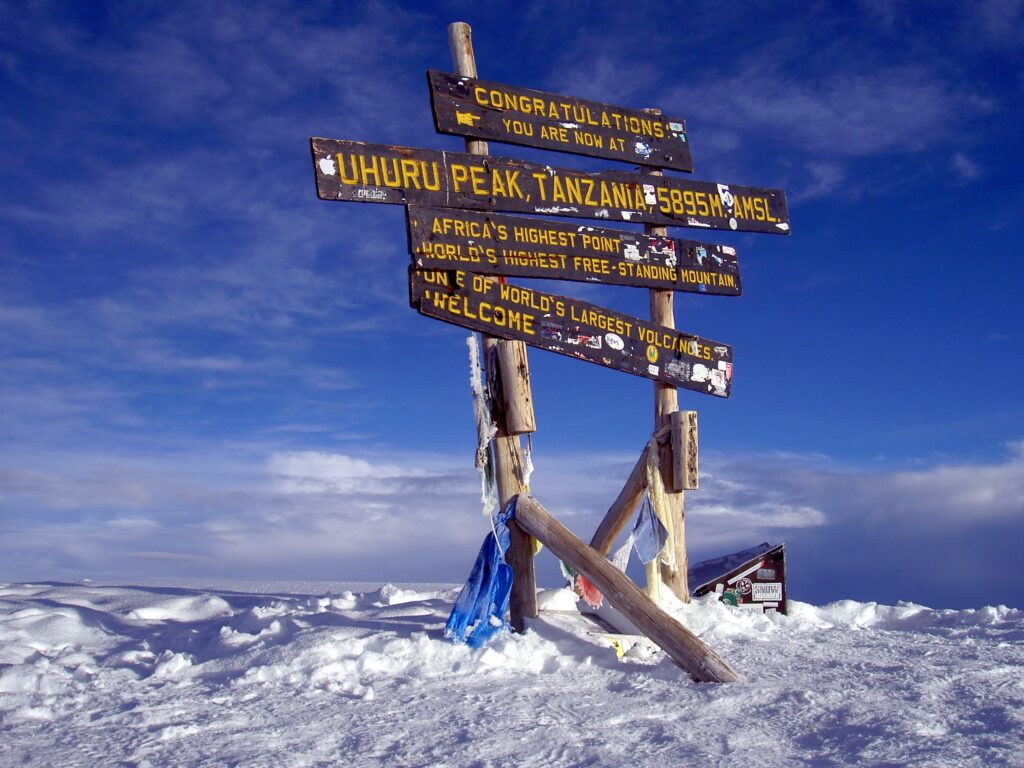
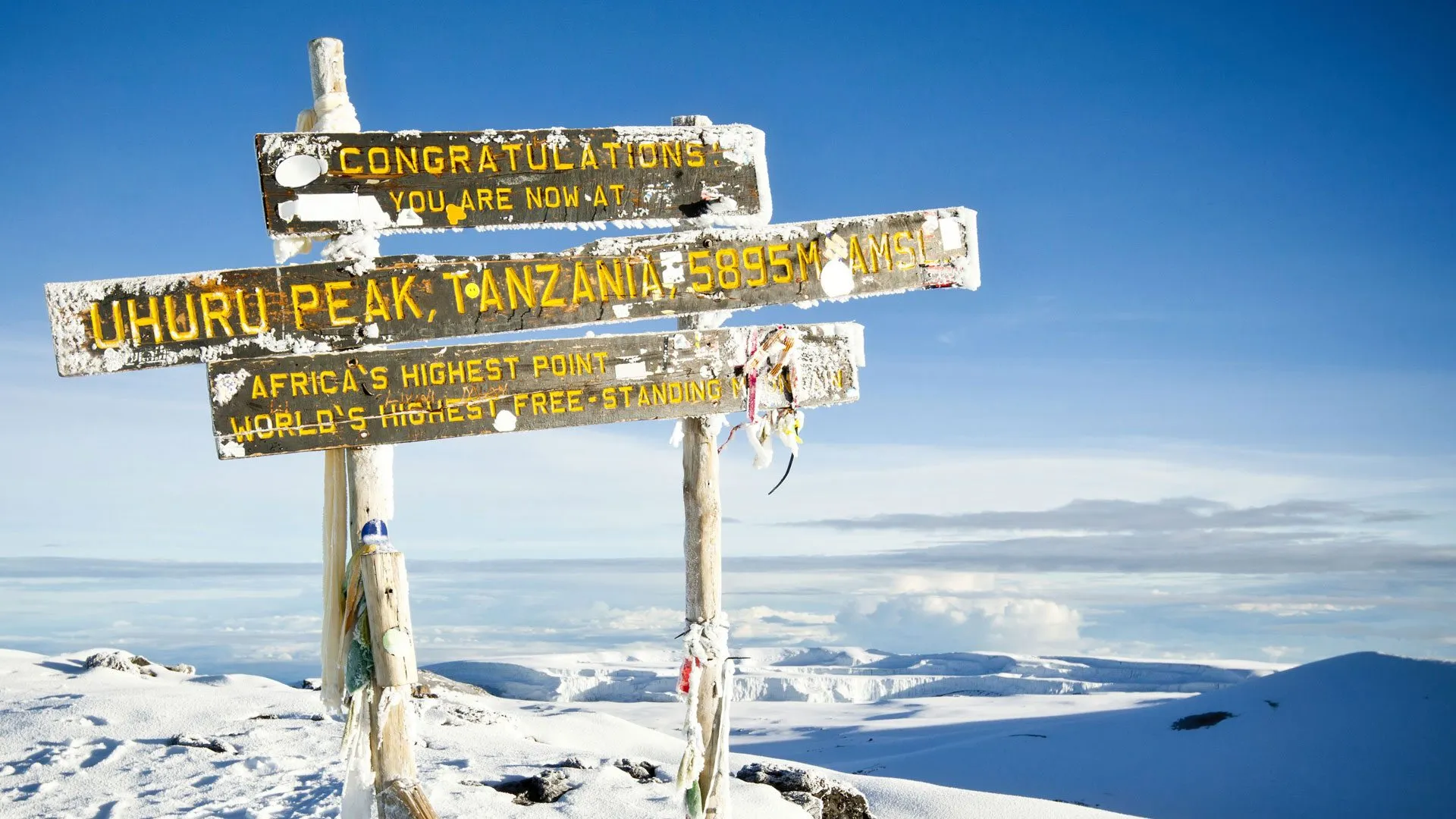
Reaching the summit of Mount Kilimanjaro at Uhuru Peak is a life-changing achievement that dramatically boosts self-confidence. Standing at 5,895 meters above sea level, you realize you have accomplished one of the world’s greatest trekking challenges. This sense of success goes beyond tourism—it becomes a personal milestone. Many climbers describe the Kilimanjaro summit experience as a moment of pure empowerment and emotional release. Completing the Kilimanjaro climb proves that with preparation, determination, and resilience, even the most difficult goals are achievable. This confidence carries into everyday life, influencing career decisions, relationships, and personal ambitions. Whether you are a first-time trekker or an experienced adventurer, conquering Kilimanjaro trekking routes in Tanzania reinforces a powerful belief: you are capable of more than you ever imagined.
Deep Connection with Nature
Climbing Kilimanjaro offers an unmatched opportunity to reconnect with nature on a profound level. The mountain’s unique ecosystem includes lush rainforests, alpine meadows, volcanic landscapes, and glacier-capped peaks. As you progress through these distinct ecological zones during your Kilimanjaro trekking adventure, you witness the beauty and fragility of nature firsthand. The sounds of birds in the forest, the silence of high-altitude deserts, and the breathtaking sunrise over the clouds create a deep sense of awareness and appreciation. Unlike typical travel experiences, a Mount Kilimanjaro climb immerses you completely in natural surroundings with minimal distractions. This connection often inspires travelers to adopt more sustainable lifestyles and respect for the environment, especially when combined with eco-conscious Tanzania safari experiences.
Develops Discipline and Consistency
A Kilimanjaro climb requires strict discipline and consistency, especially during multi-day trekking routes like the Machame Route or Rongai Route. Each day follows a structured routine of hiking, resting, eating, and acclimatizing. This disciplined rhythm helps climbers understand the importance of consistency in achieving long-term goals. You learn to pace yourself, listen to guides, and respect the mountain’s natural demands. Skipping steps or rushing can lead to altitude sickness or failure to reach the summit. Therefore, Kilimanjaro trekking teaches patience and structured progress. These habits often continue after the climb, improving personal productivity, time management, and self-discipline in daily life. The mountain becomes a teacher of order, balance, and persistence, making the experience deeply transformative.
Encourages Emotional Healing and Reflection
Many climbers find that Mount Kilimanjaro offers a space for emotional healing and deep reflection. The long hours of trekking through peaceful landscapes create time away from digital distractions and daily stress. This silence allows you to think clearly, reflect on life decisions, and process emotions. The journey often becomes symbolic—each step representing progress through personal challenges or past struggles. Whether you are climbing for personal reasons, celebration, or transformation, Kilimanjaro trekking in Tanzania provides a powerful mental reset. The combination of physical effort and natural beauty creates emotional clarity that is hard to find in everyday life. Many climbers return home with a renewed sense of peace and direction after their Kilimanjaro adventure.
Strengthens Problem-Solving Skills
Kilimanjaro climbing naturally improves problem-solving skills due to the unpredictable nature of high-altitude trekking. Weather changes, altitude effects, and physical fatigue require quick thinking and adaptability. Climbers must decide when to rest, how to pace themselves, and how to respond to challenges like cold temperatures or reduced oxygen levels. Guided Kilimanjaro tours also encourage teamwork and communication, especially on routes like the Lemosho and Northern Circuit routes. These experiences strengthen decision-making abilities under pressure. As a result, climbers often find themselves more capable of handling real-life challenges after completing the trek. The mountain teaches that flexibility and calm thinking are essential for success in both adventure and life.
Builds Teamwork and Social Bonds
A Kilimanjaro trekking experience is often shared with fellow climbers, guides, and porters, creating strong bonds and teamwork. The journey requires mutual encouragement, especially during difficult summit attempts. Sharing meals, stories, and challenges fosters friendships that often last beyond the climb. Professional Kilimanjaro tour operators in Tanzania emphasize group support, ensuring climbers work together to reach Uhuru Peak. This sense of unity is one of the most enriching aspects of the adventure. Whether you start as strangers or friends, the shared experience of conquering Africa’s highest mountain creates lasting emotional connections. It is not just a climb—it is a collective journey of human support and encouragement.
Increases Gratitude and Appreciation for Life
Climbing Kilimanjaro often shifts perspective and increases gratitude for life’s simple things. During the trek, basic comforts like warm food, clean water, and rest become deeply appreciated. The physical challenge and altitude conditions make climbers more aware of how fortunate they are in daily life. Watching sunrise above the clouds or reaching the summit of Mount Kilimanjaro creates moments of awe and humility. This appreciation extends beyond the mountain, influencing how people view their homes, relationships, and opportunities. Many travelers describe returning from the Kilimanjaro trek in Tanzania with a renewed sense of gratitude and emotional balance, valuing life more deeply than before.
Inspires Personal Transformation
Kilimanjaro climbing is widely recognized as a journey of personal transformation. The experience challenges physical limits, emotional boundaries, and mental expectations. As climbers ascend through diverse terrains and push toward the summit, they often experience a shift in identity and mindset. The achievement of reaching Uhuru Peak symbolizes overcoming limitations. This transformation is not temporary—it influences long-term goals, confidence, and lifestyle choices. Many people return from their Kilimanjaro trek inspired to pursue new careers, travel more, or adopt healthier habits. It becomes a turning point in life, where “impossible” is replaced with “possible.”
Offers a Sense of Adventure and Exploration
Climbing Mount Kilimanjaro satisfies the human desire for adventure and exploration. As one of the world’s most famous trekking destinations, Kilimanjaro offers multiple routes such as Machame, Marangu, Lemosho, and Rongai, each providing unique landscapes and challenges. Every day on the mountain feels like exploring a new world, from tropical forests to icy summit zones. The unpredictability of the climb adds excitement and thrill. This sense of exploration is one of the key reasons travelers choose Kilimanjaro trekking in Tanzania. It is not just a hike—it is an epic adventure across one of Africa’s most iconic natural wonders.
Teaches Patience and Humility
Kilimanjaro trekking teaches patience and humility in powerful ways. The “pole pole” (slowly, slowly) philosophy used by guides encourages climbers to take their time and respect the mountain’s pace. This approach prevents altitude sickness and ensures safe ascent. Climbers quickly learn that rushing is not effective in high-altitude environments. Humility comes from realizing how small we are compared to nature’s vast power. Weather conditions, altitude, and terrain cannot be controlled, only respected. This lesson stays with climbers long after the journey ends, shaping a more patient and grounded approach to life.
Provides Cultural Awareness and Local Connection
Climbing Kilimanjaro also enriches your life through cultural interaction with local guides and porters from Tanzania. These individuals bring deep knowledge of the mountain, traditions, and Swahili culture. Learning greetings like “Jambo” and “Asante” adds warmth to the experience. Many Kilimanjaro trekking tours include storytelling and cultural exchange, offering insight into Tanzanian life. This connection enhances understanding and respect for local communities. It also supports sustainable tourism, contributing to local livelihoods. The human connection becomes an important part of the journey, making the climb more meaningful.
Improves Goal Setting and Focus
The structured nature of Kilimanjaro climbing helps improve goal setting and focus. Each day of the trek represents a small milestone toward the ultimate goal of reaching Uhuru Peak. Climbers learn to break large challenges into manageable steps, focusing on daily progress rather than the entire journey. This mindset is highly transferable to personal and professional life. Whether you are pursuing career goals or personal ambitions, Kilimanjaro trekking teaches clarity, patience, and structured achievement. The summit becomes a symbol of disciplined focus and long-term planning.
Creates Lifelong Memories
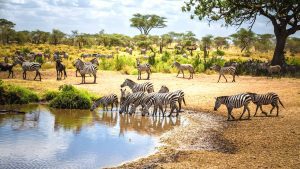
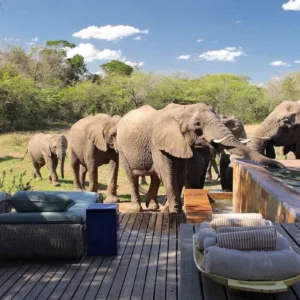
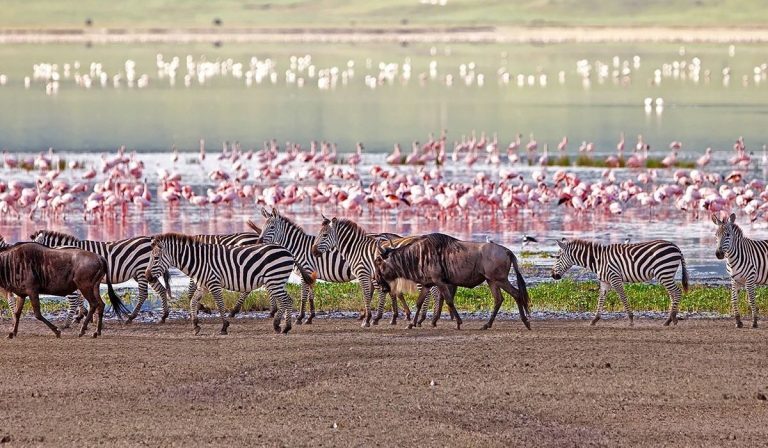
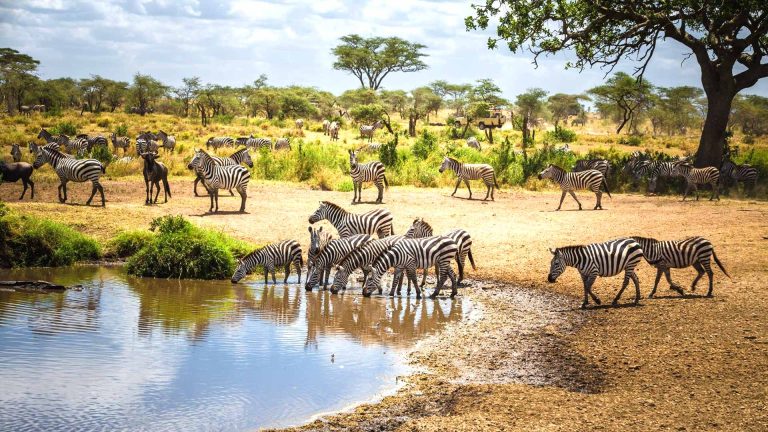
A Kilimanjaro climb creates unforgettable memories that last a lifetime. From watching sunrise above the clouds to celebrating at the summit, every moment is deeply emotional and visually stunning. The friendships formed, challenges overcome, and landscapes explored make the experience truly unique. Many travelers combine their Kilimanjaro trek with a Tanzania safari, extending the adventure into wildlife-rich destinations like Serengeti and Ngorongoro. These combined experiences create a powerful travel story that stays with you forever. The memories of Kilimanjaro are not just visual—they are emotional and transformative.
Encourages Sustainable and Responsible Travel
Climbing Kilimanjaro promotes sustainable and responsible travel practices. Reputable Kilimanjaro tour operators follow strict environmental guidelines to preserve the mountain’s fragile ecosystem. Climbers are encouraged to minimize waste, respect wildlife, and support local communities. This awareness often influences travelers to adopt more eco-friendly habits in their everyday lives. Sustainable Kilimanjaro trekking ensures that future generations can also enjoy this iconic mountain. It also strengthens Tanzania’s reputation as a leading destination for responsible tourism, alongside world-famous safari parks.
Final Thought
Climbing Mount Kilimanjaro is far more than a trekking adventure—it is a life-enriching journey that transforms the body, mind, and spirit. From building resilience and confidence to fostering gratitude, discipline, and cultural awareness, the Kilimanjaro experience leaves a lasting impact on every climber. Whether you choose the Machame Route, Lemosho Route, or combine your trek with a Tanzania safari, the mountain offers lessons that extend far beyond its slopes. Reaching Uhuru Peak is not just about standing on Africa’s highest point; it is about discovering your inner strength and potential. Kilimanjaro reminds us that growth comes through challenge, and every step forward is a step toward a stronger, more inspired version of ourselves.
Ways Climbing Kilimanjaro Enriches Your Life: FAQs
Why is climbing Mount Kilimanjaro a life-changing experience?
Climbing Mount Kilimanjaro is widely regarded as one of the most life-changing adventures in Africa and the world. As the highest peak in Africa and the tallest free-standing mountain globally, Kilimanjaro offers a powerful mix of physical challenge, natural beauty, and personal transformation. The journey to Uhuru Peak takes trekkers through five unique climate zones, from lush rainforest to Arctic summit conditions, creating an unforgettable “bucket list” experience.
How does Kilimanjaro trekking improve mental strength?
Kilimanjaro trekking is a powerful mental endurance challenge that significantly improves focus, discipline, and emotional resilience. As climbers ascend through high-altitude environments, they face fatigue, altitude sickness risks, and changing weather conditions. This demands mental toughness and the ability to stay positive under pressure. Each step toward Uhuru Peak teaches patience, perseverance, and self-belief. Many trekkers report that the slow, steady rhythm of hiking helps them develop mindfulness and mental clarity.
Do I need to be very fit to climb Kilimanjaro?
You do not need to be an elite athlete to climb Mount Kilimanjaro, but a reasonable level of fitness is essential for a successful summit. Kilimanjaro trekking is considered a non-technical climb, meaning no ropes or climbing equipment are required. However, endurance, stamina, and cardiovascular fitness greatly improve your chances of reaching Uhuru Peak. Most Kilimanjaro training programs recommend regular hiking, walking, stair climbing, and light strength training before the expedition.
What is the best route to climb Kilimanjaro?
The best route to climb Mount Kilimanjaro depends on experience level, budget, and acclimatization needs. The Machame Route, also known as the “Whiskey Route,” is one of the most popular due to its scenic views and high summit success rate. The Lemosho Route is often considered the best for beginners because it offers excellent acclimatization and fewer crowds.
How long does it take to climb Mount Kilimanjaro?
Climbing Mount Kilimanjaro typically takes between 5 to 9 days depending on the chosen route and acclimatization schedule. Shorter routes like Marangu may take 5–6 days, but longer routes such as Lemosho, Machame, or Northern Circuit are recommended for better summit success rates, usually lasting 7–9 days. The additional days allow climbers to adjust gradually to high altitude, reducing the risk of altitude sickness and improving overall trekking comfort.
What makes Kilimanjaro different from other mountains?
Mount Kilimanjaro is unique because it is the highest free-standing mountain in the world and does not require technical climbing skills to reach the summit. Unlike many high peaks, Kilimanjaro trekking allows climbers to walk through five distinct ecological zones, including rainforest, moorland, alpine desert, and arctic summit conditions. This dramatic environmental transition is rare in global mountaineering.
Is climbing Kilimanjaro safe?
Climbing Mount Kilimanjaro is generally safe when undertaken with a reputable tour operator and proper preparation. Safety measures include experienced guides, porters, daily health checks, and structured Kilimanjaro trekking itineraries designed for gradual acclimatization. The most common risk is altitude sickness, which can be managed by choosing longer routes, staying hydrated, and ascending slowly. Emergency evacuation procedures are available on all major routes.
What personal benefits do people gain after climbing Kilimanjaro?
After climbing Mount Kilimanjaro, many people experience profound personal transformation. The journey builds self-confidence, resilience, and a strong sense of achievement. Reaching Uhuru Peak often becomes a lifelong milestone that boosts self-belief in other areas of life. Kilimanjaro trekking also encourages mental clarity, gratitude, and a deeper appreciation for nature and simplicity. Many climbers report improved discipline and motivation after completing the challenge.
Can Kilimanjaro be combined with a safari?
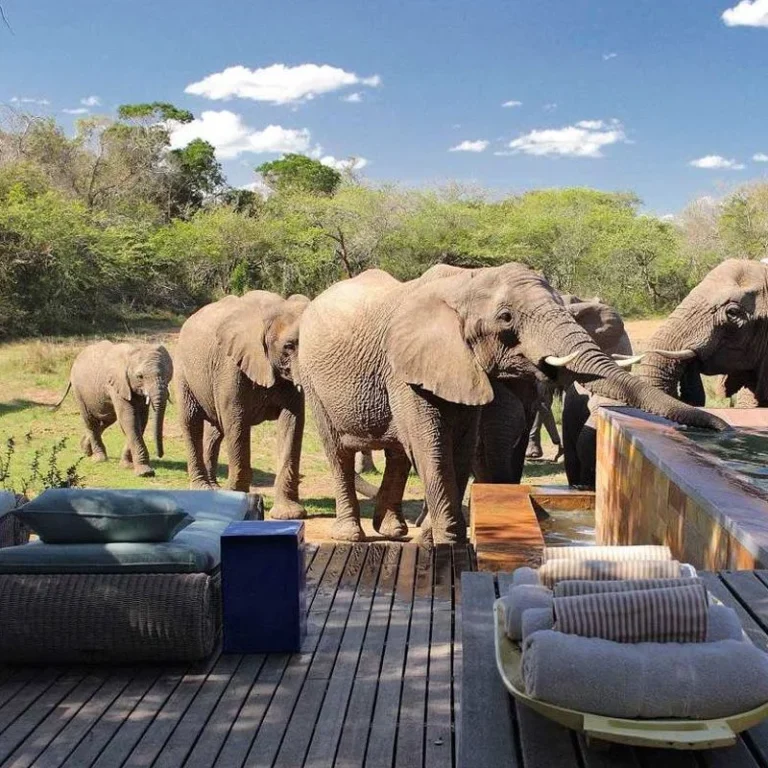
Yes, climbing Mount Kilimanjaro can be perfectly combined with a Tanzania safari for a complete African adventure experience. Many travelers choose to trek Kilimanjaro first and then relax on a wildlife safari in famous parks like Serengeti, Ngorongoro Crater, and Tarangire National Park. This combination offers both mountain adventure and classic African wildlife viewing, including the Big Five.
What is the hardest part of climbing Kilimanjaro?
The hardest part of climbing Mount Kilimanjaro is typically the summit night, when trekkers attempt to reach Uhuru Peak in the early hours of the morning. Climbers face extreme cold, high altitude, low oxygen levels, and physical exhaustion. The steep ascent from base camp to the summit can take 6 to 8 hours of continuous hiking. This stage of Kilimanjaro trekking requires strong mental determination, patience, and slow pacing.
Climb Kilimanjaro With Confidence
Tell us your dates and fitness, and our experienced mountain team will plan a safe, well-acclimatized private climb.