
What Are The Things Included In Your Tanzania Safari Cost?
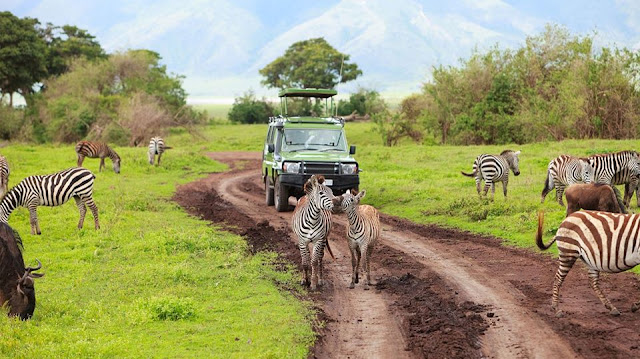
Understanding what is included in your Tanzania safari cost is essential when planning a safari in East Africa, especially for destinations like the Serengeti National Park, Ngorongoro Crater, and Tarangire National Park. Tanzania safari packages vary widely depending on luxury level, duration, and travel style, but most reputable tour operators include a combination of accommodation, transport, park fees, meals, and professional guiding services. Many travelers searching for “Tanzania safari price,” “all-inclusive safari packages,” or “African safari cost breakdown” often want clarity before booking. A well-structured safari cost ensures transparency and helps you avoid hidden fees. Whether you choose a budget camping safari or a luxury lodge safari, knowing what is included allows you to plan better, compare offers, and maximize your safari experience in Tanzania’s world-famous wildlife destinations. 1. Accommodation in Safari Lodges, Camps, or Hotels One of the major components included in your Tanzania safari cost is accommodation. Depending on your package, you may stay in budget campsites, mid-range tented camps, or luxury safari lodges. These accommodations are strategically located near or inside national parks like Serengeti, Ngorongoro, and Lake Manyara. The price typically covers comfortable beds, private or shared bathrooms, and sometimes Wi-Fi and hot showers. Luxury safari packages may include premium lodges with swimming pools, fine dining, and scenic views of wildlife areas. Accommodation plays a big role in determining your Tanzania safari cost, as it directly affects comfort and exclusivity. Whether you choose a budget safari or a luxury African safari package, your lodging is always part of the total safari price, ensuring convenience and safety throughout your journey. 2. Transportation and Safari Vehicles Transportation is a key element included in your Tanzania safari cost. Most safari packages provide 4×4 safari Land Cruisers or Land Rovers specially designed for rough terrain and game viewing. These vehicles usually come with pop-up roofs for photography and comfortable seating for long drives across parks such as Serengeti National Park and Tarangire. Fuel costs, vehicle maintenance, and driver-guide services are included in the overall safari price. Airport transfers from Kilimanjaro International Airport, Arusha, or Dar es Salaam are also commonly covered. Private or shared transport options may affect the total Tanzania safari cost, especially for luxury or bespoke safari tours. Reliable transportation ensures safe travel across long distances and maximizes wildlife viewing opportunities during your African safari adventure. 3. Park Entrance Fees and Conservation Charges Park entrance fees are an essential part of your Tanzania safari cost and are usually included in most safari packages. These fees contribute to conservation efforts in protected areas such as Serengeti National Park, Ngorongoro Conservation Area, and Tarangire National Park. They help fund wildlife protection, anti-poaching activities, and park maintenance. The cost varies depending on the park and the duration of your stay. Ngorongoro Crater, for example, has higher conservation fees compared to other parks. When booking an all-inclusive Tanzania safari package, these charges are typically prepaid by your tour operator. Understanding this inclusion helps travelers avoid unexpected expenses and ensures that your safari directly supports sustainable tourism and wildlife conservation efforts in Tanzania. 4. Professional Safari Driver-Guide Services A professional safari driver-guide is a vital part of your Tanzania safari cost. These highly trained experts not only drive you safely through national parks but also provide in-depth knowledge about wildlife behavior, ecosystems, and local culture. Their expertise greatly enhances your safari experience, especially during game drives in the Serengeti and Ngorongoro Crater. The guide helps you spot the Big Five—lion, leopard, elephant, buffalo, and rhino—while sharing fascinating insights. In most Tanzania safari packages, the driver-guide’s salary, accommodation, and meals are fully included. Whether you choose a budget safari or a luxury safari tour, having a knowledgeable guide ensures safety, storytelling, and unforgettable wildlife encounters throughout your African safari journey. 5. Meals and Drinking Water Meals are commonly included in your Tanzania safari cost, especially in full-board safari packages. This typically covers breakfast, lunch, and dinner prepared at lodges or camps. Meals often feature a mix of international cuisine and local Tanzanian dishes, offering both variety and cultural experience. Drinking water is also provided during game drives to keep travelers hydrated in warm safari conditions. Some luxury safari packages may include picnic lunches in the bush or bush dinners under the African sky. Food quality varies depending on the safari category, but hygiene and nutrition are always prioritized. Including meals in the safari price makes budgeting easier and ensures a stress-free travel experience throughout your Tanzania wildlife safari adventure. 6. Airport Transfers and Pick-Up Services Airport transfers are an important inclusion in your Tanzania safari cost, ensuring smooth arrival and departure from major airports like Kilimanjaro International Airport or Arusha Airport. Most safari packages include pick-up and drop-off services in comfortable safari vehicles or private transfers. This service eliminates the stress of arranging local transport and ensures timely connections to your safari itinerary. Whether you are starting a Serengeti safari or a Ngorongoro Crater tour, airport transfers are designed for convenience and safety. Luxury safari packages often include personalized meet-and-greet services. Including transfers in the safari price allows travelers to enjoy a seamless travel experience from the moment they land in Tanzania until the end of their safari journey. 7. Game Drives and Wildlife Viewing Activities Game drives are the highlight of any Tanzania safari and are fully included in your safari cost. These guided excursions take place in iconic parks such as Serengeti National Park, Ngorongoro Crater, and Lake Manyara. Morning, afternoon, and full-day game drives allow travelers to witness diverse wildlife, including lions, elephants, giraffes, zebras, and cheetahs. The cost includes fuel, guide services, and vehicle use. Some luxury safari packages may also include night game drives or walking safaris. Game drives are designed to maximize wildlife sightings and photographic opportunities. Since they form the core of the safari experience, they are always included in both budget and luxury Tanzania safari packages, ensuring unforgettable encounters with Africa’s incredible wildlife. 8. Bottled Water and Refreshments During Safari Bottled water is typically included
A Solo Travellers Guide to Tanzania

Tanzania is one of Africa’s most rewarding destinations for solo travellers, offering unmatched wildlife encounters, breathtaking landscapes, and rich cultural experiences. From the endless plains of the Serengeti National Park to the dramatic Ngorongoro Crater and the white-sand beaches of Zanzibar, Tanzania delivers a perfect blend of adventure and relaxation. Solo travel in Tanzania is increasingly popular thanks to improved tourism infrastructure, safe safari routes, and friendly local communities. Whether you are searching for “solo safari in Tanzania,” “budget Tanzania travel guide,” or “best African solo travel destinations,” this country stands out with proper planning, Tanzania becomes not just a destination, but a life-changing solo journey filled with discovery, freedom, and unforgettable moments in the heart of East Africa. Why Tanzania is Perfect for Solo Travellers Tanzania is ideal for solo travellers because it combines safety, accessibility, and an incredible diversity of experiences. The country is known for its well-organized safari industry, making it easy to join group tours or private guided safaris. Solo visitors can explore world-famous destinations like Serengeti National Park and Ngorongoro Crater without feeling isolated. The hospitality of Tanzanian people, often summarized as “Karibu Tanzania” (welcome), makes travellers feel at home instantly. Popular searches like “safe solo travel Africa,” “Tanzania safari for solo travellers,” and “independent travel Tanzania itinerary” highlight its growing popularity. Whether you prefer wildlife adventures, cultural immersion, or beach relaxation, Tanzania offers structured yet flexible travel options that make solo exploration both safe and deeply rewarding. Safety Tips for Solo Travel in Tanzania Safety is a top concern for solo travellers, and Tanzania is generally considered one of the safer African destinations when basic precautions are followed. Stick to reputable tour operators, especially for safaris in Serengeti and Ngorongoro. Avoid walking alone at night in cities like Dar es Salaam or Arusha, and always use registered taxis or hotel transfers. Keep valuables secure and stay aware in crowded areas. Is Tanzania safe for solo travellers?” “travel safety tips East Africa,” and “solo female travel Tanzania” are frequently searched. Most safari lodges and camps are highly secure, with trained staff and guided experiences. By staying informed and respectful of local customs, solo travellers can enjoy a worry-free adventure across Tanzania’s incredible landscapes. Visa and Entry Requirements for Tanzania Most solo travellers visiting Tanzania require a tourist visa, which can be obtained online through the e-visa system or upon arrival at major airports like Kilimanjaro International Airport and Julius Nyerere International Airport. The process is straightforward and widely searched under terms like “Tanzania visa requirements,” “how to apply for a Tanzania visa online,” and “East Africa travel entry rules.” A valid passport with at least six months’ validity is required. Yellow fever vaccination may also be requested depending on your travel route. Entry procedures are designed to support tourism, making it easy for solo travellers to enter and start exploring quickly. Always check updated immigration guidelines before travel to ensure smooth entry into Tanzania. Best Time for Solo Travel in Tanzania The best time for solo travel in Tanzania depends on your interests. The dry season (June to October) is ideal for wildlife safaris in Serengeti National Park and Ngorongoro Crater, offering excellent game viewing. The green season (November to May) provides lush landscapes, fewer crowds, and lower prices. Popular include “best time to visit Tanzania safari,” “Serengeti migration season,” and “cheap travel to Tanzania months.” Solo travellers often prefer the dry season for easier travel logistics and clearer roads. However, Zanzibar is beautiful year-round, making it a flexible addition to any itinerary. Planning your trip according to seasonal wildlife movements enhances your solo adventure experience significantly. Arrival in Arusha – Gateway to Safaris Arusha is the main hub for solo safari travellers in Tanzania and serves as the gateway to northern national parks. Most travellers arrive via Kilimanjaro International Airport and transfer to Arusha city. The city is well-equipped with hotels, backpacker lodges, and tour operators offering safari packages. Arusha safari starting point,” “Tanzania safari capital,” and “solo travel Arusha guide.” From here, travellers can easily access Tarangire National Park, Serengeti National Park, and Ngorongoro Crater. Arusha is also a great place to meet other travellers and join group safaris, making it perfect for solo adventurers seeking companionship or shared experiences. Serengeti National Park – A Solo Safari Dream The Serengeti National Park is one of the world’s most iconic safari destinations and a must-visit for solo travellers in Tanzania. Known for the Great Migration and abundant wildlife, it offers unforgettable game drives featuring lions, elephants, cheetahs, and wildebeest. “Serengeti safari solo travel,” “Great Migration Tanzania,” and “African wildlife safari experience” rank highly in travel searches. Solo travellers can join guided safari tours or stay in tented camps for immersive experiences. Despite its wilderness feel, Serengeti is well-organized and safe, making it accessible for independent travellers seeking adventure, photography, and a deep connection with nature. Ngorongoro Crater – Nature’s Natural Wonder The Ngorongoro Crater is a UNESCO World Heritage Site and one of the most spectacular wildlife destinations in Africa. Solo travellers can experience a unique ecosystem filled with lions, rhinos, zebras, and flamingos within a collapsed volcanic caldera. “Ngorongoro Crater safari,” “Tanzania wildlife crater tour,” and “best safari destinations in Africa.” Guided tours make exploration easy and safe, even for solo visitors. The scenery is breathtaking, with panoramic views from the crater rim. Ngorongoro is often included in northern circuit safari itineraries, making it a must-see highlight for anyone traveling independently through Tanzania. Tarangire National Park – Land of Giants For solo travellers seeking an authentic Tanzania safari experience, Tarangire National Park stands out as a must-visit destination. Known as the “Land of Giants,” this park is famous for its massive elephant herds, ancient baobab trees, and diverse wildlife. Travelling solo here offers unmatched freedom, allowing you to explore at your own pace on guided game drives or walking safaris. During the dry season, the Tarangire River becomes a magnet for wildlife, making it one of the best places in Tanzania for
The Ultimate Guide to the Great Wildebeest Migration
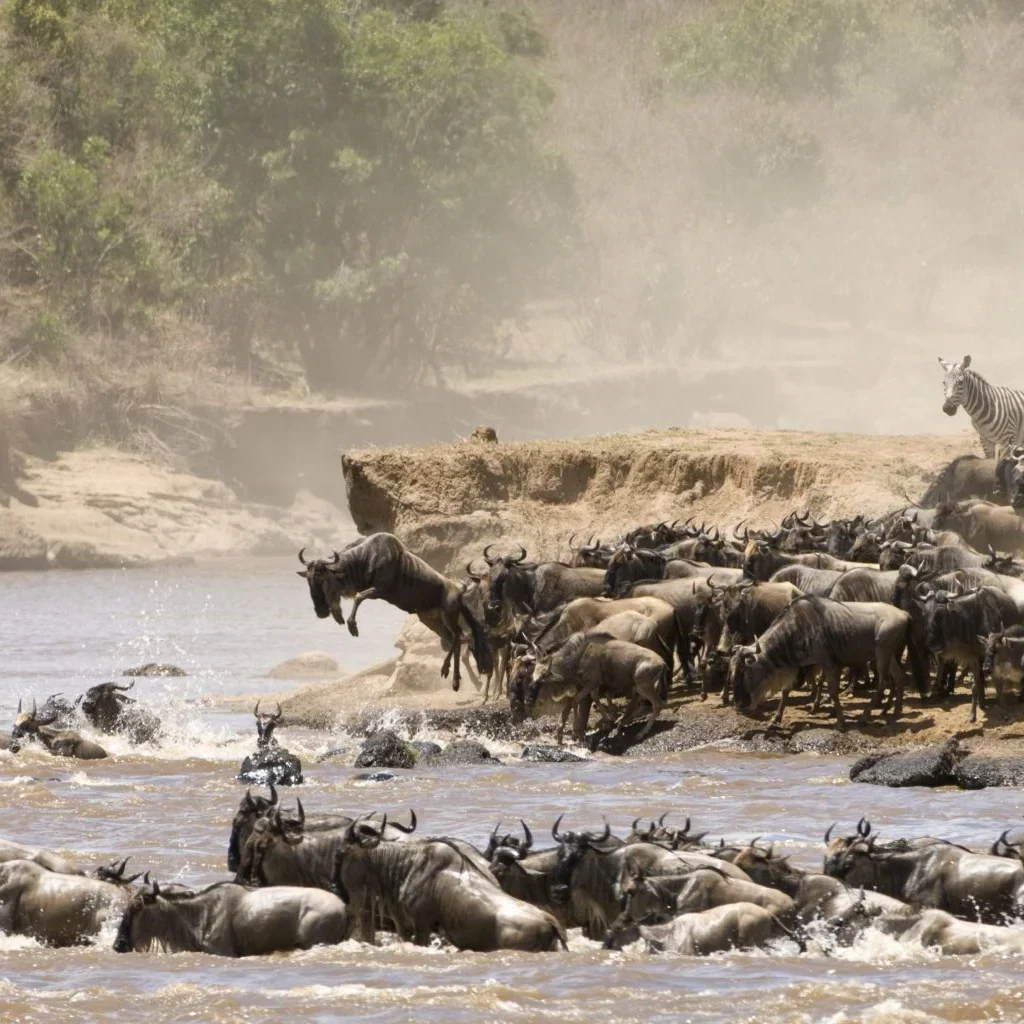
The Great Wildebeest Migration is one of the most extraordinary wildlife spectacles on Earth, drawing safari enthusiasts, photographers, and adventure travelers to East Africa every year. This iconic journey unfolds across the vast plains of Serengeti National Park and Kenya’s Maasai Mara National Reserve, where over 1.5 million wildebeest, accompanied by zebras and gazelles, move in a continuous cycle in search of fresh grazing and water. Often called the “Greatest Show on Earth,” the migration is driven by seasonal rains and survival instincts, creating dramatic river crossings, predator-prey encounters, and unforgettable safari moments. Whether you are planning a luxury safari, budget tour, or photographic expedition, understanding the migration patterns, best times to visit, and top safari locations is essential for crafting the ultimate African safari experience. What Is the Great Wildebeest Migration? The Great Wildebeest Migration is the largest overland wildlife migration in the world, involving nearly two million animals moving in a clockwise loop between Tanzania and Kenya. This natural phenomenon is not a single event but a continuous cycle driven by rainfall patterns, grass availability, and survival instincts. Wildebeest dominate the migration, but they are joined by hundreds of thousands of zebras and gazelles, creating a dynamic ecosystem on the move. The migration is essential for maintaining ecological balance in the Serengeti Ecosystem, supporting predators like lions, hyenas, and crocodiles. Travelers seeking an authentic African safari experience often prioritize witnessing this incredible journey, which offers unparalleled opportunities for wildlife photography, game drives, and immersive nature experiences throughout the year. Where Does the Migration Take Place? The migration takes place across the vast and interconnected landscapes of northern Tanzania and southern Kenya, primarily within Serengeti National Park and the Maasai Mara National Reserve. These regions form a single ecosystem without fences, allowing animals to roam freely in search of water and grazing land. The southern Serengeti and Ndutu region are key for calving season, while the western corridor and Grumeti River host dramatic crossings. As the herds move north, they enter the Maasai Mara, famous for its thrilling Mara River crossings. This expansive terrain offers diverse safari experiences, from open savannahs to riverine forests. Understanding the geography of the migration helps travelers choose the best safari itinerary, whether opting for fly-in safaris, luxury lodges, or mobile tented camps strategically positioned along migration routes. When Is the Best Time to See the Migration? The best time to see the Great Wildebeest Migration depends on the specific event you want to witness, as the migration occurs year-round. From January to March, the southern Serengeti hosts the calving season, where thousands of wildebeest are born daily. Between April and June, the herds move northwest toward the Grumeti River. The famous river crossings usually occur from July to October in the northern Serengeti and Maasai Mara. November and December mark the return journey south as rains begin again. Each phase offers unique safari experiences, making timing crucial for travelers planning a Tanzania safari or Kenya safari. Whether you’re interested in predator action, dramatic crossings, or serene grazing scenes, aligning your travel dates with migration movements ensures a memorable and rewarding wildlife adventure. The Great Wildebeest Migration in January, February, and March The Great Wildebeest Migration calving season in the southern Serengeti, particularly around Ndutu, is one of the most remarkable phases of the migration. During this period, nearly 500,000 wildebeest calves are born within a few weeks, creating a breathtaking spectacle of life and survival. The abundance of newborns attracts predators such as lions, cheetahs, and hyenas, making it an excellent time for wildlife photography and dramatic safari encounters. The nutrient-rich grasslands provide ideal conditions for mothers and calves, ensuring a high survival rate. For travelers, this season offers incredible game viewing with less crowding compared to peak river crossing months. A calving season safari in the Ndutu Region combines stunning landscapes, abundant wildlife, and unique insights into animal behavior, making it a top choice for safari enthusiasts. The Great Migration in April and May As the rains end in the southern Serengeti, the herds begin their journey northward in search of greener pastures. This phase is marked by long columns of wildebeest moving across the central plains toward the western corridor. The migration becomes more spread out, but the sheer number of animals still creates awe-inspiring scenes. This period also sees the start of the rutting season, where male wildebeest compete for dominance and mating rights. The movement toward the Grumeti River sets the stage for the first major river crossings, often less crowded but equally dramatic. Travelers during this time can enjoy quieter safari experiences, lush landscapes, and excellent game viewing. It’s an ideal season for those seeking a balance between migration action and fewer tourists in the Serengeti. Grumeti River Crossings Great Migration in June and July The Grumeti River crossings, typically occurring between May and June, offer thrilling wildlife encounters as wildebeest brave crocodile-infested waters. Although less famous than the Mara River crossings, the Grumeti crossings provide equally dramatic scenes with fewer crowds. Massive Nile crocodiles lie in wait, creating intense moments as herds attempt to cross the river. These crossings highlight the dangers of the migration and the resilience of the animals. The western Serengeti, where the Grumeti River flows, is also rich in resident wildlife, including elephants, giraffes, and predators. For safari travelers, this region offers a more exclusive experience, often with luxury lodges and private concessions. Witnessing a Grumeti crossing is a powerful reminder of nature’s raw beauty and the survival instincts that drive the migration. Peak Season: Mara River Crossings (July to October) The Great Migration in July, August, September, and October Mara River crossings are the most iconic and sought-after moments of the Great Wildebeest Migration. Taking place between July and October in the northern Serengeti and the Maasai Mara, these crossings are dramatic, chaotic, and unforgettable. Thousands of wildebeest gather at the riverbanks, hesitating before plunging into the water filled with strong currents and crocodiles. The crossings often result in intense predator-prey
Why Tanzania is the Perfect Choice for a Family Safari
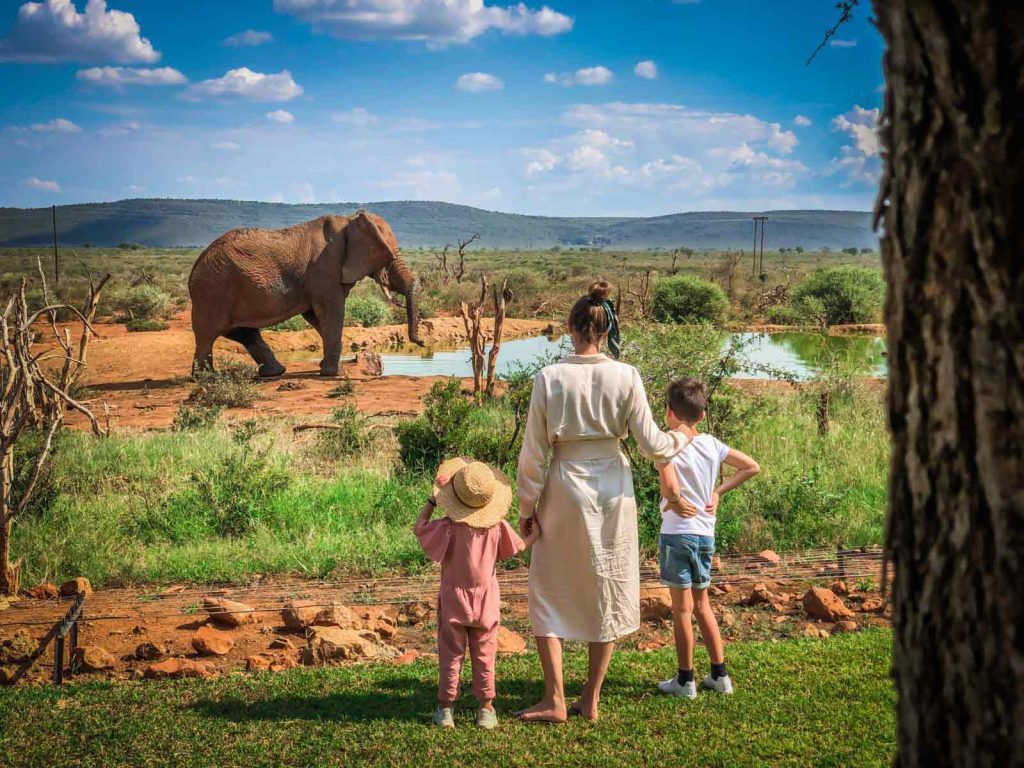
Tanzania is one of the most spectacular destinations in Africa for a family safari, offering unforgettable wildlife encounters, breathtaking landscapes, and safe, well-organized travel experiences. From the endless plains of the Serengeti National Park to the dramatic Ngorongoro Crater, families can witness the Big Five, the Great Migration, and diverse ecosystems in a single journey. A Tanzania family safari is designed to be educational, exciting, and comfortable for all ages, with expert safari guides and family-friendly lodges. Parents and children can bond while exploring nature, learning about wildlife conservation, and experiencing authentic Maasai culture. With excellent infrastructure, safe national parks, and customizable safari packages, Tanzania stands out as the perfect choice for a memorable African adventure that combines education, fun, and discovery in one extraordinary destination for families worldwide today 1. Safety & Family-Friendly Environment One of the main reasons Tanzania is the perfect choice for a family safari is its exceptional safety and welcoming environment for travelers of all ages. The country’s national parks and safari circuits are well managed, with experienced guides ensuring secure and comfortable wildlife experiences. Families can explore Tanzania family safari destinations like Serengeti National Park, Ngorongoro Conservation Area, and Tarangire National Park with peace of mind. Tanzania family safari Lodges and camps are designed to accommodate children, offering child-friendly meals, activities, and attentive staff. Tanzania’s tourism infrastructure prioritizes safety, making it one of the most trusted family safari destinations in Africa. Parents can relax while children enjoy guided nature walks, wildlife spotting, and cultural visits. With friendly local communities and professional tour operators, a Tanzania family safari guarantees a safe, enjoyable, and stress-free African adventure. 2. Serengeti National Park Serengeti National Park is one of the most iconic destinations for a Tanzania family safari, offering endless plains filled with wildlife and unforgettable game viewing experiences. During visiting Serengeti for Tanzania family safaris, the families can witness the Great Migration, where millions of wildebeest and zebras move across the savannah in search of fresh grazing. The park is home to lions, elephants, giraffes, and countless bird species, making it a living classroom for children. Guided game drives ensure safety and provide educational insights into animal behavior and conservation. Most Tanzania family-friendly lodges inside and around the Serengeti offer comfort and stunning views of the wilderness. The park’s vast landscapes create a sense of adventure and discovery for all ages. Visiting Serengeti National Park guarantees a magical safari experience filled with learning, excitement, and lifelong memories for families exploring Tanzania together. 3. Ngorongoro Crater Ngorongoro Crater is a UNESCO World Heritage Site and one of the most extraordinary highlights of a Tanzania family safari. Often called the “Garden of Eden,” the crater is home to an incredible concentration of wildlife, including the Big Five: lions, elephants, buffalo, leopards, and rhinos. Families can enjoy easy game drives on the crater floor, making it ideal for children and first-time safari travelers. The compact landscape ensures high chances of spotting animals in a single day. Stunning scenery, from grassy plains to soda lakes, creates a breathtaking natural classroom. Knowledgeable guides explain the crater’s geology, wildlife behavior, and conservation efforts. Comfortable lodges on the crater rim provide spectacular views. Visiting Ngorongoro Crater offers families a unique, safe, and unforgettable wildlife experience in one of Africa’s most remarkable natural natural 4. Tarangire National Park Tarangire National Park is a hidden gem on a Tanzania family safari, known for its large elephant herds and iconic baobab trees. Families can enjoy peaceful game drives through diverse landscapes filled with wildlife such as lions, giraffes, zebras, and wildebeest. The park is especially rewarding during the dry season when animals gather around the Tarangire River, creating excellent viewing opportunities. Birdwatching is exceptional, with hundreds of species adding color and sound to the experience. Guided safaris ensure children learn about ecosystems and animal behavior engagingly. The park is less crowded than other destinations, offering a relaxed and intimate safari experience. Our Tanzania family-friendly safari lodges and camps provide comfort and safety. Tarangire National Park delivers a perfect blend of adventure, education, and natural beauty for families exploring Tanzania together 5. Zanzibar Beach Extension A Tanzania family safari becomes even more memorable when combined with a Zanzibar beach holiday, offering the perfect balance of wildlife adventure and tropical relaxation. After exploring national parks like Serengeti and Ngorongoro, families can unwind on Zanzibar’s white sandy beaches and turquoise waters. The island provides safe swimming, snorkeling, and cultural exploration in Stone Town, a UNESCO World Heritage Site. Children can enjoy beach activities while parents relax in luxury resorts or boutique hotels. Zanzibar’s spice farms and historical tours add educational value to the trip, enriching the overall safari experience. The warm Indian Ocean climate makes it ideal for year-round visits. Combining a Tanzania safari with Zanzibar ensures families experience both thrilling wildlife encounters and peaceful coastal отдых, creating a well-rounded African holiday filled with unforgettable memories and 6. Incredible Wildlife Diversity One of the key reasons Tanzania is the perfect choice for a family safari is its incredible wildlife diversity across national parks and conservation areas. Families can see the Big Five, along with cheetahs, hyenas, giraffes, hippos, and over a thousand bird species. Each park offers unique ecosystems, from savannahs and wetlands to forests and volcanic landscapes. This variety ensures every game drive is exciting and educational for children. Expert safari guides help families understand animal behavior, ecosystems, and conservation efforts engagingly. Tanzania’s wildlife density makes sightings frequent and memorable, even on short trips. Whether exploring Serengeti, Ngorongoro, or Tarangire, families are guaranteed unforgettable encounters with Africa’s most iconic animals. This rich biodiversity makes Tanzania one of the best destinations for a family wildlife safari experience in the world 7. Maasai Cultural Experiences A Tanzania family safari is not only about wildlife but also about rich cultural experiences, especially interactions with the Maasai people. Families can visit Maasai villages to learn about traditional lifestyles, colorful clothing, dances, and ancient customs. Children enjoy engaging storytelling and cultural demonstrations that
Places to visit in Tanzania as a Solo Female traveller
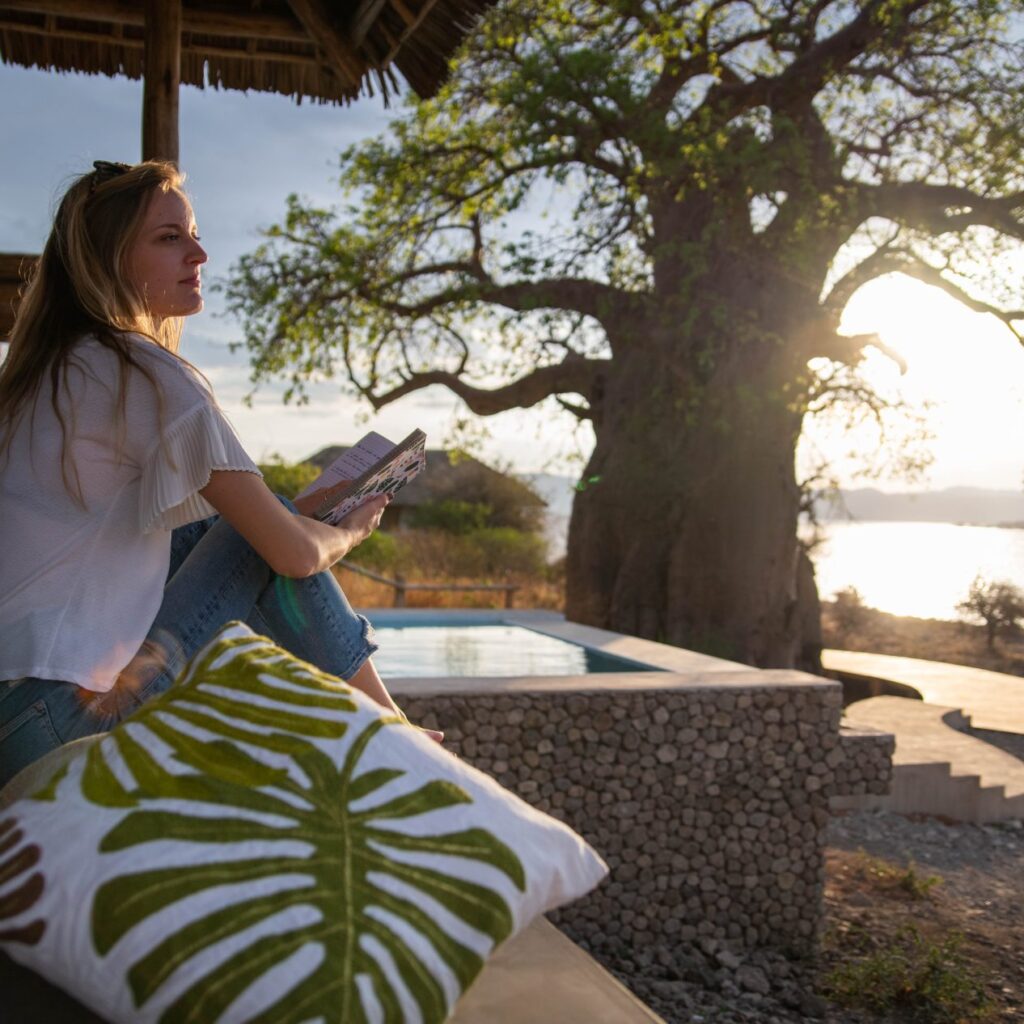
Tanzania is one of the most inspiring and safest destinations in East Africa for solo female travellers seeking unforgettable safari adventures and cultural experiences. From the endless plains of the Serengeti National Park to the breathtaking Ngorongoro Crater, Tanzania offers world-class wildlife safaris, stunning landscapes, and rich Maasai culture. Popular destinations like Zanzibar beaches, Arusha city, Tarangire National Park, and Lake Manyara National Park make it a perfect solo travel itinerary. With growing tourism infrastructure, friendly locals, and guided safari tours, Tanzania ensures a safe and memorable journey for independent women travellers. This guide highlights the best places to visit in Tanzania for solo female travellers, focusing on safety, adventure, and unforgettable experiences. Tanzania remains a top-rated African safari destination for solo female travel trends, globally recognized experiences. 1. Serengeti National Park Serengeti National Park is one of the safest and most iconic safari destinations in Tanzania for solo female travellers seeking wildlife adventure. It is famous for the Great Migration, where millions of wildebeest, zebras, and gazelles cross vast savannah plains in search of greener pastures. Solo travellers can enjoy guided safari tours, hot air balloon rides, and professional safari lodges offering high safety standards and comfort. The Serengeti offers excellent opportunities for photography, game drives, and close encounters with lions, elephants, leopards, and cheetahs. It remains a must-visit destination for Tanzania safari tours, especially for solo female travel safety and unforgettable African wildlife experiences. Visitors enjoy expert guides, safe camps, and breathtaking landscapes, making Serengeti one of the best solo female safari destinations in Africa, with Tanzania travel experiences unmatched. 2. Ngorongoro Crater Ngorongoro Crater is a UNESCO World Heritage Site and one of the safest safari destinations in Tanzania for solo female travellers. It offers a unique natural wildlife sanctuary filled with lions, rhinos, buffalo, elephants, and hippos living within a collapsed volcanic caldera. Solo female travellers benefit from guided safari tours, safe lodges, and well-organized travel packages, ensuring comfort and security. The crater floor provides incredible game viewing opportunities, especially during early morning and late afternoon safari drives. It is one of the most popular Tanzania safari destinations for safe, scenic, and unforgettable wildlife experiences. Ngorongoro Crater is highly recommended for solo female travel in Tanzania, offering breathtaking scenery, abundant wildlife, professional guides, and a safe safari environment that makes it a top African travel destination with year-round tourism appeal. 3. Zanzibar Zanzibar is one of the safest and most beautiful island destinations in Tanzania for solo female travellers seeking beaches and cultural experiences. Famous for white sandy beaches, turquoise waters, and Stone Town, Zanzibar offers relaxation and historical exploration in a tropical paradise. Solo female travellers enjoy safe accommodations, guided spice tours, and cultural heritage experiences across the island. It is perfect for post-safari relaxation after visiting Serengeti National Park and Ngorongoro Crater. Zanzibar remains a top destination for Tanzania travel, beach holidays, and solo female safety tourism experiences. Solo female travellers find Zanzibar highly welcoming with friendly locals, affordable transport, safe beaches, vibrant culture, and unforgettable sunset views, making it one of the best island destinations in East Africa for secure and enjoyable travel experiences in Tanzania’s tourism growth hub. 4. Arusha Arusha city is the gateway to Tanzania safari adventures and one of the safest urban destinations for solo female travellers. It is located near Mount Kilimanjaro and serves as a starting point for Serengeti and Ngorongoro safari tours. Solo travellers enjoy safe hotels, guided city tours, cultural experiences, and vibrant local markets. Arusha offers easy access to Tanzania National Parks, making it ideal for safari planning and logistics. It is a popular stop for solo female travel in East Africa due to safety and hospitality. Arusha is highly recommended for solo female travellers as it offers safe transportation, professional safari operators, friendly locals, and easy connections to Serengeti National Park, Ngorongoro Crater, and other top Tanzania safari destinations for unforgettable African travel experiences. Year-round, the tourism growth hub is highly recommended. 5. Tarangire National Park Tarangire National Park is a peaceful and safe safari destination in Tanzania ideal for solo female travellers seeking fewer crowds and authentic wildlife experiences. It is famous for large elephant herds, ancient baobab trees, and seasonal river ecosystems attracting diverse wildlife species. Solo travellers can enjoy guided game drives, birdwatching, and photography in a secure safari environment. The park offers well-managed lodges and camps, ensuring safety and comfort throughout the stay. Tarangire is less crowded compared to Serengeti, making it perfect for relaxed safari experiences and personal reflection in nature. It is one of the hidden gems of Tanzania safari tours for solo female travel safety. Tarangire National Park provides unforgettable wildlife encounters, professional guiding services, and scenic landscapes, making it a top-rated African safari destination for secure travel experiences. 6. Lake Manyara National Park Lake Manyara National Park is a compact yet diverse safari destination in Tanzania, offering safety and beauty for solo female travellers. It is known for tree-climbing lions, flamingos, elephants, and lush groundwater forests along the Rift Valley escarpment. Solo travellers enjoy guided safari drives, canoeing experiences, and birdwatching in a peaceful environment. The park is small, making it easy to explore within a short time while ensuring safety and comfort. Lake Manyara is often included in Tanzania safari packages alongside the Serengeti and Ngorongoro Crater. It is ideal for solo female travellers seeking relaxed wildlife encounters and scenic landscapes. Lake Manyara National Park provides secure tourism infrastructure, professional guides, and unforgettable nature experiences, making it one of the best Tanzania safari destinations for solo female travel adventures and African exploration. 7. Mount Kilimanjaro Mount Kilimanjaro is Africa’s highest peak and a popular adventure destination in Tanzania for solo female travellers seeking trekking experiences. It offers well-organized climbing routes such as Machame and Marangu, supported by professional guides and porters ensuring safety. Solo female travellers can join group climbs, enhancing security and social interaction during the journey. Kilimanjaro trekking provides breathtaking views, diverse climate zones, and a rewarding summit experience at Uhuru
All inclusive honeymoon resorts
All Inclusive Honeymoon Resorts in Tanzania Tanzania is a dream destination for honeymooners, with its stunning beaches, luxurious resorts, and incredible wildlife. All inclusive honeymoon resorts. If you’re planning a honeymoon in Tanzania and are looking for an all-inclusive option, you’re in luck! There are many amazing resorts to choose from, each offering its own unique blend of romance, luxury, and adventure. 1. Zuri Zanzibar. Located on the stunning Kendwa Beach in Zanzibar, this resort is perfect for couples who want to relax and soak up the sun. The resort offers a variety of luxurious accommodations, including beachfront villas with private pools. There are also four swimming pools, a spa, and a variety of restaurants and bars to choose from. Activities include snorkeling, diving, and sailing. 2. Matemwe Lodge. This intimate resort is located on the northeast coast of Zanzibar and offers stunning views of the Indian Ocean. The resort has just 12 bungalows, each with its own private plunge pool. There is also a spa, a swimming pool, and a restaurant serving fresh seafood. Activities include snorkeling, diving, and fishing. 3. &Beyond Mnemba Island. This exclusive island resort is located off the coast of Zanzibar and is only accessible by boat. The resort has just 10 tented villas, each with its own private beach. There is also a spa, a swimming pool, and a restaurant serving gourmet cuisine. Activities include snorkeling, diving, and fishing. 4. Royal Zanzibar Beach Resort. This family-friendly resort is located on Nungwi Beach in Zanzibar and offers a variety of activities and amenities. The resort has 254 rooms and suites, all with balconies or terraces. There are also four swimming pools, a spa, and a variety of restaurants and bars to choose from. Activities include snorkeling, diving, and windsurfing. 5. Konokono Beach Resort. This chic resort is located on Michamvi Beach in Zanzibar and offers a stylish and contemporary atmosphere. The resort has 50 rooms and suites, all with sea views. There is also a spa, a swimming pool, and a restaurant serving fresh seafood. Activities include snorkeling, diving, and kiteboarding. 6. The Palms Zanzibar. This luxurious resort is located on Matemwe Beach in Zanzibar and offers a variety of villas and suites to choose from. The resort has a spa, a swimming pool, and a restaurant serving gourmet cuisine. Activities include snorkeling, diving, and windsurfing. 7. Diamonds La Gemma dell’Est. This adults-only resort is located on Nungwi Beach in Zanzibar and offers a romantic and secluded atmosphere. The resort has 100 rooms and suites, all with sea views. There is also a spa, a swimming pool, and a variety of restaurants and bars to choose from. Activities include snorkeling, diving, and windsurfing. 8. Essque Zanzibar. This stylish resort is located on Matemwe Beach in Zanzibar and offers a variety of contemporary and traditional Swahili design elements. The resort has 60 rooms and suites, all with sea views. There is also a spa, a swimming pool, and a variety of restaurants and bars to choose from. Activities include snorkeling, diving, and kitesurfing. 9. Baraza Resort & Spa. This adults-only resort is located on Bweju Beach in Zanzibar and offers a luxurious and intimate atmosphere. The resort has 30 villas, all with private pools. There is also a spa, a swimming pool, and a restaurant serving gourmet cuisine. Activities include snorkeling, diving, and fishing. 10. Chumbe Island Coral Lodge. This eco-friendly resort is located on a private island off the coast of Zanzibar and is only accessible by boat. The resort has six bungalows, all built with sustainable materials. There is also a spa, a swimming pool, and a restaurant serving fresh seafood. Activities include snorkeling, diving, and birdwatching.
Tanzania Safari Packing List For Solo Travelers
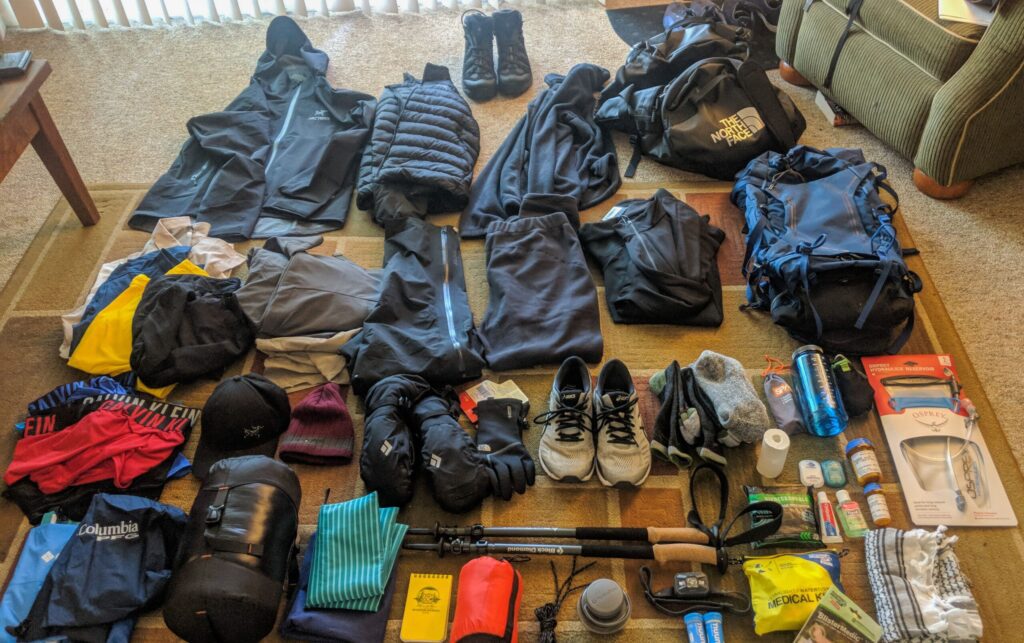
A Tanzania safari packing list for solo travelers is essential for ensuring comfort, safety, and convenience while exploring Africa’s iconic wildlife destinations such as Serengeti National Park, Ngorongoro Crater, and Tarangire National Park. Whether you are planning a luxury safari, a budget camping safari, or a mid-range adventure, packing correctly can significantly improve your travel experience. Solo travelers especially need a well-organized Tanzania safari packing list to stay prepared for changing weather, long game drives, and remote lodge conditions. From lightweight safari clothing and durable hiking boots to essential travel documents, binoculars, and personal care items, every detail matters. This guide highlights the most important Tanzania safari packing essentials, helping you travel smart and light while maximizing comfort and adventure. Proper packing ensures a stress-free, unforgettable Tanzania safari experience across landscapes everywhere SAFARI CLOTHING 5x shirts/tops (earth tones) 2x long sleeve safari blouses 2x sand/khaki shorts 2-3x light-weight pants Light jacket (soft shell) 1x fleece/warm vest 1x Scarf/beanie/buff 1x Pajama 5x Neutral-colored socks Underwear 1x swimsuit/swim shorts 1x Safari hat 1x sunglasses 1x safari shoes 1x flipflops/sandals 1x gaiters for walking safaris ELECTRONICS/OTHER Camerais) lenses Memory cards + hard drive Charger batteries Tripod beanbag Solar panel Power bank Torch/headlamp Headphones Mobile phone charger Tablet/Laptop E-reader Plug converter Binoculars Thermal water bottle Notebook/pen TRAVEL DOCUMENT Valid passport Visa Airline tickets Vaccination certificates Yellow Health Card Insurance documents Accommodation vouchers Car rental reservation form International Driver’s license Bankcard, credit card Cash Photocopy passport FIRST AID/TOILETRIES Prescription medicines. Anti-malarials Paracetamol/painkillers Anti-diarrhea pills Oral Rehydration Salts Anti-histamine (allergic reaction) Cough drops Band-Aid sunscreen Insect repellent (eco-friendly) Pads for blisters Lavender Essential Oil (after bite). Face mask/hand sanitizer Shampoo/conditioner & hairbrush Toothbrush/paste & dental floss Deodorant Glasses, lenses, fluid Wet wipes Lip balm Tweezers Shaving kit or razor Bird Mammal book/ APP Weather Can Make a Difference in Tanzania Safari Packing List Weather can make a difference on your Tanzania safari packing list, especially for solo travelers exploring diverse ecosystems from the Serengeti plains to Ngorongoro highlands, where conditions change rapidly. Tanzania experiences tropical savannah heat, cool mornings, and occasional rainfall, so choosing appropriate safari clothing is essential for comfort and mobility. Lightweight breathable fabrics, neutral colors, long sleeve shirts, and convertible trousers are highly recommended for game drives and bush walks while also protecting from the sun and insects. In cooler mornings and evenings, especially in Ngorongoro Crater, a warm jacket, fleece, and layered clothing are important safari packing essentials. Rainy seasons may require waterproof gear, including ponchos and quick-dry clothing, making your Tanzania safari packing list more flexible and weather-ready. Always check the seasonal forecast before finalizing your safari packing list carefully. Essential Packing List for Tanzania Essential packing list for Tanzania safari solo travelers includes key items that ensure comfort, safety, and convenience during game drives and lodge stays. Safari clothing, such as neutral shirts, trousers, and lightweight jackets, helps blend into wildlife environments while keeping you comfortable in varying temperatures. Essential accessories include binoculars, a camera, sunscreen, insect repellent, a power bank, and a reusable water bottle, which are crucial for the Tanzania safari packing list. Don’t forget travel documents, passports, visas, insurance copies, and emergency contacts to ensure a smooth entry and travel experience. A small daypack is also essential for carrying daily safari needs during game drives. Having a complete Tanzania safari packing list helps solo travelers stay organized, safe, and comfortable while exploring national parks, ensuring they are fully prepared for every safari adventure experience ahead. Which Types of Baggage Are Needed for A Tanzania Safari The types of baggage needed for a Tanzania safari depend on travel style, but most solo travelers prefer soft duffel bags over hard suitcases due to limited space in safari vehicles and small aircraft used for bush flights. Soft bags are flexible and lightweight. and easy to store, making them ideal for Tanzania safari packing list requirements, especially for mobile camping safaris and lodge hopping itineraries. Many airlines and safari operators in Tanzania enforce strict luggage weight limits, usually ranging between 15kg and 20kg per person, so travelers must pack efficiently. Carry-on backpacks are useful for essential items like travel documents, electronics, and medications, ensuring easy access during flights and transfers. Packing cubes help organize clothing efficiently, maximizing space and reducing stress during your Tanzania safari packing list preparation Packing According to the Season in Tanzania Packing according to the season in Tanzania is crucial for ensuring comfort during safari adventures because weather conditions vary between dry and rainy seasons, affecting roads, wildlife viewing, and clothing choices. During the dry season from June to October, travelers should pack light, breathable clothing, neutral colors, and sun protection gear ideal for game drives in the Serengeti and Ngorongoro regions. Rainy season months, such as March to May, require waterproof jackets, quick-dry fabrics, and sturdy footwear to handle muddy safari tracks and unpredictable weather conditions. Layering clothing is highly recommended for early morning game drives and evening temperatures, especially in high altitude areas like Ngorongoro Crater. Season-based, Tanzania safari packing list planning ensures travelers are well prepared for any weather scenario successfully always. Tanzania Safari Packing List with Estimated Prices to Buy A Tanzania safari packing list with estimated prices to buy helps solo travelers budget effectively while preparing for essential safari gear, clothing, and accessories needed for game drives in Tanzania national parks. Common items such as safari shirts, hiking boots, binoculars, backpacks, and sunscreen vary in price depending on the quality, brand, and location. of purchase. In Tanzania or online markets, safari clothing can range from 15USD to 80USD per item, while quality hiking boots may cost between 50USD and 150USD. Buying gear before your Tanzania safari trip ensures you get better deals and properly fitting th equipment suitable for African safari conditions. Always compare prices across travel stores, online shops, and local markets to optimize your Tanzania safari packing list budget. Smartly budgeting improves your Tanzania safari packing experience overall greatly. Tanzania Safari Packing List with Estimated Prices to Rent Tanzania
Kilimanjaro Song Jambo Bwana meaning and Lyrics
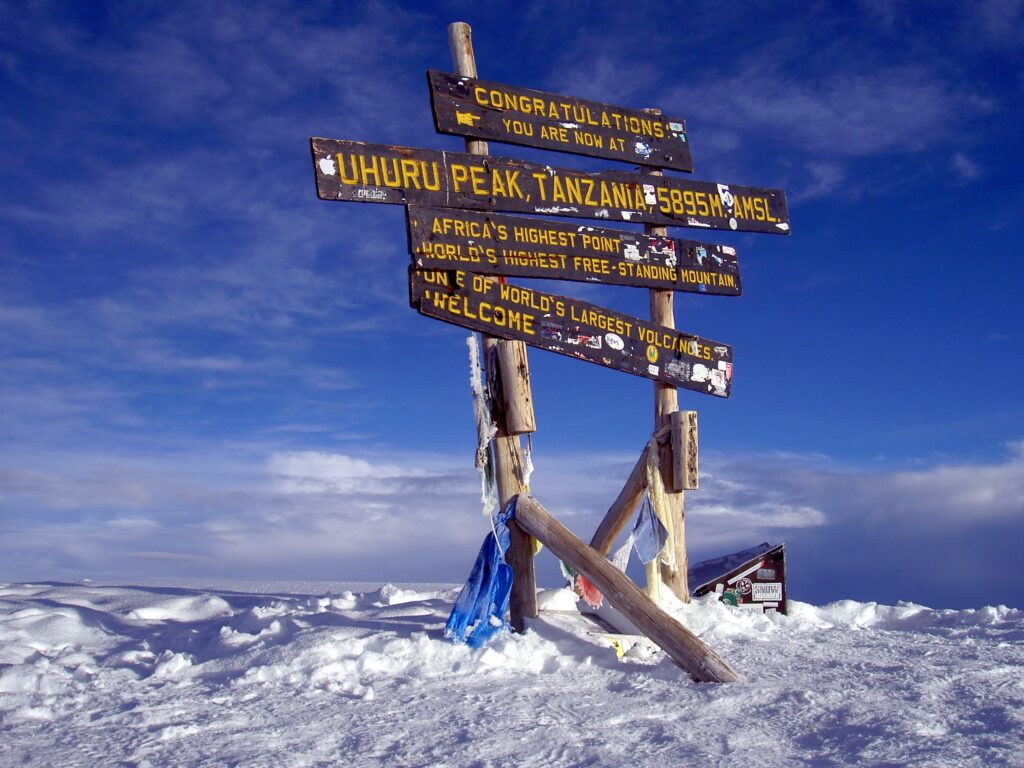
The famous Swahili song “Jambo Bwana” is one of East Africa’s most recognized cultural songs and a timeless anthem connected with Tanzania tourism, Mount Kilimanjaro adventures, African safari holidays, and Swahili culture. Popularized internationally by the Kenyan group Them Mushrooms, the song became widely associated with welcoming visitors to East Africa, especially travelers arriving for Kilimanjaro climbing tours and Tanzania safari experiences. The phrase “Jambo Bwana” means “Hello Sir” or “Greetings Friend” in Swahili, expressing warmth, hospitality, friendship, and unity. Across Tanzania, the melody is often heard in safari lodges, cultural villages, beach resorts, and mountain camps. Travelers heading toward Mount Kilimanjaro frequently hear guides and porters sing it during trekking adventures. Its joyful rhythm, unforgettable chorus, and positive spirit make it one of Africa’s most beloved travel songs. The Origin of the Song “Jambo Bwana.” “Jambo Bwana” was created by the legendary East African band Them Mushrooms during the early 1980s, quickly becoming a symbol of African hospitality and tourism. The song gained popularity across Tanzania, Kenya, Zanzibar, and the wider African travel industry because of its cheerful Swahili greetings and uplifting rhythm. As international tourism to Mount Kilimanjaro, Serengeti National Park, and Zanzibar beaches expanded, the song became deeply connected with safari experiences and cultural tourism. Visitors arriving in East Africa often hear the melody at airports, lodges, hotels, restaurants, and safari camps. The song’s easy chorus helped travelers learn simple Swahili phrases while enjoying local music traditions. Even today, many Kilimanjaro trekking companies and safari operators use the song to welcome climbers beginning their unforgettable Mount Kilimanjaro adventure in Tanzania. What “Jambo Bwana” Means in Swahili The phrase “Jambo Bwana” comes from the Swahili language, one of East Africa’s most widely spoken languages. “Jambo” means “hello” or “greetings,” while “Bwana” traditionally means “sir,” “master,” or “friend.” Together, the phrase creates a welcoming greeting commonly associated with kindness and respect. The song also includes simple Swahili expressions introducing visitors to East African culture and traditions. One famous line mentions “Hakuna Matata,” meaning “no worries,” a phrase recognized worldwide through African tourism and popular culture. The lyrics celebrate peace, happiness, friendship, and hospitality, all central values in Tanzania and Kenya. For many international travelers climbing Mount Kilimanjaro or enjoying Tanzania safari tours, the song becomes their first introduction to Swahili culture, creating joyful memories connected with African wildlife adventures, cultural encounters, and unforgettable safari experiences. Why the Song Became Famous Worldwide “Jambo Bwana” became globally famous because of its connection to African tourism, safari adventures, and Mount Kilimanjaro travel experiences. During the growth of East African tourism in the 1980s and 1990s, the song was played frequently in hotels, safari lodges, cultural centers, and tourism advertisements. International travelers loved its cheerful melody, welcoming message, and easy-to-sing Swahili chorus. The song’s popularity increased further as visitors shared their Tanzania safari memories and Kilimanjaro trekking experiences around the world. Television documentaries, travel programs, and tourism campaigns also helped introduce the melody to global audiences. Over time, “Jambo Bwana” became more than just a song; it transformed into a cultural symbol representing East African warmth and hospitality. Today, it remains strongly linked to Serengeti safaris, Zanzibar vacations, wildlife adventures, and unforgettable Mount Kilimanjaro climbing tours. The Connection Between Kilimanjaro and “Jambo Bwana.” Mount Kilimanjaro and “Jambo Bwana” share a powerful connection through Tanzania tourism and trekking culture. Climbers beginning their Kilimanjaro expedition often hear guides, porters, and local musicians singing the song during arrival celebrations or evening gatherings at mountain camps. The cheerful rhythm helps motivate trekkers while creating a sense of unity among climbing teams from different countries. Many travelers remember hearing the melody while preparing for summit attempts or celebrating successful climbs at Uhuru Peak. The song’s welcoming message perfectly matches the spirit of Kilimanjaro adventures, where teamwork, encouragement, and cultural exchange play important roles. For many visitors, “Jambo Bwana” becomes part of their emotional mountain journey, symbolizing friendship and African hospitality. The combination of Swahili music, breathtaking landscapes, and climbing experiences creates unforgettable memories that travelers associate forever with Mount Kilimanjaro and Tanzania. Popular Lyrics and Their Meaning The lyrics of “Jambo Bwana” focus on greetings, friendship, peace, and happiness. One of the best-known phrases is “Hakuna Matata,” meaning “no worries,” which reflects the relaxed and welcoming spirit of East African culture. Another short line, “Karibu wageni,” means “welcome visitors,” showing the importance of hospitality in Tanzania and Kenya. The song encourages travelers to feel comfortable and connected while exploring East Africa’s wildlife, mountains, beaches, and cultural traditions. Although the full lyrics are copyrighted and should be obtained from official music sources, the song’s message remains simple and universal. It celebrates joy, friendship, cultural unity, and peaceful coexistence among people from around the world. For Kilimanjaro climbers and safari travelers, these uplifting words create emotional memories connected with African adventures, wildlife safaris, and unforgettable travel experiences in Tanzania. “Hakuna Matata” and Global Popularity One reason “Jambo Bwana” gained worldwide recognition is its famous use of the Swahili phrase “Hakuna Matata.” The expression means “there are no worries” or “no problems,” representing a relaxed and optimistic lifestyle common in East African culture. Long before global entertainment made the phrase internationally famous, local communities in Tanzania and Kenya already used it in daily conversations and songs. Through tourism and cultural exchange, travelers visiting Mount Kilimanjaro, Serengeti National Park, and Zanzibar beaches learned the phrase and carried it home worldwide. The positive message resonated with visitors seeking adventure, relaxation, and cultural experiences in Africa. Today, “Hakuna Matata” is strongly associated with Tanzania safaris, Kilimanjaro climbing expeditions, and African travel dreams. The phrase continues to inspire tourists looking for welcoming destinations, unforgettable wildlife experiences, and meaningful cultural connections throughout East Africa. Cultural Importance in Tanzania Tourism In Tanzania, “Jambo Bwana” is more than entertainment; it represents cultural identity, hospitality, and tourism heritage. The song is commonly performed at safari lodges, traditional dance events, Kilimanjaro camps, and Zanzibar cultural festivals. Tourism companies often use the melody to create authentic African travel experiences for
Best Sunglasses For Kilimanjaro
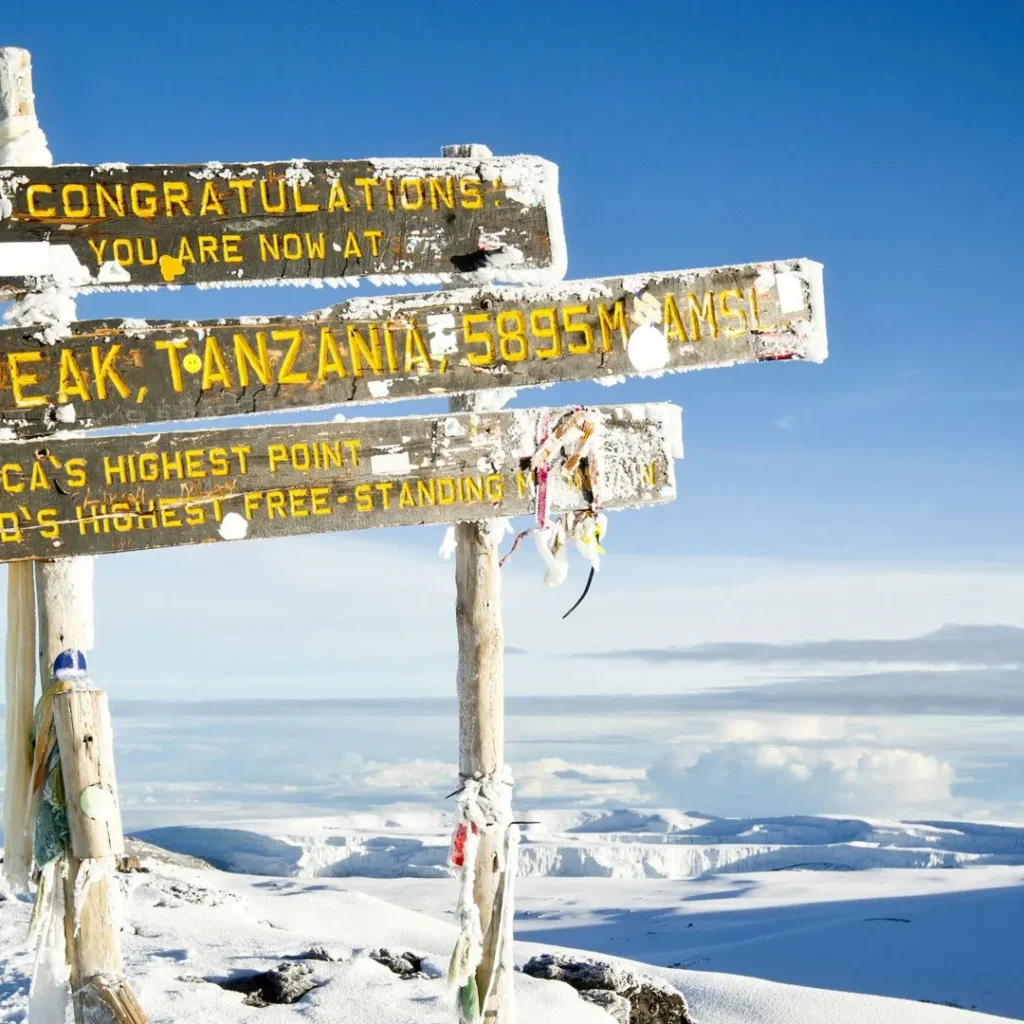
Choosing the best sunglasses for climbing Mount Kilimanjaro is essential for safety, comfort, and summit success. As you ascend Africa’s highest mountain, ultraviolet radiation becomes stronger, especially across glaciers, snowfields, volcanic rock, and high-altitude alpine deserts. Proper Kilimanjaro sunglasses protect your eyes from intense UV rays, wind, dust, snow glare, and freezing temperatures. Many trekkers underestimate the importance of high-altitude eyewear until they experience headaches, watery eyes, or temporary snow blindness near Uhuru Peak. The best glacier sunglasses for Kilimanjaro should feature UV400 protection, polarized lenses, side shields, anti-fog technology, and durable frames built for mountain trekking. Whether you are climbing via the Machame Route, Lemosho Route, or Marangu Route, investing in premium trekking sunglasses improves visibility and protects your eyes during long hiking days on Tanzania’s iconic mountain adventure. Why Sunglasses Are Essential on Kilimanjaro High-altitude climbing on Mount Kilimanjaro exposes trekkers to significantly stronger ultraviolet radiation than at sea level. The higher you climb toward Uhuru Peak, the thinner the atmosphere becomes, increasing your exposure to harmful UV rays. Snow, glaciers, and volcanic ash also reflect sunlight directly into your eyes, making proper mountain sunglasses a critical piece of Kilimanjaro gear. Without suitable sunglasses, climbers may suffer from eye fatigue, blurred vision, headaches, or painful snow blindness during summit night. Wind, dust, and freezing temperatures can further irritate unprotected eyes during the trek. Quality trekking sunglasses enhance visibility, reduce glare, and improve comfort throughout the climb. Professional mountain guides strongly recommend glacier sunglasses with full UV protection for every Kilimanjaro route because eye safety is just as important as proper boots, warm clothing, hydration, and altitude preparation during your Tanzania trekking adventure. UV Protection Is the Most Important Feature When choosing the best sunglasses for Kilimanjaro climbing, UV protection should always be the highest priority. The ideal hiking sunglasses must provide 100% UVA and UVB protection, commonly labeled as UV400 protection. This feature blocks dangerous ultraviolet rays that intensify at high altitude on Mount Kilimanjaro. Cheap fashion sunglasses may appear stylish but often fail to provide adequate protection for mountain environments. Prolonged UV exposure during trekking can damage the eyes and reduce visibility during crucial summit moments. High-quality glacier sunglasses with certified UV lenses help prevent eye strain and snow blindness while improving visual clarity in bright alpine conditions. Climbers should always verify UV ratings before purchasing trekking eyewear for Tanzania safaris and Kilimanjaro expeditions. Reliable UV protection ensures greater comfort, better safety, and stronger eye health throughout your multi-day climb to Africa’s highest peak and most famous trekking destination. Polarized Lenses Improve Visibility on the Mountain Polarized sunglasses are highly recommended for climbing Mount Kilimanjaro because they reduce intense glare reflected from snow, ice, wet rocks, and bright volcanic terrain. During summit day, sunlight reflecting off glaciers can become extremely uncomfortable without polarized lenses. These specialized lenses filter reflected light, allowing climbers to see trails, rocks, and landscapes more clearly. Better visibility improves hiking safety, especially during steep ascents and descents on Kilimanjaro routes such as Machame, Rongai, and Northern Circuit. Polarized trekking sunglasses also reduce eye fatigue, helping climbers maintain focus during long hiking hours at high altitude. Although non-polarized UV sunglasses still offer protection, polarized glacier glasses provide superior visual comfort in bright mountain conditions. Many experienced trekkers consider polarized lenses one of the best upgrades for Kilimanjaro gear because they enhance clarity, comfort, and overall trekking performance on Africa’s tallest mountain adventure. Category 3 or Category 4 Lenses Are Best Lens categories play a major role when selecting the best sunglasses for Kilimanjaro trekking. For high-altitude mountaineering, Category 3 or Category 4 lenses are strongly recommended because they block intense visible sunlight found near glaciers and summit zones. Category 3 sunglasses work well for most Kilimanjaro climbs, offering strong sun protection for bright mountain environments. Category 4 glacier glasses provide even darker lenses and maximum protection against extreme alpine glare, making them ideal for summit attempts and snow-covered sections. However, Category 4 lenses are usually too dark for driving or nighttime use. Trekkers should avoid lightly tinted fashion sunglasses because they cannot adequately handle harsh UV exposure on Mount Kilimanjaro. Choosing the correct lens category improves visibility, reduces eye strain, and protects climbers from dangerous light conditions experienced during Tanzania’s world-famous mountain expedition. Wraparound Frames Offer Better Eye Protection The best Kilimanjaro sunglasses usually feature wraparound frames designed to shield the eyes from multiple angles. Unlike regular casual sunglasses, wraparound trekking sunglasses protect against sunlight entering from the sides, top, and bottom. This design is especially important during summit day on Mount Kilimanjaro, where intense sunlight reflects from snow and volcanic surfaces. Wraparound mountain eyewear also protects against strong winds, dust, and cold air that can irritate the eyes during long hiking hours. Some glacier sunglasses include removable side shields for extra alpine protection in extreme conditions. Secure-fitting frames additionally prevent sunglasses from slipping during steep climbs or sweaty trekking sections. Climbers should prioritize comfort, durability, and full coverage when choosing mountaineering eyewear for Tanzania adventures. Properly fitted wraparound sunglasses improve safety, visibility, and comfort while helping trekkers maintain focus throughout their Kilimanjaro summit journey and high-altitude expedition. Anti-Fog Technology Helps During Cold Conditions Anti-fog technology is an important feature in the best sunglasses for climbing Mount Kilimanjaro because temperatures change dramatically throughout the trek. Climbers often move from warm rainforest zones into freezing alpine deserts and icy summit conditions within a few days. Sudden temperature changes can cause ordinary lenses to fog, reducing visibility during difficult hiking sections. High-quality trekking sunglasses with anti-fog coatings or ventilation systems help maintain clear vision in cold, windy weather. Fog-resistant lenses are especially useful during summit night when climbers wear hats, buffs, and layered clothing that trap moisture around the face. Maintaining clear visibility improves balance, trail awareness, and overall trekking safety. Professional mountaineering sunglasses are specifically designed to handle harsh mountain environments, making them a valuable investment for Kilimanjaro expeditions. Reliable anti-fog eyewear enhances comfort and performance during Tanzania’s challenging high-altitude trekking adventure. Durable Frames
Who Was the first person to Climb Mount Kilimanjaro?
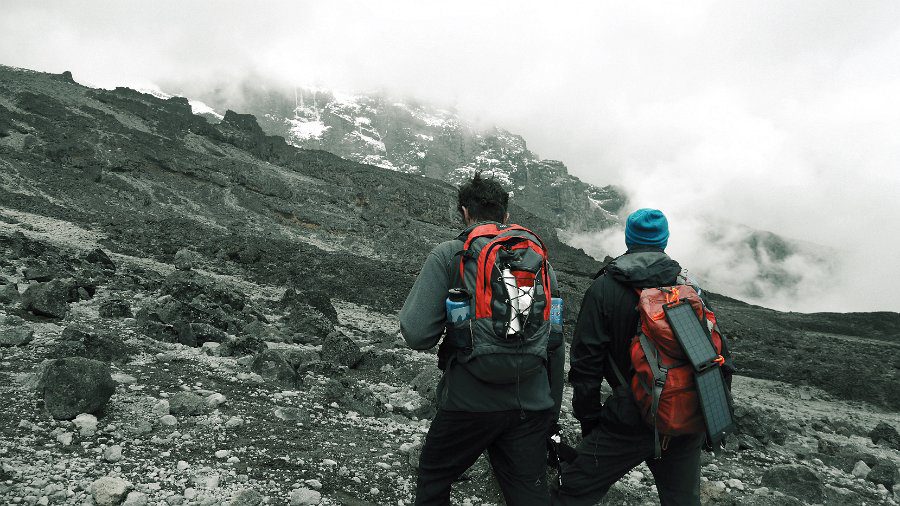
The first recorded successful ascent of Mount Kilimanjaro was achieved in 1887 by German geographer Hans Meyer, Austrian mountaineer Ludwig Purtscheller, and their local guide Yohanas Kinyala Lauwo. Their historic expedition reached Uhuru Peak, establishing the first documented successful summit of Africa’s highest mountain. Kilimanjaro had attracted earlier explorers, but previous attempts failed because of altitude, weather, glaciers, and challenging conditions. Today, climbers follow established routes such as Marangu, Machame, Lemosho and Rongai. Understanding Kilimanjaro’s climbing history adds fascinating context to modern Mount Kilimanjaro trekking, climbing tours and Tanzania mountain adventures. Who Was Hans Meyer? Hans Meyer was a German geographer, mountaineer, and explorer who became one of the key figures in the first successful recorded ascent of Mount Kilimanjaro. His expedition was driven by geographical exploration and the desire to reach the mountain’s highest summit. Meyer had previously encountered difficulties during an earlier attempt, which helped him prepare for his successful 1889 expedition. Together with Ludwig Purtscheller and their local guide Yohanas Kinyala Lauwo, he reached Kilimanjaro’s summit. Meyer documented the mountain’s glaciers, volcanic structure, and surrounding environment, contributing significantly to early scientific knowledge of Kilimanjaro and establishing his place in the history of African mountaineering and Kilimanjaro expeditions. Who Was Ludwig Purtscheller? Ludwig Purtscheller was an Austrian mountaineer and teacher who accompanied Hans Meyer during the historic 1889 Kilimanjaro expedition. He brought substantial alpine climbing experience to the expedition and played an important role in overcoming the mountain’s difficult upper slopes. Purtscheller and Meyer worked together to navigate challenging terrain, ice, and high-altitude conditions before reaching the summit. Their successful ascent demonstrated that Kilimanjaro could be climbed despite the formidable conditions encountered by earlier explorers. Purtscheller’s contribution remains an important part of Mount Kilimanjaro climbing history, alongside Hans Meyer and Yohanas Kinyala Lauwo, whose combined efforts produced the first documented successful summit. Who Was Yohanas Kinyala Lauwo? Yohanas Kinyala Lauwo was a Tanzanian local guide who played a crucial role in the 1889 expedition of Hans Meyer and Ludwig Purtscheller. Born near Kilimanjaro, Lauwo possessed valuable knowledge of the mountain and its surrounding environment. He reportedly lived for more than a century and became an important figure in local Kilimanjaro climbing history. His participation highlights the essential contribution of local knowledge and expertise to early mountaineering expeditions. Although historical accounts have often focused heavily on European explorers, Lauwo’s role is increasingly recognised in narratives about the first successful Mount Kilimanjaro ascent and Tanzania’s rich mountaineering heritage. When Was Mount Kilimanjaro First Successfully Climbed? The first recorded successful ascent of Mount Kilimanjaro took place in 1889. Hans Meyer, Ludwig Purtscheller and Yohanas Kinyala Lauwo reached the highest summit after overcoming difficult weather, altitude and glacial terrain. Their achievement followed earlier unsuccessful attempts, including Meyer’s first expedition in 1887. The 1889 expedition is therefore widely recognised as the first documented successful summit of Kilimanjaro. Today, thousands of trekkers attempt the mountain annually using established routes and professional guides. The historic ascent remains an important milestone in Kilimanjaro climbing history, demonstrating the determination required to reach Africa’s highest mountain. Why Did Earlier Attempts to Climb Kilimanjaro Fail? Earlier Kilimanjaro climbing attempts faced significant obstacles. Explorers had limited knowledge of the mountain, while glaciers, snow, steep terrain, altitude, and unpredictable weather created serious challenges. In 1887, Hans Meyer reached a high elevation but was unable to continue because of the ice and difficult conditions. Later attempts benefited from improved preparation, local knowledge and better understanding of the mountain. The successful 1889 expedition demonstrated the importance of persistence and careful route planning. Modern climbers still face altitude, cold, fatigue and rapidly changing weather, making acclimatisation and professional guiding essential components of a successful Mount Kilimanjaro trekking adventure. What Is the Highest Point of Mount Kilimanjaro? The highest point of Mount Kilimanjaro is Uhuru Peak, located on Kibo, the mountain’s highest volcanic cone. At approximately 5,895 metres (19,341 feet) above sea level, it is the highest point in Africa. Climbers typically reach the summit after ascending through several ecological zones, experiencing dramatic changes in vegetation, temperature and altitude. Other notable summit landmarks include Stella Point and Gilman’s Point, located along the crater rim. Reaching Uhuru Peak is the ultimate goal of most Kilimanjaro climbing expeditions and represents one of Africa’s most famous high-altitude trekking achievements. Was Mount Kilimanjaro Always Called Uhuru Peak? The summit is now known as Uhuru Peak, with “Uhuru” meaning “freedom” in Swahili. The name became associated with Tanzania’s independence era and replaced earlier colonial-era terminology. Mount Kilimanjaro itself consists of three volcanic cones: Kibo, Mawenzi and Shira, with Kibo containing Uhuru Peak. The mountain’s changing names and landmarks reflect Tanzania’s complex geographical and historical heritage. Understanding these names helps visitors appreciate the cultural significance of climbing Kilimanjaro beyond the physical challenge. Today, reaching Uhuru Peak, Mount Kilimanjaro is both a mountaineering achievement and a celebrated Tanzanian travel experience. What Route Did the First Climbers Use? The exact route used by Hans Meyer, Ludwig Purtscheller and Yohanas Kinyala Lauwo does not correspond directly to today’s standard Kilimanjaro routes. Their expedition approached the mountain using paths and terrain that were considerably less developed than modern trekking routes. Today, climbers can choose established routes including Marangu, Machame, Lemosho, Rongai, Northern Circuit and Umbwe. Each route differs in scenery, duration, difficulty and acclimatisation opportunities. Modern routes provide established camps and professional support, making the experience considerably more organised than the pioneering expeditions of the nineteenth century. Route selection remains one of the most important decisions when planning a Kilimanjaro climbing tour. How Difficult Was the First Kilimanjaro Ascent? The first successful ascent was extremely challenging because the climbers had little established route information, limited equipment, and minimal knowledge of high-altitude conditions. They encountered glaciers, snow, volcanic terrain, cold temperatures, and altitude-related difficulties. Modern Kilimanjaro trekking is more accessible because established routes, camps, experienced guides, improved clothing and better expedition planning are available. However, Kilimanjaro remains physically demanding because of its altitude. It is generally considered a trekking mountain rather than a technical climb,