
Authentic African Safaris: Conservation and Culture
Authentic African safaris in Tanzania focus on responsible travel: conservation, community connection, walking and camping in wild places. Foot Slopes Tours and Safaris designs individual private tailor-made safaris where your guide and vehicle are yours alone, and where your park fees and lodge choices support wildlife protection and local livelihoods. Sleep in a classic tented camp, walk with a ranger, meet local families respectfully and watch the sunrise over the savannah. Share your dates and interests, and we will shape a safari that is wild, meaningful and entirely your own.
Plan Your Responsible Safari
Trip Length
Comfort Level
Safari Style
Operator Rating
Specialized Tours
Filter by Operator
Other Tour Features
Senior Safaris
Senior-Friendly Safari Packages
Authentic African Safaris: Conservation and Culture
Authentic African safaris are private, responsible journeys through Tanzania's wild and remote parks, led by local guides and focused on conservation, community respect, walking, camping and quiet wildlife encounters away from the busiest tracks.
Private Conservation and Culture Safari Journeys
Browse private journeys built around wild places, camping, walking and community, then adapt them to your plans.
Nomad Tanzania
Discover unbeatable Nomad Tanzania safari special offers with discounted luxury packages, exclusive deals, and…
View Package →
7-Day Tanzania off the Beaten Track Safari
Discover Tanzania’s hidden safari gems on an off-the-beaten-track adventure to Tarangire, Serengeti, and Ngorongoro…
View Package →
8-Day Tanzania Wilderness Safari
Compare 8 Day Tanzania Wilderness Safari | 2023 Best African Safari Tours, Price, Itinerary…
View Package →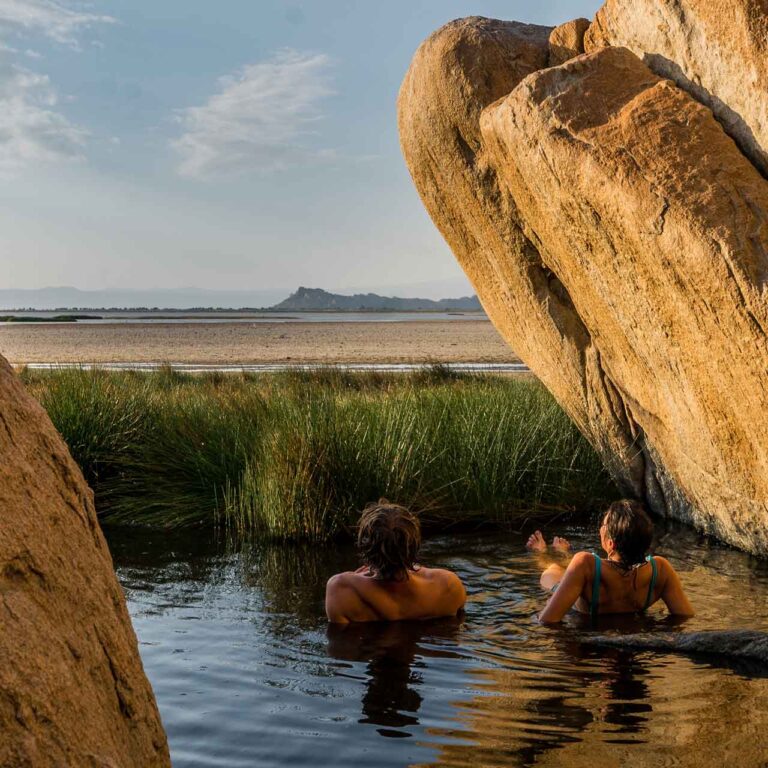
Lake Eyasi Cultural Tour
Discover authentic culture on a Lake Eyasi tour—meet Hadzabe bushmen, Datoga tribes, and experience…
View Package →Incredible 5-Day Tanzania Safari Visit Cultural Tribe to Lake Eyasi
Discover an incredible 5-day Tanzania safari to Lake Eyasi, featuring authentic cultural encounters with…
View Package →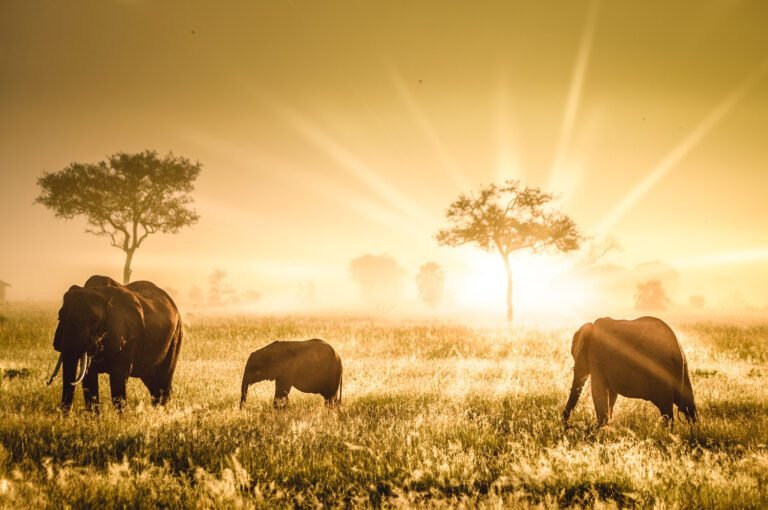
7-Day Tanzania Budget Camping Safari
Compare 7-Day Tanzania Budget Camping Safari | 2023 Best African Safari Tours, Price, Itinerary…
View Package →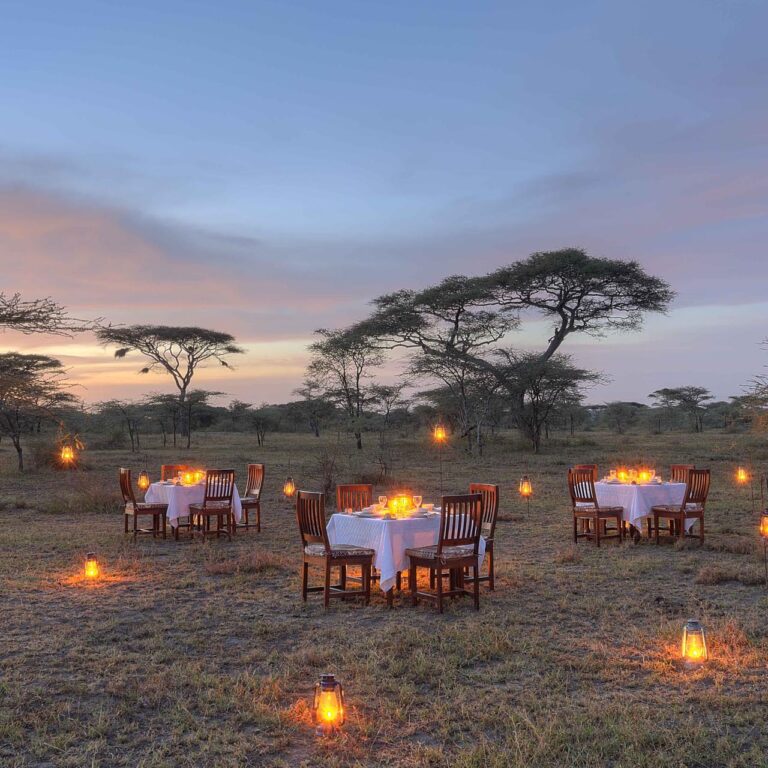
Tanzania Glamping Safari Experience
Experience a 7-day Tanzania glamping safari through Arusha, Lake Manyara, Serengeti, and Ngorongoro Crater—luxury…
View Package →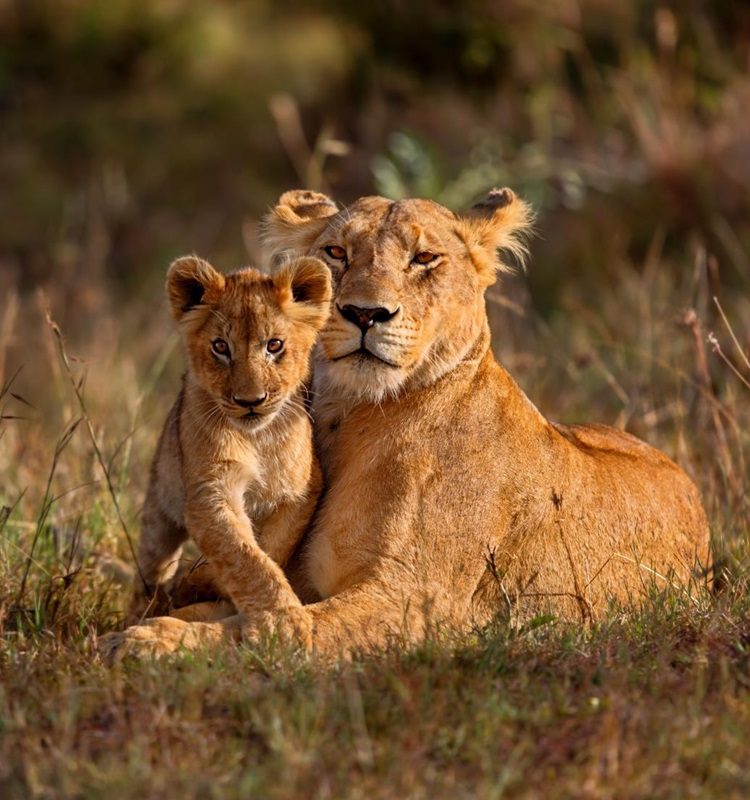
7-Day Southern Tanzania Safari
A 7-day southern Tanzania safari covering Nyerere National Park, Mikumi National Park, and the…
View Package →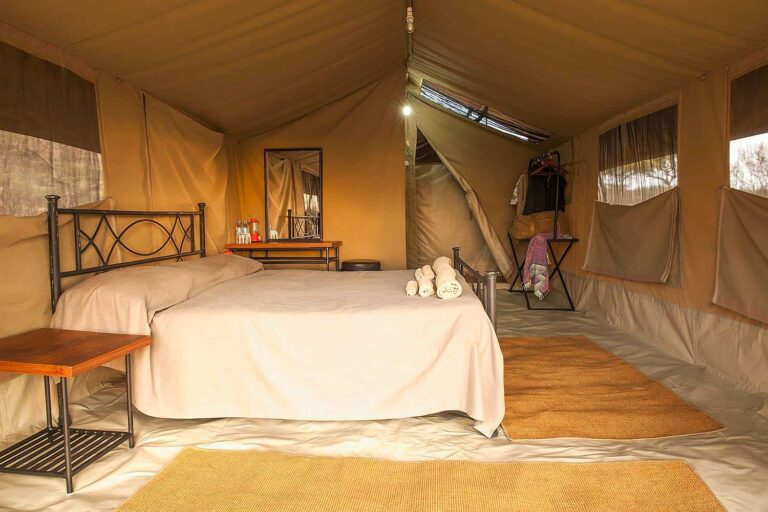
Tanzania Leopard Safari
Experience a Luxury Leopard Safari in Tanzania – Track elusive leopards in pristine reserves,…
View Package →Frequently Asked Questions About Responsible Safaris
Conservation Safaris
A conservation safari supports the wild places you visit. Park and conservancy fees help fund ranger patrols, anti-poaching work and habitat protection across Tanzania, so every game drive contributes to the survival of lions, elephants, rhinos and the migration. Your guide explains the challenges and successes of conservation, from wildlife corridors to human and wildlife coexistence. Choosing responsible camps, following park rules and keeping respectful distances all make your private safari a positive force for the landscapes you love. Ask us how your safari can support specific projects.
Community Connections
Responsible safaris create genuine benefits for local communities. Staying at lodges that employ nearby residents, buying crafts directly from makers and visiting cultural projects with consent all help keep tourism income in local hands. You might meet Maasai families, taste home cooking or visit a school or women's cooperative if you wish. We arrange these encounters thoughtfully, with fair benefit to hosts and time for real conversation, so visitors and communities both feel respected, curious and valued. Tell us your interests and we will suggest meaningful, respectful options.
Walking Safaris
A walking safari with an armed ranger and an expert guide lets you experience wilderness on foot, noticing tracks, dung, insects, plants and birdsong that drivers often miss. Walks take place in selected areas including Arusha National Park, Tarangire, the Ngorongoro highlands and some remote Serengeti zones, usually in the cool early morning for two to four hours. They require a reasonable level of fitness and attention to your guide. Many travelers say walking safaris are the highlight of their trip.
Camping Safaris
A camping safari places you in the heart of the wilderness, with sounds of hyenas, lions and birds close to your tent. Options range from simple budget camping to comfortable tented camps with beds, hot bucket showers and cooked meals. Mobile camps can follow the seasons and the migration. Camping suits adventurous travelers, photographers and families seeking a closer connection to nature, and your private crew handles setup, cooking and cleaning so you can focus on the experience. Choose the level of comfort that suits your style and budget.
Wild and Remote Parks
Tanzania offers wild areas beyond the busiest routes, including the northern Serengeti, Ruaha, Nyerere, Katavi and Mahale. These parks deliver solitude, big cats, elephants and a sense of discovery, often with fewer vehicles. Reaching them may involve scheduled or charter flights and longer stays, so we plan carefully with your time and budget. A private itinerary can pair a classic northern circuit with a remote southern or western park for a balanced, memorable adventure. Remote does not mean uncomfortable, and comfort levels vary widely.
Planning a Responsible Safari
Planning a responsible safari starts with choosing properties and guides that treat people, wildlife and the environment well. Travel in the dry season from late June to October for superb game viewing, or visit in the green season for fewer vehicles and lush scenery. Pack lightly, reduce plastic and follow your guide's advice around wildlife. We provide honest budget guidance, with camping about $250 to $390 per person per day, mid-range about $550 to $990 and luxury about $990 to $2,500.
How can a safari support conservation?
A safari supports conservation through park and conservancy fees, which help fund ranger patrols, anti-poaching efforts and habitat protection. Choosing lodges that employ local people, reduce waste and respect wildlife multiplies the benefit. You can also follow park rules, keep a respectful distance and ask your guide about local conservation challenges. We design every private safari with these principles in mind and explain where your trip makes a difference. Small choices on the road add up to real benefits.
What is a walking safari like?
A walking safari is a slow, quiet exploration on foot with an armed ranger and a trained guide. You follow tracks, learn about plants and insects, and may see animals from a safe distance. Walks last two to four hours in the cool morning and are available in selected areas only. You need basic fitness, comfortable shoes and a willingness to follow instructions. It is a rewarding, intimate way to experience Tanzania.
Is camping on safari comfortable?
Yes, camping on safari can be surprisingly comfortable. Tented camps offer proper beds, bedding, private bathrooms and cooked meals, while budget camping uses simpler dome tents and basic facilities. Your private crew sets up camp, cooks and cleans for you. Nights are cool, sounds are exciting and the night sky is spectacular. We explain the differences clearly and match the camping style to your comfort level and budget. Warm clothing for evenings is wise, especially from June to August.
How do I visit communities respectfully?
Visit communities with an invitation, a trusted guide and a genuine wish to learn. Ask before taking photographs, greet people politely, dress modestly and avoid handing out gifts or money directly. Buying crafts and paying fair visit fees supports families. We arrange visits so hosts benefit directly and decide how they present their culture. Your guide helps with greetings and customs, so conversations feel warm and equal rather than staged.
What is the best time for a responsible safari?
The best time depends on your goals. The dry season from late June to October offers excellent wildlife viewing, with Mara River crossings in the northern Serengeti from July to October. January to March brings calving season near Ndutu. The green season from March to May offers fewer vehicles and lush landscapes. Timing varies with rainfall, so we adapt your private route to wildlife conditions during your dates. Our consultants share current rainfall and sighting updates before you decide.
Can I combine a conservation safari with a beach holiday?
Yes, a conservation-minded safari combines well with a Zanzibar, Mafia Island or Pemba beach stay. A short domestic flight links the parks to the coast, and many island properties support marine conservation and local communities. A typical plan is a week on safari followed by three to five nights by the sea. We arrange every flight, transfer and hotel as one private, tailor-made itinerary. Ask us for island options that protect reefs, turtles and local fishing communities, and for quiet stays away from busy resorts.
What wildlife can I see in Ruaha, Nyerere and Katavi?
Ruaha, Nyerere and Katavi offer wildlife viewing in quiet southern and western Tanzania, with far fewer vehicles than the northern circuit. Ruaha is known for large elephant herds, lions, kudu and sable antelope, Nyerere for boat safaris, hippos, crocodiles and wild dogs, and Katavi for huge hippo pods and buffalo. Sightings depend on season and luck. Foot Slopes Tours and Safaris plans private tailor-made safaris to these remote parks with your own vehicle and guide, choosing the right months, camps and activities for your wishes, whether that means game drives, walks or boat trips.
How can I travel responsibly and reduce my footprint on safari?
You can travel responsibly on safari by choosing camps that manage waste, water and energy carefully, using a reusable water bottle, and following your guide's rules about distance from animals. Buy souvenirs directly from local makers, ask before photographing people and keep to marked tracks. Staying in smaller camps and visiting quieter parks also spreads the benefits of tourism more widely. Foot Slopes Tours and Safaris builds private tailor-made safaris around responsible choices, with local guides and respectful community visits, so your journey supports the places and people you come to see.
How do I book a private responsible safari with Foot Slopes?
Contact Foot Slopes Tours and Safaris with your dates, interests and ideas, such as walking, camping, community visits or remote parks. We prepare a private tailor-made proposal listing parks, accommodation, vehicle, guide and inclusions in writing, and refine it with you until it feels right. Once you confirm, we reserve camps and arrange transfers, then send travel guidance before departure. Booking several months ahead helps secure small camps in remote parks, which have few tents, and gives time to arrange visas, insurance, health advice from your doctor or a travel clinic and any beach extension.
How do I get to remote parks like Ruaha and Nyerere?
You reach Ruaha and Nyerere either by a light aircraft from Dar es Salaam, Arusha or Zanzibar or by a long road journey, and flying saves many hours. Small planes have soft-bag luggage limits, so pack light. Roads in the south can be rough, especially in the rains. Foot Slopes Tours and Safaris arranges flights, airstrip transfers and private vehicles for your tailor-made remote safari, and combines them with a guide at your destination, so the journey itself becomes part of the adventure instead of a tiring obstacle, and you arrive rested and ready.
What are the rules for photographing wildlife and people responsibly?
Photograph wildlife from a respectful distance, never encourage animals to come closer, switch off flash and follow your guide's advice about when to stay still. For people, always ask permission before taking a portrait, accept a refusal graciously and consider offering to show the picture. Some communities prefer no photos at all in certain places. Foot Slopes Tours and Safaris briefs every private traveller before cultural visits and game drives, and your guide helps you introduce yourself politely, so your photographs are respectful and your memories are made with consent.
Plan Your Responsible Safari
Tell us what matters to you, from walking and camping to conservation and culture, and we will design a private tailor-made safari to match.
Book Now Online →What Our Travelers Say
Real 5-star reviews from guests who traveled with us
Our Private African luxury Safari experience with Foot Slopes Tours and Safaris exceeded every expectation - beautifully planned, comfortable, and genuinely unforgettable.
We had an incredible private safari experience with Foot Slopes Tours and Safaris - professional guides, excellent lodges, and a truly seamless trip from start to finish.
Foot Slopes Tours and Safaris is truly one of the best local tour companies in Tanzania - professional, reliable, and genuinely invested in giving guests a great experience.
Our family chose Foot Slopes Tours and Safaris for a custom 11-day safari itinerary - the level of personal attention and care throughout was exceptional from start to finish.