Giant Groundsel
Giant Groundsel
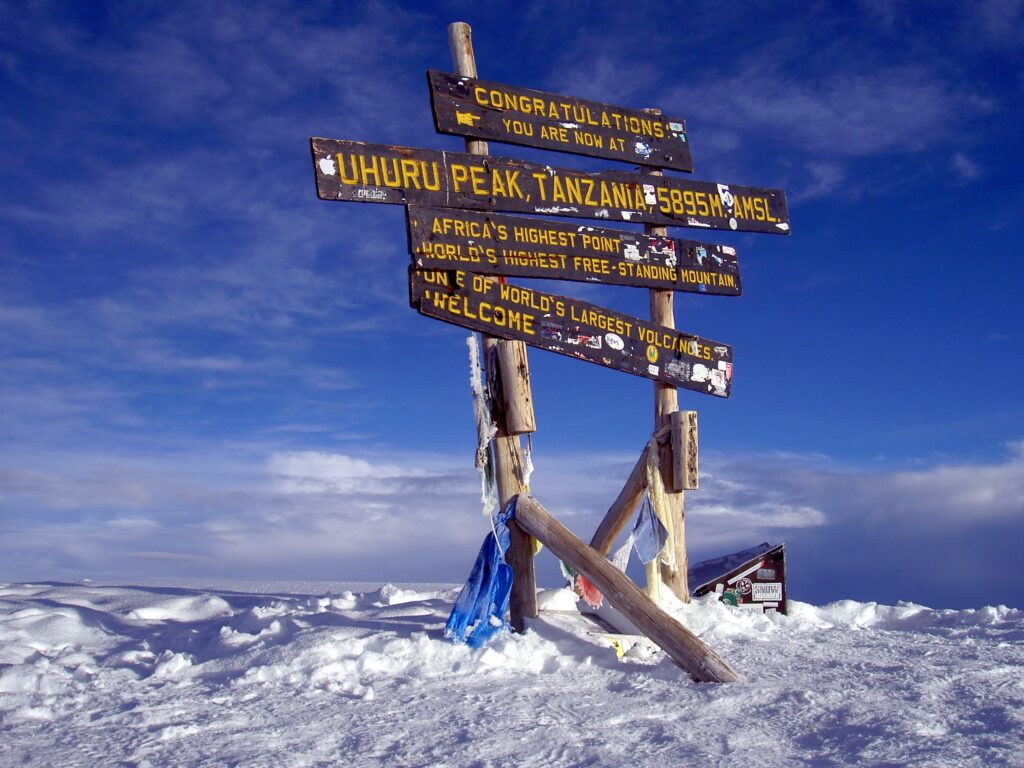
Mount Kilimanjaro, Africa’s highest peak and a UNESCO World Heritage Site, is not only famous for its snow-capped summit and world-class trekking routes but also for its extraordinary alpine flora. Among the most fascinating and iconic plants found here is the Giant Groundsel, scientifically known as Dendrosenecio kilimanjari. This rare plant is one of the most unique examples of high-altitude adaptation in the world. Found in the harsh alpine desert zone of Kilimanjaro, it survives freezing nights, intense sunlight, and low oxygen conditions. For trekkers on Kilimanjaro routes such as Machame, Lemosho, and Marangu, encountering the Giant Groundsel is like stepping into a prehistoric landscape. This article explores its biology, ecological importance, survival strategies, and why it is considered one of the most remarkable plants in Tanzania’s natural heritage and East African mountain ecosystems.
What is the Giant Groundsel?
The Giant Groundsel (Dendrosenecio kilimanjari) is a towering, tree-like plant native to Mount Kilimanjaro’s alpine and subalpine zones. Unlike ordinary groundsel plants found in gardens, this species has evolved into a giant form that can reach several meters in height. It belongs to the sunflower family (Asteraceae), making it a surprising relative of common daisies. On Kilimanjaro, it is one of the most iconic examples of endemic flora, meaning it exists nowhere else on Earth. Its thick stem, dense rosette of leaves, and unusual structure allow it to store water and resist freezing temperatures. Often described as a “living fossil,” the Giant Groundsel is a must-see highlight for nature lovers exploring Kilimanjaro trekking routes and high-altitude ecosystems in Tanzania.
Scientific Classification and Origin
The Giant Groundsel is scientifically classified under the genus Dendrosenecio, a group of giant plants that evolved in isolated East African mountains. The Kilimanjaro species, Dendrosenecio kilimanjari, is endemic to this specific mountain. Scientists believe it evolved from smaller groundsel ancestors millions of years ago through a process called adaptive radiation. This allowed it to grow taller and survive in extreme alpine environments. Its origin is closely linked to volcanic soil, high-altitude climate shifts, and long-term isolation. As one of the most studied examples of tropical alpine evolution, it plays a key role in understanding biodiversity on Mount Kilimanjaro. Researchers often compare it with similar species found on Mount Kenya and the Rwenzori Mountains, making it an important subject in African mountain ecology and botanical research.
Habitat on Mount Kilimanjaro
The Giant Groundsel thrives in Kilimanjaro’s alpine desert and moorland zones, typically between 2,800 and 4,000 meters above sea level. This harsh environment is characterized by intense sunlight during the day and freezing temperatures at night. Despite these extremes, the plant has adapted to survive where few other species can grow. It is commonly seen along trekking routes such as Machame, Lemosho, and Rongai. The soil in these areas is volcanic, well-drained, and nutrient-poor, yet the Giant Groundsel manages to extract enough moisture to survive. It often grows in scattered clusters rather than dense forests. Its presence signals the transition between lush rainforest zones and the barren alpine desert near Kilimanjaro’s summit, making it an important ecological marker for hikers ascending the mountain.
Physical Appearance and Structure
The Giant Groundsel has a striking and almost surreal appearance, making it one of the most photographed plants on Mount Kilimanjaro. It features a thick, woody stem covered in layers of dead leaves that act as insulation against cold temperatures. At the top, it forms a crown of large, succulent-like leaves arranged in a rosette pattern. These leaves can trap moisture and protect the plant from freezing winds. Some mature specimens develop tall flower stalks that resemble giant candles. The overall structure gives it a tree-like form, although it is technically a succulent herb. Its unique morphology is one of the most distinctive features of Kilimanjaro’s high-altitude flora, often surprising trekkers who expect only rocks and ice in these regions.
Adaptations to Extreme Altitude
One of the most fascinating aspects of the Giant Groundsel is its ability to survive extreme alpine conditions. At high elevations on Mount Kilimanjaro, temperatures can drop below freezing at night and rise sharply during the day. To cope with this, the plant has developed specialized adaptations. Its thick, insulating stem stores water and protects internal tissues from frost damage. The rosette leaves close at night to reduce heat loss, and the dead leaf layers act as natural insulation. Additionally, its slow growth rate conserves energy in a nutrient-poor environment. These adaptations make it one of the best examples of survival in extreme ecosystems and a key attraction for botanical research and Kilimanjaro eco-tourism.
Life Cycle and Growth Patterns
The life cycle of the Giant Groundsel is slow and highly adapted to Kilimanjaro’s harsh environment. It can take many years to reach maturity, with growth heavily influenced by altitude and climate conditions. Unlike fast-growing plants, it prioritizes survival over rapid expansion. The plant produces new rosettes at the top while older leaves die and form protective layers along the stem. Flowering occurs infrequently, often after several years, and produces tall stalks that attract pollinators such as insects and birds. After reproduction, the plant continues to survive for many years, sometimes decades. This slow and steady growth pattern reflects the stability required in alpine ecosystems and highlights its resilience in one of the world’s most extreme mountain environments.
Ecological Importance in Kilimanjaro
The Giant Groundsel plays a vital role in Mount Kilimanjaro’s alpine ecosystem. It provides microhabitats for insects, birds, and small organisms that depend on its structure for shelter and moisture. Its presence also helps stabilize soil in rocky alpine regions, reducing erosion caused by wind and rain. As a key species in the moorland zone, it contributes to biodiversity and ecological balance. Scientists often study it to understand how plants adapt to climate stress and high-altitude conditions. For trekkers, it adds visual diversity to the landscape, breaking the monotony of rocky terrain. Its ecological importance extends beyond aesthetics, making it a crucial component of Kilimanjaro’s fragile mountain ecosystem and conservation efforts in Tanzania.
Altitude Zones and Distribution
On Mount Kilimanjaro, vegetation changes dramatically with altitude, and the Giant Groundsel is primarily found in the moorland and alpine desert zones. These zones lie between the dense rainforest below and the icy summit above. As trekkers ascend popular routes like Machame or Lemosho, they first pass through lush forest before entering the unique landscape where Giant Groundsels appear. Their distribution is patchy, often depending on moisture availability and slope conditions. They are more common on sheltered slopes where frost exposure is slightly reduced. This altitude-specific distribution makes them an important indicator species for ecological zoning on Kilimanjaro, helping scientists and guides understand environmental transitions across the mountain’s diverse climatic layers.
Comparison with Other Giant Plants
The Giant Groundsel is often compared to other unusual alpine plants such as giant lobelias, which also grow on Mount Kilimanjaro and nearby East African mountains. While both share adaptations to cold environments, the Giant Groundsel is more tree-like in structure, whereas lobelias have tall flowering spikes and water-storing rosettes. Both species represent unique evolutionary paths in high-altitude tropical ecosystems. However, the Giant Groundsel is particularly notable for its woody stem and long lifespan. These comparisons help scientists understand convergent evolution in alpine environments. For visitors, seeing both species together creates a surreal botanical landscape that feels almost prehistoric, enhancing Kilimanjaro’s reputation as one of the world’s most unique ecological destinations.
- ArushaGateway
- TarangireElephants
- NgorongoroCrater
- SerengetiBig Five
- ZanzibarBeach
Survival Strategies in Harsh Conditions
Survival on Mount Kilimanjaro requires extraordinary adaptation, and the Giant Groundsel demonstrates several advanced strategies. It minimizes water loss through thick, waxy leaves and stores moisture in its stem tissues. The insulating dead leaves around its trunk act as a natural thermal barrier against freezing temperatures. During the day, it maximizes photosynthesis under intense sunlight, while at night, it conserves energy by reducing metabolic activity. Its slow growth rate also reduces resource demands. These combined strategies allow it to survive in an environment where few plants can exist. This makes it one of the most resilient and scientifically interesting plants in East Africa’s high-altitude ecosystems, especially within Tanzania’s Kilimanjaro National Park.
Climate Change Impact
Climate change is increasingly affecting Mount Kilimanjaro’s fragile ecosystems, including the Giant Groundsel. Rising temperatures and shifting rainfall patterns are altering its alpine habitat. As glaciers retreat and moisture levels change, the delicate balance required for its survival is threatened. Some scientists worry that its range may gradually shift to higher altitudes, reducing available habitat. Increased human activity and trekking pressure may also indirectly impact surrounding ecosystems. Although the Giant Groundsel is relatively resilient, long-term climate shifts could affect its reproduction and distribution. Conservation efforts within Kilimanjaro National Park are essential to protect this iconic plant and preserve the unique biodiversity that makes Tanzania’s highest mountain a global natural treasure.
Conservation and Protection Efforts
The Giant Groundsel benefits from the protection of Mount Kilimanjaro National Park, a UNESCO World Heritage Site managed by Tanzanian authorities. Conservation efforts focus on preserving high-altitude ecosystems and minimizing human impact from tourism and climbing activities. Environmental regulations help reduce habitat disturbance, while research programs monitor climate effects on alpine vegetation. Educating trekkers about fragile flora is also part of conservation strategies. Although the plant is not directly endangered, its habitat is sensitive and vulnerable to environmental changes. Protecting the Giant Groundsel is essential for maintaining ecological balance and ensuring future generations can experience Kilimanjaro’s unique botanical diversity during trekking adventures in Tanzania.
Experience for Kilimanjaro Trekkers
For trekkers climbing Mount Kilimanjaro, encountering the Giant Groundsel is a memorable highlight of the journey. As hikers ascend through the moorland zone, the landscape transforms into an otherworldly scene filled with towering groundsels and giant lobelias. This stage of the trek often feels like walking through a natural botanical museum. Many climbers on routes like Machame or Lemosho pause to photograph these unusual plants. Guides often explain their ecological importance, adding depth to the trekking experience. The presence of Giant Groundsels enhances the sense of adventure and discovery, making Kilimanjaro not just a climbing destination but also a living classroom of alpine ecology and natural history in Tanzania.
Photography and Visual Appeal
The Giant Groundsel is one of the most visually striking plants on Mount Kilimanjaro, making it a favorite subject for nature photographers. Its dramatic silhouette against misty alpine backdrops creates stunning compositions. The contrast between its thick, sculptural stems and the barren volcanic landscape adds depth to images. Early morning and late afternoon light often enhance its textures and shadows, producing cinematic effects. Photographers on Kilimanjaro trekking expeditions frequently highlight it as a key subject in wildlife and landscape portfolios. Its surreal appearance also makes it popular in travel blogs and documentaries showcasing Tanzania’s unique biodiversity. For many visitors, photographing the Giant Groundsel is a symbolic capture of Kilimanjaro’s mystical alpine environment.
Myths, Facts, and Cultural Interest
The Giant Groundsel has inspired curiosity and myths among local communities and early explorers of Mount Kilimanjaro. Some believed it had mystical properties due to its unusual size and survival ability in extreme conditions. Scientifically, however, it is a well-studied alpine plant with no supernatural traits. Its uniqueness often leads to misconceptions about its classification, with some mistaking it for a tree. In reality, it is a giant herb adapted to high-altitude environments. Cultural interest in Kilimanjaro’s flora continues to grow as tourism expands. The plant now symbolizes resilience, adaptation, and the extraordinary biodiversity of Tanzania’s mountain ecosystems, bridging science, tourism, and cultural storytelling.
Summary of Its Unique Role
The Giant Groundsel stands as one of the most remarkable botanical wonders of Mount Kilimanjaro. Its tree-like structure, extreme altitude adaptation, and ecological importance make it a defining feature of the mountain’s alpine landscape. Found only in East Africa’s high mountains, it represents millions of years of evolution and survival in harsh conditions. For scientists, it is a valuable research subject; for trekkers, it is a visual highlight; and for conservationists, it is a symbol of fragile mountain ecosystems. Along Kilimanjaro trekking routes, it enriches the journey by adding biological depth to the adventure. Ultimately, the Giant Groundsel embodies the uniqueness and natural heritage of Tanzania’s iconic mountain.
Final Thought
The Giant Groundsel is more than just a plant on Mount Kilimanjaro—it is a living symbol of endurance in one of the world’s toughest environments. Its presence reminds us how life adapts in extraordinary ways to survive extremes of altitude, temperature, and isolation. For anyone exploring Kilimanjaro, it adds a layer of wonder beyond the climb itself, turning the journey into an encounter with ancient natural history. Protecting this unique species ensures that future generations can continue to experience the magic of Tanzania’s alpine landscapes and the unforgettable biodiversity of Africa’s highest peak.
Giant Groundsel: FAQs
What is the Giant Groundsel?
The Giant Groundsel (Dendrosenecio kilimanjari) is a towering, tree-like plant native to Mount Kilimanjaro’s alpine and subalpine zones. Unlike ordinary groundsel plants found in gardens, this species has evolved into a giant form that can reach several meters in height. It belongs to the sunflower family (Asteraceae), making it a surprising relative of common daisies.
What should you know about habitat on Mount Kilimanjaro for giant groundsel?
The Giant Groundsel thrives in Kilimanjaro’s alpine desert and moorland zones, typically between 2,800 and 4,000 meters above sea level. This harsh environment is characterized by intense sunlight during the day and freezing temperatures at night. Despite these extremes, the plant has adapted to survive where few other species can grow.
What can you expect from adaptations to extreme altitude for giant groundsel?
One of the most fascinating aspects of the Giant Groundsel is its ability to survive extreme alpine conditions. At high elevations on Mount Kilimanjaro, temperatures can drop below freezing at night and rise sharply during the day. To cope with this, the plant has developed specialized adaptations.
What should you know about ecological importance in Kilimanjaro for giant groundsel?
The Giant Groundsel plays a vital role in Mount Kilimanjaro’s alpine ecosystem. It provides microhabitats for insects, birds, and small organisms that depend on its structure for shelter and moisture. Its presence also helps stabilize soil in rocky alpine regions, reducing erosion caused by wind and rain.
What can you expect from comparison with other giant plants?
The Giant Groundsel is often compared to other unusual alpine plants such as giant lobelias, which also grow on Mount Kilimanjaro and nearby East African mountains. While both share adaptations to cold environments, the Giant Groundsel is more tree-like in structure, whereas lobelias have tall flowering spikes and water-storing rosettes.
What is the climate change impact for giant groundsel like?
Climate change is increasingly affecting Mount Kilimanjaro’s fragile ecosystems, including the Giant Groundsel. Rising temperatures and shifting rainfall patterns are altering its alpine habitat. As glaciers retreat and moisture levels change, the delicate balance required for its survival is threatened. Some scientists worry that its range may gradually shift to higher altitudes, reducing available habitat.
What is the experience for Kilimanjaro trekkers for giant groundsel like?
For trekkers climbing Mount Kilimanjaro, encountering the Giant Groundsel is a memorable highlight of the journey. As hikers ascend through the moorland zone, the landscape transforms into an otherworldly scene filled with towering groundsels and giant lobelias. This stage of the trek often feels like walking through a natural botanical museum.
What are the myths, Facts, and cultural interest for giant groundsel?
The Giant Groundsel has inspired curiosity and myths among local communities and early explorers of Mount Kilimanjaro. Some believed it had mystical properties due to its unusual size and survival ability in extreme conditions. Scientifically, however, it is a well-studied alpine plant with no supernatural traits.
Plan Your Private Tanzania Safari
Tell us your travel dates, interests and budget, and our local team will design a private tailor-made safari around you.