A solo safari in East Africa is one of the most transformative travel experiences for adventure seekers, wildlife lovers, and independent explorers. Whether you choose a Tanzania safari across the Serengeti and Ngorongoro Crater or a Kenya safari in the Maasai Mara, solo travel offers unmatched freedom and flexibility. Expect close encounters with the Big Five, stunning savannah landscapes, and deep cultural experiences with Maasai communities. Solo safari travel in East Africa is safe when properly planned with trusted tour operators, making it ideal for first-time and experienced solo travelers. This guide explores what to expect, including safety, costs, accommodations, game drives, and essential solo safari tips for an unforgettable African wilderness journey.
1. Freedom and Flexibility of Solo Safari Travel
One of the biggest advantages of a solo safari in East Africa is total freedom. You decide your travel pace, safari destinations, and daily schedule without compromise. Whether you want a full-day game drive in the Serengeti or a relaxed morning in a luxury lodge, everything is tailored to your preferences. Solo safari travelers in Tanzania can customize itineraries to include iconic parks like Tarangire and Lake Manyara. This flexibility also allows spontaneous wildlife viewing opportunities, such as following the Great Migration or spending extra time with elephants or lions. Independent travel makes your safari deeply personal, immersive, and unforgettable, especially when guided by experienced local safari experts.
2. Safety and Security for Solo Travelers
Safety is a top concern for anyone planning a solo safari in East Africa, but the region is generally very safe when traveling with reputable safari companies. National parks in Tanzania are well-managed, with trained guides and regulated game drives. Solo travelers are rarely alone in the wild; all safaris are conducted in guided 4×4 vehicles. Lodges and tented camps also have security staff to ensure guest safety. It is important to book through trusted tour operators, follow the guide’s instructions, and avoid independent night movement in wildlife areas. With these precautions, solo safari travel becomes not only safe but also stress-free and enjoyable.
3. Cost of a Solo Safari in East Africa
A solo safari in East Africa can vary in cost depending on comfort level, season, and destinations. Budget safaris in Tanzania may start from affordable group tours, while luxury private safaris can cost significantly more. Solo travelers often pay a “single supplement” when staying in private rooms or luxury lodges. However, joining group safaris helps reduce costs while maintaining quality experiences. Major expenses include park entry fees, accommodation, transportation, and guide services. Popular safari circuits like the Serengeti, Ngorongoro, and Maasai Mara offer options for every budget. Planning early and choosing shoulder seasons can help reduce overall safari costs significantly.
4. Best Time for a Solo Safari in East Africa
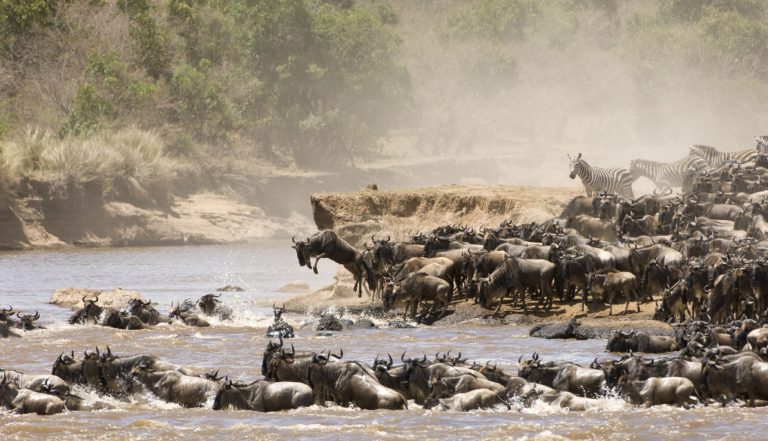
The best time for a solo safari in East Africa depends on wildlife viewing goals. The dry season (June to October) is ideal for game viewing in Tanzania and Kenya because animals gather around water sources, making them easier to spot. This is also the best time for witnessing the Great Migration in the Serengeti and Maasai Mara. The wet season (November to May) offers lush landscapes, fewer tourists, and excellent birdwatching opportunities. Solo travelers often prefer off-peak months for more peaceful experiences and lower prices. Each season offers unique advantages, making East Africa a year-round safari destination for adventurous solo explorers.
5. Wildlife Encounters and the Big Five Experience
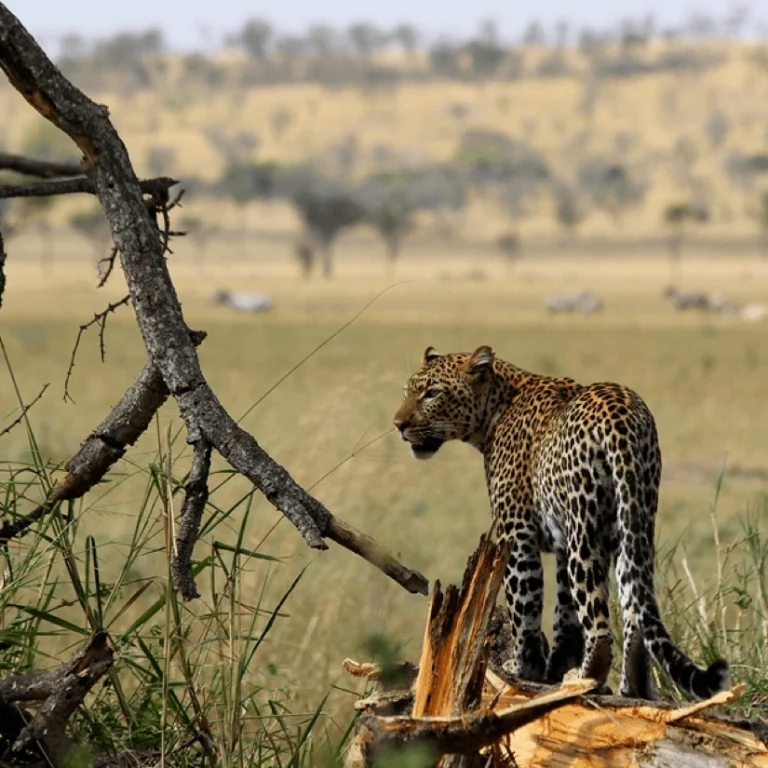
Solo safaris in East Africa offer incredible opportunities to see the Big Five: lion, leopard, elephant, buffalo, and rhino. National parks such as Serengeti, Ngorongoro Crater, and Maasai Mara are world-famous for dense wildlife populations. Solo travelers can enjoy uninterrupted wildlife viewing, often spending extended time observing animal behavior. Beyond the Big Five, expect giraffes, zebras, cheetahs, wildebeest, and hundreds of bird species. Guided game drives ensure you are always in the best position to spot wildlife safely. Every safari day brings unpredictability, making each moment exciting and unique. Wildlife photography opportunities are exceptional, especially during sunrise and sunset game drives.
6. Accommodation Options for Solo Safari Travelers
East Africa offers a wide range of accommodation options for solo safari travelers, including budget camps, mid-range lodges, and luxury tented camps. Solo travelers can stay in shared campsites to reduce costs or enjoy private tents for more comfort and privacy. Lodges in Tanzania’s Serengeti and Ngorongoro, as well as Kenya’s Maasai Mara, provide full-board services with meals and guided activities. Many safari camps are designed to encourage social interaction, making it easy for solo travelers to meet others. At the same time, private spaces ensure relaxation after long game drives. Accommodation quality is generally high, with excellent hospitality and breathtaking natural surroundings.
7. Guided Game Drives and Safari Experience
Game drives are the highlight of any solo safari in East Africa. Experienced guides take travelers through national parks in 4×4 safari vehicles, ensuring safe and informative wildlife viewing. Solo travelers benefit greatly from guides who understand animal behavior and hidden viewing spots. Morning and evening game drives are the most productive times for sightings. In Tanzania’s Serengeti, guides often track lions, elephants, and cheetahs with expert precision. Solo travelers also enjoy learning about ecosystems, conservation efforts, and local culture. The guided experience ensures that even independent travelers feel supported throughout their entire safari adventure.
8. Cultural Experiences with Local Communities
A solo safari in East Africa is not just about wildlife; it also includes meaningful cultural encounters. Travelers can visit Maasai villages in Kenya and Tanzania to learn about traditional lifestyles, dances, and crafts. These experiences offer insight into one of Africa’s most iconic indigenous communities. Solo travelers often find cultural interactions deeply enriching and personal, as they can engage directly with locals without distractions. Other cultural experiences include visiting local markets, coffee plantations, and rural schools. These moments add depth to the safari journey, creating a balance between wildlife adventure and cultural discovery across East Africa.
9. Transportation and Safari Logistics
Transportation on a solo safari in East Africa is typically organized through safari operators using 4×4 Land Cruisers or safari vans. These vehicles are specially designed for rough terrain and wildlife viewing. Solo travelers rarely need to drive themselves, as guided transport is included in most packages. Domestic flights are also common for covering long distances between parks like Serengeti, Ngorongoro, and Maasai Mara. Transfers between airports, lodges, and parks are well-coordinated. Logistics are handled by tour companies, making travel smooth and stress-free. This allows solo travelers to focus entirely on enjoying the safari experience without worrying about navigation or road conditions.
10. Photography Opportunities on Solo Safari
East Africa is a dream destination for wildlife photographers, especially solo travelers who can focus on capturing perfect shots without distractions. The golden light of sunrise and sunset creates ideal conditions for photography in the Serengeti and Maasai Mara. Solo travelers have the flexibility to spend more time framing shots of lions, elephants, and dramatic landscapes. Many safari guides assist with positioning vehicles for the best angles. Whether using professional equipment or smartphones, photography opportunities are endless. From dramatic predator hunts to peaceful grazing herds, every moment offers a unique visual story. Solo travel allows complete creative freedom for photography enthusiasts.
11. Health and Travel Requirements
Before embarking on a solo safari in East Africa, travelers should be aware of health and travel requirements. Vaccinations such as yellow fever may be required depending on your country of origin. Malaria prevention is strongly recommended, especially in lowland safari areas. Travel insurance covering medical emergencies is essential. Solo travelers should also carry basic medications, sunscreen, insect repellent, and hydration supplies. Safari lodges often provide safe drinking water and basic medical assistance if needed. Staying healthy ensures a smooth safari experience across Tanzania. Proper preparation helps solo travelers enjoy their adventure with confidence and peace of mind.
12. Packing Essentials for Solo Safari
Packing for a solo safari in East Africa requires practicality and comfort. Lightweight, neutral-colored clothing is ideal for game drives. Essentials include binoculars, a camera, a sunhat, sunglasses, and comfortable walking shoes. Layered clothing is important due to temperature changes between mornings and afternoons. Solo travelers should also pack power banks, travel adapters, and personal toiletries. A small backpack is useful for daily game drives. Avoid overpacking, as most safari vehicles have limited space. Proper packing enhances comfort and mobility, ensuring solo travelers are fully prepared for long days exploring Tanzania and Kenya’s national parks.
13. Social Experience and Meeting Other Travelers
Although it is a solo safari, East Africa offers plenty of opportunities to meet other travelers. Many lodges and camps have communal dining areas where guests share safari stories. Group game drives also create a friendly atmosphere for interaction. Solo travelers often connect with like-minded adventurers from around the world. This social aspect adds value to the journey while still maintaining independence. However, those who prefer solitude can still enjoy private game drives and secluded accommodations. The balance between social interaction and personal space makes solo safari travel in East Africa both flexible and rewarding.
14. Challenges of Solo Safari Travel
While rewarding, solo safari travel in East Africa comes with a few challenges. Costs can be higher due to single supplements, and long travel distances between parks may feel tiring. Weather conditions can also be unpredictable, especially during rainy seasons. However, these challenges are manageable with proper planning and guidance from experienced tour operators. Solo travelers must also be comfortable spending time alone during long game drives. Despite these minor challenges, the benefits of independence, adventure, and immersive wildlife experiences far outweigh any difficulties encountered during the safari journey.
15. Sustainability and Responsible Tourism
Responsible tourism is an important aspect of solo safari travel in East Africa. Many safari operators in Tanzania and Kenya focus on eco-friendly practices and wildlife conservation. Solo travelers are encouraged to respect wildlife, avoid littering, and support local communities. Staying in eco-lodges and using certified guides helps promote sustainable tourism. Conservation efforts in Serengeti, Ngorongoro, and Maasai Mara depend heavily on tourism support. By choosing responsible travel options, solo safari visitors contribute to protecting Africa’s natural heritage while enjoying an ethical and meaningful travel experience.
16. Emotional Impact of a Solo Safari
A solo safari in East Africa is often a deeply emotional and life-changing experience. The vast landscapes, powerful wildlife encounters, and quiet moments in nature create lasting memories. Many travelers describe feelings of peace, reflection, and personal growth during their journey. Watching elephants at sunset or lions roaming freely in the Serengeti leaves a lasting impression. Solo travel allows for deeper connection with nature and oneself. It is not just a vacation but a transformative adventure that stays with travelers long after they leave Africa.
Final Thought
A solo safari in East Africa is one of the most rewarding travel experiences in the world, combining wildlife adventure, cultural discovery, and personal freedom. From the Serengeti and Ngorongoro Crater in Tanzania to the Maasai Mara in Kenya, every destination offers unforgettable encounters. With proper planning, safety awareness, and a trusted safari operator, solo travelers can enjoy a seamless and enriching journey. Whether you seek luxury, budget, or mid-range options, East Africa delivers an unmatched safari experience. It is a journey of independence, discovery, and connection with nature that every traveler should experience at least once in a lifetime.
Is a solo safari in East Africa safe
Yes, a solo safari in East Africa is generally very safe when organized through a licensed and reputable tour operator. National parks in Tanzania and Kenya such as the Serengeti, Ngorongoro Crater, and Maasai Mara are well-managed with trained guides and regulated safari vehicles. Solo travelers are never left alone in wildlife areas; all game drives are guided. Lodges and camps also have security systems in place. The key to safety is following guide instructions, avoiding independent travel in remote areas, and booking with trusted safari companies. With proper planning, solo safari travel is both secure and highly enjoyable.
Do I need a guide for a solo East African safari
Yes, a professional safari guide is essential for any solo safari in East Africa. Guides are highly trained in wildlife tracking, animal behavior, and park navigation. They enhance your experience by helping you spot the Big Five and explaining ecosystems in detail. In Tanzania and Kenya, self-driving in national parks is uncommon for tourists due to terrain and regulations. Solo travelers benefit greatly from guides who ensure safety, maximize wildlife sightings, and manage logistics. Even when traveling independently, you will always be accompanied by an expert guide during game drives and transfers between parks and lodges.
How much does a solo safari cost in East Africa
The cost of a solo safari in East Africa varies depending on travel style, season, and accommodation level. Budget safaris can start from shared group tours, while mid-range and luxury safaris increase significantly in price. Solo travelers often pay a single supplement for private rooms or tents. Costs typically include park fees, transport, accommodation, and guided game drives. Tanzania and Kenya offer a wide range of safari packages to suit different budgets. Traveling during the shoulder season can reduce costs, while joining group safaris is another way to make solo travel more affordable without compromising experience quality.
What is the best time for a solo East African safari
The best time for a solo safari in East Africa is during the dry season from June to October. This period offers excellent wildlife viewing as animals gather around water sources, making them easier to spot in parks like the Serengeti and Maasai Mara. It is also the best time to witness the Great Migration. The wet season from November to May offers fewer tourists, lush green landscapes, and great birdwatching opportunities. Solo travelers often prefer shoulder seasons for a balance of good wildlife sightings, lower prices, and fewer crowds across Tanzania and Kenya safari destinations.
Will I feel lonely on a solo safari in East Africa
Most solo travelers do not feel lonely on a safari in East Africa because of the structured and social nature of the experience. You will spend time with your safari guide and often join other travelers during game drives or lodge dinners. Many safari camps encourage social interaction, making it easy to meet people from around the world. At the same time, solo travelers also enjoy private moments in nature, which many find peaceful and reflective. The combination of guided activities and natural immersion makes solo safari travel engaging rather than isolating.
What wildlife can I expect to see on a solo safari in East Africa
On a solo safari in East Africa, you can expect to see a wide variety of wildlife, including the Big Five: lions, leopards, elephants, buffalo, and rhinos. Parks like Serengeti National Park, Ngorongoro Crater, and Maasai Mara are rich in biodiversity. You may also see cheetahs, giraffes, zebras, wildebeest, hippos, crocodiles, and hundreds of bird species. Wildlife sightings vary depending on season and location, but game drives are designed to maximize your chances. Every safari day offers unique encounters, making wildlife viewing one of the most exciting parts of solo travel in Africa.
What should I pack for a solo safari in East Africa
Packing for a solo safari in East Africa should focus on comfort and practicality. Essentials include lightweight, neutral-colored clothing, a hat, sunglasses, sunscreen, and comfortable walking shoes. A camera or smartphone with zoom capability is important for wildlife photography. Binoculars enhance game viewing, while a small backpack is useful for daily game drives. Also pack insect repellent, personal medications, and travel adapters. Layered clothing is recommended due to temperature changes between mornings and afternoons. Avoid heavy luggage, as safari vehicles have limited space. Smart packing ensures a smooth and comfortable safari experience.
What type of accommodation is available for solo safari in East Africa
East Africa offers a wide range of accommodation options for solo safari travelers. These include budget campsites, mid-range lodges, and luxury tented camps. Budget travelers may stay in shared facilities, while mid-range and luxury options offer private rooms or tents with en-suite bathrooms. Many safari lodges in Tanzania and Kenya are located inside or near national parks, providing easy access to wildlife areas. Solo travelers can choose between social environments or more private, peaceful stays. Most accommodations include meals, guided activities, and essential services, making safari travel comfortable and convenient.
How do I book a solo safari in East Africa
Booking a solo safari in East Africa is best done through a licensed and reputable tour operator specializing in Tanzania or Serengeti safaris. You can choose from pre-designed itineraries or request a fully customized solo safari package. Trusted operators handle all logistics, including park permits, accommodation, transport, and guided game drives. Booking early is recommended, especially during peak seasons like the Great Migration period. Online safari companies, local tour operators, and travel agencies all offer booking options. A well-planned booking ensures a smooth, safe, and unforgettable solo safari experience in East Africa.