Beginner Tips for First-Time Mountain Climbers
Beginner Tips for First-Time Mountain Climbers
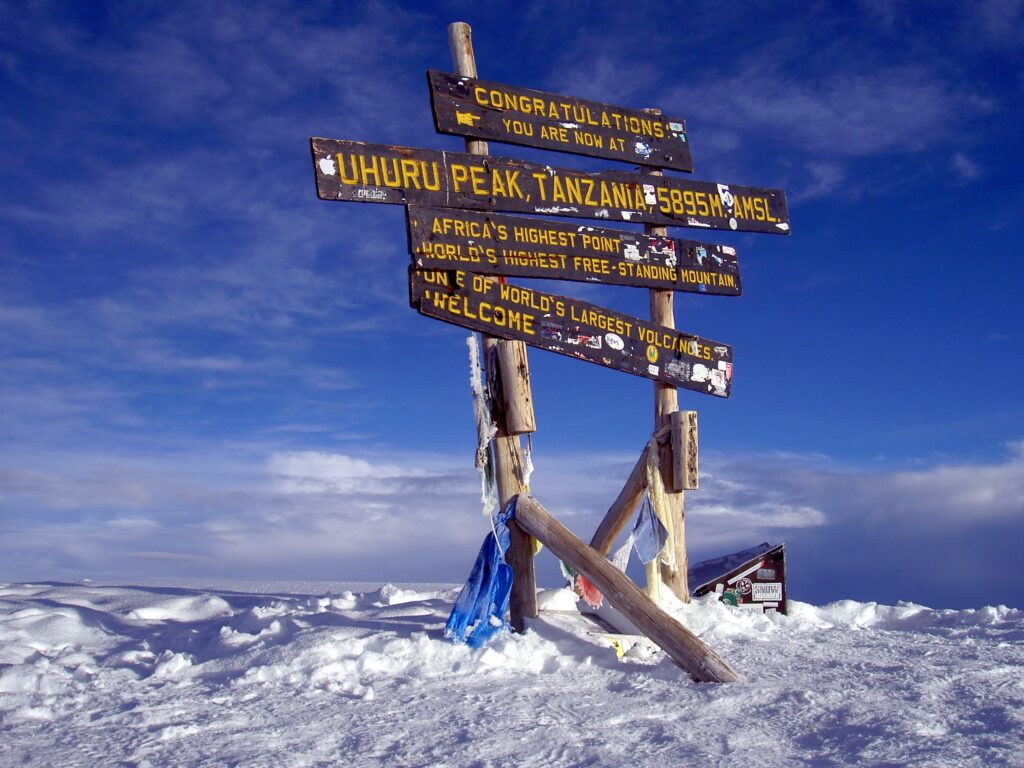
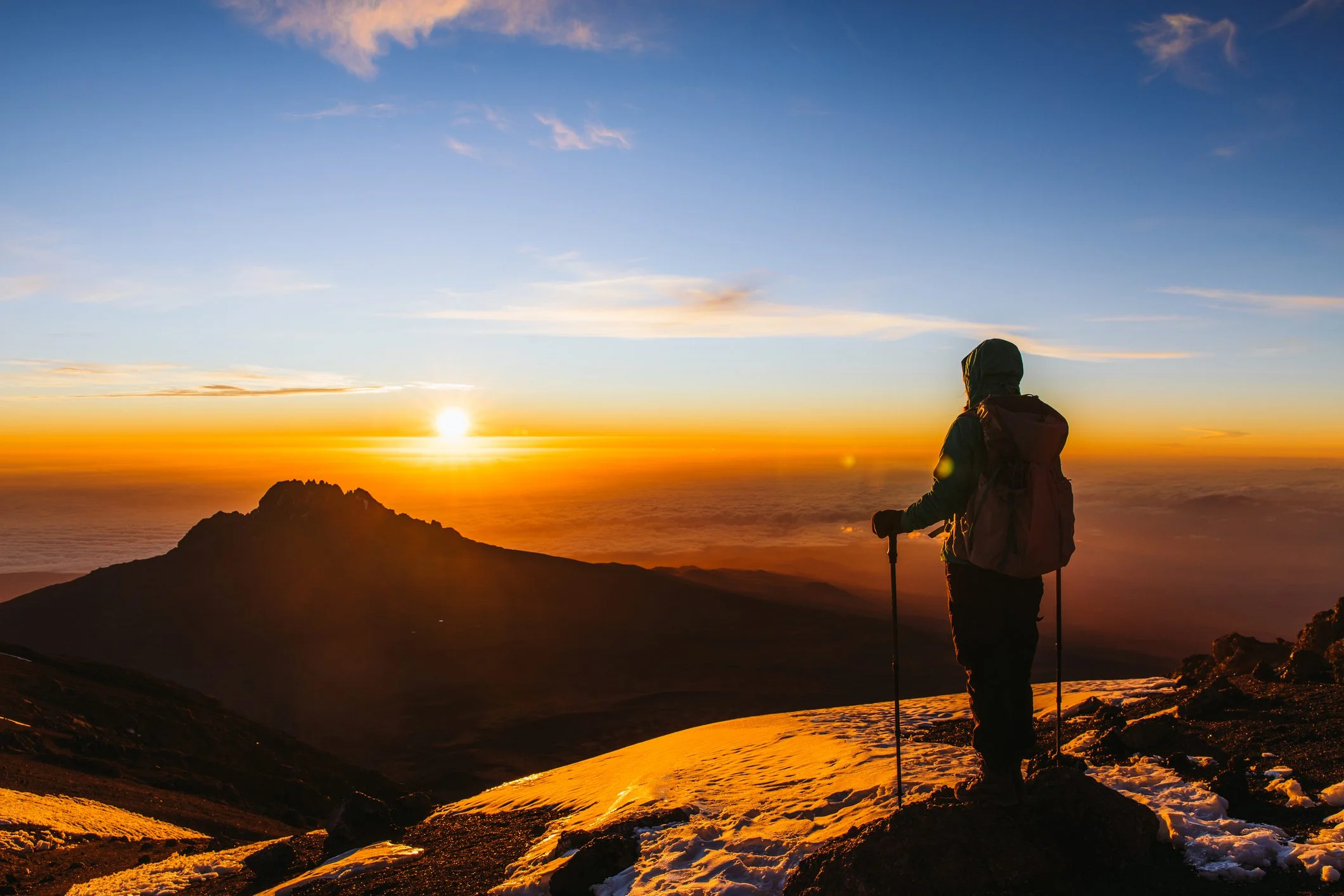
Beginner mountain climbing is one of the most rewarding outdoor adventures, combining physical endurance, mental strength, and breathtaking natural scenery. For first-time climbers, especially those interested in iconic peaks like Mount Kilimanjaro, Mount Meru, or other high-altitude trekking destinations, preparation is essential. Understanding mountain climbing tips, altitude sickness prevention, proper gear selection, and fitness training can significantly improve safety and success. This guide provides essential beginner tips for first-time mountain climbers, focusing on safety, endurance, and practical trekking advice. Whether you are planning a trekking safari in Tanzania or exploring global hiking routes, learning the basics of mountaineering will help you build confidence, avoid common mistakes, and enjoy a successful summit experience in challenging mountain environments worldwide. Stay safe always.
Build Physical Fitness for Mountain Climbing
Physical preparation is the foundation of successful beginner mountaineering and high-altitude trekking. Before attempting any mountain climbing adventure such as Kilimanjaro trekking or alpine hiking, focus on improving cardiovascular endurance, leg strength, and core stability. Regular activities like running, cycling, stair climbing, and hiking with a loaded backpack help simulate real trekking conditions. Incorporate strength training exercises such as squats, lunges, and planks to build muscular endurance. Consistent training reduces fatigue, prevents injuries, and improves performance on steep and rocky terrain. For first-time climbers, a minimum of 8–12 weeks of preparation is recommended before any expedition. Fitness training ensures better acclimatization, stamina, and confidence during challenging ascents in high-altitude mountain environments. Always follow gradual training progression plan for safety reasons.
Choose the Right Mountain Climbing Gear
Proper mountain climbing gear is essential for safety, comfort, and performance during any trekking expedition. First-time climbers should invest in quality hiking boots with ankle support, waterproof jackets, thermal layers, and moisture-wicking clothing. Essential equipment also includes trekking poles, backpacks, headlamps, gloves, sunglasses, and hydration systems. Choosing the right gear helps prevent injuries, hypothermia, and exhaustion in unpredictable mountain weather conditions. Lightweight yet durable equipment is ideal for long-distance hikes and high-altitude climbing routes such as Kilimanjaro or Mount Kenya. Beginners should test their gear before the expedition to ensure comfort and functionality. Reliable climbing equipment enhances confidence, improves mobility, and supports safe navigation through challenging terrains and extreme weather environments in global mountaineering adventures. Always prioritize safety over style.
Understand Altitude Sickness Prevention
Altitude sickness is a major concern for beginner mountain climbers and high-altitude trekking enthusiasts. It occurs when the body struggles to adapt to reduced oxygen levels at higher elevations. Symptoms include headaches, dizziness, nausea, and fatigue. To prevent altitude sickness, climbers should ascend gradually, stay well hydrated, and avoid overexertion. Proper acclimatization is crucial, especially on iconic routes like Kilimanjaro trekking and Andes hiking trails. Taking rest days allows the body to adjust to altitude changes effectively. In severe cases, descending to lower elevations is necessary. Beginners should also consult guides and follow professional advice during expeditions. Understanding altitude sickness prevention ensures safer, more enjoyable, and successful mountain climbing experiences in extreme environments worldwide. Always monitor body warning signs carefully.
Stay Hydrated and Eat Proper Nutrition
Proper hydration and nutrition are critical for successful mountain climbing and high-altitude trekking performance. Beginners often underestimate water loss during long hikes leading to dehydration and fatigue. Climbers should drink water regularly even when not thirsty and use electrolyte solutions to maintain energy balance. Nutrition should include high-energy foods such as nuts, fruits, grains, and protein-rich meals. Avoid heavy or processed foods that slow digestion and reduce stamina. On routes like Kilimanjaro trekking carrying lightweight nutritious snacks is essential for sustained energy. Proper eating and hydration improve endurance mental focus and recovery during climbs. First-time climbers should develop a balanced nutrition plan before expeditions to ensure optimal performance in challenging mountain environments. Good nutrition planning improves climbing success significantly overall.
Learn Proper Pacing and Energy Management
Proper pacing is one of the most important beginner mountain climbing tips for conserving energy and avoiding exhaustion during long treks. First-time climbers often start too fast leading to fatigue and reduced performance at higher altitudes. Maintaining a steady slow rhythm helps the body adapt efficiently to challenging terrain and oxygen levels. Energy management includes taking regular breaks breathing deeply and maintaining consistent movement. On famous routes like Kilimanjaro trekking guides often emphasize the pole pole slow approach. Climbers should listen to their bodies and avoid overexertion. Effective pacing improves endurance reduces injury risk and increases summit success rates. Beginners should practice hiking at controlled speeds before attempting major mountain expeditions. Consistency in pacing leads to success on all climbs.
Understand Mountain Weather Conditions
Understanding mountain weather conditions is crucial for beginner climbers to ensure safety and successful trekking experiences. Weather in mountainous regions can change rapidly with sudden rain snow wind or temperature drops affecting visibility and trail conditions. First-time climbers should always check weather forecasts before starting and remain flexible with plans. Proper clothing layers help adapt to changing temperatures and prevent hypothermia or overheating. On popular routes like Kilimanjaro trekking weather variations occur across different altitude zones. Climbers should be prepared for extreme conditions and carry protective gear such as waterproof jackets and thermal wear. Awareness of weather patterns helps reduce risks and improves decision-making during high-altitude mountaineering expeditions worldwide. Always monitor forecasts and adjust plans accordingly for safety reasons carefully.
Build Mental Strength and Confidence
Mental strength is as important as physical fitness for beginner mountain climbers facing challenging trekking conditions. High-altitude climbing often involves fatigue cold weather and psychological pressure. First-time climbers should develop a positive mindset patience and resilience before attempting major expeditions. Visualization techniques and goal setting can help build confidence and focus during climbs. On routes like Kilimanjaro trekking mental endurance plays a key role in reaching the summit. Climbers should stay motivated embrace challenges and avoid negative thinking during difficult sections. Support from guides and fellow climbers also boosts morale. Strong mental preparation improves decision-making reduces stress and increases the likelihood of a successful and enjoyable mountaineering experience in demanding mountain environments worldwide. Practice mindfulness breathing under pressure daily training.
Follow Safety Guidelines and Climbing Rules
Safety guidelines are essential for beginner mountain climbers to prevent accidents and ensure successful trekking expeditions. Always follow instructions from experienced guides and respect mountain regulations. First-time climbers should never climb alone and must stay within designated trails. Wearing proper safety gear, such as helmets, harnesses, and sturdy boots, reduces injury risks. Emergency preparedness is also important, including carrying a first aid kit, communication devices, and backup supplies. On popular routes like the Kilimanjaro trekking safety protocols are strictly enforced to protect climbers. Weather awareness and physical readiness also contribute to safety. Following rules enhances survival chances, improves group coordination, and ensures a safe and enjoyable mountaineering experience in challenging mountain environments worldwide. Always respect nature and follow instructions strictly.
Approach, feed or disturb wildlife, or leave the vehicle unless your guide says it is safe.
Follow your guide, carry travel insurance and check current health and travel advice.
Practice Proper Acclimatization Techniques
Proper acclimatization is vital for beginner mountain climbers to adapt safely to high-altitude environments and reduce the risk of altitude sickness. Climbers should ascend gradually, allowing the body time to adjust to lower oxygen levels. Taking rest days during trekking expeditions helps improve endurance and recovery. On routes like Kilimanjaro, trekking acclimatization is a key factor for summit success. Staying hydrated, eating well, and sleeping adequately support the body’s adjustment process. First-time climbers should avoid rushing ascents and listen to their bodies carefully. Guides often design itineraries with built-in acclimatization periods. Effective acclimatization increases performance, enhances safety, and ensures a more enjoyable and successful mountain climbing experience in extreme conditions. Always prioritize gradual ascent for better adaptation and safety.
Prepare for Emergencies and First Aid
Emergency preparedness is essential for beginner mountain climbers to handle unexpected situations during trekking expeditions. Accidents, weather changes, and altitude-related illnesses can occur in remote mountain environments. First-time climbers should carry a well-equipped first aid kit, an emergency blanket, a whistle, and a communication device. Knowing basic first aid skills, such as treating cuts, sprains, and altitude sickness symptoms, is highly important. On routes like the Kilimanjaro trekking rescue operations may take time, making self-sufficiency critical. Climbers should always inform guides of any health issues immediately. Proper planning and preparedness reduce risks and improve survival chances. Understanding emergency procedures ensures safer more confident and more successful mountain climbing experiences in challenging and unpredictable conditions. Always stay calm and follow rescue instructions carefully always prepared.
Pack Smart and Light for Expeditions
Packing smart and light is a crucial beginner mountain climbing tip that improves mobility reduces fatigue and enhances overall trekking performance. First-time climbers should avoid overpacking and focus on essential gear only. Lightweight backpacks with proper weight distribution help prevent back and shoulder strain. Items such as clothing layers hydration systems snacks and safety equipment should be carefully organized for easy access. On routes like Kilimanjaro trekking porters may assist but personal packing efficiency is still important. Climbers should also consider weather conditions and trip duration when preparing gear. Efficient packing ensures better balance faster movement and improved endurance during challenging mountain expeditions in diverse environments. Always organize gear properly for safety comfort and efficient mountain climbing success results achieved.
Avoid Common Beginner Climbing Mistakes
Avoiding common mistakes is essential for beginner mountain climbers to ensure safety efficiency and successful trekking experiences. Many first-time climbers underestimate altitude effects overpack gear or start at an unsustainable pace. Ignoring acclimatization hydration and weather conditions can lead to serious challenges. Proper preparation training and guidance help prevent these errors. On routes like Kilimanjaro trekking following experienced guides reduces risks significantly. Beginners should also avoid poor footwear choices and neglecting physical fitness preparation. Learning from others’ experiences improves decision-making and enhances confidence. Awareness of these common mistakes ensures smoother climbs better endurance and higher summit success rates in demanding mountain environments worldwide. Always prepare properly learn from experts and avoid shortcuts during mountain climbing expeditions for safety success always.
Stay Consistent with Training and Preparation
Consistency in training and preparation is key for beginner mountain climbers aiming for successful trekking expeditions. Regular physical workouts hiking practice and endurance training build strength and confidence over time. First-time climbers should follow structured training plans that gradually increase intensity. Maintaining discipline ensures the body adapts effectively to long-distance trekking and high-altitude conditions. On routes like Kilimanjaro trekking consistent preparation greatly improves summit success rates. Mental focus and routine practice also help climbers handle physical and psychological challenges. Beginners should track progress set realistic goals and stay committed to fitness routines. Consistent preparation reduces risks enhances performance and ensures safer and more enjoyable mountain climbing experiences in demanding environments. Always stay disciplined and maintain steady training progress daily effort.
Final Thought
Beginner mountain climbing is a life-changing adventure that requires preparation discipline and awareness. Whether you are planning to climb Mount Kilimanjaro Mount Kenya or other global trekking destinations success depends on physical fitness mental strength and proper knowledge of mountain climbing tips. First-time climbers should focus on gradual training safe acclimatization and the right climbing gear. Respect for nature weather conditions and professional guides ensures safer and more enjoyable expeditions. High-altitude trekking offers unforgettable experiences breathtaking views and personal achievement. By following beginner mountaineering guidelines climbers can avoid common mistakes and increase summit success rates. With dedication and preparation every beginner can confidently explore the world’s most iconic mountains and enjoy a rewarding outdoor adventure. Stay motivated always.
Beginner Tips for First-Time Mountain Climbers: FAQs
Essential Gear and Equipment for a Beginner Mountain Climber
Beginner mountain climbers need reliable, lightweight, and weather-appropriate gear for safety and comfort. Essential equipment includes sturdy waterproof hiking boots with ankle support, moisture-wicking base layers, insulating mid-layers, and a waterproof jacket. A comfortable backpack (30–50L) is necessary for carrying water, snacks, and essentials. Trekking poles help with balance on steep or uneven terrain. Other must-haves include a headlamp, sunglasses, gloves, hat, sunscreen, and a first aid kit.
How Physically Fit Do I Need to Be Before Attempting a Mountain Climb?
You do not need to be an elite athlete, but a good level of cardiovascular fitness, strength, and endurance is essential. Beginner climbers should be able to hike for several hours with elevation gain while carrying a light backpack. Training should include walking, jogging, stair climbing, and leg-strength exercises such as squats and lunges. Core strength is also important for stability on uneven terrain.
How Do I Choose the Right Mountain for My First Climb?
Choosing the right beginner mountain depends on difficulty level, altitude, terrain, and weather conditions. Start with smaller, well-marked, and non-technical mountains before attempting high-altitude peaks. Look for beginner-friendly trekking routes with gradual ascents and available guides. Popular first climbs include local hills or moderate trekking mountains before progressing to higher peaks like Mount Kilimanjaro or Mount Meru. Research elevation gain, average trekking duration, and safety conditions.
What Safety Precautions Should I Take as a First-Time Mountain Climbe?
Safety is the top priority for beginner mountain climbers. Always climb with a guide or group, never alone. Inform someone about your route and expected return time. Carry essential safety gear including a first aid kit, whistle, map, and fully charged communication device. Stay on marked trails and follow guide instructions at all times. Monitor weather conditions closely and avoid climbing during extreme weather. Wear appropriate clothing and footwear to prevent injuries.
How Should I Acclimate to High Altitudes as a Beginner?
Proper acclimatization is essential to prevent altitude sickness during mountain climbing. Beginners should ascend gradually, allowing the body time to adjust to lower oxygen levels. A common rule is “climb high, sleep low” when possible. Take regular rest days during longer expeditions. Stay hydrated, eat balanced meals, and avoid alcohol or smoking before and during climbs. Listen to your body and recognize symptoms like headaches, dizziness, or nausea.
What Is the Best Time of Year for a Beginner to Start Mountain Climbing?
The best time for beginner mountain climbing depends on weather conditions and seasonal stability. Generally, dry seasons are ideal because trails are safer, visibility is better, and weather is more predictable. In many popular trekking destinations, including East Africa, the best months are during dry periods when rainfall is minimal. Avoid rainy or extreme winter seasons as trails may become slippery and dangerous.
How Do I Train for My First Mountain Climb?
Training for your first mountain climb should focus on endurance, strength, and flexibility. Start with regular cardio exercises such as hiking, jogging, cycling, or stair climbing. Practice long walks with a loaded backpack to simulate real trekking conditions. Strength training for legs, core, and back muscles is essential for stability and endurance. Include stretching or yoga to improve flexibility and prevent injuries. Gradually increase training intensity over 8–12 weeks.
Can I Climb a Mountain Alone as a Beginner?
It is strongly discouraged for beginners to climb mountains alone. Solo climbing increases risks related to navigation errors, weather changes, injuries, and altitude sickness. First-time climbers should always join guided groups or climb with experienced companions. Professional guides provide navigation support, safety monitoring, and emergency assistance. Group climbs also offer motivation and shared experience, making the journey safer and more enjoyable.
How Do I Navigate on Mountain Trails?
Navigation on mountain trails requires preparation and awareness. Beginners should follow clearly marked paths and avoid shortcuts. Carry a map, compass, or GPS device to track your route. Learning basic map-reading skills is highly recommended. In guided climbs, always stay close to your guide and group. Pay attention to trail markers, signs, and natural landmarks. Weather conditions such as fog or rain can reduce visibility, so navigation tools are essential backups.
What Should I Do If I Encounter Wildlife During My Climb?
Encountering wildlife is possible during mountain climbing, especially in natural trekking environments. The key rule is to remain calm and avoid sudden movements. Do not approach, feed, or provoke animals. Slowly back away while keeping a safe distance. Follow guide instructions if you are in a group, as they are trained in wildlife safety. Make noise while walking in dense areas to avoid surprising animals. Store food securely to prevent attracting wildlife.
Plan Your Private Tanzania Safari
Tell us your travel dates, interests and budget, and our local team will design a private tailor-made safari around you.