The Seven Summits represent the highest mountains on each of the seven continents, forming one of the most iconic achievements in global mountaineering and adventure travel. This legendary challenge tests endurance, technical climbing skills, altitude adaptation, and mental resilience across the world’s most extreme environments. From icy polar peaks to tropical volcanic giants, the Seven Summits expedition attracts climbers seeking the ultimate bucket-list accomplishment. The journey typically includes peaks such as Mount Everest in Asia, Aconcagua in South America, and Mount Kilimanjaro in Africa. Each mountain presents unique weather conditions, terrain, and cultural landscapes. Together, they symbolize the pinnacle of global mountaineering success. Whether pursued professionally or as a personal challenge, the Seven Summits remain a powerful goal for adventurers worldwide, combining exploration, survival, and achievement at the highest levels of Earth’s geography.
1. Mount Everest – Asia’s Roof of the World
Mount Everest stands at 8,848.86 meters, making it the highest mountain on Earth and the crown jewel of the Seven Summits. Located in the Himalayas on the Nepal–China border, Everest represents the ultimate test of high-altitude climbing. Expeditions require extreme endurance, technical ice climbing skills, and careful acclimatization to survive the “death zone” above 8,000 meters. The mountain is famous for its challenging routes, including the South Col route from Nepal and the North Ridge from Tibet. Climbers face avalanches, crevasses, and unpredictable weather conditions. Despite commercial trekking support today, Everest remains highly dangerous and demanding. It symbolizes human ambition and the pursuit of extreme exploration. For many, reaching the summit is the ultimate achievement in global mountaineering history and the defining peak of the Seven Summits challenge.
2. Aconcagua – South America’s Giant Peak
Aconcagua is the highest mountain in South America, reaching 6,961 meters in the Andes of Argentina. Known as the “Stone Sentinel,” it is the tallest peak outside Asia and a key objective in the Seven Summits challenge. Unlike technical Himalayan climbs, Aconcagua is often considered a non-technical but physically demanding ascent due to its altitude, strong winds, and extreme cold. The Normal Route is the most popular, but climbers must still navigate glacier travel and altitude sickness risks. Weather conditions can change rapidly, making summit attempts challenging. Aconcagua is frequently used as a training peak for Everest aspirants because it builds endurance and acclimatization experience. Its dramatic landscapes and dry, rugged environment make it one of the most iconic and accessible high-altitude climbs in the world.
3. Denali – North America’s Frozen Fortress
Denali, formerly known as Mount McKinley, is the highest peak in North America at 6,190 meters, located in Alaska, USA. It is considered one of the coldest and most physically demanding mountains in the Seven Summits due to its extreme latitude and harsh weather conditions. Climbers face deep snow, crevasses, and temperatures that can drop below -40°C. The West Buttress Route is the most commonly used path, requiring climbers to haul heavy loads and endure long expedition-style climbs. Unlike many high peaks, Denali’s base begins at a relatively low elevation, meaning climbers gain significant vertical ascent from the start. Its isolation and severe climate make self-sufficiency essential. Denali is a true test of endurance, strength, and survival skills, often considered harder than higher but more accessible mountains like Everest.
4. Mount Kilimanjaro – Africa’s Free-Standing Giant
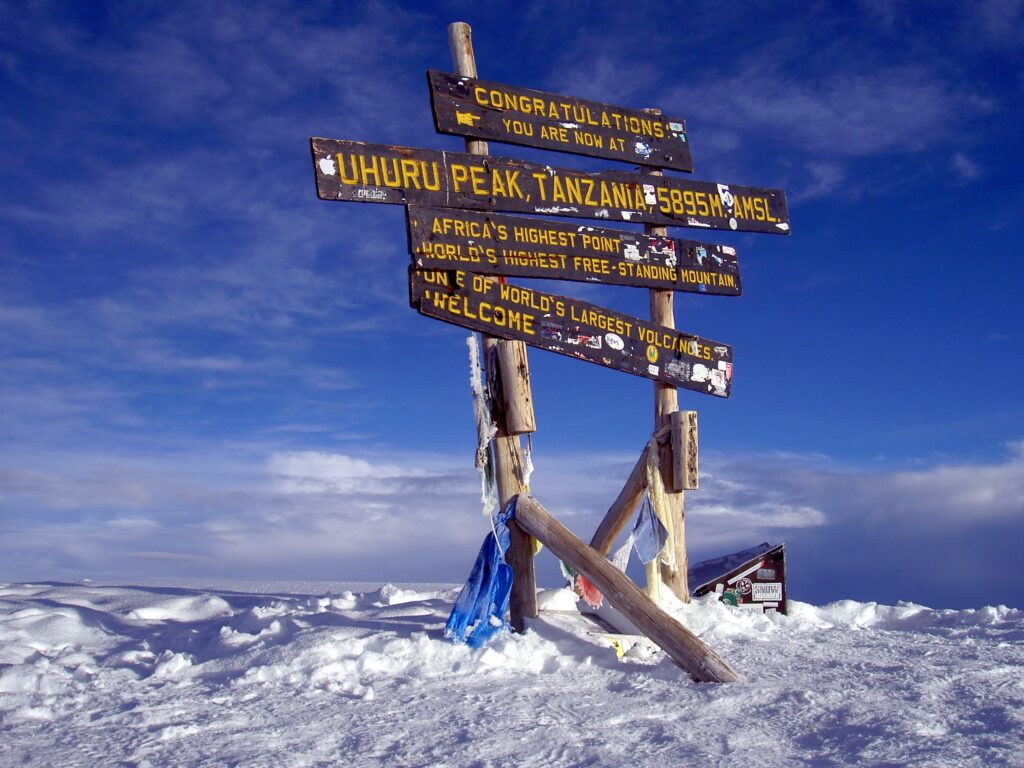
Mount Kilimanjaro is Africa’s highest peak at 5,895 meters and the world’s tallest free-standing mountain. Located in Tanzania, it is one of the most popular climbs in the Seven Summits challenge due to its non-technical trekking routes. Climbers do not need ropes or advanced mountaineering skills, but altitude remains the biggest challenge. Routes such as Machame, Lemosho, and Marangu offer different experiences through rainforest, moorland, alpine desert, and icy summit zones. Kilimanjaro is famous for its “walk to the roof of Africa” experience, attracting thousands of adventurers each year. The summit, Uhuru Peak, offers breathtaking views above the clouds. Despite being accessible, altitude sickness and fatigue still make it a serious endurance climb. Kilimanjaro is often the starting point for climbers attempting the Seven Summits journey.
5. Mount Elbrus – Europe’s Highest Peak
Mount Elbrus is the highest mountain in Europe, standing at 5,642 meters in the Caucasus Mountains of Russia. It is a dormant volcano and one of the most important peaks in the Seven Summits challenge. The standard routes, North and South, are glacier climbs requiring crampons, ice axes, and basic mountaineering skills. Elbrus is known for unpredictable weather, strong winds, and cold temperatures even in summer. The ascent is often supported by cable cars and snowcats to high camps, making it more accessible than technical peaks. However, altitude remains a serious challenge. Climbers must carefully acclimatize before attempting the summit push. Elbrus is often used as a preparation climb for higher Himalayan expeditions due to its high-altitude environment and European accessibility.
6. Vinson Massif – Antarctica’s Frozen Summit
Vinson Massif is the highest peak in Antarctica at 4,892 meters and one of the most remote mountains in the Seven Summits. Located deep within the Ellsworth Mountains, it is surrounded by extreme cold, ice, and isolation. Expeditions require specialized logistics, including flights to Antarctica and guided support from base camps. Climbers face temperatures well below freezing and must be fully self-sufficient in one of the harshest environments on Earth. Although not highly technical, the cold and remoteness make it extremely challenging. Weather delays are common, and evacuation options are limited. Vinson Massif is often the most expensive peak in the Seven Summits due to transport and expedition costs. Its pristine, untouched landscapes make it one of the most unique and rewarding climbing experiences in the world.
7. Mount Kosciuszko – Australia’s Highest Point
Mount Kosciuszko is the highest mountain on mainland Australia at 2,228 meters, located in the Snowy Mountains of New South Wales. It is the easiest and least technical of the Seven Summits, often climbed as a hiking trail rather than a mountaineering expedition. The summit is accessible via well-maintained walking paths, making it suitable for beginners and family hikers. Despite its low difficulty, it remains an essential part of the Seven Summits list in the Bass version. The surrounding Kosciuszko National Park offers alpine scenery, wildflowers, and panoramic views. Many climbers complete it as part of a global summit challenge rather than for technical difficulty. Its accessibility contrasts sharply with other peaks, highlighting the diversity of the Seven Summits experience.
The Origin of the Seven Summits Concept
The Seven Summits challenge was popularized by mountaineer Richard Bass in the 1980s, who aimed to climb the highest peak on each continent. Later, Reinhold Messner proposed a more technically demanding list, replacing Mount Kosciuszko with Carstensz Pyramid in Papua, Indonesia. This created two main versions of the Seven Summits list: the Bass and Messner lists. The challenge quickly became a global benchmark for mountaineers seeking elite achievement. It symbolizes geographical diversity, from polar Antarctica to tropical Oceania. Today, completing all seven peaks is considered one of the greatest accomplishments in adventure travel and mountaineering history, attracting climbers from around the world.
Training for the Seven Summits
Preparing for the Seven Summits requires years of physical and mental conditioning. Climbers must build endurance through hiking, running, and strength training while also gaining technical skills like ice climbing and rope handling. High-altitude experience is essential to reduce the risks of altitude sickness on peaks like Everest and Denali. Many climbers begin with Kilimanjaro or Elbrus before progressing to more technical mountains. Mental resilience is equally important, as harsh weather, isolation, and fatigue are constant challenges. Proper training plans often include staged expeditions, guided climbs, and acclimatization practice in high-altitude environments.
Routes and Expedition Logistics
Each of the Seven Summits requires carefully planned routes and logistics. Some peaks, like Kilimanjaro, have well-marked trekking paths, while others, like Denali and Vinson Massif, require complex expedition planning. Climbers must arrange permits, guides, equipment, and transportation. Weather windows play a critical role in summit success, especially in Antarctica and the Himalayas. Logistics often determine the cost, safety, and success rate of each expedition. Proper planning ensures acclimatization schedules, food supplies, and emergency support are in place before attempting the summit push.
Costs of the Seven Summits Challenge
Completing the Seven Summits is a significant financial investment. Costs vary widely depending on the mountain, with Kilimanjaro being relatively affordable and Everest or Vinson Massif being extremely expensive. Expenses include permits, guides, equipment, flights, insurance, and logistics. A full Seven Summits journey can cost tens of thousands to over $150,000, depending on expedition style. Luxury guided climbs are more expensive but offer higher safety and comfort levels. Budget expeditions reduce costs but require greater self-sufficiency and experience.
Best Time to Climb the Seven Summits
Timing is crucial for all Seven Summits expeditions. Everest is typically climbed in spring (April–May), while Kilimanjaro is best in dry seasons (January–March and June–October). Denali has a short climbing window from May to July, and Vinson Massif is accessible only during the Antarctic summer (November–January). Aconcagua is best climbed from December to February, while Elbrus is climbed in the summer months. Proper timing ensures better weather conditions, higher safety, and improved summit success rates.
Challenges of High-Altitude Climbing
Altitude is one of the greatest challenges in the Seven Summits. As climbers ascend, oxygen levels drop significantly, causing altitude sickness, fatigue, and dehydration. Peaks like Everest and Aconcagua demand careful acclimatization to prevent serious health risks. Weather conditions also add difficulty, including storms, high winds, and extreme cold. Physical exhaustion, isolation, and psychological stress further test climbers. Proper preparation and pacing are essential for survival and success.
Essential Gear for Seven Summits Expeditions
Climbers need specialized equipment depending on each mountain. Essential gear includes insulated clothing, climbing boots, crampons, ice axes, harnesses, and helmets. High-altitude peaks require oxygen systems, especially on Everest. Cold-weather gear is critical for Denali and Vinson Massif. Lightweight layering systems help regulate body temperature. Proper gear selection improves safety, performance, and comfort in extreme environments.
Safety, Ethics, and Environmental Responsibility
Safety is a top priority in the Seven Summits. Climbers must follow strict guidelines, use experienced guides, and respect mountain conditions. Environmental responsibility is also crucial, including waste management and minimizing ecological impact. Many regions now enforce strict conservation rules to protect fragile alpine ecosystems. Ethical climbing practices ensure that future generations can continue to enjoy these iconic peaks.
The Global Appeal of the Seven Summits
The Seven Summits attract climbers from all over the world due to their diversity and prestige. Each mountain offers a unique cultural, geographical, and physical experience. From Africa’s Kilimanjaro to Antarctica’s Vinson Massif, the journey spans every climate zone on Earth. Completing all seven peaks represents discipline, adventure, and global exploration at its highest level.
Final Thought
The Seven Summits remain the ultimate mountaineering dream, combining endurance, exploration, and achievement across the world’s highest continental peaks. From beginner-friendly climbs to extreme expeditions, they represent the full spectrum of human adventure. Whether undertaken for personal challenge or professional ambition, the journey transforms climbers physically and mentally, leaving a lifelong legacy of resilience and global discovery.