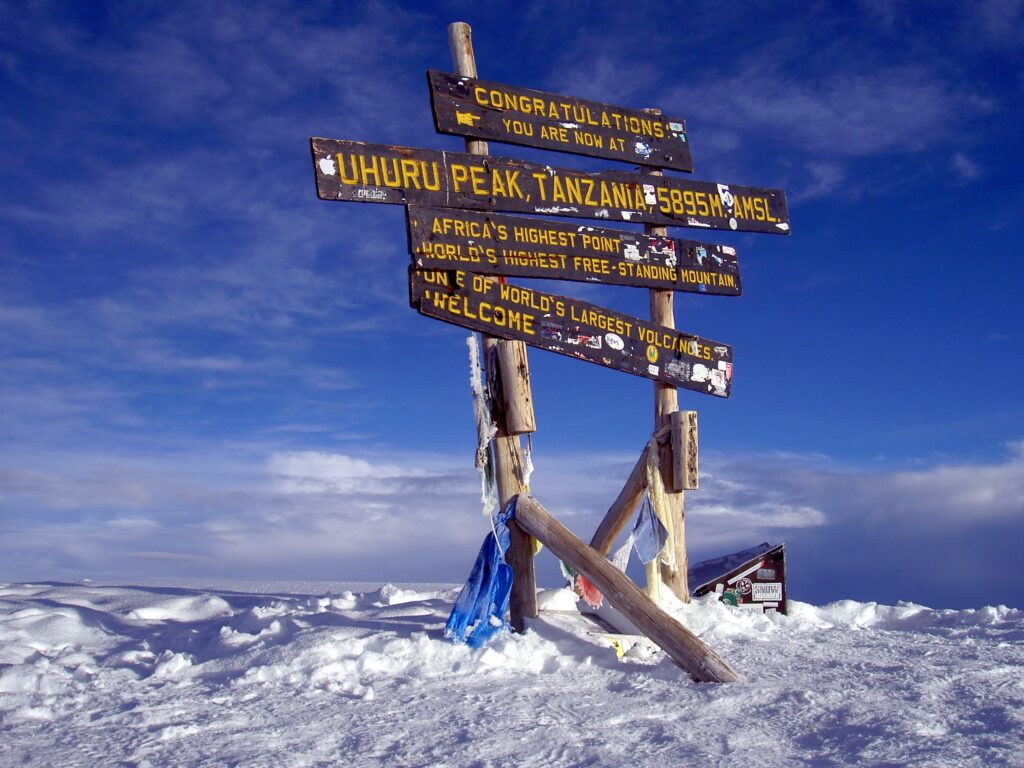
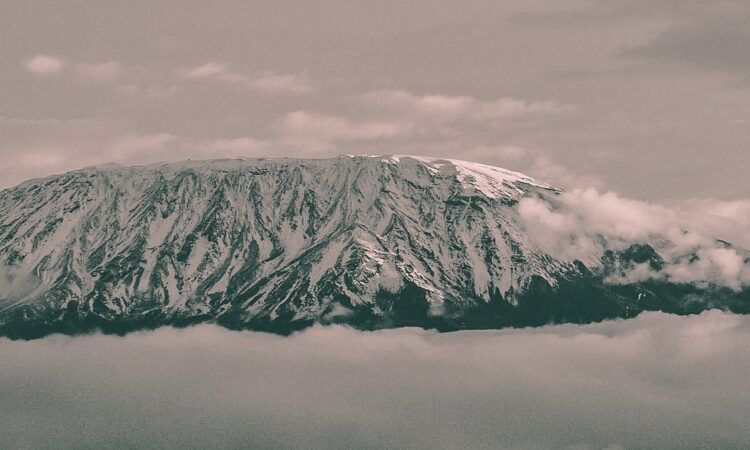
Mount Kilimanjaro is Africa’s highest mountain and one of the world’s most iconic natural landmarks, standing proudly as a UNESCO World Heritage Site within Kilimanjaro National Park. The history of Mount Kilimanjaro is deeply rooted in volcanic formation, ancient indigenous cultures, and global exploration narratives that shaped East Africa’s tourism identity. Formed over 750,000 years through volcanic activity along the Great Rift Valley, Kilimanjaro consists of three volcanic cones: Kibo, Mawenzi, and Shira. Its snow-capped peak has fascinated explorers, geographers, and climbers for centuries. From early Chagga communities who lived on its fertile slopes to European explorers who documented it in the 19th century, Kilimanjaro’s story is both cultural and geological. Today, it stands as a symbol of natural wonder, adventure tourism, and African heritage, attracting climbers from all over the world seeking to conquer its legendary Uhuru Peak.
Geological Origins of Mount Kilimanjaro
The history of Mount Kilimanjaro begins with its powerful volcanic origins. Formed approximately 750,000 years ago, Kilimanjaro is a stratovolcano created by movements in the Great Rift Valley. It consists of three volcanic cones: Kibo, Mawenzi, and Shira, each representing different stages of volcanic activity. Shira is the oldest and now extinct; Mawenzi is dormant, while Kibo remains dormant but not extinct, making it geologically significant. Over time, repeated eruptions, lava flows, and erosion shaped its towering peak. Glacial activity also contributed to its snow-capped summit, a rare feature near the equator. This geological history makes Kilimanjaro one of the most studied mountains in Africa. Today, scientists continue to monitor its ice cap, which is slowly retreating due to climate change, adding urgency to its environmental preservation narrative.
Early Human Settlements on Kilimanjaro’s Slopes
Long before explorers documented Mount Kilimanjaro, indigenous communities such as the Chagga people settled on its fertile lower slopes. These early inhabitants developed advanced agricultural systems using irrigation channels known as “mfongo,” cultivating bananas, coffee, and yams. The mountain was not only a home but also a sacred landscape deeply tied to spiritual beliefs and ancestral traditions. Oral histories describe Kilimanjaro as a place of mystery, often associated with gods, spirits, and natural power. The Chagga also engaged in trade with neighboring communities, benefiting from the mountain’s rich volcanic soils. Their settlements created a cultural foundation that still exists today, blending traditional practices with modern tourism. This early human interaction shaped Kilimanjaro’s identity as both a natural wonder and a cultural heritage site, making it more than just a climbing destination.
First European Exploration and Discovery
The global history of Mount Kilimanjaro began in the 19th century when European missionaries and explorers reported sightings of a snow-capped mountain near the equator. In 1848, German missionary Johannes Rebmann became the first European to document Kilimanjaro’s snowy peak, a claim initially met with skepticism in Europe. Later explorations confirmed its existence, sparking scientific and geographical interest. German explorers, including Hans Meyer, played a crucial role in mapping and studying the mountain. These expeditions opened East Africa to global attention and laid the foundation for future mountaineering. The discovery of Kilimanjaro’s glaciers challenged European understanding of tropical geography and contributed significantly to early African exploration literature. This period marked the beginning of Kilimanjaro’s transformation into a world-famous natural landmark and climbing destination.
Naming and Cultural Significance
The name of Mount Kilimanjaro has various interpretations rooted in local languages and colonial records. Some scholars believe “Kilimanjaro” comes from Swahili and Chagga words meaning “Mountain of Greatness” or “Mountain of Caravans.” Others suggest it may derive from “Kilima Njaro,” meaning “Shining Mountain.” For local communities, the mountain holds spiritual significance, often associated with ancestral worship and natural reverence. It is seen as a sacred protector of the land, influencing weather patterns, agriculture, and cultural identity. During colonial times, the mountain’s name was popularized in European maps and literature, further spreading its global recognition. Today, Kilimanjaro remains a powerful symbol of Tanzania’s natural heritage and cultural pride, deeply embedded in both local traditions and international tourism narratives.
Hans Meyer and the First Recorded Ascent
A major milestone in the history of Mount Kilimanjaro was the first successful summit attempt in 1889 by German geographer Hans Meyer, accompanied by Austrian climber Ludwig Purtscheller and local guide Yohani Kinyala Lauwo. After several unsuccessful attempts, Meyer finally reached Uhuru Peak on Kibo, marking the first recorded ascent of Africa’s highest point. This achievement was significant in the history of global mountaineering and African exploration. The expedition faced extreme cold, altitude challenges, and rugged terrain, highlighting the mountain’s difficulty even for experienced climbers. Yohani Lauwo, a Chagga guide, played a vital role in navigating the routes, demonstrating the importance of local knowledge. This ascent established Kilimanjaro as a premier climbing destination and contributed to its international fame in adventure tourism history.
Colonial Era and Scientific Interest
During the colonial period, Mount Kilimanjaro became a focal point for German East Africa’s scientific and geographical studies. Researchers studied its glaciers, climate, flora, and fauna, documenting its unique ecological zones. The mountain was used as a natural laboratory for understanding tropical alpine environments. German colonial authorities also established administrative control around the region, influencing infrastructure and early tourism development. Scientific expeditions revealed the mountain’s biodiversity, from rainforest ecosystems at its base to alpine desert conditions near its summit. These studies contributed to global knowledge of mountain ecology and climate science. However, colonial exploration also disrupted local systems and imposed external governance structures. Despite this, Kilimanjaro’s scientific importance continued to grow, shaping its reputation as one of Africa’s most valuable natural research sites.
Formation of Kilimanjaro National Park
The protection of Mount Kilimanjaro became a priority in the 20th century due to increasing environmental concerns and tourism pressure. In 1973, the surrounding forest reserve was declared a national park, and later expanded into Kilimanjaro National Park. In 1987, UNESCO recognized it as a World Heritage Site due to its ecological and geological significance. The park was established to preserve its unique ecosystems, wildlife, and glaciers. Conservation efforts focus on protecting endangered species, maintaining water sources, and managing sustainable tourism. This designation marked a turning point in Kilimanjaro’s history, ensuring that future generations could experience its natural beauty. Today, park authorities work with local communities to balance conservation and economic development through responsible tourism practices.
Evolution of Mountaineering Routes
The climbing history of Mount Kilimanjaro includes the development of several major ascent routes, each with unique historical and geographical significance. Early explorers primarily used the Marangu route, also known as the “Coca-Cola Route,” which remains one of the oldest established paths. Later, additional routes such as Machame, Lemosho, Rongai, and Umbwe were developed to accommodate increasing tourism demand. These routes reflect both historical exploration paths and modern trekking innovations. Over time, infrastructure such as huts, campsites, and guiding systems improved safety and accessibility. Each route offers different perspectives of Kilimanjaro’s diverse ecosystems, from rainforests to alpine deserts. The evolution of these trails highlights the mountain’s transition from a remote natural wonder to a globally recognized trekking destination.
Cultural Tourism and Local Communities
The cultural history of Mount Kilimanjaro is closely tied to the Chagga people and surrounding communities. Today, cultural tourism plays an important role in preserving traditions while supporting local livelihoods. Visitors explore Chagga villages, learn traditional farming methods, and experience local cuisine and music. Storytelling remains an essential part of preserving the mountain’s oral history. Tourism revenue from Kilimanjaro climbs contributes to education, healthcare, and community development projects. This integration of culture and tourism ensures that the mountain remains not only a natural attraction but also a living cultural landscape. The relationship between local communities and the mountain continues to shape its identity in the modern era.
Environmental Changes and Glacier Retreat
One of the most significant modern chapters in the history of Mount Kilimanjaro is the rapid retreat of its glaciers. Scientific studies show that Kilimanjaro’s ice cap has shrunk dramatically over the past century due to climate change and reduced snowfall. This environmental transformation has raised global concerns about conservation and sustainability. The shrinking glaciers affect water sources for surrounding communities and ecosystems. Researchers continue to study these changes to better understand climate impacts in equatorial regions. Conservation initiatives aim to protect forest cover, reduce human impact, and promote eco-friendly tourism. Kilimanjaro has become a global symbol of climate awareness, emphasizing the urgent need for environmental action.
Mount Kilimanjaro in Modern Tourism
Today, Mount Kilimanjaro is one of the most famous trekking destinations in the world, attracting tens of thousands of climbers annually. It plays a major role in Tanzania’s tourism industry, contributing significantly to the national economy. Adventure seekers, photographers, and researchers visit the mountain for its unique landscapes and challenging summit experience. Modern tourism services include guided climbs, luxury trekking packages, and eco-tourism initiatives. The mountain’s global reputation continues to grow through media, documentaries, and travel literature. Despite its popularity, conservation efforts aim to ensure sustainable tourism practices that protect its fragile environment while supporting local communities.
Conservation Efforts and Global Recognition
International organizations, local authorities, and conservation groups have worked together to protect Mount Kilimanjaro. Efforts include reforestation programs, anti-poaching patrols, and sustainable tourism regulations. UNESCO World Heritage status has helped attract global support for preservation initiatives. Educational programs raise awareness about climate change and environmental protection. These conservation efforts ensure that Kilimanjaro remains a natural wonder for future generations. Collaboration between government agencies and local communities has been essential in maintaining ecological balance. The mountain’s global recognition continues to grow as a symbol of natural heritage and environmental responsibility.
Legacy of Exploration and Global Symbolism
The legacy of Mount Kilimanjaro extends far beyond Africa, representing exploration, endurance, and natural beauty. From early geological formation to modern tourism, Kilimanjaro’s history reflects human curiosity and environmental significance. It has inspired countless expeditions, scientific studies, and cultural narratives. As a global symbol, it represents the spirit of adventure and the importance of preserving natural heritage. Today, Kilimanjaro stands not only as Africa’s highest peak but also as a reminder of the delicate balance between nature and humanity. Its history continues to evolve, shaping future generations of climbers, scientists, and travelers.
Final Thought
The history of Mount Kilimanjaro is not just a timeline of volcanic formation and exploration—it is a living story that continues to evolve. From its ancient geological birth in the Great Rift Valley to its sacred meaning among the Chagga people and its global fame through early European expeditions, Kilimanjaro stands as a bridge between nature and human history. Today, it is one of Africa’s most powerful symbols of adventure tourism, scientific research, and environmental awareness. Its shrinking glaciers remind the world of climate change, while its thriving trekking industry supports local communities and conservation efforts. As part of Kilimanjaro National Park, it remains carefully protected for future generations. Ultimately, Kilimanjaro is more than a mountain—it is a global heritage icon, inspiring climbers, travelers, and dreamers who continue to be drawn to its legendary summit.