Things You Need to Know About a Serengeti Safari
Serengeti Safari at a Glance
A Serengeti National Park safari is the ultimate African adventure, blending luxury, wildlife, and breathtaking landscapes into one unforgettable journey. Known globally for its vast plains and exceptional biodiversity, the Serengeti offers world-class game drives, Big Five Tanzania Safari sightings, and the iconic Great Migration. Whether you seek a Serengeti luxury safari, mid-range lodge stay, or budget camping experience, this destination caters to all travelers: families, honeymooners, solo explorers, and photographers' safari adventures. From Serengeti fly-in safaris to overland tours starting in Arusha or Dar es Salaam, planning your Serengeti safari involves understanding seasons, accommodations, and wildlife movements. With expert guides, sustainable tourism practices, and diverse ecosystems, the Serengeti remains a top bucket-list African Safari destination. This guide reveals essential tips, insider knowledge, and rich insights to help you plan, book, and enjoy the best Serengeti safari experience.
When Is the Best Time for the Serengeti Safari
The best time for a Serengeti safari depends on your travel goals, wildlife interests, and budget. The dry season from June to October is widely considered ideal for game viewing, as animals gather around water sources, making Big Five sightings easier. This period also coincides with the dramatic river crossings of the Great Migration in the northern Serengeti. Meanwhile, the green season from November to May offers fewer crowds, lush landscapes, and excellent birdwatching opportunities. Calving season, between January and March in the southern plains, attracts predators and provides incredible wildlife photography moments. Prices vary significantly, with peak season being more expensive. Whether planning a luxury safari or a budget trip, understanding seasonal patterns ensures the best experience in Serengeti National Park.
The Wildebeest Migration and Where to Stay
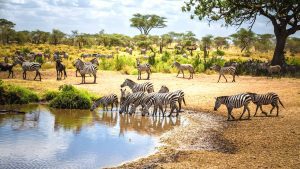
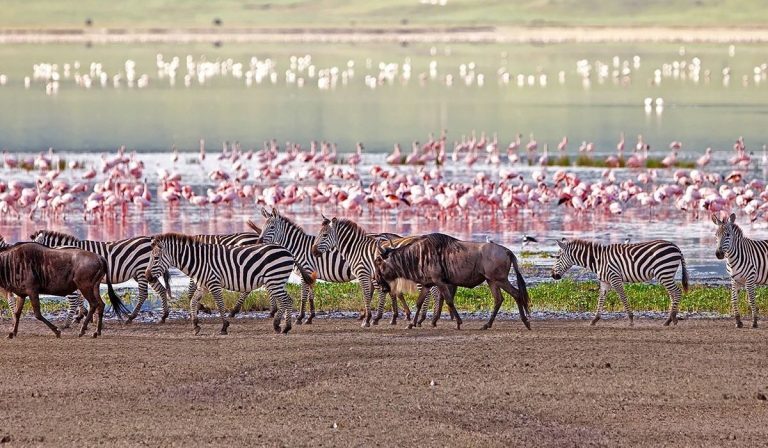
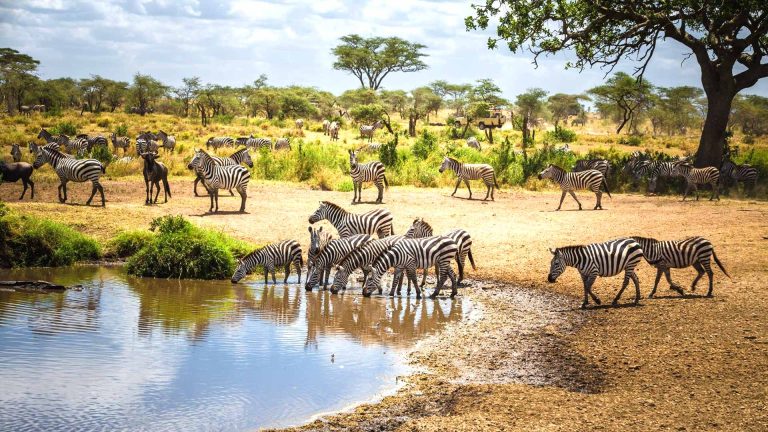
The Great Migration in Serengeti National Park is one of the most extraordinary wildlife spectacles on Earth, featuring over two million wildebeest, zebras, and gazelles moving in search of fresh grazing. To witness this event, timing and location are crucial. From December to March, stay in the southern Serengeti or Ndutu area for calving season. Between June and July, the western corridor offers thrilling river crossings, while August to October is perfect for northern Serengeti camps near the Mara River. Choosing the right accommodation—mobile camps, luxury lodges, or tented camps—ensures proximity to the action. Fly-in safaris are ideal for reaching remote areas quickly. Booking early is essential, especially during peak migration months, to secure the best views and accommodations.
- 1Dec - Mar: calving in the southern Serengeti and Ndutu
- 2Apr - May: herds move through the central Serengeti
- 3Jun - Jul: Grumeti River crossings in the western corridor
- 4Aug - Oct: Mara River crossings in the northern Serengeti
Packing for a Serengeti Safari
Packing for a Serengeti safari requires thoughtful preparation to ensure comfort and convenience in varying conditions. Lightweight, neutral-colored clothing is essential for blending into the environment and staying cool during daytime game drives. Layering is key, as mornings and evenings can be chilly. Essentials include a wide-brimmed hat, sunglasses, sunscreen, and sturdy walking shoes. A good camera with a zoom lens is crucial for wildlife photography, while binoculars enhance game viewing. Don’t forget insect repellent, personal medications, and travel documents. Soft-sided luggage is recommended for fly-in safaris due to aircraft restrictions. Whether staying in luxury lodges or camping, packing smartly enhances your experience in Serengeti National Park and ensures you’re prepared for every adventure.
Spotting the Big Five on the Serengeti Safari
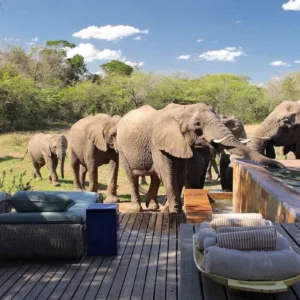
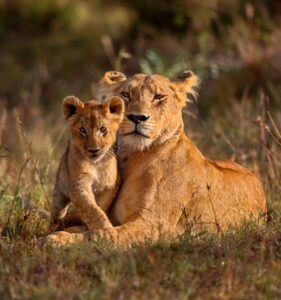
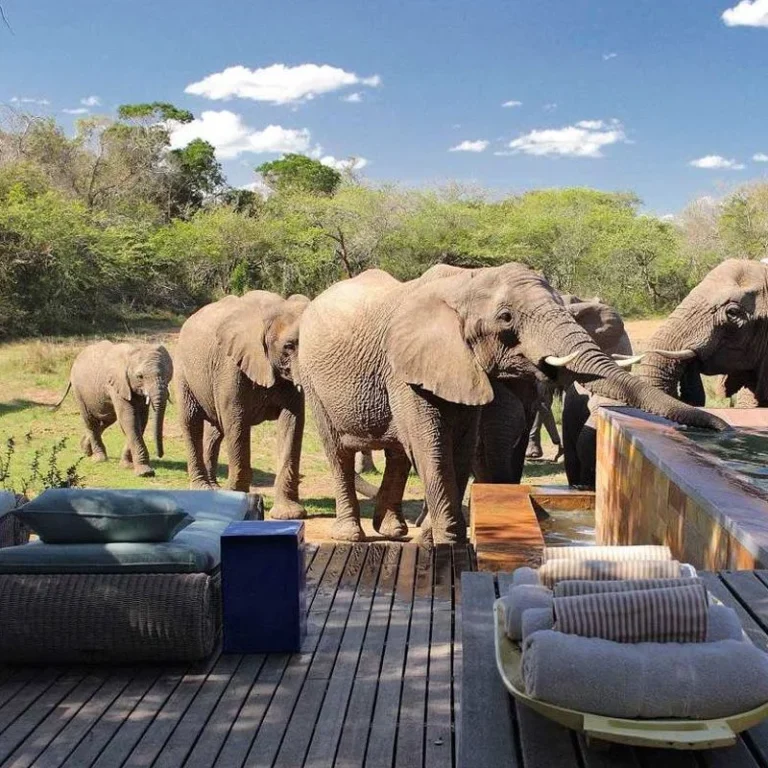
A Serengeti safari is synonymous with spotting the Big Five—lion, leopard, elephant, buffalo, and rhino. Serengeti National Park offers one of the best chances in Africa to see these iconic animals in their natural habitat. Lions are abundant across the plains, while leopards are often seen resting in acacia trees. Elephants roam in herds, especially in central and northern regions, and buffalo are widespread. Rhinos are rare but can be spotted in protected areas. Early morning and late afternoon game drives maximize sightings, guided by experienced trackers who understand animal behavior. Combining patience, timing, and expert guidance significantly increases your chances of witnessing these majestic creatures during your safari adventure.
A Hot Air Balloon Safari on the Serengeti
A hot air balloon safari over Serengeti National Park offers a unique and luxurious perspective of the vast savannah. Floating silently at sunrise, you’ll witness herds of wildlife, winding rivers, and golden plains from above. This once-in-a-lifetime experience is perfect for honeymooners, photographers, and travelers seeking a premium safari upgrade. Flights typically last about an hour and conclude with a champagne bush breakfast in the wilderness. While it is more expensive than traditional game drives, the panoramic views and unforgettable moments make it worthwhile. Booking in advance is essential due to limited availability. A balloon safari adds an extraordinary dimension to your Serengeti adventure and is often considered a highlight of luxury African safaris.
Picnic Lunches
Picnic lunches are a classic part of the Serengeti safari experience, allowing you to enjoy meals surrounded by nature. Most safari itineraries include packed lunches served at designated picnic sites within Serengeti National Park. These scenic spots often overlook rivers, plains, or kopjes, offering stunning views while you relax between game drives. Meals typically include sandwiches, fruits, snacks, and drinks, prepared by your lodge or camp. While enjoyable, it’s important to remain cautious, as wildlife may be nearby. Always follow your guide’s instructions for safety. Picnic lunches maximize your time in the park, eliminating the need to return to camp midday. This convenient and immersive dining experience enhances the overall adventure and keeps you close to the action.
Camping on a Serengeti Safari
Camping in Serengeti National Park offers an authentic and budget-friendly way to experience the wilderness. From basic public campsites to fully serviced mobile camps, options cater to different comfort levels. Budget camping involves shared facilities, while private camps provide tents, beds, and meals prepared by safari chefs. Falling asleep to the sounds of lions and hyenas creates an unforgettable connection with nature. Camping safaris are popular among adventurous travelers seeking immersive experiences at lower costs. Safety is ensured through trained staff and designated camping areas. Whether you choose simple camping or glamping-style setups, staying overnight in the Serengeti brings you closer to the wild and enhances your safari journey.
Tented Camps on the Serengeti
Tented camps in Serengeti National Park combine the thrill of camping with the comfort of a lodge. These camps range from mid-range to luxury and are often located in prime wildlife areas. Spacious canvas tents feature real beds, en-suite bathrooms, and private verandas overlooking the savannah. Many are mobile, following the Great Migration to ensure the best wildlife viewing. Tented camps provide an intimate safari experience, with fewer guests and personalized service. Evenings are spent around campfires, sharing stories under the stars. Ideal for couples, families, and photographers, these camps offer a perfect balance between adventure and comfort, making them a top choice for many Serengeti travelers.
Serengeti Lodges
Serengeti lodges offer the highest level of comfort and luxury within Serengeti National Park. These permanent structures feature spacious rooms, gourmet dining, swimming pools, and stunning views of the plains. Lodges are ideal for travelers seeking a more relaxed safari experience without sacrificing wildlife encounters. Many are strategically located near migration routes or year-round game viewing areas. Services often include guided game drives, spa treatments, and cultural experiences. While more expensive than camps, lodges provide exceptional value through comfort, convenience, and premium amenities. Whether traveling as a family or on a honeymoon, Serengeti lodges deliver a memorable and indulgent safari experience.
- Canvas tents with en-suite bathrooms
- Intimate, fewer guests
- Some move with the migration
- Permanent rooms with views
- Pools, spas and fine dining
- Year-round locations
Safety on the Serengeti
Safety on a Serengeti safari is a top priority, with strict guidelines ensuring a secure experience. In Serengeti National Park, visitors must always follow their guide’s instructions, remain inside vehicles during game drives, and respect wildlife distances. Lodges and camps are well-secured, with trained staff monitoring the surroundings. Walking alone at night is discouraged, and escorts are often provided. Health precautions include vaccinations, travel insurance, and malaria prevention. Despite being a wild environment, the Serengeti is considered safe when proper protocols are followed. Professional guides and experienced operators play a crucial role in maintaining safety, allowing travelers to enjoy the adventure with peace of mind.
Getting In and Out
Accessing Serengeti National Park is easier than ever, with multiple travel options available. Most safaris begin in Arusha, the gateway to northern Tanzania’s safari circuit. From there, travelers can drive to the Serengeti or take domestic flights to airstrips within the park. Fly-in safaris are faster and offer stunning aerial views, while road trips allow exploration of other parks like Ngorongoro and Tarangire. International visitors typically arrive via Kilimanjaro International Airport. Planning logistics ensures smooth transfers and maximizes your safari time. Whether by air or road, reaching the Serengeti is part of the adventure.
What Animals to Spot on Big Five Safaris in Serengeti
Beyond the Big Five, Serengeti National Park is home to an incredible diversity of wildlife. Expect to see cheetahs sprinting across the plains, giraffes browsing acacia trees, and hippos lounging in rivers. Crocodiles dominate water crossings during the migration, while hyenas and jackals roam the savannah. Birdlife is equally impressive, with over 500 species recorded. Seasonal changes influence animal distribution, making each safari unique. Guided game drives enhance your chances of spotting rare species and understanding animal behavior. The Serengeti’s rich ecosystem ensures a constantly evolving wildlife experience, making it one of Africa’s premier safari destinations.
Why You Should Visit Serengeti National Park
Visiting Serengeti National Park is a dream for wildlife lovers and adventure seekers. Its unmatched biodiversity, iconic landscapes, and world-famous Great Migration make it a top safari destination. The park offers year-round game viewing, diverse accommodations, and experiences tailored to all budgets. From luxury lodges to budget camping, every traveler can find their ideal safari style. The Serengeti also supports conservation and sustainable tourism, ensuring its preservation for future generations. Whether it’s your first safari or a return visit, the Serengeti delivers unforgettable moments and authentic African experiences that remain etched in memory.
Diverse Regions
Serengeti National Park is divided into several distinct regions, each offering unique landscapes and wildlife experiences. The central Serengeti (Seronera) is known for year-round game viewing and predator sightings. The southern plains are ideal during calving season, while the western corridor features river systems and migration routes. The northern Serengeti is famous for dramatic river crossings near the Mara River. These diverse ecosystems create varied safari experiences, allowing travelers to explore different habitats within one park. Understanding these regions helps in planning your itinerary and maximizing wildlife encounters throughout your journey.
- Central (Seronera)Year-round game and predators
- Southern plainsCalving season, Dec - Mar
- Western corridorGrumeti River crossings
- Northern SerengetiMara River crossings, Aug - Oct
No Fences
One of the most remarkable features of Serengeti National Park is the absence of fences, allowing wildlife to roam freely across vast landscapes. This open ecosystem supports natural migration patterns and maintains ecological balance. Animals move between the Serengeti and neighboring reserves like the Maasai Mara in Kenya, creating one of the largest wildlife corridors in the world. For visitors, this means authentic and unpredictable wildlife encounters. The lack of barriers enhances the sense of wilderness and makes every safari unique. It’s a true representation of Africa’s untamed beauty.
No Night Safaris in Park
Night game drives are not permitted within Serengeti National Park to protect wildlife and maintain natural behaviors. However, some private concessions and areas outside the park boundaries offer night safaris, providing opportunities to see nocturnal animals like bush babies and leopards. While daytime game drives are incredibly rewarding, understanding this rule helps manage expectations when planning your itinerary. The restriction ensures conservation and sustainability, preserving the Serengeti’s ecosystem for future generations while maintaining its status as a world-class safari destination.
Skilled Guides Essential
A knowledgeable guide can transform your experience in Serengeti National Park. Skilled guides understand animal behavior, track wildlife movements, and share insights about the ecosystem. Their expertise increases your chances of spotting elusive species and witnessing unique interactions. Professional guides also ensure safety and enhance your understanding of conservation efforts. Choosing a reputable safari operator with experienced guides is crucial for a successful trip. Their storytelling and local knowledge add depth to your journey, making your Serengeti safari both educational and unforgettable.
The Ultimate Guide to Booking a Serengeti Safari
Booking a Serengeti safari requires careful planning to secure the best experience. Start by choosing travel dates based on wildlife interests, then select accommodations that fit your budget—luxury lodges, tented camps, or budget camping. Reputable tour operators offer customized itineraries, including fly-in or overland safaris. Early booking is essential, especially during peak migration seasons. Consider inclusions such as park fees, meals, and guided game drives. Comparing reviews, prices, and services ensures value for money. With proper planning, your journey to Serengeti National Park becomes seamless, allowing you to focus on the adventure.
What to Expect on a Serengeti Safari
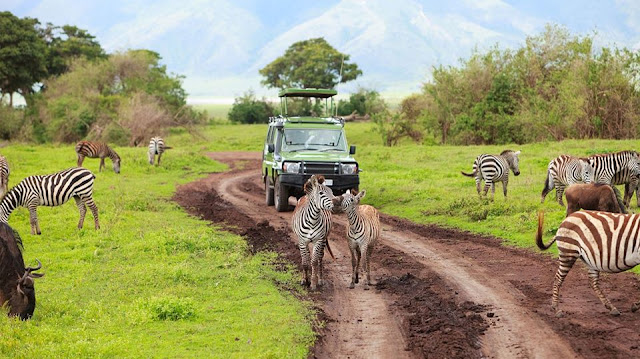
A typical day in Serengeti National Park begins with an early morning game drive, followed by breakfast and relaxation at camp or lodge. Afternoon drives offer more wildlife sightings, while evenings are spent enjoying dinner under the stars. Expect breathtaking landscapes, close encounters with animals, and expert-guided experiences. Safari vehicles are equipped for comfort and photography, ensuring excellent views. Whether staying in luxury lodges or camps, the Serengeti provides a perfect balance of adventure and relaxation, making every moment memorable.
Little-Known Facts About the Serengeti
Serengeti National Park holds many fascinating secrets beyond its famous wildlife. The name “Serengeti” comes from the Maasai word “Siringet,” meaning endless plains. The park spans over 14,750 square kilometers and hosts one of the oldest ecosystems on Earth. Some animal species here have remained unchanged for millions of years. The Serengeti also plays a crucial role in global conservation efforts. Its rich history, cultural significance, and ecological importance make it more than just a safari destination—it’s a natural wonder of the world.
- The name Serengeti comes from the Maasai word for endless plains.
- Night game drives are allowed inside Serengeti National Park.
Is it safe to go on a Serengeti National Park safari?
A safari in Serengeti National Park is widely considered safe, making it one of the best African safari destinations for first-time and seasoned travelers alike. Tanzania safari safety is a top priority, with well-trained guides, regulated lodges, and strict park rules ensuring a secure experience. Most Tanzania safari tours operate with professional driver-guides who understand wildlife behavior, allowing you to enjoy close encounters with the Big Five without risk. Visitors are advised to follow safari guidelines, such as staying inside the vehicle during game drives and listening carefully to instructions. Health precautions, including travel insurance and recommended vaccinations, further enhance safety. Whether you choose a luxury Serengeti safari, budget safari, or family safari package, safety standards remain high, ensuring a worry-free, unforgettable wildlife adventure in Africa’s most iconic national park.
Final Thought: Your Serengeti Adventure Awaits
A journey to Serengeti National Park is more than a safari—it’s a life-changing experience filled with adventure, beauty, and discovery. From the Great Migration to luxury lodges and expert-guided game drives, every moment offers something extraordinary. Whether you’re planning your first safari or returning for another adventure, the Serengeti delivers unmatched wildlife encounters and unforgettable memories.
- Serengeti Safari Guide
- Serengeti Wildebeest Migration Guide
- Serengeti Luxury Accommodation
- Serengeti Walking Safari
- All You Need to Know to Climb Mt Kilimanjaro
- 15 Best Tanzania Safari Lodges & Camps
- Ultimate 2-Week Tanzania & Zanzibar Safari Itinerary & Costs
- How Much Does It Cost to Climb Kilimanjaro?
- 10 Best Luxury African Safari Resorts & Lodges
Serengeti Safari: Frequently Asked Questions
When is the best time for a Serengeti safari?
June to October is the dry season and best for game viewing and river crossings in the north. January to March brings calving season in the south, while November to May offers green landscapes, fewer visitors and superb birdwatching.
Where should I stay to see the Great Migration?
Stay in the southern Serengeti or Ndutu from December to March, the western corridor in June and July, and the northern Serengeti near the Mara River from August to October. Book early for peak migration months.
What should I pack for a Serengeti safari?
Pack lightweight neutral clothing, warm layers, a hat, sunglasses, sunscreen, insect repellent, binoculars and a camera with a zoom lens. Use soft-sided luggage for fly-in safaris because of light-aircraft restrictions.
Can you see the Big Five in the Serengeti?
Yes. Lions, leopards, elephants and buffalo are widely seen, while rhinos are rare and found in protected areas. Early morning and late afternoon game drives with an expert guide give the best chances.
Is a Serengeti hot-air balloon safari worth it?
Yes. A sunrise flight lasts about an hour and offers breathtaking views of wildlife and plains, usually followed by a champagne bush breakfast. Book in advance, as places are limited.
Do Serengeti safaris include picnic lunches?
Many itineraries include packed lunches at designated picnic sites, letting you stay in the park all day. Meals usually include sandwiches, fruit, snacks and drinks. Always follow your guide's safety instructions.
What is camping in the Serengeti like?
Options range from public campsites with shared facilities to private serviced camps with tents, beds and chef-prepared meals. Falling asleep to the sounds of lions and hyenas is unforgettable, and trained staff keep camps safe.
What are Serengeti tented camps like?
Tented camps offer spacious canvas tents with real beds, en-suite bathrooms and private verandas. Many are mobile and follow the Great Migration, offering an intimate, personalised safari experience.
Why choose a Serengeti lodge?
Lodges offer permanent rooms, gourmet dining, swimming pools and spectacular views, often near migration routes or year-round game areas. They suit travellers who want maximum comfort with excellent wildlife viewing.
Is a Serengeti safari safe?
Yes, when you follow your guide's instructions, stay inside the vehicle during game drives and use escorts at night in camp. Travel insurance, recommended vaccinations and malaria prevention add further peace of mind.
How do I get to the Serengeti?
Most travellers fly into Kilimanjaro International Airport and start in Arusha. From there you can drive via Tarangire and Ngorongoro or take a domestic flight to an airstrip inside the Serengeti.
What animals can I see beyond the Big Five?
Expect cheetahs, giraffes, hippos, crocodiles, hyenas, jackals, zebras and countless antelope. The Serengeti also has over 500 recorded bird species, making every game drive different.
Why should I visit Serengeti National Park?
The Serengeti offers unmatched biodiversity, the Great Migration, year-round game viewing and a wide range of accommodation. It also supports conservation, helping protect the ecosystem for future generations.
What are the main regions of the Serengeti?
The central Seronera area offers year-round game and predators, the southern plains host calving season, the western corridor has Grumeti River crossings and the northern Serengeti has Mara River crossings.
Why does the Serengeti have no fences?
The open, unfenced ecosystem lets wildlife move freely between the Serengeti and neighbouring reserves such as Kenya's Maasai Mara, supporting natural migration and giving visitors authentic, unpredictable sightings.
Are night game drives allowed in the Serengeti?
No. Night drives are not permitted inside Serengeti National Park, but some private concessions and areas outside the park offer them, revealing nocturnal animals such as bushbabies and leopards.
Why is a skilled guide essential in the Serengeti?
An experienced guide understands animal behaviour, tracks wildlife movements and shares deep knowledge of the ecosystem, improving your sightings, safety and understanding of conservation.
How do I book a Serengeti safari?
Choose your dates around the wildlife you want to see, select camps or lodges, decide between fly-in or road safaris and book early for peak migration months. A private tailor-made itinerary with a local operator keeps everything seamless.
What is a typical day on a Serengeti safari?
Days usually start with an early morning game drive, followed by breakfast and rest. An afternoon drive brings more sightings, and evenings end with dinner under the stars.
What are some little-known facts about the Serengeti?
The name comes from the Maasai word Siringet, meaning endless plains. The park covers about 14,750 square kilometres and protects one of the oldest ecosystems on Earth.
Plan Your Private Serengeti Safari
Tell us your travel dates and interests, and our Tanzania-based team will design a private tailor-made Serengeti safari around the migration, Big Five and your preferred lodges.