
Best Private Mount Kilimanjaro Tours
Private Kilimanjaro climbs offer a dedicated guide team, flexible pacing, and full control over rest days and route choice, without joining a larger fixed-departure group. This format particularly suits climbers wanting extra acclimatization flexibility, a specific summit date, or simply a more personalized mountain experience. Popular private route choices include Lemosho for its strong summit success rate and Machame for its scenic variety, both extendable with additional acclimatization days. Private climbs cost more per person than group departures but offer complete schedule and pacing control. Foot Slopes Tours and Safaris organizes fully private Kilimanjaro climbs tailored to each climber's exact fitness level and goals.
Plan Your Luxury Safari
Trip Length
Comfort Level
Safari Style
Operator Rating
Specialized Tours
Filter by Operator
Other Tour Features
Popular Best Private Mount Kilimanjaro Tours Packages
Real itineraries and expert planning across Tanzania's top parks.

7-Day Machame Route
A seven-day ascent via Kilimanjaro's popular Machame route.
View Package →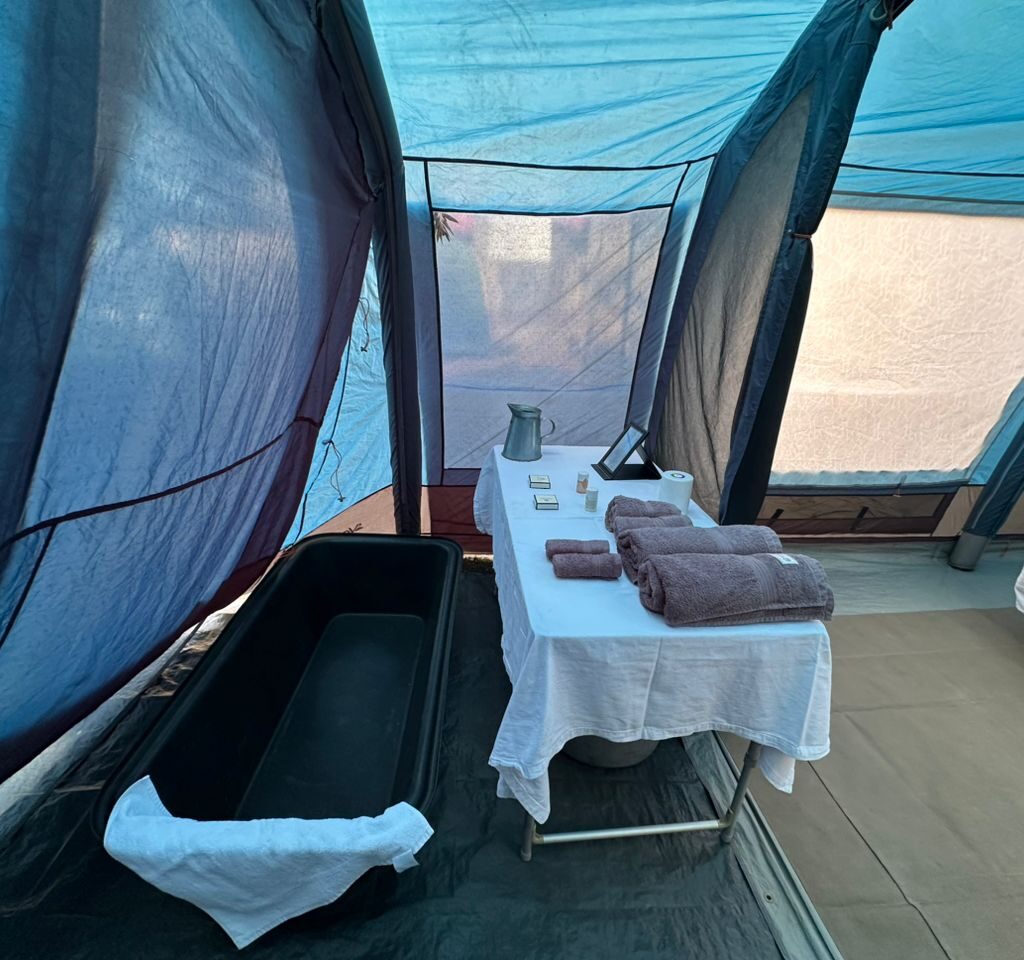
Luxury Kilimanjaro Climb Via Machame Routes
A luxury-supported Kilimanjaro climb via the Machame route.
View Package →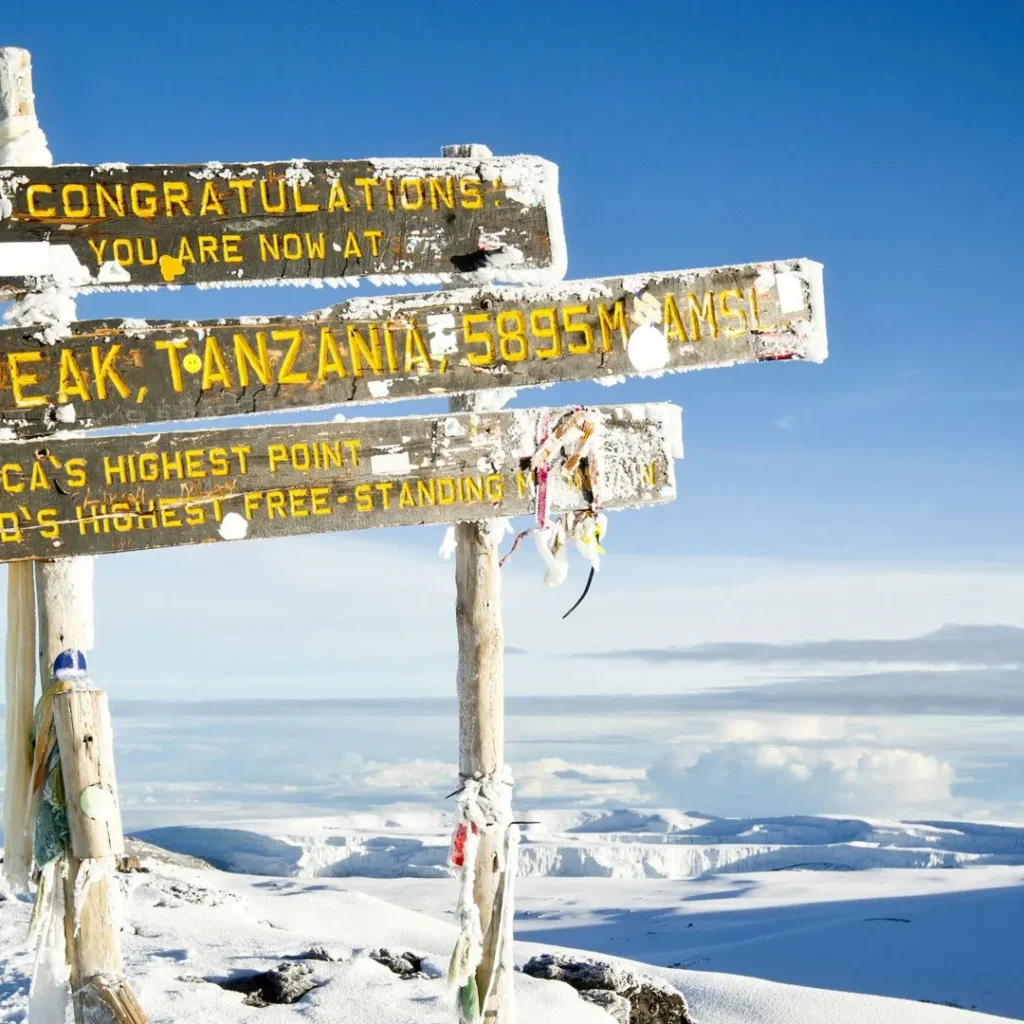
11-Day Northern Circuit: The Ultimate Extended Kilimanjaro Trek
An extended Kilimanjaro trek with generous acclimatization built in.
View Package →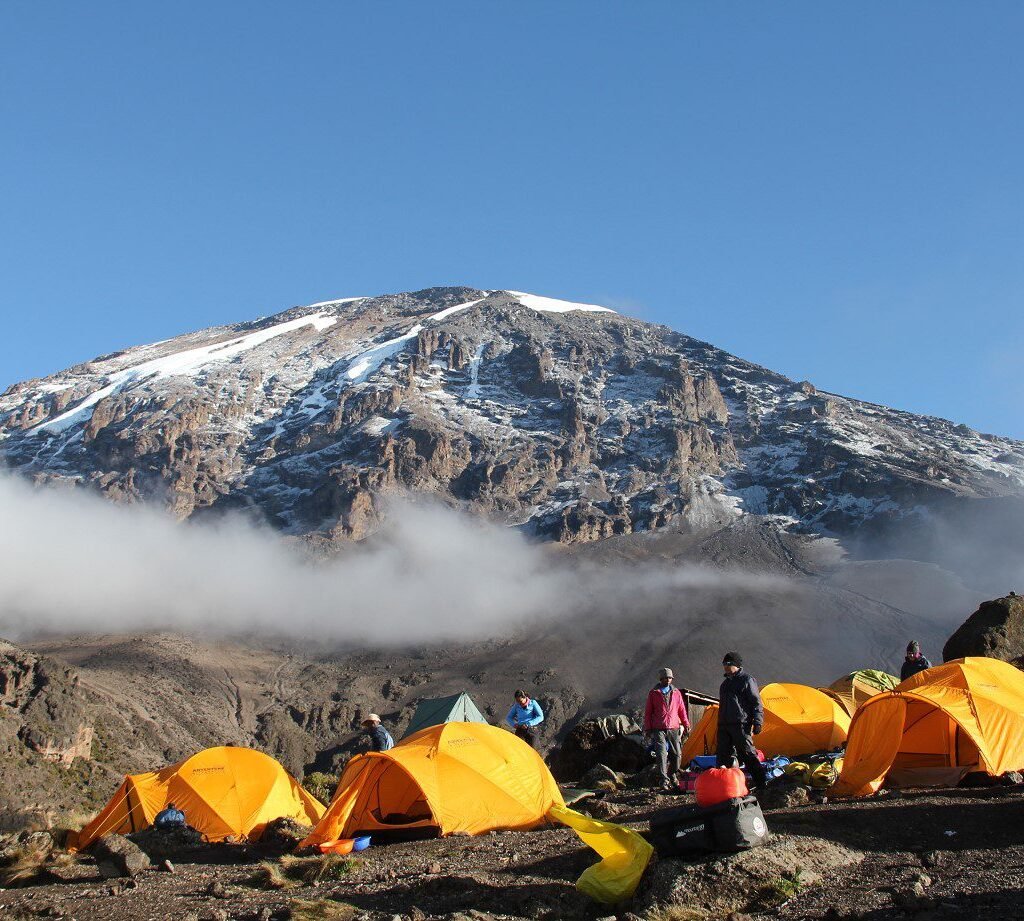
6-Day Lemosho Route
A scenic six-day Kilimanjaro ascent via the Lemosho route.
View Package →8-Day Lemosho Route
An eight-day Lemosho climb with extra acclimatization time.
View Package →7-Day Rongai Route
A seven-day Kilimanjaro climb via the quieter Rongai route.
View Package →Kilimanjaro Climb and Safari Packages
Combine a Kilimanjaro summit with a classic wildlife safari.
View Package →6-Day Machame Route
A six-day ascent via Kilimanjaro's scenic Machame route.
View Package →Why Choose Us for Best Private Mount Kilimanjaro Tours
Best Best Private Mount Kilimanjaro Tours Tour Operator
As one of Tanzania’s leading tour operators, we design authentic, personalized itineraries for Best Private Mount Kilimanjaro Tours, pairing expert local guides with premium lodges for genuinely unforgettable Big Five wildlife encounters across the Serengeti, Ngorongoro Crater, and beyond.
We Offer Private, Tailor-Made Safaris
Our exclusive private safari packages for Best Private Mount Kilimanjaro Tours are tailored entirely around you, with a dedicated vehicle, flexible daily pacing, and customizable itineraries designed to maximize wildlife sightings while delivering breathtaking landscapes and genuine comfort throughout.
Our Safari Guides Are World-Class
Our guides are world-class Big Five and photographic safari experts, combining deep local ecological knowledge with exceptional storytelling and tracking skills, ensuring an enriching, ethical wildlife experience on every trip we plan for Best Private Mount Kilimanjaro Tours.
Fast Booking
All inquiries about Best Private Mount Kilimanjaro Tours receive a reply within five minutes, backed by streamlined online booking and transparent pricing. Our travelers consistently report high satisfaction, reflecting our commitment to fast, reliable, and genuinely helpful service from first contact onward.
Support Team
Our dedicated 24/7 customer support team, based in Arusha and across Tanzania, remains available throughout your entire trip, ready to assist with itinerary changes, logistics, or emergencies so you can enjoy Best Private Mount Kilimanjaro Tours with complete confidence and peace of mind.
Passionate Travel Experts
As an award-winning Tanzania safari specialist, we craft tailor-made wildlife adventures and Kilimanjaro mountain expeditions with genuine passion, combining decades of Tanzania safari expertise with a deep love for sharing East Africa’s most extraordinary experiences on Best Private Mount Kilimanjaro Tours.
10 Highlights of Best Private Mount Kilimanjaro Tours
Serengeti National Park
The Serengeti's endless plains host the world's greatest wildlife spectacle, from year-round resident lion prides and leopards in acacia trees to the thundering wildebeest and zebra columns of the Great Migration. Game drives here consistently deliver close Big Five sightings, dramatic predator-prey action, and horizon-to-horizon golden grassland views. Balloon safaris at dawn add a bucket-list perspective over grazing herds. Whether you visit the Central Seronera Valley, the Western Corridor river crossings, or the Northern Serengeti's Mara River, expect exceptional game density, expert local guiding, and comfortable lodges or camps positioned for the best seasonal wildlife action.
Ngorongoro Crater
Ngorongoro Crater is a natural amphitheater packed with an estimated 25,000 large mammals, giving it the highest predator density in Africa. A single day on the crater floor regularly yields the full Big Five, including some of the continent's last free-roaming black rhinos, alongside dense herds of wildebeest, zebra, buffalo, and flamingo-lined soda lakes. The crater rim's cool climate and dramatic caldera views make it one of Tanzania's most photographed landscapes. Rim lodges offer front-row sunrise views straight into the crater, while the compact geography means unmatched wildlife encounters within just a few hours of driving.
Tarangire National Park
Tarangire National Park is famed for its towering baobab trees and Africa's largest elephant concentrations outside Amboseli, with herds numbering in the hundreds during the dry season. The Tarangire River becomes a wildlife magnet from June through October, drawing elephants, lions, leopards, and over 550 recorded bird species to its banks. Beyond the Big Five, Tarangire offers excellent chances to see fringe-eared oryx, gerenuk, and dense breeding herds rarely matched elsewhere in Tanzania. Its dramatic termite mounds, seasonal swamps, and golden grass plains make it a photographer's favorite and an essential stop on any well-rounded Northern Circuit itinerary.
Lake Manyara National Park
Lake Manyara National Park sits beneath the dramatic Rift Valley escarpment and is famous for its tree-climbing lions, a rare behavior found in only a handful of African parks. Groundwater forest, acacia woodland, and the shimmering soda lake create remarkably varied habitats packed into a compact, easily explored area. Expect large elephant families, hippo pools, and some of Tanzania's largest baboon troops, plus over 400 bird species including flamingos when lake levels are right. Manyara pairs perfectly as a scenic half-day or full-day add-on between Arusha, Tarangire, and the Ngorongoro Crater, rounding out any Northern Circuit safari itinerary.
Mount Kilimanjaro
Mount Kilimanjaro, Africa's tallest peak at 5,895 meters, anchors many Tanzania itineraries whether as a full guided ascent or simply as a breathtaking scenic backdrop viewed from surrounding safari lodges and plains. Climbers choose among several established routes, including Machame, Lemosho, Marangu, and Rongai, each offering different scenery, crowd levels, and acclimatization profiles. Even without summiting, the mountain's snow-capped silhouette rising above golden savanna is an unforgettable sight from Amboseli-adjacent plains and Arusha viewpoints. Foot Slopes Tours and Safaris arranges fully supported climbs with certified guides, porters, quality camping equipment, and oxygen safety backup on every route.
Zanzibar Beach Extension
Zanzibar offers the ideal beach finale to a Tanzania mainland safari, with powder-white sand, turquoise Indian Ocean waters, and historic Stone Town just a short flight from Arusha or Kilimanjaro. Snorkeling and diving reveal vibrant coral reefs, dolphin pods, and colorful marine life, while spice tours through fragrant clove and nutmeg plantations showcase the island's cultural heritage. Beachfront resorts range from boutique guesthouses to five-star luxury retreats, all offering a relaxing contrast to the excitement of daily game drives. Many travelers combine five to seven days of mainland safari with three to five island days for the perfect balanced itinerary.
Big Five Wildlife
Tracking Africa's Big Five, lion, leopard, elephant, buffalo, and rhino, remains the signature goal of any serious Tanzania safari, and the country's parks consistently deliver among the best sighting odds on the continent. The Serengeti and Ngorongoro Crater offer the strongest combined odds within a single trip, while Tarangire adds unmatched elephant density and the Selous adds remote, low-traffic rhino habitat. Expert local guides use radio networks, tracking skills, and decades of park knowledge to maximize sightings on every game drive. Early morning and late afternoon drives consistently produce the most active predator behavior and best photographic light.
Luxury Safari Lodges & Tailor-Made Tour Packages
Tanzania's luxury safari lodges and tailor-made tour packages combine five-star comfort with front-row access to world-class wildlife, featuring private plunge pools, gourmet dining, spa services, and elevated game-viewing decks overlooking migration routes and crater rims. Tailor-made itineraries let travelers choose exact park combinations, trip lengths from four to fifteen days, and pacing suited to families, honeymooners, or seasoned safari veterans. Fly-in options between parks save valuable time versus long road transfers, while private vehicles and guides ensure a fully personalized pace. Foot Slopes Tours and Safaris designs every luxury itinerary around each traveler's exact wildlife priorities, budget, and travel dates.
Best Time for Best Private Mount Kilimanjaro Tours
Timing matters enormously for Best Private Mount Kilimanjaro Tours, and understanding Tanzania's seasonal rhythms helps travelers choose the ideal travel window. The dry season from June through October offers the easiest wildlife viewing as animals gather around permanent water sources, while the short rains of November and long rains from March to May bring lush green scenery, dramatic skies, and significantly fewer crowds at popular parks. Calving season in the southern Serengeti and Ndutu plains runs January through March, drawing enormous predator activity. Foot Slopes Tours and Safaris helps travelers match park choice, migration timing, and budget to build the ideal itinerary.
Maasai Cultural Visit
No trip built around Best Private Mount Kilimanjaro Tours is complete without an authentic Maasai cultural visit, offering genuine insight into one of East Africa's most recognizable pastoral communities. Guided village visits include traditional dance demonstrations, beadwork and jewelry-making displays, insight into cattle-herding traditions, and open conversation with community members about daily life near the parks. These visits are arranged respectfully and directly benefit local communities through fair visitation fees. Pairing a cultural morning with an afternoon game drive rounds out a well-balanced itinerary, adding meaningful human connection alongside the wildlife encounters that define a proper Tanzania safari experience.
Best Private Mount Kilimanjaro Tours Planning Guides
Questions About Best Private Mount Kilimanjaro Tours
Which route is best for Best Private Mount Kilimanjaro Tours?
Kilimanjaro offers several established routes, each with different scenery, difficulty, and success rates. Machame, the 'Whiskey Route', is scenic and popular over six to seven days. Lemosho offers the highest summit success rate thanks to excellent acclimatization over seven to eight days. Marangu is the only route with hut accommodation, completed in five to six days. Rongai approaches from the quieter northern side, while Umbwe is the steepest and most challenging. Foot Slopes Tours and Safaris helps match route choice to fitness level, available time, and desired scenery for the best possible summit outcome.
How long does Best Private Mount Kilimanjaro Tours take?
Most guided climbs take between five and eight days on the mountain, depending on the chosen route and acclimatization schedule. Shorter five-day climbs on the Marangu route have lower success rates due to limited altitude adjustment time, while seven to eight-day itineraries on Lemosho or Machame significantly improve summit success by allowing the body more time to adapt. Adding an extra acclimatization day on any route measurably boosts success rates. Foot Slopes Tours and Safaris strongly recommends longer itineraries whenever schedules allow, prioritizing safety and summit success over a shorter, riskier climb.
What gear is needed for Best Private Mount Kilimanjaro Tours?
Essential gear includes a four-season sleeping bag rated to -15°C, waterproof hiking boots, layered thermal clothing, a warm down jacket, waterproof shell layers, gloves, a warm hat, gaiters, and trekking poles. A good headlamp with spare batteries is essential for the summit night push. Sunglasses with UV protection, high-SPF sunscreen, and a personal first-aid kit round out the essentials. Porters carry the bulk of the load, but a daypack for water, snacks, and camera gear is necessary. Foot Slopes Tours and Safaris provides a complete gear checklist and rental options for climbers needing specialized equipment.
What is a typical day like on Best Private Mount Kilimanjaro Tours?
Days begin with a hot breakfast at camp before setting off on a steady, deliberately slow hiking pace, known locally as 'pole pole', to aid acclimatization. Guides monitor each climber's condition throughout, checking oxygen levels and watching for altitude symptoms. Lunch is either packed or served at a midday stop, followed by more hiking to the next camp before dinner and an early night. Summit night begins around midnight for a sunrise arrival at Uhuru Peak. Foot Slopes Tours and Safaris maintains a low guide-to-climber ratio for personalized pacing and safety throughout.
How difficult is Best Private Mount Kilimanjaro Tours?
Kilimanjaro requires no technical climbing skills or mountaineering experience, making it accessible to reasonably fit hikers, but altitude significantly increases the physical and mental challenge above what trail distance alone suggests. Summit night is the hardest segment, involving eight to ten hours of steep, cold, high-altitude hiking in the dark. Good cardiovascular fitness, mental determination, and proper acclimatization matter more than technical skill. Training with regular hiking, stair climbing, and cardio in the months beforehand meaningfully improves summit chances. Foot Slopes Tours and Safaris offers pre-climb fitness guidance to every booked climber.
What is the best time for Best Private Mount Kilimanjaro Tours?
The two main dry-weather climbing windows are January through mid-March and June through October, offering the clearest skies, stable weather, and best summit success rates. The June to October window aligns with Tanzania's main dry season and coincides with peak wildlife safari season, making it easy to combine both. The January to March window offers slightly quieter trails and excellent visibility, though colder summit night temperatures. The rainy seasons from April to May and November bring slippery trails and reduced visibility. Foot Slopes Tours and Safaris advises booking dry-season dates well in advance for the best conditions.
How much does Best Private Mount Kilimanjaro Tours cost?
Costs vary by route length, group size, and service level, typically ranging from $2,000 for a shorter budget group climb to $4,000 or more for a longer, private, fully supported ascent. Prices generally include park fees, camping or hut fees, guide and porter wages, meals on the mountain, and transport to and from the gate. Longer routes with better acclimatization cost more but significantly improve summit success and safety. Tipping guides, porters, and cooks is customary and budgeted separately. Foot Slopes Tours and Safaris provides transparent, itemized pricing with no hidden fees on every quoted climb.
Do I need a guide for Best Private Mount Kilimanjaro Tours?
Yes, Tanzania National Parks Authority requires all Kilimanjaro climbers to be accompanied by a licensed local guide; independent unguided climbing is not permitted on any route. Reputable operators provide a full team including a lead guide, assistant guides, a cook, and porters who carry equipment, food, and camping supplies. This support system allows climbers to focus entirely on pacing and acclimatization rather than logistics. Guides are trained in altitude sickness recognition, first aid, and emergency evacuation procedures. Foot Slopes Tours and Safaris employs certified, experienced guides with strong summit safety records on every climb.
What is the summit success rate for Best Private Mount Kilimanjaro Tours?
Overall summit success across all routes and operators averages around 65 percent, but rises significantly to 85-90 percent on longer seven to eight-day itineraries with proper acclimatization days built in. Shorter five-day routes see notably lower success rates due to insufficient altitude adjustment time. Physical fitness, mental resilience, and a slow, disciplined pace matter more than raw athletic ability. Quality operators track vital signs daily and adjust pacing accordingly. Foot Slopes Tours and Safaris consistently achieves summit rates above the industry average by prioritizing longer routes and attentive guide support.
How do I prevent altitude sickness on Best Private Mount Kilimanjaro Tours?
The single most effective prevention strategy is choosing a longer route with built-in acclimatization days, allowing the body gradual time to adjust to decreasing oxygen levels. Climbing slowly, staying well-hydrated, and avoiding alcohol during the trek all support acclimatization. Some climbers use the medication Diamox as a preventive measure, taken under a doctor's guidance before departure. Guides conduct regular health checks, including oxygen saturation monitoring, throughout the climb. Recognizing early symptoms like headache, nausea, and dizziness, and communicating them immediately, prevents mild symptoms from progressing. Foot Slopes Tours and Safaris trains guides extensively in altitude sickness management.
What should I eat during Best Private Mount Kilimanjaro Tours?
Experienced mountain cooks prepare hot, carbohydrate-rich meals throughout the climb, including porridge, eggs, and toast for breakfast, and pasta, rice, soup, and stewed vegetables for lunch and dinner. Meals are designed to maintain energy levels and support acclimatization at altitude, where appetite often decreases. Fresh fruit, hot tea, and popcorn snacks are common additions. Climbers with dietary restrictions or allergies should inform their operator well in advance so meals can be adjusted accordingly. Staying well-hydrated with three to four liters of water daily is equally important as eating. Foot Slopes Tours and Safaris accommodates most dietary requirements on request.
What happens on summit night for Best Private Mount Kilimanjaro Tours?
Summit night typically begins around midnight from high camp, climbing steadily by headlamp through the dark, cold hours toward the crater rim in time for sunrise. Temperatures often drop well below freezing, with strong winds adding significant wind chill on the exposed upper slopes. The final push from the crater rim to Uhuru Peak takes another one to two hours across relatively gentle terrain. Guides maintain a slow, steady pace and monitor each climber closely for altitude symptoms throughout. Descent to a lower camp follows summit celebrations. Foot Slopes Tours and Safaris provides experienced summit-night guide teams for safety.
Can beginners climb Best Private Mount Kilimanjaro Tours?
Yes, Kilimanjaro is specifically designed to be achievable for fit beginners since no technical climbing or prior mountaineering experience is required, unlike many other major peaks worldwide. Success depends primarily on a slow, steady pace, good acclimatization through a longer route, and mental determination during summit night. Building general cardiovascular fitness through hiking, stair climbing, and regular cardio exercise in the months before departure meaningfully improves the experience and success odds. First-time trekkers make up the majority of successful summiteers each year. Foot Slopes Tours and Safaris welcomes and specifically supports first-time high-altitude climbers.
What training is needed before Best Private Mount Kilimanjaro Tours?
A structured training plan over two to three months before departure meaningfully improves comfort and success rates, focusing on cardiovascular endurance, leg strength, and long-duration hiking practice. Regular activities like hill walking, stair climbing, running, and cycling build the stamina needed for six to eight consecutive hiking days. Practicing with a loaded daypack helps simulate actual trekking conditions. Weekend hikes of increasing length and elevation gain are especially valuable preparation. Technical climbing skills are not required. Foot Slopes Tours and Safaris provides a tailored pre-climb training guide to every booked climber well ahead of departure.
What is included in Best Private Mount Kilimanjaro Tours packages?
Standard packages include park entrance and camping fees, a licensed guide team with porters and cooks, all meals on the mountain, camping equipment including tents and mess tents, and transport between the hotel and the route's starting gate. Pre- and post-climb hotel nights in Arusha or Moshi are often included or available as add-ons. Personal climbing gear, tips for the guide team, and travel insurance are typically excluded and arranged separately by the climber. Foot Slopes Tours and Safaris provides a clear, itemized inclusion and exclusion list with every quoted climbing package.
Is travel insurance required for Best Private Mount Kilimanjaro Tours?
Comprehensive travel insurance covering high-altitude trekking, medical evacuation, and trip cancellation is strongly recommended and required by most operators before booking. Standard travel policies often exclude altitudes above 3,000 meters, so climbers need a policy specifically rated for Kilimanjaro's 5,895-meter summit. Evacuation coverage matters most, since emergency helicopter or stretcher evacuation from high camps can be costly without it. Proof of insurance is typically requested during final booking confirmation. Climbing permits and park fees are arranged directly by the operator and included in the package price. Foot Slopes Tours and Safaris can recommend trusted insurance providers on request.
Can I combine Best Private Mount Kilimanjaro Tours with a safari?
Yes, combining a Kilimanjaro climb with a Tanzania safari is extremely popular, since both experiences share the same Arusha or Kilimanjaro airport gateway and the dry-season climbing window overlaps with peak wildlife-viewing months. A common itinerary pairs a six to eight-day climb with a three to five-day Northern Circuit safari through the Serengeti, Ngorongoro Crater, and Tarangire immediately afterward. A few rest days between the climb and safari are recommended for recovery. Foot Slopes Tours and Safaris designs seamless combined climb-and-safari itineraries with coordinated logistics from start to finish.
Plan Your Best Private Mount Kilimanjaro Tours
Tell us your dates, style, and preferred parks, and we will build the perfect itinerary around you.
Book Now Online →What Our Travelers Say
Real 5-star reviews from guests who traveled with us
Our Private African luxury Safari experience with Foot Slopes Tours and Safaris was nothing short of exceptional. From the very beginning, owner Gabriel was incredibly responsive, making the entire booking process smooth and stress-free. Gabriel went above and
We had an incredible private safari experience with Foot Slopes Tours and Safaris. Their office staff was very helpful and informative, and they communicated very well. Our pick-ups to and from the airport were on time and hassle-free, an unforgettable Safari
Foot Slopes Tours and Safaris is truly one of the best local tour companies in Tanzania. From start to finish, their service was professional, reliable, and personalized. The team went above and beyond to make sure every detail of our trip was perfect. Our saf
Our family chose Foot Slopes Tours and Safaris for a custom 11-day safari itinerary, and we couldn’t be happier with our choice! Everything from our initial inquiry to building our custom itinerary to pre-departure and on-trip support was top quality. Communic