
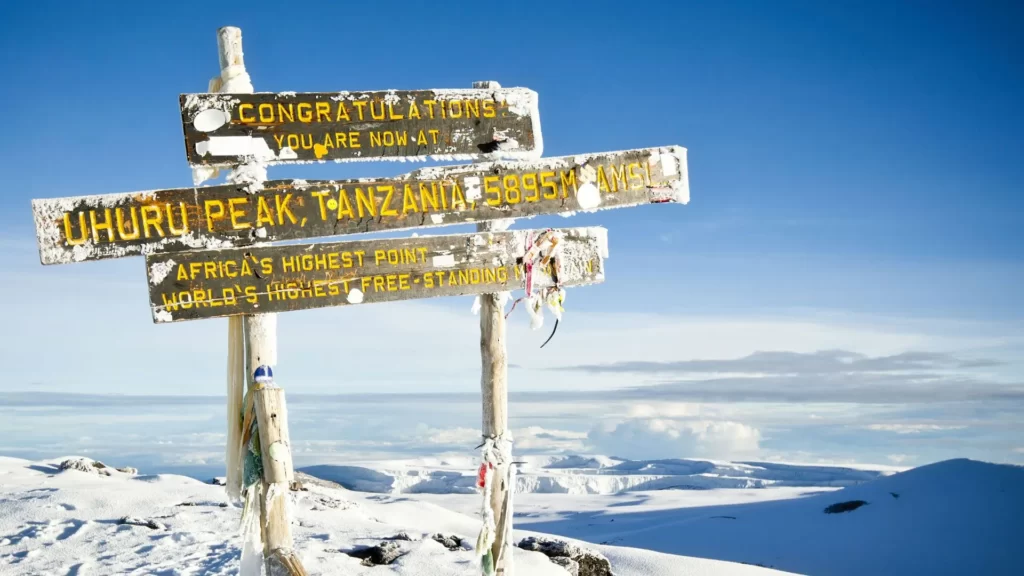
Kilimanjaro Price List
Popular Kilimanjaro Climbing Packages
Expert-guided climbs across every major route, for every budget and comfort level.
7-Day Lemosho Route: The Most Beautiful Route on Mount Kilimanjaro
The most scenic route, with excellent acclimatization built in.
View Package →
6-Day Machame Route
A popular, scenic route on Kilimanjaro's Whiskey Route.
View Package →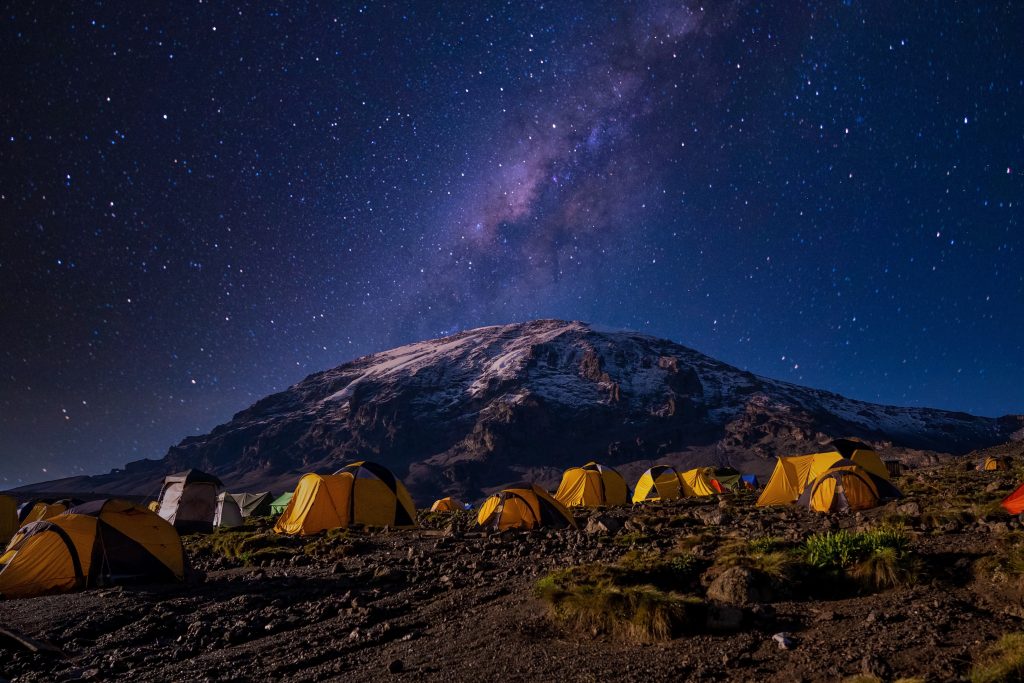
6-Day Marangu Route
The only route with hut accommodation, at the lowest cost.
View Package →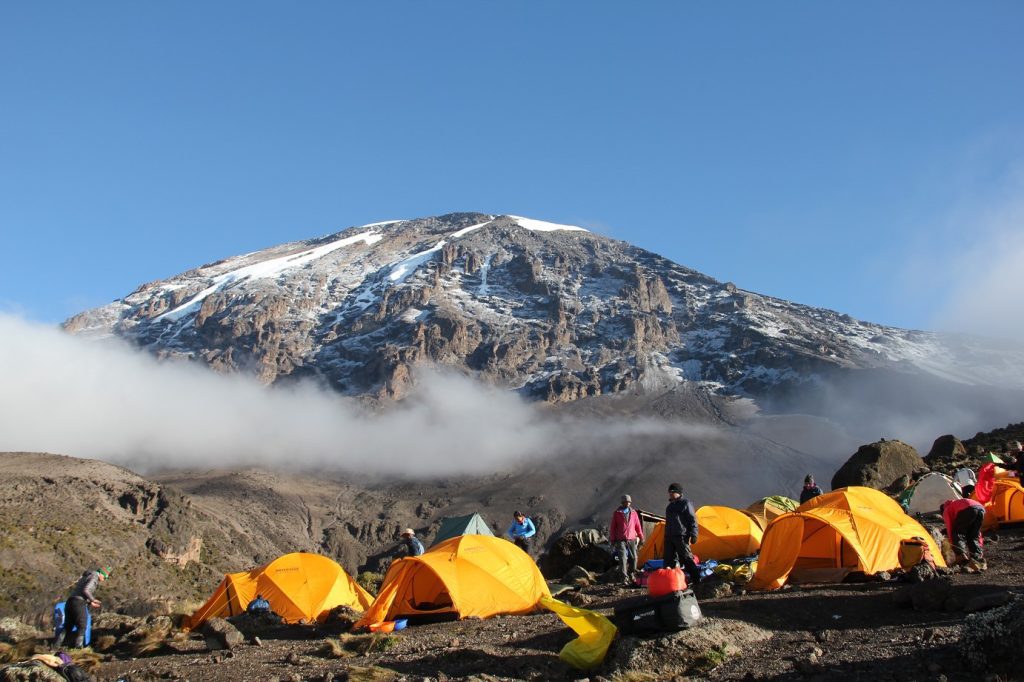
11-Day Northern Circuit: The Ultimate Extended Kilimanjaro Trek
The longest route, with the highest summit success rates.
View Package →7-Day Rongai Route
A quieter, drier northern approach at competitive pricing.
View Package →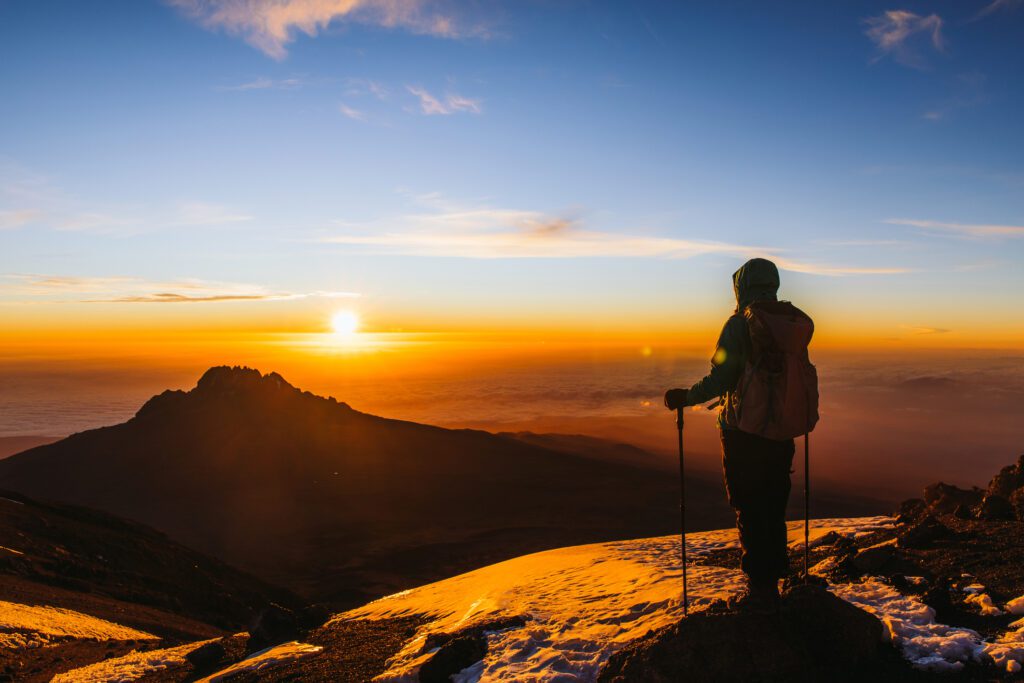
6-Day Umbwe Route
A steep, quiet route for experienced climbers.
View Package →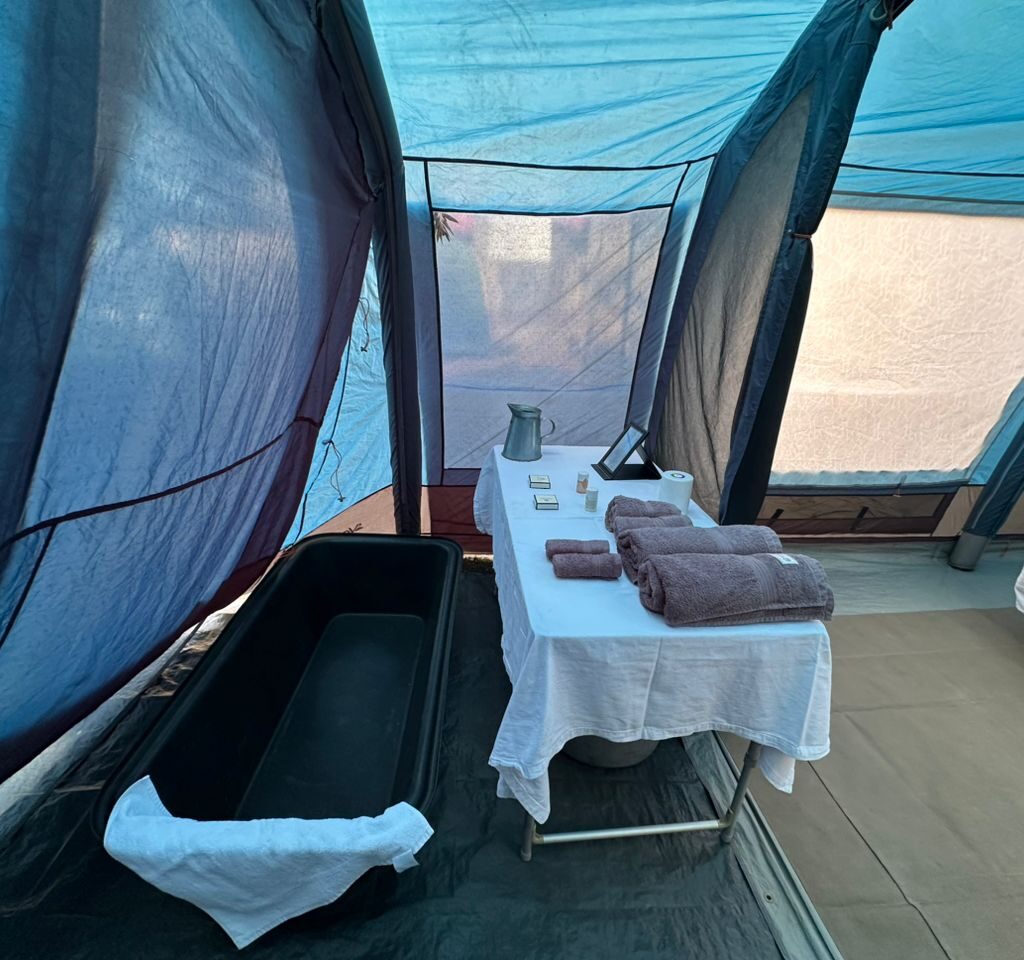
Luxury Kilimanjaro Climb Via Machame Routes
Premium camps and private guides for luxury climbers.
View Package →8-Day Lemosho Route
An extra acclimatization day for an even higher summit chance.
View Package →Kilimanjaro Price Breakdown
Budget Group Climb
Per person, shorter routes, shared group camping and standard service.
Mid-Range Package
Per person, popular routes like Machame and Lemosho, solid comfort and service.
Luxury / Private Climb
Per person, premium tents, private toilets, and fully personalized support.
Kilimanjaro Routes: Which Is the Best Route to Climb Kilimanjaro
Lemosho Route
The Lemosho Route is widely considered the most scenic and best-rated Kilimanjaro trekking path, approaching from the quieter western side before joining the southern circuit. Spanning 7 to 9 days, Lemosho offers exceptional acclimatization, diverse landscapes from rainforest to alpine desert, and consistently high summit success rates, often 90 to 95 percent or higher. Its longer duration and remote starting point mean fewer crowds and more immersive wilderness scenery than shorter alternatives. Widely recommended by guides and experienced climbers alike, Lemosho remains the top choice for trekkers prioritizing safety, beauty, and a genuinely unforgettable Kilimanjaro summit experience.
Machame Route
The Machame Route, nicknamed the 'Whiskey Route,' is Kilimanjaro's most popular trekking path, prized for its dramatic scenery, varied terrain, and strong summit success rates. Typically completed in 6 to 7 days, Machame ascends through lush rainforest, moorland, and alpine desert before the final push to Uhuru Peak, with success rates generally around 85 to 95 percent depending on itinerary length. Camping-only accommodation and a moderately challenging profile suit reasonably fit trekkers seeking adventure without requiring technical climbing skills. Its popularity, breathtaking views, and proven acclimatization pattern make Machame a consistently top-ranked choice among Kilimanjaro climbers worldwide.
Rongai Route
The Rongai Route approaches Mount Kilimanjaro from the quieter, drier northern side near the Kenyan border, making it a genuinely appealing option for trekkers seeking fewer crowds and more reliable weather, especially during rainy seasons. Typically spanning 6 to 7 days, Rongai offers a gentler, gradual ascent through remote wilderness and diverse ecosystems, achieving solid summit success rates around 85 to 90 percent. Unlike busier southern routes, Rongai descends via a different path, adding scenic variety to the overall journey. This makes it a strong choice for climbers prioritizing seclusion, weather reliability, and a peaceful trekking experience.
Marangu Route
The Marangu Route, often called the 'Coca-Cola Route,' is Kilimanjaro's oldest and most established trekking path, uniquely offering hut-based accommodation instead of camping throughout the entire climb. Typically completed in 5 to 6 days, Marangu features a gentler gradient and lower overall cost, making it popular among beginners and budget-conscious trekkers. However, its shorter standard itinerary results in lower summit success rates, generally 60 to 70 percent, due to limited acclimatization time. Extending to 6 days meaningfully improves success chances. Marangu suits climbers prioritizing comfort, affordability, and a well-established trail over maximum summit probability.
Northern Circuit Route
The Northern Circuit is the longest route to the summit of Mount Kilimanjaro, typically spanning 8 to 9 days or more. It circles the mountain's quieter northern slopes before joining the summit push, offering the most gradual acclimatization profile of any Kilimanjaro route and consistently the highest summit success rates, often exceeding 95 percent. Trekkers enjoy panoramic 360-degree views, diverse landscapes, and significantly fewer crowds compared to popular southern routes. The extended duration increases overall cost through additional park and camping fees, but many experienced climbers consider it genuinely worthwhile for both safety and scenery.
Shira Route
The Shira Route approaches Mount Kilimanjaro from the west, starting at a notably high altitude on the Shira Plateau, one of the highest trailheads on the mountain. It shares much of its upper route with the Lemosho Route but begins via a different, less-trafficked access road. This quieter, scenic path offers excellent early acclimatization due to its high starting elevation, along with sweeping views across the plateau's volcanic landscape. Shira typically runs 6 to 8 days and suits trekkers seeking a genuinely peaceful alternative to busier routes, combining strong scenery with solid summit success rates.
Umbwe Route
The Umbwe Route is widely regarded as the most challenging and direct path up Mount Kilimanjaro, known for its steep, demanding ascent through dense forest before joining the southern circuit near Barranco. Typically completed in 5 to 6 days, Umbwe offers minimal crowds and dramatic, close-up mountain scenery, but its shorter duration and steep gradient result in lower summit success rates and higher physical demands than more gradual routes. This route suits experienced, physically fit trekkers seeking a genuinely tough, rewarding challenge rather than first-time climbers prioritizing comfort or higher acclimatization margins.
How much does it cost to climb Mount Kilimanjaro?
Climbing Mount Kilimanjaro typically costs between 1,800 and 8,000 dollars per person, depending on route, duration, group size, and comfort level. Budget group climbs on shorter routes start around 1,800 to 2,500 dollars, mid-range packages on popular routes like Machame or Lemosho run 2,500 to 3,500 dollars, and luxury or private expeditions can exceed 4,000 to 8,000 dollars. Prices generally cover park fees, guides, porters, meals, and camping equipment, while flights, visas, tips, and personal gear remain separate. Comparing licensed operators helps ensure transparent, fair pricing without compromising safety or summit success.
What is included in the Kilimanjaro price?
A standard Kilimanjaro price typically includes national park entry and camping fees, a licensed guide, porters, a cook, all meals during the trek, tents, cooking equipment, and rescue fees. Many packages also include airport transfers and one or two hotel nights before or after the climb. Excluded costs usually cover international flights, visa fees, tips for the mountain crew, personal hiking gear, and travel insurance. Luxury packages may add extras like premium camping equipment or private toilets. Always request an itemized breakdown from your operator to understand exactly what your Kilimanjaro price covers before booking.
What are the Kilimanjaro park fees?
Kilimanjaro National Park fees form a significant portion of any climbing package cost, covering park entry, camping or hut fees, rescue fees, and a crew fee for guides and porters. These government-regulated fees vary slightly by route and trip length, since longer routes accumulate more camping nights and therefore higher cumulative fees. Park fees are typically non-negotiable and identical across licensed operators, meaning price differences between companies usually reflect service quality, guide experience, and equipment standards rather than the fees themselves. Confirming that park fees are included in your quoted price avoids unexpected additional charges on arrival.
How much does a 5-day Kilimanjaro climb cost?
A 5-day Kilimanjaro climb, typically the shortest Marangu Route itinerary, generally costs between 1,500 and 2,200 dollars per person for a budget to mid-range package. This shorter duration reduces cumulative park fees and crew wages compared to longer treks, making it one of the more affordable Kilimanjaro options. However, 5-day climbs also carry lower summit success rates, often around 60 to 70 percent, due to limited acclimatization time. Many operators and guides actually recommend against 5-day itineraries for this reason, suggesting climbers add at least one extra day even at a slightly higher cost.
How much does a 6-day Kilimanjaro climb cost?
A 6-day Kilimanjaro climb typically costs between 1,800 and 2,800 dollars per person, depending on the route and operator. Popular 6-day options include Machame, Marangu, and Rongai, each offering a reasonable balance between cost and acclimatization time. This duration remains one of the more budget-friendly choices while still providing better summit success rates than a rushed 5-day itinerary, generally around 80 to 90 percent depending on route and fitness. Pricing varies based on group size, camping versus hut accommodation, and service level, so comparing several licensed operators helps find genuinely competitive value.
How much does a 7-day Kilimanjaro climb cost?
A 7-day Kilimanjaro climb typically costs between 2,200 and 3,500 dollars per person, making it one of the most popular duration and price combinations. Seven-day itineraries on routes like Machame or Lemosho provide solid acclimatization, generally achieving summit success rates of 85 to 95 percent. This extra day compared to 6-day options adds modest cost through additional park and camping fees but significantly improves safety and comfort. Many operators consider 7 days the sweet spot for first-time climbers, balancing reasonable pricing with meaningfully better odds of reaching Uhuru Peak successfully.
How much does an 8-day Kilimanjaro climb cost?
An 8-day Kilimanjaro climb typically costs between 2,800 and 4,200 dollars per person, reflecting the additional acclimatization day built into routes like extended Lemosho or Machame itineraries. This extra day increases cumulative park and camping fees but meaningfully boosts summit success rates, often exceeding 90 to 95 percent. Many experienced trekkers and guides consider 8 days a genuinely worthwhile investment for climbers prioritizing safety and comfort over minimizing cost. Pricing still varies by operator, group size, and service level, so comparing itemized quotes helps identify the best value among 8-day package options.
Is Kilimanjaro cheaper for groups?
Yes, joining a scheduled group climb is generally cheaper than a private Kilimanjaro expedition, since guide, porter, and transport costs are shared across multiple climbers rather than covered by one party alone. Group departures on popular routes like Machame often cost 15 to 30 percent less per person than an equivalent private climb. Larger groups can sometimes negotiate further discounts with operators. The trade-off is less flexibility around pacing, schedule, and itinerary customization. For budget-conscious climbers comfortable trekking alongside other travelers, joining an existing group departure remains one of the most effective ways to reduce overall cost.
Is a private Kilimanjaro climb more expensive?
Yes, private Kilimanjaro climbs typically cost more than joining a scheduled group departure, since you're covering the full cost of guides, porters, and logistics without sharing expenses across other climbers. Private climbs can cost 20 to 50 percent more per person, depending on group size and route. In exchange, private climbers gain full control over pacing, start dates, and itinerary customization, along with a more personal, flexible experience. For families, honeymooners, or climbers with specific scheduling needs, this added cost often reflects genuinely meaningful value in comfort, flexibility, and privacy throughout the climb.
Which Kilimanjaro route is cheapest?
Marangu is generally the cheapest Kilimanjaro route, thanks to its shorter typical duration of 5 to 6 days and hut-based accommodation, which reduces camping equipment costs. Prices often start around 1,500 to 2,200 dollars per person. Machame and Rongai follow closely as moderately priced options at 6 to 7 days. Longer, more scenic routes like Lemosho and the Northern Circuit cost more due to additional park fees and camping nights, though they offer notably higher summit success rates. Choosing the cheapest route should be weighed against acclimatization time, since rushed itineraries carry greater altitude sickness risk.
Why do Kilimanjaro climbing prices vary between operators?
Kilimanjaro climbing prices vary between operators mainly due to differences in guide experience and certification, porter wages and treatment, equipment quality, group size, and included services like meals, transfers, or hotel nights. While government-set park fees remain identical across all licensed operators, everything built around those fees, staffing levels, safety equipment, and overall service quality, can differ significantly. Unusually cheap prices sometimes indicate underpaid porters or cut corners on safety equipment. Comparing itemized quotes, reading verified reviews, and confirming guide certifications helps travelers understand what genuinely justifies price differences between competing Kilimanjaro operators.
Does the Kilimanjaro price include accommodation before the climb?
Many Kilimanjaro climbing packages include one or two nights of hotel accommodation in Moshi or Arusha before the climb begins, allowing time for a pre-trek briefing, equipment check, and rest after arrival. Some packages also include a post-climb hotel night for recovery before departure. However, inclusion varies significantly by operator and package tier, with some budget options excluding pre-climb accommodation entirely. Always confirm exactly how many hotel nights, if any, are included in your quoted Kilimanjaro price, and clarify whether airport transfers to and from the hotel are covered as well.
Does the Kilimanjaro package include airport transfers?
Most Kilimanjaro climbing packages include airport transfers to and from Kilimanjaro International Airport as a standard inclusion, connecting you to your hotel in Moshi or Arusha before and after the climb. This is typically bundled into the overall package price rather than charged separately. However, some budget or highly customized packages may exclude transfers, especially if you're arranging accommodation independently. Confirming transfer inclusion before booking helps avoid unexpected transportation costs upon arrival, particularly since Kilimanjaro International Airport sits a meaningful distance from both Moshi and Arusha town centers.
Are meals included in Kilimanjaro climbing prices?
Yes, virtually all Kilimanjaro climbing packages include full board meals throughout the trek, prepared fresh daily by a dedicated mountain cook. This typically covers breakfast, lunch, dinner, and snacks from the first day on the mountain through your final descent. Meals are generally included in the base package price rather than charged separately. Some packages also include meals at pre-climb and post-climb hotel stays, though this varies by operator. Dietary requirements like vegetarian or vegan preferences can usually be accommodated at no extra cost with advance notice given to your tour operator.
Are tips included in the Kilimanjaro price?
No, tips are almost never included in the quoted Kilimanjaro climbing price and are treated as a separate, expected expense for your guide, cook, and porter team. Standard guidelines suggest roughly 15 to 20 dollars per day for the lead guide, 10 to 15 dollars for assistant guides, 8 to 10 dollars for the cook, and 5 to 8 dollars per porter, though amounts vary by group size and operator. Budgeting an additional 150 to 300 dollars for tips on a typical week-long climb is generally recommended when calculating your total Kilimanjaro trip cost.
Does the price include Kilimanjaro climbing equipment?
Most Kilimanjaro package prices include shared camping equipment like tents, cooking gear, and dining tents, but personal climbing equipment such as sleeping bags, hiking boots, and cold-weather clothing is typically excluded and must be brought or rented separately. Some higher-end packages include sleeping bag rental as a courtesy. Essential personal gear can usually be rented locally in Moshi or Arusha at reasonable rates if you prefer not to purchase specialized equipment. Always clarify with your operator exactly which equipment is provided versus what you need to bring or rent yourself before departure.
Are Kilimanjaro rescue fees included?
Yes, mandatory rescue fees set by Kilimanjaro National Park are almost always included in your climbing package price, since these fees are collected as part of official park entry costs and apply automatically to every climber. This fee helps fund the park's rescue infrastructure in case of emergency evacuation from the mountain. However, this rescue fee differs from comprehensive medical evacuation insurance, which covers costs beyond basic mountain rescue, such as helicopter evacuation or hospital treatment. Travelers should still purchase separate travel insurance covering high-altitude trekking for complete protection beyond the included park rescue fee.
Is travel insurance included in the Kilimanjaro price?
No, travel insurance is not included in standard Kilimanjaro climbing package prices and must be purchased separately by the climber. Given the mountain's high altitude, it's essential to choose a policy specifically covering high-altitude trekking up to at least 6,000 meters, since standard travel insurance often excludes activities above certain elevations. Look for coverage including emergency medical treatment and evacuation costs, which can be substantial. Many tour operators require proof of adequate travel insurance before allowing you to join a climb, so purchasing coverage as soon as your booking is confirmed is strongly recommended.
When is the cheapest time to climb Kilimanjaro?
The cheapest time to climb Kilimanjaro is generally during the rainy shoulder seasons, particularly April to May and November, when demand drops and some operators offer discounted rates or promotions to fill group departures. Prices during peak dry seasons, June to October and December to February, tend to be higher due to strong demand. However, rainy season climbing carries genuine trade-offs, including muddier trails, reduced visibility, and a less comfortable overall experience. Balancing cost savings against weather conditions and comfort preferences helps determine whether shoulder-season pricing represents worthwhile savings for your specific priorities.
Does the Kilimanjaro price include park permits?
Yes, Kilimanjaro park entry permits are always included in any legitimate climbing package price, since Tanzania National Parks Authority requires every climber to hold a valid permit, processed and paid for by your licensed tour operator before your climb begins. This permit fee is bundled into the overall park fees component of your package cost, alongside camping or hut fees and rescue fees. Attempting to climb without proper permits is illegal and impossible in practice, since park rangers check documentation at gates. Any operator not including permits in their price should be treated as a serious red flag.
How much should I budget for a luxury Kilimanjaro climb?
A luxury Kilimanjaro climb typically requires a budget of 4,000 to 8,000 dollars or more per person, covering premium camping equipment, private toilets, gourmet meals prepared by a dedicated chef, smaller guide-to-climber ratios, and often additional acclimatization days for higher summit success. Luxury packages frequently include extra hotel nights, sometimes at high-end lodges, plus amenities like oxygen support and enhanced safety equipment. Beyond the base package, budgeting for tips, typically higher for larger luxury support teams, travel insurance, and personal gear remains important. Total trip costs, including flights, often reach 5,000 to 10,000 dollars overall.
How much does an affordable Kilimanjaro climb cost?
An affordable Kilimanjaro climb typically costs between 1,500 and 2,500 dollars per person, achieved by choosing shorter routes like Marangu, joining a scheduled group departure rather than a private climb, and selecting operators offering standard rather than luxury camping equipment. Budget climbs still include essential inclusions like park fees, guides, porters, and meals, but without premium extras. Traveling during shoulder seasons can further reduce costs. It's important to ensure affordable pricing doesn't come at the expense of guide safety training or fair porter wages, since some unusually cheap operators cut corners in these critical areas.
What is the average total cost of a Kilimanjaro trip?
The average total cost of a Kilimanjaro trip, including the climbing package, international flights, visa fees, tips, and personal gear, typically ranges from 2,500 to 5,000 dollars per person for a mid-range experience, or 6,000 to 10,000 dollars for a luxury trip. The climbing package itself usually represents 60 to 80 percent of total spending, with flights adding 800 to 1,500 dollars depending on origin, and tips adding another 150 to 300 dollars. Budgeting realistically for these additional costs beyond the base package price helps travelers avoid underestimating their total Kilimanjaro trip investment.
Can I get a Kilimanjaro climbing package with no hidden costs?
Yes, reputable licensed Kilimanjaro operators offer fully transparent, itemized pricing with no hidden costs, clearly listing what's included, park fees, guides, porters, meals, equipment, and what's excluded, flights, tips, insurance, personal gear. Requesting a detailed, written breakdown before booking is the best way to avoid unexpected charges once on the mountain. Red flags include vague pricing, reluctance to itemize costs, or unusually low quotes that seem inconsistent with mandatory park fees. Choosing operators with strong verified reviews specifically mentioning transparent pricing significantly reduces the risk of encountering hidden or unexpected costs during your climb.
What is the best way to compare Kilimanjaro climbing prices?
The best way to compare Kilimanjaro climbing prices is requesting itemized quotes from multiple licensed operators covering the same route, duration, and group size, ensuring you're comparing genuinely equivalent packages rather than budget versus luxury options. Look beyond the headline price to check what's included: guide certifications, porter treatment, equipment quality, meals, and safety gear like oxygen and pulse oximeters. Reading verified climber reviews mentioning specific operators helps validate service quality behind the price. Avoid choosing based on price alone, since unusually cheap quotes sometimes reflect cut corners on safety or fair porter wages.
Get a Custom Kilimanjaro Quote
Tell us your dates, budget, and preferred route, and we will send you a transparent, itemized price.
Book Now Online →