Essential Steps to Planning the Ultimate Couple’s Adventure Trip

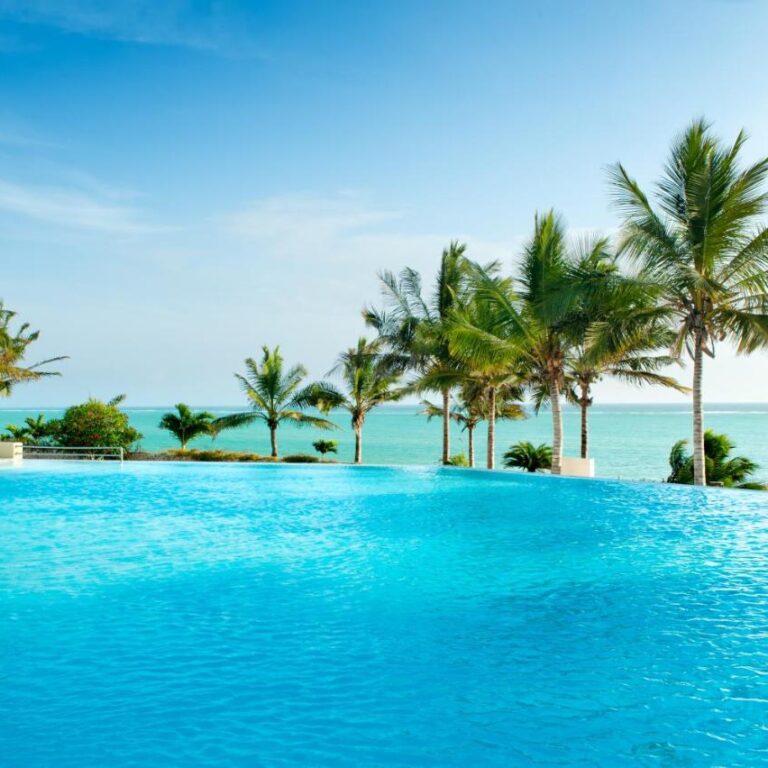
Planning the ultimate couple’s adventure trip is one of the most exciting ways to create unforgettable memories together. Whether you dream of a luxury African safari, romantic beach escape, mountain trekking expedition, wildlife safari holiday, or adrenaline-filled honeymoon adventure, careful preparation ensures a smooth and stress-free experience. Today’s travelers seek romantic travel packages, luxury safari tours, adventure vacations for couples, and tailor-made holiday experiences that combine comfort, excitement, and cultural discovery. From choosing the perfect destination to budgeting wisely and selecting the best accommodations, every step matters when organizing a successful romantic getaway. A well-planned couple’s adventure vacation offers breathtaking landscapes, thrilling outdoor activities, intimate moments, and lifelong memories. With the right travel strategy, couples can enjoy the perfect balance of romance, relaxation, adventure, wildlife experiences, and luxury travel in some of the world’s most beautiful destinations. Step 1. Choose the Perfect Adventure Destination Choosing the ideal destination is the foundation of planning the ultimate couple’s adventure trip. Popular romantic travel destinations include Tanzania safaris, Zanzibar beach holidays, Mount Kilimanjaro trekking, Serengeti National Park, Ngorongoro Crater, Maldives escapes, and luxury African safari vacations. Couples should consider travel interests, weather, safety, budget, and preferred activities before booking. Adventure-loving couples may prefer hiking, scuba diving, wildlife safaris, hot-air balloon rides, or cultural tours. Romantic travelers often seek luxury lodges, private safari camps, beachfront resorts, and honeymoon packages. Researching the best time to visit your destination helps maximize wildlife viewing, outdoor activities, and overall comfort. A carefully selected destination enhances the entire travel experience and creates unforgettable memories. Selecting a dream destination together also strengthens emotional connections while ensuring both partners enjoy the perfect balance of adventure, romance, relaxation, and luxury travel experiences. Step 2. Set a Realistic Travel Budget Creating a realistic travel budget helps couples enjoy a stress-free and affordable adventure vacation. Budget planning should include flights, accommodation, safari tours, transportation, travel insurance, park fees, meals, activities, and emergency expenses. Luxury safaris, romantic beach resorts, and all-inclusive travel packages may require advanced financial preparation. Comparing tour operators, airline deals, and accommodation prices can help couples secure affordable adventure travel packages without sacrificing quality. Travelers should also budget for souvenirs, tipping guides, and optional activities like hot-air balloon safaris or scuba diving excursions. Booking early often provides access to discounted safari packages, honeymoon offers, and seasonal promotions. A clear travel budget prevents unnecessary financial stress during the journey. Careful budgeting allows couples to focus on romance, wildlife adventures, luxury experiences, and unforgettable travel moments while enjoying a perfectly planned and financially comfortable adventure trip together. Step 3. Choose the Best Time to Travel Timing plays a major role in planning the ultimate couple’s adventure trip. Different destinations offer unique experiences depending on the season, climate, and wildlife migration patterns. For example, Tanzania safari tours are exceptional during the Great Migration in Serengeti National Park, while Zanzibar beach holidays are best during the dry seasons with sunny weather. Couples planning mountain trekking adventures should avoid heavy rainy seasons for safety and comfort. Peak travel seasons may offer excellent wildlife viewing but often come with higher accommodation prices and crowded tourist attractions. Shoulder seasons can provide affordable safari tours, fewer crowds, and pleasant weather conditions. Researching weather patterns, festival dates, and local travel conditions helps couples maximize their adventure experience. Traveling during the right season ensures better photography opportunities, comfortable outdoor activities, romantic sunsets, and unforgettable safari memories in breathtaking destinations worldwide. Step 4. Book Flights and Accommodation Early Early booking is one of the smartest travel planning strategies for couples seeking unforgettable adventure vacations. Reserving international flights and luxury accommodations in advance often guarantees better prices, wider room selection, and access to exclusive honeymoon packages. Popular safari lodges, beachfront resorts, and romantic boutique hotels can sell out quickly during peak tourist seasons. Couples should look for accommodations that offer privacy, scenic views, luxury amenities, and personalized experiences. Many travelers prefer eco-lodges, luxury safari camps, all-inclusive resorts, and private villas for romantic adventure holidays. Flexible booking policies and travel cancellation protection also provide peace of mind. Booking flights early allows couples to secure ideal schedules, preferred airlines, and affordable airfare deals. Careful accommodation planning improves comfort, convenience, relaxation, and overall travel satisfaction, ensuring couples enjoy a memorable adventure filled with romance, luxury, wildlife encounters, and breathtaking scenery. Step 5. Plan Exciting Activities Together Adventure travel becomes more meaningful when couples plan exciting activities together. A balanced itinerary should include thrilling adventures, romantic moments, and opportunities for relaxation. Popular Tanzania safari for couples’ adventure activities include wildlife safaris, snorkeling, scuba diving, mountain hiking, zip-lining, canoeing, cultural tours, and sunset cruises. Romantic experiences such as candlelight dinners, spa treatments, hot-air balloon safaris, and private beach excursions can make the journey even more unforgettable. Couples should discuss personal interests and comfort levels to create a travel itinerary that both partners enjoy equally. Including flexible free time also allows spontaneous adventures and relaxation. Choosing activities that encourage teamwork and shared experiences strengthens emotional bonds and creates lifelong memories. Adventure-filled vacations provide couples with opportunities to explore nature, discover new cultures, and experience thrilling moments together while enjoying luxury travel experiences, scenic landscapes, and unforgettable romantic destinations. Step 6. Pack Smart for the Adventure Packing efficiently is essential for a smooth and enjoyable couple’s adventure trip. Travelers should prepare according to the destination climate, planned activities, and airline luggage restrictions. Essential travel items often include lightweight clothing, hiking boots, sunscreen, insect repellent, cameras, travel adapters, waterproof jackets, and comfortable safari wear. Couples visiting tropical destinations or African safari parks should pack breathable fabrics and neutral-colored clothing for wildlife viewing. Important documents such as passports, visas, travel insurance, vaccination certificates, and flight confirmations should remain organized and easily accessible. Packing cubes and travel organizers help maximize luggage space and simplify travel arrangements. Couples should also carry basic medical supplies and emergency essentials for safety. Smart packing reduces travel stress, improves mobility, and enhances overall comfort throughout the journey. Proper preparation allows couples to focus entirely on romance, adventure activities,
Reasons to Choose the Wet Season for your Tanzania Safari

The wet season in Tanzania, often called the “green season safari,” is one of the most underrated yet rewarding times to explore East Africa. From November to May, landscapes transform into lush, vibrant scenery, creating perfect conditions for photography, birdwatching, and peaceful wildlife encounters. While many travelers focus on the dry season, the wet season offers unique advantages such as fewer crowds, lower safari prices, dramatic skies, and newborn wildlife. Destinations like the Serengeti National Park, Ngorongoro Conservation Area, and Tarangire National Park become greener, quieter, and more intimate. This season is ideal for travelers seeking authentic safari experiences, budget-friendly Tanzania safari packages, and exceptional wildlife photography opportunities. 1. Lush Green Landscapes for Stunning Photography During the Tanzania safari wet season, the landscapes transform into a lush green paradise, making it one of the most visually rewarding times for photography. The green season safari in Tanzania brings fresh grasslands, blooming wildflowers, and dramatic contrasts across iconic destinations such as Serengeti National Park and Ngorongoro Crater. Photographers love this period because vibrant colors enhance wildlife images and create postcard-perfect scenery. Rivers and waterholes are full, reflecting the sky and surrounding vegetation. The atmosphere feels alive, fresh, and untouched, offering a completely different perspective from the dry season safari experience. This is also the best time for nature lovers seeking dramatic landscapes, soft lighting, and fewer dust conditions. Every frame captures raw beauty, making it ideal for travel bloggers and safari photographers around the world today. 2. Lower Safari Prices and Budget-Friendly Packages One of the biggest advantages of choosing the Tanzania safari wet season is significantly lower safari prices, making it ideal for budget travelers and luxury seekers alike. During the green season safari in Tanzania, many lodges and camps reduce their rates, offering affordable safari packages without compromising quality. This is the best time for cheap safari deals in Serengeti National Park, Ngorongoro Crater, and Tarangire National Park. Tour operators also provide seasonal discounts and customized itineraries. Flights and accommodations are more flexible, giving visitors more value for money. Budget safari Tanzania experiences become more accessible, allowing guests to enjoy premium wildlife encounters at reduced costs. Even luxury safari lodges offer special promotions, making it a perfect high-end safari experience at lower prices and seasonal deals. 3. Fewer Tourists and Private Safari Experience Choosing the Tanzania safari wet season offers travelers a rare opportunity to enjoy fewer tourists and a more private safari experience across top destinations like Serengeti National Park and Ngorongoro Crater. The green season safari in Tanzania ensures quieter game drives, less crowded viewpoints, and uninterrupted wildlife sightings. Tourists can enjoy personalized safari experiences with fewer vehicles at sightings, making wildlife encounters more natural and immersive. This season is perfect for travelers who prefer peaceful safaris, uninterrupted photography, and a deeper connection with nature. Luxury safari lodges and tented camps also offer enhanced privacy during the low tourist season, making it ideal for honeymooners and solo travelers. Safari guides provide more attention, ensuring safe and memorable wildlife experiences for every guest each year. 4. Incredible Birdwatching Opportunities The Tanzania safari wet season is one of the best times for incredible birdwatching opportunities, attracting bird enthusiasts worldwide to explore biodiversity in Serengeti National Park, Lake Manyara, and Ngorongoro Crater. During the green season safari in Tanzania, migratory birds arrive in large numbers, creating vibrant scenes filled with color and sound. This season is ideal for spotting rare species, nesting birds, and migratory flocks not commonly seen during the dry season safari period. Birdwatching safaris offer photographers exceptional chances to capture unique bird species in natural habitats. Early morning and late afternoon game drives offer the best birding visibility with green backgrounds enhancing photography results. This makes Tanzania a top destination for birdwatching safari tours and eco-tourism travel experiences. 5. Baby Animals and Calving Season Wildlife The Tanzania safari wet season is famous for baby animals and calving season wildlife, especially in Serengeti National Park, where thousands of wildebeest and zebras give birth. This natural event attracts predators and creates dramatic wildlife interactions across the plains. The green season safari in Tanzania offers unique opportunities to witness newborn animals taking their first steps, feeding, and bonding with herds. Wildlife enthusiasts enjoy close encounters with lion cubs, elephant calves, and antelope births, making it one of the most exciting safari seasons in East Africa. The abundance of food and water supports strong wildlife activity, increasing chances of predator-prey interactions. This period is a highlight for safari photography, offering rare and emotional wildlife moments across Tanzania’s national parks. 6. Dramatic Skies and Stunning Sunset Views The Tanzania safari wet season brings dramatic skies and breathtaking sunset views, making every safari moment visually unforgettable. The green season safari in Tanzania is known for powerful cloud formations, lightning displays, and colorful horizons that enhance photography opportunities. In Serengeti National Park and Ngorongoro Crater, sunsets become more vivid due to moisture in the air, creating golden and red tones across the savannah. Travelers enjoy peaceful evenings after game drives, watching wildlife silhouettes against glowing skies. This season also enhances landscape photography, offering contrast between green plains and dramatic weather conditions. For safari lovers seeking emotional and cinematic scenery, the wet season provides unmatched visual beauty. It is one of the most romantic and inspiring times for a Tanzania safari experience. 7. Best Time for Safari Photography Tours The Tanzania safari wet season is considered one of the best times for safari photography tours due to its vibrant landscapes and dramatic lighting. The green season safari in Tanzania provides photographers with lush backgrounds, active wildlife behavior, and fewer tourist distractions. Serengeti National Park safari photography becomes especially rewarding with migrating herds and newborn animals. Ngorongoro Crater offers misty mornings and rich colors that enhance image depth. This season is ideal for professional photographers and travel influencers seeking unique content. Soft light conditions during mornings and evenings create perfect exposure opportunities. Wildlife is also more active, increasing the chances of capturing rare moments. Overall, the
Where Do the Kilimanjaro Climbs Begin?

Mount Kilimanjaro is Africa’s highest peak and one of the world’s most iconic trekking destinations, attracting climbers searching for “Kilimanjaro climbing routes,” “best Kilimanjaro trails,” and “where Kilimanjaro climbs begin.” Every successful summit starts at carefully designated entry points located around Kilimanjaro National Park. These starting gates are the foundation of all Kilimanjaro trekking routes, including Machame, Marangu, Lemosho, Rongai, Umbwe, and the Northern Circuit. Understanding where climbs begin is essential for choosing the right route, preparing logistics, and planning a safe ascent. Most climbers begin their journey from Moshi or Arusha, where tour operators organize transfers to the park gates. This guide explains each starting point in detail, helping you discover the best Kilimanjaro route based on scenery, difficulty, acclimatization, success rates, and overall trekking experience in Tanzania’s legendary mountain adventure. Kilimanjaro Climb Starting Point Overview All Kilimanjaro climbs officially begin at the entry gates managed by Kilimanjaro National Park authorities. These gates are the controlled access points where trekkers register, meet guides, and start their ascent into the mountain’s diverse ecosystems. The most popular starting zones include Machame Gate, Marangu Gate, Londorossi Gate, and Rongai Gate. Each gate corresponds to a specific Kilimanjaro trekking route, influencing scenery, difficulty, and success rates. Climbers cannot ascend independently; all expeditions must begin with licensed guides and registered tour operators. These starting points are typically reached by road from Moshi or Arusha, the main safari hubs in northern Tanzania. Understanding these entry points is crucial for planning a successful Kilimanjaro climb, selecting the best route, and preparing for altitude acclimatization as you move from rainforest zones to alpine desert and eventually the summit of Uhuru Peak. Moshi – The Main Gateway to Kilimanjaro Climbs Moshi is the primary town where most Kilimanjaro climbing expeditions begin. Located at the foothills of Mount Kilimanjaro, it serves as the central hub for climbers arriving through Kilimanjaro International Airport. From Moshi, trekkers are transferred to various Kilimanjaro National Park gates depending on their chosen route. It is the starting base for Machame, Marangu, Umbwe, and Rongai routes. The town is filled with experienced tour operators, gear rental shops, and briefing centers that prepare climbers for altitude trekking. Keywords such as “Kilimanjaro climbs from Moshi,” “best Kilimanjaro base town,” and “where to start Kilimanjaro hike” all point here. Moshi offers accommodation ranging from budget lodges to luxury hotels, making it the most convenient starting location. Nearly all summit attempts begin here with final route transfers into the mountain’s forested lower slopes. Arusha – Alternative Starting Hub for Kilimanjaro Climbs Arusha is another major gateway for climbers planning to ascend Mount Kilimanjaro, especially those combining safari and trekking experiences. Although slightly farther than Moshi, Arusha is a key tourism city connecting Northern Tanzania safari circuits and Kilimanjaro expeditions. Climbers staying in Arusha are usually transferred to Moshi or directly to the park gates, depending on the route. It is commonly used for Lemosho and Rongai route departures due to its access to the western and northern gate entrances. Arusha is ideal for travelers searching for “Kilimanjaro climbing packages from Arusha” or “best Tanzania safari and Kilimanjaro combo tours.” The city also provides excellent pre-climb preparation, including briefing sessions and gear checks. As a strategic tourism hub, Arusha links safari adventures with mountain trekking, making it a preferred starting base for premium Kilimanjaro itineraries. Machame Gate – Starting Point of the Popular Machame Route Machame Gate is one of the busiest and most famous starting points for climbing Mount Kilimanjaro. Located on the southern slope of the mountain, it is the entry point for the Machame Route, often called the “Whiskey Route” due to its challenging but rewarding ascent. This gate sits within a lush rainforest, offering trekkers a scenic introduction to Kilimanjaro trekking. Climbers register here, meet porters, and begin their journey through dense vegetation rich in wildlife, like “Machame Route Kilimanjaro starting point” and “best Kilimanjaro climbing route” often refer to this gate. The route is popular for its high summit success rate and excellent acclimatization profile. Machame Gate is typically accessed from Moshi by a short drive, making it a convenient and highly recommended starting point for adventure-focused climbers seeking dramatic landscapes and diverse ecological zones. Marangu Gate – The Coca-Cola Route Starting Point Marangu Gate is the official starting point for the famous Marangu Route on Mount Kilimanjaro. Located on the southeastern side of the mountain, it is one of the most accessible and structured entry points. Known as the “Coca-Cola Route,” Marangu is unique because it offers hut accommodations instead of camping, making it popular for beginners and comfort-focused climbers. This gate is heavily used for Kilimanjaro trekking searches like “easiest Kilimanjaro route,” “Marangu Route starting point,” and “hut accommodation Kilimanjaro climb.” The trail begins through lush rainforest before transitioning into moorland and alpine desert zones. Climbers register here, receive permits, and begin a gradual ascent toward the summit. Marangu Gate remains one of the oldest and most historically significant entry points into Kilimanjaro National Park, offering a structured and well-managed climbing experience. Londorossi Gate – Gateway to Lemosho Route Londorossi Gate is the western entry point for climbers taking the scenic Lemosho Route on Mount Kilimanjaro. Located in remote forested areas, this gate provides access to one of the most beautiful and least crowded Kilimanjaro routes. It is ideal for trekkers searching for “best scenic Kilimanjaro route,” “Lemosho starting point,” and “less crowded Kilimanjaro climb.” The journey from Londorossi begins in dense rainforest rich with wildlife before merging with the Shira Plateau. Because of its remoteness, climbers usually travel from Arusha or Moshi by vehicle before entering the gate. Londorossi is favored for high summit success rates due to excellent acclimatization profiles. It is a premium starting point often chosen for luxury Kilimanjaro climbs, offering breathtaking landscapes and gradual altitude gain that increases the chance of reaching Uhuru Peak successfully. Rongai Gate – Northern Side Kilimanjaro Starting Point Rongai Gate is the only major entry point on the northern side of Mount
Eco-Friendly Lodges In East Africa
Eco-friendly lodges in East Africa, especially Tanzania, represent the future of sustainable safari tourism, combining luxury safari experiences with conservation, community empowerment, and low-impact travel. These eco-luxury safari lodges and sustainable safari camps are designed to protect wildlife habitats while offering immersive encounters in iconic destinations such as Serengeti National Park, Ngorongoro Crater, Tarangire National Park, and Zanzibar Island. Travelers seeking responsible tourism in Tanzania increasingly prefer carbon-neutral lodges, solar-powered camps, plastic-free safari accommodations, and community-based eco lodges that support Maasai villages and conservation projects. From wildlife migration safaris to beach eco-resorts, Tanzania delivers unmatched biodiversity and ethical travel experiences. This guide highlights the best eco-friendly safari lodges in Tanzania, showcasing award-winning properties known for sustainability, conservation leadership, and authentic African wilderness experiences across East Africa’s most famous safari circuits and coastal environments. 1. Chumbe Island Coral Park – Zanzibar Chumbe Island Coral Park is one of Tanzania’s most successful eco-tourism and marine conservation projects, located off the coast of Zanzibar. This award-winning private island sanctuary is a fully protected coral reef reserve and forest habitat designed for sustainable tourism in East Africa. It is powered entirely by solar energy, rainwater harvesting, and eco-friendly waste systems, making it a global leader in carbon-neutral accommodation. Visitors enjoy guided snorkeling safaris, coral reef education tours, and nature walks through untouched tropical forests. The lodge supports marine conservation, environmental education, and local employment for Zanzibar communities. As one of the top eco-friendly beach lodges in Africa, Chumbe Island offers a rare combination of luxury, privacy, and conservation-driven travel. It is ideal for travelers seeking eco lodges in Zanzibar, sustainable island escapes, and responsible tourism experiences in Tanzania’s Indian Ocean coastline. 2. Gibb’s Farm – Ngorongoro Highlands Gibb’s Farm is a historic eco-luxury lodge located in the lush Ngorongoro Highlands, offering a perfect blend of sustainable farming, wellness, and cultural immersion. Known as one of the best eco lodges in Tanzania, it operates as a working organic farm with coffee plantations, vegetable gardens, and forest conservation initiatives. Guests enjoy farm-to-table dining, guided nature walks, birdwatching, and cultural visits to nearby Maasai and Iraqw communities. The lodge emphasizes regenerative tourism, waste reduction, and renewable energy practices. Its peaceful setting between the Ngorongoro Crater and Lake Manyara makes it a prime base for safari travelers. Gibb’s Farm is widely recognized for sustainable hospitality, eco-friendly safari accommodation, and responsible tourism in East Africa. It delivers authentic rural Tanzania experiences while preserving biodiversity and supporting local livelihoods through education, conservation, and community development programs. 3. Melia Serengeti Lodge – Serengeti National Park Melia Serengeti Lodge is a modern eco-luxury safari lodge located in the heart of Serengeti National Park, offering breathtaking views of endless savannah landscapes. Designed with sustainability in mind, the lodge uses solar energy, water recycling systems, and eco-conscious construction materials to minimize environmental impact. It provides travelers with premium wildlife viewing experiences, including the Great Wildebeest Migration, Big Five safaris, and guided game drives. The lodge also supports conservation initiatives aimed at protecting Serengeti ecosystems and reducing carbon footprints. Guests enjoy luxury suites, infinity pools, and locally inspired cuisine while staying deeply connected to nature. As one of the top eco-friendly safari lodges in Tanzania, Melia Serengeti Lodge blends international luxury standards with responsible tourism practices, making it ideal for travelers seeking sustainable safari accommodation in Africa’s most famous national park. 4. Four Seasons Safari Lodge Serengeti – Serengeti National Park Four Seasons Safari Lodge Serengeti is a world-class eco-luxury safari lodge situated in central Serengeti, offering panoramic views of wildlife-rich plains. This sustainable safari property integrates environmental conservation with high-end hospitality, featuring water conservation systems, wildlife protection programs, and community engagement projects. Guests can experience close encounters with elephants at the lodge’s waterhole, guided game drives, and cultural visits to Maasai villages. The lodge is designed to reduce ecological impact while maintaining premium comfort, making it a leader in luxury eco tourism in Tanzania. It supports Serengeti conservation efforts and promotes responsible safari travel. With elegant suites, spa facilities, and eco-friendly operations, it is ideal for travelers seeking sustainable luxury safari experiences in East Africa’s Serengeti ecosystem, one of the most biodiverse wildlife destinations on the planet. 5. Klein’s Camp – Serengeti National Park &Beyond Klein’s Camp is an exclusive eco-friendly safari lodge located on the edge of the Kuka Hills in the Serengeti ecosystem. It offers breathtaking views of private wilderness areas and exceptional wildlife encounters, including nocturnal game drives and Big Five safaris. Built with sustainable materials and powered by responsible tourism practices, Klein’s Camp focuses on conservation, anti-poaching support, and community development in surrounding Maasai regions. Guests experience intimate luxury in stone cottages designed to blend with the natural environment. The camp is known for low-impact tourism, ensuring minimal disturbance to wildlife habitats. It is one of the most sought-after eco safari lodges in Tanzania, ideal for travelers seeking private safari experiences, luxury eco accommodation, and authentic African wilderness adventures in the Serengeti National Park. 6. Singita Grumeti Reserves – Western Serengeti Singita Grumeti Reserves is a world-renowned eco-luxury conservation area in Western Serengeti, offering exclusive safari experiences across private wildlife concessions. The reserve is a leader in sustainable tourism in Africa, focusing on wildlife protection, anti-poaching initiatives, and community empowerment. Guests stay in ultra-luxury eco lodges and tented camps powered by renewable energy and designed to blend seamlessly with the environment. The area is famous for Great Migration crossings, Big Five sightings, and pristine wilderness safaris. Singita invests heavily in ecological restoration, education programs, and local employment. It is one of the top luxury eco safari destinations in Tanzania, combining high-end hospitality with responsible tourism principles. Ideal for travelers seeking exclusive safari lodges, conservation-driven travel, and premium wildlife experiences in untouched African landscapes. 7. Lemala Camps Collection – Serengeti & Ngorongoro Lemala Camps offer a collection of eco-friendly tented safari camps strategically located in Serengeti and Ngorongoro Crater regions. These mobile and semi-permanent camps are designed for low environmental impact, using sustainable materials, solar energy, and responsible waste systems.
Meet the antelopes of Serengeti National Park

The Serengeti ecosystem is one of the most famous wildlife safari destinations on Earth, known for its endless golden plains and extraordinary biodiversity. Among its most elegant inhabitants are the antelopes—graceful herbivores that define the rhythm of the African savannah. From tiny, fast-footed gazelles to towering, powerful elands, these species play a crucial role in the Serengeti food chain and the world-famous Great Migration ecosystem. Travelers on a Serengeti safari often search for “African antelope species,” “Tanzania wildlife safari,” and “Serengeti animals,” and for good reason—antelopes are everywhere. They are both prey and survival specialists, adapted to grasslands, woodlands, and riverine habitats. This guide explores the most iconic antelopes of the Serengeti National Park and their unique characteristics. Thomson’s Gazelle – The Speed Specialist The Thomson’s gazelle is one of the most recognizable antelopes in the Serengeti and a key highlight on any Tanzania safari. Small, agile, and incredibly fast, it can reach speeds of up to 60 km/h to escape predators like cheetahs and lions. Often seen in large herds across open plains, it thrives in short grass areas where visibility is high. This species is a vital part of the Serengeti ecosystem and a major prey animal during predator hunts. Tourists searching for “cheetah hunting Serengeti” or “fastest African antelope” will often spot Thomson’s gazelles in action. Their distinctive black side stripe helps identify them instantly. Despite their delicate appearance, they are highly adaptable grazers that survive seasonal droughts by migrating alongside larger herbivores like wildebeest during the Great Migration cycle. Grant’s Gazelle – The Elegant Grazer Grant’s gazelle is larger than Thomson’s gazelle and is commonly seen across the Serengeti plains and open savannah. Known for its pale coat, long horns, and graceful movements, it is a favorite sight for wildlife photographers. Unlike smaller gazelles, Grant’s gazelles can survive longer in dry conditions due to their ability to feed on shrubs and tougher vegetation. This adaptability makes them one of the most resilient antelope species in East Africa. Visitors on a Serengeti safari often search for “big antelope Tanzania safari” or “African gazelle species,” and Grant’s gazelle is a top answer. They usually live in mixed herds and are often found alongside zebras and wildebeest. Their calm behavior hides a strong survival instinct, as they are always alert to predators like lions and hyenas roaming the grasslands. Impala – The Forest Edge Performer The impala is one of the most widespread antelopes in the Serengeti ecosystem, thriving in both woodland edges and open plains. Known for its incredible jumping ability, it can leap up to 10 meters in a single bound, making it one of Africa’s most athletic animals. Often referred to as the “McDonald’s of the bush” due to its abundance, impalas are a crucial food source for many predators. Travelers searching for “African safari animals” or “Serengeti antelope sightings” will almost always encounter large impala herds. They live in structured groups led by dominant males during the breeding season. Their reddish-brown coat and black tail markings make them easy to identify. Impalas play a major ecological role by linking woodland and grassland ecosystems through their grazing and movement patterns. Topi – The Sentinel of the Plains The topi is one of the most interesting antelopes in the Serengeti, often found standing on termite mounds scanning the horizon. With its dark reddish-brown body and uniquely shaped horns, it is highly adapted to open grasslands. Topis are known for their territorial behavior, especially males who guard grazing areas during the breeding season. They are fast runners and can sustain long-distance movement, making them resilient during seasonal migrations. Tourists on a wildlife safari in Tanzania often search for “rare Serengeti antelope species,” and topis are a rewarding sighting. They frequently share habitats with wildebeest and zebras, especially during migration periods. Their elevated lookout behavior makes them one of the most alert antelope species in Africa, often acting as early warning signals for predators nearby. Eland – The Giant Antelope The eland is the largest antelope species in the world and can weigh over 900 kilograms, yet it moves with surprising elegance. Found in parts of the Serengeti ecosystem, elands prefer open woodlands and grassy plains. Despite their size, they are excellent jumpers and can easily clear obstacles. Their slow movement and large bodies make them less dependent on speed and more on strength and endurance for survival. Safari travelers searching for “giant African antelope” or “Serengeti big game safari” are often amazed when spotting elands. They are generally calm and social animals, living in small herds. Their thick spiral horns and dewlap (loose skin under the neck) make them easy to recognize. Elands are also highly adaptable feeders, consuming grasses, leaves, and fruits depending on seasonal availability. Reedbuck – The Wetland Dweller Reedbucks are medium-sized antelopes commonly found near rivers, wetlands, and swampy areas within and around the Serengeti ecosystem. They are less commonly seen than other species, making them a special sighting for safari travelers. Males have distinctive forward-curving horns, while females are hornless. Reedbucks prefer areas with dense vegetation near water sources, where they can easily hide from predators. Visitors searching for “Serengeti river wildlife” or “rare antelope Tanzania” may encounter them near water-rich zones. They are solitary or found in small groups, unlike the large herds of gazelles and wildebeest. Their soft brown coat blends perfectly with tall grass, offering excellent camouflage. Reedbucks play an important ecological role in wetland ecosystems by grazing selectively and maintaining vegetation balance along riverbanks. Waterbuck – The River Guardian The waterbuck is one of the most distinctive antelopes in the Serengeti, often found near rivers, lakes, and permanent water sources. Recognizable by the white ring around its rump, it is a large and sturdy antelope species. Waterbucks are not strong swimmers but rely heavily on water habitats for safety and feeding. Their strong musky odor helps deter predators, making them less frequently hunted compared to other antelopes. Travelers searching for “Serengeti river safari animals” or “African water antelope”
Things Kilimanjaro Taught Me

limbing Mount Kilimanjaro is far more than a trekking adventure; it is a life-changing journey to the Roof of Africa. Rising above the plains of Tanzania, this iconic mountain challenges your body, mind, and spirit while rewarding you with breathtaking views, unforgettable memories, and deep personal growth. Every step through rainforests, alpine deserts, and icy glaciers teaches valuable lessons about patience, resilience, teamwork, courage, and gratitude. Kilimanjaro is one of the world’s top bucket-list destinations, attracting hikers, adventure travelers, and safari lovers searching for inspiration and transformation. Whether climbing the Machame Route, Lemosho Route, or Marangu Route, the experience becomes a powerful reminder that life’s greatest rewards often come through perseverance. Here are the most meaningful life lessons Kilimanjaro taught me during my unforgettable Tanzania trekking adventure. 1. Patience Leads to Success One of the greatest lessons Kilimanjaro taught me was the importance of patience. On the mountain, guides constantly repeat the famous Swahili phrase “pole pole,” meaning “slowly slowly.” At first, I underestimated its meaning, but I soon realized that rushing only drains your energy and reduces your chances of reaching Uhuru Peak. Success on Kilimanjaro is not about speed; it is about steady progress and endurance. This lesson applies perfectly to everyday life, business, relationships, and personal goals. In a world obsessed with instant results, Kilimanjaro reminds climbers that meaningful achievements require time, discipline, and persistence. Walking slowly beneath the African sky taught me to trust the process and focus on consistent progress. Whether climbing Africa’s highest mountain or pursuing dreams back home, patience remains one of the most valuable tools for long-term success and happiness. 2. Mental Strength Matters More Than Physical Power Before my Kilimanjaro climb, I believed physical fitness alone guaranteed success. However, the mountain quickly proved that mental strength is equally important. Altitude sickness, freezing temperatures, exhaustion, and long summit nights challenge your mindset more than your muscles. Many strong hikers turn back because they lose confidence or motivation. Reaching the summit requires determination, positivity, and belief in yourself even when conditions become difficult. Kilimanjaro taught me to control fear, silence doubt, and focus on one step at a time. During the final ascent to Uhuru Peak, my body felt tired, but my mind kept pushing forward. This powerful experience showed me that resilience and mental toughness are essential for overcoming life’s obstacles. Whether facing personal struggles, career challenges, or difficult decisions, a strong mindset often becomes the difference between failure and success in life’s toughest moments. 3. Teamwork Makes Difficult Journeys Easier Although climbing Kilimanjaro feels personal, nobody truly reaches the summit alone. Guides, porters, cooks, and fellow climbers all play an important role in the journey. From setting up tents to encouraging exhausted hikers, teamwork becomes essential for success on Africa’s tallest mountain. The mountain taught me to appreciate collaboration and mutual support. During difficult moments, simple encouragement from the climbing crew made a huge difference in my confidence and determination. Tanzanian guides share incredible mountain knowledge, while porters carry equipment through challenging terrain with remarkable strength and positivity. Their dedication reflects the heart of Kilimanjaro trekking culture. This experience reminded me that life’s greatest achievements are rarely accomplished alone. Strong relationships, supportive communities, and teamwork help people overcome challenges and achieve extraordinary goals. Kilimanjaro showed me the true value of trust, cooperation, gratitude, and human connection. 4. Nature Has the Power to Heal the Soul Climbing Mount Kilimanjaro reconnects you with nature in a deeply powerful way. Walking through lush rainforests, giant heather zones, alpine deserts, and snow-covered glaciers creates a sense of peace difficult to find in modern city life. Every sunrise above the clouds and every quiet evening beneath the stars reminded me how healing nature can be. Kilimanjaro taught me to slow down, breathe deeply, and appreciate the beauty of the natural world. Without distractions from technology and busy routines, my mind became clearer and calmer. The mountain’s silence encourages self-reflection and emotional balance. Many travelers visit Tanzania for wildlife safaris and adventure tourism, but Kilimanjaro offers something even deeper — spiritual renewal. The experience reminded me that spending time outdoors can reduce stress, improve mental health, and restore perspective in meaningful ways. 5. Comfort Zones Prevent Growth Kilimanjaro taught me that real growth begins outside comfort zones. Sleeping in tents, hiking for hours, enduring freezing nights, and climbing at high altitude pushed me far beyond what felt comfortable. Yet every difficult moment helped me become stronger, wiser, and more confident. The mountain showed me that fear often disappears once you take the first step forward. Many people avoid challenges because they fear failure or discomfort, but Kilimanjaro proves that transformation happens when you embrace uncertainty. Standing at Uhuru Peak after days of struggle created an unforgettable sense of achievement and personal empowerment. This lesson applies far beyond mountain climbing. Whether starting a business, traveling solo, changing careers, or pursuing dreams, growth requires courage and risk-taking. Kilimanjaro inspired me to welcome challenges instead of avoiding them, knowing that the greatest rewards usually exist beyond familiar boundaries. 6. Gratitude Changes Everything One unforgettable lesson from Kilimanjaro was learning to appreciate simple things. After long days of trekking, basic comforts like warm tea, dry socks, sunlight, or a good meal suddenly felt incredibly valuable. The mountain strips away unnecessary distractions and reminds climbers how little they truly need to feel happy. Watching porters work tirelessly with smiles on their faces also inspired deep gratitude and humility. Kilimanjaro taught me to appreciate health, friendship, clean water, supportive people, and the privilege of exploring such an extraordinary destination. Modern life often encourages people to chase more possessions and achievements, but the mountain revealed the beauty of simplicity. Gratitude creates happiness far greater than material success. Returning home after the climb, I noticed greater appreciation for everyday life and experiences. Kilimanjaro transformed my perspective by teaching me that gratitude is one of life’s greatest sources of peace and fulfillment. 7. Every Step Counts Reaching the summit of Kilimanjaro can feel overwhelming at
Tanzania Bans Plastic Bags

The Tanzania plastic bag ban is one of the most impactful environmental protection policies in East Africa, positioning the country as a leader in sustainable tourism, eco-friendly travel, and plastic pollution control. Implemented to reduce environmental degradation, the ban prohibits the production, importation, sale, and use of single-use plastic bags across Tanzania, including Zanzibar. This landmark environmental law has significantly improved waste management, protected wildlife, and enhanced the beauty of national parks such as Serengeti and Ngorongoro Crater. For travelers, it promotes responsible tourism and encourages the use of reusable bags. The policy supports global climate action goals, reduces marine pollution, and strengthens Tanzania’s reputation as a green safari destination. Understanding the Tanzania plastic bag ban is essential for tourists, businesses, and conservation advocates visiting or operating in the country today. Background of the Tanzania Plastic Bag Ban The Tanzania plastic bag ban was introduced as part of a broader environmental conservation strategy aimed at tackling increasing plastic pollution across urban and rural areas. Before the ban, plastic waste clogged drainage systems in cities like Dar es Salaam and polluted ecosystems in national parks and coastal regions. The government recognized the urgent need to protect biodiversity, tourism resources, and public health. Influenced by global environmental movements and regional sustainability efforts, Tanzania adopted strict regulations against single-use plastics. The policy aligns with global climate action, eco-tourism development, and sustainable waste management practices. By eliminating plastic bags, Tanzania aims to reduce long-term environmental damage, improve sanitation, and promote eco-friendly alternatives such as cloth and paper bags. This initiative marks a major step in East African environmental leadership and conservation policy enforcement. Implementation of the Plastic Bag Ban The implementation of the Tanzania plastic bag ban was officially enforced in 2019, making it one of the strictest environmental laws in Africa. Customs authorities, environmental agencies, and police units were deployed at airports, ports, and border points to ensure compliance. Travelers entering Tanzania are required to avoid carrying plastic carrier bags, with exemptions only for specific medical and industrial packaging. Public awareness campaigns were launched to educate citizens and businesses about the new regulations. Shops, supermarkets, and manufacturers were instructed to switch to reusable, biodegradable, and eco-friendly packaging alternatives. The enforcement strategy also included fines and penalties for violations, ensuring strong compliance. This strict implementation helped Tanzania quickly reduce visible plastic pollution, especially in tourist destinations, cities, and wildlife conservation areas, strengthening the country’s commitment to environmental sustainability and eco-tourism development. Environmental Impact of the Ban The Tanzania plastic bag ban has had a significant positive environmental impact across the country. One of the most visible changes is the reduction of plastic waste in streets, rivers, and wildlife habitats. National parks such as Serengeti, Tarangire, and Ngorongoro Crater have benefited greatly, with fewer cases of animals ingesting or getting trapped in plastic debris. Coastal ecosystems, including beaches along the Indian Ocean, have become cleaner and more attractive for tourism. The ban has also improved drainage systems in urban areas, reducing flooding caused by clogged waterways. Wildlife conservation efforts have strengthened as ecosystems become healthier and more natural. Overall, the policy supports biodiversity conservation, climate resilience, and sustainable tourism growth. Tanzania is now recognized as a model for environmental protection and plastic pollution reduction in Africa and beyond. Effects on Tourism Industry The Tanzania plastic bag ban has positively influenced the tourism industry by enhancing the country’s image as a clean and eco-friendly safari destination. Tourists visiting iconic locations such as Serengeti National Park, Mount Kilimanjaro, and Zanzibar beaches now experience cleaner environments with reduced plastic waste. Tour operators promote the ban as part of responsible tourism education, encouraging visitors to use reusable bags during their trips. The improved environmental conditions have increased wildlife visibility and photographic experiences, making Tanzania more attractive to international travelers. Eco-conscious tourists prefer destinations that prioritize sustainability, giving Tanzania a competitive advantage in global safari tourism. The ban has also encouraged the growth of eco-lodges and sustainable travel companies. Overall, the policy strengthens Tanzania’s tourism branding as a top destination for nature, wildlife, and environmental conservation experiences in Africa. Public Awareness and Education Public awareness played a key role in the success of the Tanzania plastic bag ban. The government, environmental organizations, and tourism stakeholders launched nationwide campaigns to educate citizens about the dangers of plastic pollution. Schools incorporated environmental studies into their curriculum, teaching students about sustainability and waste reduction. Media outlets, including radio, television, and social media, helped spread awareness messages in both urban and rural communities. Informational materials were distributed at airports, border points, and hotels to guide travelers on compliance. Local communities were encouraged to adopt eco-friendly alternatives such as woven baskets and reusable cloth bags. These awareness efforts helped change public behavior and reduced resistance to the ban. As a result, Tanzania has built a stronger environmental culture, promoting long-term sustainability and responsible consumption habits across the population. Alternatives to Plastic Bags Following the Tanzania plastic bag ban, businesses and consumers have adopted several eco-friendly alternatives. Reusable cloth bags, woven baskets, paper bags, and biodegradable packaging materials have become widely available in markets and supermarkets. Many local entrepreneurs have benefited from producing and selling sustainable bag alternatives, boosting green business growth. Hotels, lodges, and safari operators also provide reusable bags to tourists as part of eco-friendly travel practices. These alternatives are not only environmentally safe but also durable and cost-effective in the long term. Innovations in biodegradable packaging have further supported the transition away from plastic. The shift has encouraged sustainable consumption habits among residents and visitors alike. By replacing single-use plastics with greener options, Tanzania continues to strengthen its environmental protection efforts and promote sustainable economic development. Challenges in Enforcement Despite its success, the Tanzania plastic bag ban has faced several enforcement challenges. One major issue is the illegal smuggling of plastic bags across borders, particularly from neighboring countries where regulations may be less strict. Limited awareness in some rural areas has also slowed full compliance. Small businesses sometimes struggle to afford eco-friendly
Serengeti vs Kruger

Choosing between the legendary Serengeti National Park and the iconic Kruger National Park is one of the biggest decisions for travelers planning an African safari. Both destinations rank among the best safari parks in Africa, offering unforgettable wildlife encounters, luxury safari lodges, Big Five safaris, and breathtaking landscapes. The Serengeti is world-famous for the Great Migration safari, endless golden plains, and authentic wilderness experiences in Tanzania. Kruger National Park, on the other hand, is celebrated for excellent road networks, self-drive safaris, family-friendly accommodations, and abundant wildlife sightings in South Africa. Whether you seek luxury African safari holidays, photography safaris, honeymoon safaris, or budget wildlife adventures, both parks deliver extraordinary experiences. Understanding their differences in wildlife, scenery, accessibility, accommodations, and safari style helps travelers choose the perfect African safari destination. Wildlife Viewing Experience Wildlife viewing is the heart of every African safari, and both Serengeti National Park and Kruger National Park offer exceptional game-viewing opportunities. The Serengeti is globally recognized for massive herds of wildebeest, zebras, gazelles, and dramatic predator action involving lions, cheetahs, hyenas, and leopards. Its open plains make spotting animals easier, especially during the Great Migration. Kruger National Park is famous for consistent Big Five sightings, including elephants, buffaloes, rhinos, lions, and leopards throughout the year. Kruger’s diverse ecosystems also support hundreds of bird species and smaller wildlife rarely seen elsewhere. Travelers seeking raw wilderness and migration spectacles often prefer the Serengeti, while visitors wanting reliable year-round wildlife encounters enjoy Kruger. Both parks rank among Africa’s top safari destinations, making them ideal for wildlife photography tours, luxury safaris, and unforgettable African wildlife adventures. The Great Migration Advantage One of the greatest safari spectacles on Earth occurs in the Serengeti ecosystem during the Great Migration. Millions of wildebeest, zebras, and gazelles move across the plains searching for fresh grazing while predators follow closely behind. This natural wonder makes the Serengeti one of the best safari destinations in Africa for wildlife lovers and photographers. River crossings filled with crocodiles create thrilling safari moments rarely matched elsewhere in the world. Kruger National Park does not experience a migration on this scale, but it compensates with stable wildlife populations and consistent animal sightings throughout the year. Travelers seeking dramatic wildlife movement, predator-prey interaction, and iconic African safari scenes often choose the Serengeti. However, Kruger appeals to visitors who prefer relaxed game drives with abundant wildlife encounters without needing to plan around migration seasons or specific travel periods. Landscape and Scenery The landscapes of Serengeti and Kruger offer completely different safari atmospheres. The Serengeti is famous for endless savannah plains, scattered acacia trees, rocky kopjes, and breathtaking African sunsets. These open landscapes create classic safari scenery seen in wildlife documentaries and films. The vast wilderness feels remote, untouched, and deeply authentic. Kruger National Park features a more varied environment with dense bushveld, rivers, forests, grasslands, and baobab trees. This diversity supports a wide range of wildlife habitats and provides unique scenery during game drives. Serengeti’s dramatic open plains are perfect for photography safaris and panoramic wildlife viewing, while Kruger’s mixed landscapes create intimate encounters with animals hidden among vegetation. Travelers seeking iconic East African safari scenery often prefer the Serengeti, whereas visitors who enjoy ecological diversity and changing landscapes may find Kruger more visually rewarding and immersive. Safari Style and Experience The safari experience in Serengeti National Park feels adventurous, exclusive, and deeply connected to nature. Most visitors explore the park through guided game drives led by professional safari guides in specially designed safari vehicles. Luxury tented camps and remote lodges enhance the authentic wilderness atmosphere. Kruger National Park offers a wider range of safari styles, including guided safaris, self-drive safaris, walking safaris, and private reserve experiences. Self-driving is especially popular in Kruger because of its excellent roads and accessibility. Serengeti safaris often focus on immersive wildlife experiences and luxury camping under the African stars. Kruger appeals to independent travelers, families, and visitors seeking flexibility. Honeymoon couples and photographers may prefer Serengeti’s secluded camps, while budget-conscious travelers often choose Kruger for affordable accommodations and easier travel logistics. Both destinations deliver unforgettable African safari memories for every type of traveler. Accessibility and Transportation Accessibility is an important factor when comparing Serengeti and Kruger safari holidays. The Serengeti usually requires domestic flights from cities like Arusha or Kilimanjaro to remote airstrips inside the park. Long-distance road transfers are also possible but can be time-consuming. This remoteness enhances the wilderness experience but increases safari costs. Kruger National Park is easier to access because travelers can fly directly into nearby airports or drive from Johannesburg using well-maintained highways. Self-drive safaris are highly popular in Kruger due to its excellent infrastructure and clear signage. Families and first-time safari travelers often appreciate Kruger’s convenience and flexibility. Serengeti safaris feel more exclusive because of the remote location and fly-in safari options. Travelers seeking luxury African safari adventures may enjoy Serengeti’s remote charm, while visitors prioritizing convenience and affordability often choose Kruger National Park in South Africa. Luxury Safari Accommodations Both Serengeti and Kruger are home to world-class safari lodges, luxury tented camps, and exclusive safari resorts. In the Serengeti, many accommodations blend seamlessly into the wilderness, offering elegant tents, outdoor showers, fine dining, and panoramic savannah views. Luxury camps often follow the Great Migration, giving guests front-row seats to wildlife action. Kruger National Park also offers outstanding luxury safari lodges, especially in private reserves bordering the park. These lodges provide spa treatments, gourmet cuisine, infinity pools, and personalized game drives. Serengeti accommodations emphasize remote wilderness immersion, while Kruger combines comfort with accessibility and modern amenities. Honeymoon safaris, family safari vacations, and luxury African safari packages thrive in both destinations. Travelers seeking exclusive bush experiences may favor Serengeti camps, whereas those wanting luxurious facilities combined with easy transportation may prefer Kruger’s high-end safari lodges and private game reserves. Budget Safari Opportunities Budget travelers can enjoy unforgettable safaris in both Serengeti and Kruger, although costs differ significantly. Serengeti safaris are generally more expensive because of park fees, internal flights, and remote
The 10 Best Spots for Photographic Safaris in Tanzania

Tanzania is a dream destination for photographic safaris. Its vast wilderness, dramatic landscapes, abundant wildlife, and authentic cultural encounters offer endless opportunities to capture once-in-a-lifetime images. From golden savannahs and volcanic craters to remote lakes and towering mountains, Tanzania rewards photographers with scenes that feel cinematic, raw, and deeply emotional. Whether you are a professional wildlife photographer or an enthusiastic traveler with a camera in hand, these destinations stand out as the finest places to tell visual stories through light, movement, and nature. Below are the best photographic safari spots in Tanzania, each offering a unique canvas for unforgettable images. 1. Serengeti National Park The Serengeti is the crown jewel of wildlife photography in Tanzania. Its endless plains, dramatic skies, and extraordinary wildlife density make it one of the most photographed ecosystems on Earth. This is the stage for the Great Wildebeest Migration, where millions of animals move in search of fresh grazing, creating powerful scenes of motion, dust, and survival. Predator photography thrives here—lions, cheetahs, leopards, and hyenas are often seen in open terrain, allowing clean compositions and dynamic action shots. Sunrise and sunset in the Serengeti paint the landscape in golden and crimson hues, perfect for silhouettes of acacia trees, giraffes, and elephants. Every game drive feels like stepping into a living documentary. 2. Ngorongoro Conservation Area The Ngorongoro Crater offers one of the most unique photographic settings in Africa. This vast volcanic caldera encloses lakes, grasslands, forests, and an astonishing concentration of wildlife within a single bowl-shaped landscape. From a photographic standpoint, it delivers rare wide-angle compositions that include animals framed by crater walls and dramatic cloud formations. Ngorongoro is one of the best places to photograph black rhinos, often seen grazing in open plains. Flamingos gather around soda lakes, adding splashes of pink against reflective water surfaces. The mix of altitude, wildlife density, and sweeping vistas makes the Ngorongoro Conservation Area a masterpiece for both wildlife and landscape photography. 3. Tarangire National Park Tarangire is instantly recognizable for its ancient baobab trees, which dominate the landscape and create iconic photographic subjects. During the dry season, large herds of elephants gather along the Tarangire River, offering intimate and emotional moments perfect for close-up portraits and behavioral shots. The park’s golden grasses, twisted trees, and soft afternoon light make it ideal for minimalist compositions and creative framing. Tarangire also hosts excellent birdlife, making it a rewarding destination for photographers interested in avian subjects. Its quieter atmosphere allows for relaxed, unhurried photography. 4. Lake Manyara National Park Lake Manyara is a compact yet incredibly diverse park that rewards photographers with variety. From groundwater forests and open plains to alkaline lakes filled with flamingos, it offers multiple photographic environments in a single drive. The park is famous for its tree-climbing lions, a rare and visually striking subject. Large troops of baboons provide expressive opportunities for storytelling images, while elephants move gracefully through lush greenery. Reflections on the lake, misty mornings, and dramatic escarpment backdrops make Lake Manyara a favorite for creative wildlife and landscape photography. 5. Ruaha National Park Ruaha is Tanzania’s best-kept secret for serious photographers seeking raw, untamed wilderness. As the country’s largest national park, it offers vast open spaces, rugged terrain, and dramatic river systems. The Great Ruaha River attracts large concentrations of elephants, lions, and other predators, often in beautifully harsh light conditions. Ruaha’s landscapes feel wild and cinematic—rocky outcrops, ancient baobabs, and dry riverbeds create strong textures and contrasts. The park is especially rewarding for photographers who appreciate moody skies, dust-filled action shots, and a sense of true isolation. 6. Selous Game Reserve (Nyerere National Park) Now part of Nyerere National Park, Selous offers a different photographic experience focused on water and movement. The Rufiji River is the heart of the reserve, providing unique opportunities for boat-based photography. Hippos, crocodiles, elephants, and birds can be photographed from water level, creating fresh perspectives rarely seen in traditional safaris. The vastness of Selous allows photographers to capture wildlife in untouched landscapes with minimal human presence. Early morning mist, river reflections, and golden light filtering through palms add depth and atmosphere to every frame. 7. Mahale Mountains National Park Mahale Mountains National Park is one of Africa’s most extraordinary photographic destinations, combining wildlife, rainforest, and lakeshore scenery. Located along the shores of Lake Tanganyika, Mahale is famous for its habituated chimpanzees. Photographing chimpanzees in dense forest light is both challenging and deeply rewarding. Emotional expressions, social interactions, and dramatic forest backdrops create powerful storytelling images. Beyond primates, Mahale offers stunning landscapes—green mountains descending into crystal-clear waters—perfect for wide-angle and environmental photography. 8. Katavi National Park Katavi is remote, wild, and visually intense. During the dry season, thousands of buffalo crowd into shrinking waterholes, creating dramatic scenes of dust, tension, and raw power. Hippos pack into muddy pools, leading to confrontational behavior that results in striking action photography. The isolation of Katavi means fewer vehicles and uninterrupted wildlife encounters. For photographers seeking authenticity, raw emotion, and powerful compositions, Katavi delivers scenes that feel untouched by time. 9. Arusha National Park – Capturing Nature’s Beauty Often overlooked, Arusha National Park is a hidden gem for photographers. It offers lush forests, sparkling lakes, and panoramic views of Mount Meru. Wildlife such as giraffes, buffaloes, zebras, and colobus monkeys thrive here, often set against misty backdrops and reflective water surfaces. The park is particularly well-suited for photographers who enjoy landscape-wildlife combinations and creative compositions. Canoe safaris on Momella Lakes provide rare low-angle shots, while changing weather patterns create dramatic light throughout the day. 10. Lake Eyasi Lake Eyasi offers a powerful cultural photography experience. This remote region is home to the Hadzabe and Datoga communities, some of Tanzania’s last remaining traditional hunter-gatherers and pastoralists. Photographers can capture authentic moments of daily life—hunting scenes, traditional crafts, expressive portraits, and rituals passed down through generations. The dry, open landscapes and warm tones of Lake Eyasi create compelling environmental portraits that tell deeply human stories beyond wildlife. 11. Lake Natron Lake Natron is one of
What to Pack for an African Safari

Packing for an African safari is one of the most important steps in planning a successful wildlife adventure in destinations like the Serengeti National Park, Ngorongoro Crater, Tarangire National Park, and other top safari destinations in Tanzania and East Africa. A well-prepared African safari packing list ensures comfort, safety, and convenience throughout your journey. Whether you are going on a luxury safari, budget camping safari, or honeymoon safari, knowing what to pack for an African safari helps you enjoy game drives, nature walks, and cultural experiences without stress. Essential items to pack for an African safari include lightweight clothing, sun protection gear, travel documents, and photography equipment. This guide covers the ultimate safari essentials packing list and what to wear on an African safari, helping you prepare for changing weather conditions, dusty roads, and long game drives while maximizing your unforgettable wildlife experience in Africa. 2. African Safari Packing List: Clothing Essentials When preparing your African safari packing list, clothing is the most important factor. The best safari clothing is lightweight, breathable, and neutral-colored, such as khaki, beige, green, and brown, to blend with nature and avoid attracting insects. Pack long-sleeved shirts and trousers to protect against sunburn and mosquitoes, especially in areas like the Serengeti and Ngorongoro Crater. A light jacket or fleece is essential for early morning and evening game drives when temperatures drop. Avoid bright colors and dark navy or black clothing. Quick-dry safari outfits are highly recommended for comfort during dusty and warm conditions. For Tanzania safari tours, layering is key due to changing temperatures. Comfortable cotton safari wear ensures flexibility during wildlife viewing, walking safaris, and lodge stays, making your African safari experience more enjoyable and practical. 3. African packing footwear for the safari list Choosing the right footwear is a key part of your African safari packing list. Comfortable, durable walking shoes or lightweight hiking boots are essential for game drives, bush walks, and lodge activities. In destinations like Serengeti National Park and Tarangire National Park, terrain can be dusty, rocky, or uneven, so proper support is important. Closed shoes protect your feet from insects, thorns, and rough ground. Additionally, pack a pair of sandals or flip-flops for relaxing at safari lodges or tented camps. Breathable footwear helps keep your feet cool in warm African climates. Waterproof shoes may also be useful during the rainy season safari experience. Always break in your shoes before traveling to avoid blisters during long safari days. Good safari footwear ensures comfort and safety throughout your wildlife adventure in Tanzania and other African safari destinations. 4. African Safari Packing Accessories List Safari accessories are essential for a smooth and enjoyable African safari experience. A wide-brim hat or cap protects you from the strong African sun during game drives in Serengeti and Ngorongoro Crater. Sunglasses with UV protection are also important for eye safety and comfort. A lightweight scarf or buff helps protect against dust on safari roads. A reusable water bottle is crucial to stay hydrated during long safari days. Binoculars are highly recommended for spotting distant wildlife such as lions, elephants, and giraffes. A small day backpack is useful for carrying essentials during game drives and excursions. Sunscreen and insect repellent are must-have safari travel items. These accessories enhance your comfort, safety, and wildlife viewing experience while exploring Tanzania’s top safari destinations and enjoying unforgettable African safari adventures. 5. African Safari Health and Medications Packing List Health preparation is a vital part of your African safari packing list. Carry a basic first aid kit with essentials such as pain relievers, antihistamines, antiseptic cream, and motion sickness tablets. In Tanzania, safari destinations like Serengeti and Tarangire, insect repellent with DEET is highly recommended to prevent mosquito bites. Malaria prevention medication may also be advised depending on your travel plan. Pack personal prescription medications in original packaging with a doctor’s note. Hydration salts and diarrhea treatment tablets are useful for travel-related stomach issues. Hand sanitizer and wet wipes help maintain hygiene during game drives and bush stops. Travel insurance covering medical emergencies is essential for peace of mind. Preparing your health kit ensures a safe and worry-free safari experience while exploring Africa’s incredible wildlife and landscapes. 6. African safari camera and Electronics Packing List Capturing memories is a key part of any African safari, so camera equipment is essential. A good DSLR or mirrorless camera with a zoom lens helps you photograph wildlife in Serengeti National Park and Ngorongoro Crater. Extra batteries and memory cards are important due to long game drives without charging access. A smartphone with a good camera can also be useful for quick shots. Power banks ensure your devices stay charged throughout the safari. A universal travel adapter is necessary for charging at lodges and camps. Binoculars with camera compatibility enhance wildlife viewing. A protective camera bag is essential to guard against dust and bumps on safari roads. These electronics help you capture stunning moments of the African wilderness, making your Tanzania safari experience unforgettable and well-documented. 7. Travel Documents & Money African Safari Packing List Proper travel documentation is essential for any African safari adventure. Your passport must be valid for at least six months, and a Tanzania visa may be required depending on your nationality. Carry printed and digital copies of travel insurance, flight tickets, and safari bookings. Yellow fever vaccination certificates may be required when entering certain African countries. Credit cards are widely accepted in major lodges, but carrying US dollars or local currency (Tanzanian Shillings) is recommended for tips and small purchases. Keep your documents in a waterproof travel pouch for safety. Emergency contact details and itinerary copies should also be included. Having organized travel documents ensures smooth entry, hassle-free travel, and a stress-free safari experience across Tanzania’s top wildlife destinations like Serengeti and Ngorongoro Crater. 8. Luggage & Packing Bags Choosing the right luggage is essential for an African safari packing list. Soft-sided duffel bags are highly recommended because they are easier to store in safari vehicles and small aircraft